7 Reasons Swivel Chairs Are Transforming Modern Living Rooms

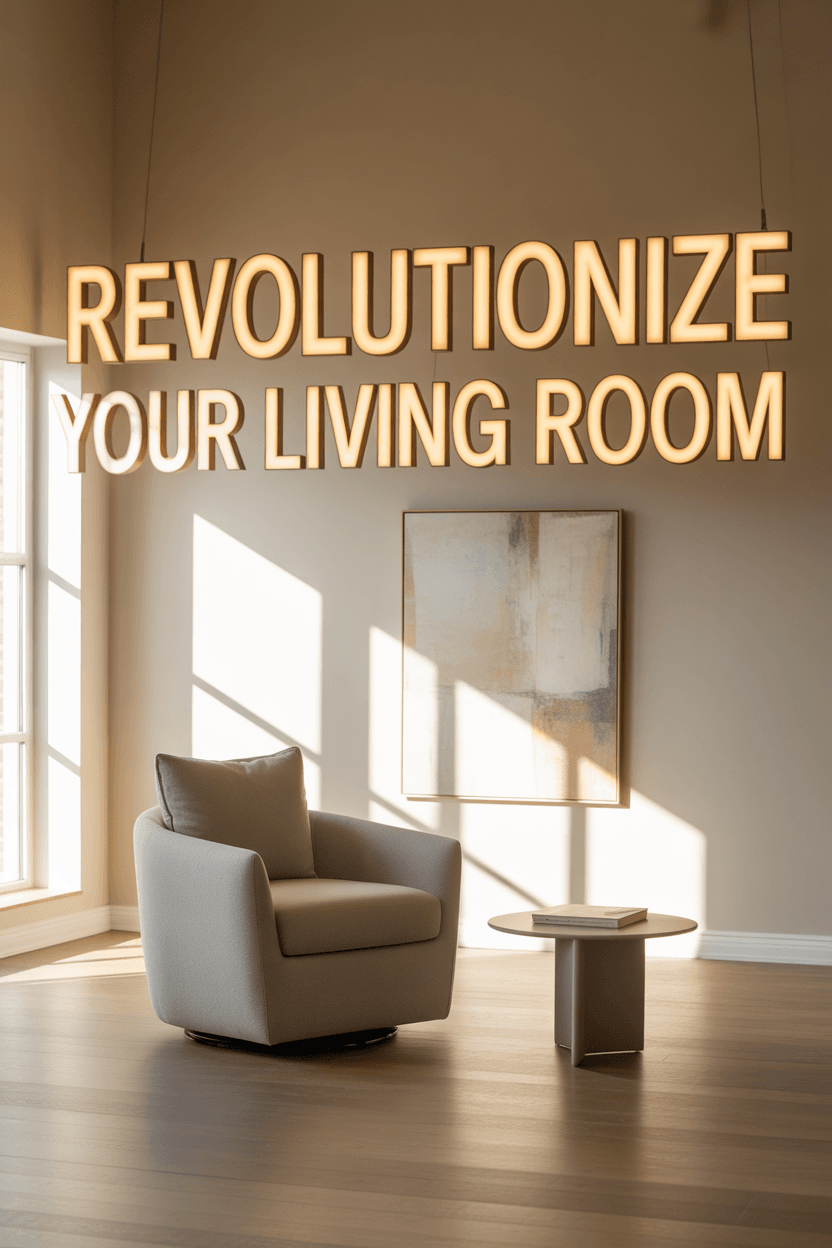
Swivel Chairs: The Versatile Seating Solution for Modern Living Rooms

Swivel chairs have become an essential element in contemporary living room design, offering both functionality and style that static seating simply cannot match. Their rotating design allows for effortless conversation flow and the ability to turn toward different areas of your living space without rearranging furniture. This complete guide explores everything you need to know about selecting, placing, and maintaining the perfect swivel chair for your home.
Why Today’s Living Rooms Demand Swivel Seating

Once relegated to office spaces, swivel chairs have returned to living rooms with updated designs that prioritize both comfort and aesthetics. Today’s swivel chairs feature refined mechanisms that operate smoothly and quietly.
Their ability to maximize views in open-concept spaces and facilitate interaction makes them ideal for contemporary homes where versatility is key.
Interior designers increasingly recommend swivel chairs as statement pieces that offer practical benefits beyond their visual appeal.
Finding Your Style: Swivel Chairs for Every Aesthetic
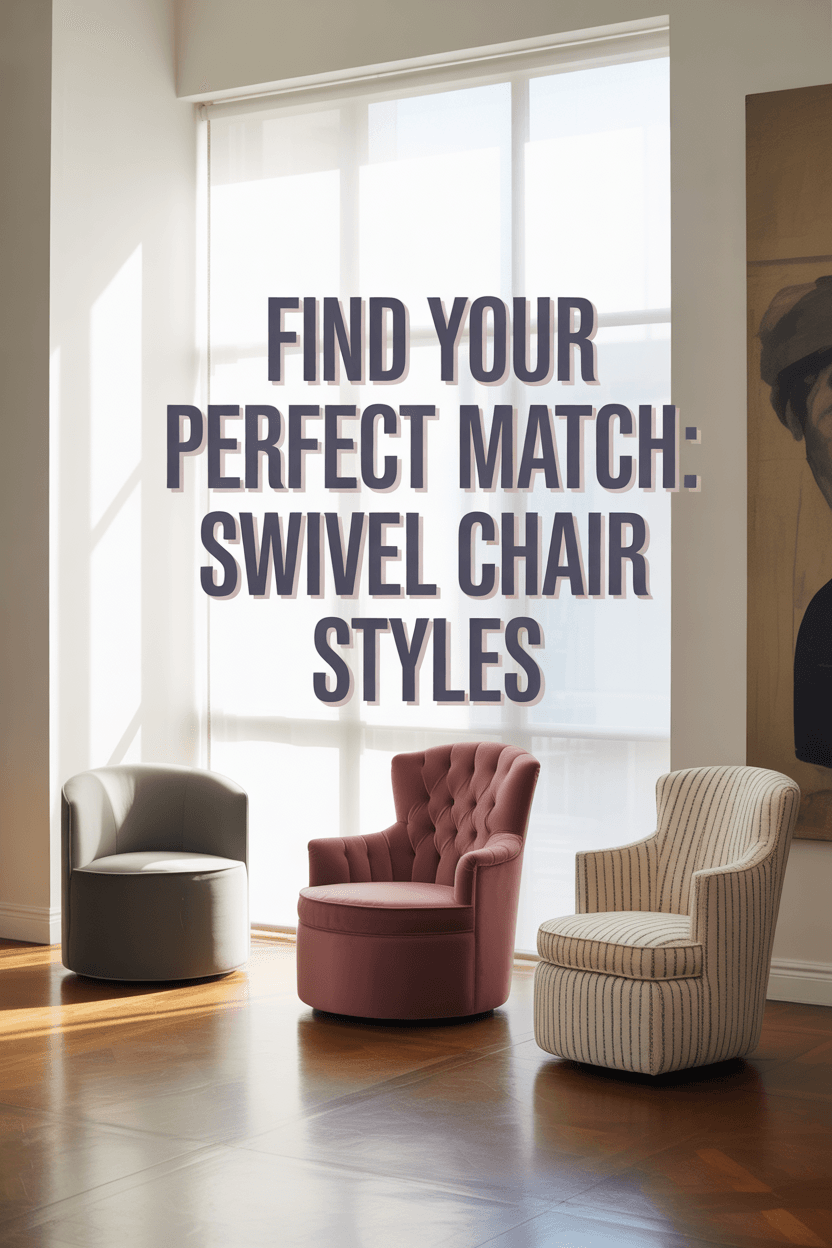
Modern: Look for clean lines, minimalist frames, and neutral upholstery. Metal bases and architectural shapes complement contemporary spaces.
Traditional: Choose rolled arms, tufted backs, and turned wood bases. Swivel chairs with classic silhouettes and traditional patterns maintain formality while adding function.
Transitional: Blend elements from both styles with simple shapes in timeless fabrics. These versatile chairs feature subtle details that work in evolving design schemes.
When selecting a style, consider how the chair will integrate with your existing furniture. The right swivel chair should enhance your living room’s aesthetic while providing the functionality you need.
Remember that some designs lean heavily into their rotating capability with modern, pod-like shapes, while others disguise their swivel function in traditional silhouettes.
The Health Benefits of Proper Swivel Seating

Quality swivel chairs support proper posture with contoured backs and appropriate seat heights. The swivel function reduces twisting movements that can strain your back when turning to face different directions.
Many models include adjustable features like reclining capabilities and built-in lumbar support to enhance comfort during extended sitting periods.
Look for chairs with proper seat depth that allows your back to rest against the backrest while your feet remain flat on the floor.
The best ergonomic designs distribute weight evenly across your body, reducing pressure points that cause discomfort during longer sitting sessions.
Choosing Upholstery That Lasts: Material Options

Leather: Offers durability and develops character over time. Requires occasional conditioning but resists spills and wipes clean easily.
Fabric: Provides more texture and color options. Modern performance fabrics resist stains and fading while maintaining a soft feel.
Velvet: Adds luxury and visual depth. Today’s synthetic velvets combine the plush appearance of traditional velvet with improved stain resistance.
Microfiber: Delivers durability at a lower price point. Resists water and stains while providing a soft, suede-like texture.
When evaluating materials, consider your lifestyle. Households with children or pets may benefit from performance fabrics specifically engineered to withstand spills and scratches.
Creating Visual Impact: Color Selection Strategies
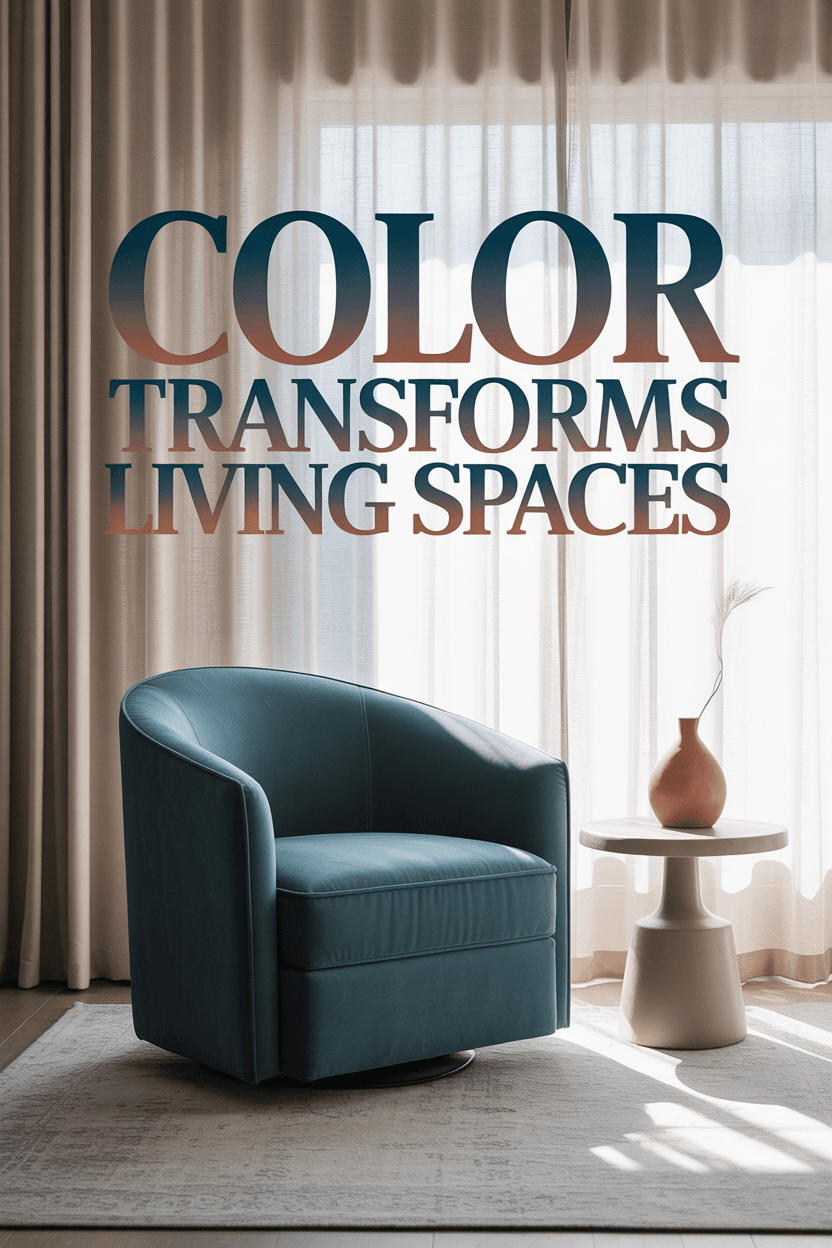
Consider your existing color palette when selecting swivel chairs. Neutral tones (gray, beige, cream) offer versatility and longevity.
Bold colors work well as accent pieces in otherwise neutral rooms. For smaller spaces, choosing chairs in colors similar to your walls creates visual continuity that makes rooms feel larger.
Patterned upholstery can hide wear but should complement other patterns in your space.
Remember that lighter colors make spaces feel more open but show dirt more readily. Darker colors create coziness but can overwhelm smaller rooms.
For timeless appeal, consider choosing neutral bases with colorful accent pillows that can be changed seasonally or as design trends evolve.
Investment vs. Value: Understanding Price Points

Budget options ($200-$500): Focus on basic functionality with simpler designs and synthetic upholstery. These chairs typically feature standard swivel mechanisms without additional features.
Mid-range ($500-$1200): Offer better construction, premium fabrics, and improved mechanisms. This range balances quality and affordability with designs that will last for years.
Luxury ($1200+): Feature hand-crafted details, premium materials, and exceptional construction. These chairs often include custom options, designer pedigrees, and lifetime warranties.
When investing in swivel chairs, consider how frequently they’ll be used. Daily-use chairs warrant higher investment in quality construction and durable materials.
Strategic Placement for Maximum Functionality

Place swivel chairs in conversation areas where they can rotate between multiple focal points. Corner positions maximize their functionality by allowing a full range of motion.
Consider using swivel chairs to bridge different functional zones in open floor plans. Ensure adequate clearance (at least 24 inches) for comfortable rotation without hitting walls or other furniture.
Positioning near windows allows occupants to enjoy both the view and room interactions with a simple turn.
In media rooms, place swivel chairs at angles where they can easily turn between the television and conversation areas.
Creating Balance: Pairing with Other Furniture

Balance swivel chairs with stationary pieces like sofas to create visual stability in your layout. Use pairs of swivel chairs to frame architectural features or anchor conversation areas.
Complement swivel chairs with ottomans that can double as coffee tables or additional seating. Consider scale when pairing—oversized swivel chairs work with substantial sofas while more delicate designs pair with smaller pieces.
For a cohesive look, choose swivel chairs that share design elements with your existing furniture, such as similar leg styles or complementary upholstery textures.
In eclectic spaces, swivel chairs can serve as transitional pieces that bridge different design styles.
Maintaining Your Investment: Care and Cleaning

Mechanism maintenance: Occasionally check and tighten hardware. Apply silicone spray lubricant if swivel action becomes stiff.
Fabric care: Vacuum regularly using upholstery attachments. Treat spills immediately with appropriate cleaners for your fabric type.
Leather upkeep: Dust regularly and condition twice yearly to prevent drying and cracking. Keep away from direct sunlight to prevent fading.
Frame cleaning: Wipe wooden frames with appropriate wood cleaner. Clean metal components with a damp cloth and dry thoroughly.
Consider manufacturer recommendations for specific care instructions, as some specialty fabrics require particular cleaning methods.
Beyond Basic: Enhanced Swivel Chair Features

Reclining swivel chairs: Offer multiple positions for maximum comfort but require more space for full functionality.
Swivel gliders: Combine smooth forward/backward motion with rotation—perfect for rooms where both functions are desired.
Swivel rockers: Provide gentle rocking motion along with rotation capability, offering soothing movement that works well in living rooms that double as relaxation spaces.
Height-adjustable options: Allow customization for different users and activities, though these are less common in living room styles.
Consider which additional features align with your primary use cases before investing in enhanced functionality that may increase price and footprint.
Family-Friendly Swivel Options: Durability Meets Design
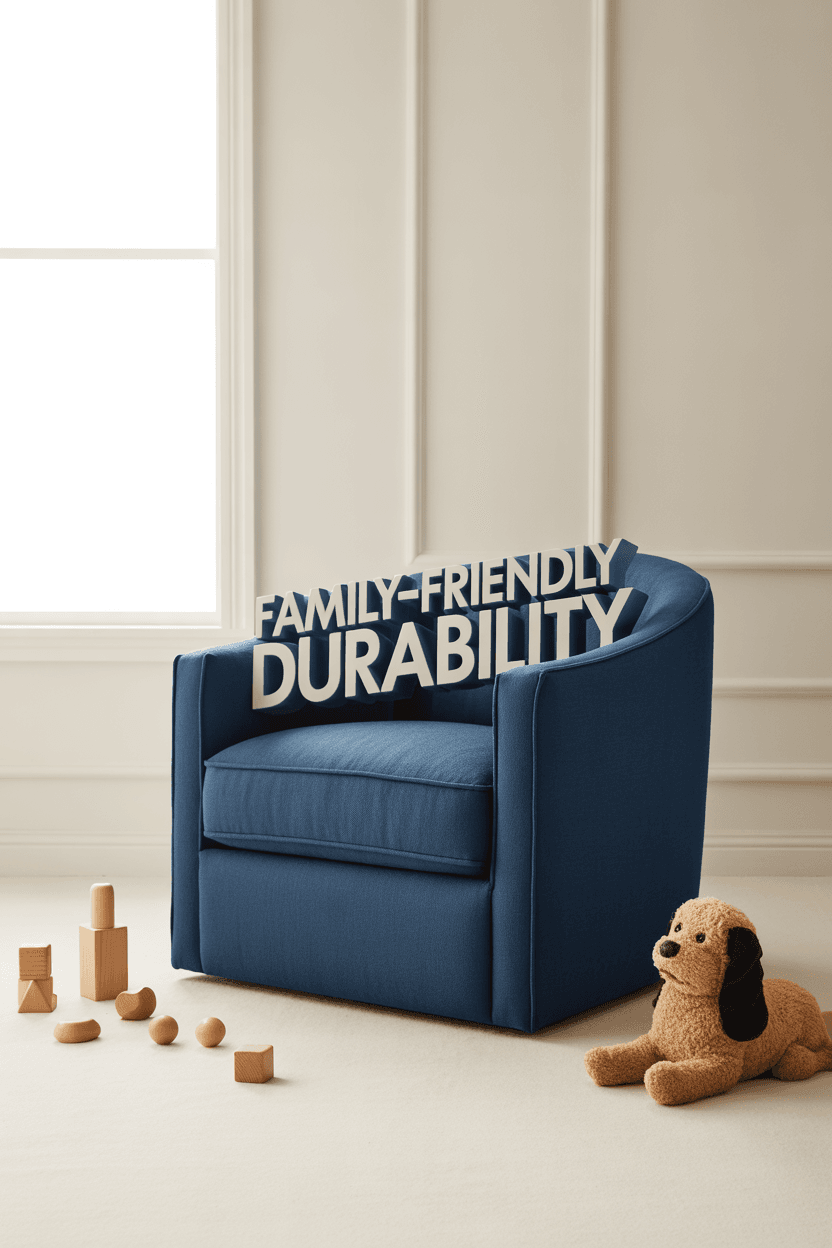
Look for performance fabrics specifically designed to resist stains and scratches. Leather and tightly woven synthetic fabrics stand up better to daily wear.
Avoid loose weaves that can catch pet claws. Consider chairs with removable, washable covers for homes with young children.
Choose models with smooth edges and secure swivel mechanisms that won’t pinch curious fingers.
For homes with active children, select chairs with sturdy construction and well-secured cushions that won’t shift with energetic use.
Many manufacturers now offer fabric protection treatments that provide additional resistance to spills and stains without changing the feel of the upholstery.
Space-Saving Solutions for Compact Living Areas
Swivel chairs eliminate the need to rearrange furniture when changing focus between conversation and television viewing. Their ability to rotate means you need less clearance space around them compared to chairs that must be pulled out and repositioned.
Many compact swivel designs offer full functionality without the bulky footprint of conventional armchairs, making them perfect for apartments and small living areas.
In tight quarters, choose models with a smaller diameter rotation base to maximize your available floor space.
Some space-conscious designs incorporate storage in their bases, providing additional utility in limited square footage.