25 Stunning Dining Room Transformations That Started on Pinterest


Popular Dining Room Styles on Pinterest
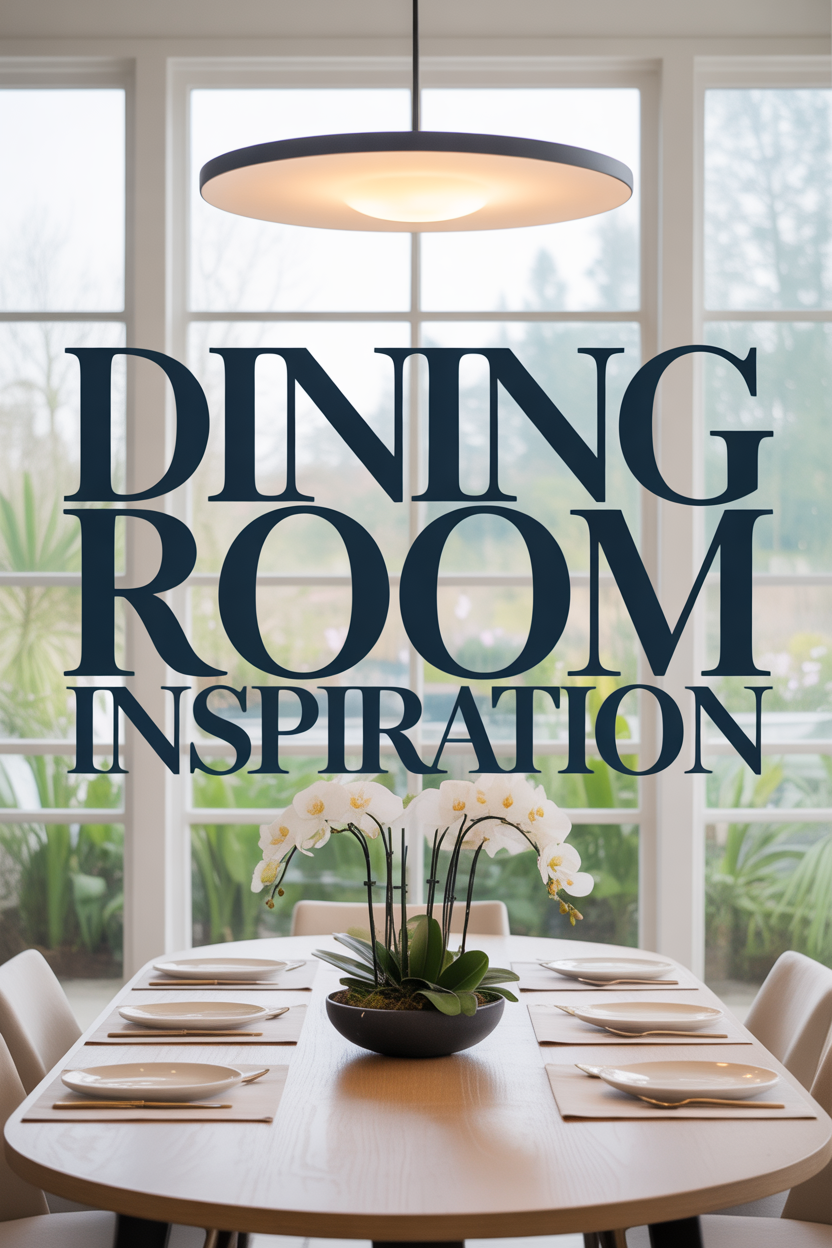
Looking for fresh dining room ideas? Pinterest is packed with inspiration for every style and budget. The platform showcases countless dining room looks — from clean Scandinavian designs to warm rustic farmhouse spaces — and remains a go-to visual resource for homeowners and designers alike.
Mid-century modern remains popular for its sleek lines and functional beauty, while industrial elements like exposed brick and metal fixtures continue to appear frequently in Pinterest boards and design publications.
Each style category offers unique ways to transform your dining space into a gathering place that reflects your personal aesthetic. For broader trend context, see Pinterest’s annual trend reports: Pinterest Predicts.
How to Create an Effective Dining Room Pinterest Board
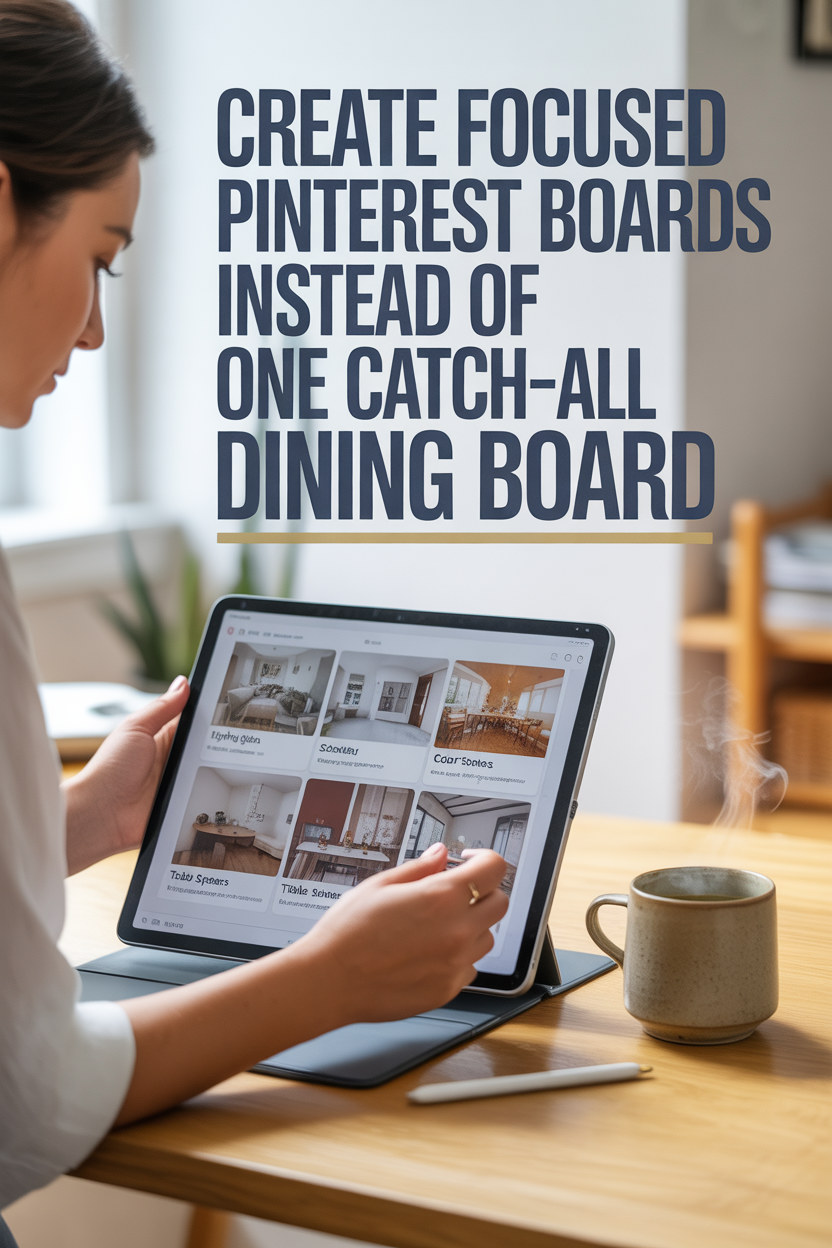
Start by creating specific boards like “Small Dining Spaces” or “Dining Room Lighting” rather than a single, catch‑all dining board.
Use Pinterest’s search filters and visual search to narrow results by color, size, or style that matches your actual space — this helps you find realistic inspiration more quickly.
Save images that feel achievable within your budget rather than only aspirational photos. This realistic approach helps you create a dining room you’ll actually be able to implement.
Consider following designers, local showrooms, and brands whose aesthetic aligns with yours for a steady stream of relevant inspiration.
Trending Color Schemes Taking Over Dining Rooms
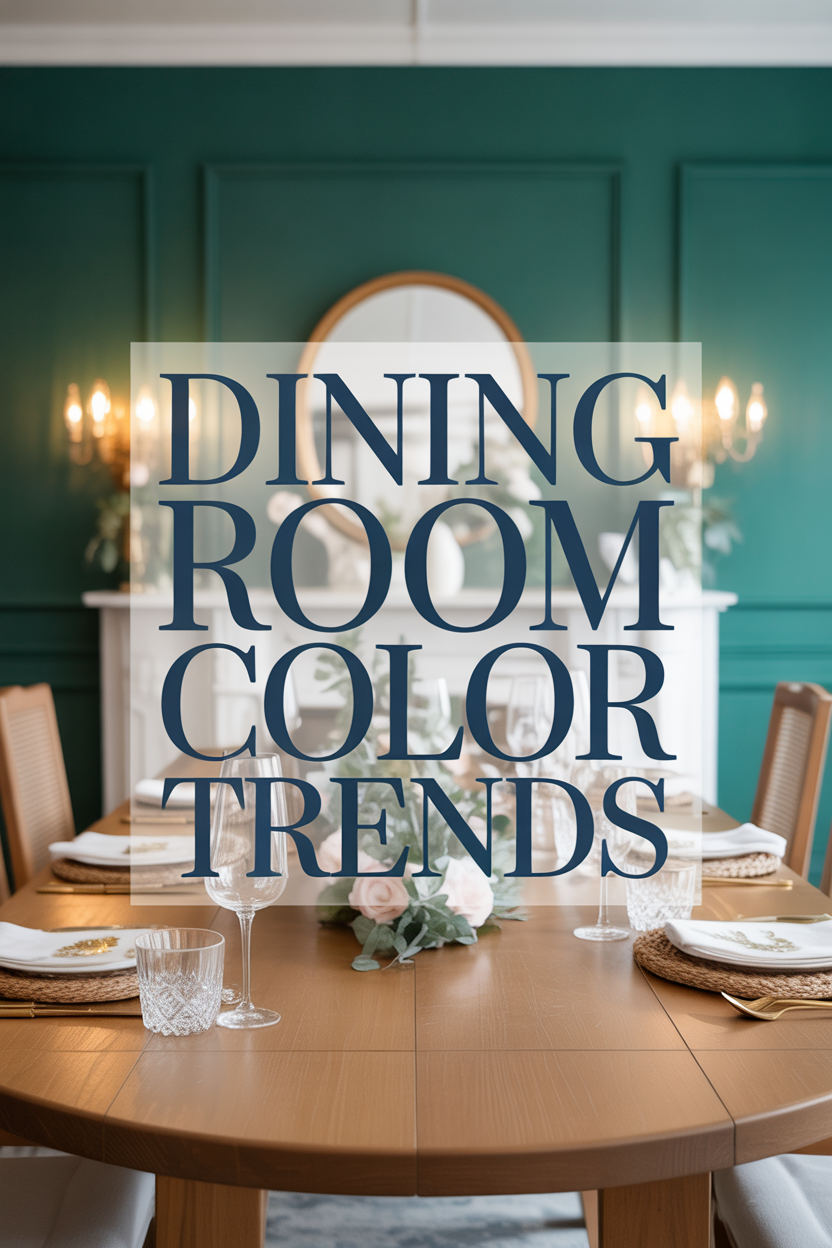
Deep blues and greens paired with natural wood tones have been widely cited by designers and trend reports as popular choices for dining rooms, creating a sophisticated yet warm atmosphere. For trend overviews, consult Pinterest Predicts or industry publications linked above.
For smaller spaces, light neutrals with strategic pops of color help create an airy feel and maximize perceived space.
Black accent walls are used to create dramatic backdrops for artwork and furniture when balanced with lighter elements and good lighting.
Monochromatic color schemes that emphasize texture (wall finishes, fabrics, and natural materials) offer subtle sophistication that works in both traditional and contemporary dining rooms.
Clever Small Space Dining Solutions

Drop-leaf and extendable tables are favorites for small homes — expand them for guests and collapse them for daily use. (See the classic drop-leaf table for design examples.)
Wall-mounted tables, built-in banquettes, and round tables with armless chairs maximize limited square footage without sacrificing style.
Many pins showcase dining nooks carved from unused corners or hallway spaces — these creative solutions transform overlooked areas into charming dining spots.
Multifunctional furniture, like tables that convert from work desks to dining surfaces, appeals to apartment dwellers and others in compact homes; search “convertible dining table” on Pinterest or retail sites to compare models and prices.
Statement Lighting That Transforms Dining Rooms
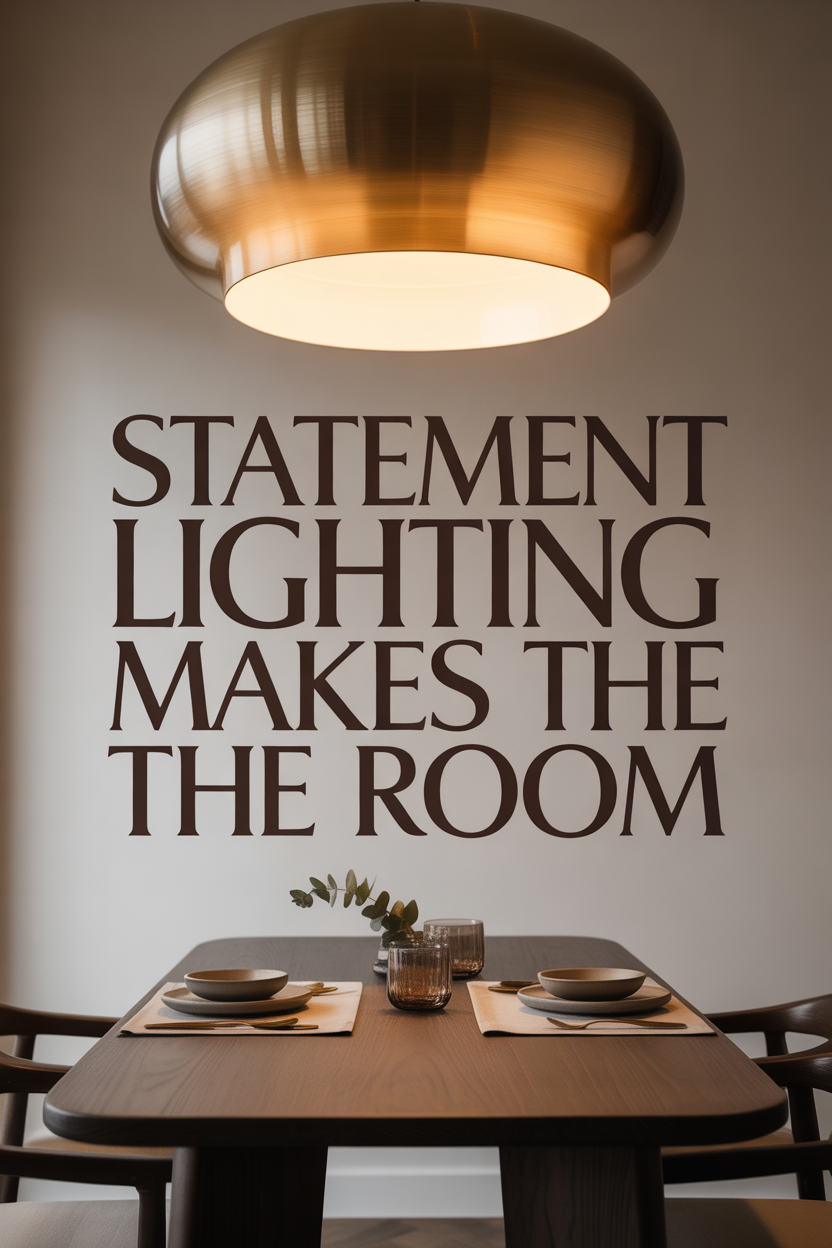
Bold pendant lights and chandeliers act as the “jewelry” of the dining room, creating focal points and setting the tone for the entire space. Browse inspiration galleries (for example, Houzz Dining Room Photos) to see how different fixtures change a room’s character.
Clustered pendant arrangements add visual interest without overwhelming the space and work well over rectangular tables or in rooms with high ceilings.
Rattan and woven fixtures bring natural texture and warmth, while sleek modern fixtures complement minimalist dining rooms. Consider dimmable fixtures or lighting controls for adjustable ambiance.
When selecting fixtures, check bulb compatibility, wattage, and mounting requirements — and if you’re unsure about electrical work, consult a licensed electrician.
Distinctive Dining Tables for Every Style
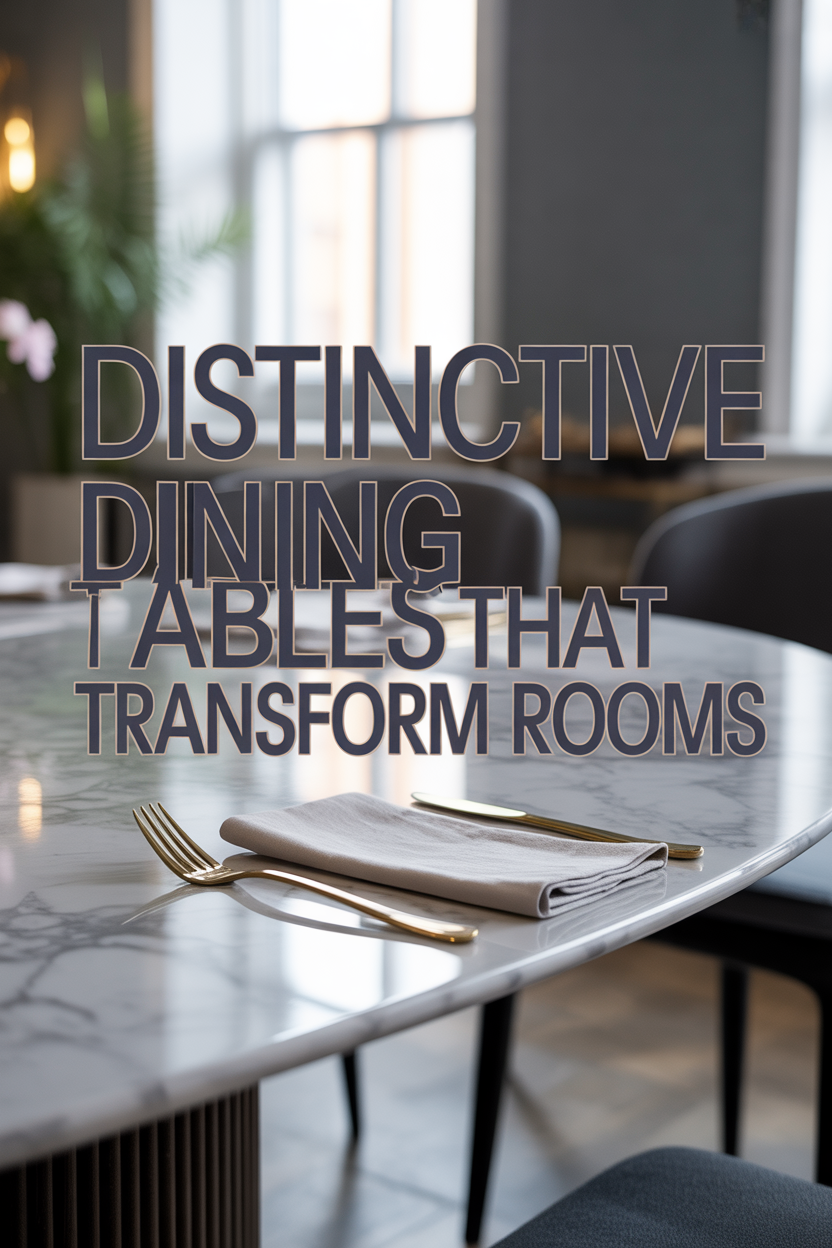
Live-edge wood tables continue to be popular for their organic beauty and unique character — search “live-edge dining table” to compare sources and price ranges.
Marble and stone-topped tables provide elegance and durability, but note they require sealing and careful maintenance compared with finished hardwoods.
Multifunctional tables with storage or extension capabilities appeal to practical buyers — look for hidden drawers, leaf extensions, and convertible designs if you value utility.
Glass-topped tables can help smaller spaces feel lighter because their transparency reduces visual bulk.
Creative Ways to Mix Dining Chair Styles

Mixing chair styles creates visual interest and personality and lets you build seating gradually rather than buying an entire matching set.
Try bench seating on one side with chairs on the other, or use matching side chairs with distinctive end chairs to balance cohesion and contrast.
Vintage chairs painted in coordinating colors offer budget-friendly character; simple paint and new cushions can bring secondhand finds up to date.
Upholstered chairs mixed with wood or metal pieces create textural contrast that elevates the dining experience.
Eye-Catching Wall Decor for Dining Spaces
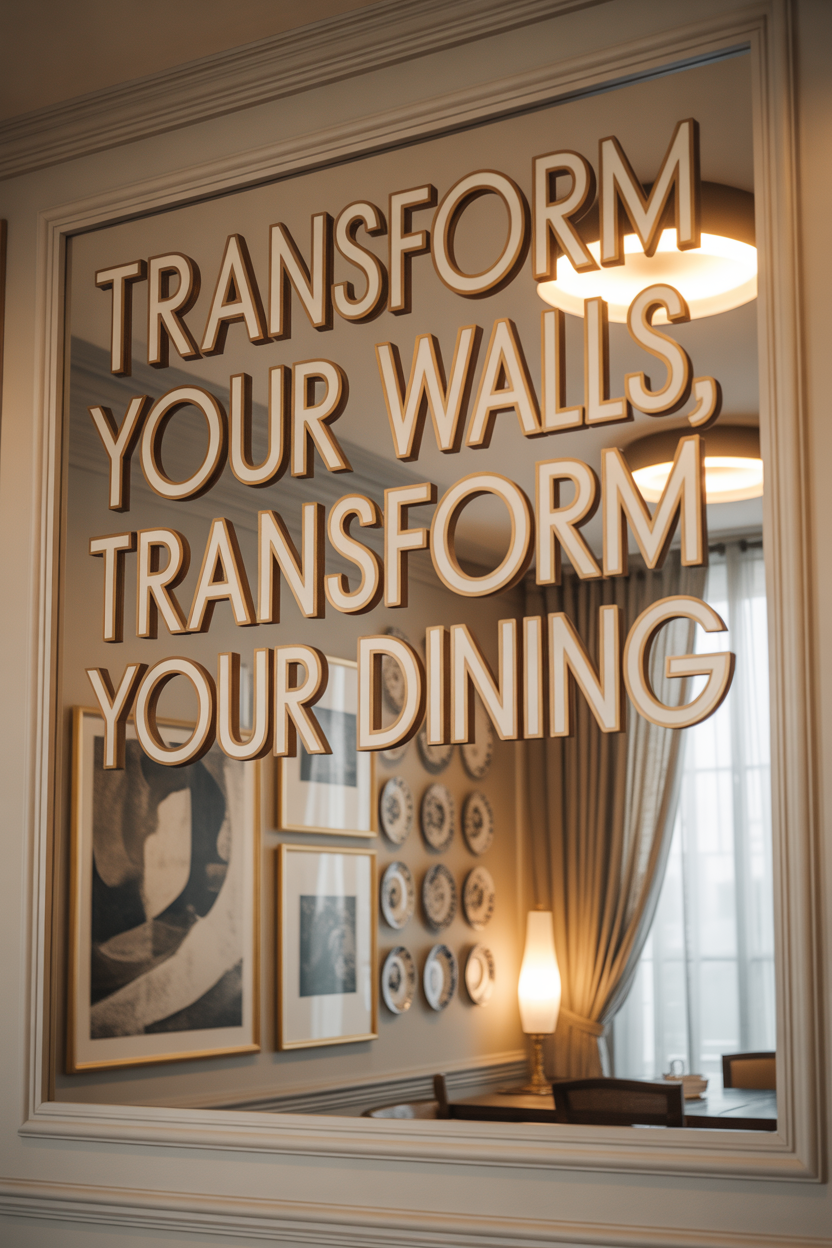
Large-scale art pieces make dramatic statements in dining areas and often work better than many small pieces because they create a clear focal point.
Plate collections and mirror arrangements remain a classic option; modern layouts and mixed-frame palettes refresh these looks for contemporary interiors.
Gallery walls are still popular — unify them with a consistent frame color or theme to avoid visual clutter.
Wallpaper and wall moldings provide architectural interest; even a single accented wall can transform the feel of a dining area.
Budget-Friendly Updates with Maximum Impact

Paint transformations are among the highest-impact, lowest-cost updates. A new wall color or refreshed furniture finish can make a room feel entirely new; paint brands like Sherwin‑Williams and Benjamin Moore publish color trend resources and offer sample tools.
Thrifted furniture makeovers demonstrate how secondhand pieces become stunning focal points with relatively small updates such as new hardware or upholstery.
DIY art projects and updated lighting fixtures deliver high impact with minimal investment — look for tutorials on craft sites and video platforms to guide projects step‑by‑step.
Rearranging existing furniture and accessories costs nothing but can dramatically change how a dining space functions and feels.
Seasonal Styling for Fresh Dining Spaces
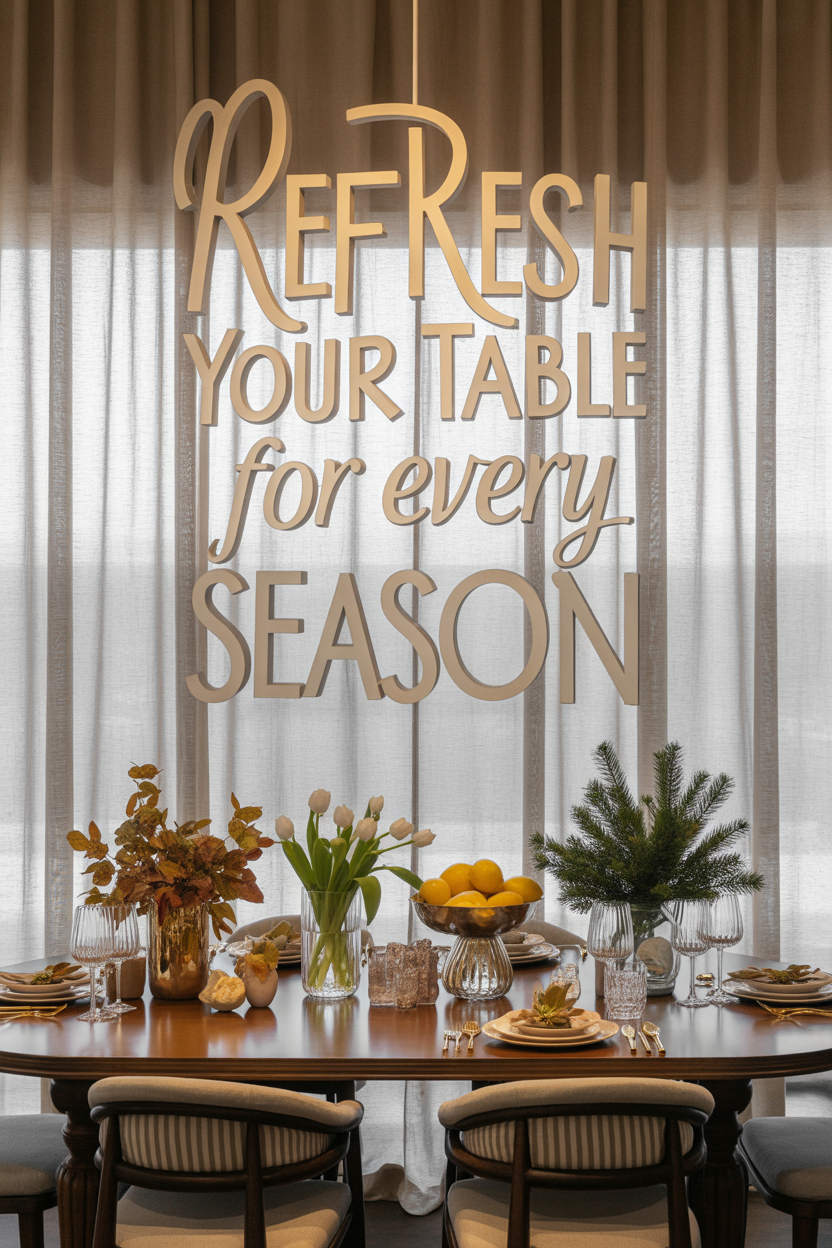
Simple swaps like table runners, centerpieces, and textiles can transition dining rooms between seasons without major renovations.
Natural elements create authentic seasonal touches — pinecones and evergreens in winter, fresh flowers in spring, and harvest elements in fall offer inexpensive updates.
Color schemes shift with the seasons — from cool blues and greens in summer to warm oranges and reds in autumn — keeping dining spaces feeling fresh year‑round.
Lighting adjustments (candles in winter, brighter settings in summer) enhance seasonal ambiance without requiring large purchases.
Bringing Life to Dining Areas with Indoor Plants
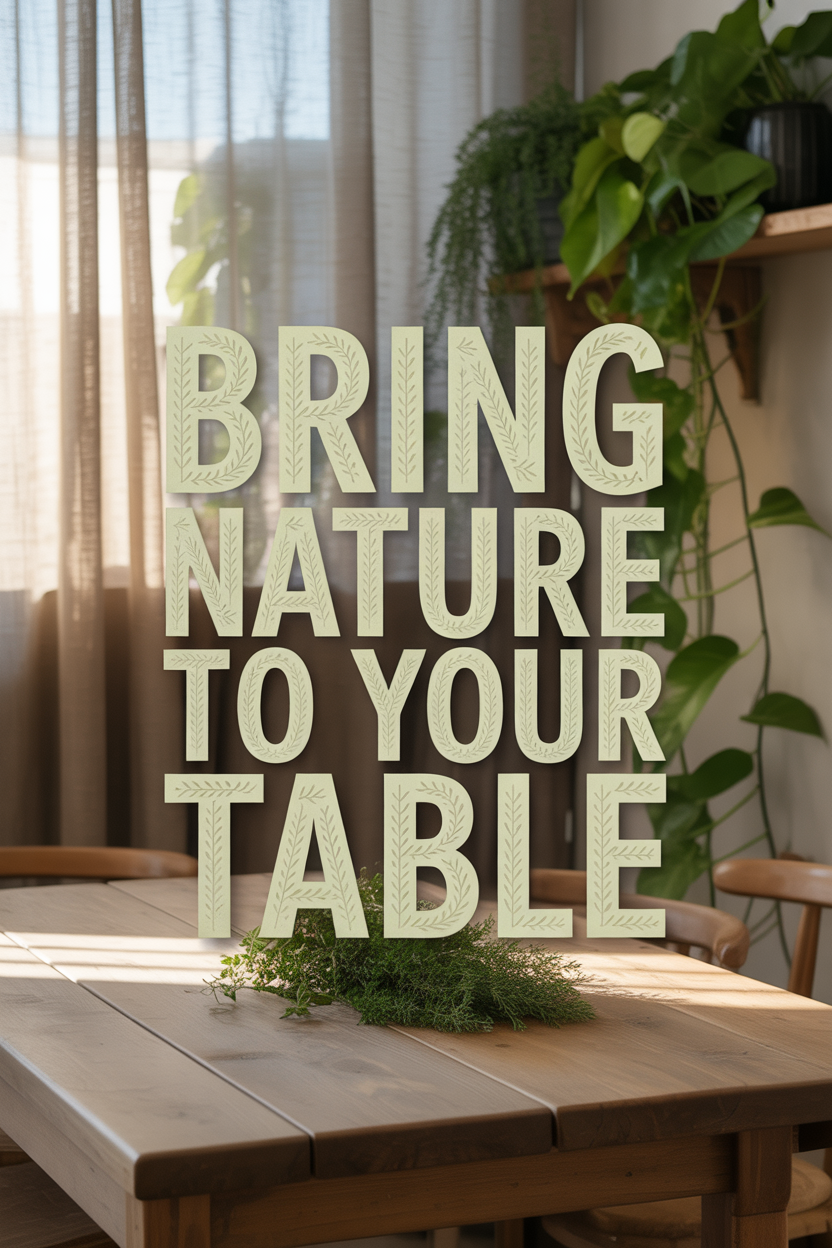
Trailing plants on sideboards, statement floor plants in corners, and small herb arrangements on tables add natural vitality to dining spaces.
Low‑maintenance varieties such as snake plants and pothos tolerate variable light conditions and are widely recommended for indoor settings.
Hanging plants utilize vertical space in smaller dining areas, adding interest without consuming floor area — ideal for apartments.
Seasonal blooming plants provide changing colors throughout the year, keeping your dining space aligned with nature’s rhythms; consult plant care guides when choosing varieties for light and humidity conditions in your home.
Making It Your Own: Personalizing Your Dining Space

While Pinterest offers abundant inspiration, the most successful dining rooms reflect their owners’ personalities and needs. Incorporate elements that tell your story through art, collectibles, or family heirlooms.
Consider how you actually use your dining space — for daily meals, entertaining, work, or crafts — and design accordingly. A beautiful room that doesn’t support your lifestyle will quickly feel frustrating.
Mix high and low elements, combining investment pieces with budget finds for a curated look that’s uniquely yours. This balanced approach creates dining rooms with character and longevity.
Remember that dining rooms evolve over time. Start with key foundational pieces, then layer in personality through accessories and art as you discover what truly works for your space.