10 Beach Living Room Color Scheme Ideas (Designer Secrets)

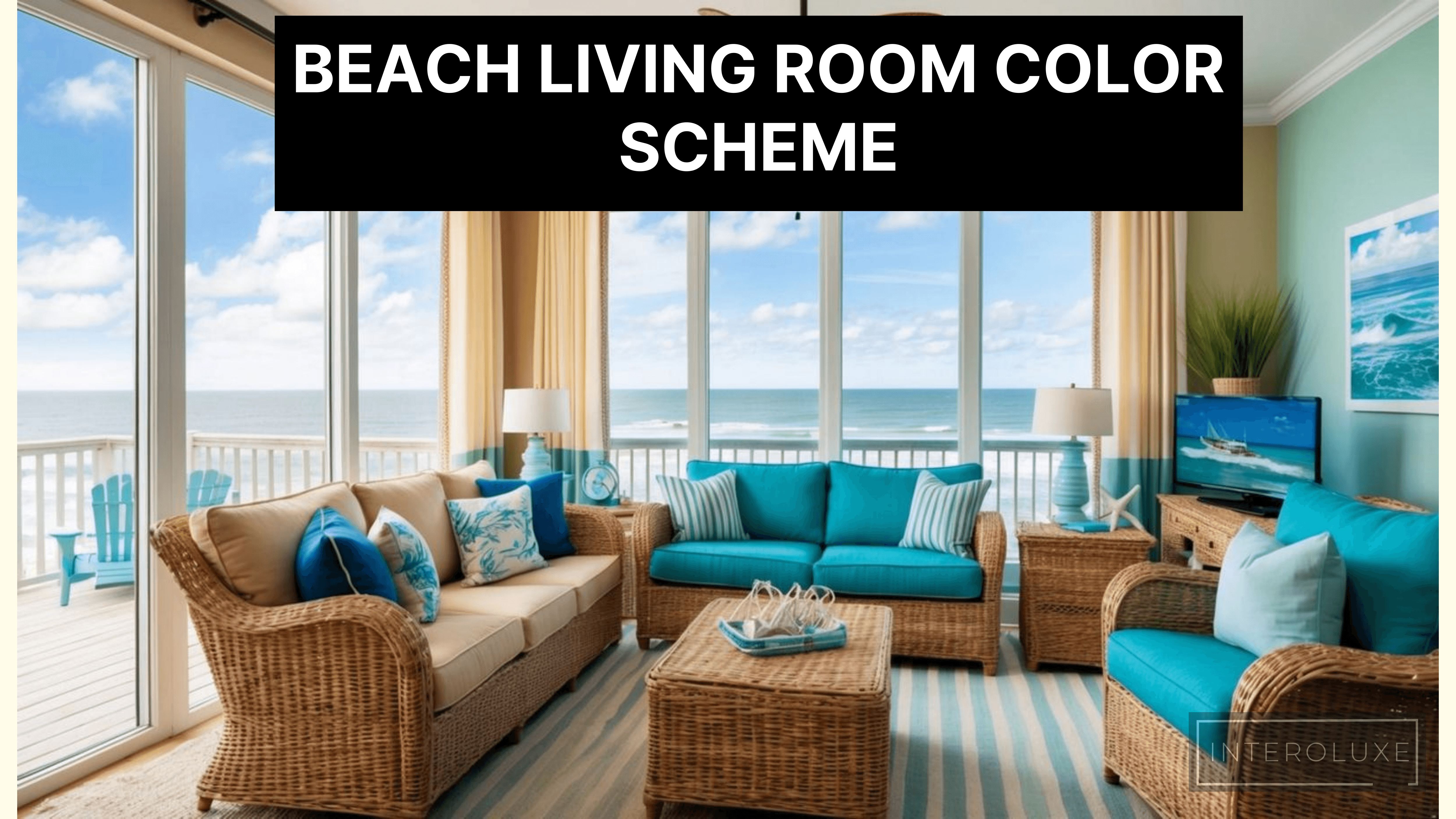
1. Ocean Blue

Ocean blue brings the calming essence of the sea into your beach living room. This cool hue creates a serene atmosphere that reminds you of peaceful waves lapping at the shore.
You can use ocean blue as the main color for your walls. It provides a soothing backdrop for other beach-inspired decor elements.
Consider painting one accent wall in a deeper shade of ocean blue. This adds depth and visual interest to your space without overwhelming it.
Ocean blue pairs well with crisp whites, sandy beiges, and soft grays. These combinations evoke a classic coastal feel in your living room.
You can incorporate ocean blue through furniture pieces like sofas or armchairs. A blue couch becomes a striking focal point in your beach-themed space.
Accessories offer another way to bring in ocean blue. Think throw pillows, curtains, or area rugs with blue patterns or solid colors.
For a subtle touch, try blue-tinted glass vases or decorative objects. These small accents add pops of color without dominating the room.
Artwork featuring ocean scenes or abstract blue patterns can tie your color scheme together. Hang these pieces to reinforce the beachy vibe.
Lighting fixtures in blue glass or with blue shades cast a soft, oceanic glow. This creates a cozy ambiance in your living room, especially in the evenings.
2. Sun-Kissed Coral

Sun-kissed coral brings warmth and energy to your beach living room. This vibrant hue captures the essence of tropical sunsets and ocean life.
You can use coral as an accent color on throw pillows, curtains, or artwork. It pairs well with neutral tones like beige or white to create a balanced look.
For a bolder statement, paint an accent wall in coral. This will make your room feel lively and inviting. Add coral-colored decorative items like vases or picture frames for extra pops of color.
Coral also works nicely with blue shades, mimicking the sea and sky. Try combining it with turquoise or navy blue for a refreshing coastal vibe.
To keep the room from feeling too intense, mix in some softer shades. Light pink or peach can complement the coral while maintaining a relaxed atmosphere.
Don’t forget about textures. Incorporate coral in different materials like smooth ceramics, rough woven fabrics, or glossy painted surfaces. This adds depth to your color scheme.
Remember to balance the brightness of coral with some cooler tones. Gray or light blue can help create a more soothing environment.
3. Sand Dune Beige

Sand dune beige brings the warm, soothing tones of the beach right into your living room. This soft, neutral color creates a calming backdrop for your coastal-inspired space.
You can pair sand dune beige with crisp whites for a classic beach look. Add pops of blue or green to mimic the ocean and plant life found near the shore.
Natural textures work well with this color scheme. Try incorporating woven baskets, jute rugs, or driftwood accents to enhance the beachy feel.
For a more elegant take, combine sand dune beige with metallic gold or silver elements. This adds a touch of glamour to your seaside-inspired room.
Lighting plays a key role in bringing out the best in sand dune beige. Use warm, soft lighting to create a cozy atmosphere that mimics the glow of sunset on the beach.
Consider using sand dune beige on your walls and pairing it with darker wood tones for your furniture. This creates depth and interest in your space while maintaining a beach-inspired look.
Don’t forget to add some beach-themed artwork or accessories. Seashells, coral, or coastal landscapes can tie the whole room together.
4. Palm Frond Green

Palm frond green brings a lush, tropical vibe to your beach living room. This vibrant shade mimics the color of palm leaves, creating a connection to nature.
You can use palm frond green as an accent wall color. It pairs well with neutral tones like beige or white, adding depth to your space.
Consider incorporating this hue through furniture pieces. A palm frond green sofa or armchair can become a striking focal point in your room.
Throw pillows, curtains, or area rugs in this shade can add pops of color without overwhelming the space. These smaller items are easy to change if you want to update your look later.
For a subtle touch, try adding palm frond green through plants. Real or artificial palm leaves in vases can bring life to your beach-themed living room.
This color works well with natural materials like rattan, jute, and light wood. These elements enhance the tropical feel of your space.
Remember to balance palm frond green with lighter colors to keep your room feeling open and airy. Too much of this bold shade might make your space feel smaller.
5. Seashell White

Seashell white is a soft, warm shade that brings the beach right into your living room. This color mimics the natural hue of seashells found along the shore. It’s a great choice for creating a calm and inviting space.
You can use seashell white on your walls to make the room feel bigger and brighter. It works well with natural light and gives your space an airy feel. This color also pairs nicely with other beach-inspired shades.
Consider adding seashell white to your furniture too. A cozy sofa or armchair in this color can be the perfect spot to relax. You can also use it for curtains or throw pillows to create a cohesive look.
To add some contrast, mix seashell white with sandy beiges or soft blues. This combo will remind you of the beach on a sunny day. Wood accents in light or driftwood tones can also complement this color scheme nicely.
Don’t forget about textures when using seashell white. Add woven baskets, chunky knit blankets, or textured wallpaper to give depth to your space. These elements will make your room feel cozy and interesting.
6. Driftwood Gray

Driftwood gray brings a calming, coastal vibe to your beach living room. This neutral shade mimics the weathered wood found along shorelines.
You can use driftwood gray as a main wall color or in furniture pieces. It pairs well with whites, blues, and sandy beiges to create a relaxed seaside atmosphere.
Try a driftwood gray sofa or accent chairs to anchor your space. Add texture with gray-washed wood tables or shelving units.
For a subtle touch, incorporate driftwood gray in smaller elements like throw pillows, picture frames, or a area rug. This versatile color works in both modern and traditional beach decor styles.
To brighten the room, balance driftwood gray with lighter shades. Use white trim, curtains, or ceiling to keep the space feeling open and airy.
Accent your driftwood gray palette with pops of ocean-inspired colors. Try teal, navy, or seafoam green in artwork or accessories.
Natural materials complement this color scheme nicely. Add woven baskets, jute rugs, or sisal elements to enhance the beachy feel.
7. Aquamarine

Aquamarine brings the calming essence of the ocean into your beach living room. This soft, blue-green hue creates a serene atmosphere that reminds you of crystal-clear waters.
You can use aquamarine as a main wall color to make your space feel open and airy. It pairs well with white trim and ceiling to enhance the coastal vibe.
For a subtle touch, try aquamarine accent pieces like throw pillows, curtains, or area rugs. These add pops of color without overwhelming the room.
Furniture in light wood tones or white complements aquamarine beautifully. Consider a white sofa with aquamarine pillows for a fresh, beachy look.
Aquamarine also works well with other ocean-inspired colors. Try combining it with sandy beige, coral, or navy blue for a balanced color scheme.
To add depth, use different shades of aquamarine throughout the room. Lighter tones on walls and darker accents create visual interest.
Natural elements like driftwood, seashells, or beach grass enhance the aquamarine color scheme. They bring texture and authenticity to your coastal design.
Artwork featuring aquamarine tones can tie the room together. Look for ocean scenes or abstract pieces that incorporate this soothing color.
8. Coastal Teal

Coastal teal brings the calming essence of ocean waters into your beach living room. This soothing color blends blue and green tones to create a refreshing atmosphere.
You can use coastal teal as an accent wall color to make a bold statement. It pairs well with crisp whites and sandy beiges, echoing the natural beach palette.
Consider painting your furniture in coastal teal for a pop of color. A teal coffee table or bookshelf can become a striking focal point in your space.
Teal throw pillows, curtains, or area rugs add depth to your room without overwhelming it. These smaller touches let you experiment with the color before committing to larger changes.
For a subtle approach, incorporate teal in your artwork or decorative objects. Seascapes, coral prints, or ceramic vases in this hue can tie your coastal theme together.
Coastal teal works well with natural materials like driftwood, jute, and rattan. These textures complement the color and enhance the beachy vibe of your living room.
Remember to balance teal with lighter shades to keep the room feeling open and airy. Too much of this rich color can make a space feel smaller.
9. Sandy Taupe

Sandy taupe brings a warm, earthy feel to your beach living room. This versatile color blends well with other coastal hues and natural elements.
You can paint your walls sandy taupe for a cozy backdrop. It pairs nicely with white trim and ceiling to keep the space bright.
Add sandy taupe throw pillows or an area rug to introduce the color without committing to paint. This shade works great with light woods and woven textures.
For a bolder look, try sandy taupe curtains or a large piece of furniture like a sofa. Balance it with lighter accents to maintain an airy beach vibe.
Complement sandy taupe with blue and green shades to reflect the ocean and plant life. Coral and orange accents can add pops of color reminiscent of seashells and sunsets.
Don’t forget to include some actual sand-colored elements. A bowl of collected beach sand or seashells can tie the color scheme together perfectly.
Sandy taupe also pairs well with metallic accents. Try gold or copper picture frames or light fixtures to add some shine to your space.
Remember to keep the overall palette light and fresh. Too much dark taupe could make the room feel heavy instead of beachy and relaxed.
10. Tropical Sunset Peach

Tropical sunset peach brings a warm, inviting glow to your beach living room. This soft, peachy hue captures the essence of a stunning coastal sunset. It creates a cozy atmosphere that makes you feel like you’re basking in the last rays of sunlight.
You can use this color on your walls to set a serene mood. It pairs well with light neutrals like beige or ivory for a balanced look. Add some white accents to keep the space feeling fresh and airy.
For a bolder approach, combine tropical sunset peach with deep blues or teals. This combo mimics the colors of the ocean meeting the sky at dusk. It adds depth and interest to your room without being overwhelming.
Consider using this peachy tone in your fabrics too. Throw pillows, curtains, or an area rug in this shade can tie the room together nicely. You might also look for artwork featuring beach sunsets to complement the color scheme.
Don’t forget about lighting. Warm-toned lamps or fixtures can enhance the sunset feel, especially in the evenings. This creates a cozy space for relaxing after a day at the beach.
Understanding Beach Color Palettes

Beach color palettes capture the relaxed, airy feel of coastal environments. They blend soft neutrals with pops of ocean-inspired hues.
Characteristics of Beach Colors
Beach colors are light and breezy. They often include sandy beiges, crisp whites, and soft grays. These neutral tones create a calm backdrop.
Pops of color come from ocean blues and seafoam greens. You might also see coral pinks or sunny yellows. These brighter shades add life to the palette.
Beach colors tend to be muted rather than bold. Think of weathered driftwood or sea glass. This worn look adds to the laid-back vibe.
Inspiration from Natural Elements
Nature provides the best guide for beach color schemes. Look to the sand, sea, and sky for ideas.
Sand ranges from pale cream to golden tan. Pebbles and shells offer subtle gray tones. The ocean provides a spectrum of blues, from pale aqua to deep navy.
Sky colors change throughout the day. Soft blues, pinks, and purples at sunset can inspire your palette. Green from beach grass or palm trees adds a fresh touch.
Don’t forget driftwood and weathered wood. These worn textures in soft grays and browns fit perfectly in beach decor.
Incorporating Beach Tones into Living Rooms

Beach tones can transform your living room into a relaxing coastal retreat. The right color choices create a calming atmosphere that reminds you of sandy shores and ocean waves.
Choosing the Right Base Colors
Start with a neutral base like soft whites or light beiges. These colors mimic sand and provide a clean backdrop. Pale blues and greens work well too, bringing in the colors of sea and sky.
For walls, try “Sea Salt” or “Beach Glass” paint shades. These light hues open up the space and reflect natural light.
Use white or cream for larger furniture pieces. This keeps the room feeling airy and bright. Add texture with natural fabrics like linen or cotton for a beachy vibe.
Accent Colors to Enhance Beach Vibes
Bring in pops of color with accent pieces. Aqua, coral, and seafoam green add life to your space. Use these in throw pillows, art, or small decor items.
Introduce natural elements like driftwood or seashells. These add authenticity to your beach theme. A bowl of collected shells or a driftwood coffee table centerpiece work well.
Don’t forget blue tones. Navy stripes on pillows or a blue glass vase can nod to the ocean. Soft yellow accents can represent sunshine, perfect for a cheerful touch.
Mix in some green tones too. This can represent beach grass or palm trees. Try a potted plant or green picture frames to bring this color in subtly.
Creating a Harmonious Beach Atmosphere

Bring the beach into your living room with a carefully chosen color scheme. Soft blues, sandy beiges, and crisp whites can make you feel like you’re by the shore.
Start with a neutral base. Paint your walls a light cream or soft gray. This creates a calm backdrop for your beach-inspired decor.
Add pops of blue to mimic the ocean. Use throw pillows, curtains, or a rug in various shades of blue. Think of the different colors you see in the sea – from pale aqua to deep navy.
Incorporate natural textures. Woven baskets, driftwood accents, and jute rugs can add warmth and a beachy feel to your space.
Don’t forget about greenery. Add some plants that remind you of coastal vegetation, like palm fronds or sea grass in simple white pots.
Keep your furniture light and airy. Choose pieces in white or light wood tones. This helps maintain the open, breezy feeling of a beach house.
Use beach-themed accessories sparingly. A few seashells or a piece of coral can add charm without overwhelming the space.
Balance is key. Mix your chosen colors throughout the room to create a cohesive look. This will help your beach-inspired living room feel relaxing and inviting.