
7 Genius Ways to Transform Your Small Lounge-Dining Room into a Stylish Multifunctional Space

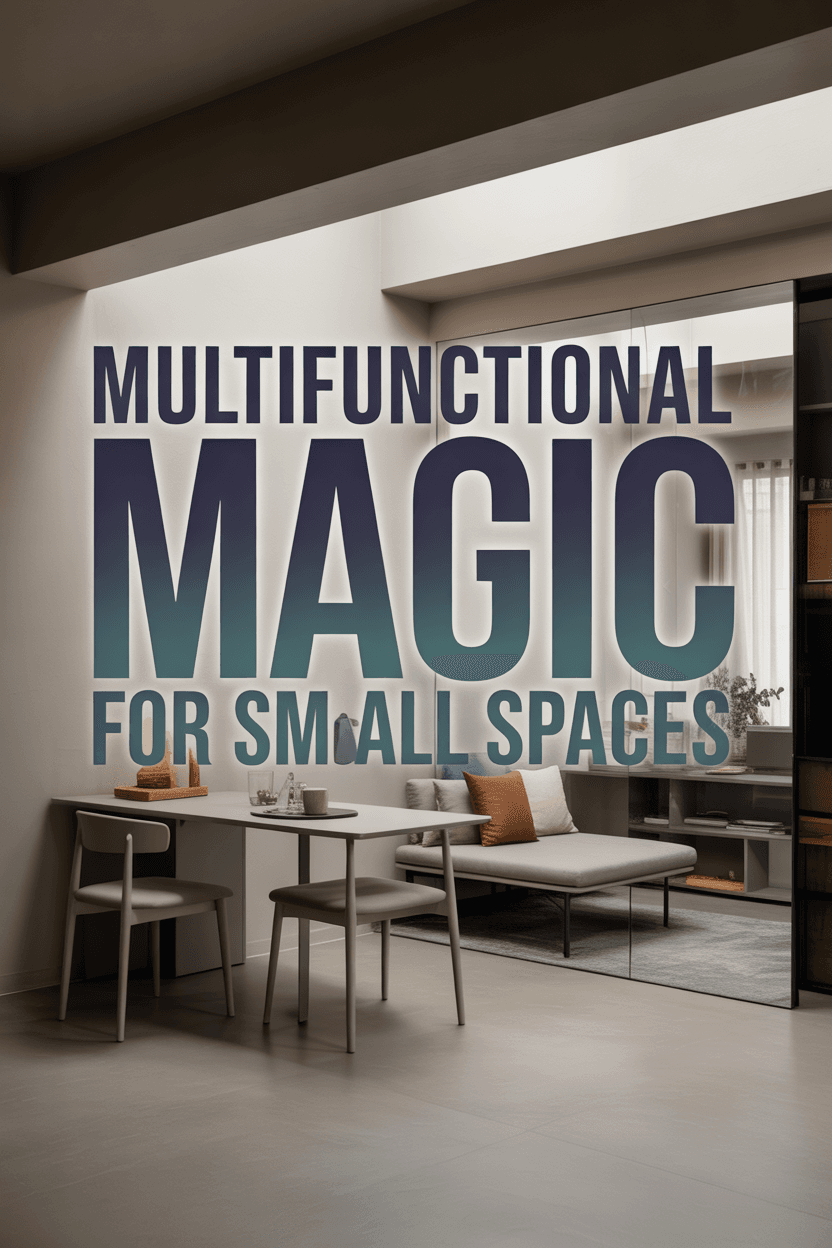
Smart Small Lounge Dining Room Design Ideas for Multifunctional Living

Are you struggling with a compact living space that needs to function as both a lounge and dining area? You’re not alone. Creating a stylish, functional dual-purpose room requires thoughtful planning and strategic design choices. Here are expert solutions to maximize your small space while maintaining style and comfort.
Incorporate Smart Storage Solutions

Minimize clutter with strategic storage options that blend seamlessly into your design.
Choose dining benches with hidden storage underneath for table linens, seasonal items, or rarely-used kitchen equipment.
Select coffee tables with drawers or shelving to keep remote controls, magazines, and everyday items accessible but tidy.
Use decorative baskets that complement your décor to corral loose items stylishly.
Invest in furniture with built-in storage wherever possible, from hollow ottomans to beds with drawers underneath.
Zone Your Space with Strategic Furniture Placement
The key to a successful lounge-dining combination is creating distinct zones without physical barriers. Position your sofa with its back creating a natural boundary between areas.
A console table behind the sofa can serve as both a divider and provide additional surface space when needed.
This arrangement maintains an open feel while clearly defining each area’s purpose.
Consider placing your dining table perpendicular to the sofa to maximize the flow between spaces.
Choose Space-Saving, Multifunctional Furniture
Select pieces that work twice as hard in limited square footage to maximize functionality.
Round or extendable dining tables can accommodate intimate dinners and expand for guests when needed.
Storage ottomans pull triple duty as coffee tables, extra seating, and hidden storage compartments.
Nesting tables offer flexibility, providing additional surfaces only when necessary.
Slim-profile sofas with clean lines minimize visual bulk while maintaining comfort.
Select dining chairs that complement your living area aesthetic so they can double as additional lounge seating.
Create Visual Continuity with a Cohesive Color Scheme
Light neutrals make small spaces feel larger while providing a versatile backdrop for both zones.
Soft grays, taupes, or creams work well as your primary palette, creating an airy atmosphere.
Consider adding a single accent wall in a deeper shade to add depth without overwhelming the space.
Maintain consistent wood tones across both zones to unify the room visually.
Introduce strategic pops of color through accessories that can be easily changed when you want a refresh.
Maximize Vertical Space
When floor space is limited, direct your design focus upward to utilize the full room volume.
Install floating shelves or wall-mounted cabinets for storage without sacrificing precious floor space.
Hang artwork slightly higher than standard to draw the eye upward and create the illusion of height.
Use floor-to-ceiling curtains to enhance the room’s vertical lines and make ceilings appear higher.
Choose tall, narrow bookcases rather than wide units to maximize storage while minimizing footprint.
Use Rugs to Define Areas
Area rugs create visual separation without walls, helping to establish distinct zones.
Place complementary rugs under dining and lounge sections to mark territories clearly.
Ensure appropriate sizing—dining rugs should extend about 24 inches beyond table edges to accommodate chairs.
Choose patterns or textures that coordinate rather than match exactly to create visual interest while maintaining harmony.
Implement Layered Lighting Solutions
Proper lighting transforms how you use your space throughout the day and evening.
Install a statement pendant or chandelier over the dining area to anchor this zone and provide focused light.
Add floor or table lamps in the lounge section for softer, ambient light that invites relaxation.
Include task lighting where needed, such as adjustable reading lamps or under-cabinet lighting in nearby kitchen areas.
Use dimmer switches to adjust atmosphere for different activities, from intimate dinners to movie nights.
Deploy Mirrors Strategically
Mirrors are powerful tools that can visually double your space when positioned thoughtfully.
Position a large mirror opposite a window to reflect natural light throughout the room.
Consider mirrored cabinet fronts or furniture pieces to visually expand the room’s dimensions.
Use decorative mirrors as both functional elements and art pieces to add personality while enhancing spaciousness.
A mirror placed at the end of your dining area can create the illusion of an extended space.
Select Appropriately Scaled Furniture
Avoid the common mistake of choosing oversized pieces that overwhelm your limited square footage.
Choose a loveseat or apartment-sized sofa instead of a full-sized sectional if space is tight.
Select dining chairs with narrow profiles that don’t create visual clutter.
Consider armless dining chairs that can tuck completely under the table when not in use.
Look for furniture with exposed legs rather than skirted pieces to create a sense of openness and airflow.
Create Flexible Arrangements
Design your space for adaptability to accommodate different activities and group sizes.
Consider a drop-leaf or gate-leg table that can expand for dinner parties and fold down when not needed.
Choose lightweight side chairs that can be easily moved between lounge and dining zones as needed.
Select portable side tables that can function in either area, serving as dining surfaces or display spaces.
Invest in a console table that can transform into dining space when needed, perhaps with folding chairs stored nearby.
Balance Aesthetics with Functionality
Create a space that reflects your personal style while meeting practical everyday needs.
Choose fabrics and finishes that can withstand the rigors of dining while still looking appropriate in a lounge setting.
Incorporate plants to add life and texture without consuming floor space – consider hanging planters or wall-mounted options.
Display meaningful artwork or collectibles to personalize the space while maintaining a cohesive look.
Remember that negative space is crucial in small rooms – resist the urge to fill every corner.
By implementing these intelligent design strategies, your small lounge-dining room can become a stylish, functional space that seamlessly transitions between relaxation and entertaining. The key is thoughtful planning, appropriate scaling, and selecting furniture that works as hard as you do.


