Bathroom Flooring Ideas That Really Work

Choosing the Perfect Bathroom Flooring Ideas for Your Space
When you’re planning a bathroom makeover, picking the right floor is crucial for both style and function. Your bathroom floor needs to resist moisture, handle daily foot traffic, and withstand humidity while enhancing your space’s appearance. The best choice balances functionality, budget considerations, and maintenance requirements to create a foundation that truly performs.
Tile Flooring: Classic and Versatile Options
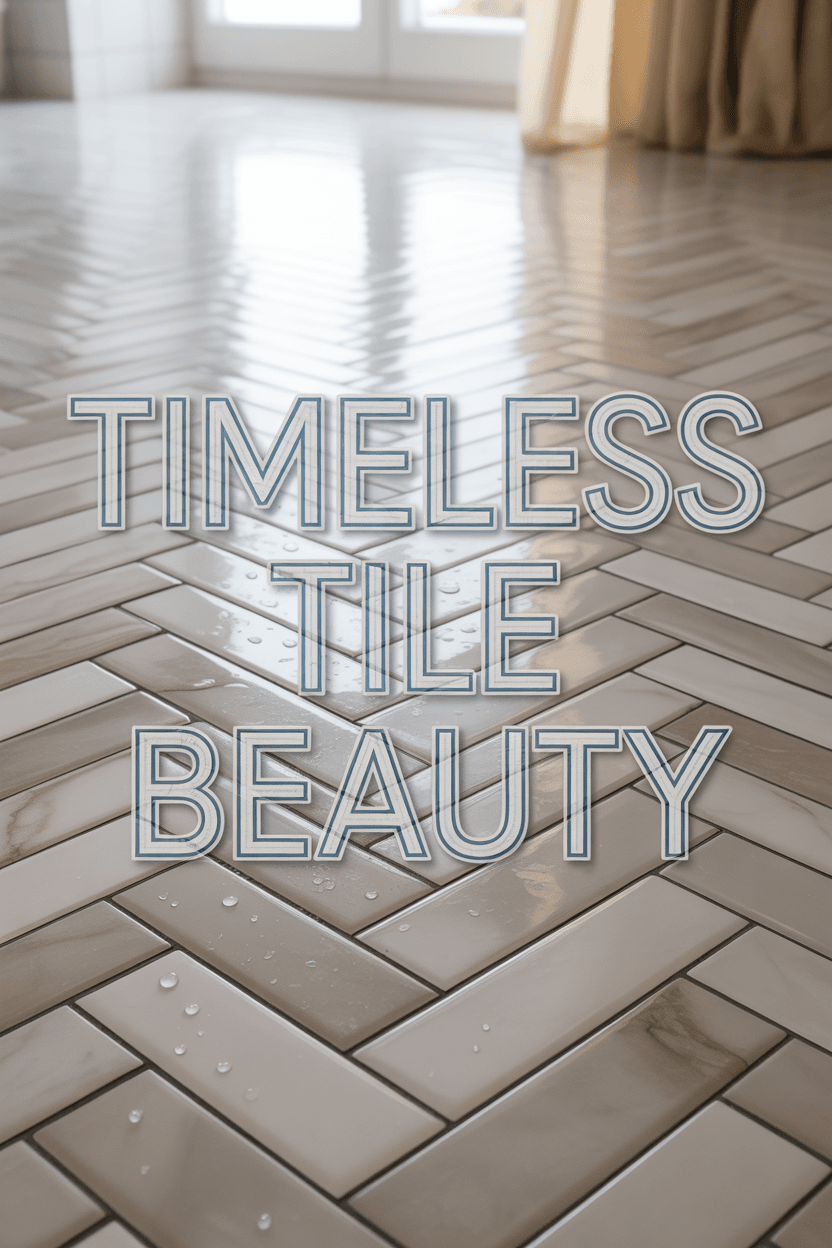
Porcelain, ceramic, and stone tiles remain popular choices for good reason. They come in countless colors, sizes, and patterns to suit any bathroom style.
Tile stands as a timeless favorite because of its exceptional durability and water resistance. However, proper maintenance of grout lines is essential to prevent mold growth.
For added safety, consider non-slip finishes that provide traction on wet surfaces. This feature is particularly important in bathrooms where slipping hazards are common.
Many homeowners appreciate tile’s versatility, as it works beautifully in both traditional and contemporary spaces. The wide range of design options allows for creative expression through your flooring choice.
Vinyl Flooring: Affordable and Practical Solutions
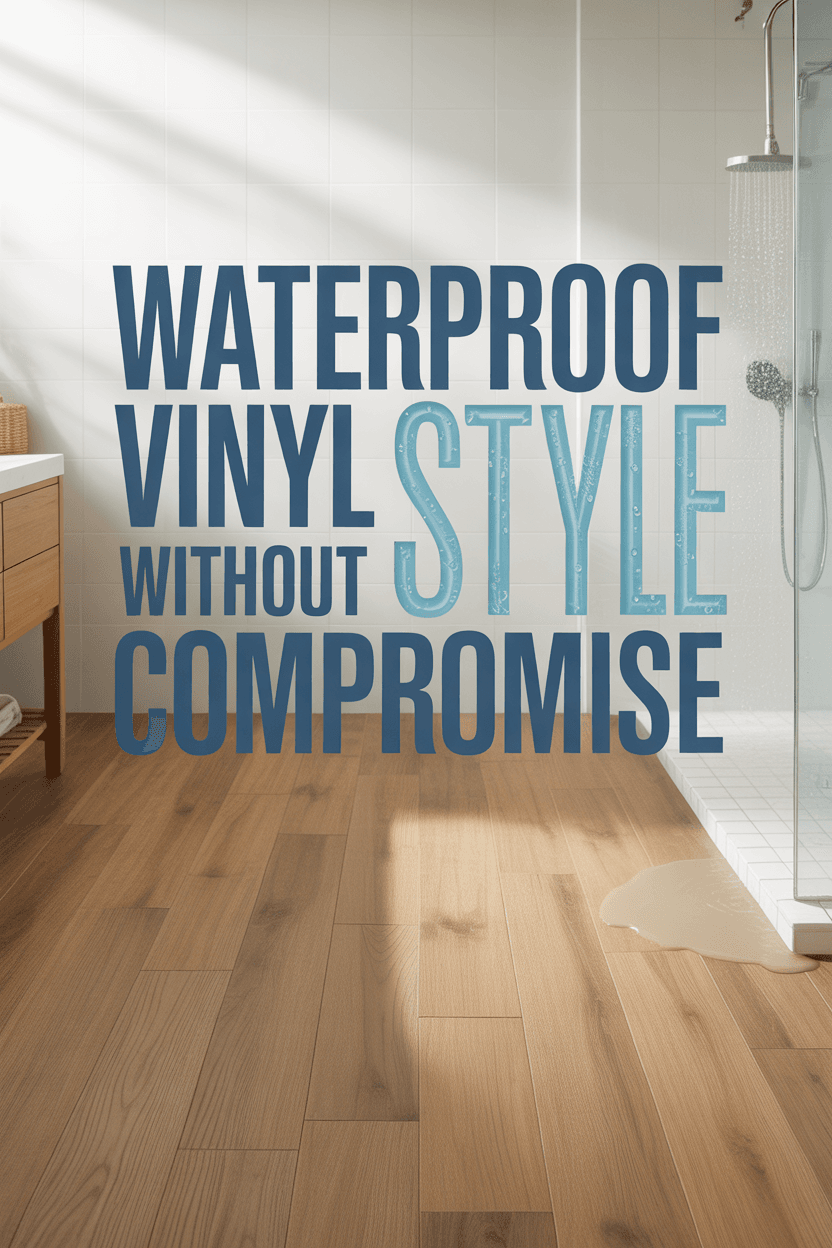
Today’s vinyl has undergone remarkable improvements, becoming one of the most cost-effective flooring options available. Modern vinyl convincingly mimics the appearance of natural stone or wood while providing superior moisture resistance.
Waterproof sheets or tiles create an effective barrier against moisture, though proper sealing at the edges remains important for complete protection.
Vinyl offers an ideal solution for busy households needing a low-maintenance, durable surface that can withstand years of use without showing significant wear.
Installation is relatively straightforward, making vinyl a practical choice for those considering DIY projects or looking to minimize labor costs.
Luxury Vinyl Plank: Wood-Look Options That Perform
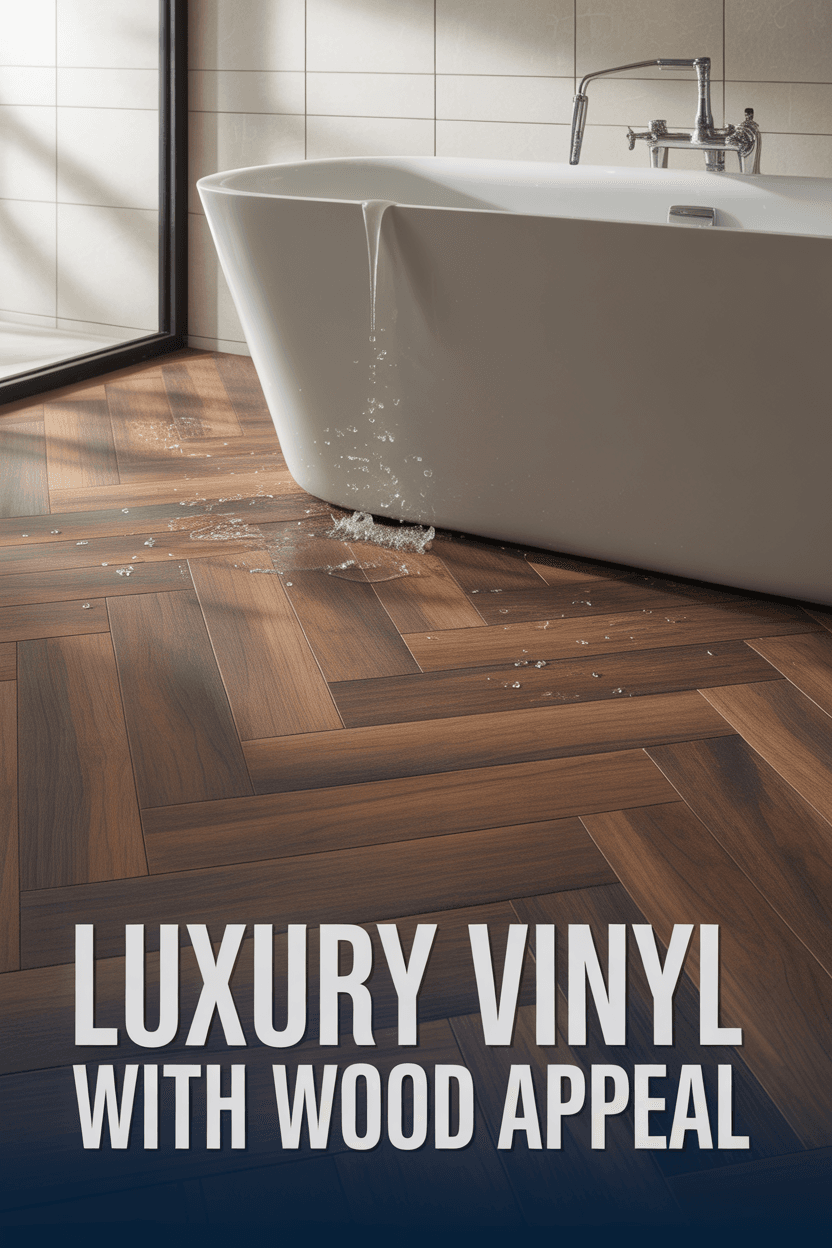
Luxury vinyl planks (LVP) have become increasingly popular among homeowners seeking the warm aesthetic of wood with enhanced resilience. These planks closely resemble hardwood but resist warping in humid conditions.
Most LVP options feature slip-resistant surfaces and protective layers that guard against scratches and stains. This combination of beauty and practicality makes them perfect for bathroom environments.
The click-together installation system used by many LVP products simplifies the installation process compared to traditional hardwood flooring.
With a wide range of colors and wood-grain patterns available, LVP allows you to achieve your desired look without compromising on performance in wet areas.
Waterproof Laminate: Quick Installation for Modern Bathrooms
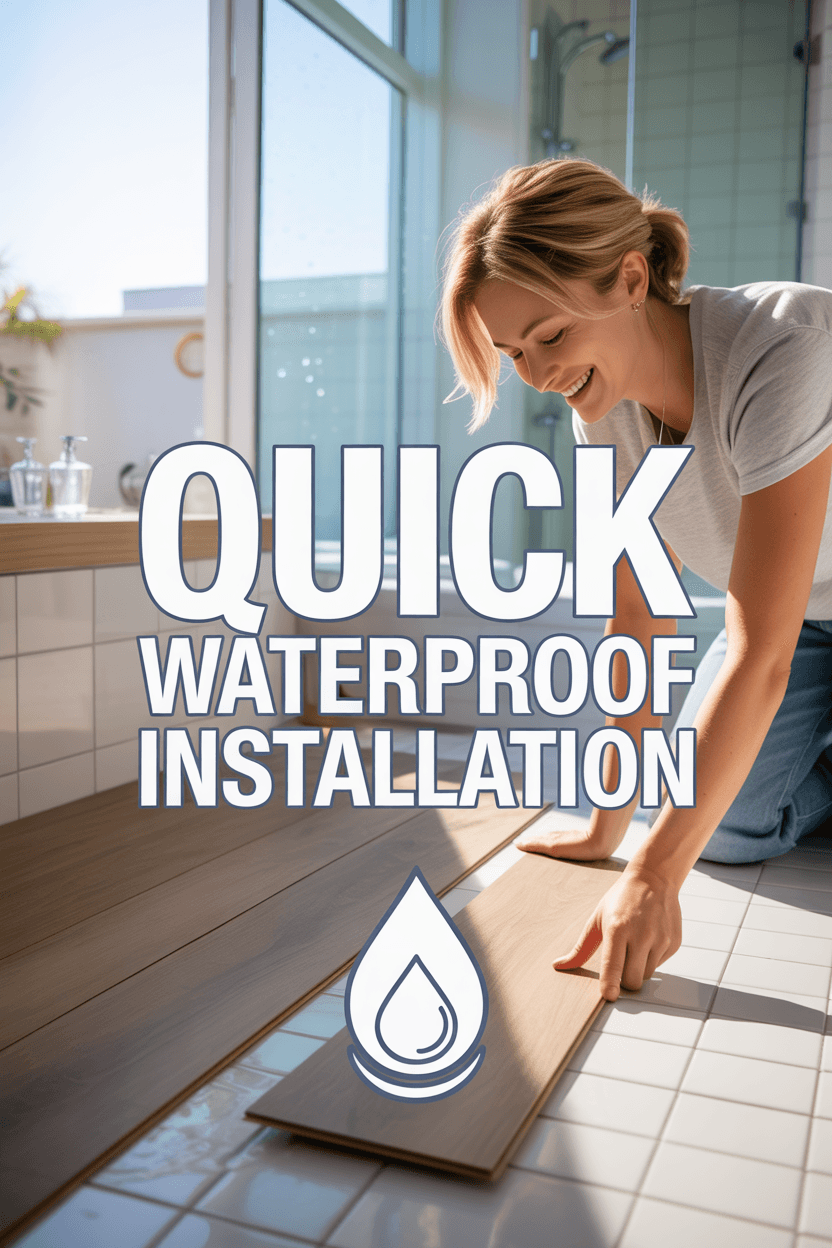
Laminate flooring has evolved significantly, with many options now fully waterproof and suitable for bathroom installations. The interlocking panel system makes laminate exceptionally easy to install without professional assistance.
Proper subfloor preparation remains essential to prevent moisture intrusion beneath the flooring surface. This step ensures the longevity of your installation.
With rapid installation and reliable performance, laminate appeals to DIY enthusiasts looking to refresh their bathroom without extensive construction time.
The photographic layer in laminate can replicate almost any material, giving you design flexibility at a fraction of the cost of natural materials.
Natural Stone: Creating Timeless Elegance
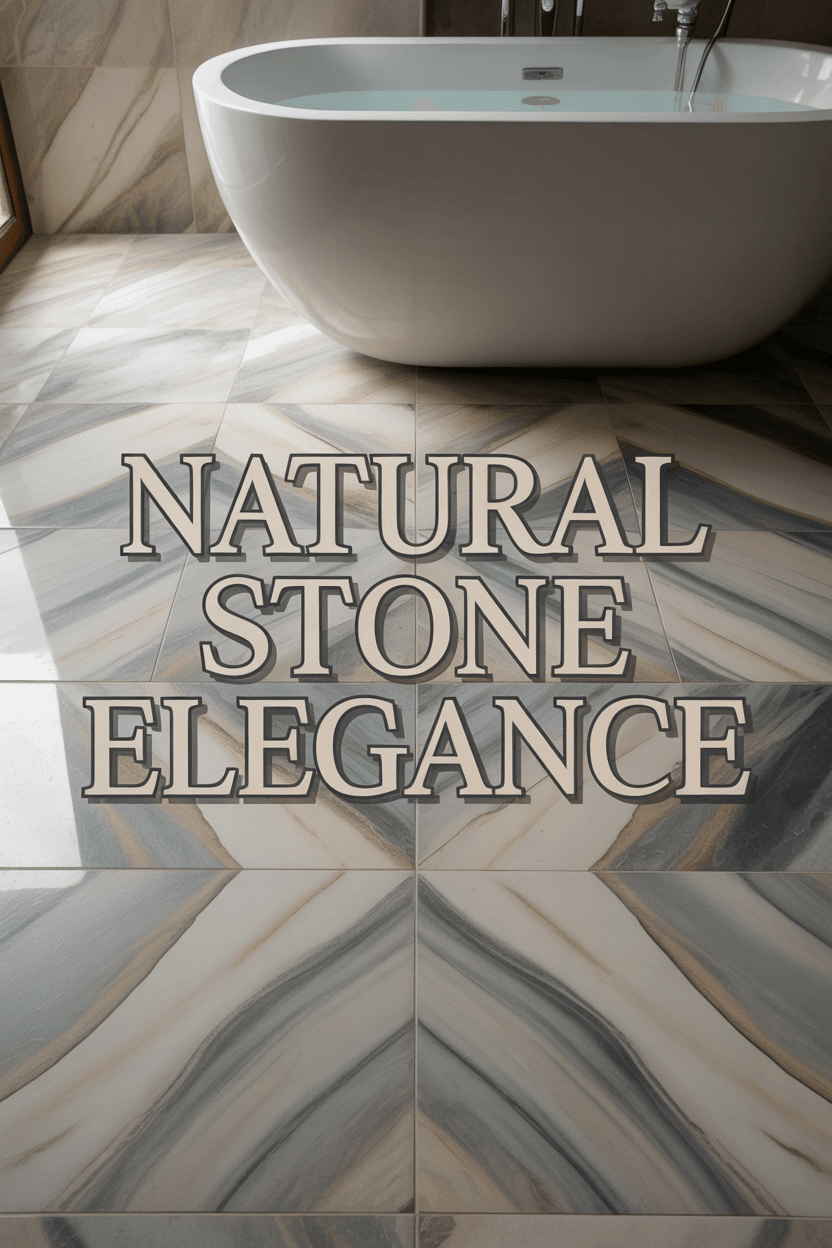
Marble, slate, and quartz add undeniable luxury to any bathroom. These materials provide unique textures, natural variations, and lasting beauty that manufactured options can’t fully replicate.
Stone flooring requires proper sealing to maintain its water resistance and prevent staining. This maintenance step is crucial for preserving its appearance over time.
The investment in natural stone typically pays off in terms of longevity and increased home value. Few materials offer the same combination of elegance and permanence.
Each stone installation becomes unique due to natural variations, creating a one-of-a-kind bathroom that stands apart from mass-produced alternatives.
Creating Design Harmony with Fixtures
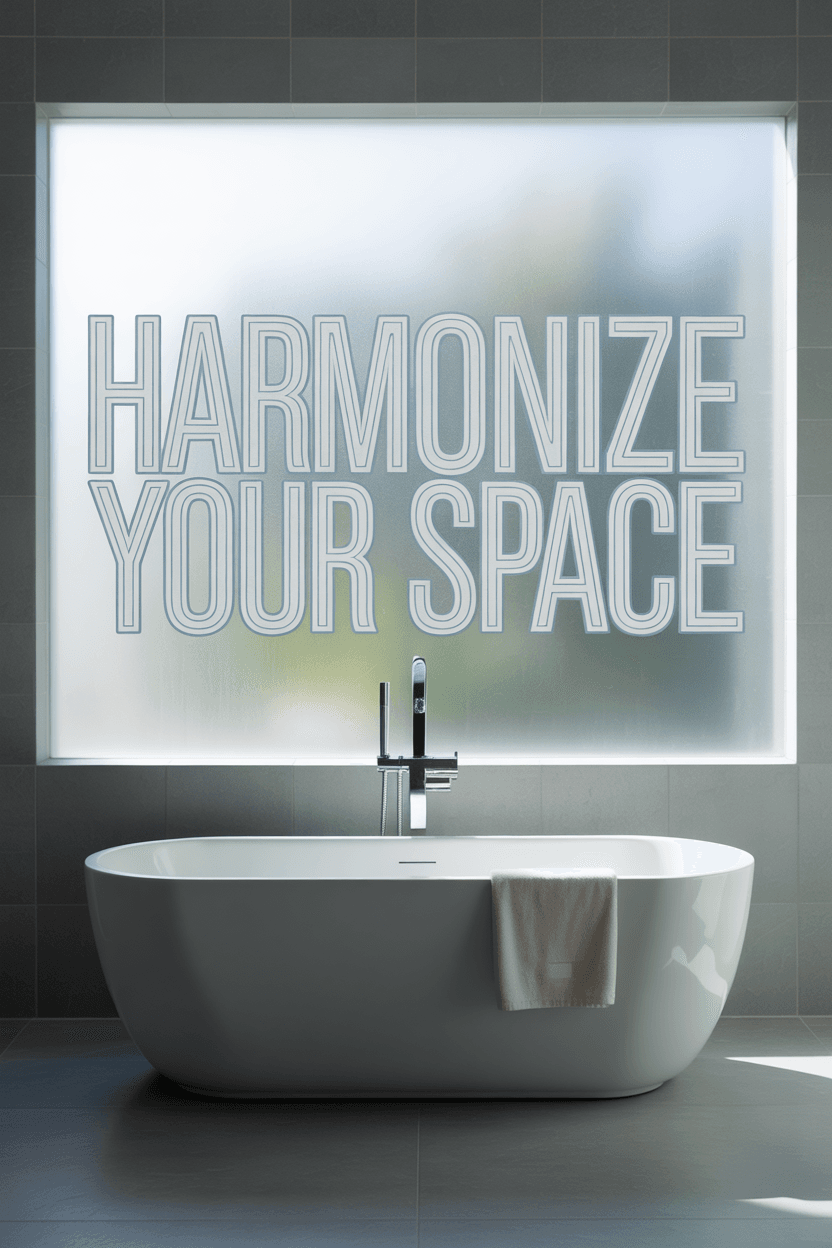
Your flooring choice should complement rather than compete with your bathroom fixtures. A balanced approach prevents any single element from overwhelming the space.
Dark floors can make light fixtures appear less prominent, while overly bright floors may show dirt more readily. Finding the right balance maintains visual harmony throughout the room.
Consider the overall color palette of your bathroom when selecting flooring. The flooring should tie together your vanity, tub, toilet, and decorative elements.
Sample boards or digital visualization tools can help you see how different flooring options work with your existing fixtures before making a final decision.
Light-Colored Floors for Visual Expansion
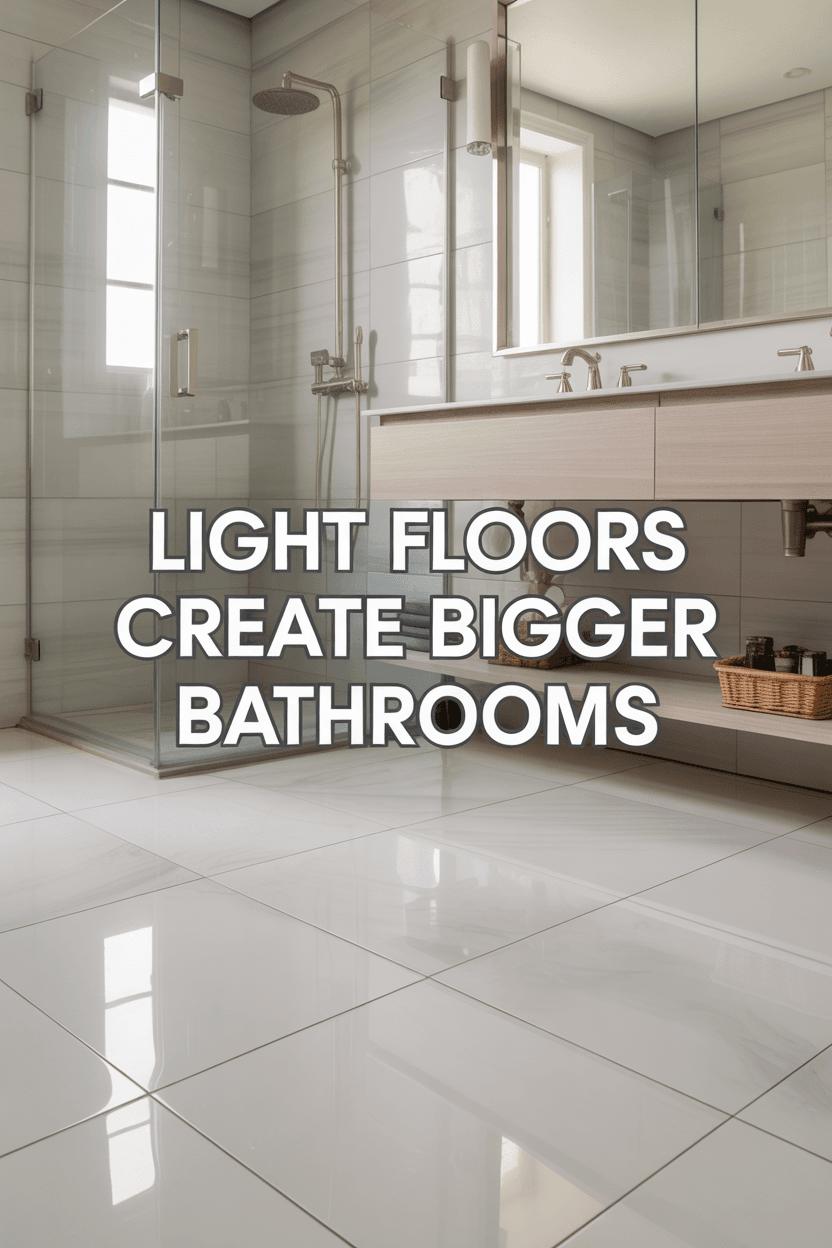
In compact bathrooms where maximizing perceived space is crucial, light-colored flooring reflects natural light and creates an airier atmosphere. Pale tiles or wood-look materials make confined spaces feel more open and inviting.
Light floors work particularly well when paired with generous windows or effective artificial lighting. The reflective quality enhances the overall brightness of the room.
Consider warm whites, soft beiges, or pale grays that provide lightness without showing every speck of dust or hair that darker floors might conceal.
The visual expansion created by light flooring can transform even the smallest powder room into a more comfortable, welcoming space.
Patterned Tiles: Creating Visual Interest
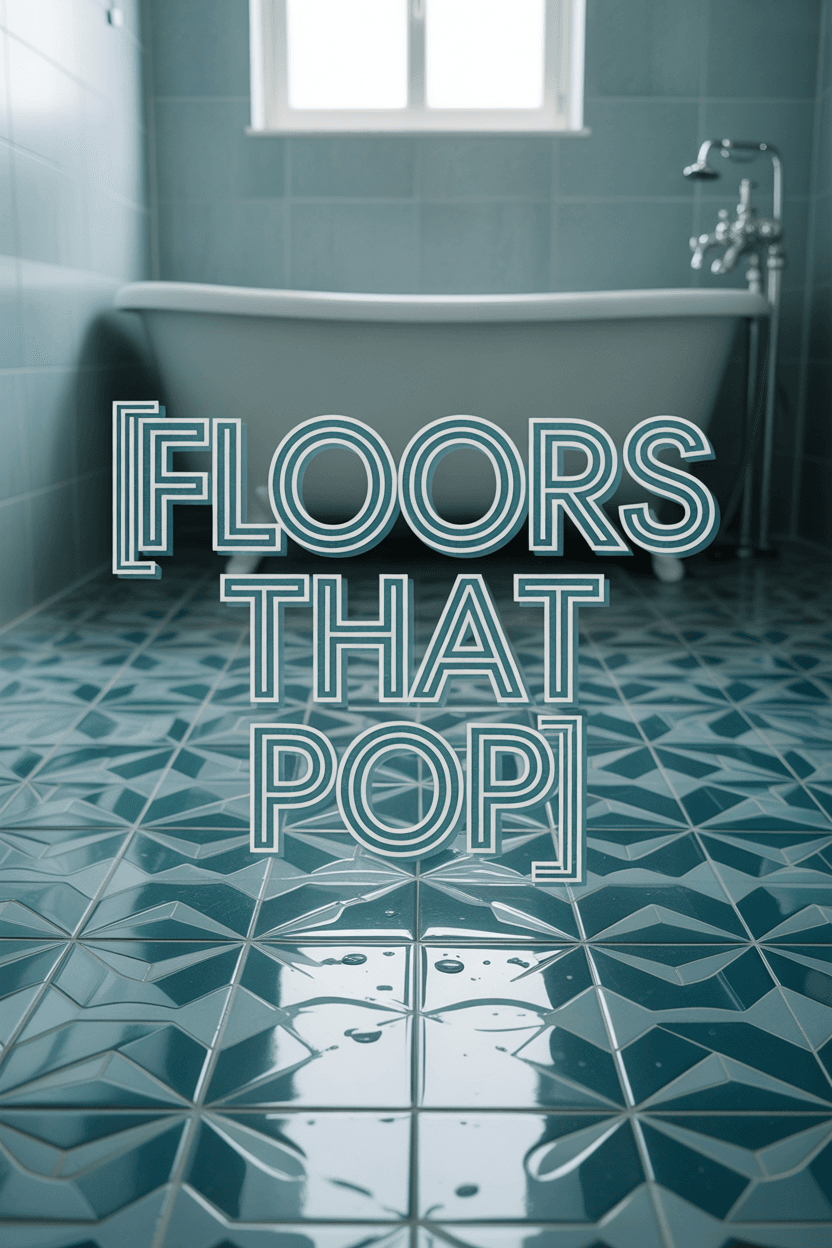
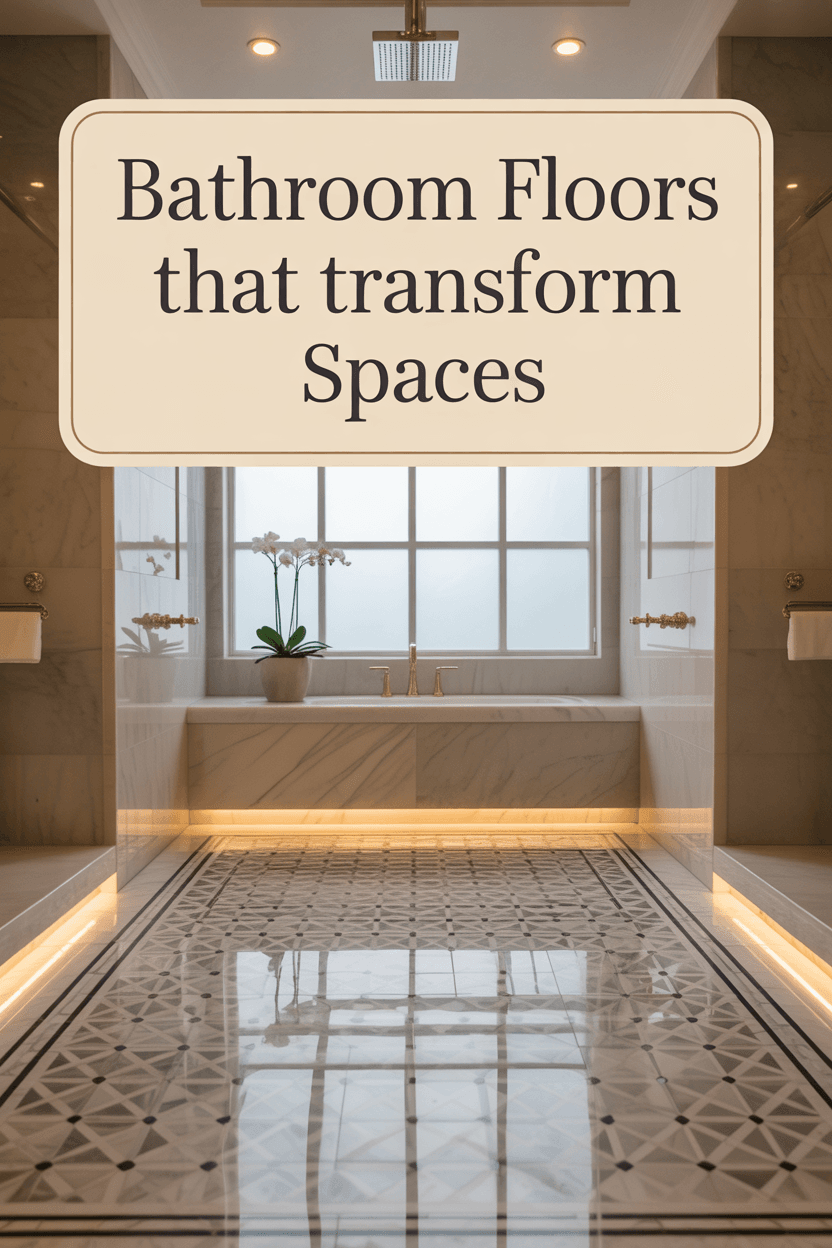
Transform your bathroom floor into a design focal point with patterned tiles featuring geometric designs, flowing arabesques, or subtle textural elements. These distinctive patterns add personality without overwhelming the space.
For balance, keep surrounding elements relatively simple when installing patterned flooring. This approach prevents visual competition and allows your floor to shine.
Consider scale when selecting patterns—smaller bathrooms generally benefit from smaller patterns, while larger spaces can accommodate bolder, larger-scale designs.
Patterned flooring creates immediate visual impact and can define the style direction for the entire bathroom, from traditional to contemporary or eclectic.
Layout Planning: Essential Design Strategies
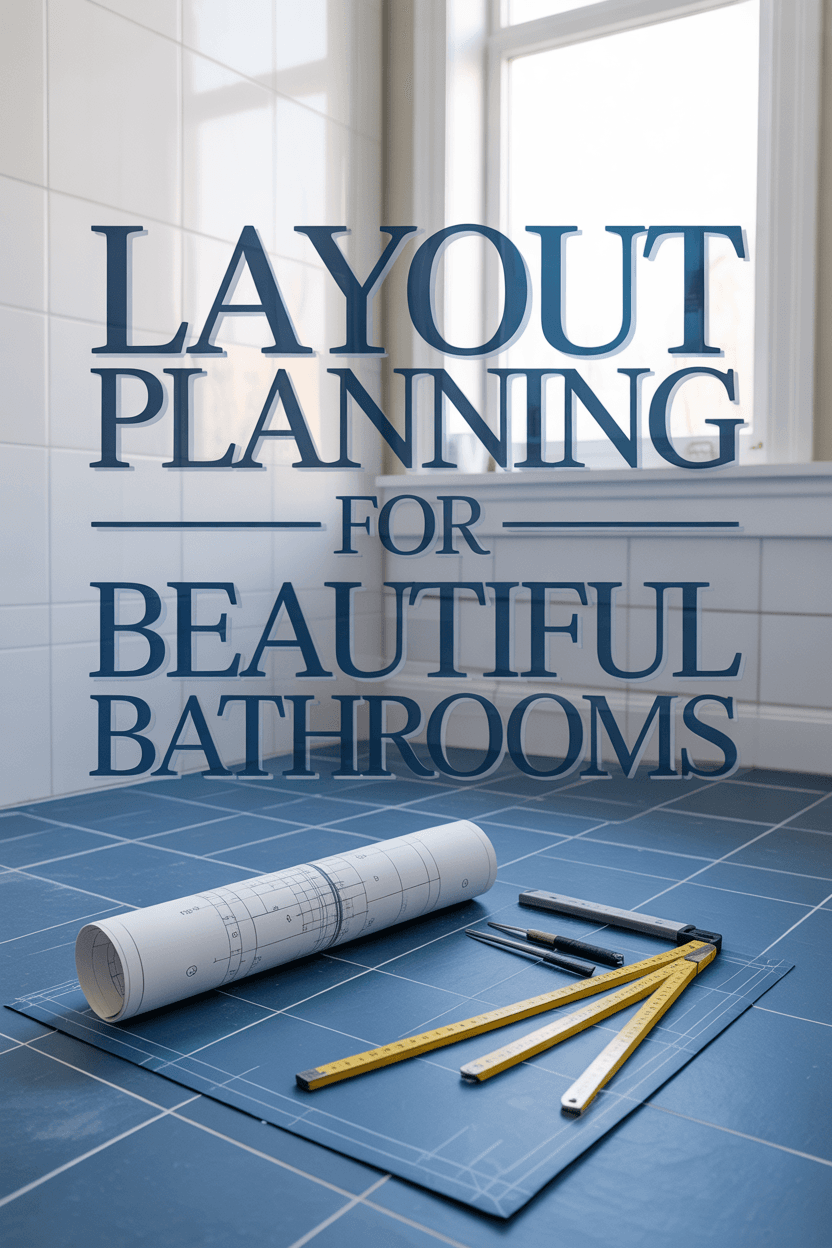
Thorough planning prevents installation problems and ensures professional-looking results. Begin by mapping doorways, fixtures, and storage areas to understand how your flooring will interact with these elements.
Using chalk lines ensures straight, even installation, while starting from the center of the room promotes symmetry—particularly important when working with patterned materials.
Consider the direction of planks or tile placement, as this can visually lengthen or widen a space depending on your needs.
Take time to create a detailed layout plan before purchasing materials to accurately calculate quantities and minimize waste during installation.
Installation Best Practices
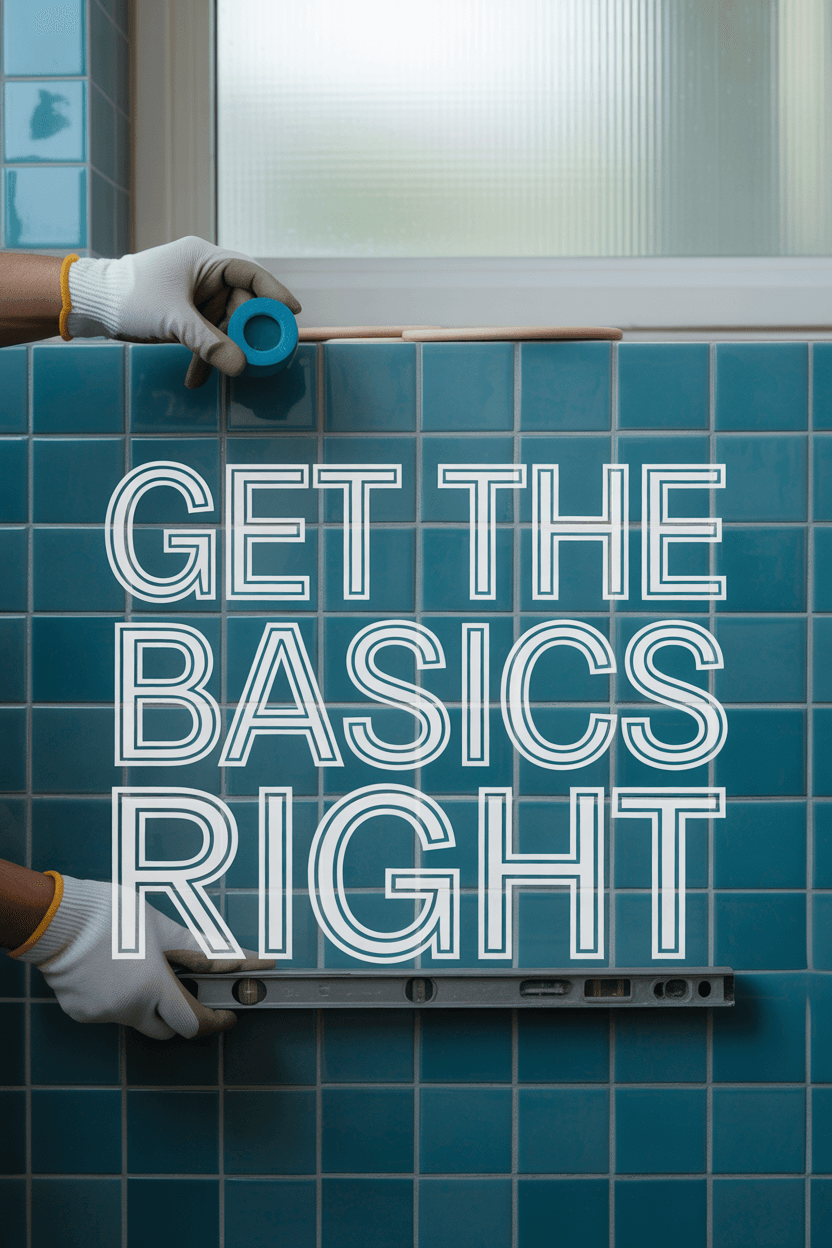
Begin with thorough subfloor preparation—ensuring it’s level, dry, and clean provides the foundation for successful installation. Skipping this step often leads to premature flooring failure.
Follow manufacturer guidelines for adhesives and installation methods precisely. These specifications are designed for optimal performance of the specific flooring you’ve selected.
When installing tile, use spacers for consistent grout lines and allow adequate drying time before grouting. Attention to these details results in a more professional appearance.
Consider waterproofing membranes for added protection in wet areas, particularly around showers and tubs where water exposure is highest.
Maintenance for Long-Lasting Performance
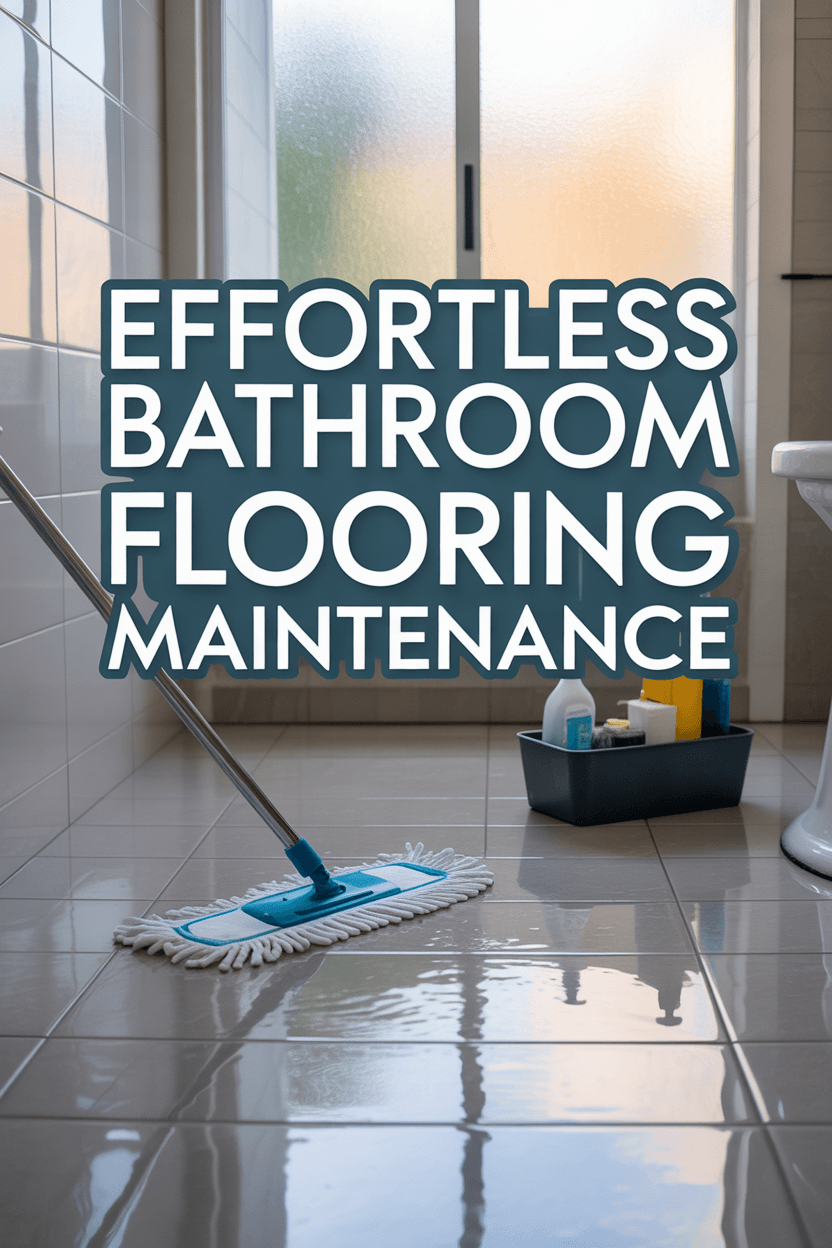
Each flooring type requires specific care to maintain its appearance and functionality. Tile needs regular grout cleaning to prevent mold growth and discoloration.
Vinyl and LVP typically require minimal maintenance—regular sweeping and occasional mopping with manufacturer-recommended cleaners keeps them looking fresh.
Natural stone benefits from annual sealing to maintain water resistance and prevent staining. This simple maintenance step significantly extends the life of your investment.
Understanding maintenance requirements before selection ensures you choose flooring that aligns with your lifestyle and cleaning preferences.
Budgeting Wisely for Your Bathroom Floor
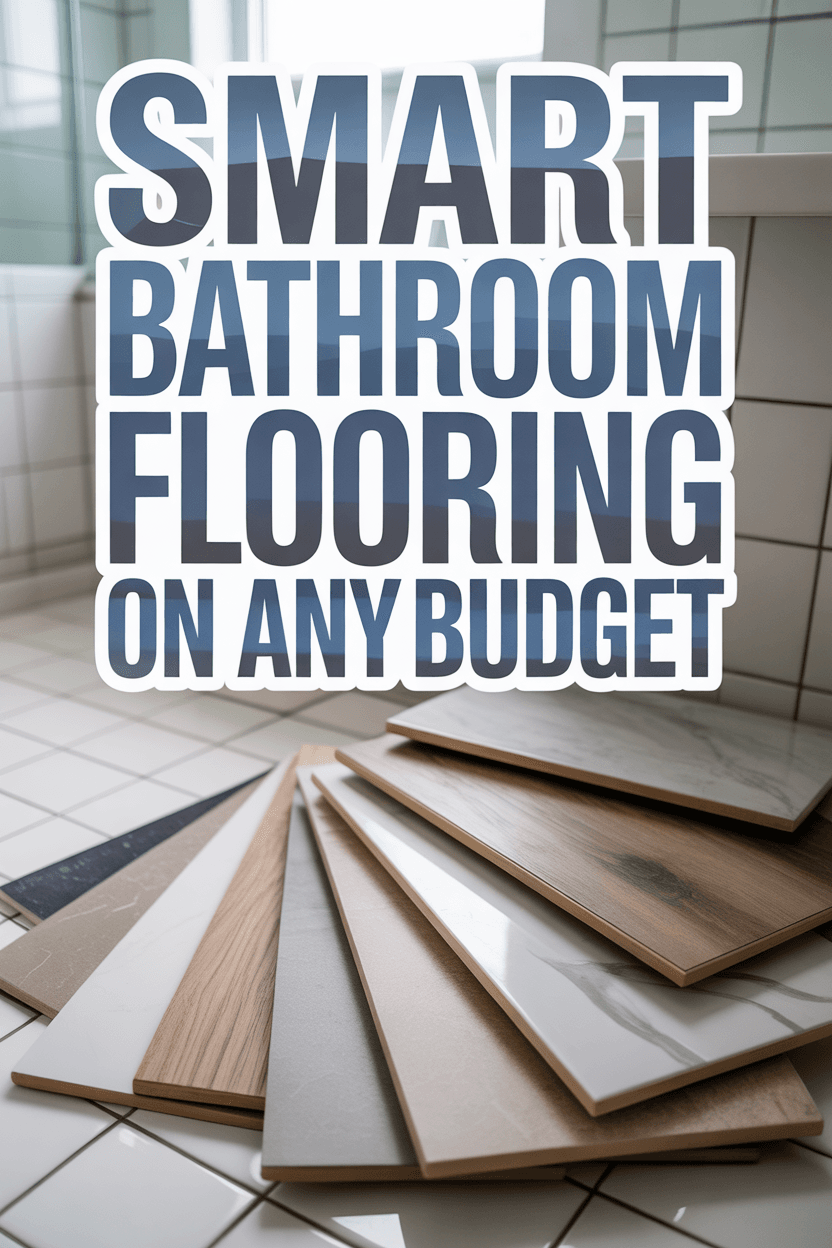
Create a comprehensive budget covering materials, labor, and preparation work. Vinyl and laminate generally offer more economical options, while natural stone represents a premium investment.
Account for additional costs such as underlayment, removal of existing flooring, and finishing materials that impact the total project expense.
Consider long-term value when making your selection. Higher-quality materials may cost more initially but often provide better durability and resistance to bathroom conditions.
Request multiple quotes from suppliers and installers to ensure competitive pricing while maintaining quality standards for your project.
Eco-Friendly Options for Sustainable Bathrooms
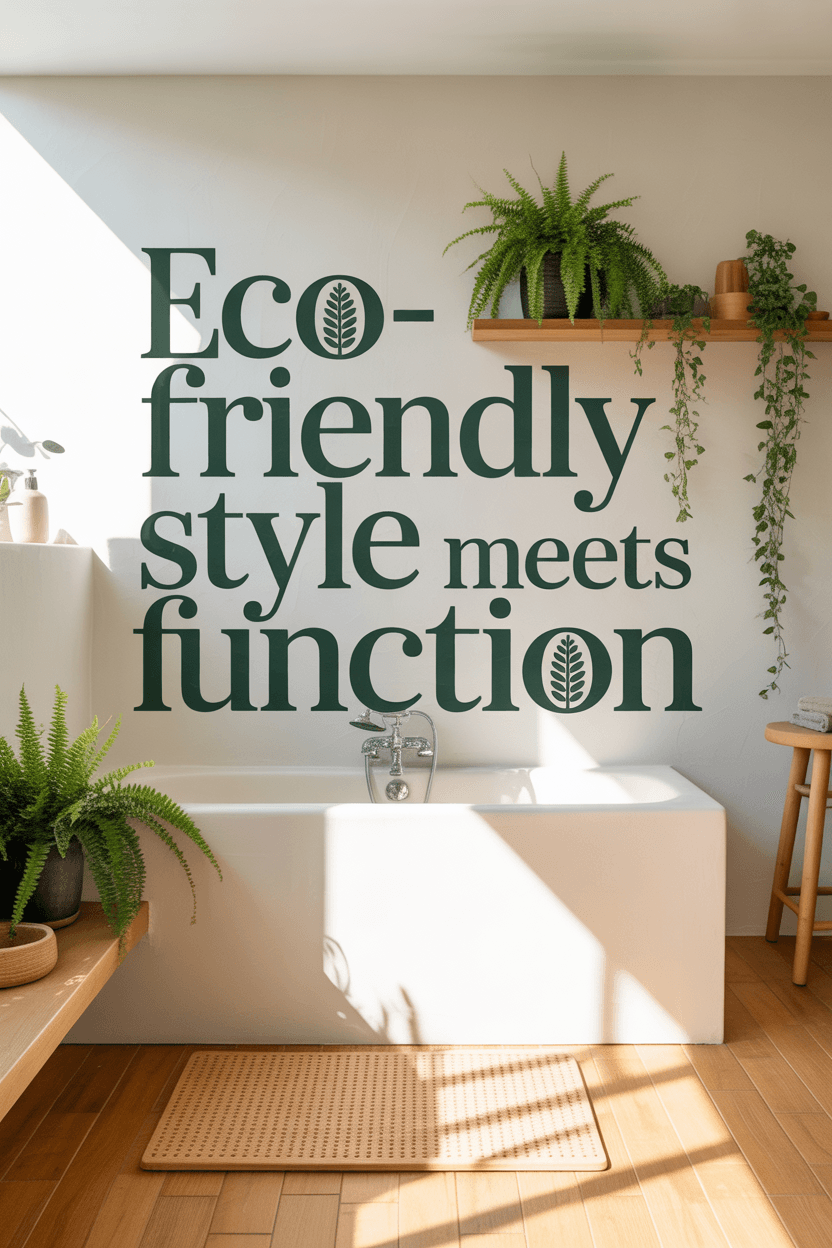
Bamboo flooring offers rapid renewability combined with hardwood-like performance. This sustainable material continues gaining popularity in bathroom applications with proper sealing.
Look for recycled-content vinyl and low-VOC products that reduce environmental impact without sacrificing performance. These options minimize indoor air pollution.
Certifications like FloorScore® help identify products manufactured with sustainable practices and minimal emissions, supporting healthier indoor environments.
Cork flooring provides natural water resistance and comfortable underfoot cushioning while being harvested from renewable bark without harming trees.
Bathroom Flooring Selection Checklist
- Ensure your subfloor is level, completely dry, and free of debris before beginning installation.
- Select flooring that balances your aesthetic preferences with practical bathroom requirements.
- Create detailed measurements and layout plans, accounting for material waste during cutting.
- Evaluate whether DIY installation is appropriate or professional installation would be beneficial.
- Gather necessary tools including spacers, chalk lines, utility knives, levels, and cleaning supplies.
- Develop a comprehensive budget covering all materials, sealants, and adhesives.
- Research maintenance requirements to ensure your selection matches your lifestyle.
- Compare vendors and read reviews focusing on moisture resistance and longevity.
- Establish a realistic timeline that allows for proper drying and curing between installation stages.
By following these guidelines, you’ll create a bathroom floor that combines beauty, functionality, and durability—becoming a source of satisfaction every time you enter the room.