From Drab to Fab: Reviving Your Dining Room Set on a Budget

Assessing Your Dining Set’s Potential

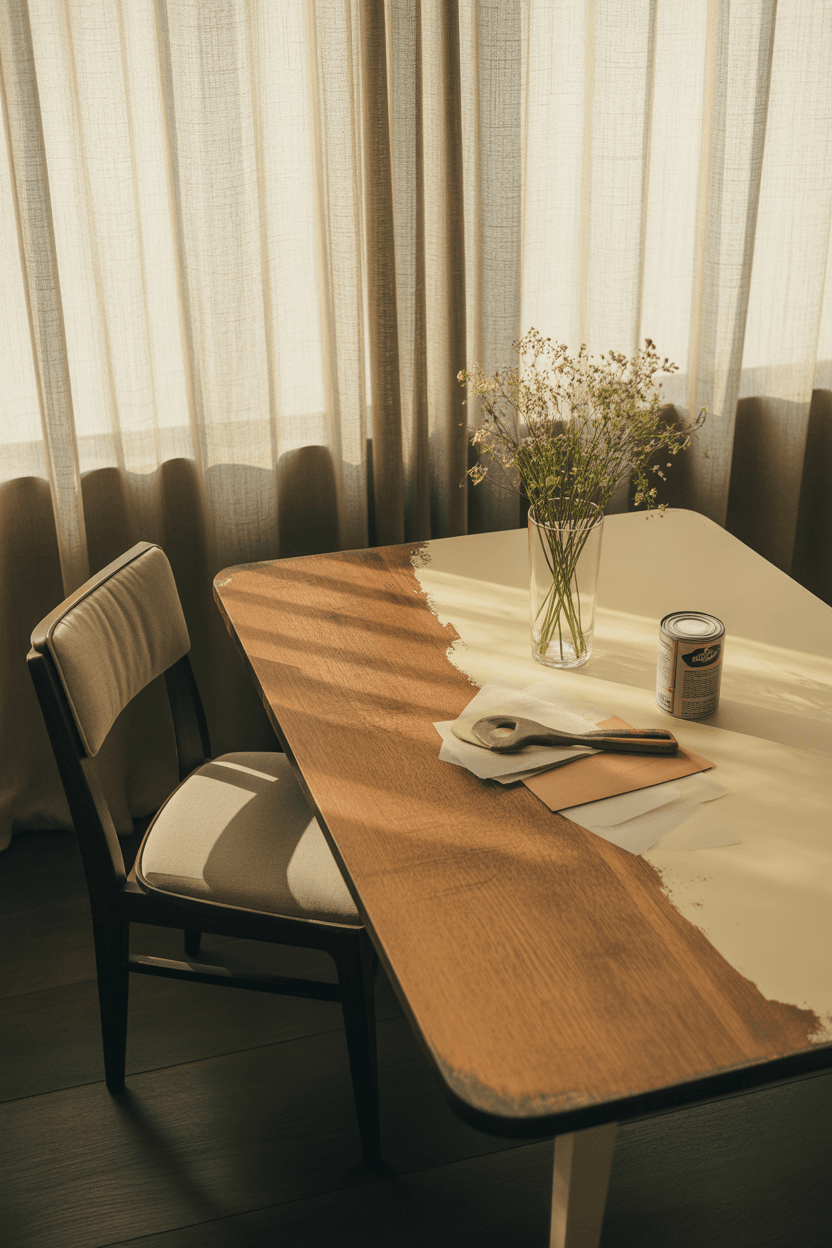
Before diving into your dining room set makeover, carefully evaluate what’s worth keeping and what might need replacement.
Focus on pieces with solid construction but dated finishes or appearances.
Those sturdy chairs with worn upholstery or that solid wood table with a scratched surface make perfect candidates for transformation.
Look for quality indicators like dovetail joints, hardwood construction, and pieces that remain sturdy despite cosmetic wear.
Remember that ornate details often become striking focal points after refinishing, so don’t dismiss pieces solely based on their current appearance.
Creating a Realistic Budget

Your budget will significantly influence your makeover approach and materials selection.
Painting offers the most affordable option and works effectively on most materials from wood to metal frames when you use appropriate primers and paints; see this furniture painting guide for material-specific tips.
Refinishing preserves natural wood grain and highlights quality construction but requires more intensive labor and specialized supplies; a good primer is to read a step-by-step refinishing walkthrough.
Reupholstering chair seats falls somewhere between cost-wise but dramatically updates both comfort and visual appeal.
Plan for unexpected expenses by adding a 15-20% buffer to your initial budget estimate.
Essential Preparation Techniques
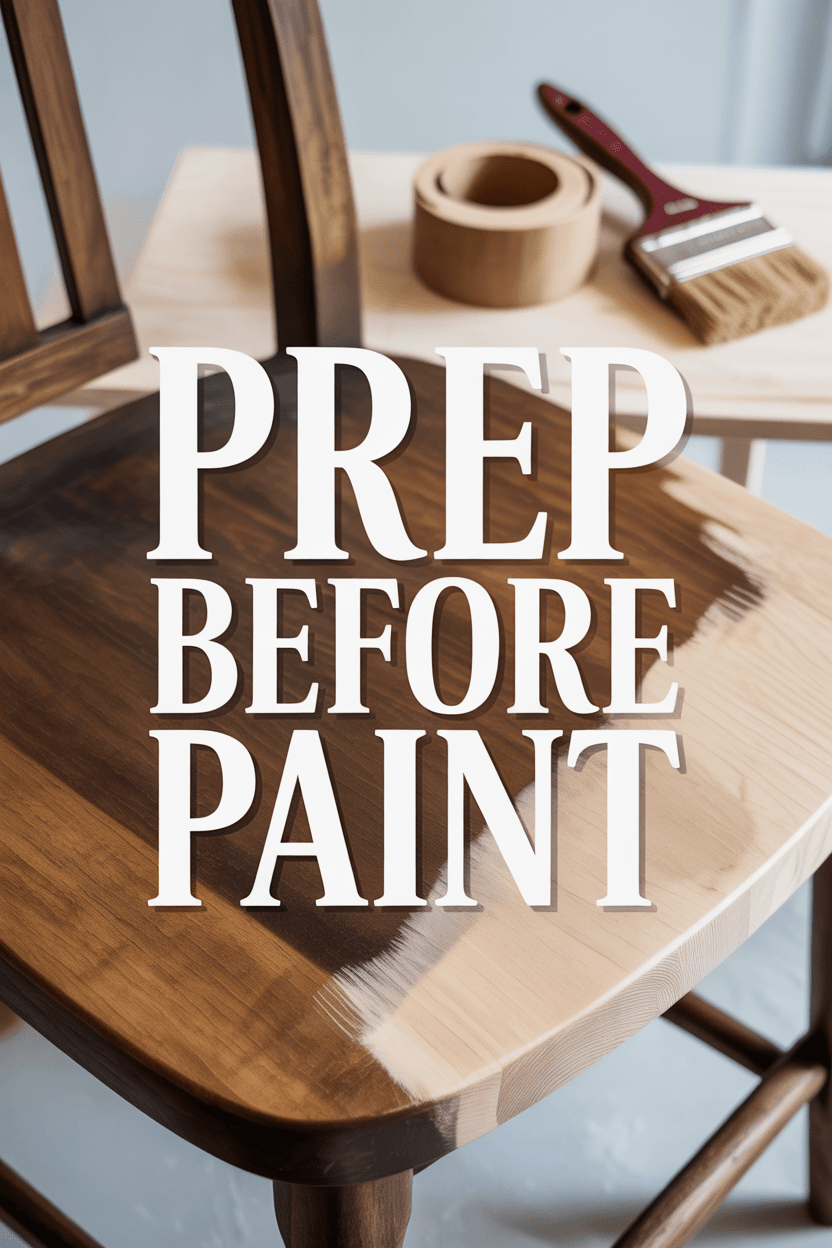
For professional-quality results, thorough preparation forms the foundation of your project.
Begin by cleaning all surfaces with a degreasing cleaner (trisodium phosphate or a TSP substitute is commonly recommended); see guidance on preparing furniture for paint.
Remove and safely store all hardware, labeling pieces to ensure proper replacement later.
Sand surfaces appropriately based on your chosen finish—light sanding for paint adhesion or progressive grits for refinishing; basic sanding techniques are explained by Minwax.
Choose furniture-specific paints and finishes that offer durability for high-use dining areas; manufacturer recommendations and product comparisons can help you decide (for example, Rust-Oleum’s furniture paint guide).
Select colors that either harmonize with your existing décor or make an intentional design statement.
Mastering Wood Refinishing
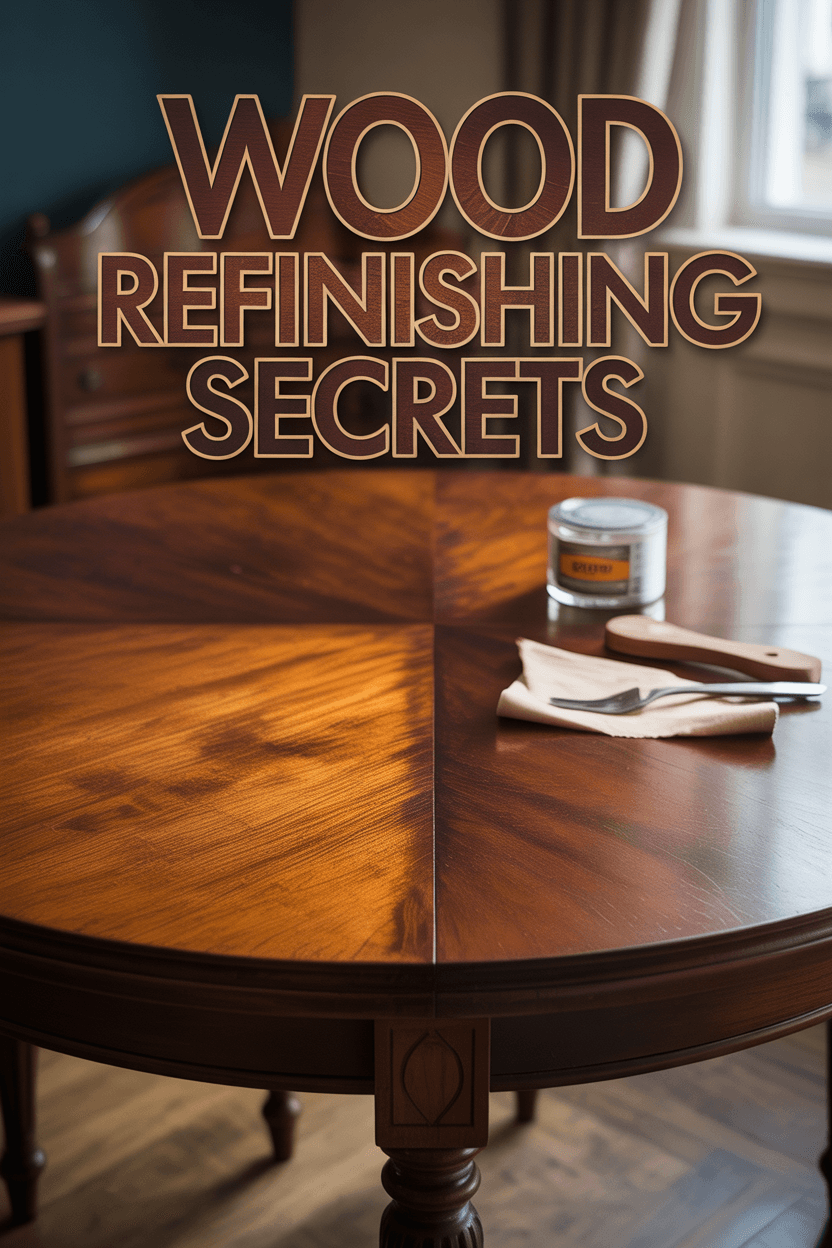
When bringing natural wood back to life, patience yields the best results.
If using chemical strippers, read product labels carefully, work in well-ventilated areas, and wear appropriate gloves and a NIOSH‑approved respirator when recommended. Be aware that some aggressive formulations (for example, methylene chloride–based strippers) have significant health risks; review EPA guidance and OSHA safety information before use, and consult respirator guidance from NIOSH.
Address scratches, dents, and gouges with wood filler before beginning the staining process; see techniques from Minwax.
Test stain colors on inconspicuous areas to ensure you achieve your desired tone; Minwax’s staining guide covers testing and application.
Apply stain evenly using a high-quality brush or cloth, working with the wood grain rather than against it.
Allow proper drying time between coats to prevent tackiness and ensure durability.
Revitalizing Dining Chairs

Chair reupholstering offers dramatic visual impact with relatively modest investment.
Work methodically by removing seats first, photographing the process for reference during reassembly; a clear tutorial is available from Family Handyman.
Evaluate foam condition and replace if compressed or deteriorated for improved comfort—many reupholstery guides cover foam selection and replacement.
Select upholstery fabrics designed for dining areas with stain resistance and durability ratings (look for double‑rub ratings); see the basics of fabric durability at The Spruce.
When attaching new fabric, start with center staples on each side, then work outward, maintaining even tension; step-by-step stapling techniques are detailed in reupholstery tutorials like the one above.
Consider adding decorative nailhead trim to create professional-looking details that elevate the final appearance; learn how at The Spruce.
Applying Modern Paint Techniques
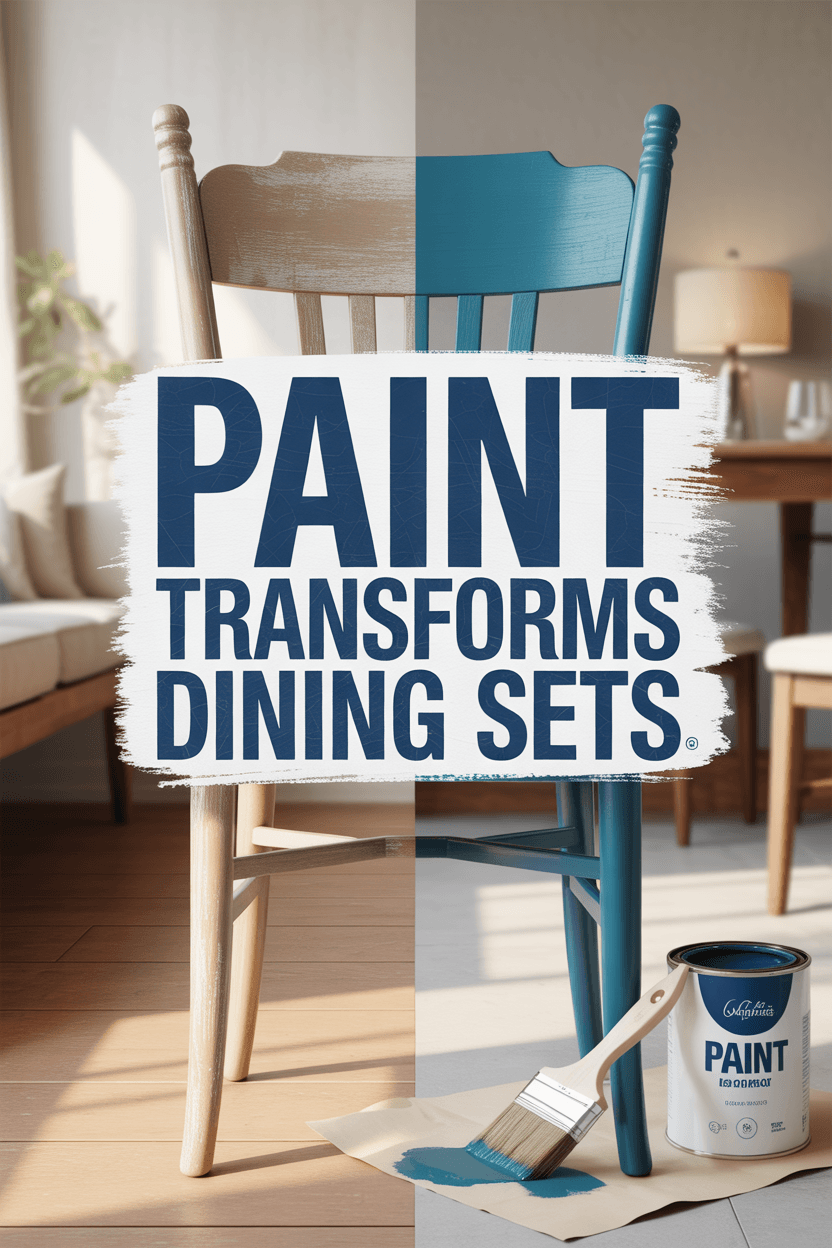
Contemporary painting approaches offer endless creative possibilities for your dining set.
Consider two-tone applications that highlight architectural details while adding visual interest.
Explore specialty finishes like chalk paint for a matte, vintage-inspired look that forgives imperfections; introductory how-tos are available from The Spruce and from manufacturers such as Annie Sloan.
Try color blocking on chair backs or table edges for subtle yet distinctive design elements.
Distressing techniques can add character while disguising minor damage in older pieces; see distressing tutorials from This Old House.
Adding Distinctive Finishing Touches

Small details often create the most significant impact in your dining set transformation.
Update hardware with modern pulls, knobs, or decorative hinges that complement your overall design direction.
Apply protective polyurethane or specialized tabletop finishes to ensure longevity despite daily use; review finish options and considerations in Minwax’s polyurethane guide.
Consider mixing elements for an eclectic yet cohesive look, such as painted chairs with a refinished table.
Add personal touches through techniques like stenciling, decoupage, or hand-painted details on specific elements.
Creating Mixed-Material Interest
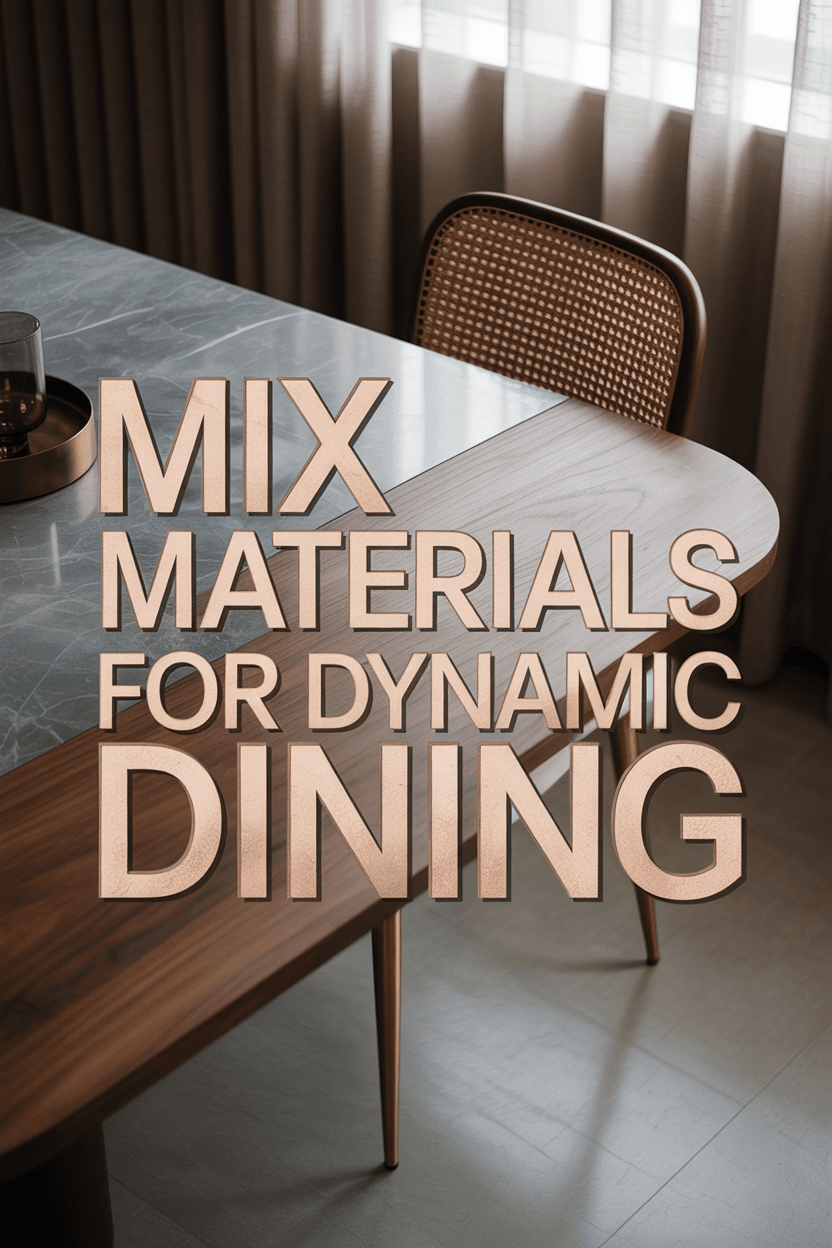
Contemporary dining sets often incorporate multiple materials for added visual depth.
Consider replacing damaged chair seats with woven cane for texture and airiness; how-to resources (including traditional caning methods) are available from reputable DIY sites such as Family Handyman.
Explore metal accents like copper-dipped chair legs or brass corner protectors for unexpected flair.
Marble contact paper can transform a tabletop temporarily while you save for actual stone or glass inserts—see tips for applying contact paper at Home Depot.
Combining materials creates multi-dimensional interest that elevates basic dining sets beyond their original design.
Troubleshooting Common Challenges
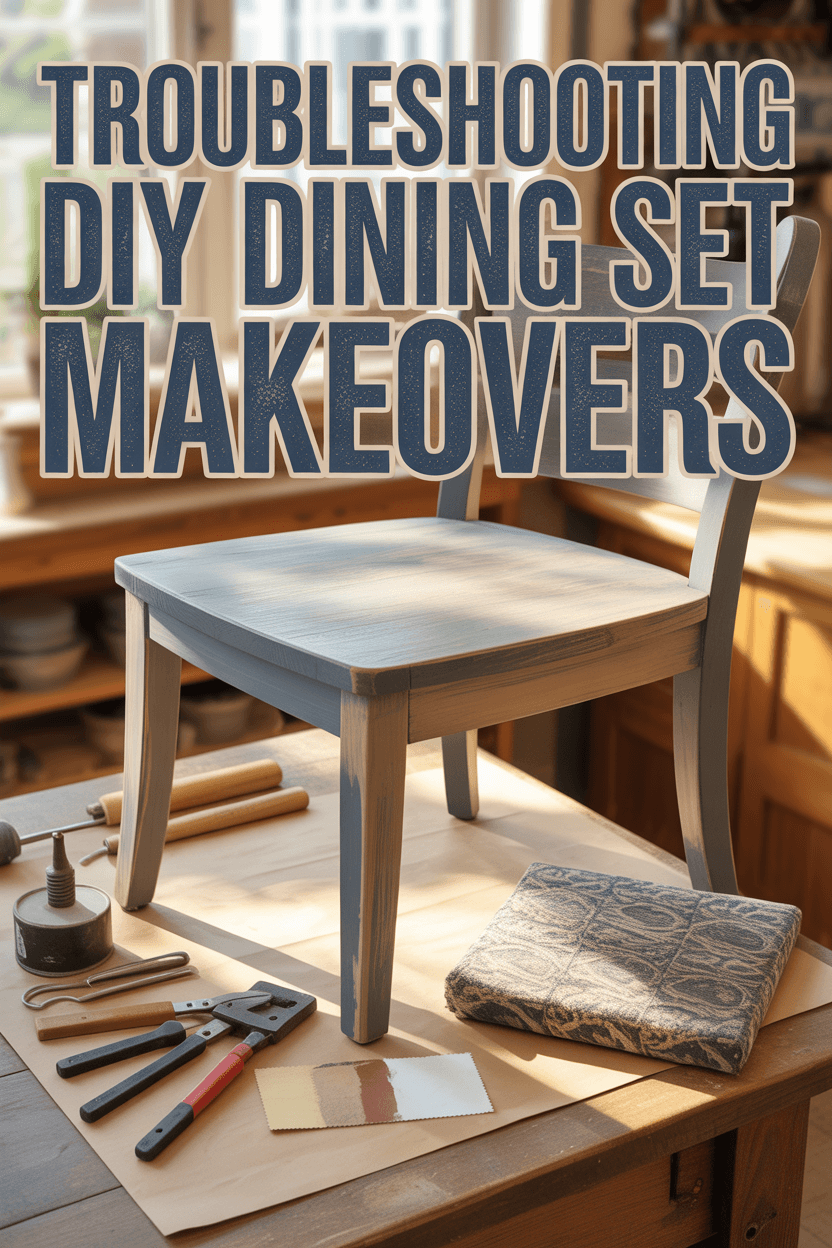
Even well-planned makeovers encounter occasional obstacles worth anticipating.
Address paint bubbling by ensuring thorough surface preparation and primer application before your final coat; common paint problems and fixes are explained by Benjamin Moore.
Manage uneven stain absorption by pre-conditioning wood with specialized products designed for this purpose; see Minwax’s pre-stain conditioner guidance.
Fix wobbly chairs by reinforcing joints with wood glue and corner braces where needed; step-by-step repair tips are available from Family Handyman.
When fabric patterns don’t align perfectly, add decorative welting or trim to disguise minor misalignments.
Maintaining Your Refreshed Dining Set
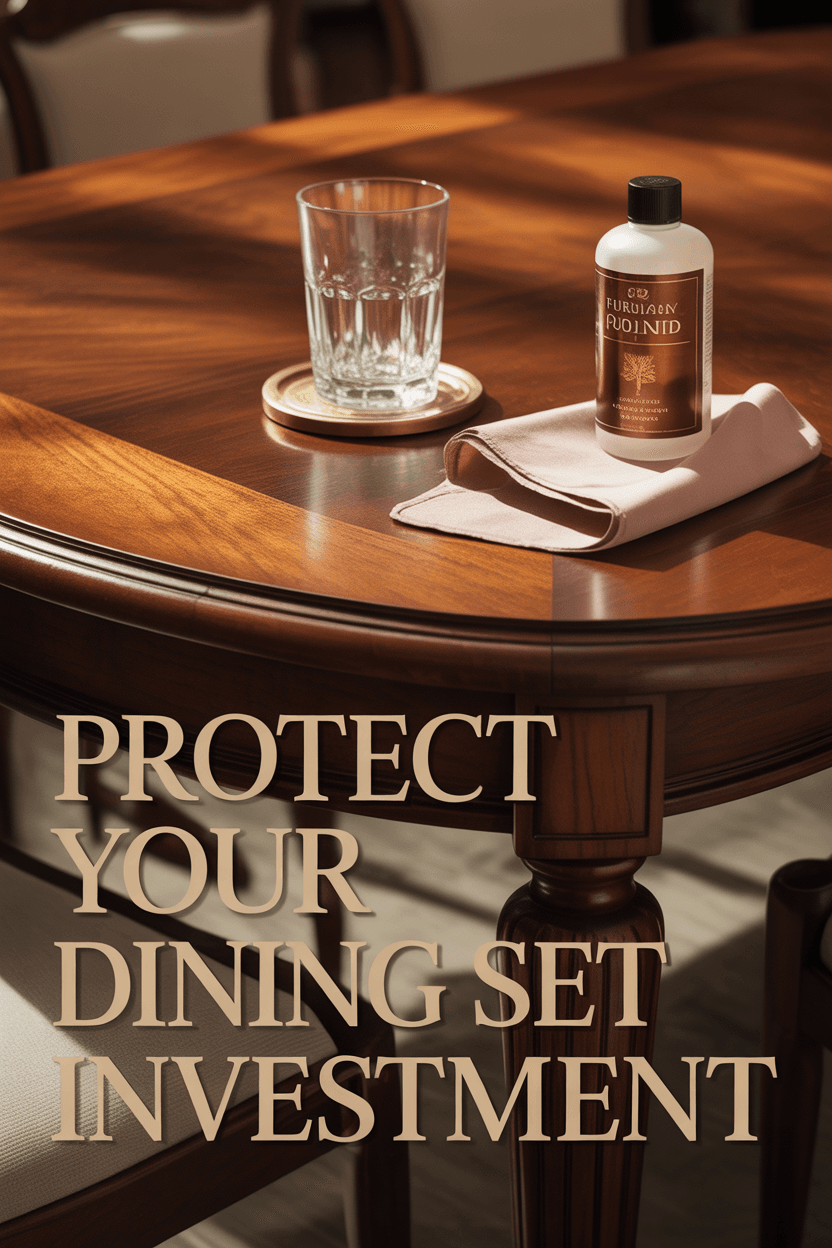
Protect your investment with proper care routines that preserve your hard work.
Apply furniture wax or polish appropriate to your finish type every 3-6 months to maintain luster; see This Old House’s care tips.
Use placemats and coasters to prevent surface damage from heat, moisture, and everyday use.
Clean upholstered seats promptly when spills occur, using fabric-appropriate cleaners; basic upholstery cleaning guidance is available from The Spruce.
Touch up minor damage immediately to prevent more extensive deterioration over time.
Enjoying Your Transformed Space

With patience and the right techniques, almost any dining set can be transformed into a refreshed centerpiece for your home.
Your reimagined dining area now reflects your personal style while honoring the quality construction of your original pieces.
Beyond the financial savings, there’s immense satisfaction in creating a custom dining environment through your own creativity.
Most importantly, you’ve created a welcoming gathering space where new memories can be made around furniture given a second life through your efforts.