Bringing Nature’s Elegance Indoors: The Flowing Beauty of Art Nouveau Design

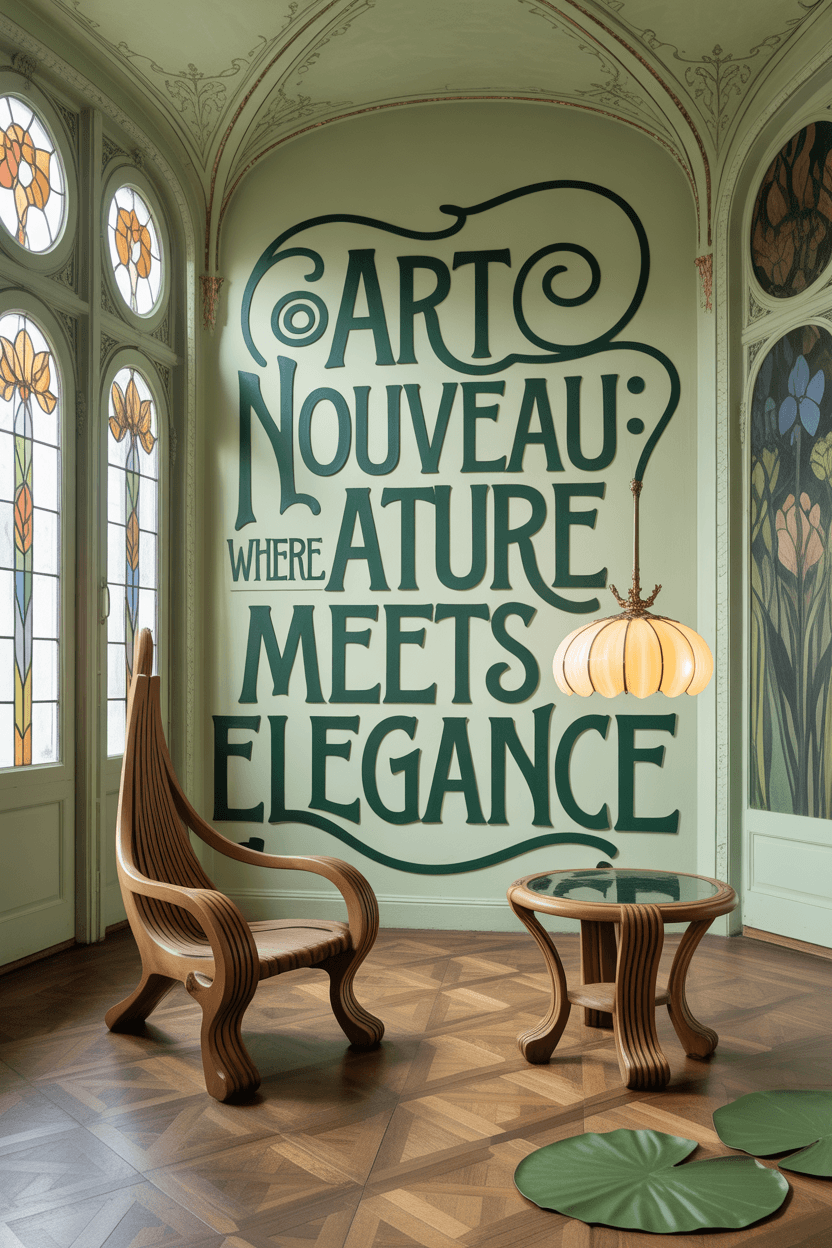
Understanding Art Nouveau Interior Design
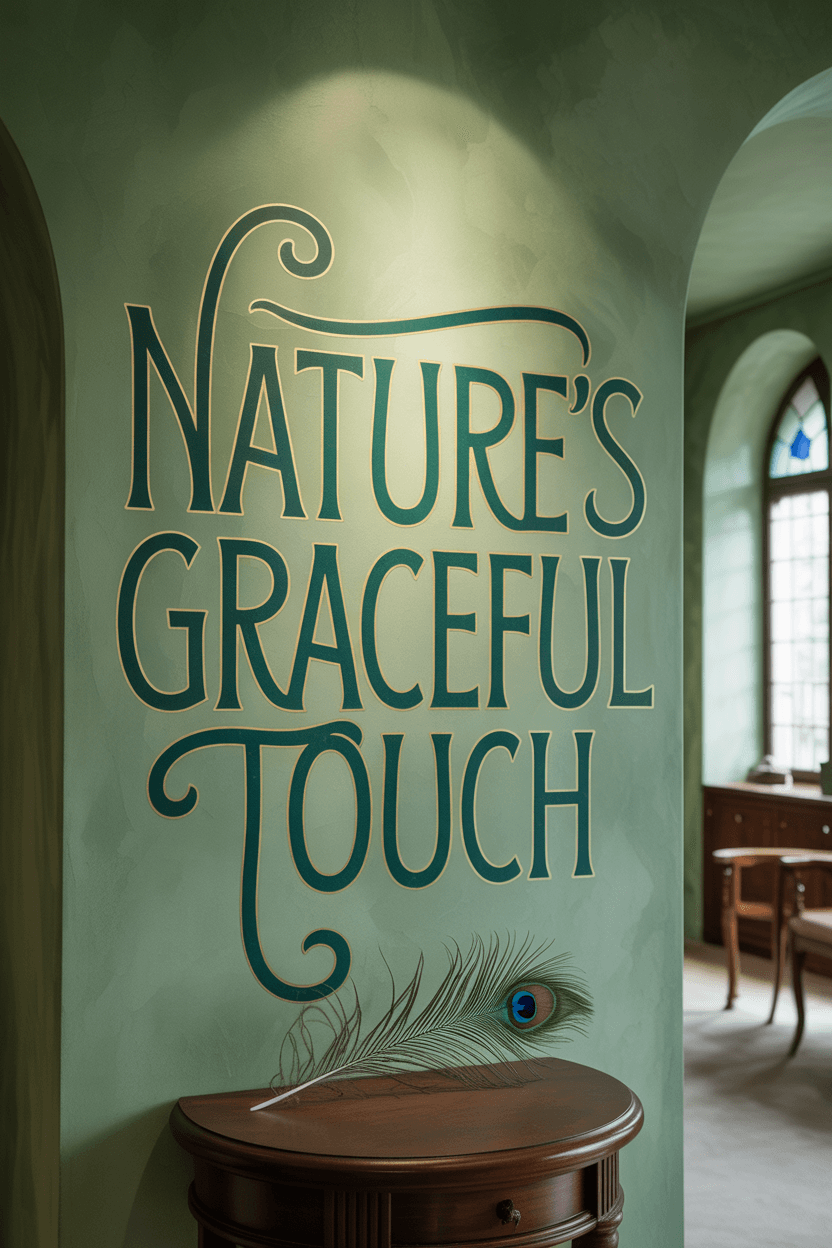
Art Nouveau interior design is an artistic approach characterized by organic forms, flowing curved lines, and nature-inspired motifs. This distinctive style rejects the rigid historical revival styles that preceded it, instead embracing asymmetry and the natural world.
Art Nouveau spaces feature decorative elements that celebrate plant forms, insects, and sinuous shapes. The result is interiors that feel both elegant and deeply connected to nature.
These designs create a sense of movement and life within a space, making rooms feel vibrant and dynamic rather than static.
The Rich History Behind Art Nouveau (1890-1910)
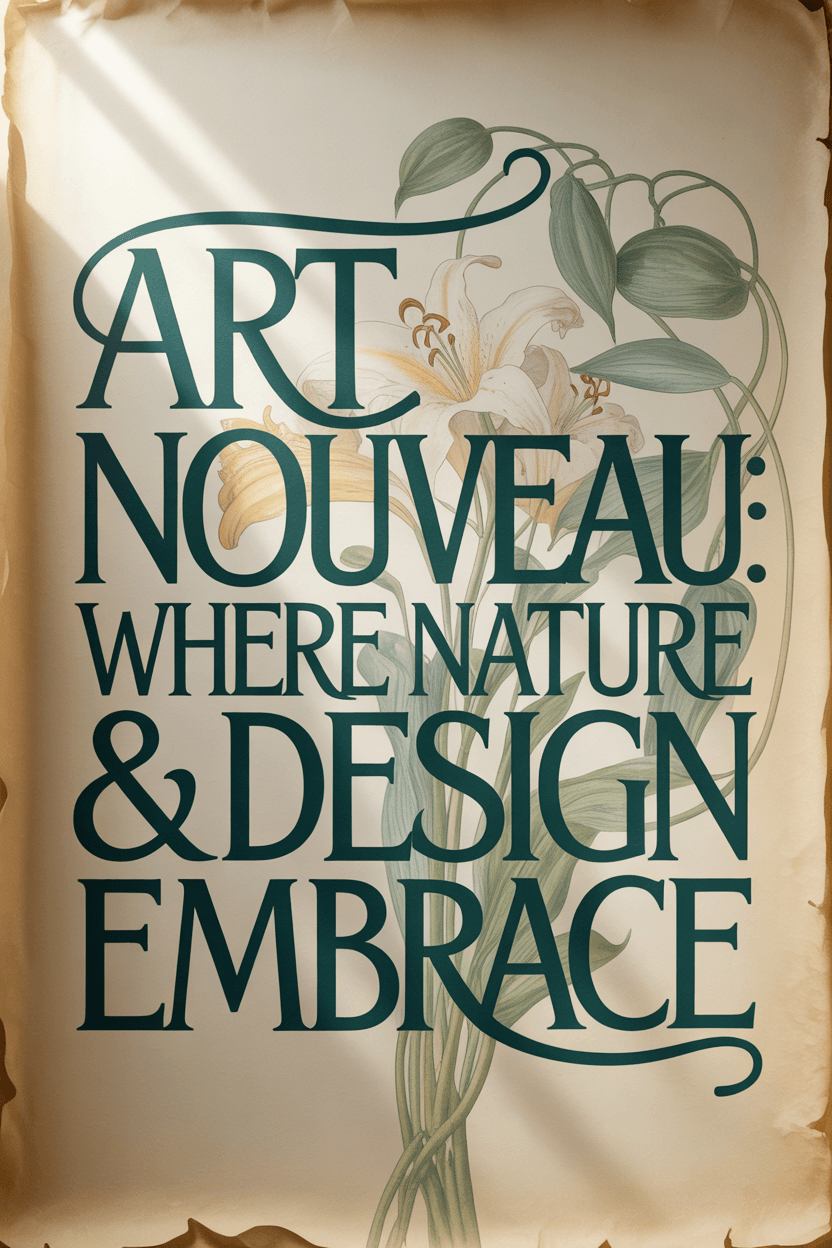
Art Nouveau emerged in the 1890s as a revolutionary response to academic art and the industrial revolution’s mass production. The movement began in Europe, with regional names reflecting its widespread influence.
Germans called it “Jugendstil,” Austrians named it “Secession,” Spaniards referred to it as “Modernisme,” and Italians embraced the “Liberty Style.” Despite these different labels, the core aesthetic principles remained consistent.
The style gained international prominence after the 1900 Paris World Fair, where pavilions showcased this fresh aesthetic approach to eager visitors from around the globe.
Though influential, Art Nouveau enjoyed a relatively brief period of dominance. The movement peaked around 1905 and began fading by 1910 as modernism introduced new design concepts.
Essential Characteristics of Art Nouveau Spaces
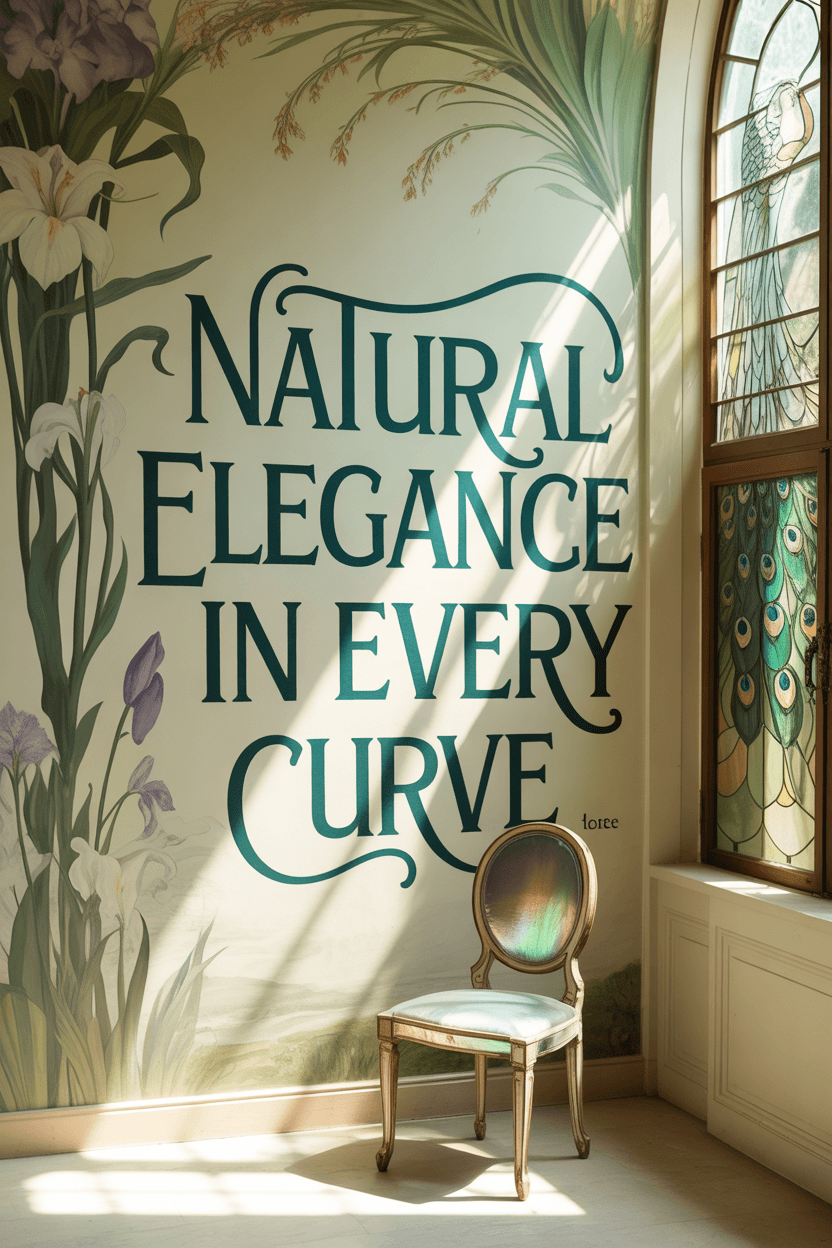
Art Nouveau interiors display several distinctive features that set them apart from other design movements:
- Organic, flowing lines inspired by plant stems and vines
- Asymmetrical designs that reject classical symmetry
- Emphasis on craftsmanship over machine production
- Integration of structure and ornament
- Stylized natural forms (flowers, insects, birds)
- Sense of movement and rhythm
- Whiplash curves and “S” and “C” shaped motifs
- Integration of functional and decorative elements
These characteristics create spaces that feel harmonious yet dynamic, with every element contributing to the overall aesthetic vision.
Nature-Inspired Color Palettes That Define the Style
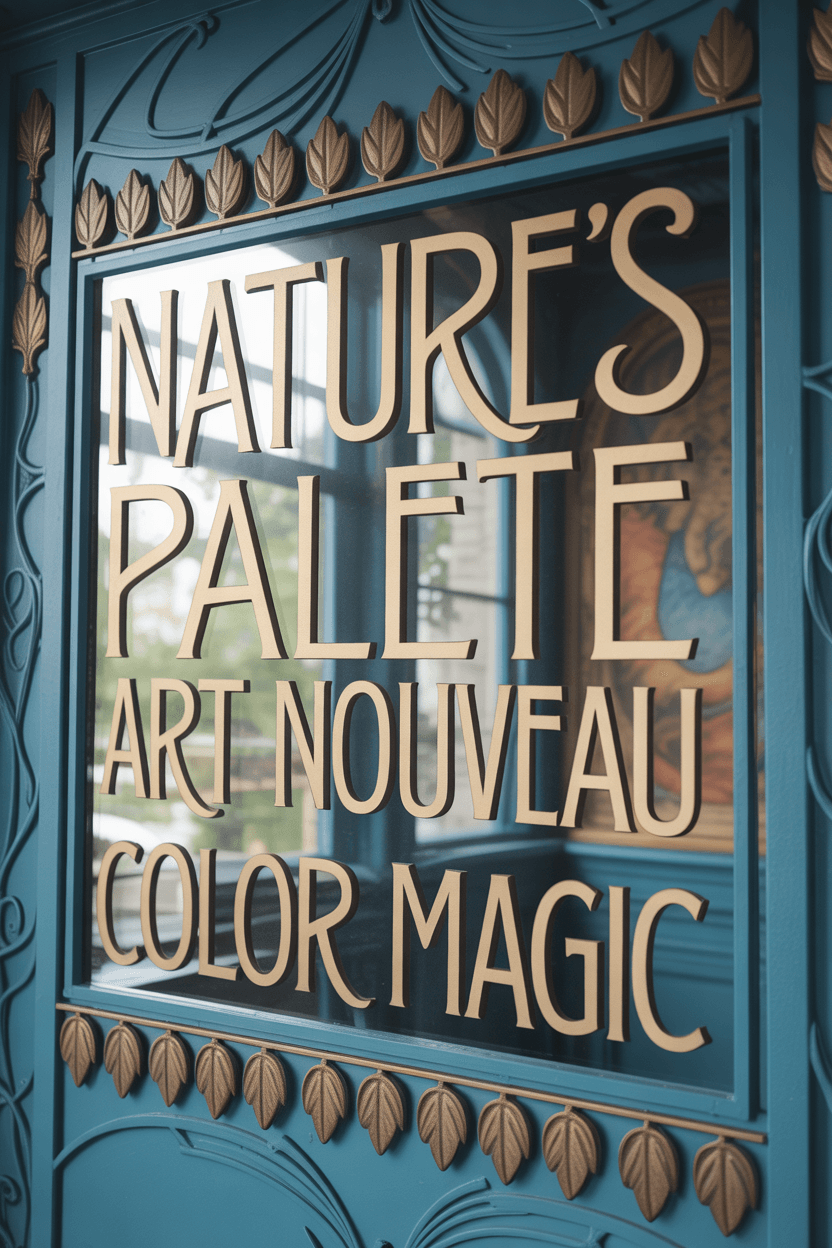
Art Nouveau interiors typically employ color schemes drawn directly from the natural world. These palettes create environments that feel organic and harmonious.
The most common color choices include:
- Muted, earthy tones like olive green, mustard yellow, and burgundy
- Jewel tones such as peacock blue, amethyst, and emerald
- Soft pastels including lilac, sage, and rose
- Metallics, particularly gold and bronze accents
Designers often apply contrasting colors to highlight decorative elements, creating visual interest within a cohesive scheme. These combinations frequently evoke natural settings like forests, gardens, and sunset skies.
The thoughtful application of color helps define spaces while maintaining the organic flow characteristic of Art Nouveau design.
Botanical Motifs and Natural Patterns
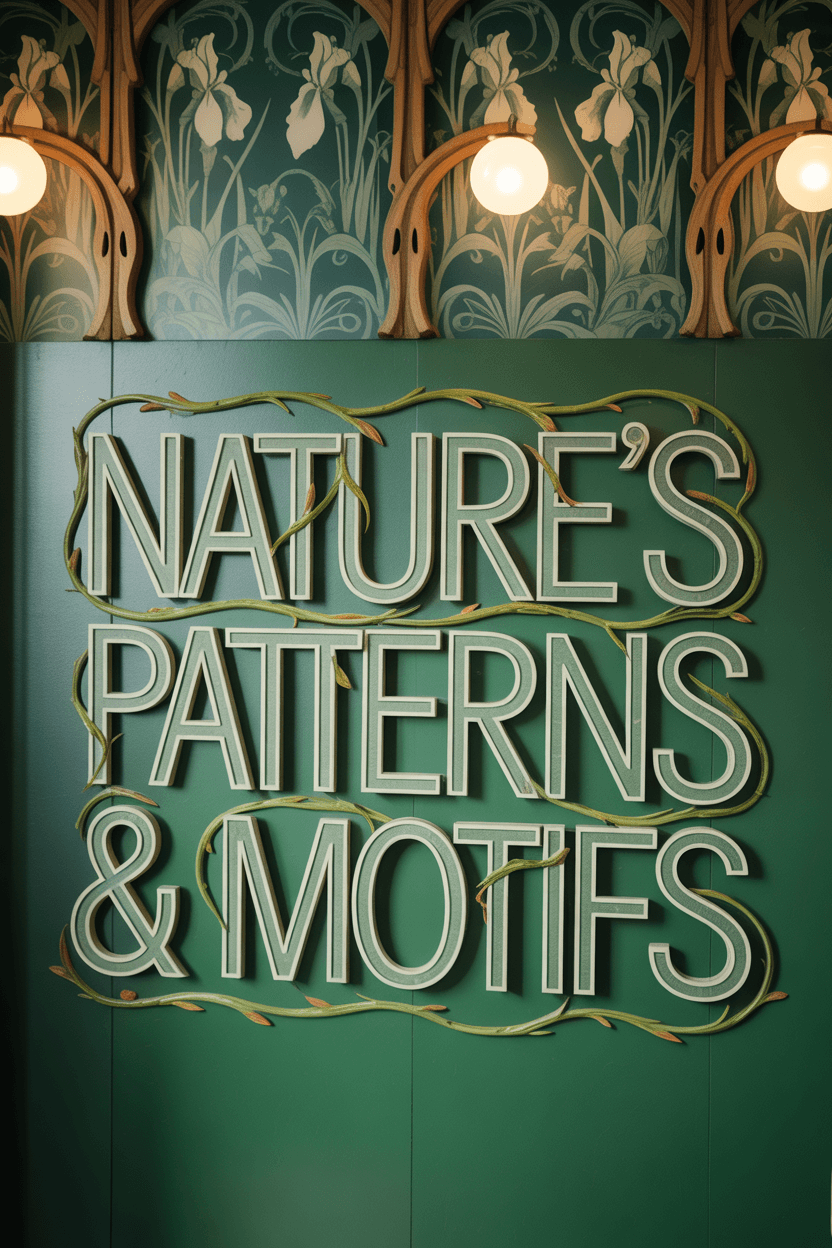
Nature reigns supreme in Art Nouveau pattern work, with designers drawing inspiration directly from the organic world around them.
The most prevalent motifs include:
- Stylized flowers, particularly irises, orchids, lilies, and poppies
- Insects like dragonflies, butterflies, and beetles
- Birds, especially peacocks and swans
- Aquatic creatures and flowing seaweed forms
- Vines, tendrils, and plant stems
- Botanical elements like seed pods and fruits
These natural elements appear consistently across textiles, wallpapers, carvings, and metalwork. Designers stylized these forms while maintaining their essential character, creating patterns that feel both familiar and fantastical.
The repetition of these motifs throughout a space creates visual harmony and reinforces the connection to the natural world that defines Art Nouveau.
The Signature Flowing Lines and Whiplash Curves
The distinctive curved lines of Art Nouveau create visual movement that makes spaces feel alive and dynamic. These aren’t random decorative elements but carefully considered design features.
The most characteristic linear elements include:
- Sinuous, undulating lines reminiscent of plant stems
- The signature “whiplash” curve—a sudden, energetic S-curve
- Asymmetrical arches and doorways
- Flowing lines that define both structural and decorative elements
These curves seem to grow organically from one form to another, guiding the eye through the space in a natural, flowing manner. Unlike rigid geometric patterns, Art Nouveau lines suggest growth and movement.
Architects and designers integrated these curves into everything from furniture profiles to doorways, creating cohesive environments where every element contributes to the sense of organic flow.
Luxurious Materials That Showcase Craftsmanship
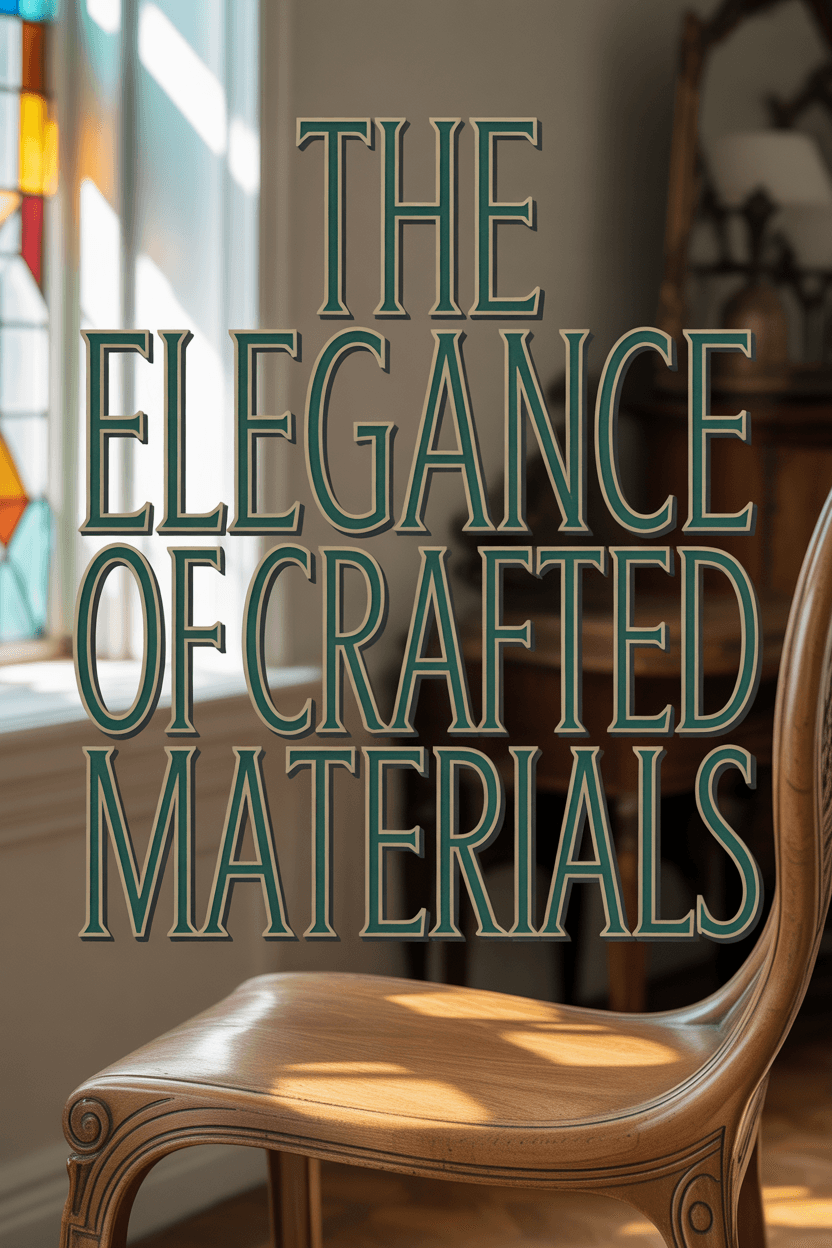
Art Nouveau designers selected materials that highlighted skilled craftsmanship and natural beauty. They often combined multiple materials to create rich, textural environments.
The most commonly used materials include:
- Wood (particularly walnut, oak, and mahogany) with intricately carved details
- Wrought iron for decorative elements and furniture
- Ceramic tiles with flowing patterns
- Glass in various forms: stained, etched, and blown
- Bronze and other metals for fixtures and decorative objects
- Marble and stone for architectural elements
- Natural textiles like silk, wool, and linen
The emphasis on handcrafting meant these materials displayed the mark of their makers, with visible evidence of the human touch in each piece. This approach directly challenged the machine-made aesthetic of industrial production.
Many Art Nouveau pieces combine multiple materials, such as wooden furniture with metal inlays or glass panels set in bronze frames, creating rich, multidimensional designs.
Distinctive Furniture Styles and Influential Designers
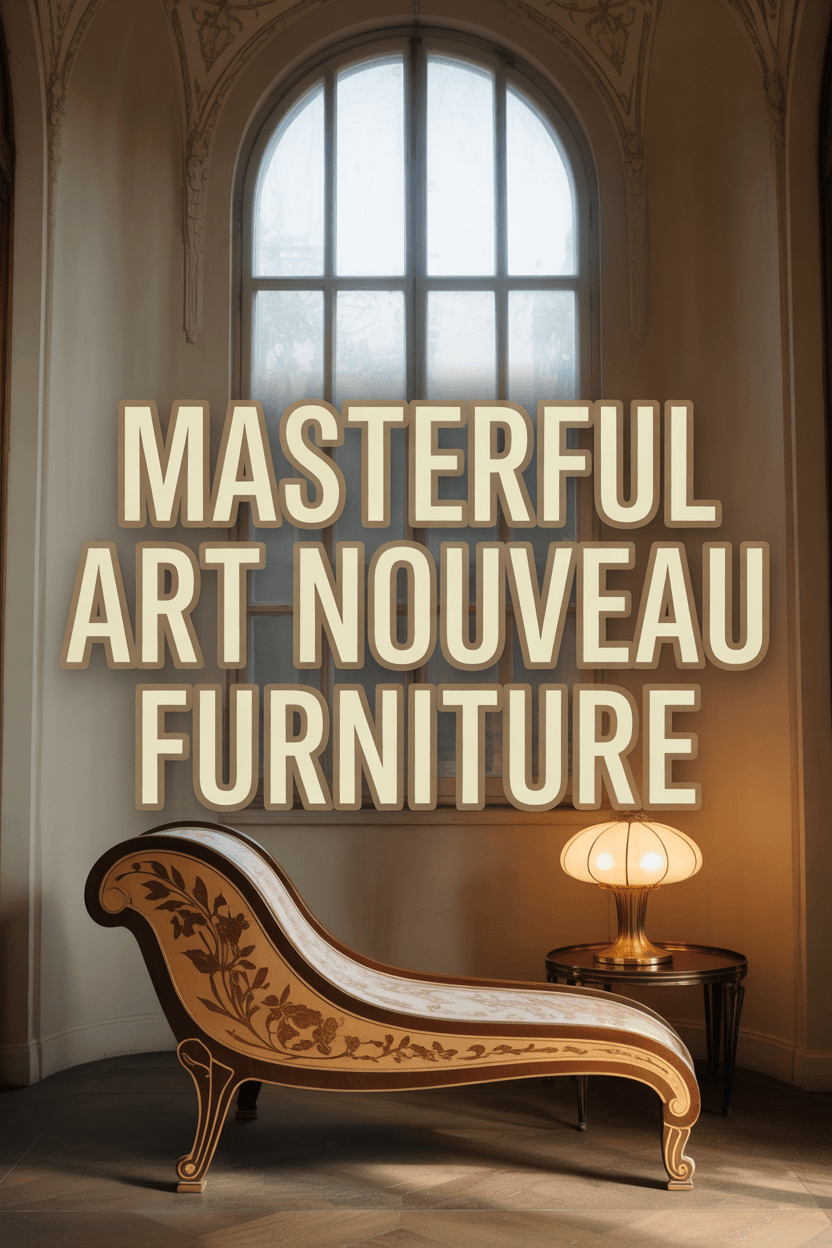
Art Nouveau furniture seamlessly blends function with organic beauty. Several master designers defined the movement through their innovative approaches:
- Louis Majorelle: renowned for flowing wooden furniture with intricate marquetry
- Émile Gallé: created exquisitely carved wooden pieces with naturalistic motifs
- Antoni Gaudí: designed undulating, sculptural furniture that challenged conventional forms
- Charles Rennie Mackintosh: combined Art Nouveau with subtle geometric elements
- Henry van de Velde: created elegant, flowing furniture forms with perfect proportions
- Victor Horta: integrated furniture designs with architectural spaces for cohesive environments
Typical furniture features include curved forms, asymmetrical designs, and natural motifs integrated into functional pieces. Tables might have legs resembling plant stems, while cabinet doors might feature carved floral patterns.
These designs rejected the heavy, ornate styles of previous eras in favor of lighter, more organic forms that still maintained functional integrity.
Captivating Lighting Elements and Fixtures
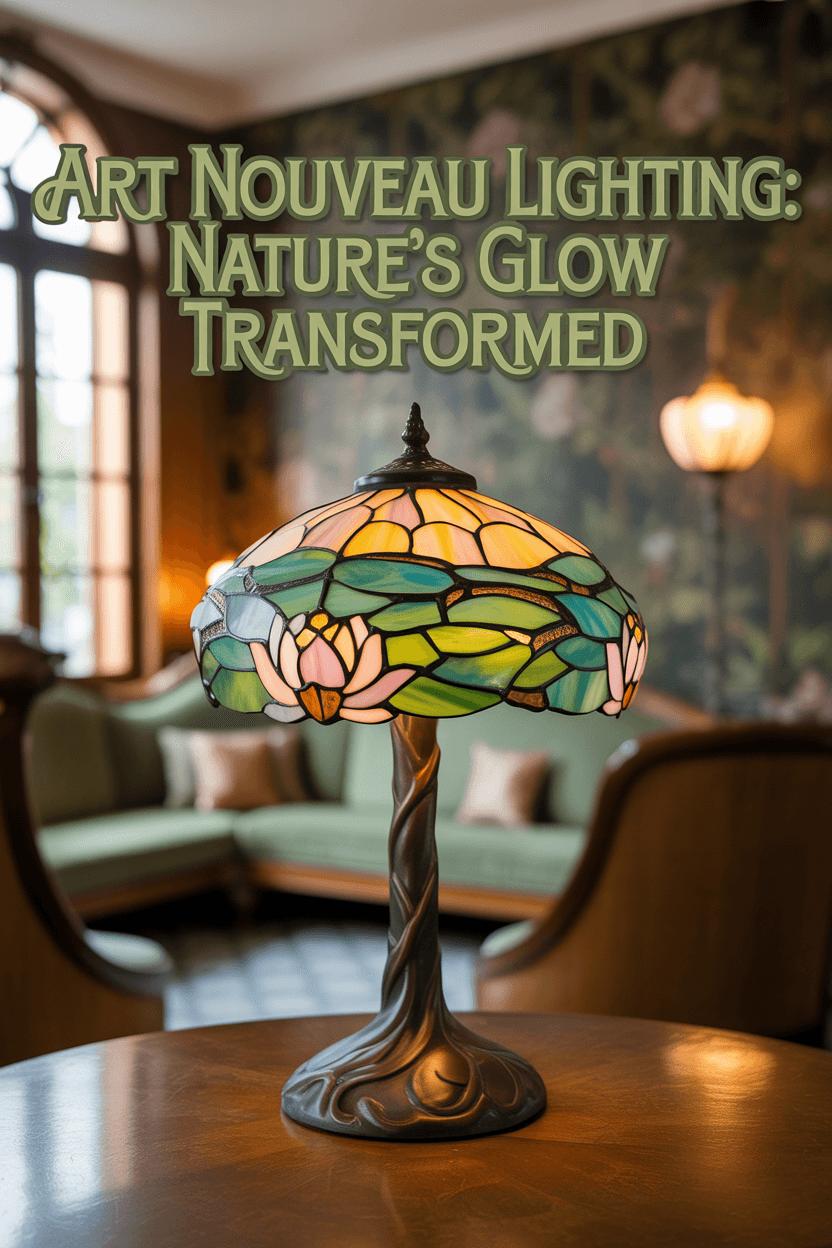
Lighting in Art Nouveau interiors serves as both functional necessity and artistic focal point. These fixtures often become the most memorable elements in a room.
Characteristic lighting features include:
- Table lamps with sculptural bronze bases resembling plants or figures
- Flower-shaped glass shades by artists like Louis Comfort Tiffany
- Ceiling fixtures with organic, flowing metalwork
- Wall sconces resembling blooming plants or unfurling vines
- Stained glass lamp shades creating dramatic colored light effects
Light fixtures were frequently integrated with architectural elements, blurring the line between structure and decoration. Bronze and wrought iron lamp bases often featured nature-inspired details like leaves, flowers, or insect forms.
The play of light through colored glass created ever-changing patterns throughout the day, adding another dimension of movement to Art Nouveau interiors.
The Magic of Art Nouveau Stained Glass
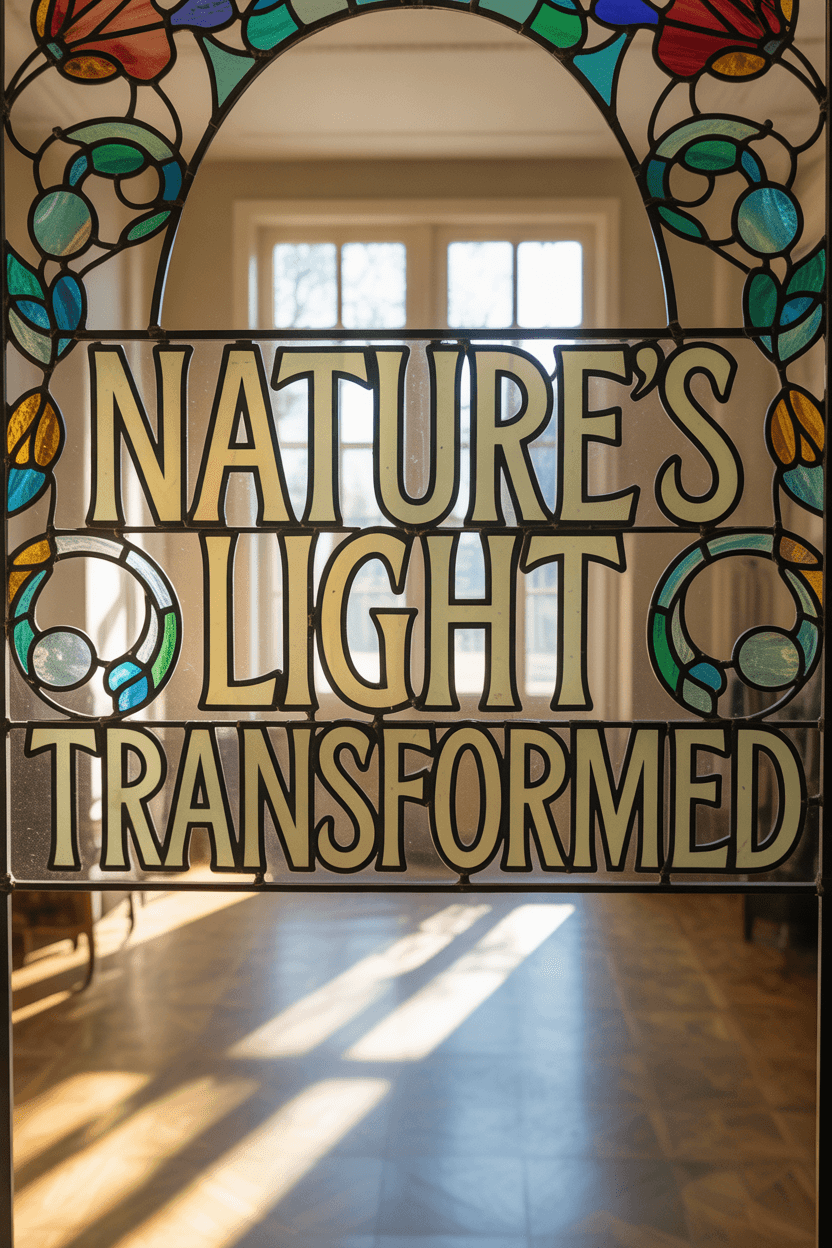
Stained glass represents one of Art Nouveau’s most recognizable and beloved elements. This luminous art form transformed spaces through color and light.
The most significant stained glass applications include:
- Windows featuring stylized flowers, birds, and abstract patterns
- Tiffany-style lamps with nature motifs and jewel-like colors
- Room dividers and interior windows with colored glass panels
- Glass with varying opacity to create depth and visual interest
Art Nouveau glass artists developed innovative techniques to achieve effects impossible with traditional methods. Louis Comfort Tiffany pioneered opalescent glass that created remarkable depth and dimension.
These windows were designed to interact with natural light throughout the day, transforming interiors with shifting patterns and colors as the sun moved across the sky.
The curved and irregular glass forms challenged traditional techniques, requiring extraordinary craftsmanship to execute the flowing designs characteristic of the movement.
Creating Atmosphere Through Wall Treatments
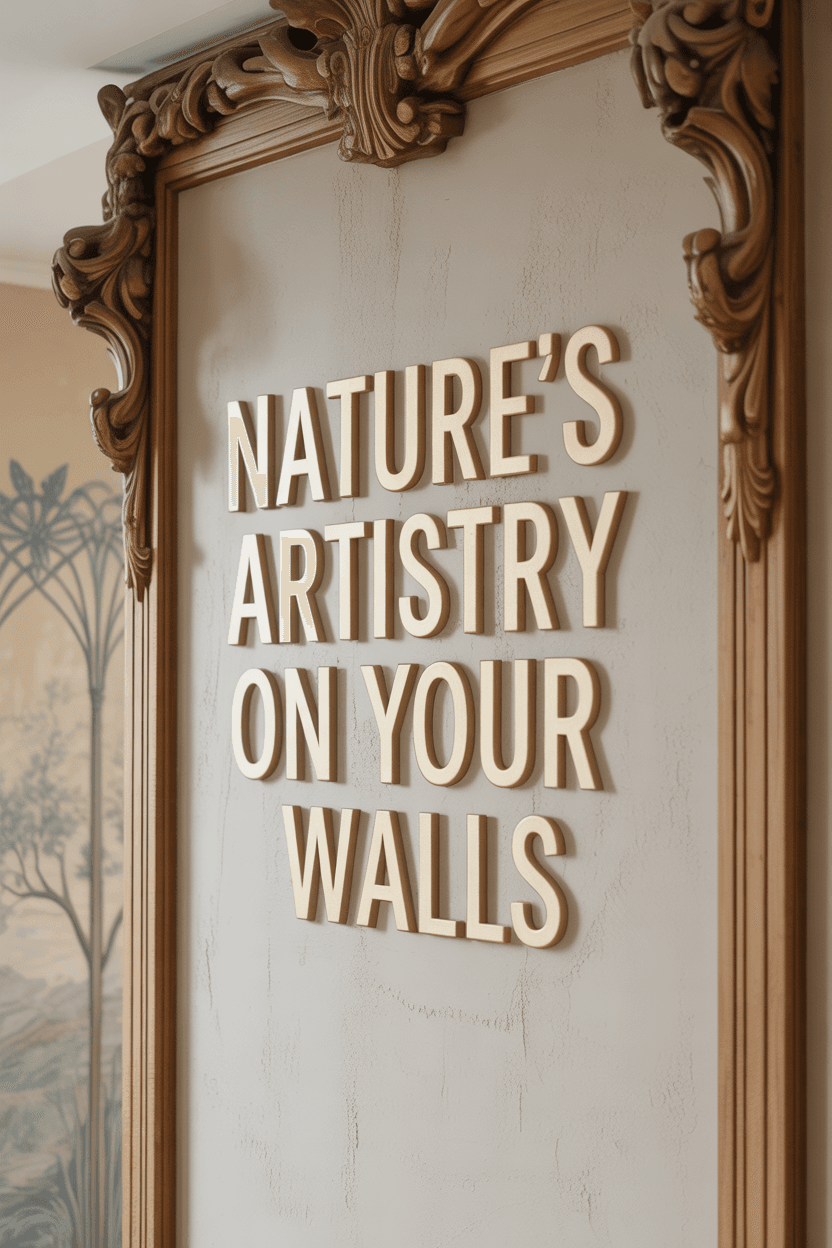
Wall surfaces in Art Nouveau interiors received special attention, becoming canvases for artistic expression rather than mere backdrops.
Popular wall treatments included:
- Wallpapers with repeating nature-inspired patterns
- Hand-painted murals with flowing scenes of gardens or forests
- Stylized floral and plant stenciling in layers of color
- Wood paneling with carved organic details
- Ceramic tile work with flowing designs
- Textured plaster with sculpted elements
Notable designers like William Morris and Alphonse Mucha created wallpaper patterns that became iconic representations of the style. These patterns often featured rhythmic repetitions of natural forms like flowers, leaves, and vines.
Wall treatments typically extended into three dimensions, with moldings and built-in elements that continued the organic themes established by the flat pattern work.
Bringing Art Nouveau Elements Into Modern Homes
Contemporary homes can successfully incorporate Art Nouveau elements without creating museum-like spaces. The key lies in selecting specific elements that complement modern living.
Effective ways to introduce Art Nouveau include:
- Statement furniture pieces with characteristic curved lines
- Nature-inspired wallpaper on accent walls
- Stained glass windows, panels, or lamp shades as focal points
- Metal fixtures with organic forms for lighting or hardware
- Textiles featuring flowing botanical patterns on pillows or curtains
- Curved architectural details like archways or built-ins
Modern interpretations can incorporate Art Nouveau principles without direct reproduction. Contemporary materials and technologies can create flowing, organic designs that honor the movement’s spirit while feeling fresh and current.
The style pairs particularly well with other nature-inspired design approaches, including biophilic design and organic modern aesthetics.
Finding Inspiration in Iconic Art Nouveau Structures
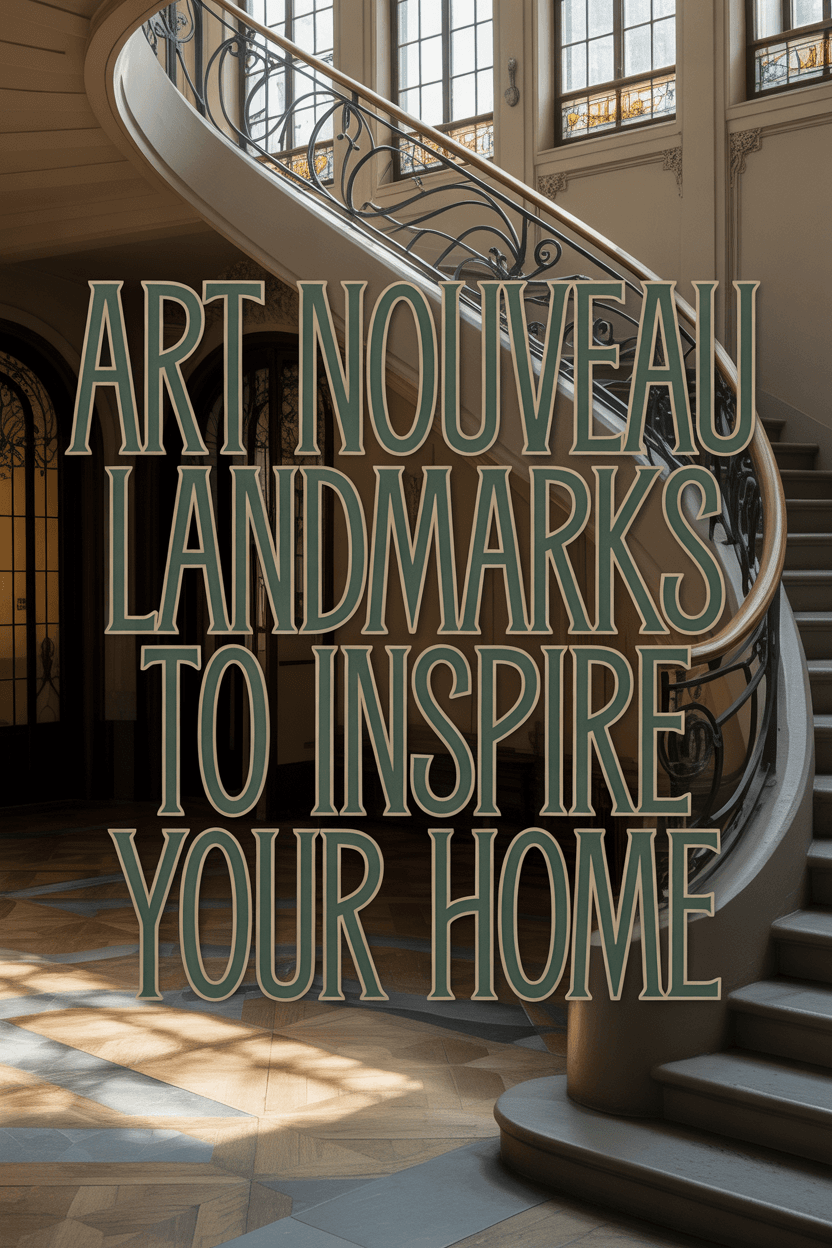
Several landmark buildings showcase Art Nouveau principles at their finest, offering inspiration for contemporary design applications:
- Casa Batlló by Antoni Gaudí (Barcelona) with its undulating facades and organic interiors
- Hôtel Tassel by Victor Horta (Brussels), featuring flowing staircases and integrated stained glass
- Glasgow School of Art by Charles Rennie Mackintosh, combining Art Nouveau with geometric precision
- Villa Majorelle by Henri Sauvage (Nancy, France), a complete Art Nouveau environment
- Paris Metro entrances by Hector Guimard, bringing organic design to public infrastructure
- Palais Stoclet by Josef Hoffmann (Brussels), blending luxury materials with artistic innovation
These buildings demonstrate how Art Nouveau principles work successfully across various scales, from small decorative details to entire architectural compositions.
Many offer virtual tours online, providing accessible inspiration for those unable to visit in person. Their interiors particularly showcase how different Art Nouveau elements work together to create cohesive environments.
Where to Find Art Nouveau Pieces for Your Home
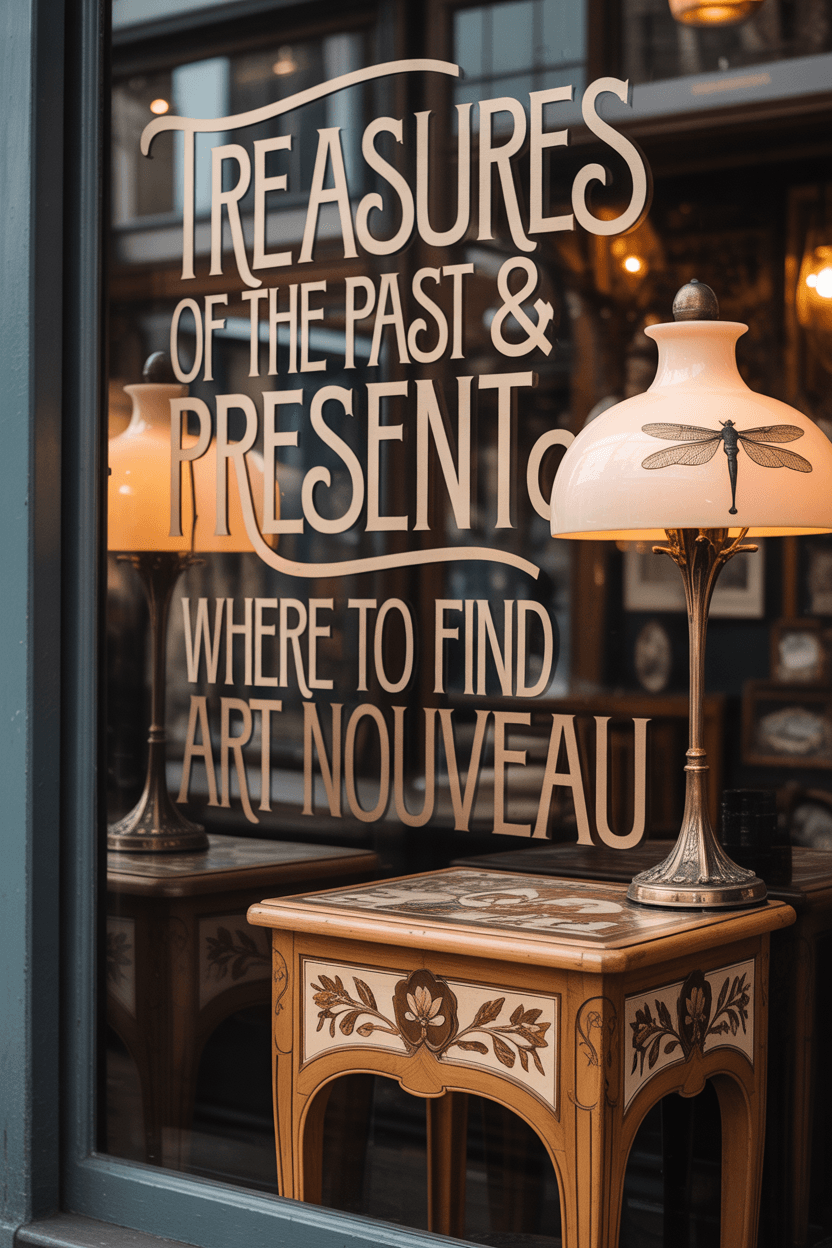
Adding authentic Art Nouveau elements or quality reproductions to your home requires knowing where to look. Depending on your budget and preferences, several sources offer excellent options:
- Specialized antique dealers focusing on turn-of-the-century pieces
- Auction houses like Christie’s and Sotheby’s for investment-quality antiques
- Online marketplaces such as 1stDibs and Chairish for verified vintage items
- Contemporary furniture makers specializing in Art Nouveau reproductions
- Art glass studios creating Tiffany-inspired lighting and decorative pieces
- Wallpaper companies offering recreations of historical patterns
- Museum shops selling authorized reproductions of collection pieces
When purchasing antiques, verify authenticity through documentation and expert assessment. Quality reproductions often provide a more accessible entry point while honoring the original design principles.
Many contemporary designers draw inspiration from Art Nouveau without creating direct copies, offering fresh interpretations that complement modern interiors while maintaining the style’s organic essence.
Art Nouveau vs. Art Deco: Understanding Key Differences
While sometimes confused with each other, Art Nouveau and Art Deco represent distinctly different aesthetic approaches. Understanding their differences helps appreciate each style’s unique contributions.
Art Nouveau (1890-1910) features:
- Organic, flowing lines inspired directly by nature
- Asymmetrical designs that reject classical order
- Muted, natural color palette drawn from the outdoor world
- Emphasis on handcrafted elements over machine production
- Plant and insect motifs rendered in stylized but recognizable forms
By contrast, Art Deco (1920s-1930s) embraces:
- Geometric, symmetrical patterns with bold, clean lines
- Strong, contrasting colors that create dramatic visual impact
- Celebration of the machine age and industrial production
- Stylized representational forms reduced to their essential elements
- Emphasis on luxury materials and modern innovations
Where Art Nouveau looks to nature for inspiration, Art Deco celebrates human innovation and the future. These movements represent different responses to industrialization—Art Nouveau resisting it, Art Deco embracing it.