Kitchen & Dining Room Colors That Work: The Ultimate Guide

Why Your Kitchen and Dining Area Need a Cohesive Color Story
The kitchen and dining room are where our daily routines and cherished celebrations happen. Yet, they can often feel disconnected or uninspired. The right color palette can work wonders, turning these functional areas into spaces that feel both luxurious and deeply personal.
As top design publications like House Beautiful show, color is the most effective tool for shaping a room’s mood. It can even make your meals look more appetizing and your gatherings feel more intimate.
The goal is to create a seamless visual flow between where you cook and where you dine. This is especially important in modern open-plan homes, where one space leads directly into the next.
Think of your color choices as a theme that works well through both the creative chaos of cooking and the calm elegance of dining. By creating this harmony, you make both spaces feel intentional, connected, and unmistakably home.
How Do Colors Affect Mood and Appetite?
The connection between color and emotion isn’t just a feeling; it’s backed by science. The principles of color psychology show how certain hues can directly influence our state of mind and even our hunger.
Warm colors like rich reds, vibrant oranges, and earthy terracottas are known to spark conversation and stimulate the appetite. These colors can make a large, open dining area feel cozier and more welcoming.
On the other hand, cool tones like serene blues and calming greens create a relaxing effect, making a space feel more open and peaceful. While great for a tranquil atmosphere, they can sometimes suppress appetite.
For a beautifully balanced approach, consider a functional, neutral kitchen backdrop paired with a warmer, more inviting tone in the dining area. This combination gives you an energetic workspace and a dining atmosphere that encourages guests to gather and linger.
Timeless Palettes for a Beautifully Unified Space
Creating a sophisticated and cohesive look is simpler than you might think. The most enduring styles often blend timelessness with a modern touch. Start your palette with a foundation of soft, complex neutrals.
Imagine shades like a faded gray with a hint of lavender, a velvety ivory, or the lightest possible taupe. These colors provide a serene and versatile canvas to build upon.
Next, introduce an accent shade inspired by the natural world. A whisper of sage green, a dusty mauve, or a muted teal can act as the perfect visual bridge between the kitchen and dining zones.
These combinations, often featured in publications like Country Living, don’t clash or compete. Instead, they create a quiet, stylish harmony that improves the feel of the entire home.
Why Start with a Foundation of Neutral Tones?
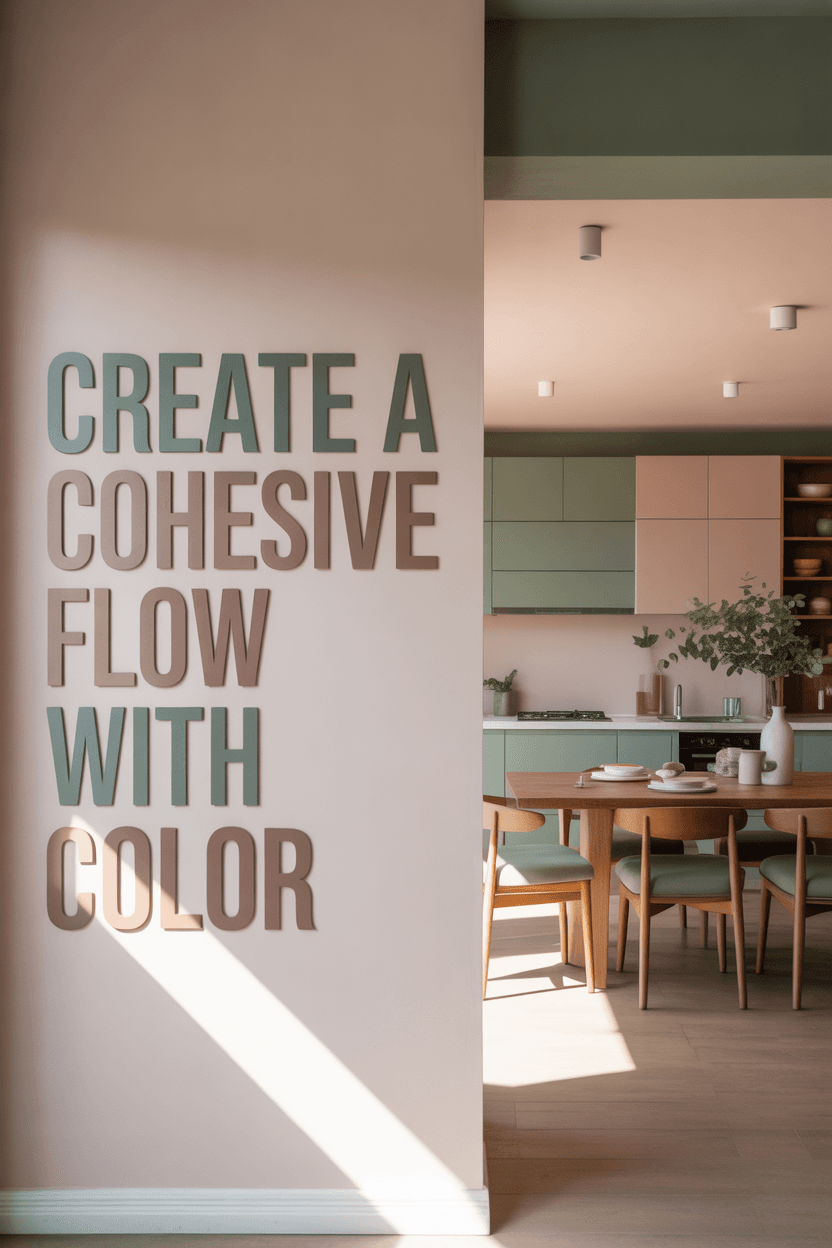
Neutrals are incredibly versatile. They provide a sophisticated foundation that lets you evolve your style over time without having to repaint the entire space.
Think of a neutral palette as the perfect backdrop for your home’s best features. A pale gray kitchen wall can act as a spotlight for dramatic marble countertops or brightly colored appliances.
A well-executed neutral scheme allows your furniture, textiles, and architectural details to truly stand out. It is the secret to a room that feels curated and effortlessly chic.
Explore a gallery of beautiful neutral rooms to see how a quiet palette can make an elegant statement, lending an air of quiet luxury to any space.
How to Connect Spaces with Accent Colors
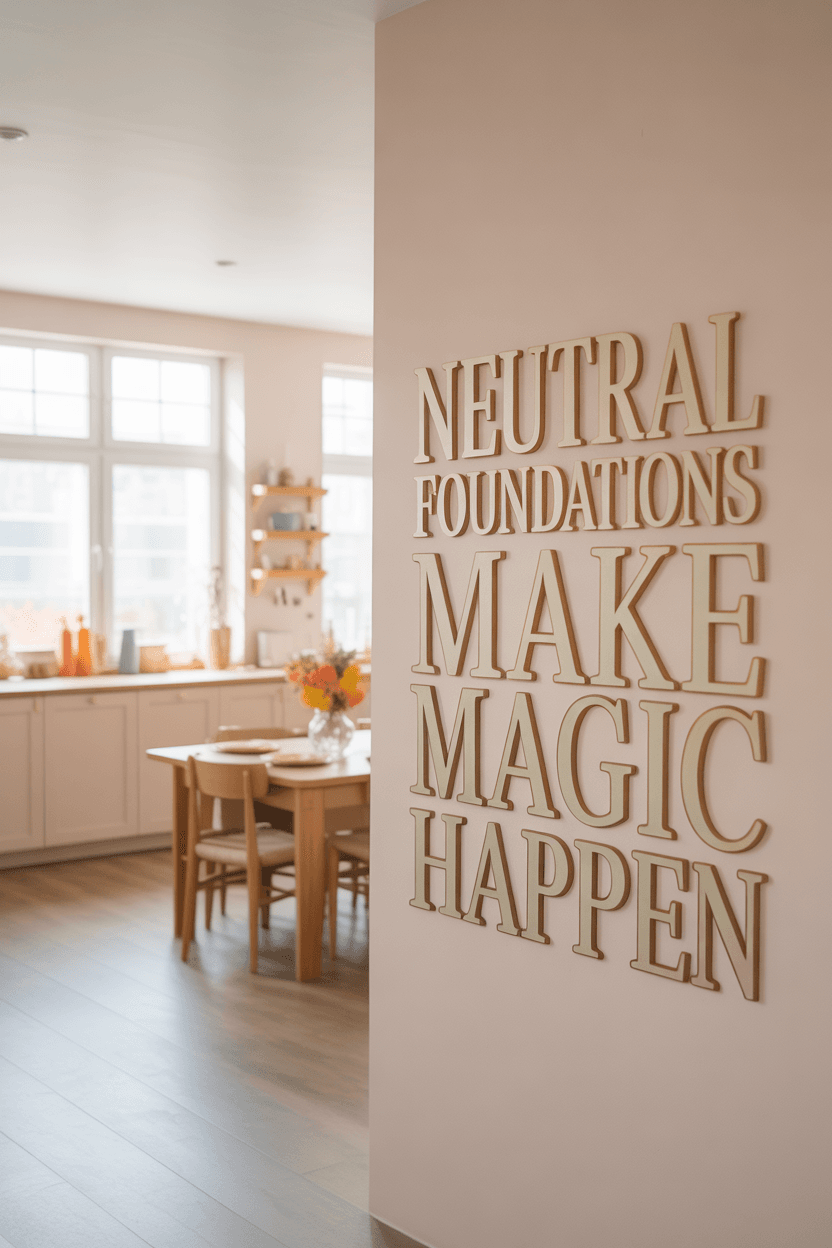
Making a statement doesn’t always mean painting an entire room. A strategic pop of color is often more impactful, acting as a visual thread that ties the kitchen and dining areas together.
Imagine turquoise backsplash tiles that echo the color of the cushions on your dining chairs. Consider a mustard-yellow runner beside the dining table that picks up the warm brass of your cabinet hardware.
These small but deliberate touches of color are key to unifying a space and making it feel custom-designed. They spark visual interest and keep the room from feeling one-dimensional.
For ready-made inspiration, explore curated designer palettes. Major brands like Benjamin Moore release seasonal color trends that provide harmonious, stylish combinations worth considering.
For a warm, Nancy Meyers-inspired coastal feel, pair warm beige or creamy white walls with forest green cabinets. For a more contemporary vibe, use cool charcoal accents with light gray walls and natural wood tones.
Why Do Light and Paint Finish Matter?

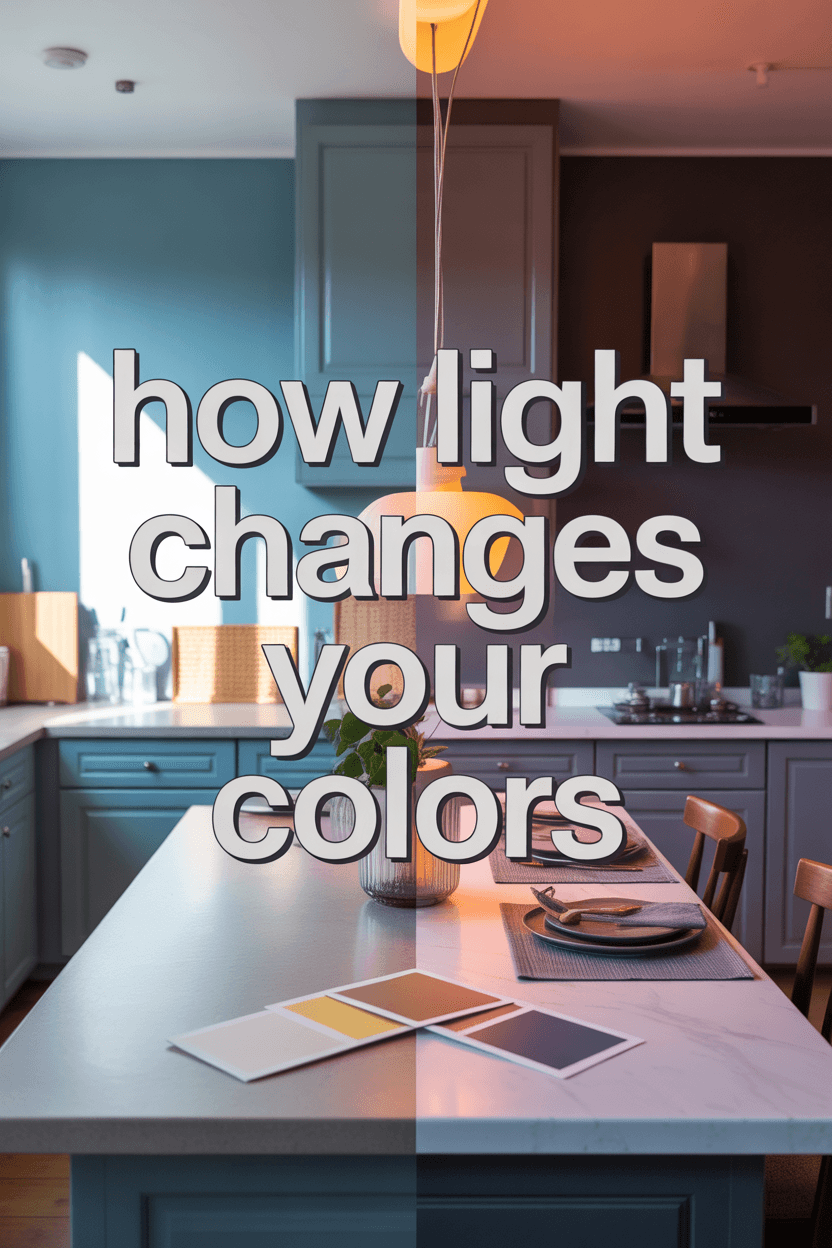
The color you choose is only half the story; its finish and how it interacts with light are just as important. Natural light changes through the day, shifting from cool tones in the morning to a warm glow in the evening.
This dynamic shift will affect how colors look on your walls. Before committing, test large paint swatches on different walls and look at them throughout the day and under artificial light at night.
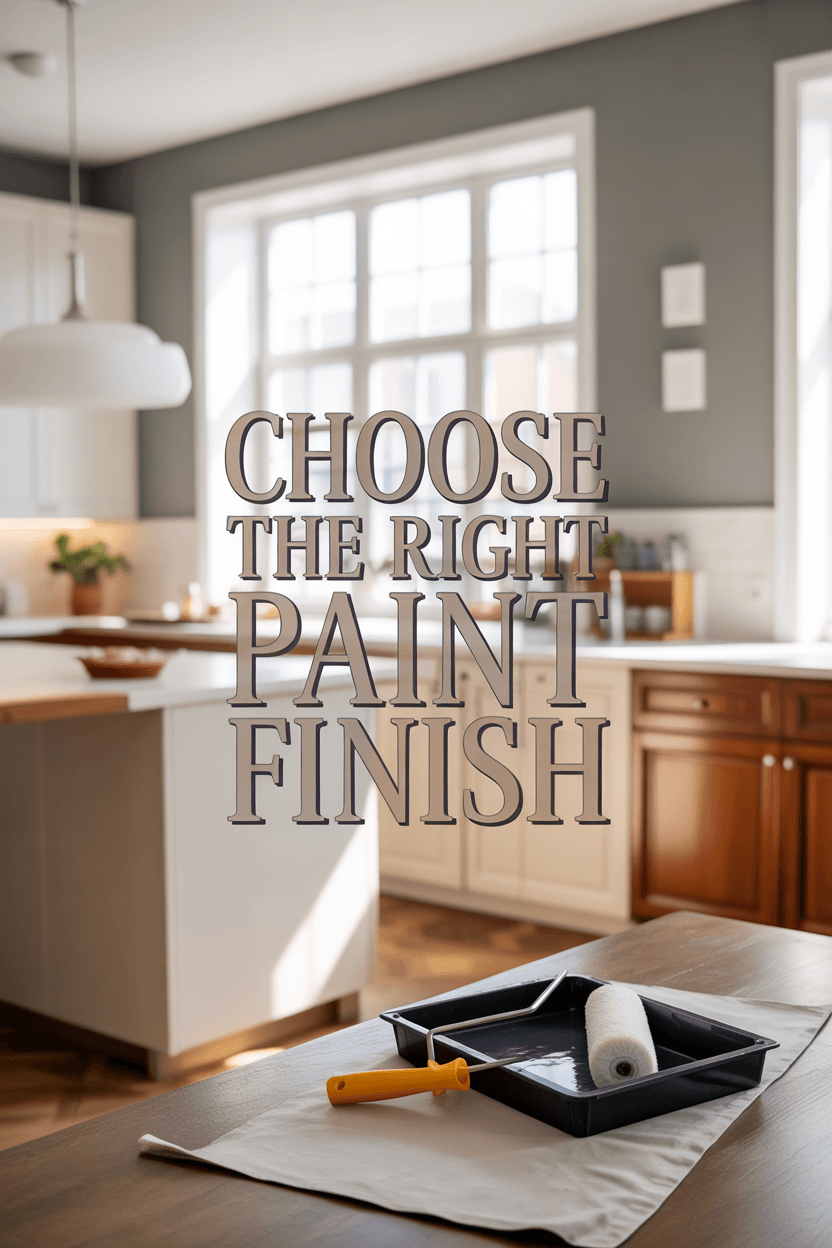
Your paint’s finish is also a key design element. Kitchens demand durability, making a satin or semi-gloss finish ideal because it’s easy to clean. These sheens also reflect light, helping to brighten the workspace.
For dining room walls, a matte or eggshell finish is often preferred. It absorbs light, reduces glare, and creates a soft, velvety look that expertly hides minor imperfections, lending a more intimate and formal feel to the space.
Should You Choose Paint or Wallpaper?
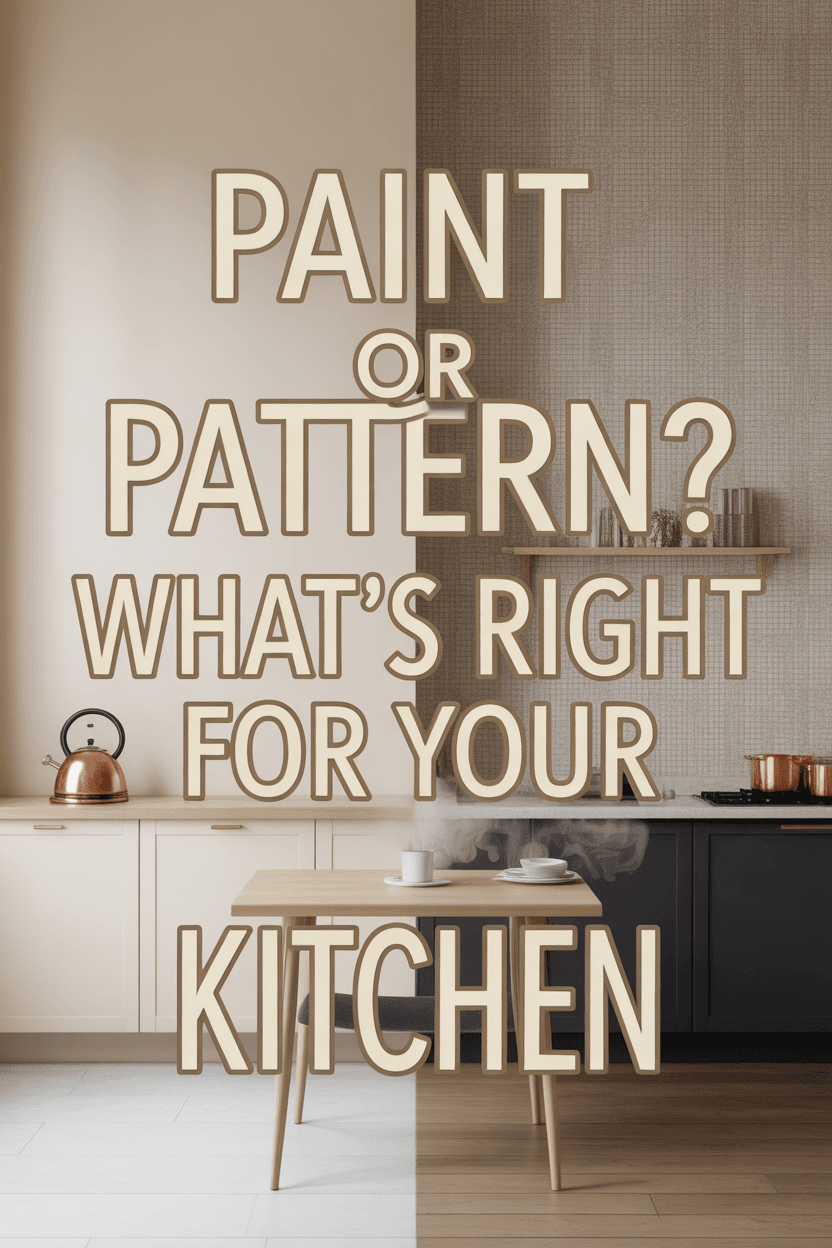
Paint is a classic choice for kitchens—it’s affordable, easy to apply, and offers endless color options. For a high-traffic kitchen prone to splatters, a high-quality, scrubbable paint is essential for long-term wear.
Wallpaper, on the other hand, can introduce incredible personality, pattern, and texture, making it a spectacular choice for a dining room. It can define the dining area and give it the feel of a distinct, jewel-box space.
To ensure it lasts, especially in an area near the kitchen, choose a high-quality, washable, or even vinyl wallpaper.
If you’re hesitant to commit, modern peel-and-stick options offer a fantastic, less permanent way to experiment with bold patterns, allowing your style to evolve with you.
How Do I Choose Colors for My Room’s Size?

You’ve probably heard that pale colors open up small spaces, while deep tones give large rooms a cozier feel. While this is a useful starting point, great design often means knowing when to break the rules.
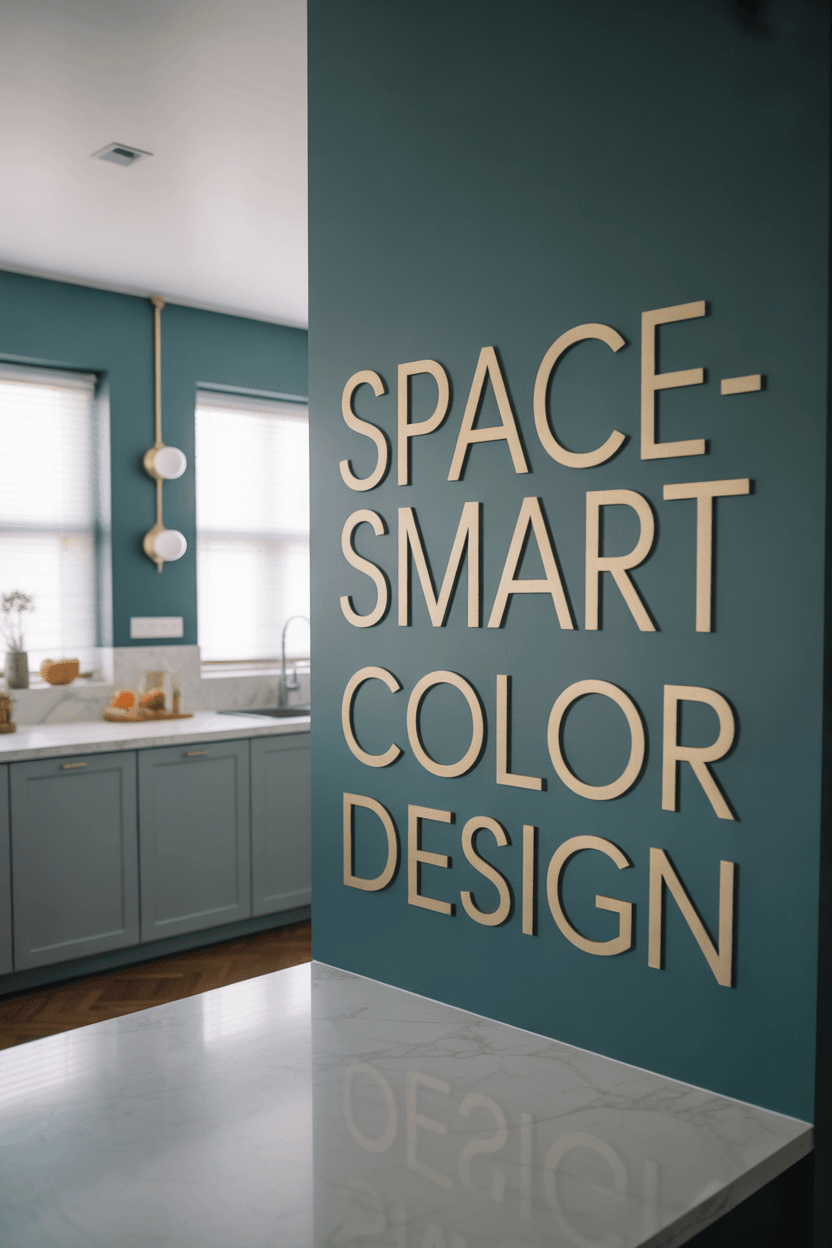
A dark, moody color in a small kitchen, for instance, can create a dramatic and luxurious “jewel-box” effect that feels intentional and chic.
In a large, open-plan dining area, a light color can feel cold and vast without cozy textiles and layered lighting to ground it. Here, a deeper shade on an accent wall can define the space beautifully.
Ultimately, it’s about balance. If the kitchen features bold cabinet lines, the dining room should echo that confidence with substantial furniture or artwork to create a cohesive feel.
How Should I Coordinate Cabinets and Countertops?
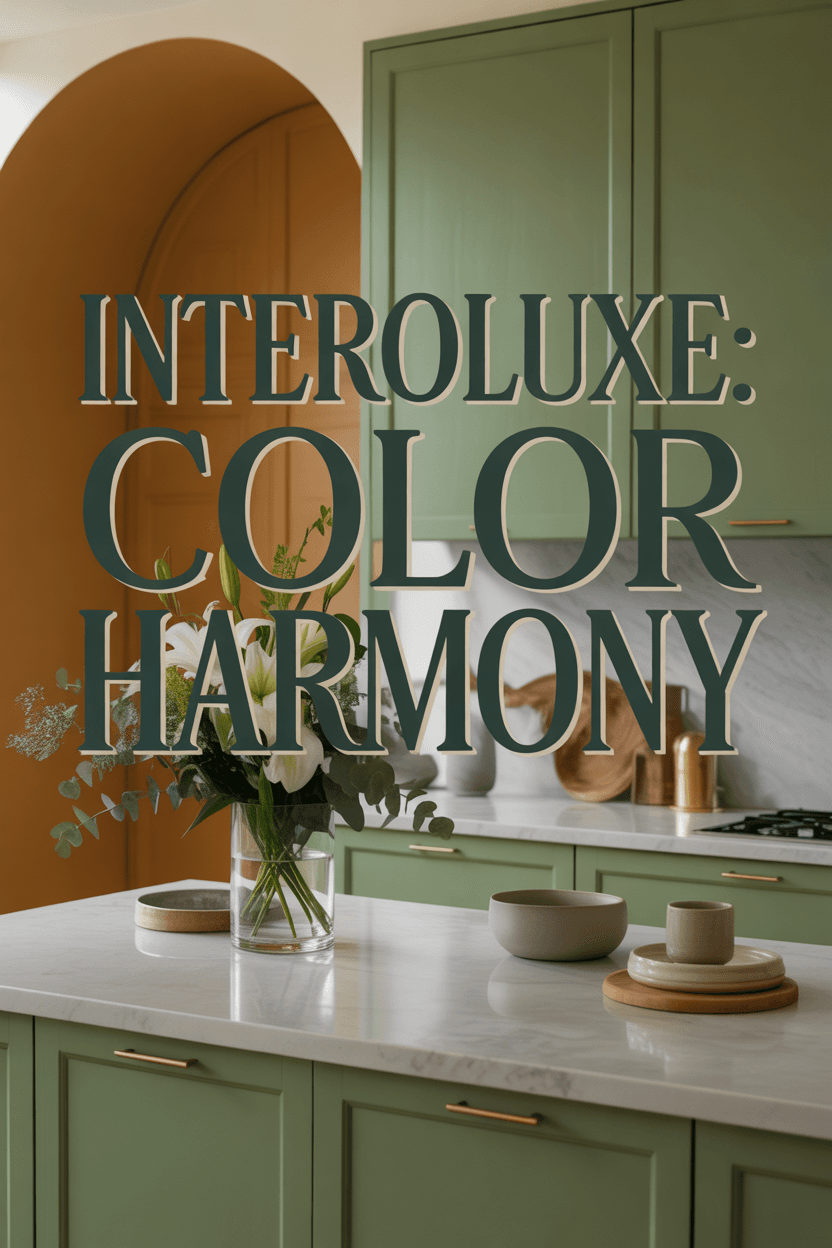
Your countertops and cabinets are the foundation of your kitchen’s style. Start with countertops in a timeless neutral like a warm white, soft gray, or deep charcoal to create a versatile base.
From there, your cabinets can either match the wall color for a seamless, unified look or stand in contrast to create visual interest. Both approaches can be stunningly effective.
Two-tone kitchens, which often feature dark lower cabinets and light uppers, remain a popular choice for adding depth and preventing the space from feeling too heavy.
Don’t be shy about bold cabinet colors. Hues like the deep greens and moody blues seen in designer kitchens add instant character and a high-end, custom feel.
How Can I Bring Nature’s Palette Indoors?
Create a natural sense of calm by embracing a color scheme that brings the soothing elements of the outdoors inside. This approach is a timeless way to make a home feel like a sanctuary.
Think of the colors you see on a walk in the woods or at the beach. Earthy greens, rich terracotta, sandy beiges, and muted stone grays are inherently soothing and classic.
These nature-inspired colors are wonderfully forgiving and pair beautifully with natural textures like wood, linen, and stone.
Consider a garden-inspired botanical wallpaper in the dining area or a backsplash of earthy green Zellige tiles in the kitchen. These touches can turn your space into a serene escape from the everyday.
A Step-by-Step Guide to Applying Your Color Plan
Ready to get started? Here’s a simple process to follow for a beautiful result.
First, take a look at your space. Measure the room’s dimensions, note the ceiling height, and observe its natural light sources throughout the day. This basic information is key.
Next, pick your main colors. Choose a primary neutral wall color that will serve as the unifying thread between the kitchen and dining spaces, along with one or two accent shades for cabinets, a feature wall, or decor.
Now for the most important step: testing. Paint large sample boards (at least 2’x2′) and move them around the rooms. Observe how the light affects them in the morning, afternoon, and evening to avoid surprises.
Once you’re confident in your choices, it’s time to begin. Prepare your surfaces well. Then, apply your paint or wallpaper following the product instructions for a flawless finish.
After the walls are done, layer in your accessories. Bring in rugs, chairs, artwork, and decor in your accent shades to complete the look.
The final touch is lighting. Fine-tune your light bulbs—choosing warm or cool options—to cast the perfect glow on your new colors and bring the entire design to life.
How Can I Keep My New Space Looking Beautiful?
To keep your kitchen and dining areas looking their best, gentle and consistent maintenance is key. A little care will preserve your hard work for years.
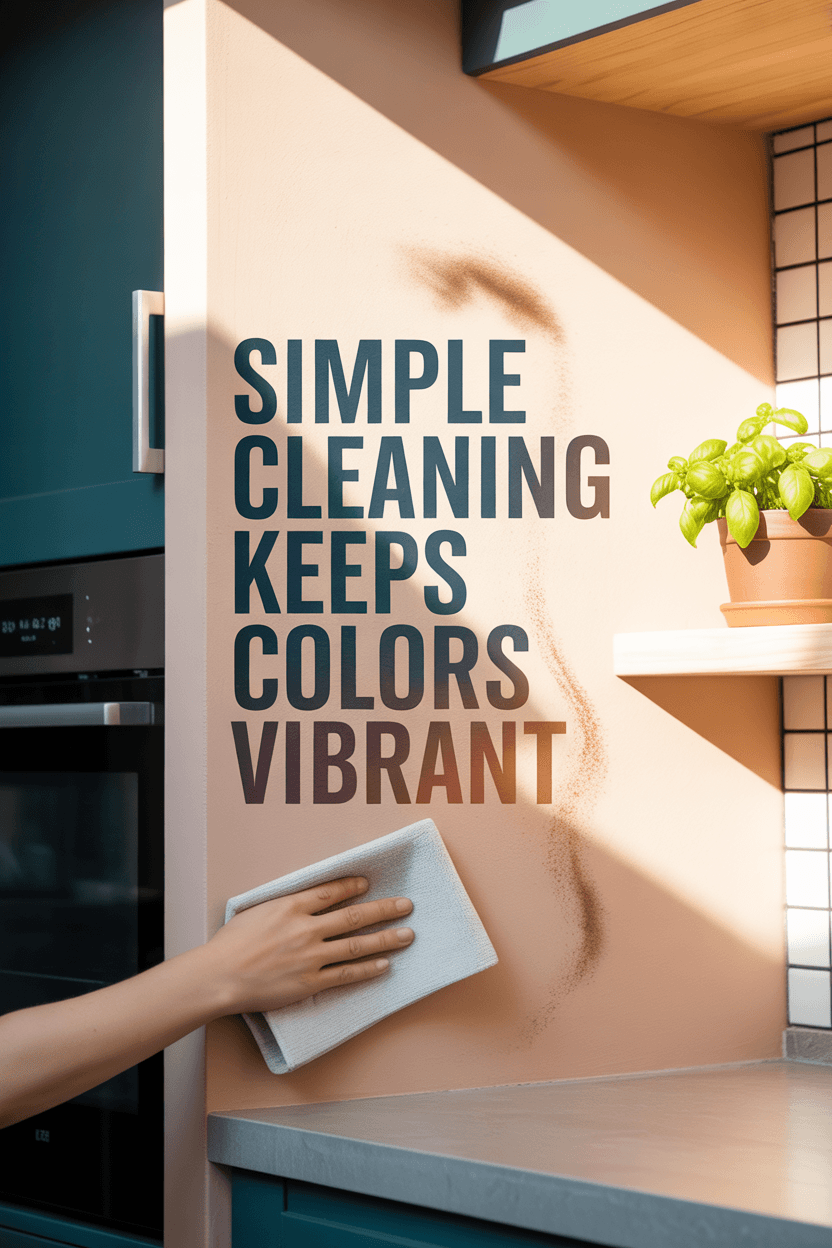
Lightly dust your walls every few weeks with a soft cloth or a microfiber duster. This simple step helps prevent grease and dust buildup, which can dull the paint’s sheen over time.
For inevitable spills or smudges, use a soft sponge with a small amount of mild soap and water. Be careful not to scrub too hard, especially on matte finishes, as this can damage the surface.
Plan for small touch-ups every couple of years in high-traffic spots to keep the space feeling fresh. Always save a small, well-sealed container of your paint for these quick fixes.
Practical Tips for Implementation

- Measure your rooms’ dimensions and note where natural light enters throughout the day.
- Select a versatile neutral wall color that works effectively in both spaces.
- Choose an accent color that complements your kitchen cabinets or countertops.
- Properly prime surfaces before applying paint or wallpaper.
- Add decorative elements like rugs, artwork, and textiles that incorporate your accent colors.
- Adjust lighting to enhance your chosen palette.
- Evaluate the final look under both natural daylight and evening lighting.
Maintaining Your Beautiful Colors
Regularly dust kitchen walls with a soft microfiber cloth to prevent grease buildup that can dull paint finishes. This simple habit extends the life of your paint job significantly.
Clean dining room walls occasionally with appropriate cleaners for your specific paint type. Different finishes require different cleaning approaches.
Plan for touch-ups every few years to keep your spaces looking fresh. Keep small amounts of your paint colors properly stored for this purpose.
Consider refreshing accent colors periodically while maintaining your neutral base. This allows you to update your spaces without completely repainting.