7 Premium Tile Choices That Will Transform Your Living Room

Porcelain: The Gold Standard of Durability and Style

For a living room floor that beautifully combines high-end style with everyday practicality, porcelain tile is the top choice. It stands as a favorite for modern, coastal, and contemporary designs, offering an ideal foundation for a luxe home.
Its exceptional durability comes from being fired at much higher temperatures than standard ceramic. This process makes porcelain incredibly dense and hard-wearing, so it can easily handle heavy foot traffic for decades without showing wear.
Porcelain is famous for its resistance to moisture and stains. With a water absorption rate of less than 0.5%, it is virtually waterproof, offering complete peace of mind against spills.
The design versatility of porcelain is nearly limitless. Advanced digital printing technology allows it to convincingly mimic the most beautiful natural stones, concrete textures, and even the warmth of wood.
This versatile quality allows it to work with nearly any design style. Use it to create a sleek, concrete look for a Mid-Century Modern space or a warm, wood-plank effect for a Nancy Meyers-inspired classic interior.
Beyond its beauty, porcelain delivers low-maintenance luxury. Its non-porous surface naturally resists dirt and grime, requiring only basic sweeping and occasional mopping to maintain its spotless, new look.
Ceramic: The Versatile and Budget-Friendly Classic
While porcelain often takes the spotlight, high-quality ceramic tile remains a fantastic and stylish option. It provides a beautiful and durable floor while offering its own unique benefits.
Ceramic’s most notable benefit is its outstanding value. It typically comes at a more accessible price point than porcelain, making it possible to achieve a luxurious look on a more modest budget without compromising on style.
From an installation perspective, ceramic is a softer material than porcelain. This quality makes it easier for professionals to cut and lay, which can often lead to lower installation costs.
The design possibilities with ceramic are truly endless. It is available in a vast world of colors, artistic patterns, and unique finishes, from a brilliant high-gloss that reflects light to a sophisticated, understated matte.
Despite being softer than porcelain, a quality ceramic tile boasts proven durability. In a typical residential living area, it can easily last 10 to 20 years or more with proper care, making it a sound investment.
Ceramic is also easy to care for. A glazed ceramic tile is highly resistant to stains and is incredibly simple to keep clean, ensuring your living room looks effortlessly elegant day after day.
Natural Stone: For Unmatched Organic Luxury
For the highest level of luxury and a floor that is truly one-of-a-kind, natural stone is simply unmatched. Each tile is a unique piece of the earth, bringing organic beauty, rich history, and profound character into your home.
Marble is instantly recognizable for its opulent, distinctive veining. It delivers an unmatched statement of sophistication and has been a symbol of luxury for millennia, making any living room feel like a grand space.
For a warmer, more relaxed ambiance, consider travertine. Its earthy tones and naturally pitted surface are perfect for creating a laid-back coastal vibe or the collected, timeless feel of a British Colonial-inspired room.
Slate offers a more rustic and grounded charm. This durable, fine-grained rock has a naturally slip-resistant texture and comes in a beautiful range of deep, moody colors that add depth and drama.
As one of the hardest natural stones, granite combines incredible toughness with unique, speckled patterning. It is an excellent choice for high-traffic homes that require both beauty and exceptional performance.
Limestone provides a softer, more subtle aesthetic with a naturally varied surface. Its gentle tones create a serene and sophisticated foundation, perfect for a calm and tranquil living space.
It is important to note that most natural stone requires periodic sealing to protect it from stains. Understanding the pros and cons is key to a successful investment in this timeless material.
Why Choose Large Format Tiles for an Expansive Look?
A popular choice in high-end interior design is the use of oversized tiles for a bold visual statement. Large format tiles, which include any tile with one side 15 inches or longer, are often seen in sizes like 24″x24″ or 24″x48″.
Their primary appeal is the ability to create a seamless, expansive look with minimal grout lines. This visual effect makes any living room feel more open, airy, and distinctly luxurious.
In smaller living rooms, this effect is especially effective. The clean continuity of large tiles can visually enlarge the space, making it feel grander than its actual square footage.
This clean, unified look is a key part of modern and contemporary design. It provides a sleek and uncluttered canvas for furniture and decor, allowing other design elements to shine.
On a practical note, the advantage is clear. Fewer grout lines mean significantly less time and effort spent on cleaning and maintenance, keeping your floor looking pristine with ease.
The Warmth of Wood, The Strength of Tile
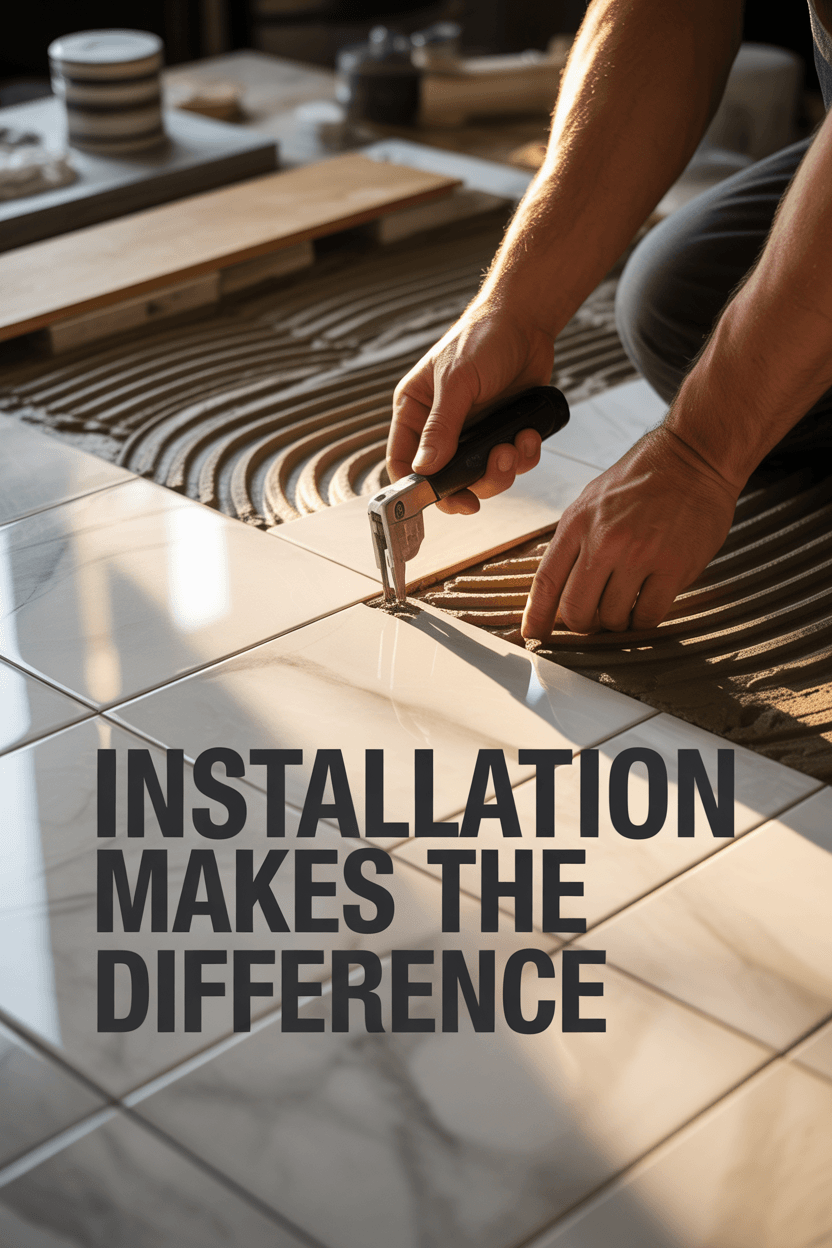
You can have the warm, inviting look of hardwood floors without the usual worries. Thanks to incredible advancements in digital imaging, wood-look porcelain and ceramic tiles are now virtually indistinguishable from the real thing.
These tiles stand up to everything life throws at them. They resist scratches from pets, dents from dropped objects, and water damage that would ruin a traditional wood floor.
Wood-look tile is the perfect partner for radiant underfloor heating systems. Unlike real wood, which can warp with temperature changes, tile conducts heat beautifully for a warm and cozy home.
Enjoy the aesthetic of wood with zero long-term maintenance. These tiles require nothing more than simple cleaning, freeing you from the need for costly and disruptive sanding or refinishing.
Their exceptional durability makes them ideal for high-traffic zones and sun-drenched rooms. Where real wood might fade or wear down over time, wood-look tile keeps its color and great looks for decades.
Make a Statement with Pattern and Shape
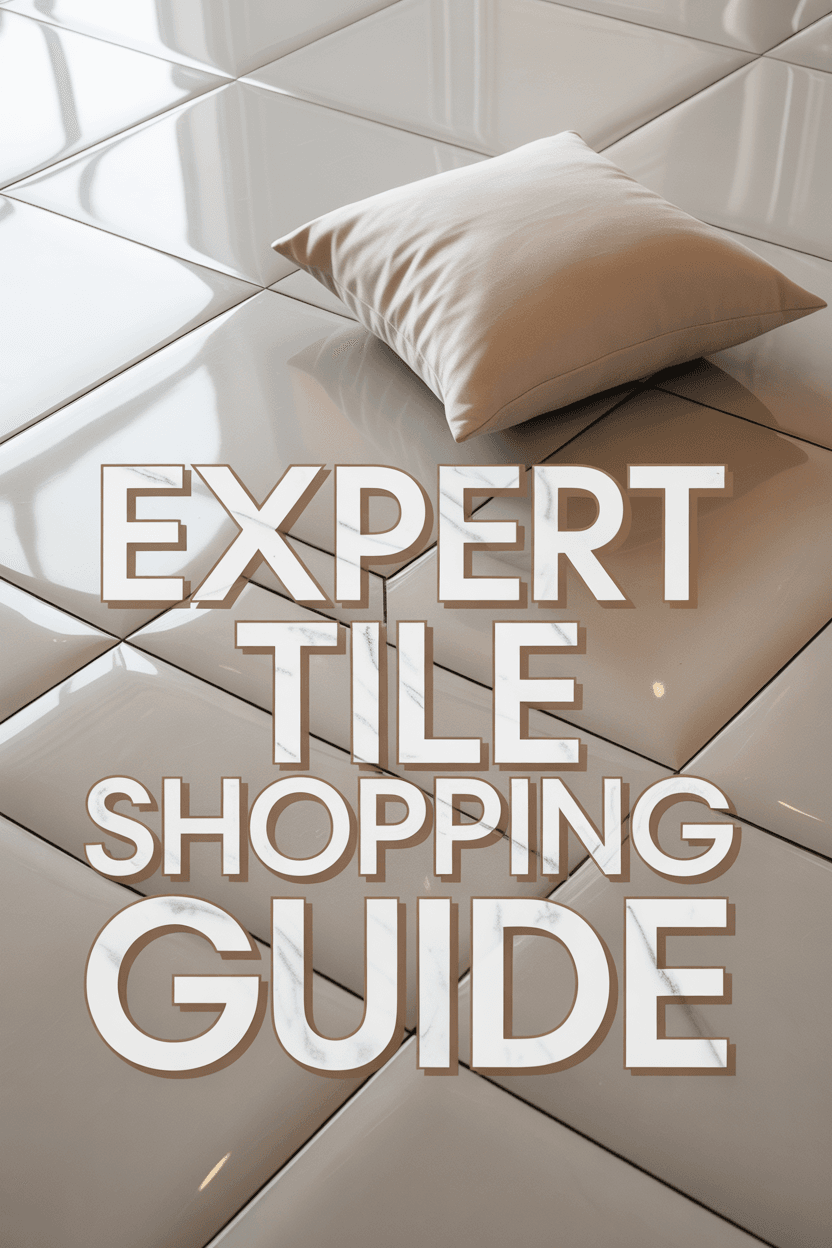
Bold patterns are making a big comeback, offering a way to add personality and unique style to your living room floor. According to design experts, these tile trends are defining the look of modern, luxurious floors.
Hexagon tiles provide a chic and contemporary alternative to traditional squares. Their geometric appeal adds a touch of modern sophistication and visual interest without overwhelming the space.
Classic patterns like herringbone and chevron add a sense of dynamic movement and timeless elegance. These layouts can make a room feel wider or longer while adding a layer of architectural detail.
For a touch of worldly charm, consider arabesque and Moroccan-inspired shapes. These intricate, curved patterns are perfect for creating a layered, eclectic, or worldly look in your living space.
You can also create a custom, handcrafted look by using mixed-width planks or mixed-size tiles. This approach results in a custom look that feels truly unique and thoughtfully designed.
What is a PEI Rating and Why Does It Matter?
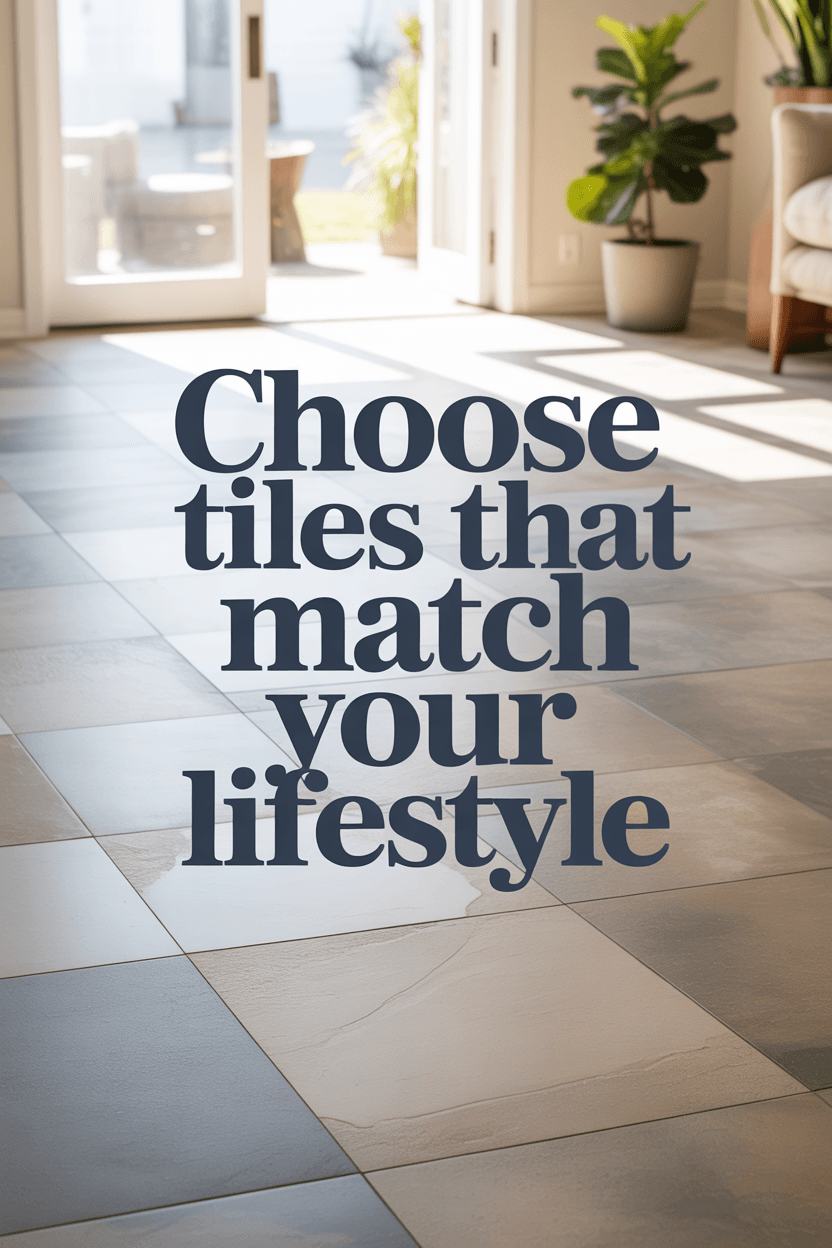
The Porcelain Enamel Institute (PEI) rating is an important rating to check when you’re shopping for tile. It measures a glazed tile’s resistance to abrasion and wear from foot traffic, serving as a guide to its toughness.
The scale ranges from PEI 1 (suitable for walls only) to PEI 5 (designed for extra-heavy commercial traffic). Choosing the right rating means your floor will stand up to your family’s lifestyle.
A rating of PEI 3 is suitable for light to moderate traffic. This is an appropriate choice for most average residential living rooms, providing a good balance of durability and design options.
For busier households with kids, pets, or frequent entertaining, a PEI 4 rating is ideal. This category is designed for moderate to heavy traffic and offers enhanced durability and peace of mind.
While PEI 5 is typically for commercial environments, selecting a tile with this rating offers the ultimate in toughness. For your living room, choosing a tile with a PEI rating of 3 or higher is a smart way to make sure your floor stays beautiful for years.
Where to Shop for Your Perfect Tile

Specialty tile stores that focus exclusively on tile and stone are a great place to start your search. They offer a curated selection of high-end and unique options you won’t find in big-box stores.
Their expert staff can provide detailed guidance on both design choices and technical specifications. These showrooms also have great sample programs, allowing you to see how tiles look in your home’s unique light before committing.
Shopping for tile online offers incredible convenience and a seemingly endless selection. Look for reputable retailers that provide extensive product details, professional photos, and authentic customer reviews to guide your choice.
High-end sources like Artistic Tile offer collections that can define a luxury space, from stunning natural stone to bespoke mosaics. The ability to order samples directly to your door makes the process smooth.
Ultimately, choosing the best tile for your living room is about finding the perfect match between your personal style and your home’s practical needs. The ideal choice will balance durability, aesthetics, maintenance, and budget.
When you take the time to research these options and pick a quality material, you aren’t just buying a floor. You’re creating a beautiful, lasting, and inspiring living space that you’ll love for years to come.
How to Identify High-Quality Tile
When searching for good quality tiles for your living room, knowing the signs of quality is key. High-quality tiles have a few key signs that set them apart from lower-quality options. Once you know what to look for, you can train your eye to spot the best.
First, look for consistency. Top-quality tiles are very consistent in size and thickness, which is the secret to achieving clean, minimal grout lines for a seamless and sophisticated look.
Look closely at the color. The color should be even and consistent across each tile, unless you are selecting a natural stone or a design that is intentionally varied for a unique design.
Examine the edges of the tile. A truly high-quality tile will have crisp, smooth, and perfectly straight edges. This is a sign of a high-quality manufacturing process called ‘rectification’.
Consider the density and weight. A tile that feels substantial and heavy in your hand usually means it’s a denser, more durable tile.
One of the most important factors is how much water it absorbs. For a living room floor that will last for years, look for tiles with a very low absorption rate. Porcelain is the best choice here, with a rate of less than 0.5%, making it almost completely waterproof against spills.
Finally, check the surface finish. The glaze should be perfectly even, free from any bubbles, ripples, or other flaws. This not only makes the tile beautiful but also helps it last longer.
How to Choose a Safe, Slip-Resistant Tile
Even in the living room, slip resistance is important for safety. It is especially crucial for homes with children, pets, or elderly family members who may be more prone to slips and falls.
Look for the Dynamic Coefficient of Friction (DCOF) rating on the tile’s specification sheet. The current US standard for surfaces intended to be walked upon when wet recommends a DCOF of 0.42 or greater.
While your living room isn’t always wet, this rating is a good way to judge how much grip a tile has. Higher numbers generally mean better slip resistance, which can prevent accidents.
The tile’s finish also plays a significant role in its safety. Finishes such as matte, brushed, or textured provide naturally better grip and traction than highly polished or glossy surfaces.
A shiny, glass-like surface might look amazing, but it can be slippery. Choosing a less reflective finish is a simple way to add safety without giving up your style. You can learn more from the National Floor Safety Institute.
How to Budget for Your New Tile Floor
Tile costs can vary a lot based on material, finish, and country of origin. Knowing the general price ranges will help you plan your project.
Generally, you can expect Ceramic Tile to range from $2 to $8 per square foot. Porcelain Tile typically costs between $3 and $15 per square foot, while premium Natural Stone Tile can range from $5 to over $50 per square foot.
Remember to budget for professional installation. According to data from home service experts, this can add $4 to $14 per square foot, depending on the job’s complexity and your subfloor’s condition.
Think about long-term value, not just the upfront price. Paying more upfront for durable porcelain or natural stone often means you get a floor that lasts a lifetime. A cheaper tile might need to be replaced sooner.
Also consider long-term maintenance costs. Some materials, like certain natural stones, may require special cleaners or periodic sealing, which adds to the overall cost of ownership.
Finally, a beautiful, well-installed tile floor can increase your home’s resale value. Choosing quality tile saves you headaches down the road and adds value to your home.
The Secret to a Lasting Floor: Professional Installation
Even the most beautiful and expensive tile in the world will fail if it is not installed correctly. Proper installation is the single most important factor in guaranteeing the longevity and performance of your new living room floor.
It all starts with careful subfloor prep. Your installer must ensure the subfloor is perfectly clean, structurally sound, and completely level before a single tile is laid. Any imperfections can transfer through to the finished floor.
Using a high-quality underlayment or crack isolation membrane is an essential step. This layer protects your investment by preventing cracks in the subfloor from traveling up and breaking your new tiles.
Your installer must select the right thin-set mortar for the job. Different tile types and sizes, especially large format tiles, require specific mortars to ensure proper adhesion and support.
Creating even grout lines requires precision and the use of quality spacers. This attention to detail is what gives the final installation a polished, professional, and high-end appearance.
Using high-quality grout and applying a sealer prevents staining and stops moisture from penetrating the grout lines. This is one of the most important steps to ensure durability and keep your floor looking new.
Finally, in large rooms, the inclusion of expansion joints is critical. These allow the floor to expand and contract naturally with temperature and humidity changes, preventing stress cracks from forming over time.