
Elegant Transformations: How to Choose the Perfect Formal Dining Room Set

What Defines a Formal Dining Room Set?
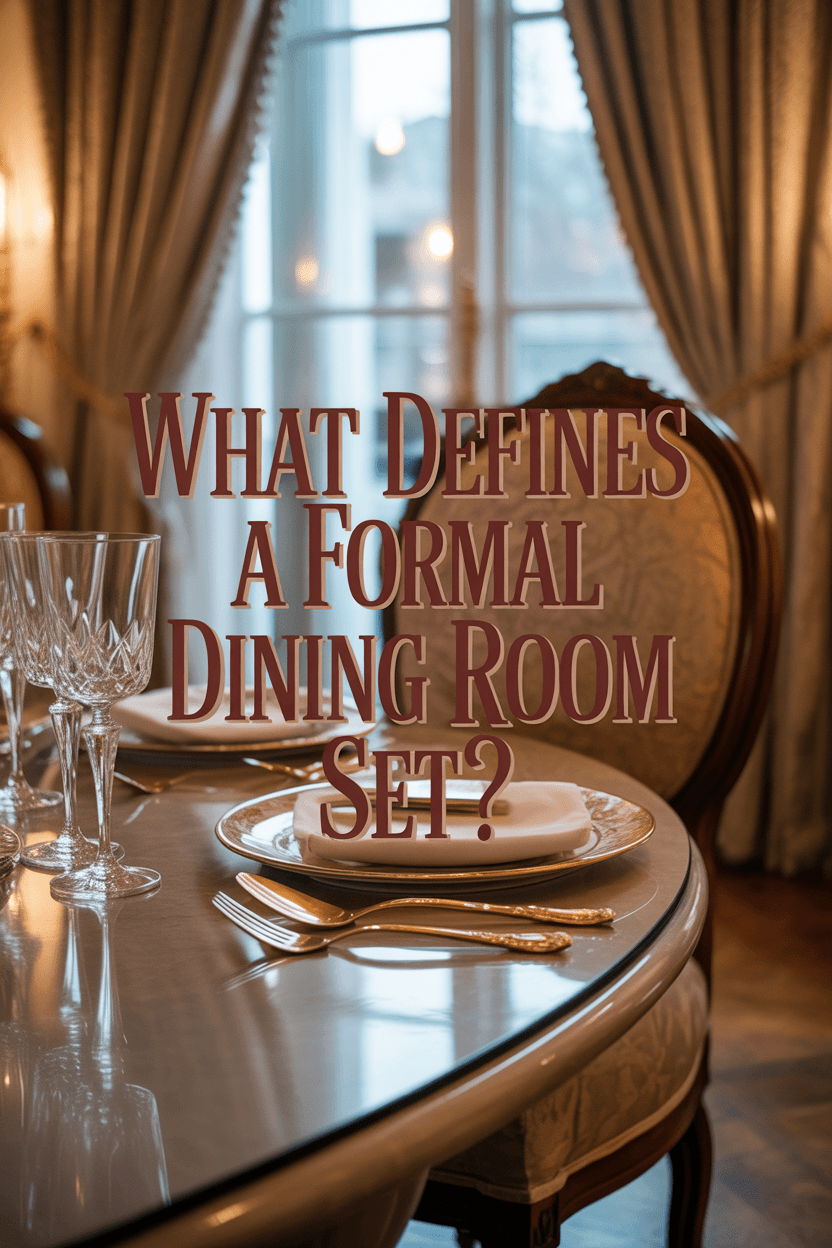
A formal dining room set typically includes a matching table, chairs, and sometimes additional furniture pieces like china cabinets or buffets. These sets are characterized by their elegant design, fine craftsmanship, and high-quality materials. Unlike casual dining furniture, formal sets often feature more ornate details, refined finishes, and coordinated elements that create a cohesive, sophisticated look intended for special occasions and entertaining guests.
Assessing Your Space Before Making a Purchase
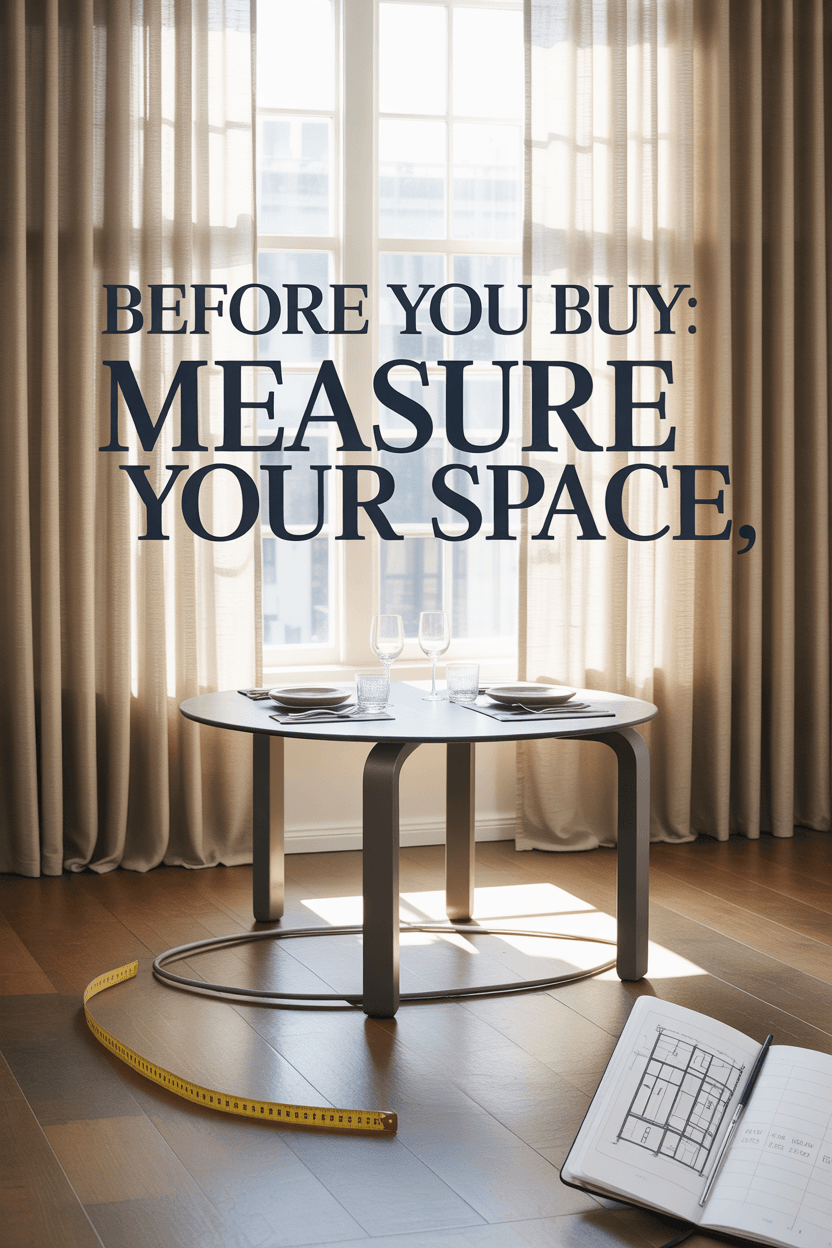
Before purchasing a formal dining set, measure your dining room carefully, allowing at least 36 inches between the table edge and walls or other furniture. Consider the room’s shape, doorways, and traffic flow.
A good rule of thumb is to allow 24 inches of table width per person and ensure at least 36 inches of clearance for chairs to pull out comfortably.
Map out your space to determine the maximum table size that will fit while maintaining proper circulation space. This planning prevents the disappointment of investing in beautiful furniture that overwhelms your room.
Traditional vs. Contemporary Formal Dining Sets
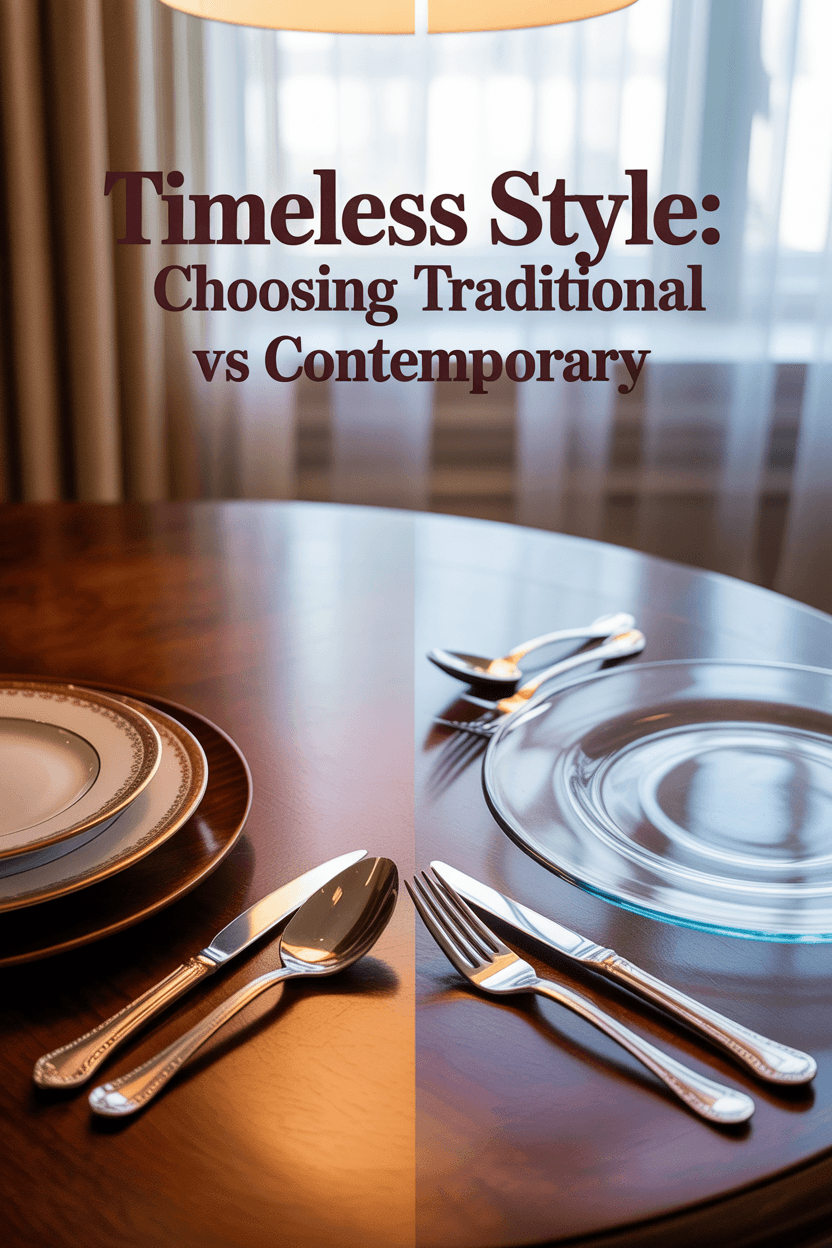
Traditional formal dining sets often feature rich wood tones, carved details, and classic silhouettes like Queen Anne legs or Chippendale styling. These designs connect your dining space to centuries of elegant entertaining traditions.
Contemporary formal sets embrace cleaner lines, mixed materials, and updated proportions while maintaining an elegant presence. They offer sophistication with a modern sensibility that complements updated home designs.
Your choice between these styles should reflect both your personal aesthetic and your home’s architectural character. The best formal dining sets feel purposeful and connected to the overall design language of your home.
Choosing the Right Materials for Your Formal Dining Table
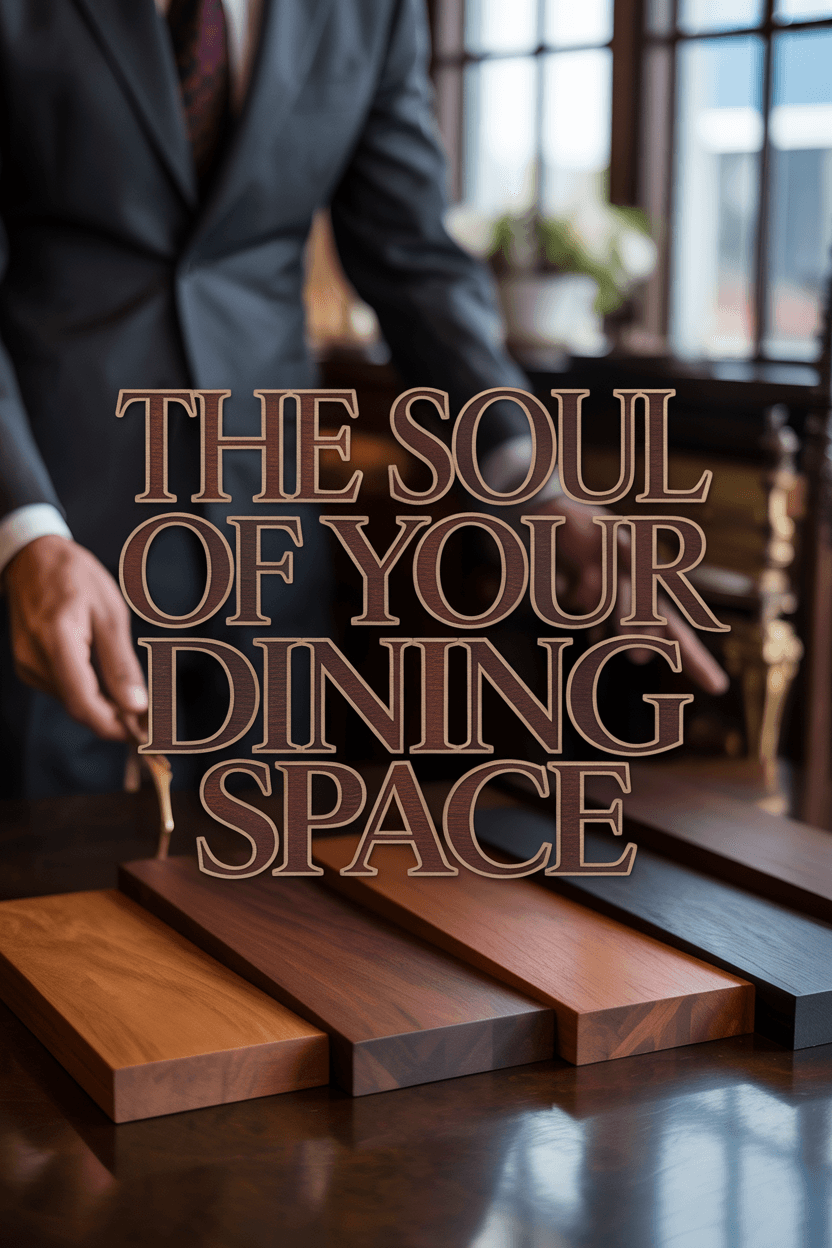
Hardwoods like mahogany, cherry, and walnut remain the standard for high-quality formal dining tables, valued for their durability and rich appearance that deepens beautifully with age.
Modern formal sets might incorporate glass, marble, or metal elements that add visual interest while maintaining an air of sophistication.
The table’s construction quality—including joinery methods and finish application—significantly impacts both appearance and longevity. Look for dovetail or mortise-and-tenon joints rather than simple glued connections.
Veneers over solid wood construction can provide visual appeal while controlling costs, but ensure the core material is high-quality engineered wood rather than particleboard for better durability.
Selecting the Perfect Dining Chairs
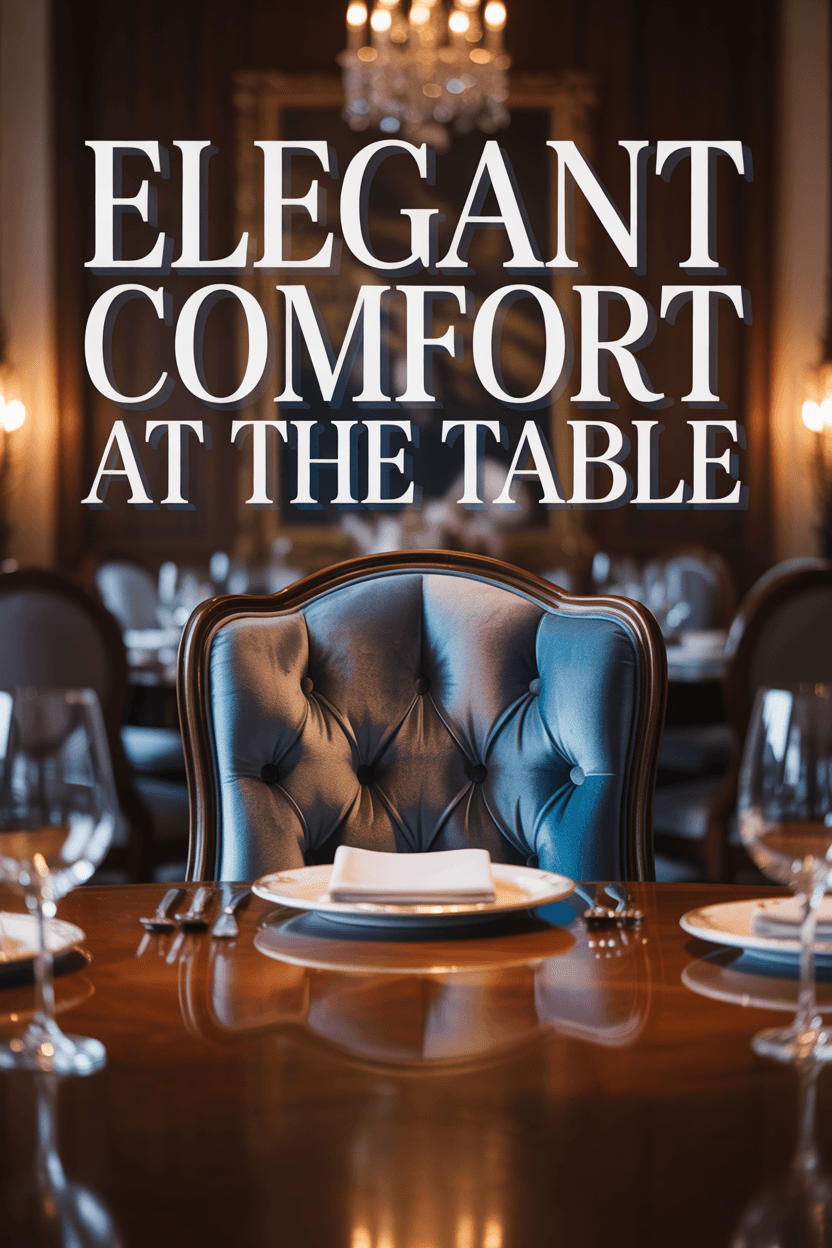
Common formal dining chair styles include side chairs with upholstered seats, arm chairs (often placed at table ends), and parsons chairs with fully upholstered frames. Each style offers different levels of comfort and formality.
Upholstery options range from leather and velvet to performance fabrics with stain resistance. Consider how each material contributes to both the room’s aesthetics and practical functionality.
Quality chairs feature sturdy frames, comfortable proportions, and details that complement the dining table. Test chairs for comfort before purchasing—even the most beautiful chair fails if it discourages lingering over meals.
Consider including two armchairs for the table heads with side chairs elsewhere to create visual hierarchy and maximize seating capacity without sacrificing comfort.
Complementing Your Set with Storage Pieces

Buffets provide essential storage and serving space, typically standing 36-38 inches high—perfect for comfortable serving. They offer hidden storage for linens, silverware, and serving pieces that might otherwise clutter your dining space.
China cabinets display fine dishware and glassware behind glass doors, adding visual interest to dining rooms while protecting valuable collections. Modern interpretations might feature glass on multiple sides for a lighter visual footprint.
These supplementary pieces should coordinate with your dining set while providing practical storage that enhances your entertaining capabilities. They typically work best along walls perpendicular to the table, creating visual balance without crowding the room.
Consider how each piece functions during different entertaining scenarios—from intimate dinners to larger gatherings—to ensure they enhance rather than hinder your hosting style.
Creating the Perfect Color Palette
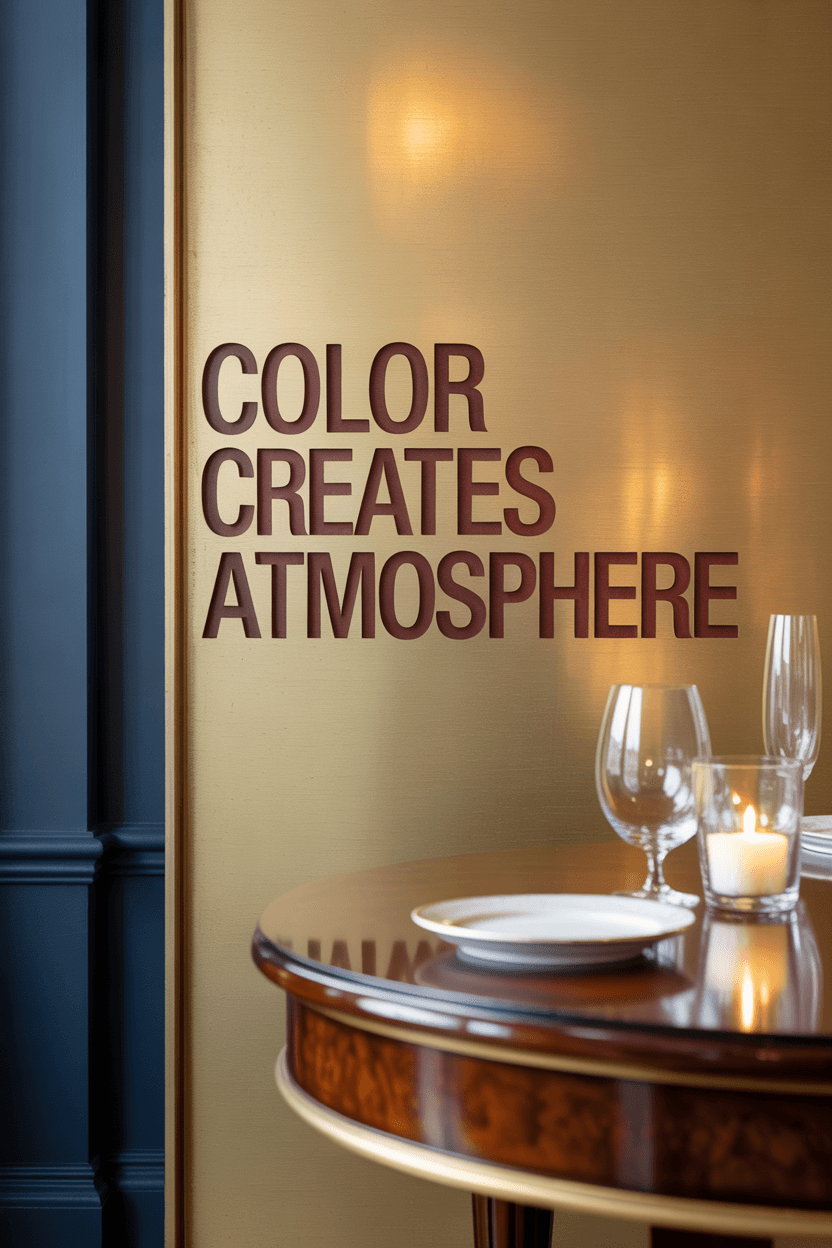
Rich, deep colors like burgundy, navy, and forest green create traditional formal dining spaces with a sense of timeless elegance. These colors form beautiful backgrounds for candlelight and fine china.
Neutral palettes with strategic accents offer contemporary formality with greater flexibility. They allow seasonal changes through accessories while maintaining the room’s sophisticated foundation.
Wall colors should complement your furniture’s undertones—warm wall colors enhance cherry and mahogany, while cooler tones complement walnut and darker woods.
Consider how your dining set’s finish works with flooring, wall color, and textiles to create a cohesive environment. Coordinating but not perfectly matching elements creates sophisticated depth that enhances the formal atmosphere.
Illuminating Your Formal Dining Area
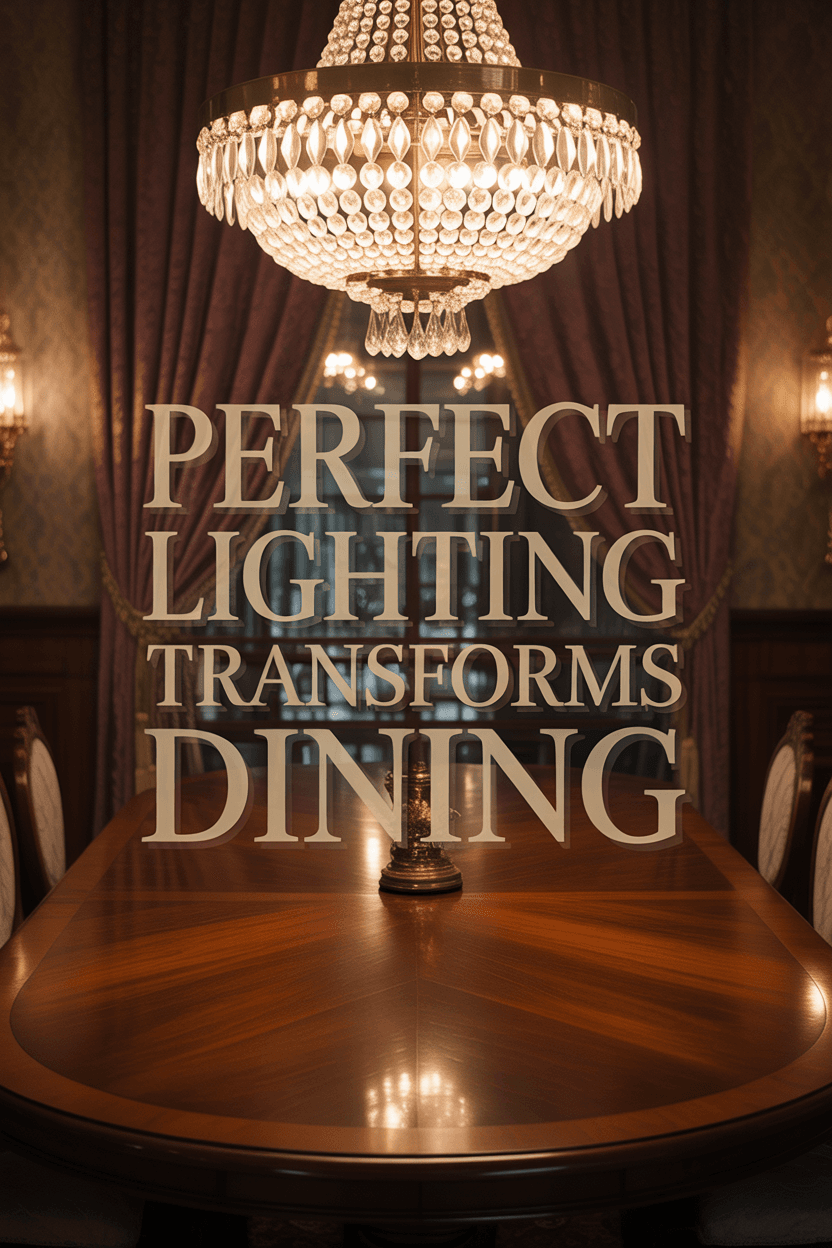
Chandeliers remain the classic choice for formal dining areas, ideally sized proportionally to your table (generally 1/2 to 2/3 the table width). Their elevated position draws the eye upward, enhancing ceiling height and room grandeur.
Install dining room chandeliers about 30-36 inches above the table surface—high enough to avoid blocking sight lines but low enough to provide proper illumination.
Include dimmers for adjustable lighting levels appropriate for different occasions, from bright family dinners to intimate candlelit gatherings.
Wall sconces or recessed lighting can provide supplementary illumination that enhances the room’s ambiance while eliminating harsh shadows. Consider how lighting changes throughout the day and evening to ensure your dining space looks beautiful at all times.
Budgeting for Quality and Longevity

Quality formal dining sets represent a significant investment, with complete sets ranging from $2,000 to $20,000+ depending on materials, craftsmanship, and brand reputation.
Consider longevity and versatility when evaluating price points—a well-made set can serve your family for generations, making higher initial costs more reasonable when calculated over decades of use.
Purchasing piece by piece can distribute costs over time while allowing for more personalization. Start with the table and essential seating, adding storage pieces as budget allows.
Look for solid construction details that indicate quality regardless of price point: dovetailed drawers, kiln-dried hardwood frames, and hand-applied finishes suggest furniture built to last.
Maintaining Your Fine Dining Furniture
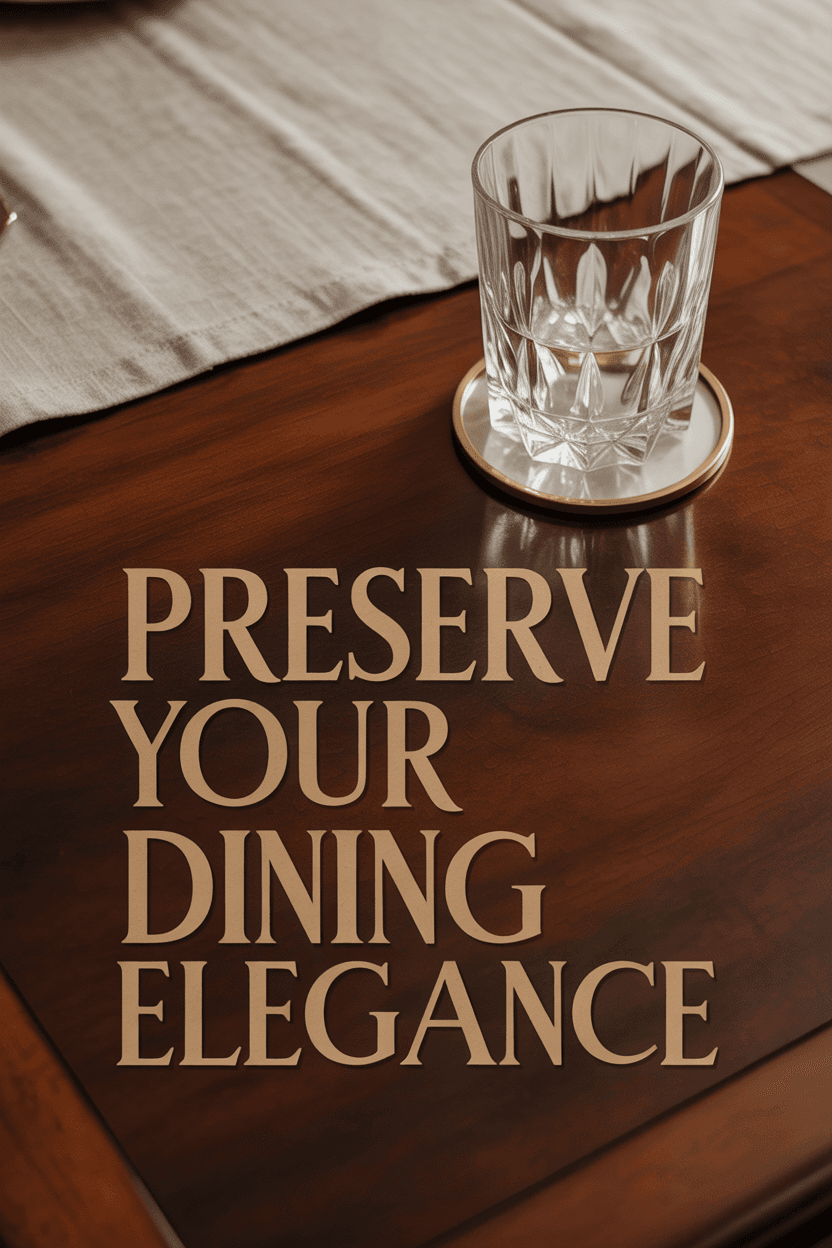
Protect wood surfaces with coasters, placemats, and tablecloths during regular use. These simple precautions prevent water rings, heat damage, and surface scratches that diminish beauty over time.
Clean with appropriate products—mild soap and water for most surfaces, specialized wood cleaners for fine finishes. Avoid silicon-based polishes that can build up over time.
Apply furniture wax or polish according to manufacturer recommendations, typically 1-2 times yearly. This maintenance nourishes wood and maintains its natural luster.
Address spills immediately to prevent staining, especially on upholstered pieces. Maintain consistent indoor humidity levels to prevent wood expansion and contraction that can damage joints and veneers over time.
Balancing Elegance with Everyday Practicality
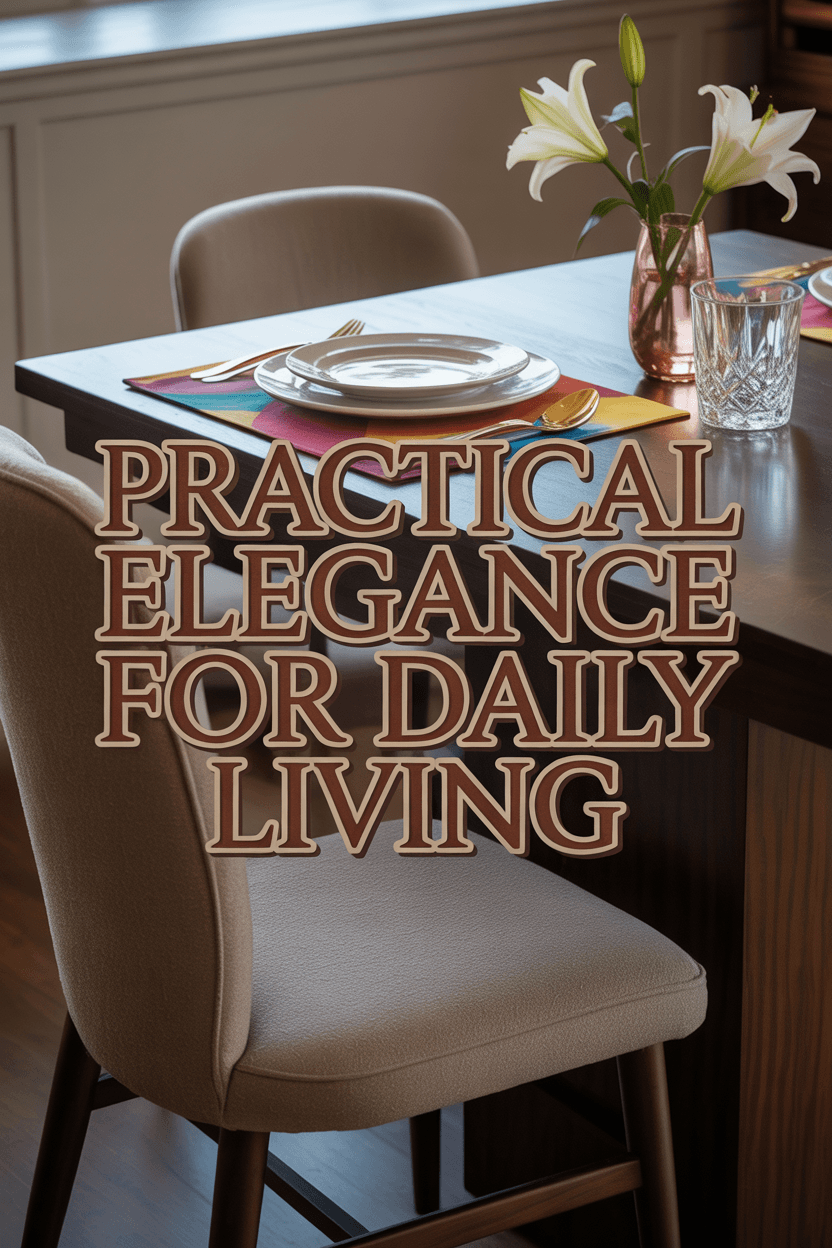
Daily-use formal sets should balance elegance with practicality, featuring durable finishes and stain-resistant upholstery. Consider protective treatments for fabrics and table surfaces if you’ll use them frequently.
For special-occasion sets, more delicate materials may be appropriate, creating truly distinctive entertaining spaces that elevate important gatherings.
Consider your lifestyle and entertaining frequency when selecting between these approaches. Young families might prioritize durability while still maintaining formal aesthetics.
Some households maintain separate casual and formal dining areas, while others need versatile formal furniture that adapts to different use cases. Thoughtful selection creates formal dining spaces that feel special without being too precious for regular enjoyment.
Finding the Ideal Table Shape and Size
Rectangular tables accommodate more people and suit longer rooms, creating a classic formal dining arrangement. They provide clear hierarchy for seating arrangements during formal dinners.
Round tables foster more intimate conversation and work well in square spaces. They eliminate the head-of-table position, creating more democratic dining experiences.
Oval tables combine the benefits of both shapes, offering the elegance of a rectangular table with the space efficiency and conversational benefits of a round design.
Extension tables with leaves provide valuable flexibility, allowing your dining space to accommodate both intimate family dinners and larger gatherings. The ideal formal dining table stands 30 inches high, with width allowing for place settings, serving dishes, and centerpieces without crowding.


