Transform Your Bedroom: 7 Stunning Accent Wall Paint Ideas You Haven’t Tried Yet


Why an Accent Wall Can Redefine Your Bedroom
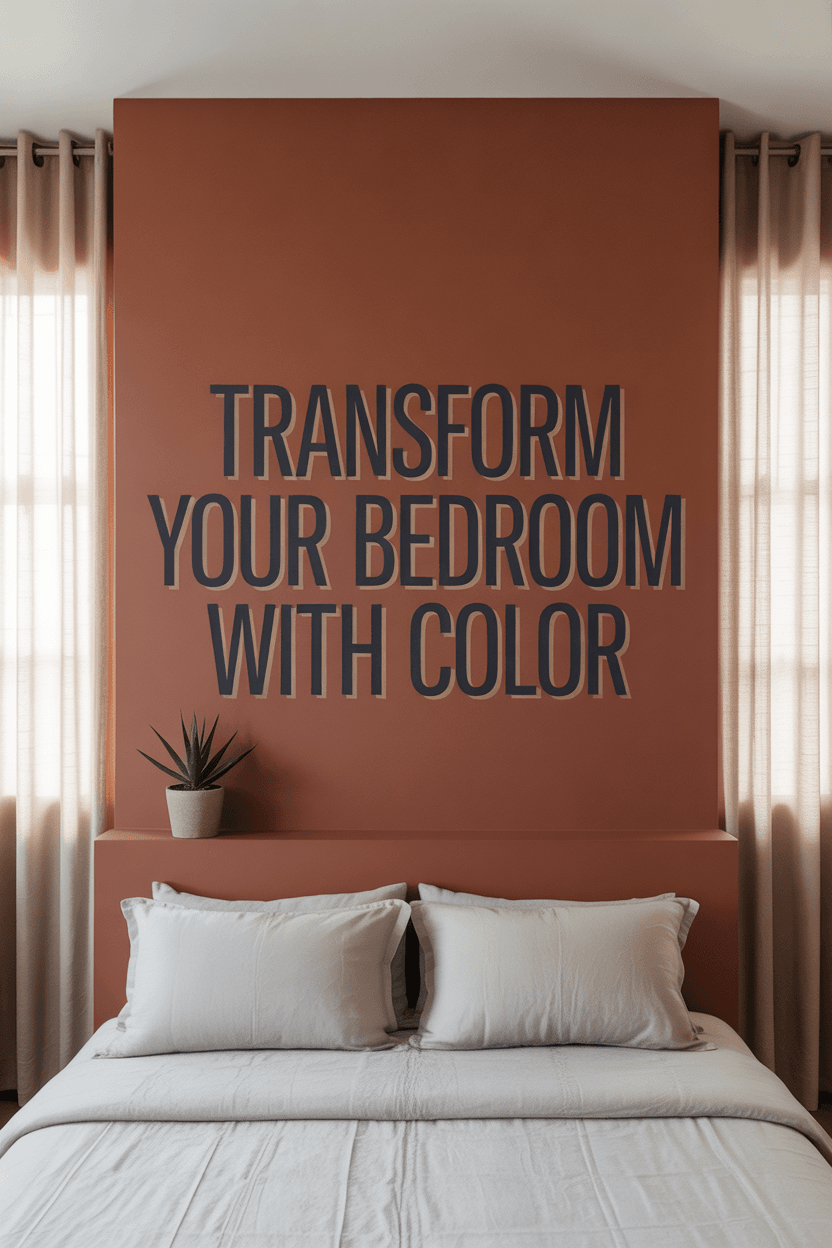
Are you ready to turn your bedroom from a simple sleeping space into a personal sanctuary that brings you joy? One of the easiest and most effective ways to refresh your room is with a painted accent wall. Imagine, with just a can of paint and a weekend afternoon, you can take your space from ordinary to outstanding.
An accent wall is the one wall in your room that gets to make a statement. It’s painted in a different color, texture, or finish than the others, creating a strong focal point that immediately draws the eye and adds a layer of thoughtful sophistication.
The benefits are clear. An accent wall introduces architectural interest into a standard room, making it feel custom and carefully designed. It’s the perfect canvas to express your personality and experiment with that bold color you love but might be hesitant to use on all four walls.
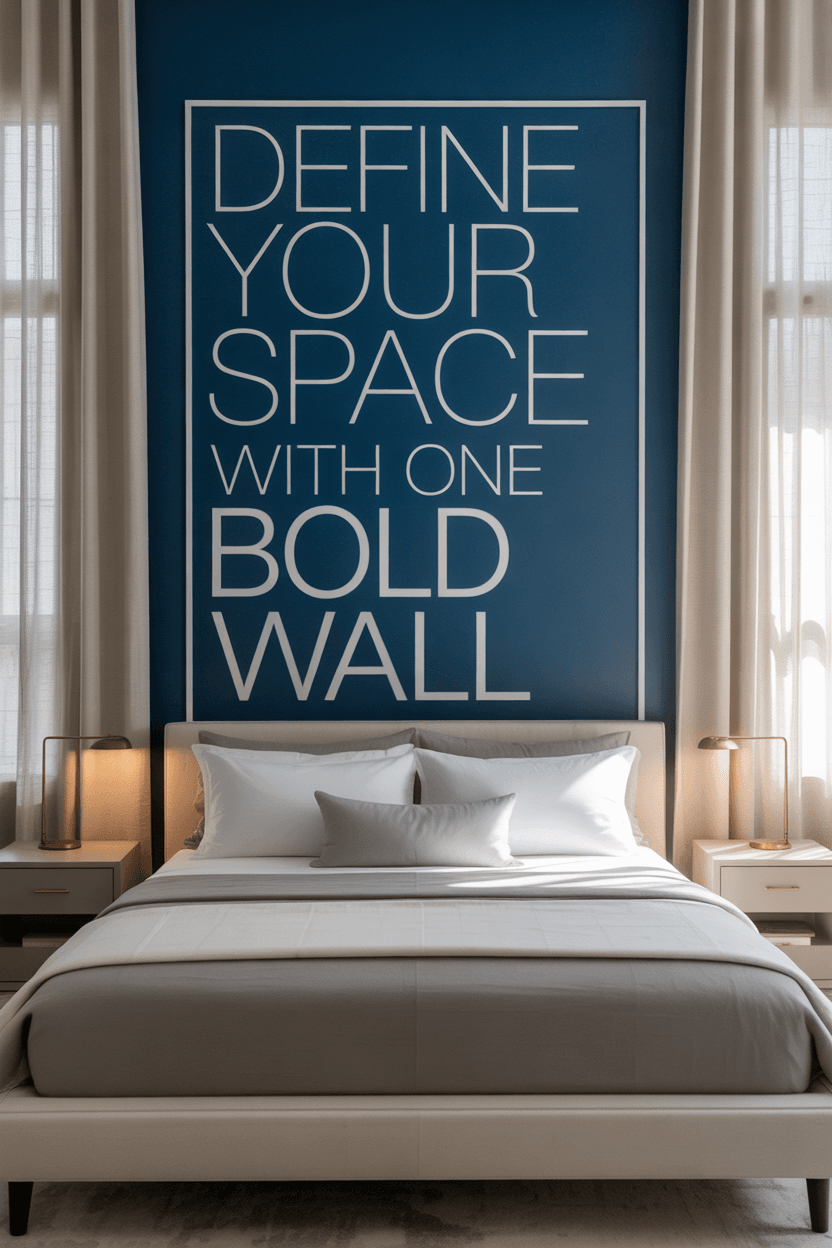
It’s also a smart design tool for defining specific areas, like the space behind your headboard, creating a cozy and intentional sleeping nook. Depending on your color choice, you can even make a room feel larger or more intimate—a little design trick based on light and psychology. Plus, as the experts at Walla Painting know, it’s a budget-friendly update, as painting one wall is much more economical than painting four.
Inspiring Paint Colors for Your Bedroom Accent Wall
Current design directions, celebrated by authorities like Elle Decor and Architectural Digest, focus on creating spaces that feel both luxurious and deeply personal. Embrace earthy terracotta and warm clay tones to make your bedroom feel like a stylish, comforting hug.
Consider deep emerald and forest greens for a touch of regal drama that connects you with the quiet of nature. Moody blues, from rich navy to soulful indigo, create a sense of depth and calm, perfect for a serene retreat. For a softer look, muted sage whispers sophistication and is incredibly flexible, as shown in spaces curated by West Elm.
Don’t shy away from the drama of charcoal and soft blacks. These shades provide a chic, bold backdrop that feels like the perfect little black dress for your bedroom. Alternatively, dusty rose and mauve tones offer a grown-up take on pink, adding warmth and elegance without being overly sweet.
For a nod to vintage glamour, vintage gold and ochre can feel both nostalgic and incredibly fresh. These warm, burnished hues add a touch of sunshine and timeless style to your personal haven.
Which Wall Should Be Your Accent Wall?
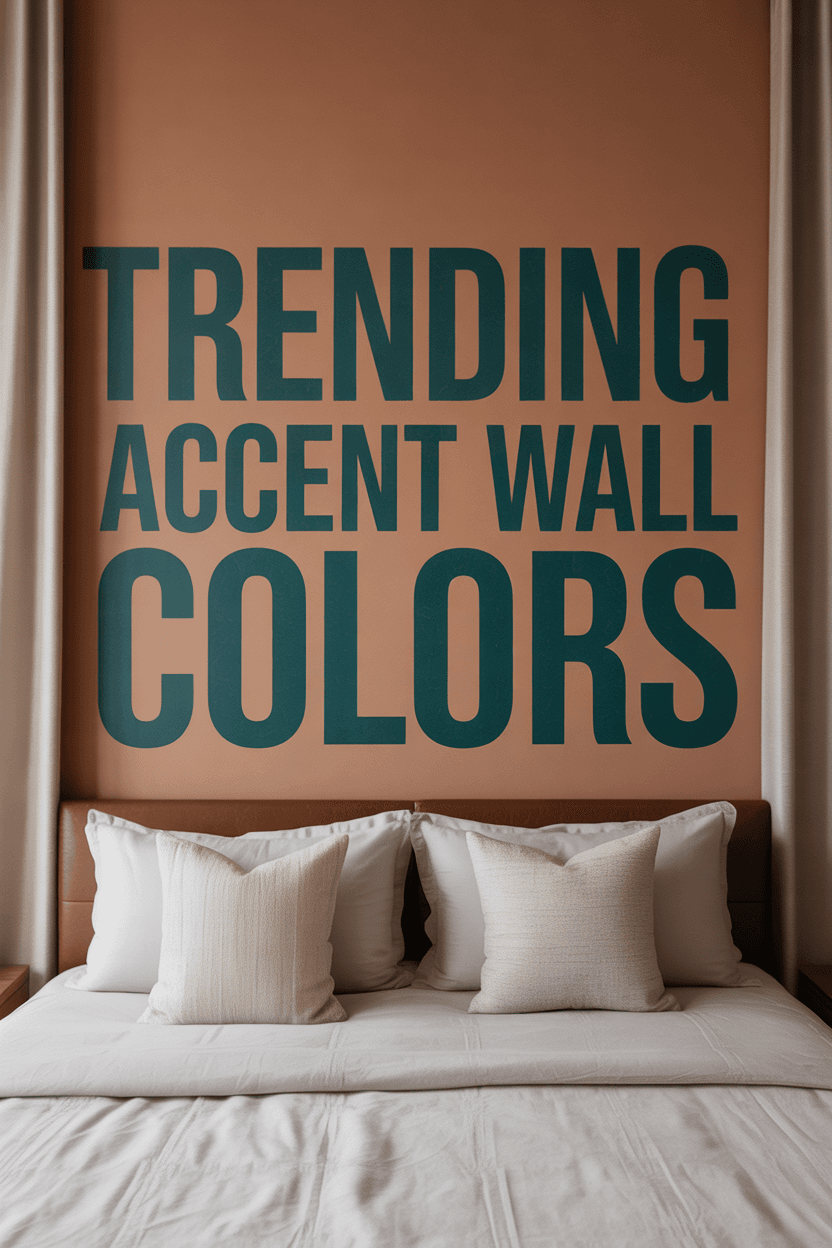
Not every wall is destined for the spotlight; the art of the accent wall is in careful selection. The most common and often best choice is the wall that serves as the room’s natural focal point—typically, the wall your headboard is against. This is the number one rule for creating an impactful design.
Look for a wall with an existing architectural feature, like a fireplace, built-in shelving, or a unique niche. These walls are already interesting, and a coat of accent paint will make them spectacular. As design pro Tracie Gulith explains, you’re simply enhancing an existing story.
As a general rule, try to avoid accenting walls that have multiple doors or large windows. These openings can visually chop up your beautiful color, making it look disjointed rather than intentional. You want your accent wall to be a solid, uninterrupted canvas.
In the bedroom, centering the accent on the wall behind your bed makes the most sense both functionally and aesthetically. It frames your sleeping area, grounding the room and turning your bed into an even more inviting centerpiece.
How to Use Color Psychology for Better Sleep

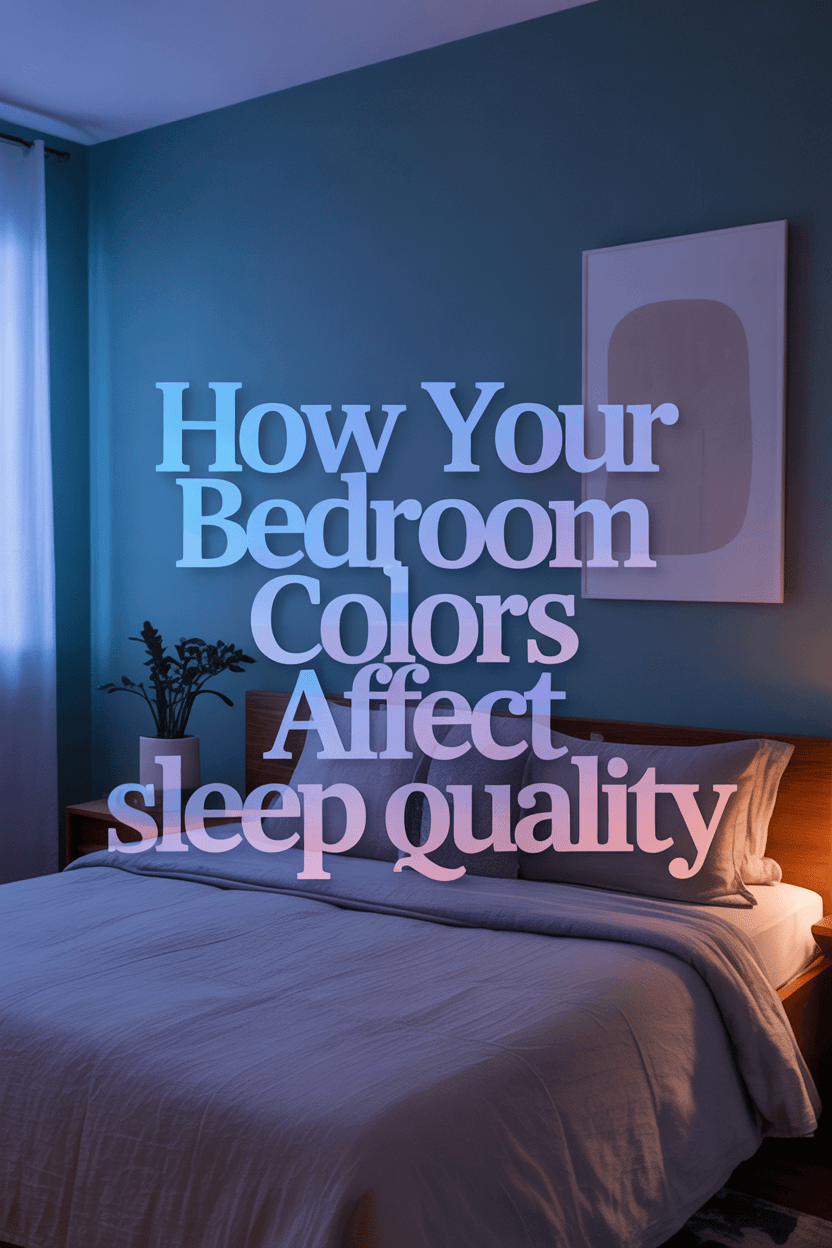
Color is more than just a visual element; it can have a profound psychological impact. The psychology of color is a powerful tool in bedroom design, where the goal is rest and renewal. Shades of blue are known for promoting relaxation and calm.
As studies on sleep environments confirm, blue can even help lower blood pressure, making it a top choice for a sleep-focused space. Similarly, green tones connect us to the restorative qualities of nature, helping to reduce anxiety and create a sense of peace.
Soft purples, like lavender and lilac, blend the calming stability of blue with the gentle warmth of red undertones, promoting a feeling of quiet creativity. To feel safe and stable, turn to neutral earth tones like sand, clay, and soft beige. These grounding colors, often used by designers featured in Architectural Digest, signal to your brain that you are in a secure environment.
On the other hand, it’s wise to avoid highly stimulating colors like bright red, vibrant orange, or electric yellow for a bedroom accent wall. These high-energy shades can be visually jarring and may interfere with your ability to wind down. Remember that intensity matters; softer, more muted versions of any color will always be more soothing for sleep.
How Do I Match an Accent Wall to My Decor?
A great accent wall feels like a natural part of the room, not an afterthought. To ensure a cohesive look, start by pulling a color that already exists in your space. Look to your bedding, a favorite piece of art, or the pattern in your area rug for inspiration.
Pay close attention to undertones—those subtle hints of color within a shade. A yellow-based green and a blue-based green can clash if not handled carefully, so make sure the undertone of your paint harmonizes with the other warm or cool tones in your room.
For real impact, select a color that provides contrast from your other walls while still feeling related. Think of it in terms of a color family; you want a look that is coordinated, not chaotic. The classic 60-30-10 design rule is a great guide: 60% of your room is a dominant color, 30% is a secondary color, and your accent wall fits into the 10% category.
When in doubt, a simple color wheel is your best friend for understanding relationships. You can also explore paint brand galleries, like this one from Behr, to see these principles in action.
How to Choose the Right Paint Finish

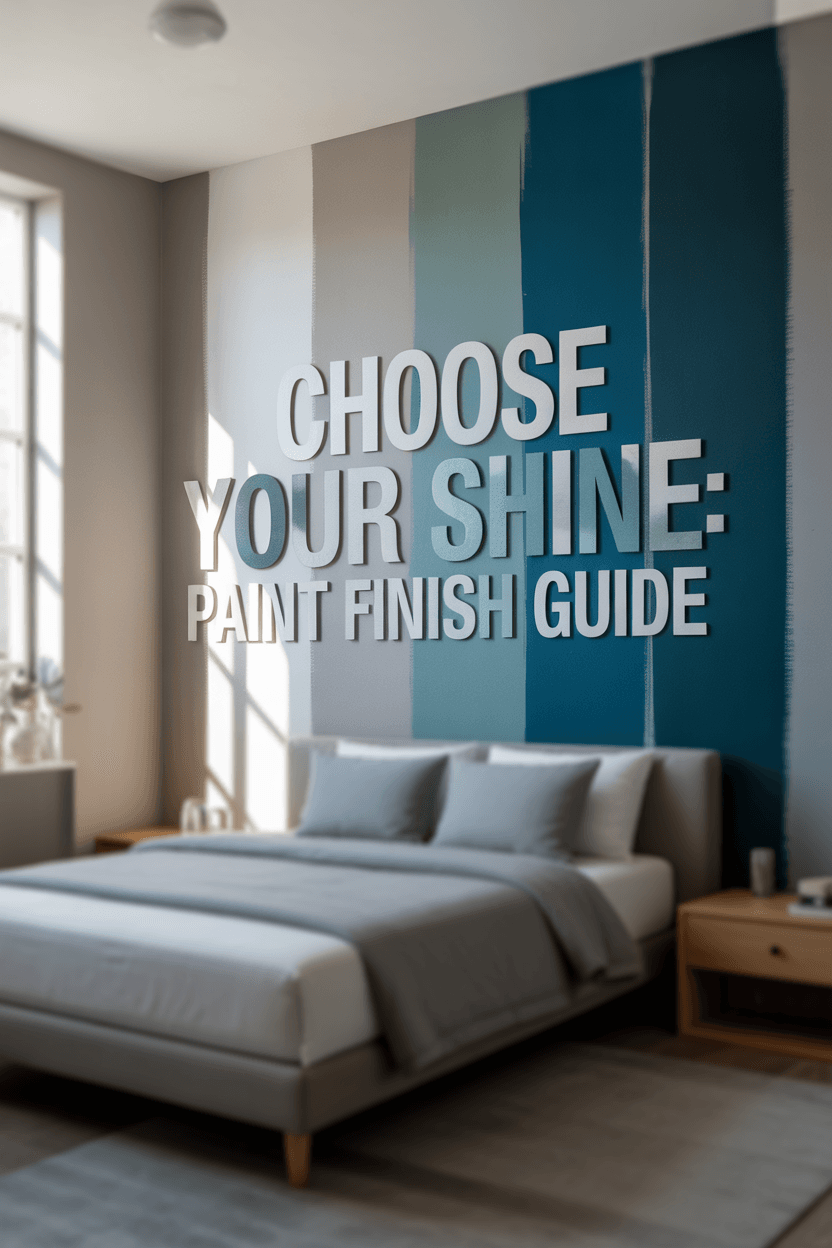
The paint finish you choose is just as important as the color, as it determines how light interacts with the surface. A matte or flat finish provides a sophisticated, velvety look that excels at hiding minor wall imperfections. However, it’s the least durable finish and can be hard to clean.
Eggshell, a popular choice for bedrooms, offers a subtle step up in sheen from matte. As the experts at Benjamin Moore explain, it has a soft glow and better durability, which is a perfect balance of style and practicality.
Satin has a gentle luster that is even easier to clean, making it ideal for homes with children or pets, a point often emphasized in guides like this one from House Beautiful. For more light reflection, semi-gloss provides a sleek shine that’s excellent for highlighting trim and architectural details.
At the far end of the spectrum is high-gloss, the diva of paint finishes. It creates a bold, mirror-like surface that makes a dramatic statement but also shows every single flaw on your wall. For most bedroom accent walls, an eggshell or satin finish strikes the perfect balance between beautiful style and real-world usefulness.
A Step-by-Step Guide to a Flawless Accent Wall
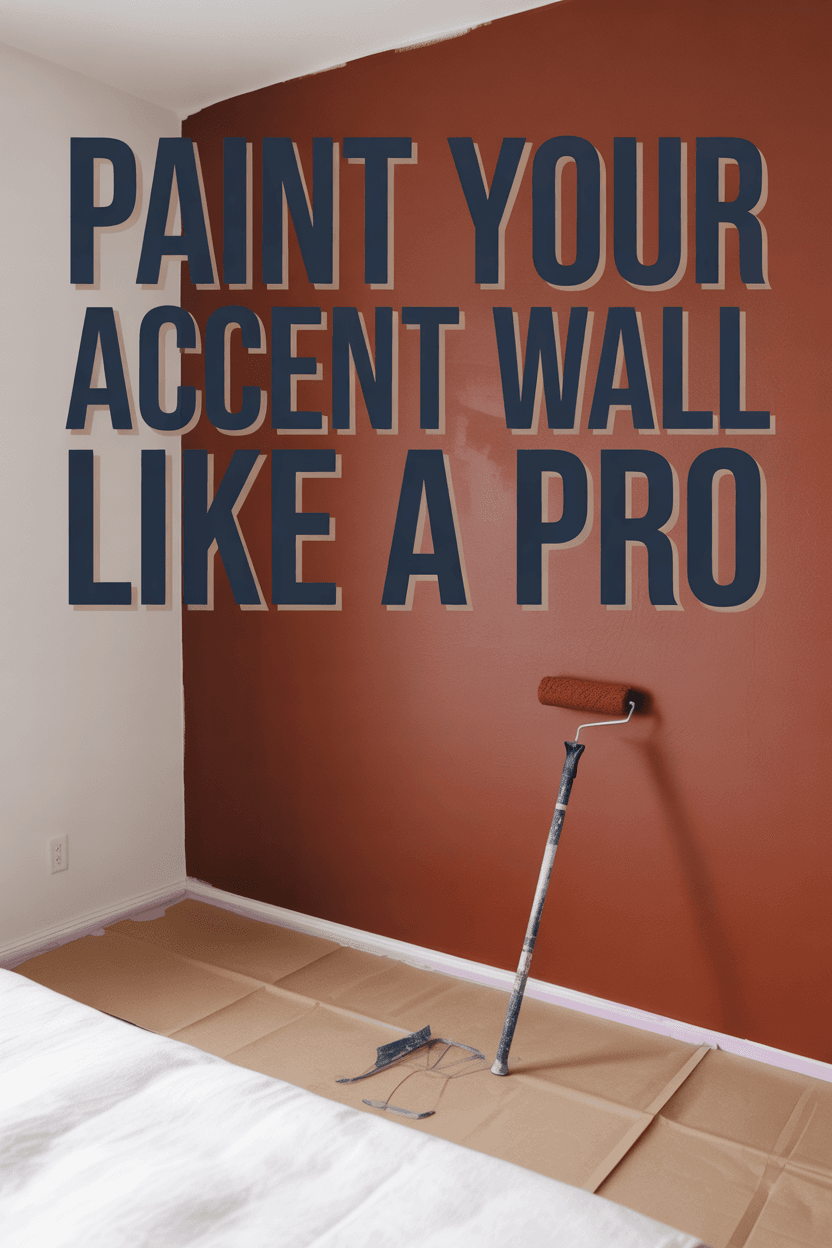
Ready to get started? First, gather your supplies. You’ll need quality interior paint, a primer, a paint tray, rollers with an extension pole, an angled brush, painter’s tape, and drop cloths. Don’t forget spackling compound, a putty knife, sandpaper, and a screwdriver for outlet covers. Having everything on hand, as recommended on checklists from retailers like Lowe’s, prevents mid-project interruptions.
Begin by preparing the room. Move furniture away from the wall and cover it, along with the floor, with drop cloths. Clean the wall with a mild soap and water solution to remove any dust, then fill any holes or cracks with spackle and sand it smooth once dry.
Apply high-quality painter’s tape along the ceiling, baseboards, and adjacent walls for crisp, clean lines. If you’re making a big color change (like light to dark), apply a coat of primer. As paint brands like Behr note, this ensures your final color appears true and vibrant.
Using your angled brush, “cut in” by painting a two- to three-inch border around all the taped edges. Then, use your roller to paint the main area, working in a “W” pattern for even coverage. Allow the first coat to dry completely before applying a second for a richer, more uniform finish. For a professional result, watch tutorials from experts at HGTV or This Old House.
For the final, satisfying step, carefully remove the painter’s tape while the paint is still slightly damp. This technique helps prevent peeling and ensures the sharpest possible lines. Once the wall is completely dry, replace your outlet covers and enjoy your new focal point.
Go Beyond a Solid Color With Advanced Techniques
If a solid color feels too simple, you can add detail to your accent wall with a sophisticated painting technique for a custom, designer finish. As seen in magazines like House Beautiful, methods like color washing or strié can add incredible depth and texture.
A color wash involves layering translucent glazes to create a soft, watercolor effect that feels dreamy and ethereal. The strié technique uses a dry brush to create delicate streaks, giving your wall the appearance of being wrapped in fine linen or silk.
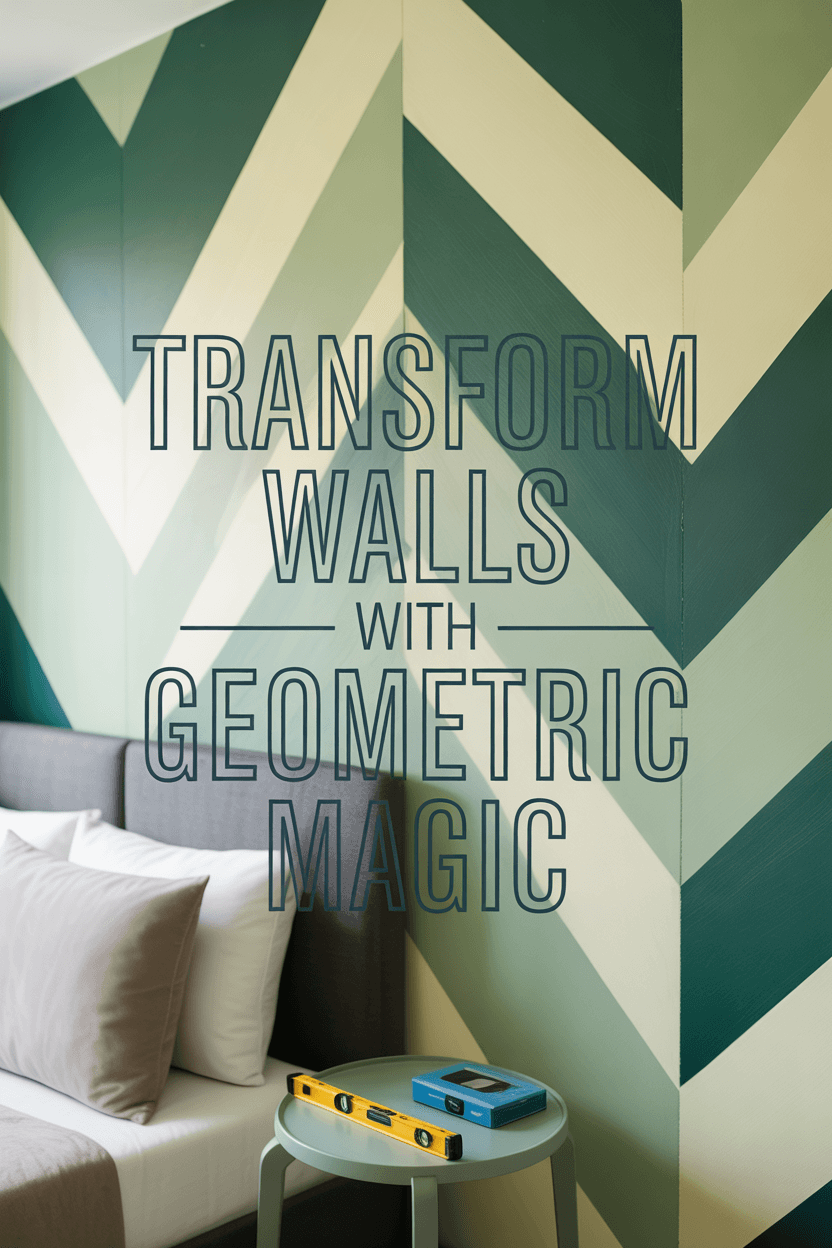
For a more modern and graphic statement, consider geometric patterns. Ideas from Good Housekeeping show the power of a herringbone or diamond grid pattern to add instant sophistication. These designs create eye-catching focal points that look far more expensive than they are.
You can also play with stripes to create visual tricks. Vertical stripes draw the eye upward, making ceilings feel higher, while horizontal stripes can make a room appear wider and more spacious. For a foolproof guide, follow a stripe painting tutorial from the pros.
For any geometric design, precision is key. Use a laser level and high-quality painter’s tape to achieve crisp lines. As the experts on Houzz recommend, patience is your best tool—allow each section to dry completely before taping over it for the next.
How to Paint a Textured Accent Wall

If your walls have texture, such as orange peel or popcorn finishes, painting an accent wall requires a slightly different approach. As detailed in guides from Better Homes & Gardens, your most important tool will be a roller with a thicker nap, typically between ½ and ¾ inch. This allows the paint to get into all the tiny nooks and crannies for even coverage.
Be prepared to use more paint than you would for a smooth wall—textured surfaces are thirstier and can require up to 30% more product. For heavily textured walls, using a paint sprayer can provide the most even and professional-looking finish.
Achieving clean lines with painter’s tape can be tricky. The secret is to press the tape firmly into the texture using a putty knife to create a tight seal and prevent bleeding. Show that tape you mean business!
Remember that texture enhances shadows and light, which can make colors appear deeper and more dramatic than on a smooth sample chip. That light, airy blue might look more like a moody navy in the valleys of the texture. Always test a sample patch directly on your wall first, a tip frequently highlighted by HGTV.
How to Use an Accent Wall in a Small Bedroom

In a compact bedroom, a strategic accent wall can be a powerful tool for creating the illusion of more space. Design experts from publications like House Beautiful and Architectural Digest agree on several key techniques. Painting the furthest wall from the door in a dark, deep color can make it visually recede, creating a profound sense of depth.
Use patterns that draw the eye upward, such as vertical stripes or a climbing stencil design. This visual trick makes ceilings appear higher, giving a feeling of airiness to the room. It’s a design trick that works like wearing pinstripes to look taller, but for your home.
Stick to cool colors like blues, greens, and soft grays. These hues tend to recede from the eye, making the walls feel further away and the space feel larger. They are the visual equivalent of creating breathing room.
The most popular trick, showcased by Better Homes & Gardens, is to accent the headboard wall. This grounds the bed as the focal point without visually crowding the small space. To further enhance the feeling of light and space, consider a satin or semi-gloss finish to gently bounce light around the room.
How Can I Create a High-End Look on a Budget?
A luxurious-looking accent wall doesn’t require a lavish budget. With a few clever strategies, you can achieve major impact without major spending. For small geometric designs or color-blocked sections, use inexpensive sample pots of paint instead of buying full gallons.
Keep an eye out for the “oops” paint section at your local hardware store. These discounted paints, like those sometimes found at Rona, are custom-mixed colors that were returned and can be a treasure trove for your project.
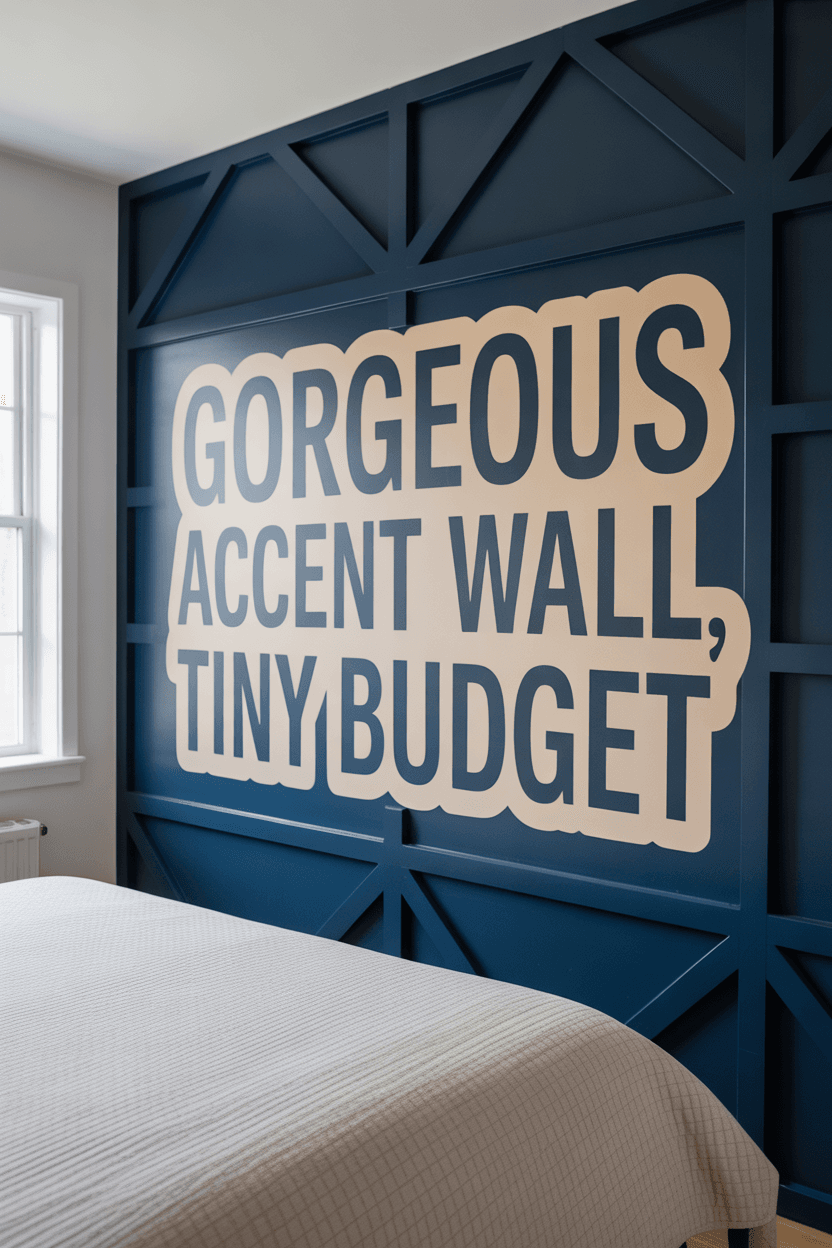
Consider painting only a portion of the wall to create a focal point. A large, painted rectangle behind the bed can serve the same purpose as a headboard, delivering high design with minimal cost and effort. This accent-within-an-accent approach is both modern and effective.
Get the look of expensive wallpaper for a fraction of the cost by using stencils. A beautiful, repeating pattern can add a layer of sophistication that looks incredibly high-end. With paint and a stencil, you can mimic anything from delicate florals to bold Art Deco motifs.
How to Avoid Common Mistakes for a Lasting Finish

To ensure your project is a success, avoid a few common pitfalls. The most crucial mistake is choosing the wrong wall; always select one that makes architectural sense as a focal point. Another frequent error is not preparing the surface properly. Skimping on cleaning, patching, and priming will show in the final product.
Always test your color in the room’s actual lighting conditions. A color swatch viewed in-store can look dramatically different under the warm or cool light of your bedroom lamps. Even pros featured in Architectural Digest emphasize the importance of sampling paint on the wall itself.
Once your project is complete, a little maintenance will keep it looking fresh. Dust the wall regularly with a microfiber cloth. For any scuffs, refer to the paint manufacturer’s cleaning guide, like this one from Sherwin-Williams, to clean gently without damaging the finish.
Finally, always save a small, labeled container of leftover paint. As home improvement icon Bob Vila confirms, having this on hand for quick touch-ups is the number one hack for maintaining a flawless wall for years to come.
Small Bedroom Solutions: Creating Visual Space

Strategic accent walls can help make compact bedrooms feel larger:
- Go Dark on the Furthest Wall: A deep color on the far wall creates the illusion of depth.
- Use Vertical Elements: Draw the eye upward with vertical stripes or patterns to make ceilings appear higher.
- Choose Cool Colors: Blues and greens tend to recede visually, making spaces feel larger.
- Focus on the Headboard Wall: Create a frame for your bed without overwhelming the space.
- Consider Partial Walls: Paint just the upper or lower portion for interest without consuming visual space.
- Enhance Light: In tiny rooms, consider a satin or semi-gloss finish to reflect more light.
Budget-Friendly Accent Wall Ideas
Create major impact without major spending with these approaches:
- Use Sample Pots: For small geometric designs, use sample-sized paint containers instead of full gallons.
- Look for Discounted Paint: Check for marked-down “mistinted” paints at home improvement stores.
- Try DIY Color Mixing: Blend existing paints to create custom colors.
- Paint a Limited Area: Focus on a smaller section of the wall for impact with less paint.
- Use Stencils Instead of Wallpaper: Create wallpaper-like effects with paint at a fraction of the cost.
- Create Tape Designs: Use painter’s tape to create geometric patterns with just one color.
- Repurpose Household Items: Use everyday objects like sponges or cardboard for creative texturing.
Common Accent Wall Mistakes to Avoid
Prevent these typical errors to ensure your accent wall project succeeds:
- Choosing the Wrong Wall: Select a wall that makes architectural sense for maximum impact.
- Inadequate Preparation: Take time to properly clean and repair your wall before painting.
- Skipping Primer: When making dramatic color changes, primer ensures true color representation.
- Ignoring Lighting Conditions: Test your color under both natural and artificial lighting in your bedroom.
- Overlooking Undertones: Ensure your color’s underlying tones work with existing room elements.
- Using Low-Quality Materials: Invest in better brushes, rollers, and tape for professional-looking results.
- Removing Tape Incorrectly: Pull tape away while paint is slightly damp to prevent peeling and uneven edges.
Maintaining Your Beautiful Accent Wall
Keep your accent wall looking fresh with these maintenance tips:
- Regular Dusting: Use a microfiber cloth to remove surface dust and prevent buildup.
- Prompt Spot Cleaning: Address marks quickly with a soft cloth and mild soap solution.
- Create a Touch-Up Kit: Store leftover paint, labeled with the room and date for future touch-ups.
- Plan for Refreshing: Even the best accent walls may need updating every 3-5 years.
- Consider Color Evolution: When refreshing, keep the same accent wall but update the color as your taste evolves.
- Position Furniture Thoughtfully: Arrange pieces to minimize wall contact and potential damage.
A bedroom accent wall offers exceptional value in home decor—delivering maximum impact with minimal time and investment. Whether you choose a simple solid color or an elaborate geometric design, this focused approach can completely transform how your bedroom feels. The satisfaction of creating something beautiful with your own hands makes the project even more rewarding. So gather your supplies, tap into your creativity, and create a bedroom that supports both restful sleep and personal expression!