French Tips: 10 Elegant Design Ideas That Never Go Out of Style

Achieve Timeless Elegance with Classic French Interior Design
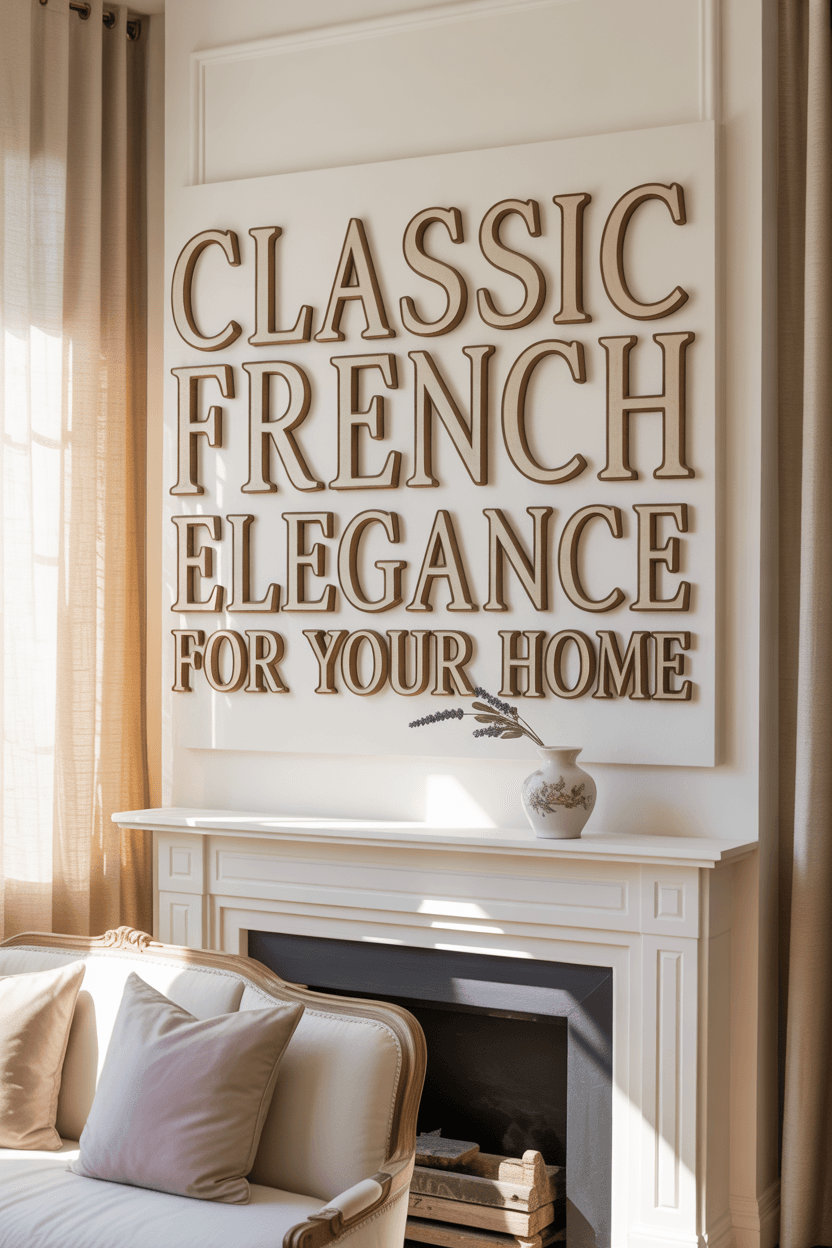
French-inspired design offers a beautiful way to decorate your home, combining sophistication with a relaxed, livable feel. By drawing a clever parallel to the classic French manicure, this approach helps create spaces with a clean, defined look that is always in style.
The traditional French manicure, with its soft, natural base and crisp white tip, provides perfect design inspiration for timeless home decor.
Just as these manicures create a polished look for any occasion, classic French country decor uses neutral backgrounds paired with beautifully defined white or cream trim work.
This core principle emphasizes a clean, sophisticated palette built on symmetry and elegance.
You can bring this aesthetic into your home with warm cream or soft grey walls, bright white moldings, and subtle accents in blush pink or muted blues. This will create a refined and welcoming space.
As noted by experts at House Beautiful, this approach creates a flexible foundation that adapts beautifully to changing accessories and seasonal updates.
The Evolution of French Style in Contemporary Homes
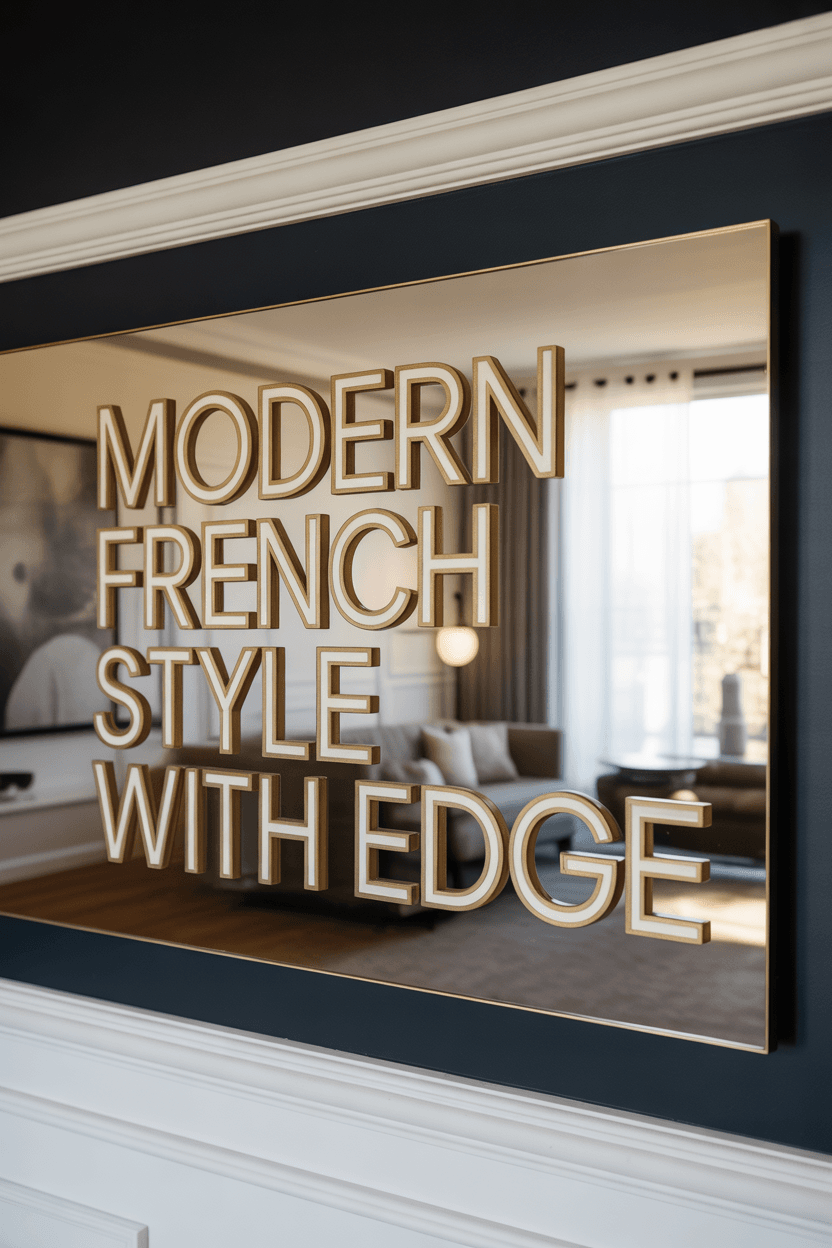
Just as the French manicure has evolved beyond its traditional form, modern home design has reimagined classic French style into something fresh and current.
Contemporary French interior design often involves a “less is more” philosophy, blending timeless elegance with minimalist touches.
Consider a bold, contemporary take with reverse color schemes—such as dramatic dark walls with crisp, light trim—for a striking statement.
Geometric reinterpretations of classic motifs offer another modern approach. Think sleek linear moldings instead of ornate scrollwork, or hexagonal tile patterns that offer a clean, updated look.
This evolution maintains the fundamental appeal of defined contrast that makes French-inspired spaces so recognizable.
Many designers now incorporate sustainable materials and minimalist approaches, creating spaces that feel both classic and thoroughly contemporary. The key, as seen in publications like Domino, is preserving the essential elegance while updating the execution with clean lines and modern sensibilities.
Essential DIY Elements for an Authentic French-Inspired Home
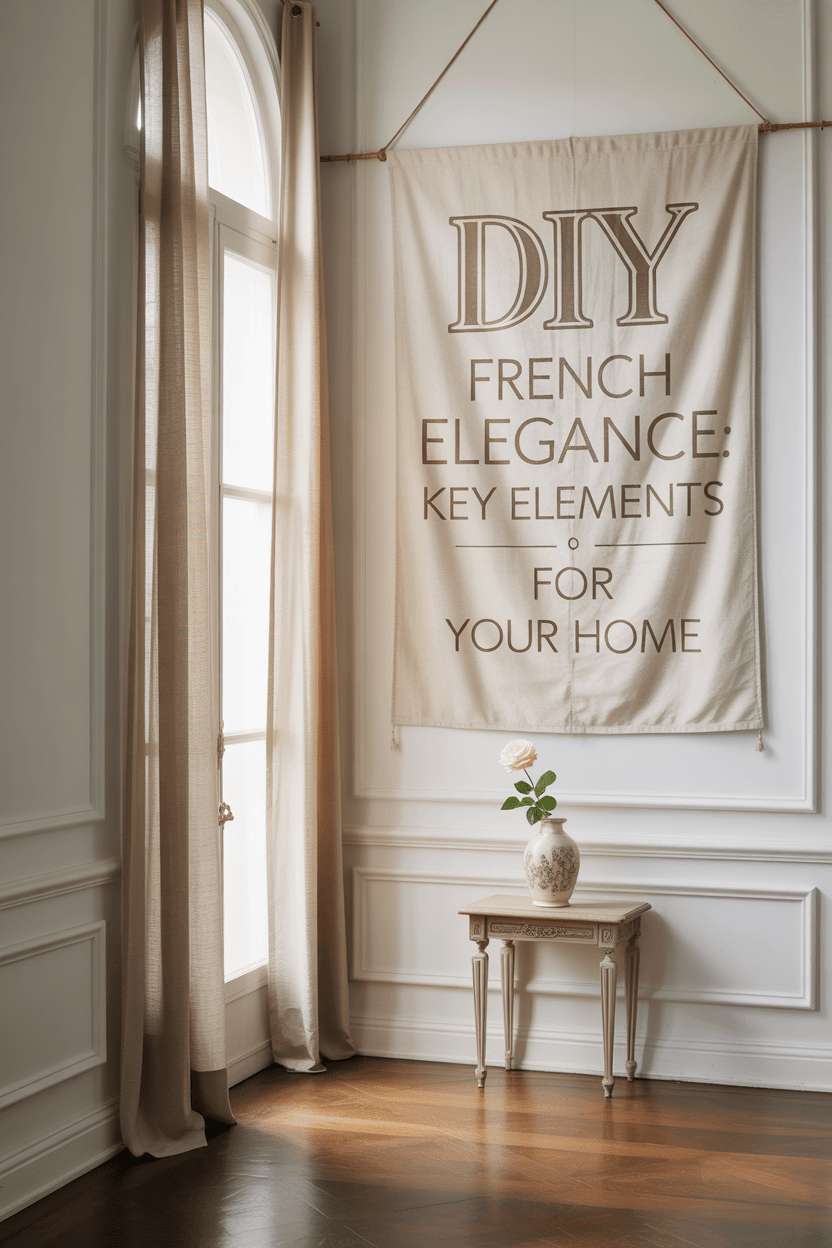
A polished, French-inspired space requires several key components. Start with a neutral base palette of whites, creams, or soft greys to provide a clean canvas for your design vision.
These bright, neutral backgrounds are a hallmark of the style and contribute to an airy and sophisticated atmosphere.
Defined trim, paneling, or borders create the characteristic separation and structure, much like the clean line of a French manicure. These boundaries establish a visual framework throughout your home.
Meticulous craftsmanship and attention to detail are what give the design its polished, high-end feel, from perfectly mitered corners to evenly spaced architectural elements. As Architectural Digest highlights, this emphasis on quality is crucial.
Invest in quality paint for crisp, clean lines between colors, just as one might use guide strips for a flawless manicure. Select complementary accent colors—soft pastels or elegant, muted tones—that create gentle contrast without overwhelming the space.
The right preparation materials, like primer and quality brushes, as recommended by Homes & Gardens, are fundamental to achieving professional-looking results.
Your Guide to French Country Design Techniques
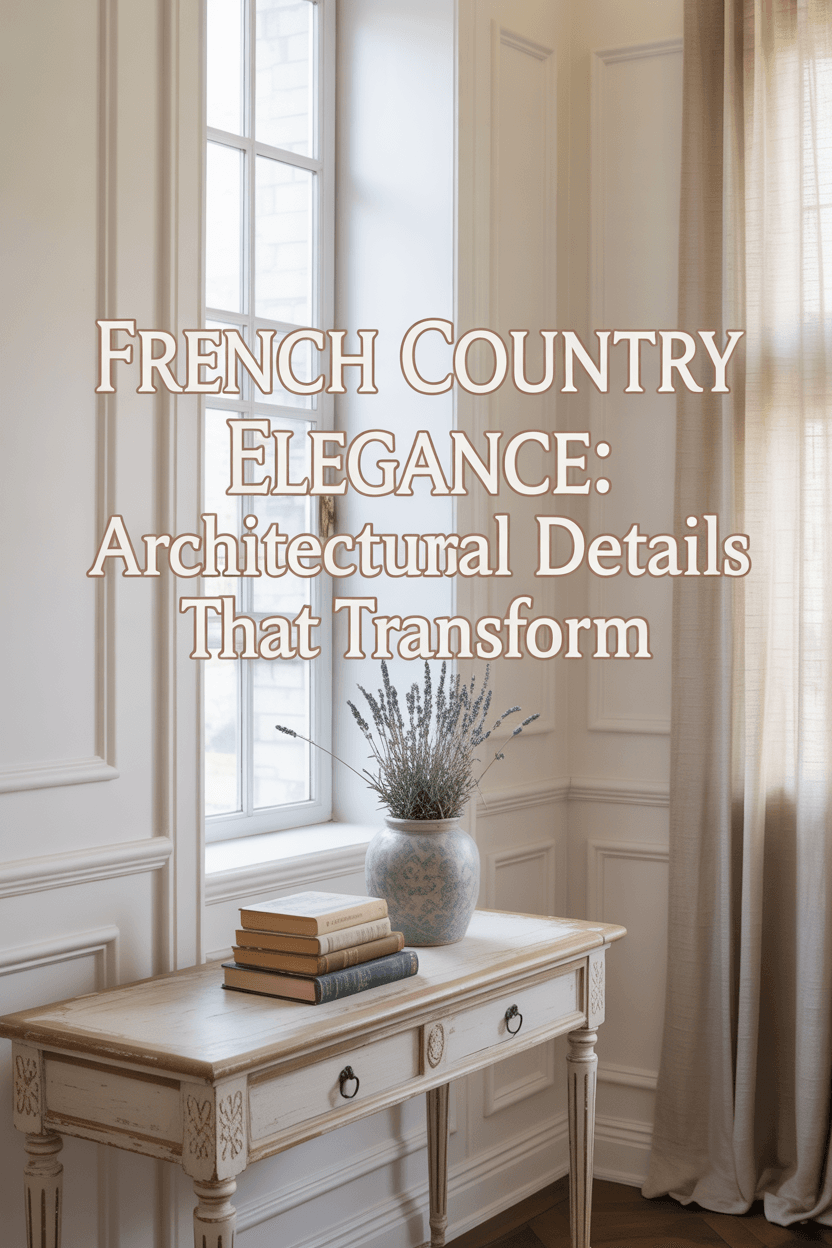
To master the French country aesthetic, begin with clean, well-prepared surfaces and apply your neutral base color throughout the room. Proper preparation ensures a smooth foundation and prevents issues down the line.
Once dry, add architectural details like chair rails, picture molding, or wainscoting to create defined borders, a technique central to the style. These elements provide structure and visual interest, breaking up large wall expanses.
For a classic look, paint these architectural features in a contrasting crisp white or soft cream. This contrast creates the definition that organizes the space visually.
After everything is dry, introduce subtle accent colors. Soft blues, pale pinks, or gentle lavenders are perfect choices, as they complement the neutral palette without overwhelming it.
Apartment Therapy suggests that these gentle hues are key to achieving an authentic feel. Finally, finish with a clear protective coating on high-traffic surfaces to prevent wear, just as you would seal a manicure with a top coat.
This practical step ensures your beautiful work remains pristine for years to come.
Contemporary Twists on Classic French Design Elements
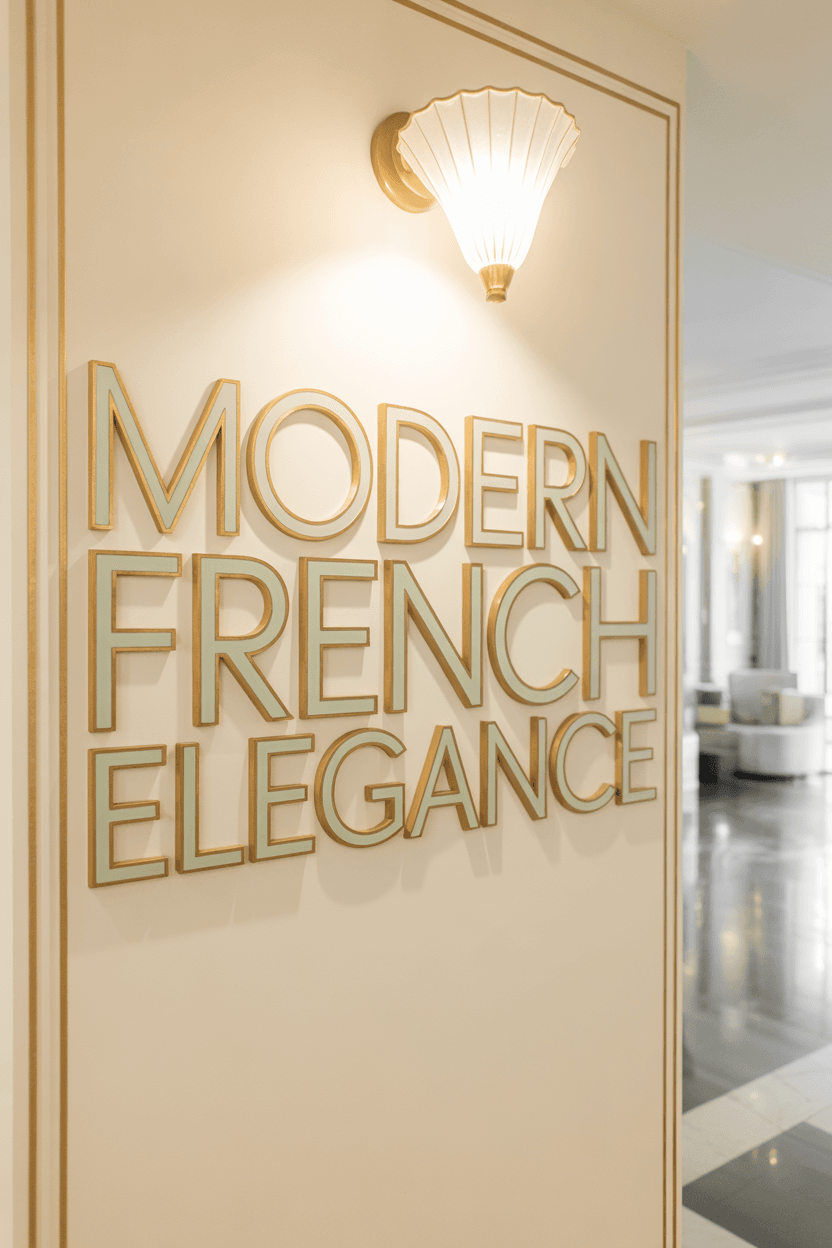
Modern interpretations of French decor often play with traditional elements in exciting new ways. Consider micro-borders—ultra-thin trim lines—that create subtle definition without the visual weight of traditional moldings.
These delicate details offer a refined, minimalist sophistication.
Angled architectural details or geometric lines can inject dynamic energy, a contrast to traditional curved and ornate elements. As explored in modern French country style guides, these fresh approaches maintain the core elegance of the design.
Wavy or scalloped patterns offer a playful alternative to straight lines, creating a sense of movement and softening the overall aesthetic.
Double-lined moldings, where two parallel strips of trim are used, create depth through simple layering rather than ornamentation. Try V-shaped details on walls or cabinetry to elongate spaces, or incorporate half-moon arches that blend traditional shapes with modern curves.
These subtle variations honor the sophisticated essence of French design while adding unique visual interest to contemporary homes.
Seasonal Color Palettes for a French-Style Home
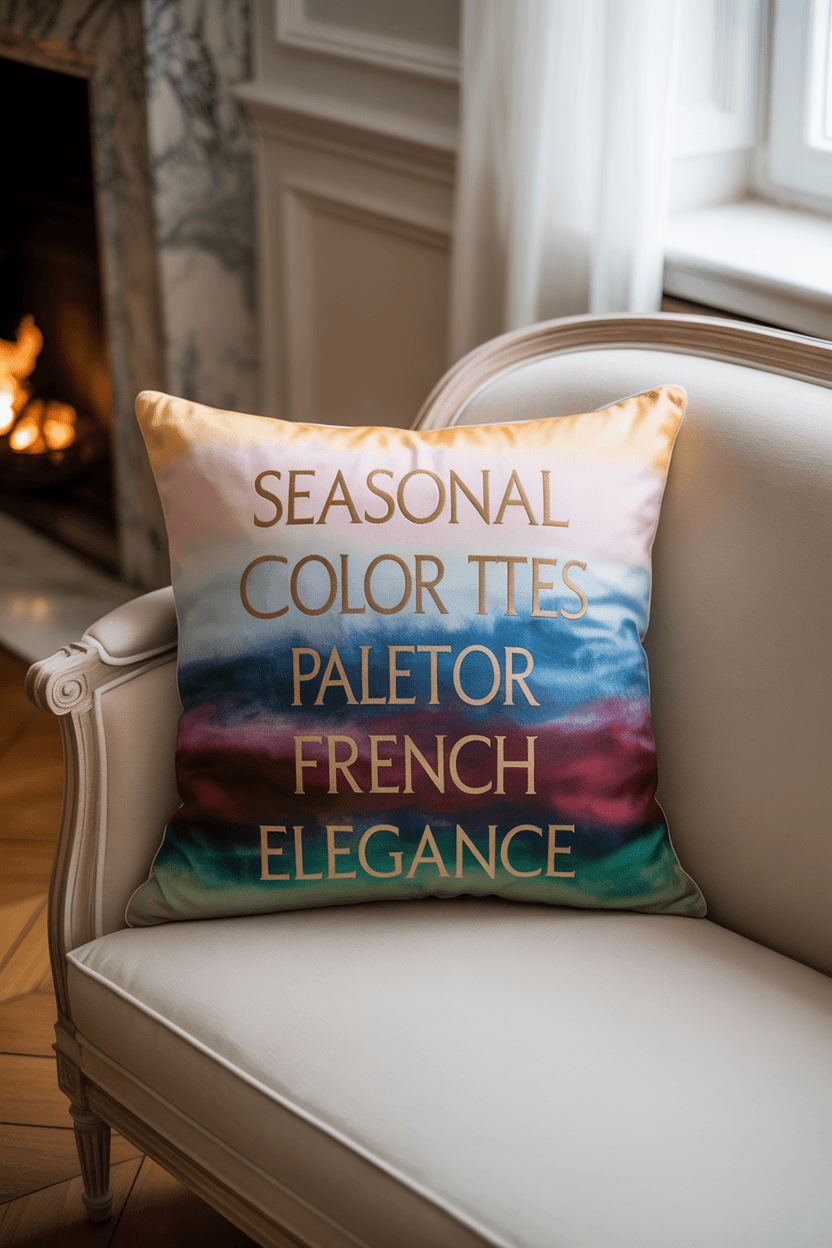
Refresh your space throughout the year by swapping traditional palettes for seasonal colors that work beautifully within a French design framework. For spring, consider soft pastels like lilac, mint, or buttercup yellow to bring a sense of renewal to your decor.
Introduce bright blues and corals for a vibrant summer environment that still feels elegant. These colors pair wonderfully with natural materials like rattan, linen, and light woods.
As the weather cools, rich burgundies, deep olives, and warm terracotta can transition your space seamlessly into fall. This creates a cozy sophistication that pairs well with textured fabrics.
For winter and holiday entertaining, bring festive warmth to your space with deep emeralds or metallic golds. The combination of rich jewel tones with metallic accents creates a luxurious depth perfect for festive gatherings.
For a cohesive look, ensure your chosen accent colors complement your base neutrals. This thoughtful coordination, a tip often shared by sources like Remodelista, maintains the harmonious feel essential to French interiors.
How to Use Geometric and Abstract French Patterns
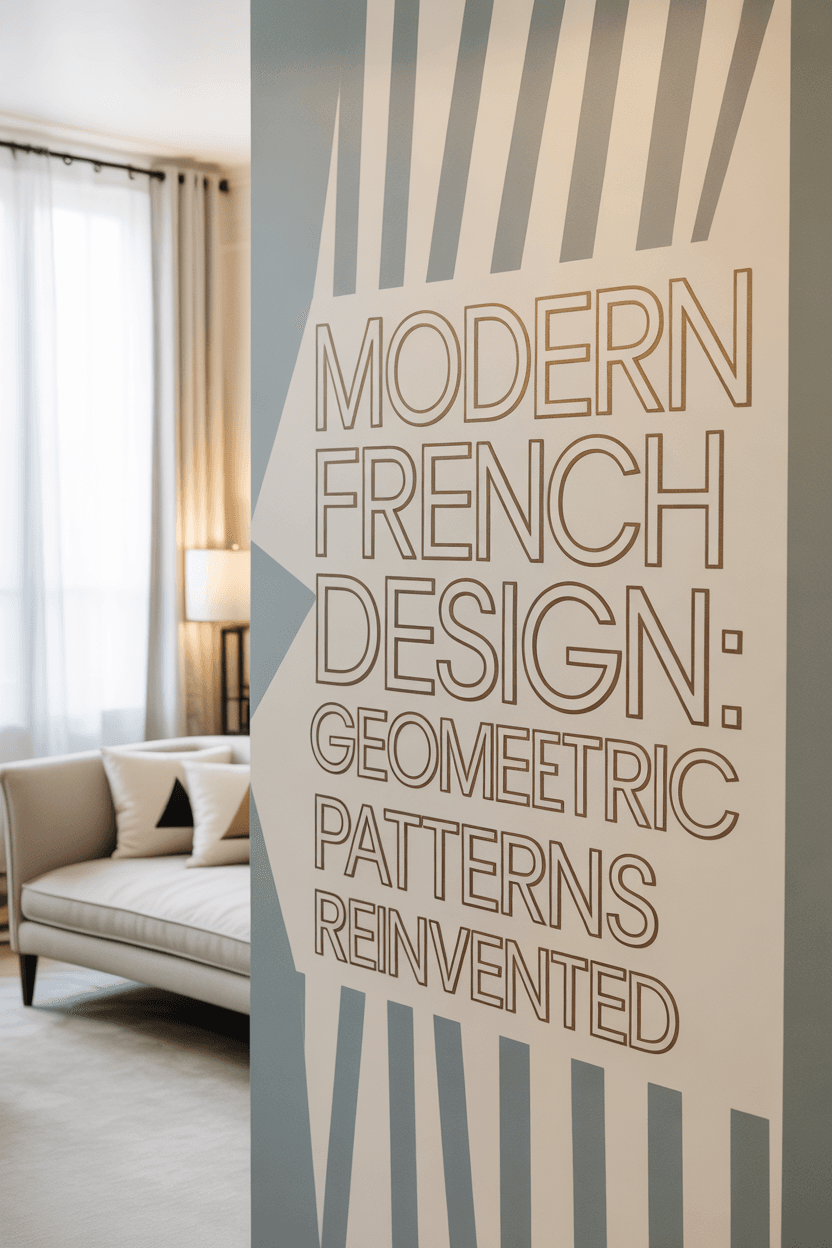
Experiment with triangular motifs on walls or textiles to create a modern space with dynamic energy. These angular elements offer a contemporary interpretation of traditional French patterns, as seen in many modern French interiors.
Diagonal stripe wallpaper or painted accents can create movement and visual interest while maintaining the defined borders characteristic of French design. This approach works particularly well in entryways, hallways, and dining areas.
Color blocking provides bold definition between spaces, offering a thoroughly modern take on French-inspired contrast. This technique, featured in homes on Apartment Therapy, creates architectural interest even in rooms without traditional moldings.
Create zigzag boundaries between different wall colors for a playful yet sophisticated look. These unexpected transitions add personality while maintaining the essential French characteristic of defined zones.
For a subtler approach, try a gradient or ombré effect, where one shade gradually blends into another. This creates depth and dimension with color rather than structure.
The Power of Negative Space in Modern French Design
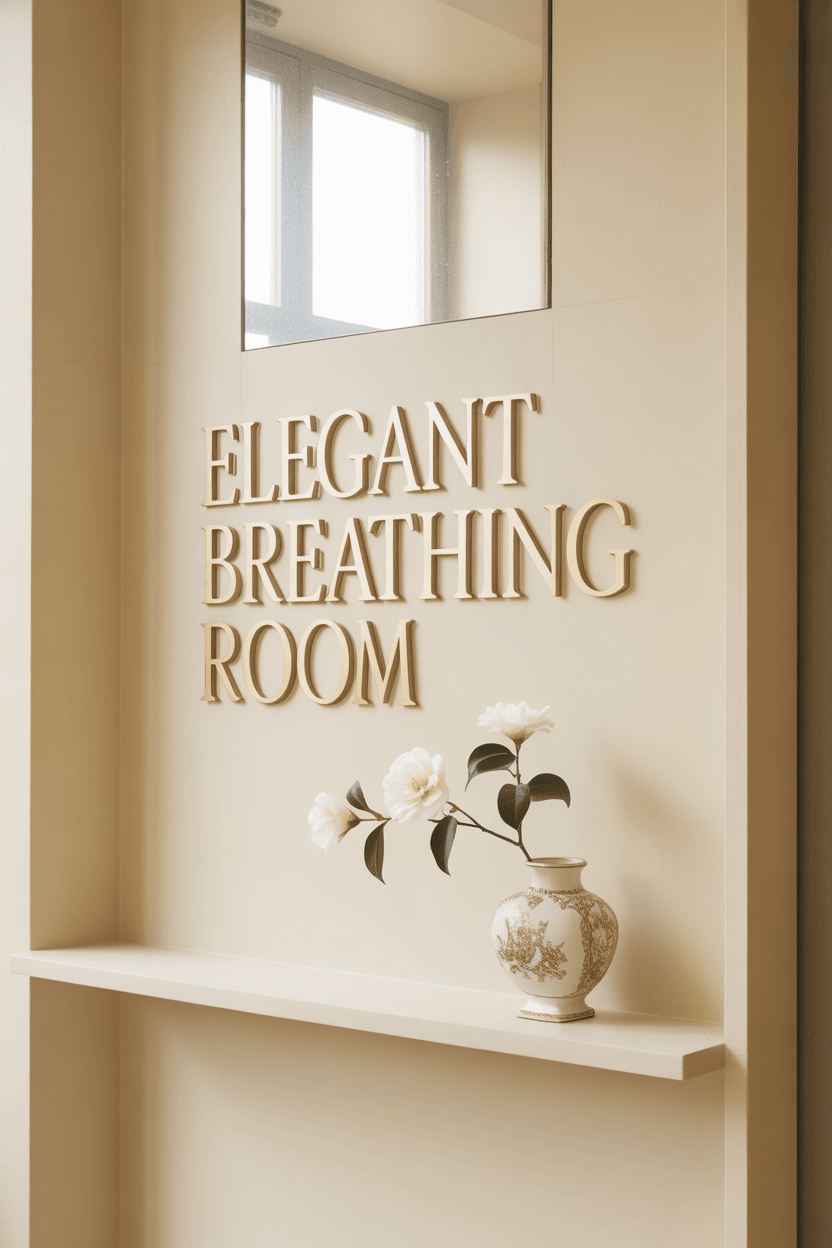
A key element in minimalist French design is the strategic use of negative space. This involves intentionally leaving portions of walls or floors unadorned to serve as part of the overall pattern, creating essential breathing room within your design.
Try thin border details with floating shelves above and clear, open space between them for a contemporary look that feels both functional and airy.
You can also create window-like “cutouts” within wall treatments or paneling to frame a piece of art or a beautiful view. These architectural frames draw attention to focal points while upholding the French aesthetic of defined borders.
As recommended by designers on platforms like MyDomaine, consider leaving specific wall sections entirely bare to contrast with more detailed areas. This balanced approach prevents visual clutter and allows your signature French-inspired elements to stand out.
The strategic use of negative space creates a sense of sophisticated restraint, resulting in spaces that feel open, calm, and thoroughly modern.
Add a Touch of Glamour with Metallic Accents
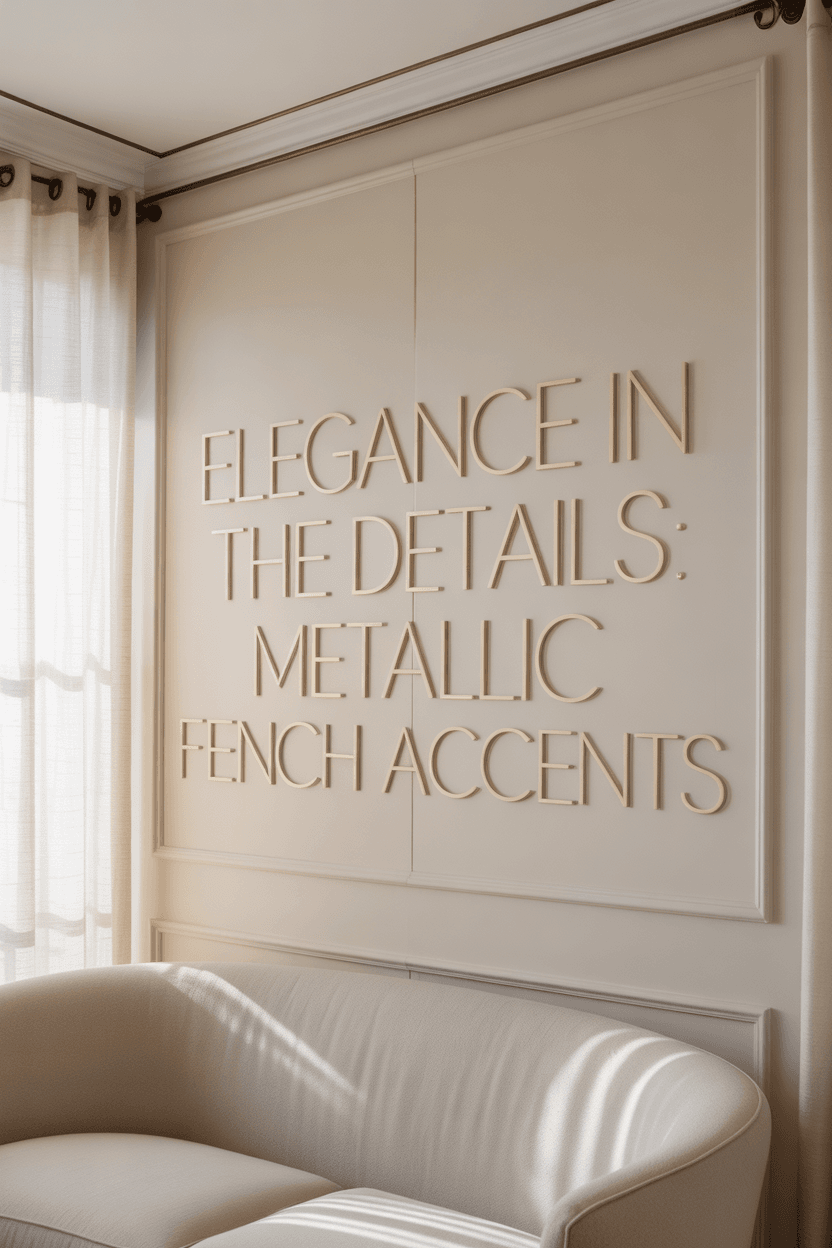
Add a layer of sophistication to French-inspired rooms with thin lines of silver or gold paint between different wall colors or along trim. These metallic boundaries catch and reflect light beautifully, bringing a quiet luxury to the entire space.
As Veranda often showcases, metallic touches bring an elegant feel without being ostentatious.
Try painting your trim in a metallic finish instead of traditional white for a glamorous update to classic French design. This unexpected element adds richness without sacrificing the clean lines essential to the style.
For special areas like dining rooms or powder rooms, incorporate a gradient of subtle metallic finish that intensifies toward architectural details like ceiling medallions.
For a more restrained approach, place individual metal elements like nail heads or small decorative tacks along borders. These carefully positioned accents create moments of reflection without overwhelming the space.
Consider copper or bronze finishes for warmth that complements neutral and rich French country paint colors beautifully.
French Elegance for Special Occasions
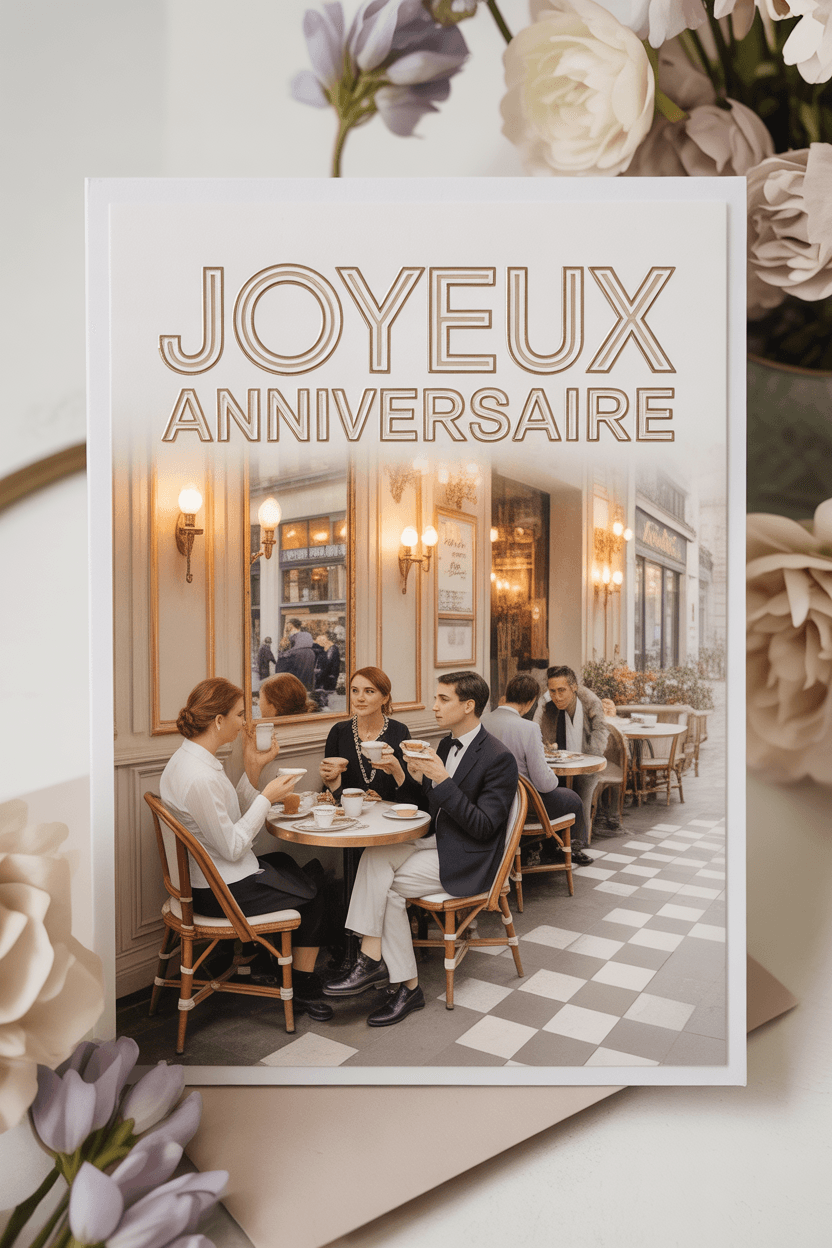
For wedding venues, formal dining rooms, or special event areas, consider French-inspired decor with elegant pearl or pearlescent paint accents. These luminous elements catch and reflect light, creating an atmosphere of refined celebration, as seen in French wedding decor.
Touches of fine silver glitter or strategically placed crystal elements near doorways or focal points can create magical transitions between spaces. These special touches make the guest experience more memorable while maintaining sophisticated design principles.
Ombré wall treatments also offer subtle elegance, gradually blending from a lighter to a darker shade and creating a perfect backdrop for photography.
For formal dining rooms, try metallic trim in gold, silver, or rose gold paired with coordinating base colors for a cohesive and luxurious environment.
You can also implement temporary French-inspired elements that can be changed according to the occasion—a smart approach used by event designers featured in publications like Martha Stewart.
This flexibility allows a space to adapt while retaining its fundamental French character.
The Charm of Delicate Hand-Painted Details

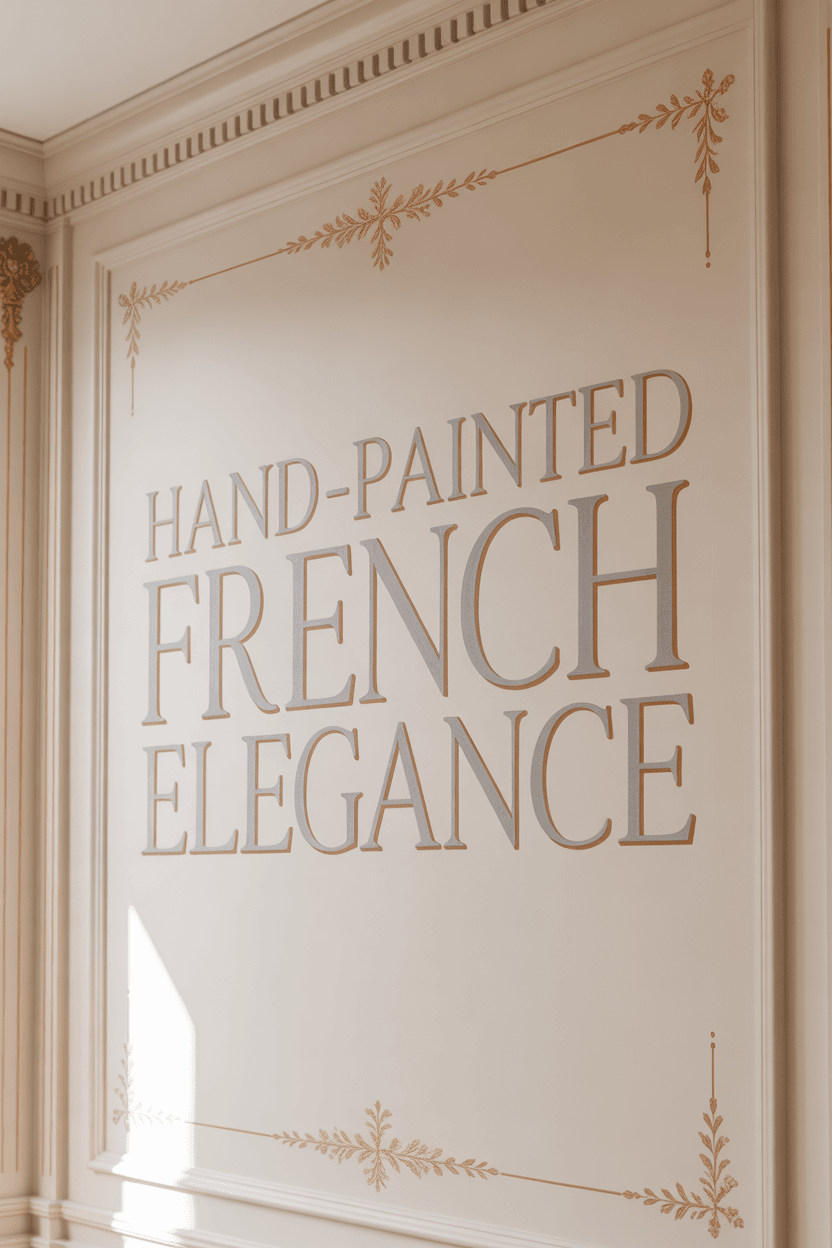
Bring an artisanal touch to a simple French design with small, hand-painted details that add personality and charm.
Consider delicate floral motifs positioned strategically along trim work, in the corners of wall panels, or along a ceiling border. These bespoke elements signal quality craftsmanship.
Decorative dots, bows, or other simple patterns can create subtle texture without overwhelming the eye. This restrained approach to ornamentation maintains the sophisticated simplicity of classic French design.
Thin painted lines in complementary colors add definition and artistry to architectural elements like built-in shelving or door frames.
Keep these decorative elements minimal and precise for a sophisticated look that avoids feeling cluttered. Restraint in placement is key and highlights the quality of each detail, a common theme in country French decor.
For a modern interpretation, position these elements asymmetrically to create dynamic visual interest while maintaining an elegant feel.
Maintenance Tips for Long-Lasting, Beautiful Decor
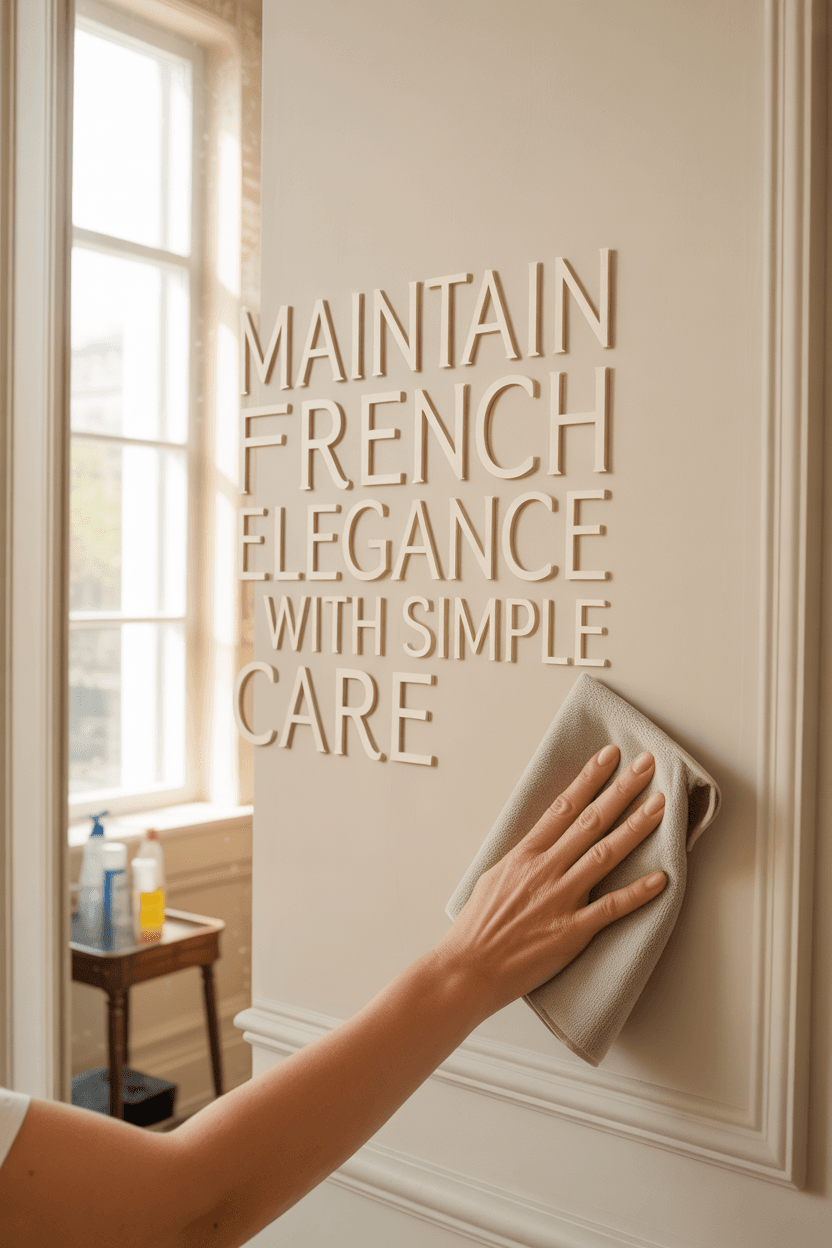
Preserve your beautiful French-inspired design by applying a fresh protective coating to painted surfaces and architectural details every few years. This simple step restores sheen and protects against wear and tear.
Use gentle, pH-neutral cleaning products to avoid damaging delicate painted details. Abrasive cleaners can wear away the defined edges that are essential to the French-inspired look.
When cleaning, always follow best practices, such as those outlined by Better Homes & Gardens, to ensure longevity.
Keep small amounts of touch-up paint handy in clearly labeled containers to quickly repair any nicks or scuffs, maintaining the crisp lines between colors.
When minor damage occurs, repair just the affected area rather than redecorating the entire space. This targeted approach saves time and maintains your design’s integrity.
Finally, as Homes & Gardens recommends, clean regularly with dry microfiber cloths to remove dust without scratching surfaces. This routine maintenance preserves the fresh, defined look that is characteristic of French design.