From Forgotten Storage to Fabulous Space: Basement Remodel Ideas That Transform

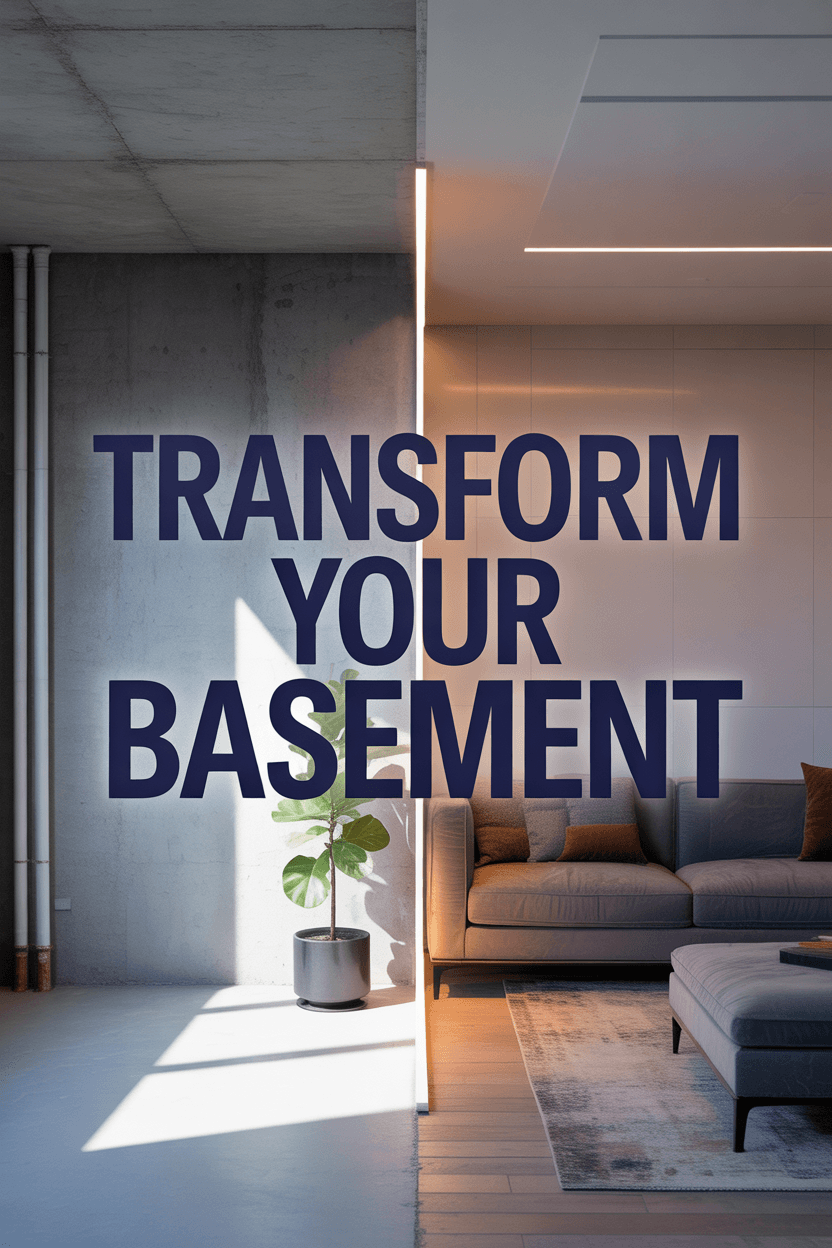
Essential Planning Steps for Your Basement Renovation

Before diving into your basement remodel, create a comprehensive plan that outlines your goals, budget, and timeline. Consider consulting with professionals to evaluate structural elements, electrical requirements, and plumbing possibilities.
A well-thought-out plan will save you time, money, and headaches throughout the renovation process.
Take measurements of your entire basement space and create a scaled drawing to visualize potential layouts. Research local building codes to understand permit requirements for finished basements in your area.
Consider future needs when planning your space to ensure your renovation remains functional for years to come.
Critical Pre-Remodel Assessment Checklist

Inspect your basement thoroughly for signs of water damage, foundation cracks, or mold issues. Check ceiling height to ensure it meets local building codes (typically 7 feet minimum).
Test for radon and examine existing utilities, including electrical panels, water heaters, and HVAC systems that might impact your design.
Document the location of support beams, windows, and utility connections to incorporate into your design plans.
Addressing these issues upfront prevents costly surprises later and ensures your renovation proceeds smoothly.
Budget-Friendly Transformation Strategies

Transform your basement affordably by keeping the existing layout, using paint to brighten dark spaces, and installing budget-friendly vinyl flooring.
Consider partially finishing your basement, leaving some utility areas unfinished but organized. This approach creates usable space while managing costs effectively.
DIY projects like painting, simple shelving installation, and decorating can significantly reduce labor costs.
Look for quality secondhand furniture and lighting fixtures to furnish your space without breaking your budget.
Focus your spending on moisture control and proper insulation—elements that protect your investment in the long run.
Creating a Functional Basement Layout

Design zones that serve specific purposes while maintaining an open feel. Work around immovable elements like support columns by incorporating them into your design as room dividers or decorative features.
Consider traffic flow and emergency egress requirements when planning your layout. Doorways should be at least 32 inches wide to accommodate furniture movement.
Versatile, multipurpose spaces offer the most value for families with changing needs. For example, a media room that can also function as a guest space with a sleeper sofa.
Use area rugs, lighting, and furniture arrangement to define different functional areas without constructing walls that make the space feel smaller.
Innovative Lighting Solutions for Low Ceilings

Maximize perceived height with recessed lighting that doesn’t protrude into the space. Install fixtures at least 4 feet apart for even illumination across the room.
Layer lighting with wall sconces, floor lamps, and task lighting to eliminate shadows and create depth. Consider adjustable fixtures that direct light where needed.
Use light-reflecting surfaces and light-colored ceilings to enhance brightness. Semi-gloss paint finishes help bounce light throughout the space.
LED lighting strips installed along ceiling edges or under cabinets provide ambient illumination while highlighting architectural features.
Incorporate dimmers to adjust lighting levels for different activities and times of day.
Moisture Control Systems for Long-Lasting Results

Install a reliable waterproofing system including interior drainage, sump pumps, and vapor barriers before finishing your basement. These foundational elements protect your entire renovation investment.
Use mold-resistant drywall and insulation designed specifically for below-grade applications. These specialized materials may cost more initially but prevent expensive repairs later.
Maintain proper ventilation with dehumidifiers to control moisture levels year-round. Aim for humidity levels between 30-50% to prevent mold growth.
Consider installing a battery backup for your sump pump system to protect against power outages during storms.
Schedule regular maintenance checks of your waterproofing systems to ensure continued protection.
Durable Flooring Options for Below-Grade Spaces

Select moisture-resistant flooring such as luxury vinyl plank, engineered wood, or porcelain tile with appropriate underlayment. These materials stand up to the unique challenges of basement environments.
Consider installing a subfloor system to create a thermal break and provide additional protection against moisture. These systems allow air circulation beneath the finished flooring.
Avoid solid hardwood and standard carpet, which can deteriorate quickly in basement conditions. If you prefer carpet’s warmth, choose products with waterproof backing specifically designed for basements.
For concrete floors, consider staining or epoxy coatings as affordable, durable alternatives that can be surprisingly attractive.
Wall Treatments That Withstand Basement Conditions

Choose wall finishes that stand up to basement conditions, such as mold-resistant drywall with moisture-resistant paint. Look for products labeled specifically for basement applications.
Consider alternative wall treatments like PVC panels, stone veneer, or pre-finished wall systems designed specifically for basements. These options often install more quickly than traditional drywall.
Proper insulation with a vapor barrier prevents condensation and improves energy efficiency throughout your home. Use rigid foam insulation against foundation walls for best results.
Create visual interest with accent walls using water-resistant materials like vinyl wallpaper, tile, or wood-look panels.
Creating a Productive Basement Home Office

Position your desk near natural light sources if possible. If windows are limited, choose full-spectrum lighting that mimics natural daylight.
Ensure you have sufficient electrical outlets and strong internet connectivity. Consider a hardwired internet connection for the most reliable performance.
Add sound insulation to minimize distractions from upstairs. Acoustic ceiling tiles can help reduce noise while maintaining adequate ceiling height.
Include adequate storage and ergonomic furniture for comfort during long workdays. Invest in quality seating to prevent back strain.
Consider a separate entrance if you’ll be meeting clients in your home office. This creates a professional impression and maintains privacy for your family.
Adding a Basement Bathroom: Practical Considerations
Check if your existing plumbing can accommodate a bathroom addition or if you’ll need an upflush toilet system. Consult with a plumber early in your planning process.
Place the bathroom near existing water and drain lines to minimize costs. Even a few extra feet of plumbing can significantly impact your budget.
Include proper ventilation with an exhaust fan vented to the outside to prevent moisture buildup. This is especially critical in basement bathrooms.
Consider a corner shower rather than a full tub to save space while still providing full functionality.
Even a simple half bath adds significant value and convenience to your basement living area, making it a worthwhile investment.
Designing the Ultimate Basement Entertainment Space
Create your entertainment space with appropriate acoustics using sound-absorbing panels and insulation. This prevents sound from traveling throughout your home and improves the viewing experience.
Position seating for optimal viewing angles and consider tiered flooring for a theater-like experience. Ensure all seats have unobstructed views of the screen.
Install adequate outlets and cable connections for your equipment. Include USB charging ports for convenience.
Incorporate dimmable lighting to create the perfect atmosphere for movies, gaming, or watching sports. Zone lighting allows for different activities to occur simultaneously.
Add a small refrigerator or beverage station to minimize trips upstairs during movie night or game day.
Multifunctional Space Solutions for Modern Homes
Design flexible areas that can adapt to changing family needs. Furniture on wheels allows for quick reconfiguration for different activities.
Install Murphy beds or sleeper sofas to create guest accommodations without dedicating permanent space to infrequent visitors.
Consider accordion doors or sliding panels that can divide larger spaces when needed and open completely when more room is desired.
Incorporate built-in storage that serves multiple functions, such as window seats with hidden storage or ottomans that open for blanket storage.
Choose furniture that serves dual purposes, like coffee tables that adjust to dining height or desks that can convert to craft tables.
Plan for adequate electrical outlets throughout the space to accommodate various activities without relying on extension cords.