Transform Your Space: Interior Design Guidance for the Overwhelmed Homeowner


Discover Your Signature Style: From Coastal to Contemporary

The first step in any design journey is discovering your personal taste. This is how you create a home that feels completely you, and it starts with understanding what you truly love.
To uncover your unique aesthetic, create digital mood boards using tools like Pinterest and Instagram. Browse through leading design publications and look for recurring themes in the images you save.
Are you drawn to the clean lines and natural materials of Modern design? Do you gravitate toward the curated, character-rich pieces of Mid-Century Modern?
Perhaps you adore the airy, casual luxury of a Nancy Meyers-inspired interior. You might also resonate with the breezy sophistication of Coastal decor or the eclectic, storied look of British Colonial style.
For a detailed breakdown of these and other popular aesthetics, explore acclaimed resources like House Beautiful and Elle Decor.
How to Assess Your Room Like a Pro

Before you choose a single paint color or piece of furniture, you must get to know the space itself. This foundational step involves practical tasks and careful observation.
Accurate measurements are essential for effective interior design help. Create a detailed floor plan, noting the locations of doors, windows, and electrical outlets.
For excellent tutorials on how to measure properly, you can consult helpful guides from major retailers like The Home Depot and IKEA.
Next, observe how natural light moves through the room during the day. This important step will influence your color choices, furniture placement, and even the room’s primary function.
Identify the room’s best architectural features—a striking fireplace, beautiful molding, or large windows. Plan your design to accentuate them, drawing inspiration from publications like Architectural Digest.
Finally, acknowledge any awkward corners, low ceilings, or other challenges. Frame these not as flaws, but as design opportunities that require creative solutions, a topic often covered by sites like Real Homes.
Plan Your Budget: Where to Splurge and Where to Save

A well-defined budget is your roadmap to a successful and stress-free project. Start by breaking down the anticipated costs for every element, from furniture and lighting to contractor fees and accessories.
Use online calculators from valuable resources like Houzz to get a reliable baseline for your expenses.
The key to achieving a high-end look on any budget is knowing where to invest and where to be frugal. This strategic spending is a cornerstone of smart design.
As a general rule, splurge on items you touch and use daily. This includes a comfortable sofa, a durable dining table, and high-quality lighting fixtures that define the space.
Conversely, you can save on trend-driven accessories and items that can be easily updated as your tastes or seasons change. This allows for flexibility without a large financial commitment.
Be sure to also factor in a contingency of 10-20% for any hidden costs. This buffer can cover unexpected repairs, shipping fees, or other surprises.
Should You Hire a Pro or Go the DIY Route?

While DIY design is rewarding, a professional can bring a new level of polish to your space, save you from costly mistakes, and manage the project’s complexities. Your first big decision is whether to seek expert interior design help or take the reins yourself.
Services from a professional can range from one-time consultations for color or layout advice to full-service design, where an expert handles everything from concept to installation.
To find a qualified expert, look for credentials from respected organizations like the American Society of Interior Designers (ASID) or the Council for Interior Design Qualification (NCIDQ).
Reputable directories like Houzz Professionals and Thumbtack can help you find and vet designers in your area whose portfolios align with your aesthetic goals.
If you’re ready to embrace the role of a savvy DIYer, an arsenal of digital tools can help you plan like a pro. Online e-design services from companies like Havenly have made professional advice more accessible than ever.
For hands-on planning, apps such as MagicPlan and Homestyler allow you to create detailed floor plans and visualize furniture in your space, as reviewed by tech sites like Digital Trends.
Additionally, free tools are available from platforms like Roomstyler and Floorplanner, which help you experiment with layouts without commitment.
The Art of Choosing Colors for Your Home
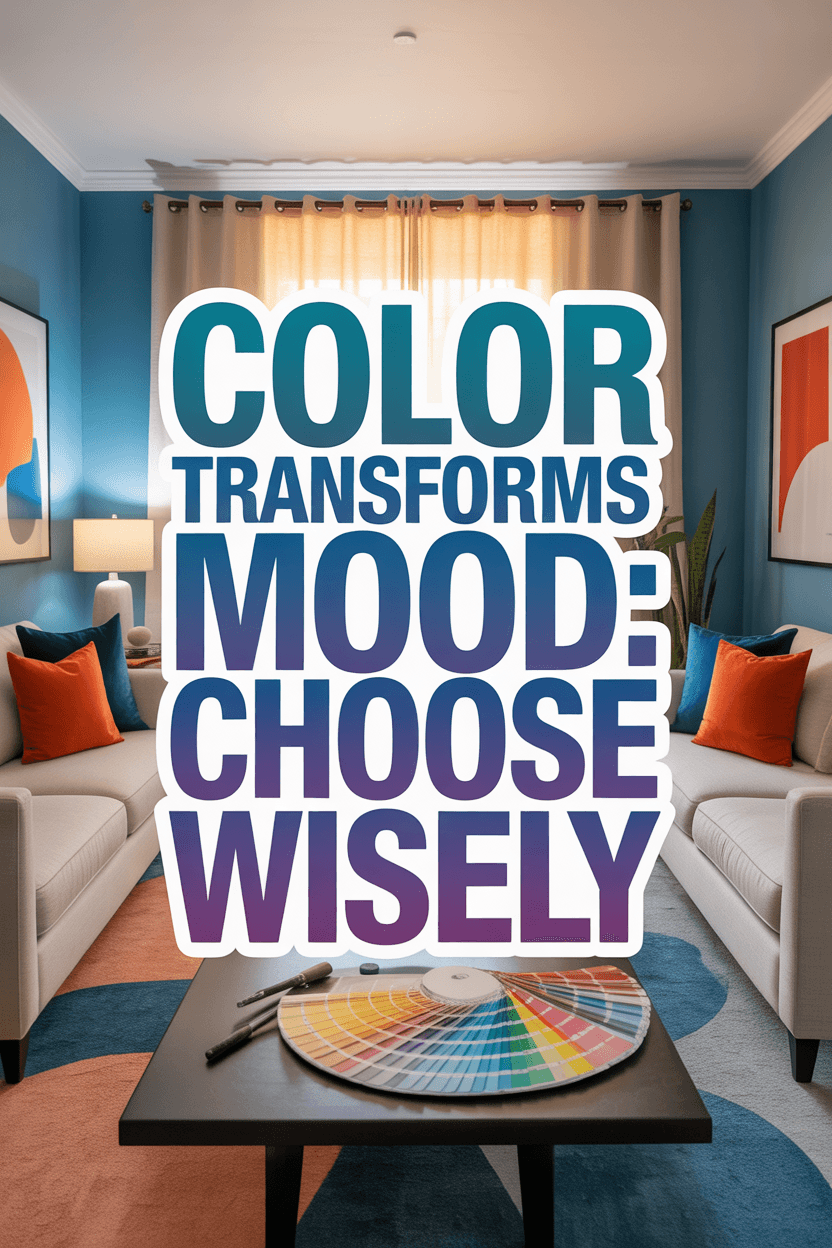
Color is the soul of a room and a powerful tool for influencing its mood. Understanding the basics of color psychology is an excellent starting point for any project.
For instance, blues are known to be calming and serene, while yellows are often perceived as bright and energizing.
To build a cohesive and balanced palette, use the classic 60-30-10 rule. This simple guideline ensures that your color distribution feels intentional and harmonious.
According to this rule, 60% of the room should be a dominant color, which is typically applied to the walls.
The next 30% is a secondary color used for furniture and drapery, while the final 10% is an accent color, applied to pillows, art, and accessories.
Most importantly, always test paint colors in your actual space. Paint large swatches on different walls and observe them throughout the day, as recommended by paint experts like Benjamin Moore.
How to Arrange Furniture for Comfort and Flow
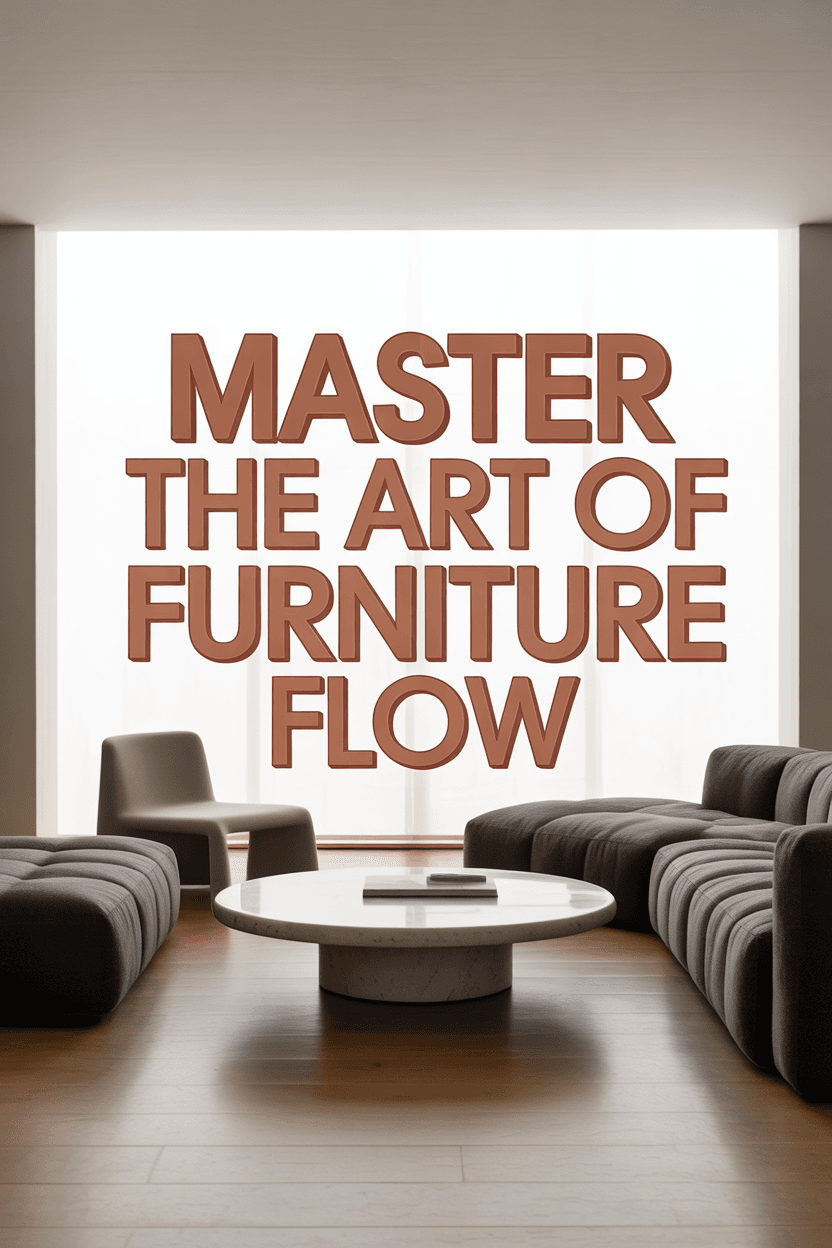
Furniture arrangement is about creating a dialogue between the objects in a room and the people who use it. The right layout promotes both comfort and conversation.
Start by establishing a focal point. This could be a fireplace, a large window with a view, or a significant piece of artwork.
Arrange your main seating pieces around this focal point to create a natural gathering spot. This encourages interaction and gives the room a clear purpose.
Always ensure there are clear pathways for movement. You should be able to walk through the room without bumping into furniture or navigating an obstacle course.
Pay close attention to scale, ensuring that your furniture is appropriate for the room’s size. This is a common area where homeowners seek interior design help.
A massive sofa can easily overwhelm a small room, while tiny furniture will feel lost and insignificant in a large, open space.
For expert tips on achieving correct proportion and scale, consult guides from The Kitchn and use virtual tools like the Houzz Room Planner.
Illuminate Your World: The Power of Layered Lighting
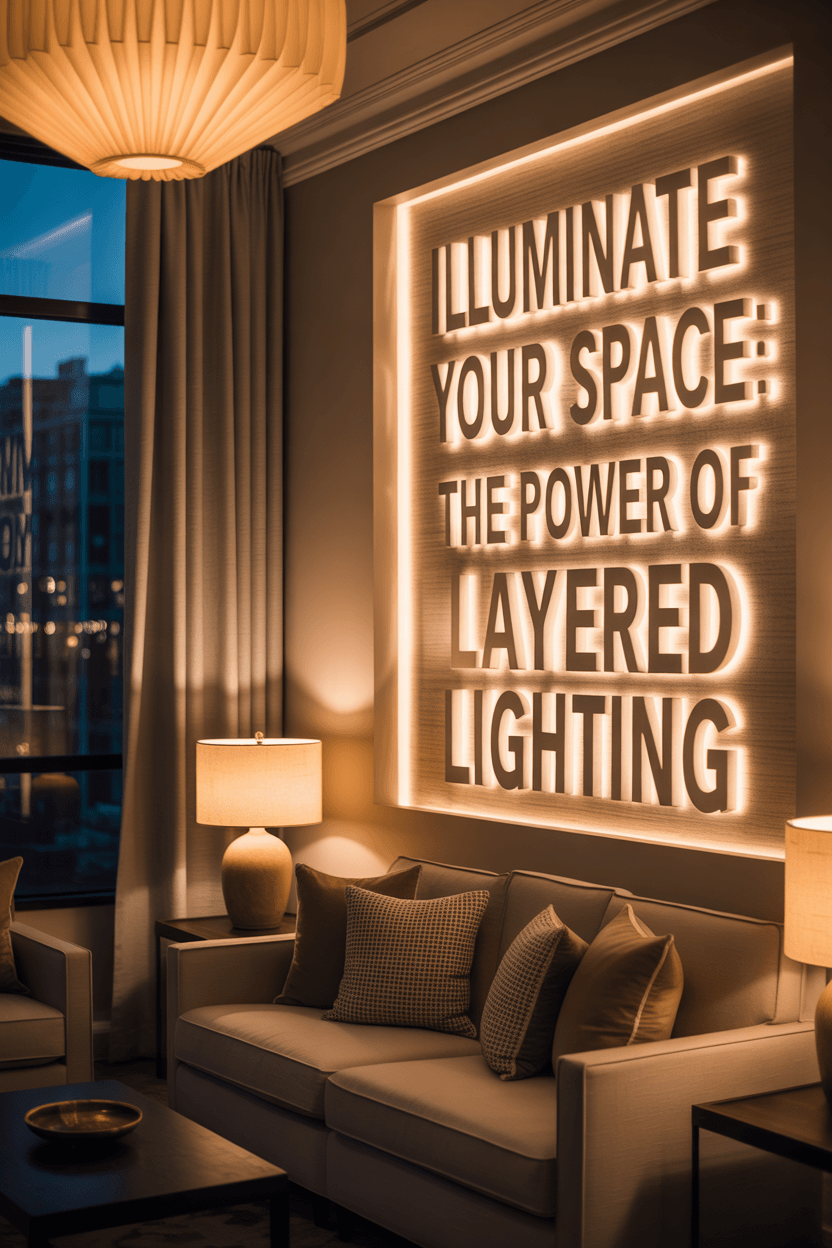
Lighting is one of the most critical—and often overlooked—elements of interior design. It can completely change a room’s atmosphere and function.
A successful lighting plan involves layering three distinct types of light to create a functional and atmospheric environment.
First is Ambient Lighting, which provides the overall illumination of the room. This often comes from ceiling fixtures like chandeliers or recessed lights.
Next is Task Lighting, which is focused light for specific activities. Examples include under-cabinet lights in a kitchen or a dedicated reading lamp by an armchair.
Finally, Accent Lighting is used to highlight architectural features or decor. This includes elements like a spotlight aimed at a piece of art or uplighting on a plant.
By combining these three layers, you create a space that is both practical and inviting. As detailed by premier sources like Livingetc, this approach adds depth and dimension.
A well-layered scheme gives any room a sense of sophisticated luxury, an effect often discussed by resources like Lighting New York.
How to Mix Textures and Materials Like a Pro
The fabrics and materials you choose contribute significantly to the tactile and visual richness of your home. They invite touch and add layers of comfort.
When selecting fabrics for items like sofas and chairs, consider both durability and style. A guide to upholstery can be an invaluable resource in this process.
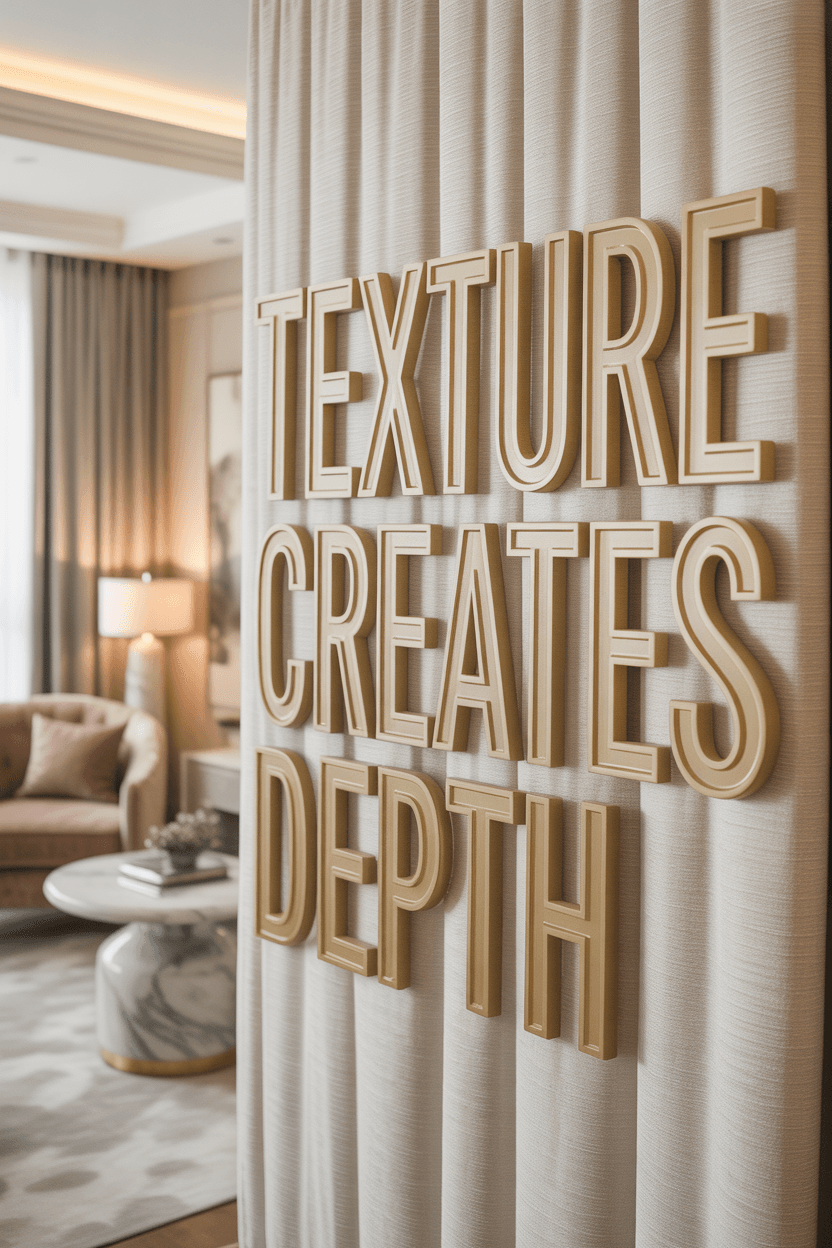
The secret to a professionally designed look often lies in the artful mixing of textures. This creates a dynamic and inviting space that feels curated over time.
Combine contrasting materials like soft linen, sumptuous velvet, rich leather, warm wool, and delicate silk to engage the senses.
This principle extends to hard surfaces as well. The interplay between natural wood, sleek metal, elegant stone, and reflective glass adds a compelling layer of sophistication.
For master-level inspiration on mixing materials, look to renowned designers like Kelly Wearstler, who are celebrated for their textural expertise.
Make It Your Own: Add Personal and Meaningful Touches
A truly beautiful home tells the story of its inhabitants. Personalizing your space is what makes it a cherished home, not just a well-decorated room.
This final layer is what brings soul and character to your design. It is the most personal form of interior design help you can give yourself.
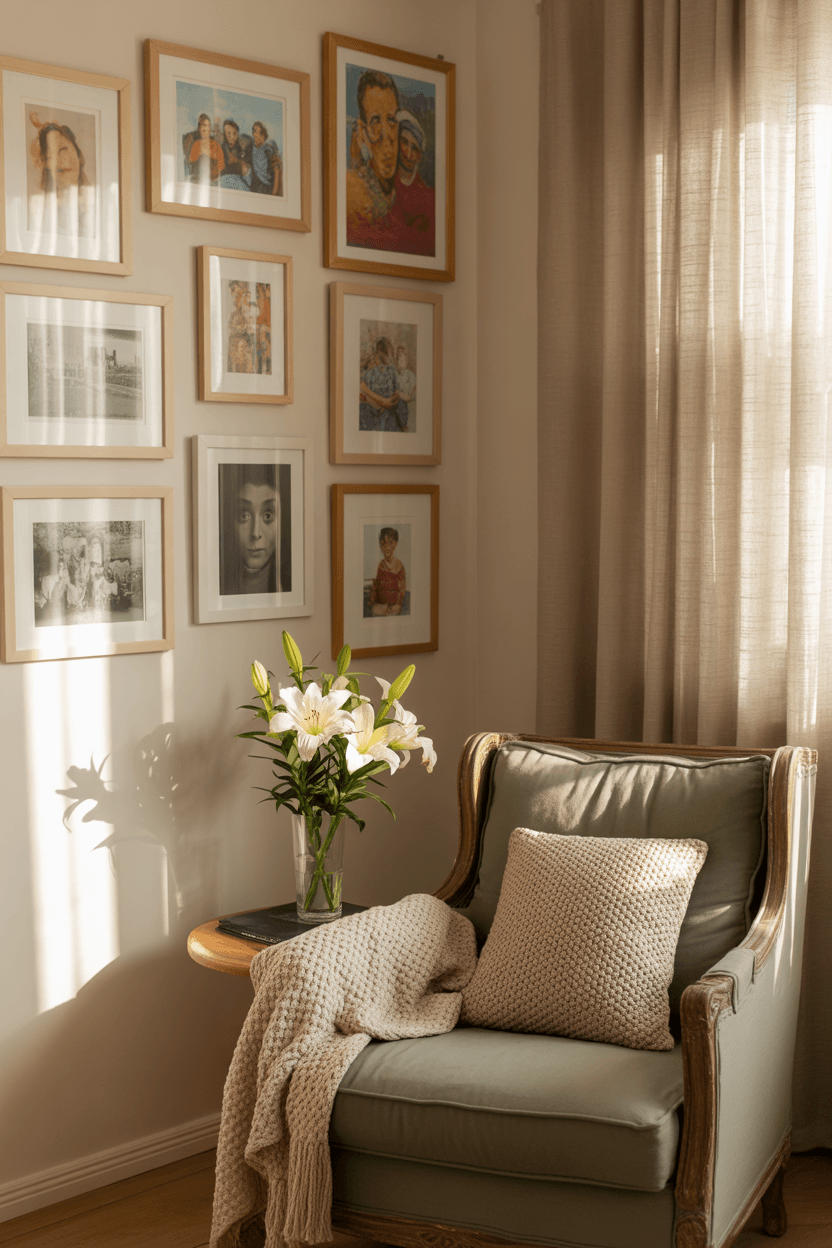
Display objects that have deep personal meaning. These could be travel souvenirs, precious family heirlooms, or a collection you’re passionate about.
Create a stunning gallery wall with a mix of art, photographs, and mirrors. Excellent guides for composition can be found at resources like Apartment Therapy.
Consider investing in a custom element, which doesn’t have to be expensive. This adds a truly unique touch that no one else has.
This could be anything from custom-framed photography to a unique piece of furniture commissioned from an artisan on a platform like Etsy or CustomMade.
Where Function Meets Form: Create a Livable Home
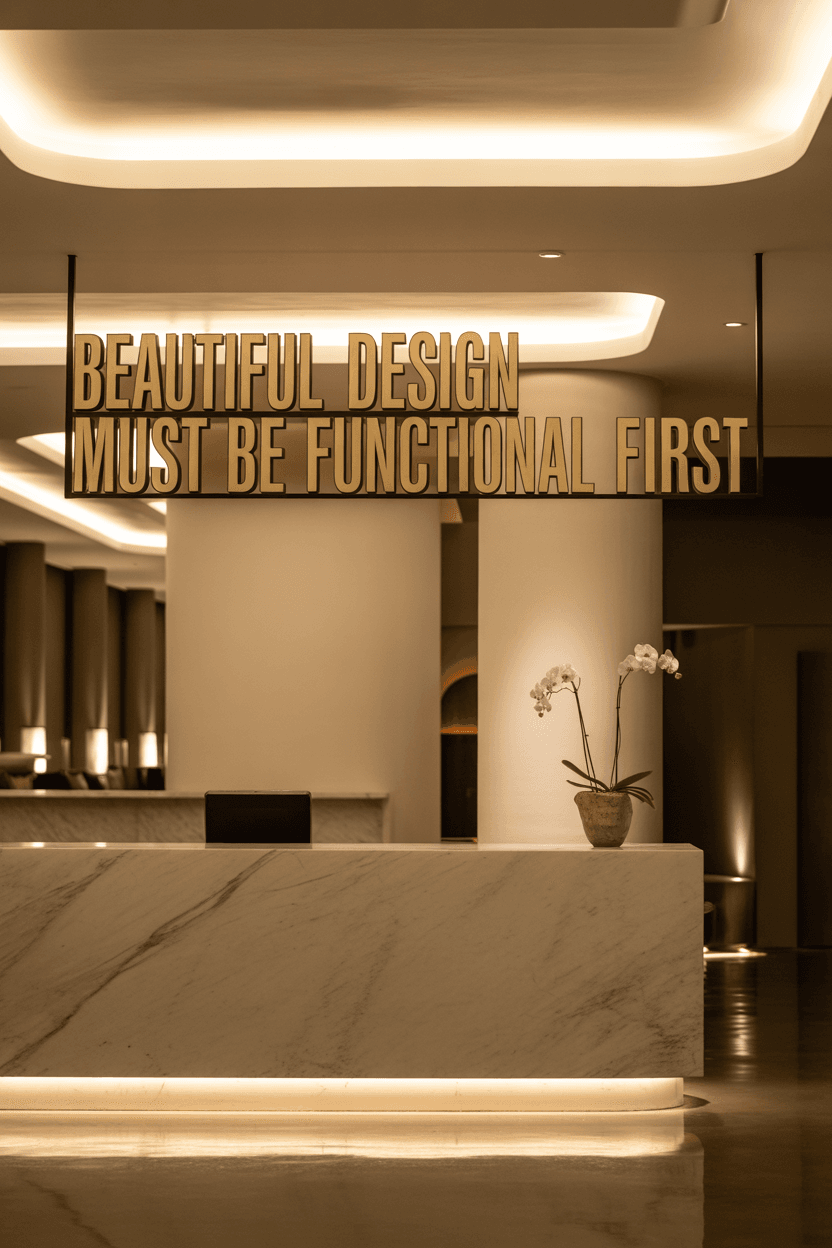
The ultimate goal of any design project is a home that is as functional as it is beautiful. Every design choice should support and enhance your lifestyle.
This means planning for your practical needs from the very outset of the project. For a truly successful space, form should always follow function.
Incorporate clever and stylish storage solutions to keep clutter at bay. Draw inspiration from organizational experts like The Container Store to find what works for you.
These days, many rooms must serve multiple purposes. Design with versatility in mind to create flexible, hardworking spaces.
Consider a living room that can comfortably accommodate a workspace, or a guest room with a dual-purpose daybed that serves as seating and a bed.
Resources like Houzz provide endless ideas for creating these multi-functional rooms that don’t compromise on style.
Sidestep Common Pitfalls: Critical Design Don’ts to Avoid
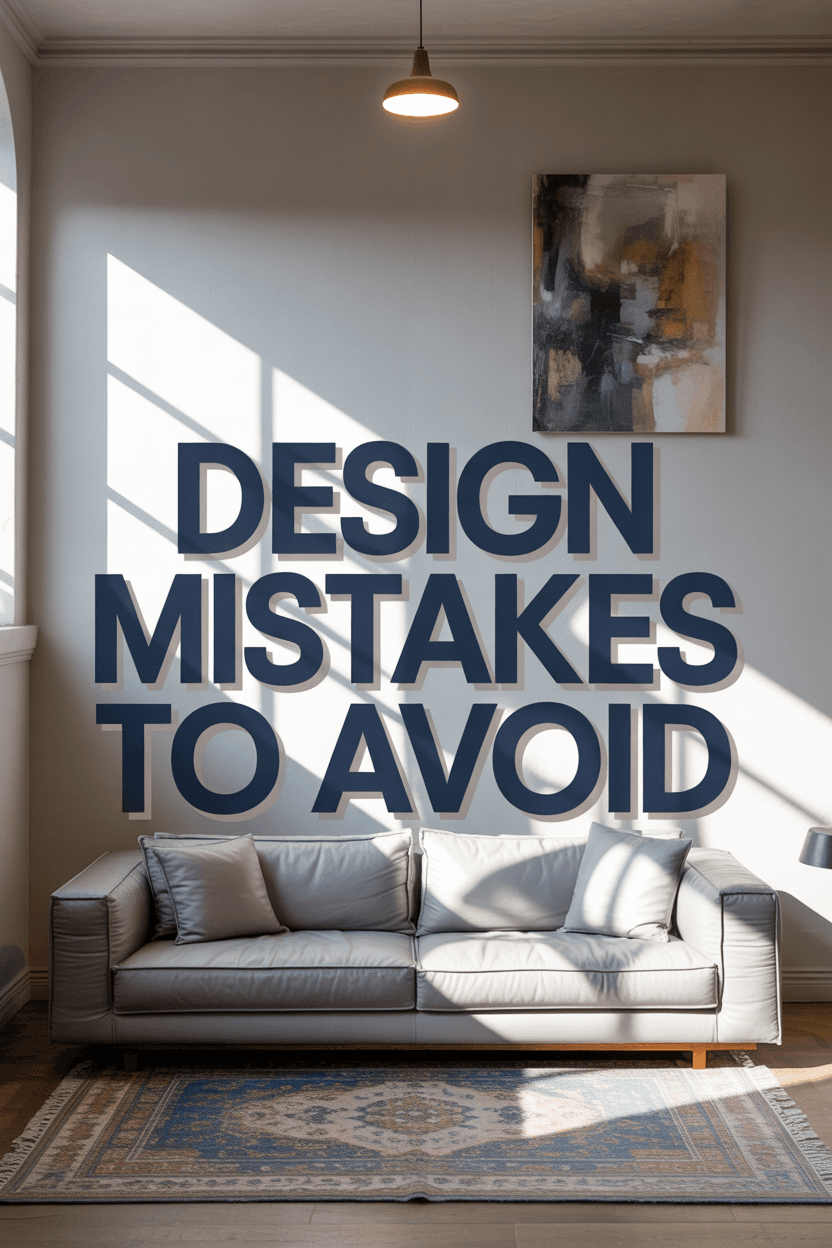
Knowing what not to do in interior design is just as important as knowing what to do. Being aware of common mistakes can save you time, money, and frustration.
One of the most frequent missteps is ignoring scale and proportion. This often results in choosing furniture that is either too large or too small for the room’s dimensions.
Another common mistake is poor lighting. Relying on a single, harsh overhead light source instead of a thoughtful, layered plan will make a room feel flat and uninviting.
Avoid making impractical choices for your lifestyle. This includes opting for beautiful but uncomfortable furniture or selecting materials that aren’t durable enough for daily use.
Finally, watch out for bad flow. Arranging furniture in a way that obstructs natural traffic paths can make a room feel cramped and awkward to navigate.
To learn more, House Beautiful and Real Simple offer comprehensive guides to help you avoid these and other common errors.
Bring Your Vision to Life (and Let It Evolve)
The implementation phase is the exciting stage where your vision finally comes to life. To ensure a smooth process from start to finish, organization is key.
Create a realistic project timeline by breaking the work down into manageable phases, such as painting, electrical work, and furniture delivery.
Diligently track your orders and coordinate logistics to avoid costly delays. If you’re working with tradespeople, maintain clear and consistent communication at all times.
Explore tips and templates from resources like the BuildDirect blog to manage your project efficiently.
Remember that interior design is not a one-time event but an ongoing process. Your home should evolve with you.
Once your initial plan is implemented, live in the space for a while. This allows you to understand how the design truly functions in your daily life before making further changes.
Small, seasonal refreshes—like swapping out pillows, changing throws, or updating decor—can keep your home feeling current and new without a major overhaul.
For guidance on evolving your home’s look, turn to resources like HGTV for fresh ideas and inspiration.
Implementing Your Design Plan
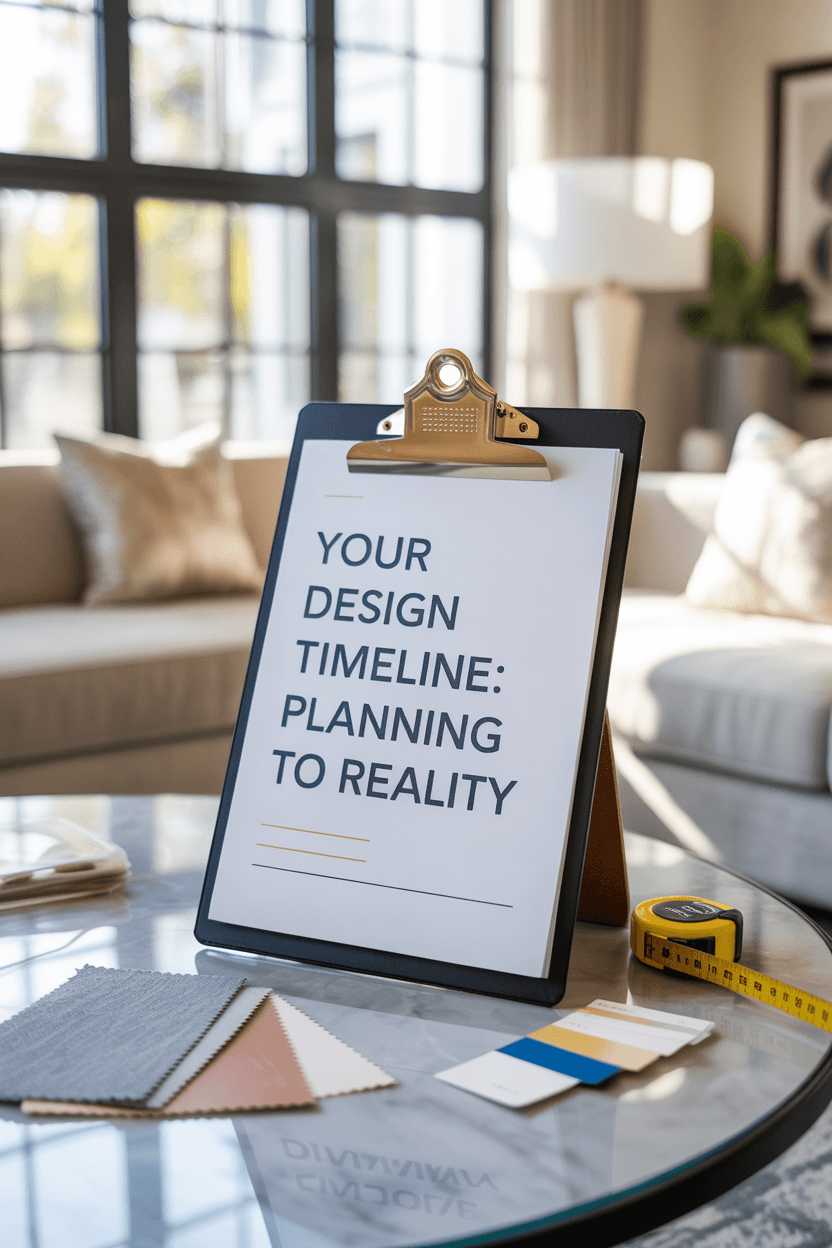
Create a realistic timeline that accounts for product lead times, contractor availability, and logical sequencing of work. Most room renovations take 8-12 weeks from planning to completion, while whole-house projects often extend to 6 months or more.
Order furniture and major items well in advance, as custom pieces and popular items may have 8-16 week delivery windows. Account for potential delays, especially when ordering internationally or during high-demand seasons.
When working with contractors, obtain detailed written estimates and establish clear communication channels. Regular check-ins prevent misunderstandings and allow for timely adjustments if necessary.
Document your project’s progress through photos and notes. This record proves valuable for addressing any issues that arise and helps inform future design decisions in your home.