15 Stunning Living Room Styles to Transform Your Space

What’s Your Living Room Style? A Guide to Top Design Looks
Your living room is more than just a room; it’s a canvas for self-expression. The various living room styles are like distinct design languages, each communicating a unique atmosphere and experience. Understanding them is the first step toward creating a space that resonates with your personal taste and lifestyle.
These styles aren’t just about aesthetics. They reflect cultural influences, historical periods, and practical considerations that have evolved over time. Before you choose a path, it helps to learn the fundamental elements that define each approach, from color palettes and furniture shapes to material choices and decorative accents.
Think of this as your personal design discovery phase. Immersing yourself in the visual vocabulary of different styles will help you make confident and cohesive choices for your home.
To begin your exploration, exploring a broad overview of styles can provide a fantastic starting point.
The Beauty of Timeless Elegance: Traditional Style
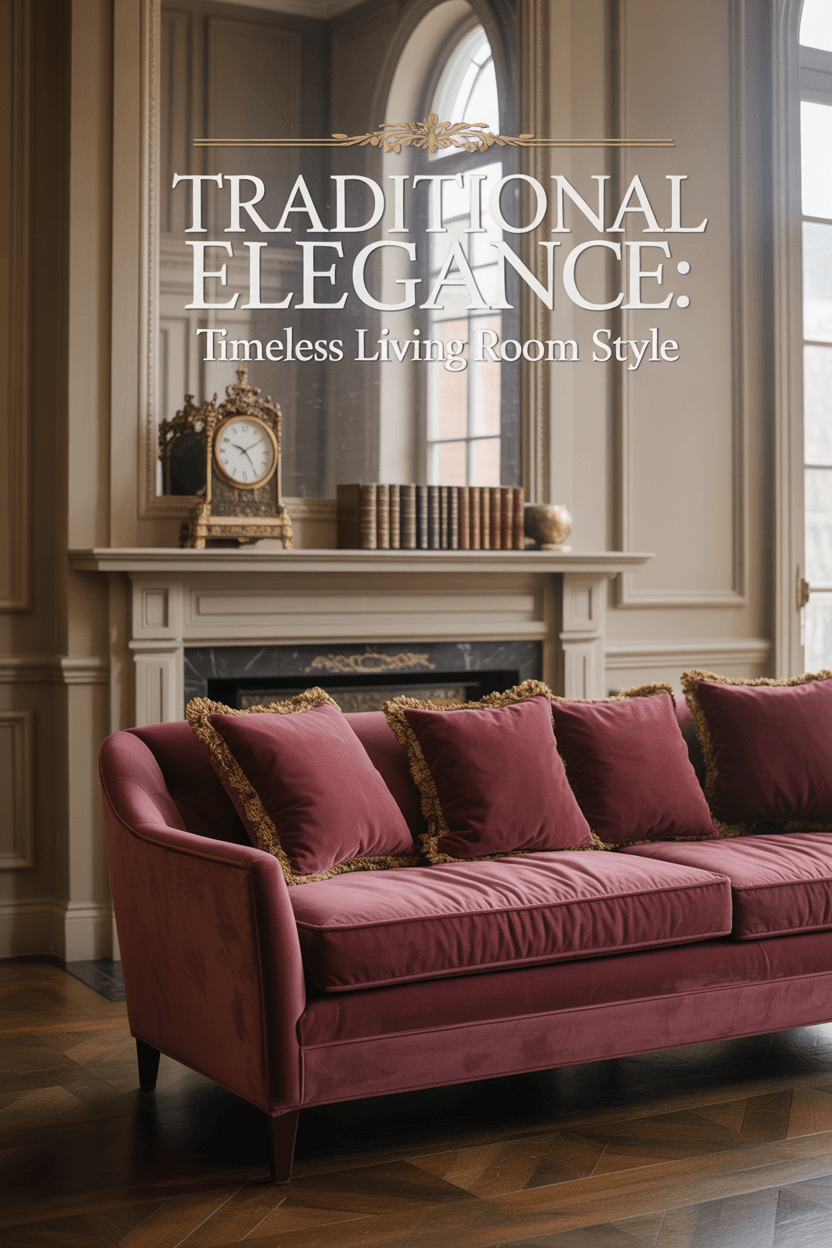
Traditional design creates a sense of order, refined comfort, and timeless elegance. It’s a style rooted in classic elements that have gracefully endured, offering a familiar and sophisticated embrace that always feels like coming home.
These spaces often feature rich, dark woods like mahogany and cherry, with furniture showcasing detailed carvings and beautifully turned legs. Symmetrical arrangements are a hallmark, creating a formal, harmonious balance that feels calming and intentional. You’ll find plush, comfortable seating with classic rolled arms and skirted or embellished bases inviting you to relax.
The color palette is typically deep and warm, incorporating shades of burgundy, navy, and hunter green alongside comforting neutrals. Fabrics play a key role, with patterns like florals, damasks, and classic stripes adorning upholstery and drapery, adding layers of texture and interest.
Finally, architectural details provide the essential framework. Crown molding, wainscoting, and classic fireplace mantels lend a sense of history and substance to the room. This enduring style provides a classic backdrop that is always in good taste, as showcased in these beautiful examples and celebrated by Architectural Digest.
The Clean Lines of Modernism and Mid-Century Modern
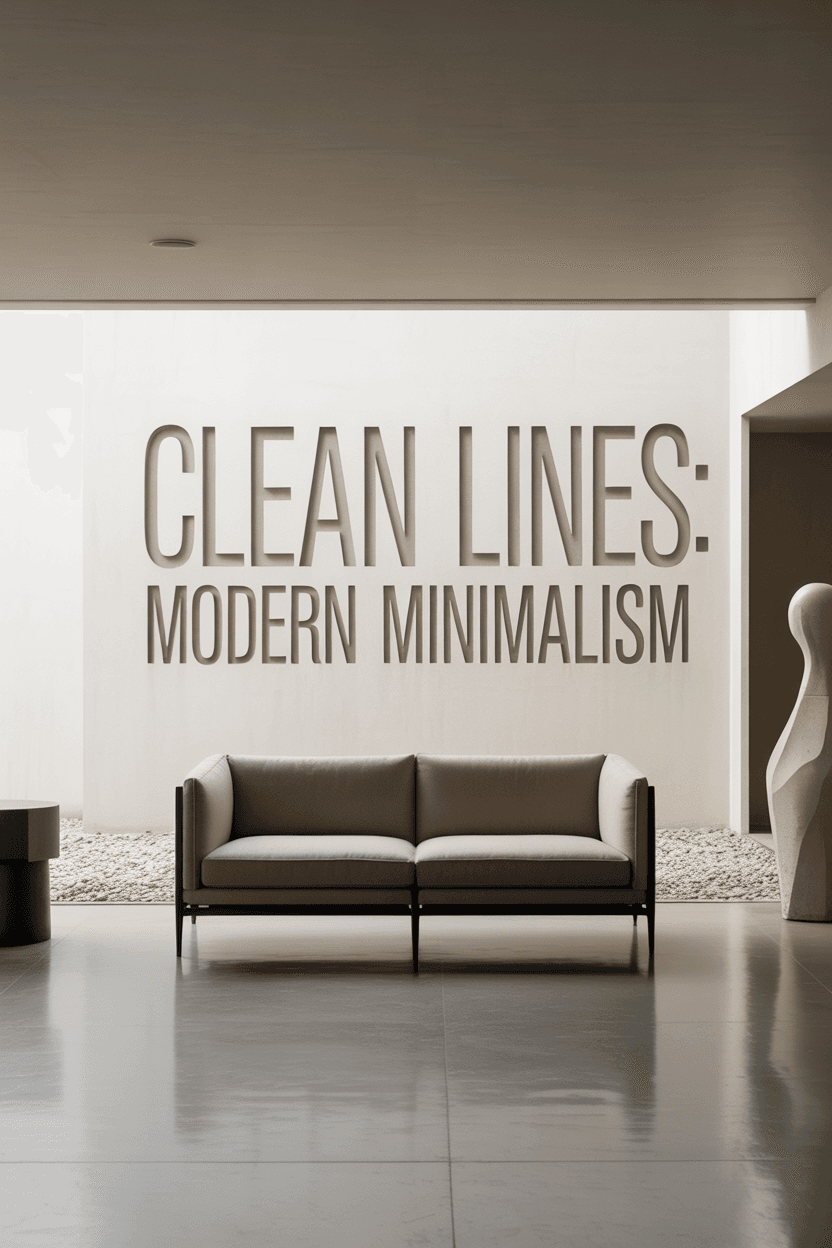
Emerging in the early 20th century as a bold departure from ornate tradition, the Modernist movement prioritized function and form above all else. This philosophy, “form follows function,” resulted in spaces defined by clean, straight lines, an absence of clutter, and an honest use of materials like metal, glass, and polished wood.
Mid-Century Modern, a particularly beloved offshoot of this movement (popular from roughly 1945 to 1975), retains these core principles but introduces a warmer, more organic sensibility. It blends sleek geometric forms with gentle curves, creating an aesthetic that is both structured and inviting.
Iconic furniture pieces are at the heart of this style, often raised on tapered, peg legs which create a sense of lightness and space. Warm wood tones, especially teak and walnut, are prevalent, frequently paired with optimistic accent colors like mustard yellow, avocado green, and burnt orange. It was an era of material innovation, embracing molded plastic, plywood, and metal in new and exciting ways.
Mid-Century living rooms emphasize a strong connection to the outdoors through large windows and sliding doors, bringing nature inside. The look is completed with statement lighting, from sputnik chandeliers to sculptural arc lamps, and graphic, atomic-inspired patterns. For a deeper look, explore this mid-century modern interior design guide.
Embracing the Now: The Essence of Contemporary Style
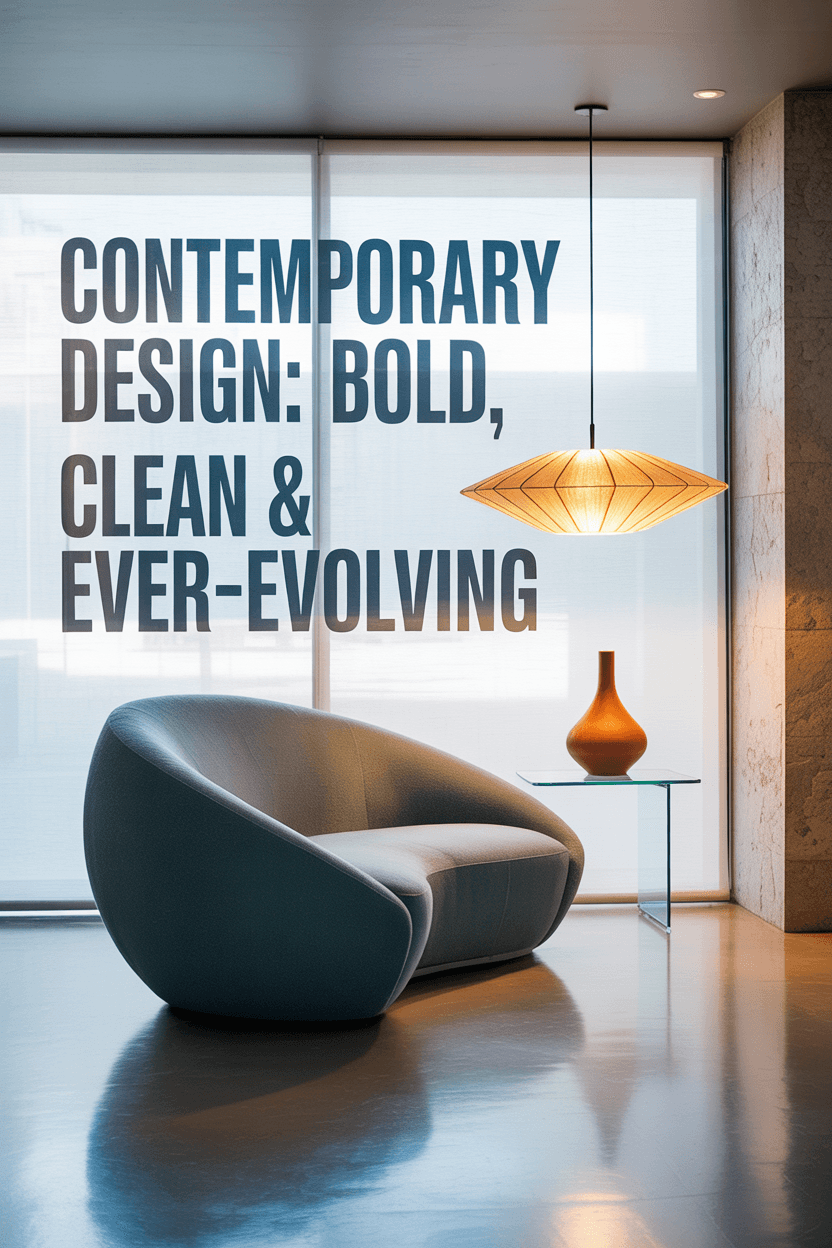
Though often confused with modern design, contemporary style is fundamentally different because it reflects the fluid, dynamic spirit of right now. It is not tied to a specific historical period but is instead an ever-evolving look that captures the trends of the moment.
While modern design favors strict straight lines, contemporary spaces often embrace gentle curves and organic shapes. This creates a softer, more approachable atmosphere that still feels clean and uncluttered. It’s a style that feels both sophisticated and comfortable for today’s lifestyles.
The color palette is typically grounded in neutrals like greys, whites, and beiges. This serene backdrop allows bold artwork, colorful decor, and statement furniture to become powerful focal points. You will also see a thoughtful mix of materials, where smooth metal, cool stone, and warm wood tones coexist harmoniously.
Statement lighting fixtures often serve as functional art, while technology is seamlessly integrated for an uncluttered look. Textural variety is key, introduced through plush rugs, interesting fabrics, and dimensional wall treatments. As detailed in these contemporary living room ideas, this style is always of the moment.
The Perfect Union: Transitional Style
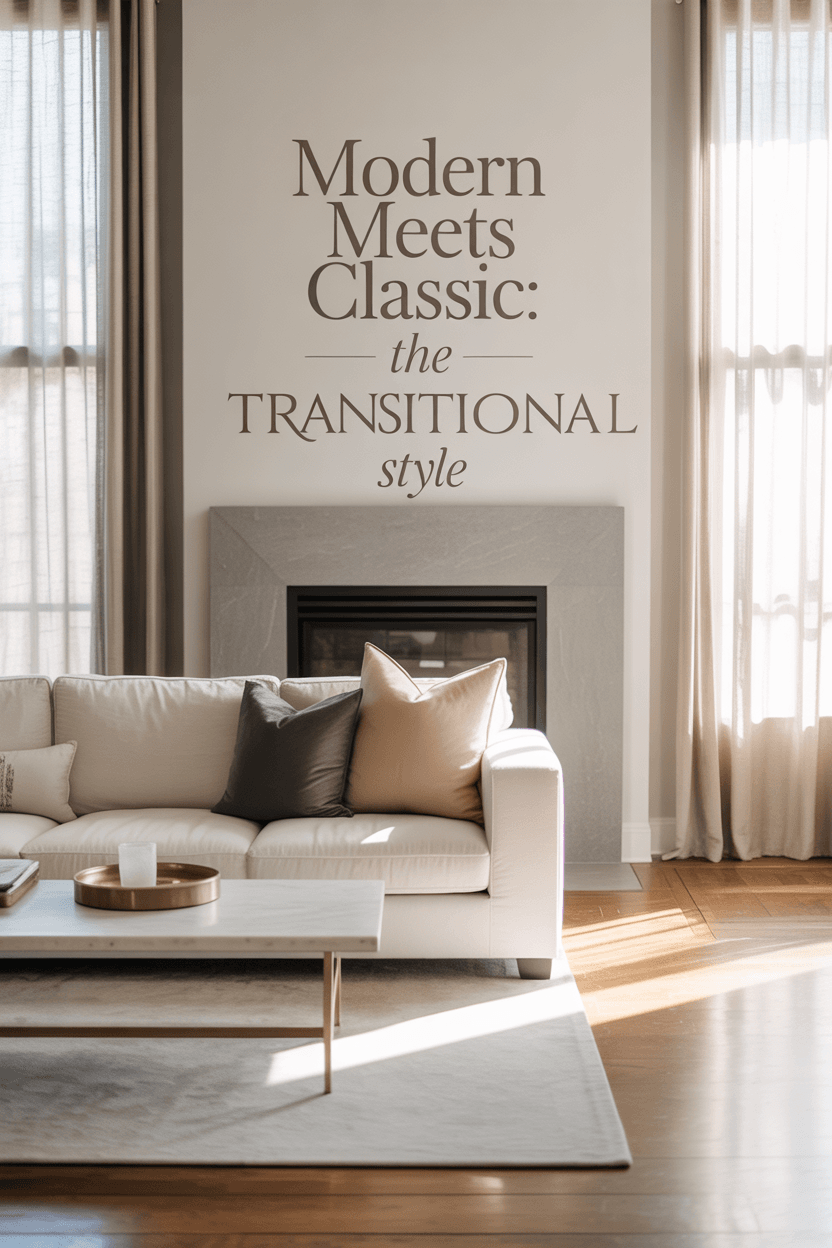
For those who find traditional design too formal and modern design too stark, transitional style offers the perfect, harmonious solution. It masterfully bridges the gap between the two, creating a space that is both classic and current, sophisticated and serene.
This popular and approachable style relies on a soothing, neutral color palette to create a calm and elegant backdrop for living. It’s a look that feels layered and timeless, carefully curating pieces that will not easily fall out of fashion. It’s the ultimate expression of quiet luxury and enduring taste.
Furniture profiles are a comfortable mix of straight lines and gracious curves. You’ll often see plush, sometimes oversized, sofas and chairs upholstered in textured neutral fabrics rather than bold patterns, prioritizing comfort and tactile appeal.
Accessorizing is minimal and intentional, leaning towards a few impactful statement pieces rather than a collection of small items. A curated blend of new and antique furniture pieces adds depth and character, while warm wood tones are balanced with sleek glass and metal accents. As Elle Decor shows, this balanced approach results in a look that is consummately sophisticated.
Light, Function, and “Hygge”: Scandinavian Design
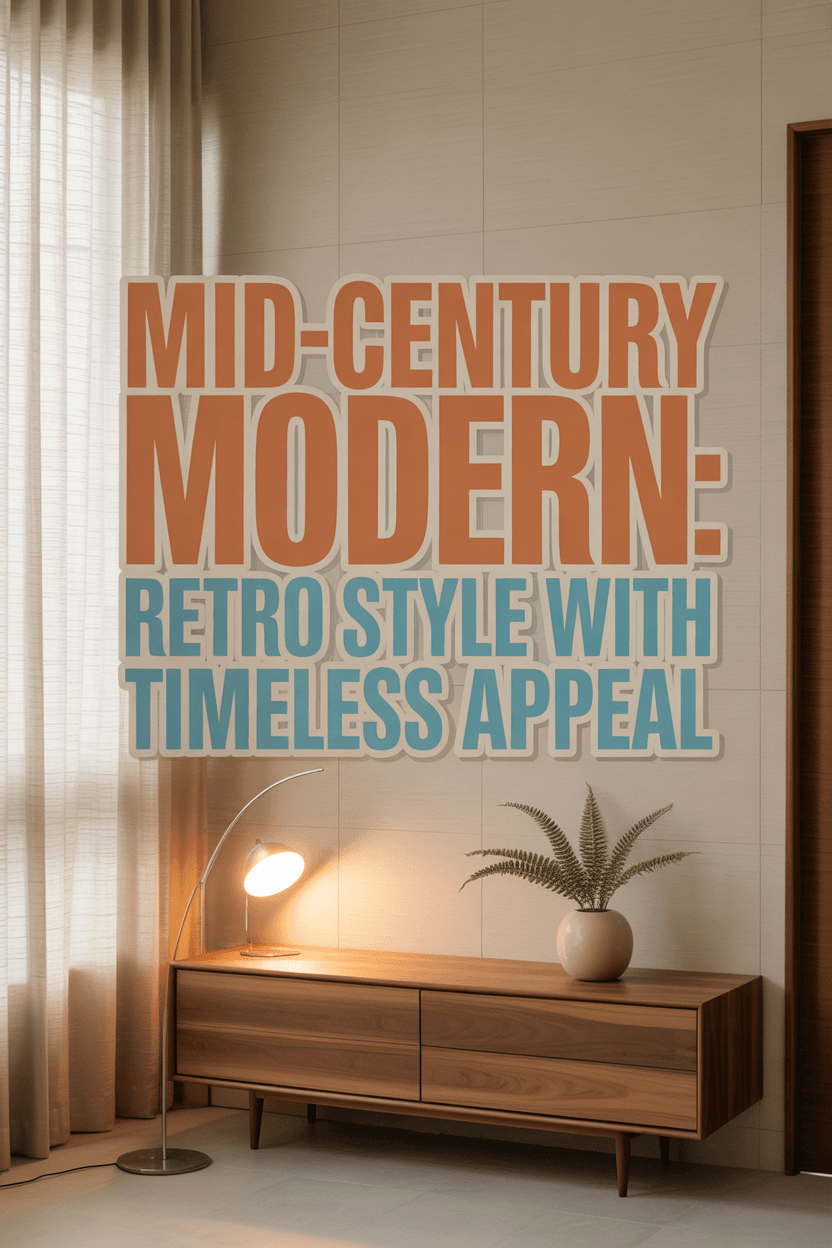
Rooted in the principles of simplicity, functionality, and comfort, Scandinavian (or “Scandi”) design creates spaces that are bright, airy, and deeply inviting. It’s a style born from a desire to make the most of natural light and create a cozy sanctuary against long, dark winters.
The foundation of a Scandi living room is light. Walls are typically white or a very pale neutral, paired with light wood floors to maximize brightness and create a sense of spaciousness. Window treatments are minimal or absent altogether to welcome every bit of daylight.
Furniture is simple, functional, and beautifully crafted with clean lines. The focus is on natural materials, especially blonde woods like birch and pine, complemented by textiles in wool, linen, and cotton. Clever and hidden storage solutions keep the space feeling uncluttered and serene.
Perhaps most importantly, this style embraces the Danish concept of “hygge”—a feeling of coziness and contentment. This is achieved through layered lighting for ambiance and an abundance of soft, touchable textiles like sheepskin rugs and chunky knit throws. The result is a room that feels both practical and restorative, as beautifully illustrated in these Scandinavian living rooms.
Rustic Charm Meets Modern Comfort: Farmhouse Style
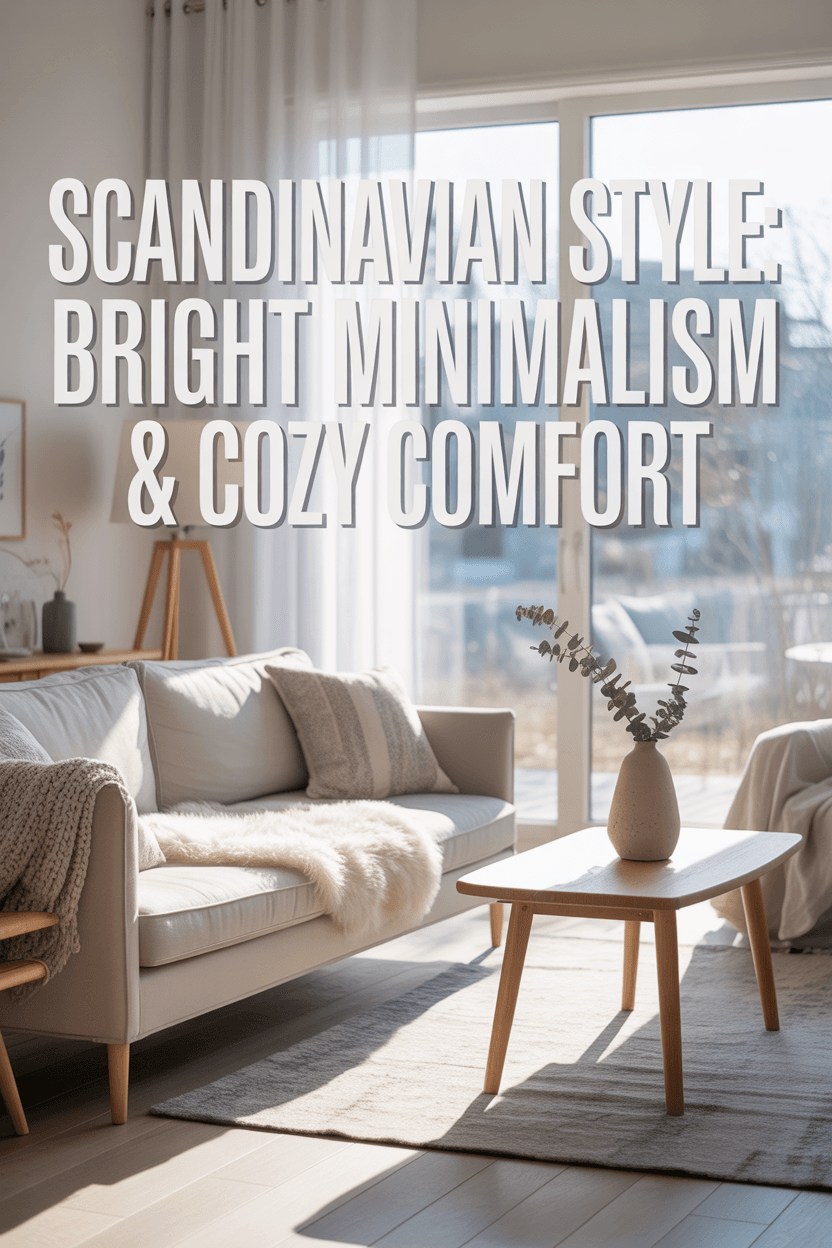
The enduringly popular modern farmhouse style masterfully combines the rustic charm of country living with the clean lines and practicality of contemporary design. It creates a look that is at once cozy and sophisticated, nostalgic and fresh.
This welcoming style is built on a light and neutral color scheme, with shades of white, cream, and greige creating a bright, airy canvas. Natural wood elements are essential, from exposed ceiling beams and wide-plank floors to the signature look of shiplap walls.
Comfort is paramount. Furniture is often generously sized and overstuffed, frequently dressed in practical slipcovers that feel casual and family-friendly. The look is layered with a mix of vintage accessories, repurposed items, and new pieces, giving the space a feeling of having been collected over time.
You’ll often find painted wood furniture, sometimes with a distressed finish for a gracefully time-worn feel. Architectural salvage, like old doors or windows used as decor, adds unique character. Explore how to get this look with these modern farmhouse decorating ideas that blend past and present perfectly.
The Beauty of Raw Elements: An Introduction to Industrial Chic

Drawing its inspiration from the hardworking aesthetic of old factories, warehouses, and urban lofts, industrial style celebrates raw, honest character. It’s a look that finds beauty in imperfection and turns structural elements into celebrated features.
The defining feature of industrial design is the exposure of the building’s “bones.” Exposed brick walls, raw concrete floors, visible ceiling beams, and even metal pipes or ductwork are embraced rather than concealed. This creates a powerful sense of authenticity and scale.
Materials are raw and utilitarian: weathered wood, raw metal, and distressed finishes that suggest a rich history. A neutral color palette, often grounded with bold black metal accents, allows the texture of these materials to take center stage. Large, grid-framed windows, reminiscent of old factories, floor the space with light.
Furniture and decor often feature weathered or distressed finishes that hint at a past life. Repurposed items, like factory carts as coffee tables or salvaged signage as art, add a layer of history and narrative to the space. Find more inspiration in these industrial living room ideas.
A Free-Spirited Vibe: Bohemian Decor
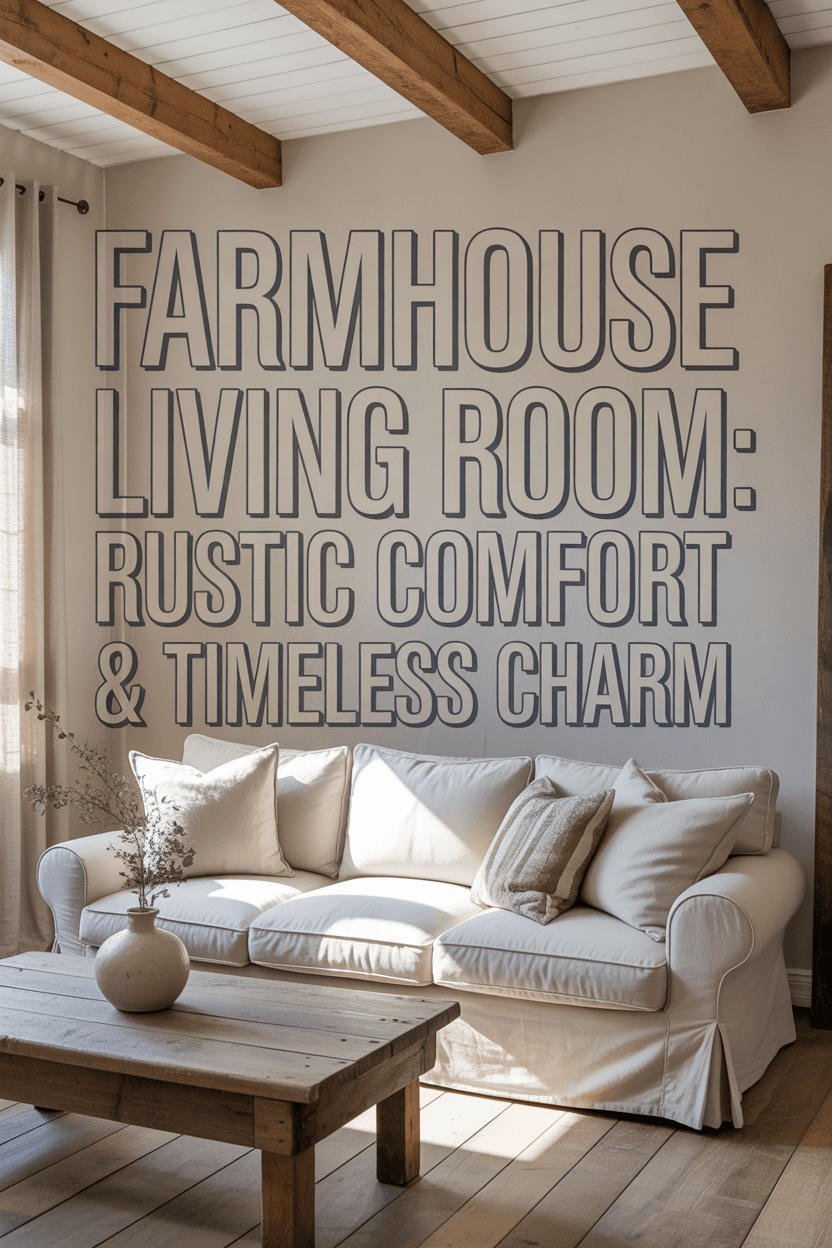
Bohemian, or “boho,” style is for the free-spirited homeowner who values artistic expression and personal narrative over trends and rules. It’s a layered, eclectic, and deeply personal style that results in a space that feels like a warm, creative sanctuary.
At its heart, boho is about a fearless and joyful mix. Rich, saturated colors live alongside earthy neutrals, while patterns from florals to geometrics to global prints are layered with abandon. The key is in the layering of textiles, from Persian or Moroccan rugs on the floor to tapestries on the walls and an abundance of throw pillows.
Natural elements are essential for bringing life and texture into the room, with an abundance of houseplants being a signature of the style. The vibe is relaxed and casual, often featuring low-level seating like floor cushions, poufs, and plush, deep sofas that invite you to lounge.
A boho space tells a story of a life well-lived. Handcrafted items, artisanal touches, unique flea market finds, and treasures collected from travels are proudly displayed. The Spruce offers a great guide to creating this expressive and intentionally unstructured look.
Beach-Inspired Serenity: Coastal Style
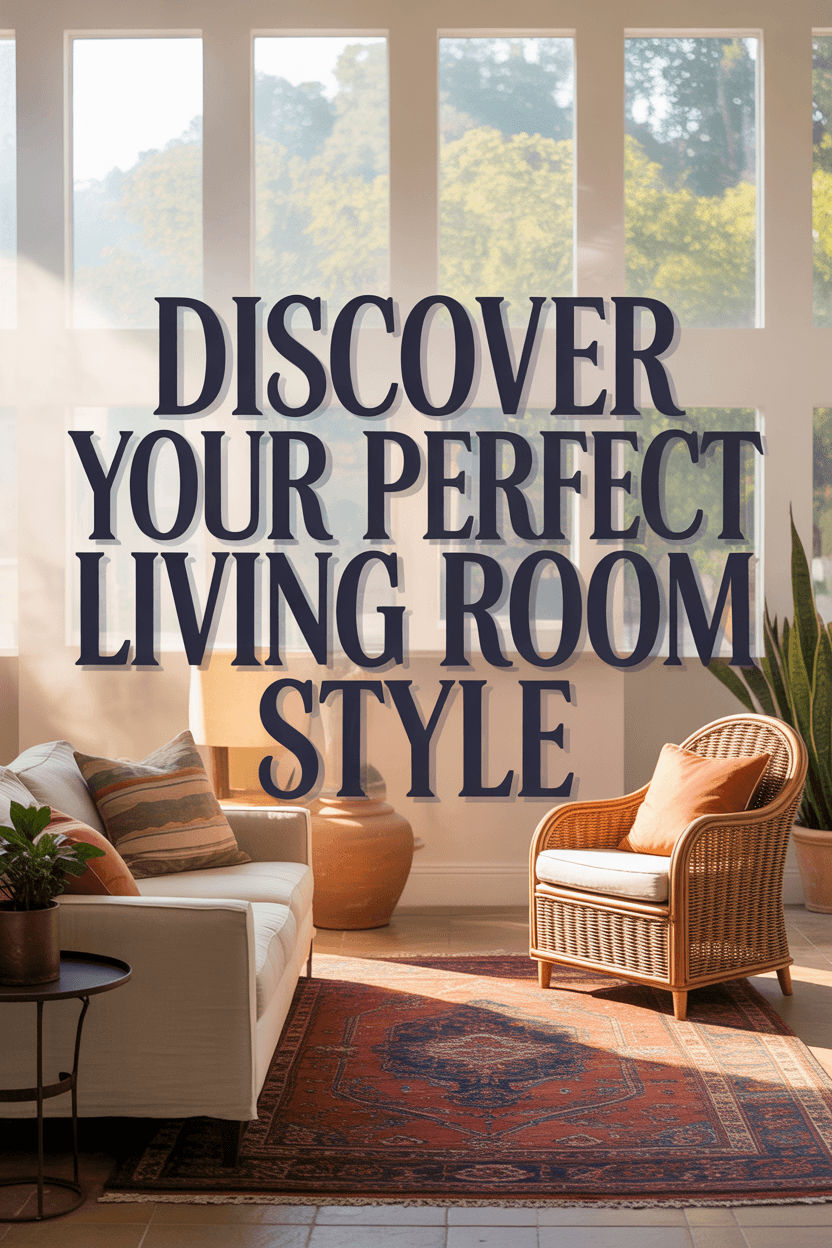
True coastal style is less about overt nautical themes and more about capturing the serene, airy atmosphere of seaside living. Think less seashells and anchors, and more the chic, sophisticated comfort of a home in a Nancy Meyers film—a permanent, relaxing escape.
The style begins with a light, breezy color palette. Crisp whites, sandy beiges, and soft shades of blue and green dominate, creating a look that is clean, refreshing, and calm. This is enhanced by an abundance of natural light, maximized by sheer or minimal window coverings.
Furniture is casual, comfortable, and unfussy. Pieces with simple lines, often in light woods or painted white, are common. Practical and chic slipcovered sofas and chairs evoke a relaxed, worry-free sensibility.
Natural materials and textures are crucial for adding warmth and recalling the beach environment. Rattan, jute, seagrass, and weathered woods appear in furniture, rugs, and decor. Subtle patterns like classic stripes and soft textiles like linen complete the effortlessly elegant feel. Browse these stunning coastal living room ideas for inspiration.
The Art of the Mix: Eclectic & Collected Spaces
Eclectic design is the most personal style of all, artfully combining diverse elements, periods, and styles to create a look that is completely unique and curated. When done well, the result is not chaotic, but a harmonious and compelling space that tells a story.
The secret to a successful eclectic room is a unifying element that ties all the disparate pieces together. This is often a cohesive color scheme that runs through the different furniture styles, artwork, and textiles, creating a sense of intention.
This style is built on a personalized mix of furniture from different eras—a modern sofa might be paired with an antique chest, or a traditional armchair with a sleek, contemporary coffee table. A careful balance of visual weight is crucial to prevent the space from feeling cluttered or random.
Eclectic spaces are filled with conversation-starting focal points and curated collections displayed with care. The rich variety of textures and a skillful mix of patterns in varying scales add depth and dimension. As Apartment Therapy shows, an eclectic room should feel collected over time, reflecting the homeowner’s unique journey and personality.
How to Discover and Define Your Perfect Style
Choosing the right living room style is a journey of self-reflection and practical planning. The most beautiful spaces are those that authentically reflect the people who live in them. Use these points to guide you toward a style that feels like home.
First, look at your home’s architecture. Certain styles work more harmoniously with your home’s existing features. An urban loft is a natural fit for industrial decor, while a historic home lends itself to a traditional or transitional approach.
Consider your daily life. If you have children or pets, durable fabrics and practical, forgiving furniture may be a wiser choice than delicate or formal pieces. Also, take inventory of the furniture and art you already own and love—these pieces can offer powerful clues to your inherent style preferences.
Create a mood board by saving images of rooms you are instinctively drawn to. After a while, you will notice recurring themes, whether it’s a specific color, a furniture silhouette, or a particular feeling. This visual diary is one of the most effective tools for defining your aesthetic.
Finally, remember that style is personal. Don’t be afraid to break the rules and borrow elements from different looks to create a blend that is uniquely yours. For more guidance, consider these tips on how to choose your interior design style.