7 Breathtaking Modern Tile Trends Transforming Living Rooms Today

The Modern Foundation: Why Floor Tiles Define Your Living Room

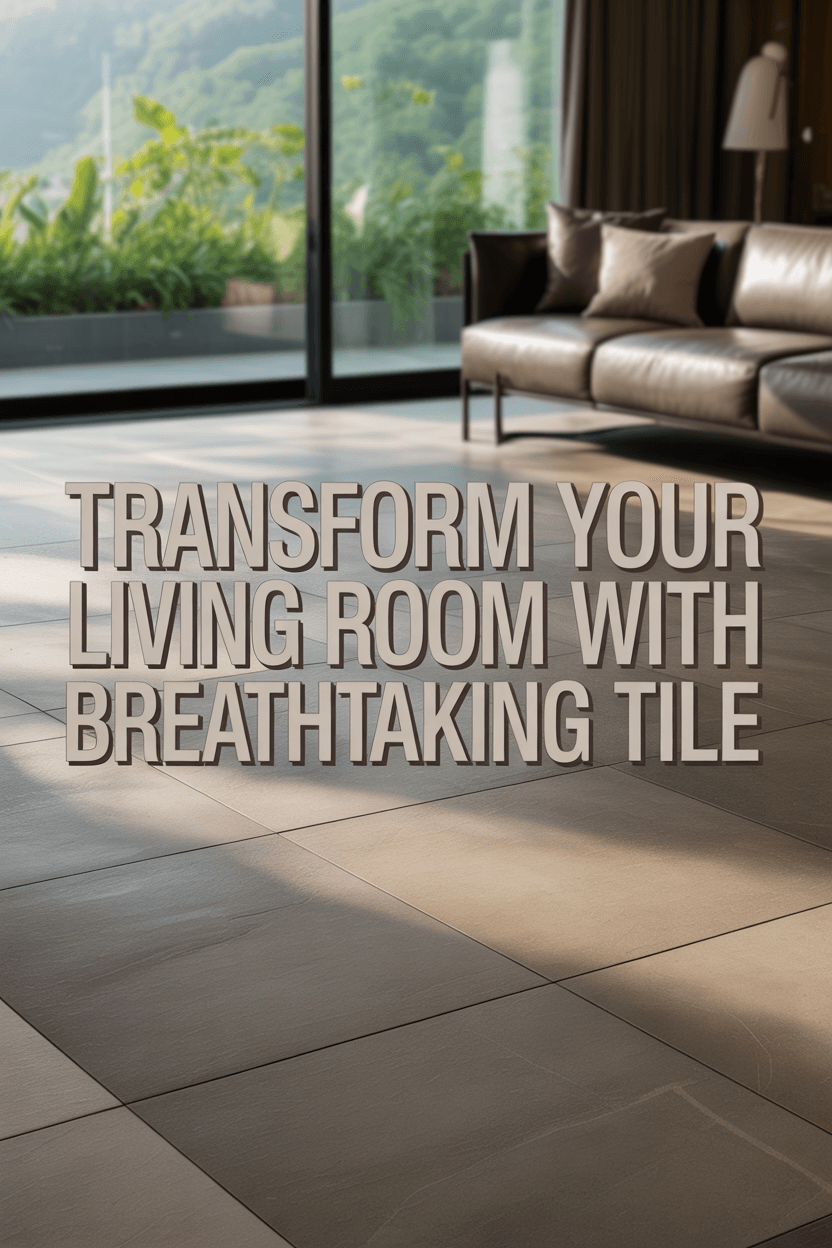
The foundation of any truly stunning modern living room begins, quite literally, from the ground up. Your choice of flooring sets the entire tone for the space, acting as the canvas upon which every other design element is layered.
The most influential modern living room floor tiles are shaping spaces that feel both luxurious and beautifully grounded. It’s a move away from the cold and clinical and a confident stride towards comfort, character, and timeless appeal.
The central themes weaving through today’s popular styles are a deep connection to nature, an appreciation for expansive scale, and a desire for subtle yet impactful textural details.
Choosing the right tile is about creating an environment that feels cohesive, intentional, and personally resonant. It’s an investment in a durable surface that will anchor your home’s style for years to come.
How to Create Warmth with an Earthy Palette
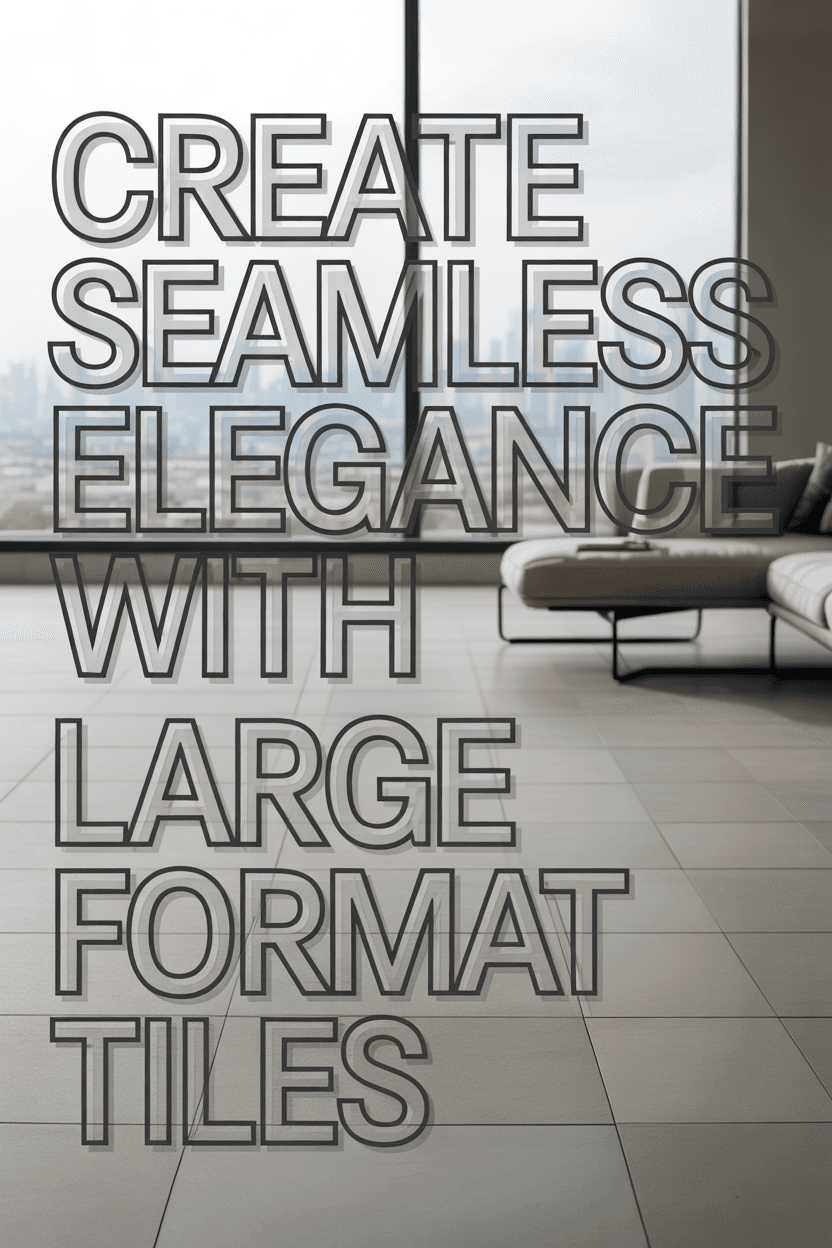
Perhaps the most significant trend in modern flooring is the pivot away from cool grays. The new palette is decidedly warm, inviting, and drawn directly from the natural world.
Imagine a spectrum of earthy, warm tones that create an instant sense of calm and sophistication. Think of soft beige and creamy taupe, complemented by the richness of terra cotta and sandy hues.
This movement is part of a larger biophilic design trend, which focuses on strengthening the connection between human beings and nature within our built environments.
As noted by design experts at House Beautiful, this focus on timeless aesthetics ensures your flooring choice remains relevant and beautiful.
By grounding your living room in these organic colors, you create a versatile and welcoming space reminiscent of a sun-drenched coastal retreat or a chic, understated British Colonial interior.
Texture is the New Luxury: Tiles That Engage the Senses
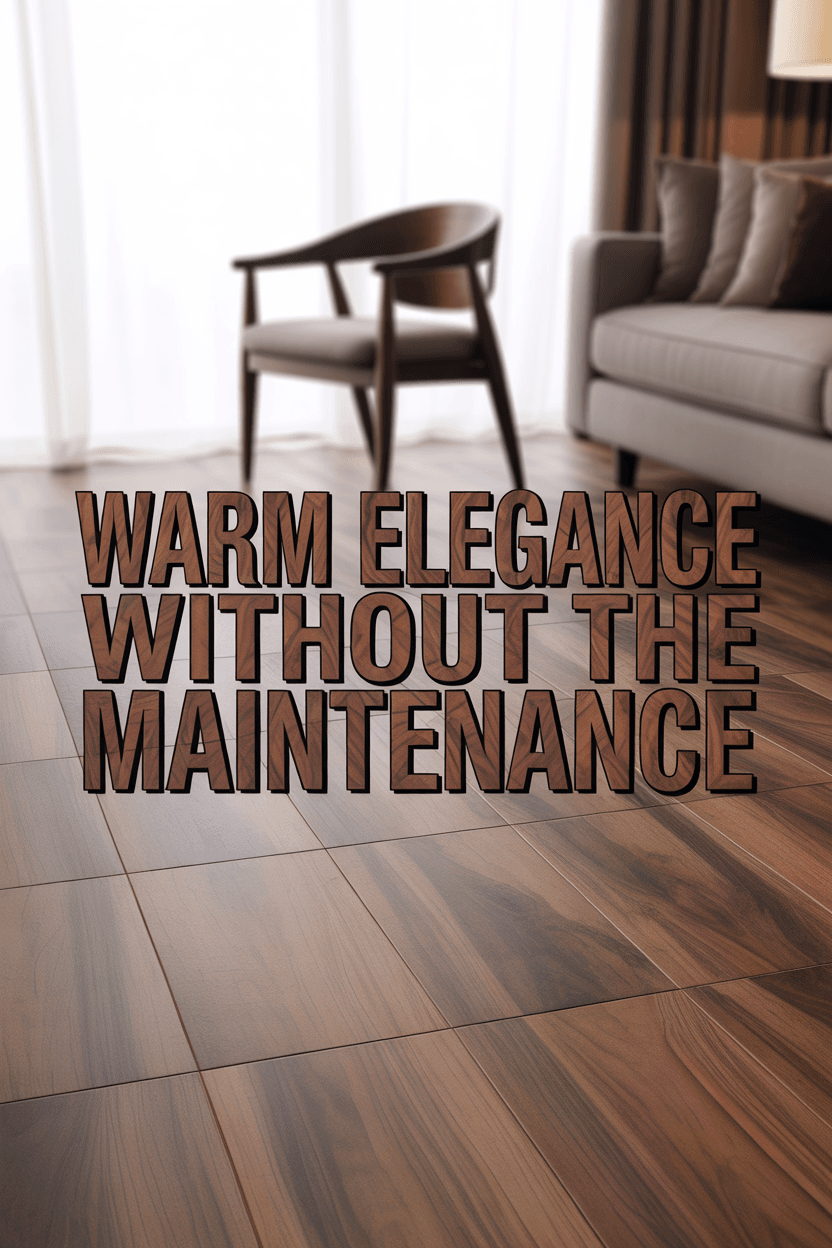
Visual appeal is only half of the story in contemporary tile design. Texture has emerged as a key component of luxury, adding depth, interest, and a tactile quality that brings a new level of sophistication to a room.
Today’s porcelain and ceramic tiles offer incredible textural realism, convincingly mimicking a host of desirable organic materials. You can find surfaces that replicate the subtle grain of wood, the dramatic veining of marble, or the rugged feel of natural stone.
Industry tastemakers at WhyTile point to sought-after details like subtle gold veining in marble-look porcelain. They also highlight rugged, tactile surfaces that practically invite you to reach out and touch them.
This focus on texture creates a dynamic interplay of light and shadow on the floor’s surface. It prevents the room from feeling flat and adds a layer of quiet, confident sophistication.
The Power of Scale: Why Large-Format Tiles Reign Supreme
Another defining feature of the modern living room is the commanding presence of large-format tiles. The philosophy is simple: bigger is definitively better for creating a seamless, high-end look.
Sizes like 24×24 inches, 36×36 inches, and even larger plank and slab formats are exploding in popularity. Their generous proportions have a remarkable effect on any space.
The primary advantage of these larger tiles is the dramatic reduction in grout lines. This minimizes visual clutter and creates a sleek, uninterrupted surface that feels visually expansive.
The result is a floor that makes any living room, large or small, feel more open, airy, and sophisticated. It’s a designer’s secret to imparting an immediate sense of grandeur and modernity.
Why Is a Perfect Subfloor So Important for Tile?
Achieving a professional and truly modern look with your floor tiles extends far beyond the tiles themselves. The secret to a lasting, beautiful floor lies in meticulous and expert installation.
The single most crucial first step is ensuring you have a perfectly level and stable substrate. The subfloor must be flawlessly flat and rigid before a single tile is laid.
Any imperfections, dips, or bumps in the subfloor can eventually lead to cracked tiles and an uneven surface. This distracting and unprofessional-looking issue is known as “lippage.”
This precision is especially critical when working with the popular large-format tiles, as their size makes them less forgiving of subfloor inconsistencies. For this reason, hiring a skilled, professional tile installer is always a worthwhile investment.
How Grout and Harmony Complete the Look
The small details of an installation are what separate a standard job from a spectacular one. To enhance that sleek, contemporary feel, specify the thinnest possible grout lines that your chosen tile allows.
This simple choice contributes significantly to a more monolithic and seamless appearance. It allows the beauty of the tiles to take center stage, rather than a distracting grid of grout.
Furthermore, consider the relationship between your floor and other design elements. Leading supplier MSI Surfaces advises on creating harmony by pairing tile tones with wall colors and furnishings.
For example, warm-toned floor tiles can beautifully anchor a room painted in soft whites, creams, or earthy greens. This creates an inviting, cohesive atmosphere reminiscent of a relaxed coastal or Nancy Meyers-inspired home.
What Are the Best Tile Alternatives for a Luxe Look?

Creating a high-end, modern living room doesn’t have to come with a prohibitive price tag. Astonishing advancements in flooring technology have given rise to several budget-friendly options that deliver a sophisticated look.
Luxury Vinyl Tile (LVT) and high-quality laminate flooring are leading this charge. These materials beautifully bridge the gap between aspiration and accessibility.
They offer hyper-realistic visuals that convincingly mimic the world’s most expensive and desirable materials. You can achieve the elegant look of natural stone, Italian marble, or wide-plank hardwood at a fraction of the cost.
This allows you to get that coveted luxe look for less, freeing up your budget for other important elements like lighting, furniture, and art.
Beyond Beauty: The Practical Perks of Modern Tile Alternatives

The appeal of materials like LVT goes far beyond their attractive price point and realistic appearance. As highlighted in House Beautiful’s flooring trends overview, these alternatives come with a host of practical benefits.
LVT is not only affordable but also remarkably durable, scratch-resistant, and water-resistant, making it ideal for busy households with pets or children.
Unlike traditional tile, these materials are also significantly softer and warmer underfoot. This adds a level of physical comfort to your living space.
Furthermore, installation is far easier and less costly. Many options feature simple click-lock systems that are suitable for savvy DIY homeowners, making a chic, modern aesthetic more attainable than ever.
Rustic Elegance: The Enduring Allure of Wood-Look Porcelain
The timeless appeal of hardwood floors is undeniable, and wood-look porcelain tile continues its reign as a popular choice. The current trend, however, offers a fresh update on this classic.
As detailed by sources like MSI Surfaces, the aesthetic favors lighter, more rustic wood tones. Think bleached oak, pale birch, and warm, weathered finishes.
Proportions have also shifted, with wider and longer plank formats becoming the standard for an authentic and expansive feel.
This look is perfectly suited for achieving a light and airy Scandinavian, breezy coastal, or refined modern farmhouse interior. It masterfully combines the visual warmth of wood with the unmatched durability and water resistance of porcelain.
The Reimagined Checkerboard: A Sophisticated, Modern Classic
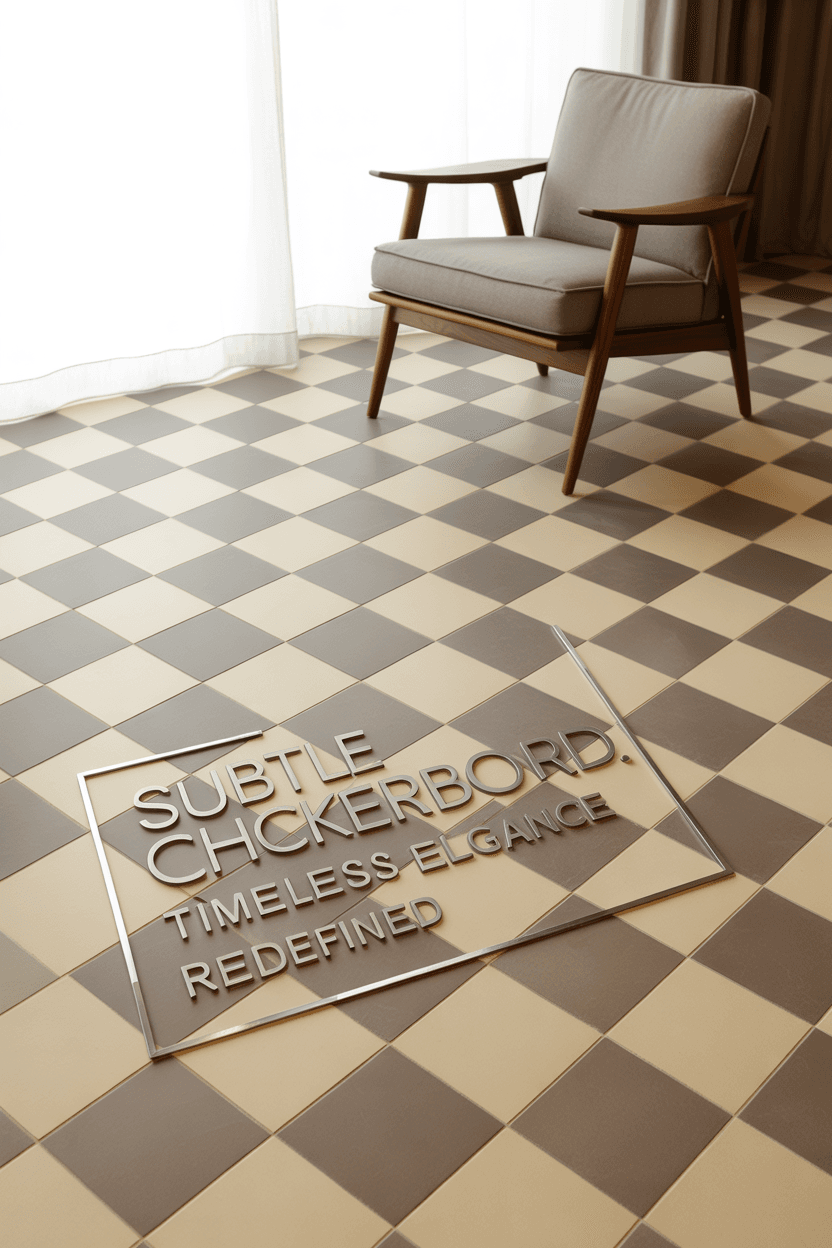
The classic checkerboard pattern is making a major comeback, but this isn’t your grandmother’s kitchen floor. This modern version is a refined, contemporary, and incredibly chic twist on the original.
Forget the high-contrast, graphic black and white of the past. Today’s sophisticated checkerboard is all about muted, tonal, and unexpected color pairings.
Consider elegant combinations like cream and taupe for a soft, Nancy Meyers-inspired look. A palette of light gray and rich charcoal offers a moody, modern edge, while olive green and beige can feel both earthy and upscale.
This pattern provides understated elegance that feels both timeless and completely current. It’s a perfect way to add a bespoke, design-forward element to your living room floor.
Floors as Art: The Rise of Statement-Making Mosaic Tiles
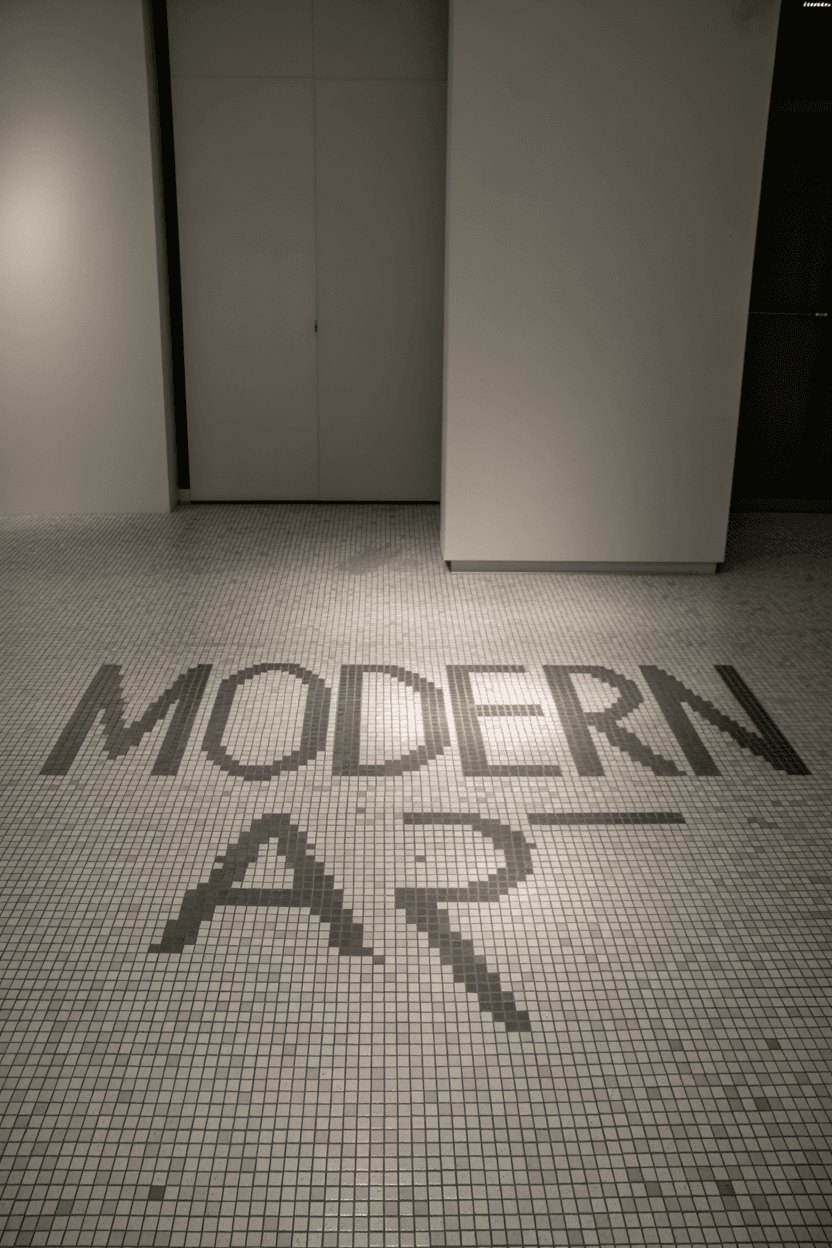
For too long, mosaic tiles have been relegated to small-scale accents in showers and backsplashes. Now, they are stepping out of the supporting role and becoming the main event on living room floors.
Bold, artistic mosaics are being used to create stunning, art-like floor centerpieces. Imagine a “tile rug” under a seating area or an intricate pattern in an entryway that flows into the living space.
The options range from tactile, three-dimensional layouts that play with depth to bold geometric patterns that infuse the room with energy and personality.
Using mosaics allows you to treat your floor as a canvas. It’s a powerful way to command attention, express your unique individuality, and create a truly one-of-a-kind interior.
Conscious Luxury: The Growing Trend of Sustainable Flooring
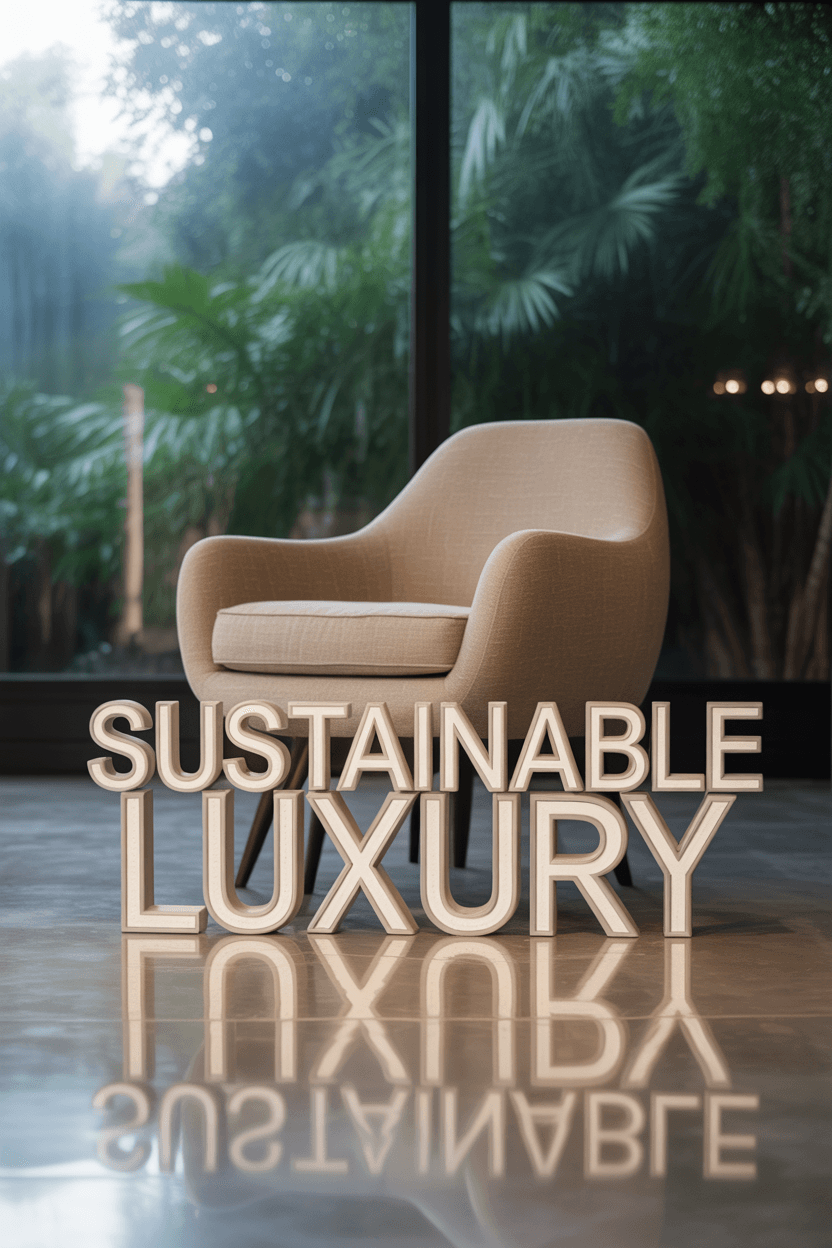
Modern luxury is increasingly defined not just by how something looks, but also by how it’s made. A growing and important trend in contemporary design is the focus on eco-conscious and sustainable materials.
When selecting your tile, you can make a choice that is both beautiful and responsible. Actively ask your supplier and installer about these forward-thinking options.
Look for tiles with high recycled content, which reduces waste and conserves natural resources. You can also seek out manufacturers with certified carbon-neutral production processes.
Choosing sustainable flooring is a sophisticated, forward-thinking way to design your home. It ensures your beautiful living room is also a space that is kind to the planet.