Large Subway Tiles: The Secret to a Stunning Kitchen Makeover

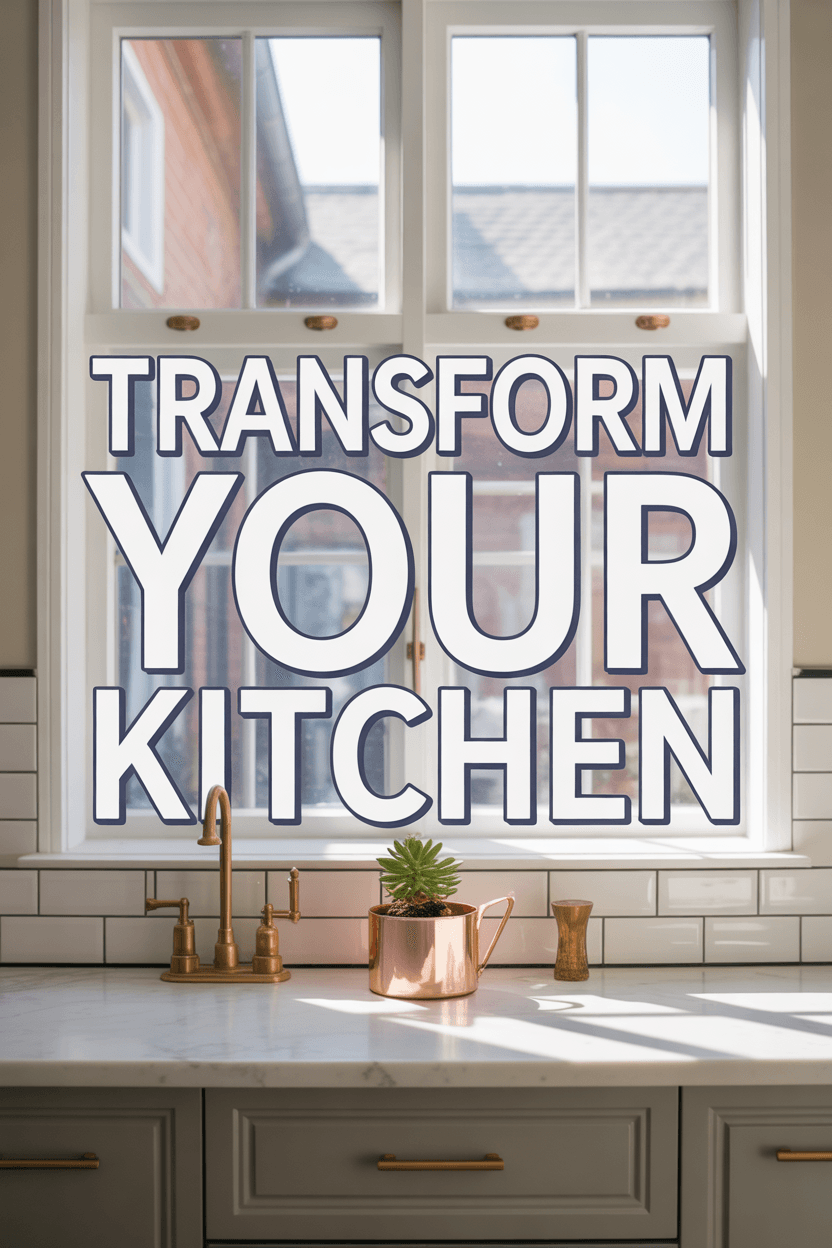
What Are Large Subway Tiles?


Large subway tiles bring iconic rectangular style to your kitchen while offering fewer grout lines and a more spacious feel. This comprehensive guide explores how these oversized versions of classic subway tiles can transform your kitchen with timeless appeal and practical benefits.
Remember those classic 3×6 inch tiles from New York’s subway system? Their bigger siblings are what we’re excited about! Large subway tiles keep that iconic rectangular shape but size up dramatically – giving you all the timeless appeal with fewer grout lines to scrub.
Your future self will thank you during cleaning day!
Why Large Subway Tiles Transform Kitchen Spaces


Large subway tiles offer several advantages that make them a smart choice for modern kitchens:
- Visual space enhancement – Small kitchen? No problem! These tiles create the illusion of a larger space, similar to how vertical stripes make a room appear taller.
- Minimal grout maintenance – Fewer grout lines means less time spent cleaning and maintaining those hard-to-reach spaces.
- Design versatility – They provide a neutral backdrop that allows other kitchen elements to stand out while complementing any style.
- Cost-effective installation – Covering the same area with fewer tiles often results in faster installation and potentially lower labor costs.
- Enduring style – While trends come and go, the rectangular subway profile has remained fashionable for over a century.
Material Matters: Choosing the Right Substrate


The material you select impacts both appearance and performance. Consider these popular options:
- Ceramic – Affordable and available in countless colors and finishes, ceramic offers good durability for most kitchen applications.
- Porcelain – More dense and water-resistant than ceramic, porcelain withstands heavy use and is ideal for high-moisture areas.
- Glass – Reflective and light-enhancing, glass tiles create a luminous effect that brightens kitchen spaces.
- Natural stone – Materials like marble or limestone provide unique patterns and organic character that can’t be replicated.
For the best balance of durability and value, porcelain and ceramic typically offer the most practical solutions for busy kitchens. These materials resist stains and handle temperature changes well while remaining budget-friendly.
Consider how your chosen material will perform with cooking splatters, cleaning products, and daily wear before making your final decision.
Installation Patterns That Elevate Large Subway Tiles

The way you arrange your tiles can dramatically change your kitchen’s appearance. Popular layout options include:
- Classic horizontal – The traditional subway arrangement that creates a timeless, clean look.
- Vertical stacking – Turning tiles on end to create height and draw the eye upward.
- Herringbone – An elegant V-shaped pattern that adds movement and visual interest.
- Basketweave – Alternating orientations for a textured, woven appearance.
The horizontal pattern remains most popular for its simplicity and proven appeal. It allows the large format to shine while maintaining that quintessential subway tile character.
For smaller kitchens, simpler patterns often work best to avoid visual clutter. More spacious kitchens can handle more complex arrangements without overwhelming the eye.
Color Strategies for Maximum Impact

Large subway tiles come in virtually every color imaginable, but certain choices create specific effects:
- Crisp whites – Brighten spaces and create a clean, timeless foundation.
- Soft neutrals – Warm grays, beiges, and creams offer subtle sophistication.
- Bold jewel tones – Deep blues, greens, or blacks make dramatic statements.
- Subtle pastels – Soft blues, greens, or pinks add personality without overwhelming.
Consider the lighting in your kitchen when selecting colors. North-facing kitchens often benefit from warmer tones, while south-facing spaces can handle cooler colors beautifully.
Remember that grout color significantly impacts the final look. White grout with white tiles creates a seamless appearance, while contrasting grout emphasizes the tile shape and pattern.
Finishing Touches: Edges and Transitions

Proper edge treatment elevates your large subway tile installation from good to exceptional. Consider these finishing options:
- Bullnose tiles – Rounded-edge pieces that create a finished look at visible ends.
- Metal trim – Sleek aluminum or stainless steel profiles that protect edges while adding modern flair.
- Pencil liners – Thin decorative tiles that cap edges with a refined touch.
- Quarter rounds – Curved pieces that soften transitions between surfaces.
Pay special attention to corners, windows, and where backsplashes meet countertops. These transition areas benefit from thoughtful edge solutions that provide visual completion.
Many tile manufacturers offer matching trim pieces specifically designed to complement their large subway tile collections, ensuring a cohesive look.
Maintenance Tips for Long-Lasting Beauty

One of the greatest advantages of large subway tiles is their easier maintenance compared to smaller formats. To keep them looking their best:
- Seal grout lines – Apply a quality grout sealer after installation and reapply annually.
- Use appropriate cleaners – Choose non-abrasive, pH-balanced products suitable for your specific tile material.
- Address spills promptly – Especially important with natural stone or unglazed tiles that may be porous.
- Avoid harsh scrubbers – Soft cloths and microfiber tools prevent scratching glossy surfaces.
The reduced number of grout lines makes daily cleaning significantly easier. A simple wipe-down with a damp cloth handles most everyday messes.
For deeper cleaning, a solution of warm water and mild dish soap works well for most tile types without damaging surfaces or grout.
Budget Considerations and Value Assessment

Large subway tiles offer excellent value despite sometimes costing more per tile than traditional sizes. Consider these financial factors:
- Material costs – Prices range from $2-$30 per square foot depending on material quality and type.
- Labor savings – Fewer tiles mean faster installation, potentially reducing professional installation costs.
- Longevity value – Classic styles like subway tiles maintain relevance longer than trendy options.
- Resale appeal – Neutral, high-quality tile work consistently ranks high among homebuyers’ preferences.
For budget-conscious renovations, large ceramic subway tiles in white or neutral tones offer maximum impact at minimum cost. These versatile options typically start around $2-4 per square foot.
If your budget allows, investing in higher-quality materials like handmade ceramics or natural stone can create a truly distinctive look that stands apart from mass-produced options.
Designer Tips for Stunning Results

Professional designers frequently recommend these strategies when working with large subway tiles:
- Create a focal wall – Use large subway tiles on one wall to create visual interest without overwhelming the space.
- Mix finishes – Combine glossy and matte tiles in the same color for subtle dimension.
- Consider scale – Ensure your tile size complements your kitchen dimensions rather than fighting against them.
- Sample in your space – View tile samples in your actual kitchen to see how lighting affects color and appearance.
Many designers recommend taking your large subway tile installation all the way to the ceiling, especially behind ranges or sink areas. This creates a seamless, expansive look that maximizes visual impact.
For truly custom results, consider combining large subway tiles with complementary accent tiles in strategic locations, such as inside a cooking niche or as a decorative band.
Making Your Final Selection

With so many options available, narrowing down your large subway tile choice can feel overwhelming. Focus on these key decision factors:
- Daily lifestyle – How much cooking and cleaning happens in your kitchen?
- Design longevity – Are you planning to stay in your home long-term or preparing to sell?
- Surrounding elements – What countertops, cabinetry, and flooring will interact with your tiles?
- Personal preference – Which options genuinely make you happy when you see them?
Order samples of your top contenders and live with them in your kitchen for a few days. Observe how they look in different lighting conditions throughout the day.
Remember that while trends come and go, large subway tiles have demonstrated remarkable staying power in kitchen design. Their clean lines and versatile appeal make them a choice you’re unlikely to regret.
Finding Your Perfect Size: Popular Large Subway Tile Dimensions

Selecting the right size for your kitchen depends on your space dimensions and design preferences. The most popular options include:
- 4×8 inches – A modest step up from traditional subway tiles, offering a familiar look with slightly fewer grout lines.
- 4×12 inches – These elongated tiles create a sleek, contemporary aesthetic perfect for modern kitchens.
- 6×12 inches – A versatile middle-ground option that works well in most kitchen sizes.
- 8×16 inches – Statement-making large format tiles that dramatically reduce grout lines and create a bold look.
- 4×16 inches – Extra-long tiles that emphasize horizontal lines and make kitchens appear wider.
Consider your kitchen’s proportions when choosing tile size. Larger kitchens can accommodate bigger tiles without overwhelming the space, while medium-sized tiles often work best in average kitchens.