
Stir the Color: 12 Kitchen Paint Ideas That Will Refresh Your Space

Start Here: The Secret to a Flawless Paint Finish
Before a single drop of color graces your walls, the secret to a professional, lasting finish lies in the preparation. Think of primer as the essential foundation for your design; it’s the non-negotiable first step for a truly impeccable outcome.
A quality primer ensures your new paint adheres perfectly, creating a durable bond that resists chipping and wear. It also acts as a barrier, blocking old stains or dark colors from bleeding through and compromising your new, beautiful shade.
When making a dramatic color change, such as from a dark charcoal to a light cream, a tinted primer is invaluable. It helps your final color achieve its true hue in fewer coats, saving you time, money, and effort.
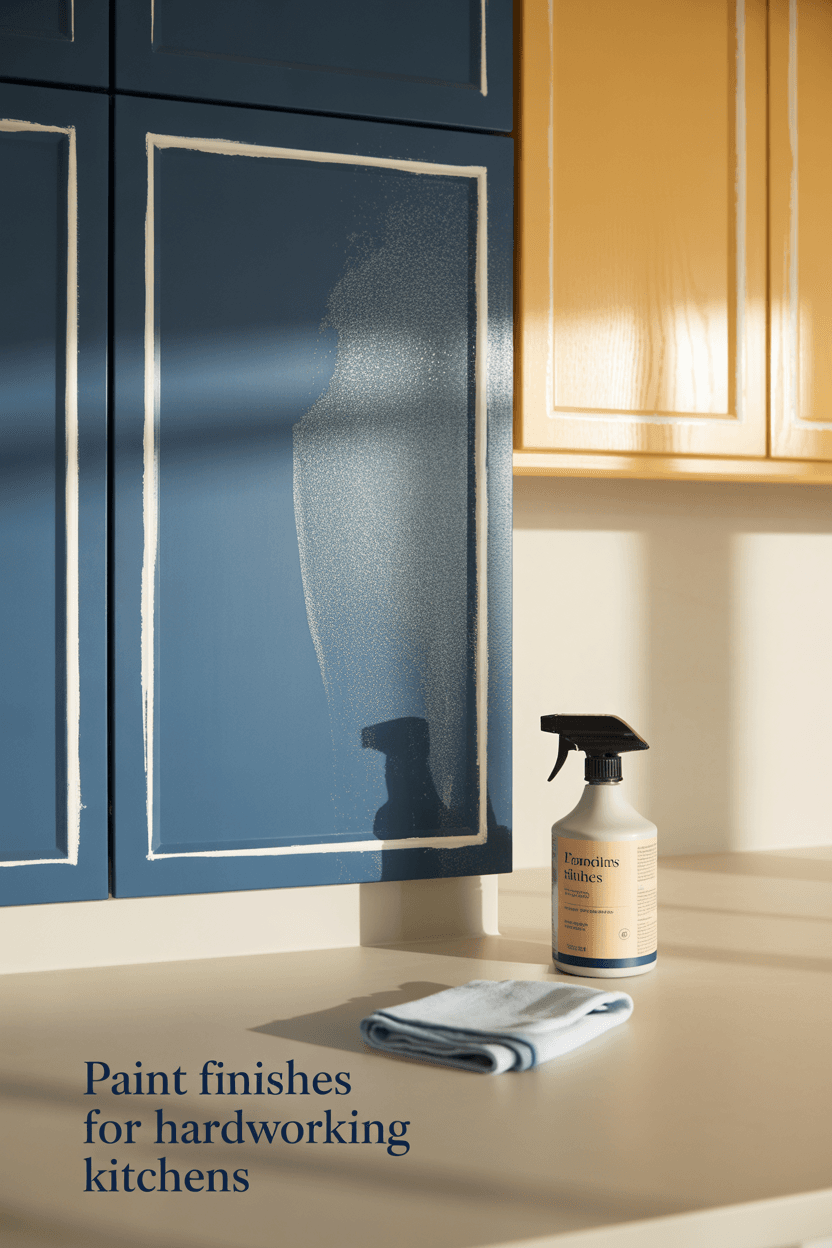
Once primed, the choice of finish is paramount for both beauty and resilience. In a kitchen, splatters, steam, and constant cleaning are a given, so durability is key. As experts at House Beautiful note, a higher sheen almost always means higher durability.
A matte finish, while excellent at hiding imperfections, is difficult to clean and should be avoided on kitchen walls. Reserve its velvety, zero-shine look for low-traffic ceilings.
Eggshell and satin are the undisputed heroes for kitchen walls. Their subtle luster provides a soft glow that is remarkably easy to wipe clean, striking the perfect balance between practicality and a sophisticated, inviting look.
For the hardest-working surfaces, semi-gloss is the champion. Its bright, reflective surface is incredibly tough, making it the ideal choice for trim, doors, and especially kitchen cabinets that endure daily use.
How Can Color Change the Mood of My Kitchen?
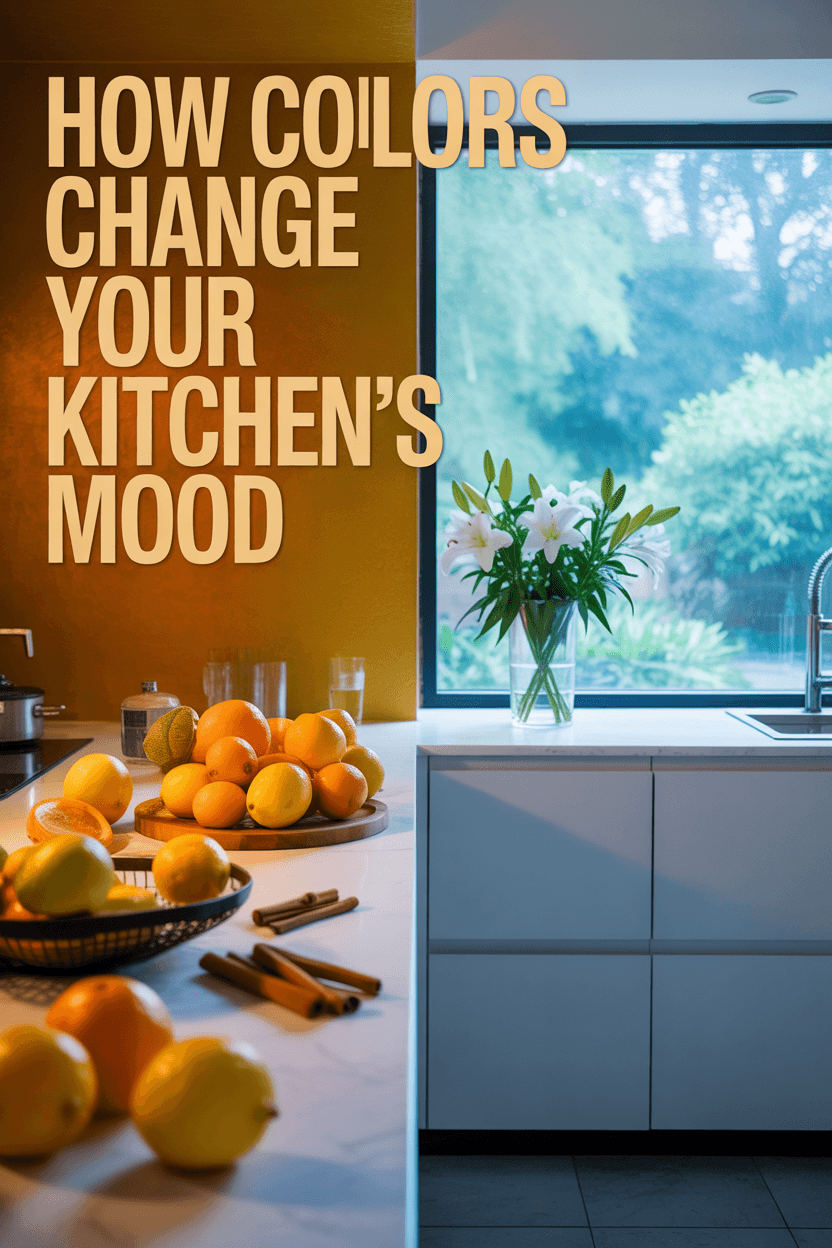
Color is a silent narrator, powerfully shaping the mood and even the appetite within your kitchen. When selecting your palette, consider the atmosphere you wish to curate in the heart of your home.
Warm colors like rich reds, vibrant oranges, and sunny yellows are known to be energizing. They stimulate conversation and appetite, infusing the space with a lively, welcoming energy perfect for family gatherings.
Conversely, cool tones such as serene blues, calming greens, and sophisticated greys create a more tranquil environment. These colors can lend a sense of peace and spaciousness to a bustling kitchen, promoting a more relaxed culinary experience.
Grey, a perennial favorite in modern design, offers a chic neutral backdrop. However, it can feel cold or unwelcoming if not properly balanced.
To master the use of grey, introduce warmth through other elements. Pair cool grey walls with rich wood accents, brass hardware, or warm-toned lighting to create a space that feels both sophisticated and inviting.
How Can White Make My Kitchen Feel Bigger?
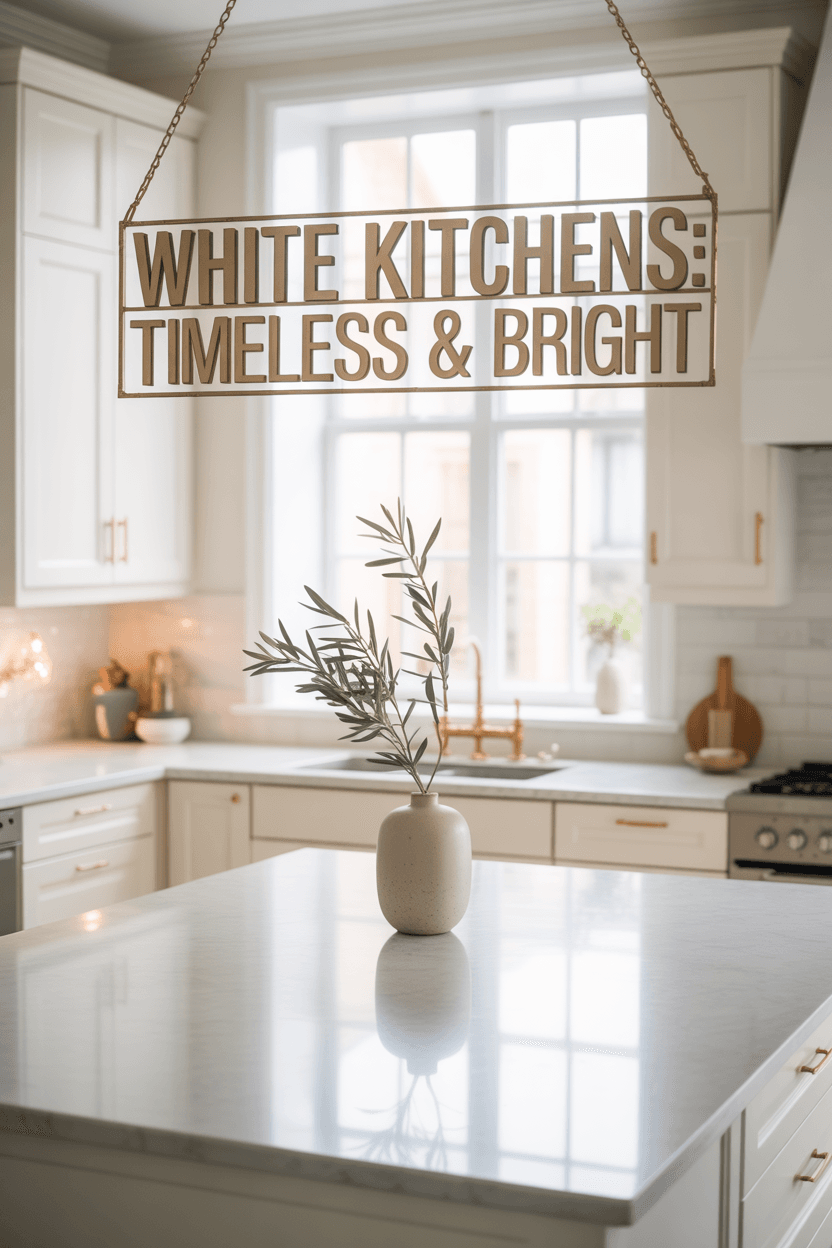
There is no better designer tool for creating a sense of space and light than a classic white wall. This technique is especially effective in smaller or galley-style kitchens, where every inch of visual real estate counts.
A pure, bright white instantly makes a room feel larger, cleaner, and more open. It reflects natural and artificial light, amplifying the brightness of the entire space for an airy, uplifting feel.
To avoid a look that feels clinical or sterile, move beyond basic white. Explore the nuanced world of warm off-whites, creamy ivories, or soft dove greys for a touch of sophistication.
These gentle shades provide the space-enhancing benefits of pure white while adding a layer of warmth and character. They create the perfect canvas for a range of coveted styles, from Nancy Meyers-inspired coastal charm to sleek, minimalist modernism.
Design authorities like House Beautiful and Country Living consistently celebrate white for its clean, timeless, and versatile appeal.
How Can I Use Warm Neutrals for a Cozy, Modern Look?
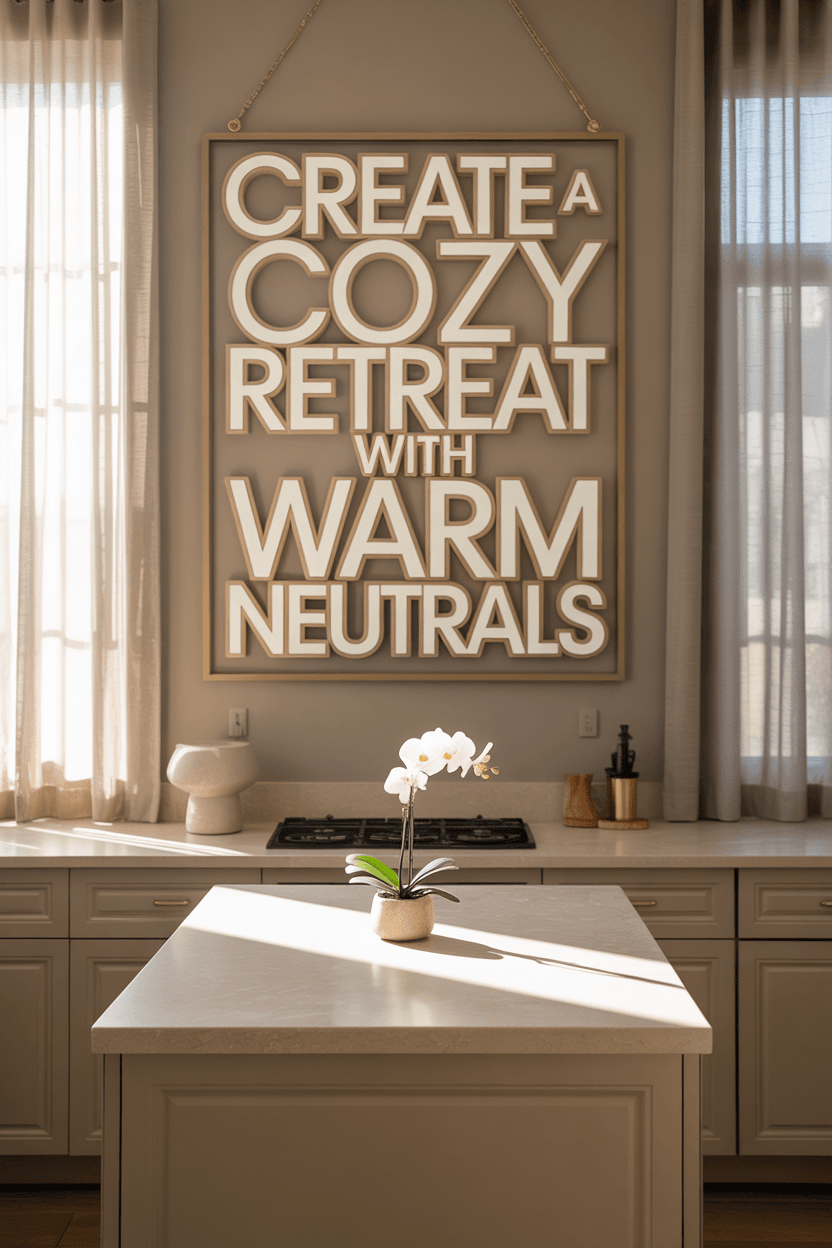
Move beyond the beige of decades past and embrace the nuanced world of today’s warm neutrals. These sophisticated shades create a relaxed yet thoroughly modern backdrop for your kitchen.
Colors like taupe, greige—a perfect blend of grey and beige—and soft, earthy mushroom tones offer incredible versatility. They provide a quiet, elegant foundation that allows other design elements to shine.
These calming hues are the perfect partner for statement light fixtures, rich textures like marble or wood, and bold pieces of art. Their subtlety creates a high-end, curated feel.
These nature-inspired colors are not just a fleeting trend. As kitchen color forecasts show, these cozy tones are a mainstay in interior design, offering a welcoming atmosphere that feels both current and enduring.
How Do I Add Drama with an Accent Wall?
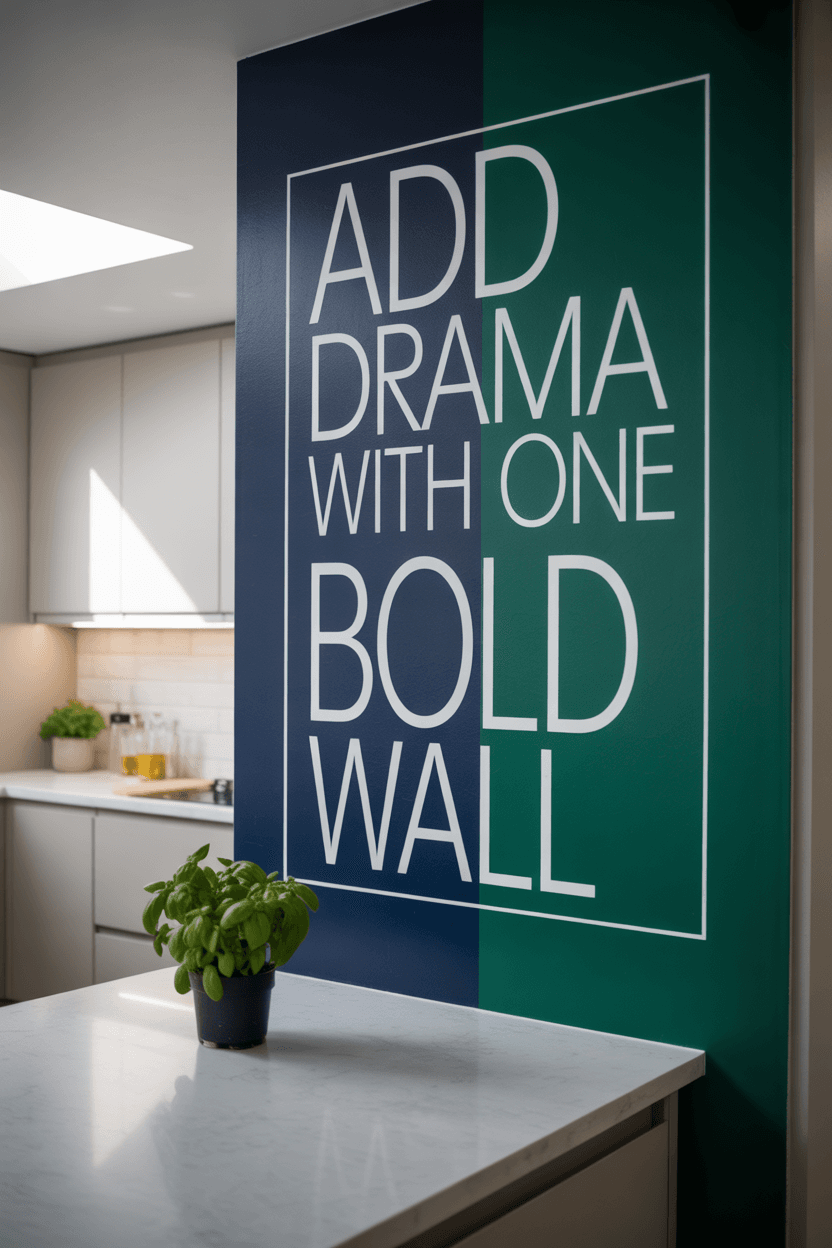
If you crave a bold dose of color but hesitate to commit to painting the entire room, an accent wall is your design solution. This technique allows you to inject personality and drama with focused, high-impact style.
Choose a single, strategic wall to serve as your canvas. The wall behind your range, a breakfast nook, or the main wall without cabinetry are all excellent candidates.
Drench this wall in a dramatic hue that captivates the eye. A deep navy blue can feel classic and grounding, while a rich charcoal grey adds moody sophistication. A moody forest green evokes a sense of nature and calm.
The key to a successful accent wall is balance. Keep the surrounding walls, cabinetry, and countertops in a complementary neutral shade to allow the accent color to be the undisputed star of the show.
This powerful design move is celebrated by publications like Country Living for its ability to create a significant impact with minimal commitment.
What Is a Two-Tone Kitchen and How Do I Get the Look?

Take your kitchen from standard to stunning with a two-tone cabinet strategy. This popular design choice adds depth, interest, and a custom-designed feel to any kitchen.
A classic approach is to paint the lower cabinets a darker, grounding color while keeping the upper cabinets light and airy. This tricks the eye, making the ceiling feel higher and the room feel more open.
Consider a deep navy or forest green for the base cabinets paired with a crisp white or soft cream on top for a timeless look. This combination works beautifully in modern farmhouse and transitional kitchens alike.
Another powerful technique is to make the kitchen island the focal point. Paint all perimeter cabinets a single neutral color, then drench the island in a bold, contrasting hue for a dramatic and stylish anchor to the room.
This allows you to play with a more daring color without it overwhelming the entire space. It’s a sophisticated way to add personality and create a visually dynamic heart of the home.
How Can I Add Glamour with Metallic Finishes?
For a dose of understated luxury that feels both modern and timeless, consider incorporating metallic finishes into your kitchen paint scheme. These finishes act as jewelry for your room, adding a hint of shimmer that catches the light beautifully.
Rather than painting an entire wall, the key to a sophisticated metallic look is restraint. A little goes a long way in creating an elevated feel.
Consider a coat of brushed gold, warm bronze, or sleek pewter paint on cabinet hardware or light fixtures. This subtle application adds warmth and dimension.
For a more creative approach, use metallic paint for a subtle stenciled pattern on a backsplash area or an accent wall. As noted by House Beautiful, these thoughtful details are what separate a nice kitchen from a truly stunning one.
Beyond the Brush: Creative and Textural Wall Techniques
For a truly bespoke kitchen, look beyond a simple flat color and introduce texture or artistic flair. These advanced techniques can create a unique focal point that reflects your personal style.
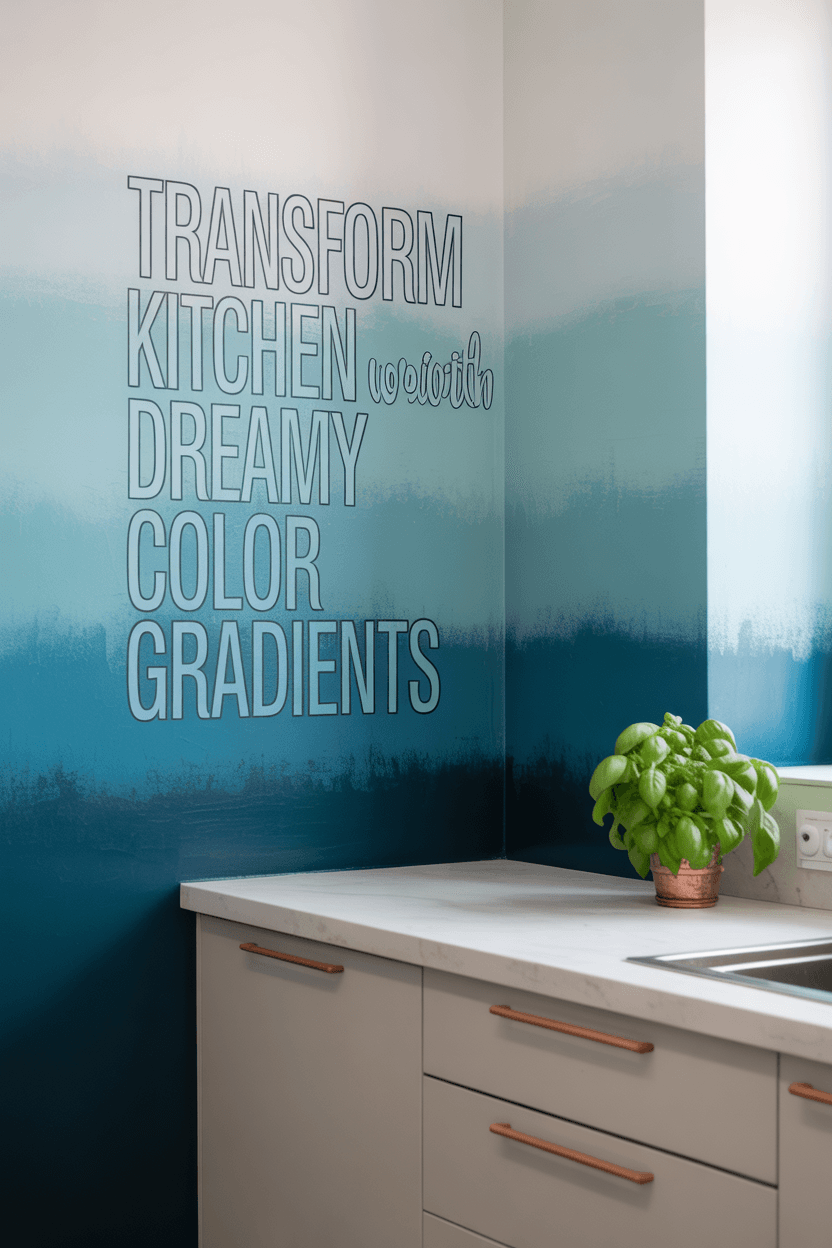
Create a dreamy, sunrise-like effect with an ombre or gradient wall. This technique involves blending several shades of the same color family from light to dark. For excellent visual guides, explore tutorials from experts like Elle Decor.
For a rustic, Mediterranean, or modern industrial feel, add subtle texture to an accent wall. Specialty textured paints can be purchased premixed, or you can create your own by adding sand aggregates to regular paint.
As with a bold color, texture is best used sparingly. As detailed on Houzz, limiting texture to a single feature wall adds character without overwhelming the space, maintaining a sophisticated atmosphere.
How Do I Coordinate Paint with My Countertops and Tile?
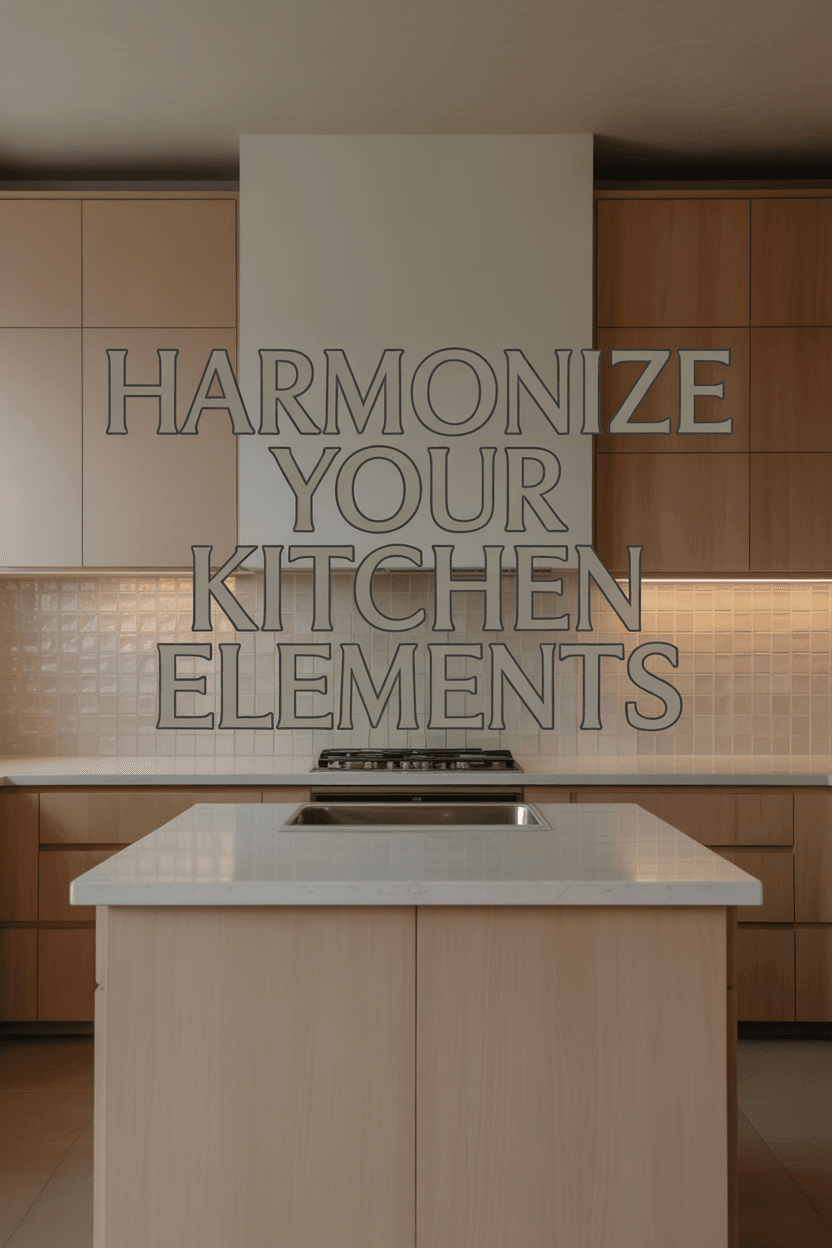
Exceptional kitchen design is a symphony of materials working in harmony. Your wall color should support, not compete with, the other beautiful finishes in your space, such as countertops, tiling, and flooring.
Take cues from your existing elements. If you have a stunning, intricately patterned backsplash tile, choose a paint color that either pulls one of the subtle hues from the tile or provides a quiet, neutral backdrop that lets the tile be the hero.
The same principle applies to countertops and cabinetry. A muted wall color will allow a beautiful marble veining or the rich grain of a stained-wood island to take center stage, becoming the focal point it was meant to be.
Conversely, if your finishes are simple and understated, the walls provide an opportunity for color. A bold paint choice can bring life and personality to a kitchen with plain white tiles and simple quartz counters, a strategy often highlighted by design experts.
The Practicalities of Kitchen Paint: Durability and Maintenance
A beautiful kitchen must also be a functional one. Choosing the right paint is crucial for handling the daily demands of cooking, from steam and humidity to inevitable splatters and scuffs.
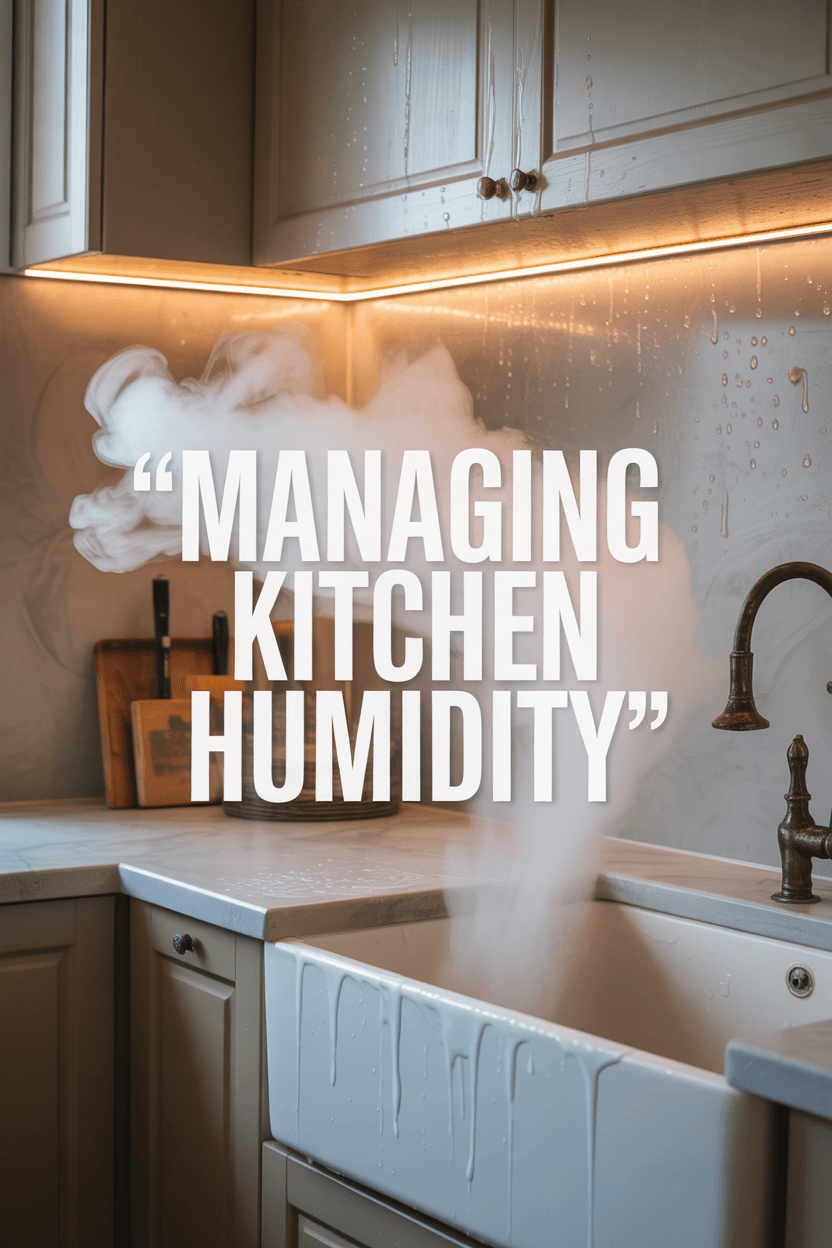
Kitchens are high-humidity zones, especially above the stove and around the sink. To prevent moisture damage, start with a high-quality mold-and-mildew-resistant primer. Then, top it with a durable, water-resistant paint like satin or semi-gloss.
For an extra layer of protection against moisture, experts at Houzz recommend sealing corners and seams along the countertop with clear silicone to block water from seeping in and causing damage.
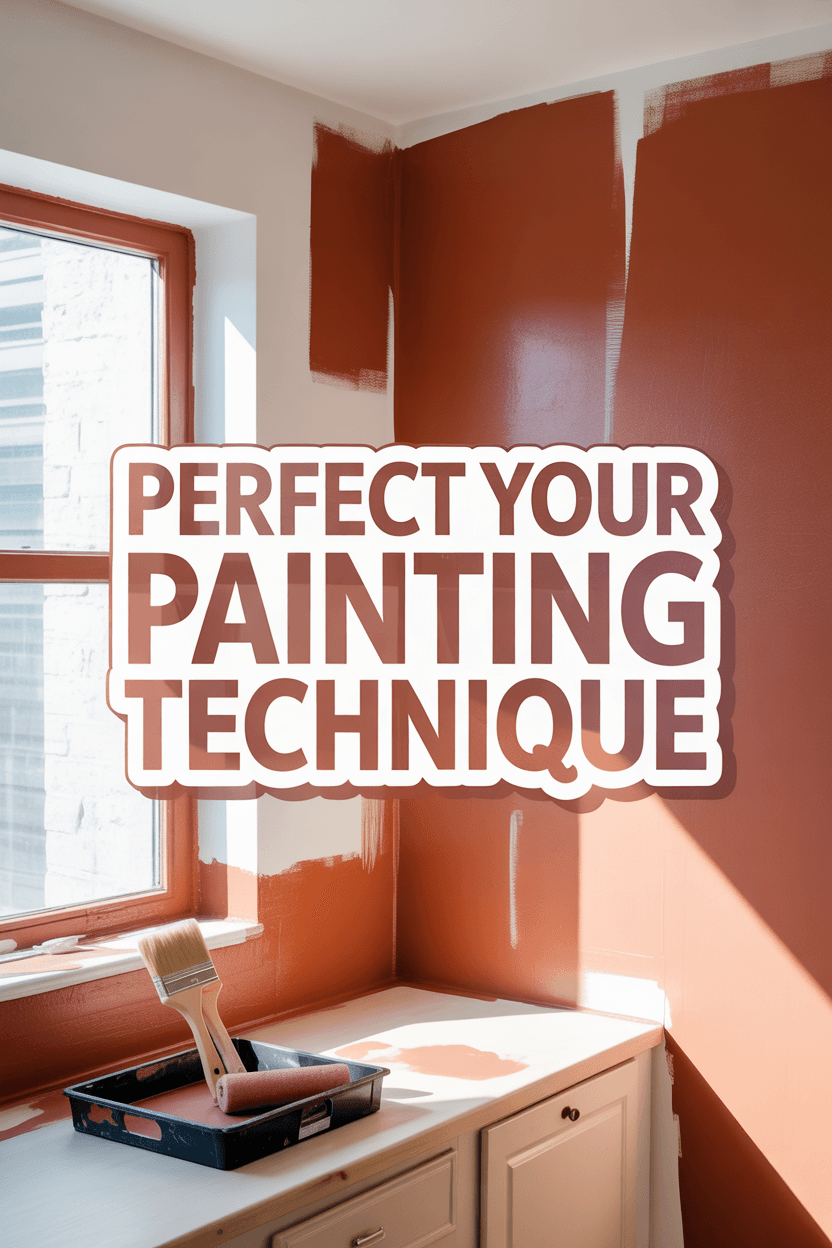
Keep your walls looking pristine with simple maintenance. For minor scuffs, gently clean the spot with a microfiber cloth and mild soap. For small chips, lightly sand the area, apply a touch of primer, and feather on your topcoat.
As recommended by Better Homes & Gardens, always keep a small, sealed container of leftover paint for quick and perfectly matched touch-ups. This simple habit will extend the life and beauty of your paint job for years.
Health and Home: The Rise of Eco-Friendly Paints
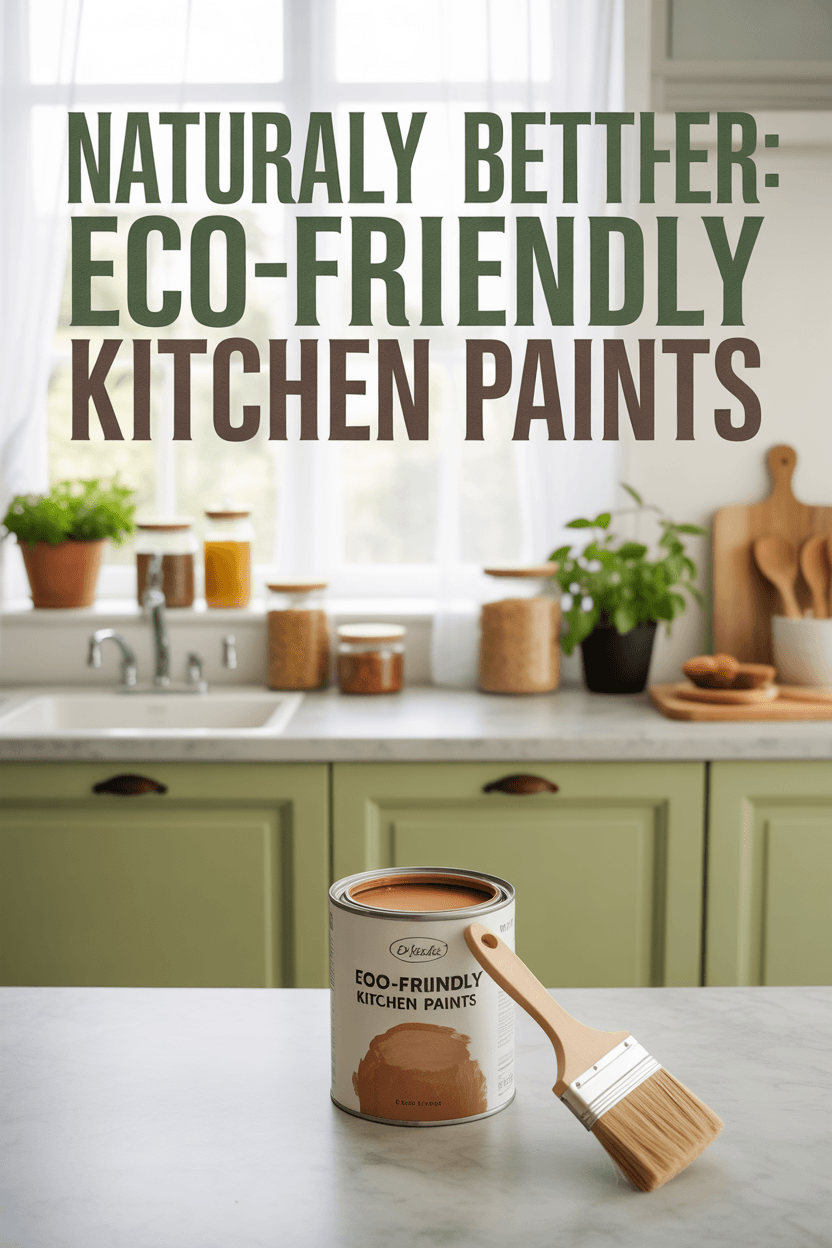
Create a healthier environment for you and your family by choosing eco-friendly paints for your kitchen. Modern paint technology offers options that are better for your indoor air quality without sacrificing performance or durability.
Look for paints labeled “low-VOC” or “zero-VOC.” Volatile Organic Compounds (VOCs) are chemicals that are released into the air as paint dries and can contribute to air pollution and health issues, as noted by the EPA.
For added assurance of a healthier product, seek out third-party certifications. Labels like Green Seal or Greenguard Gold verify that a product meets strict standards for low chemical emissions.
Many of these environmentally conscious paints are available in the same wide range of colors and durable finishes as their traditional counterparts. Choosing a low-VOC paint is an easy way to make your kitchen renovation a healthier one.
Test Before You Invest: The Art of Sampling Kitchen Colors
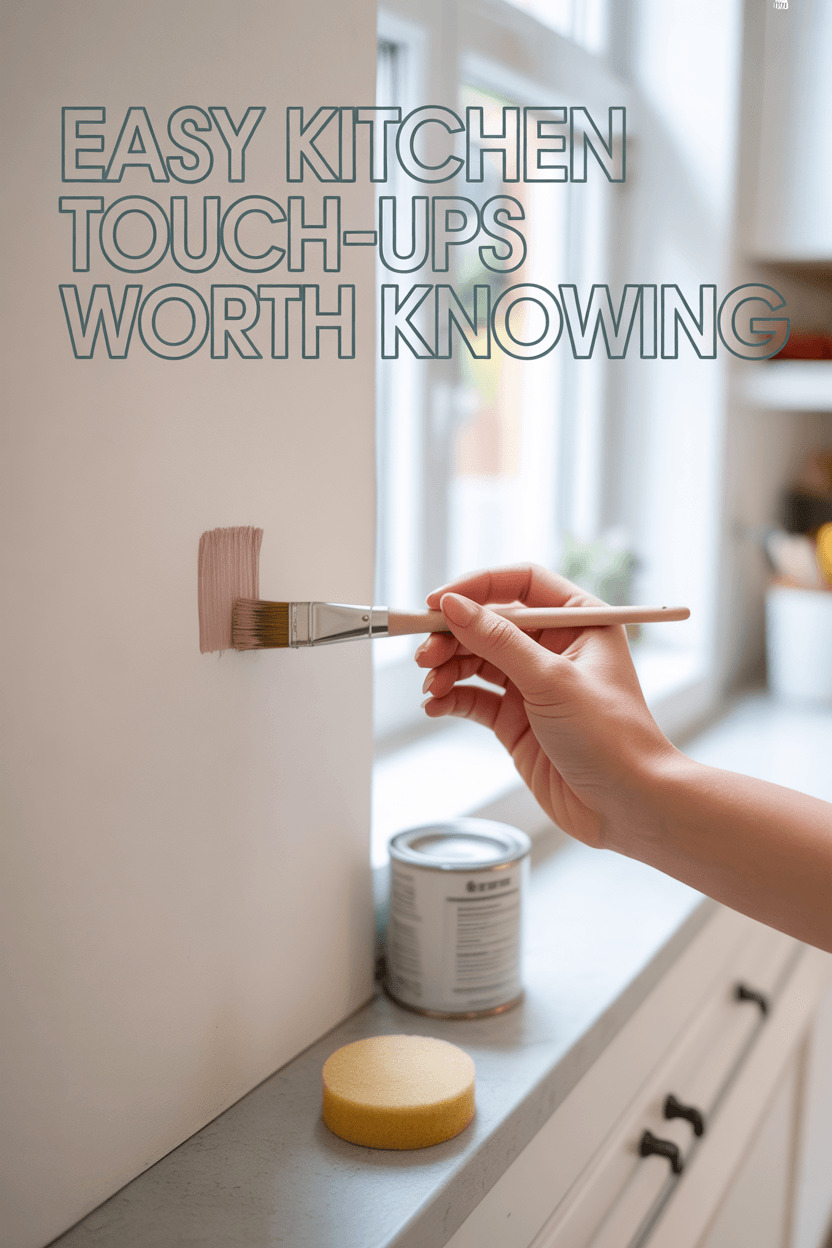
Never commit to a kitchen paint color based on a tiny chip from the hardware store. The single most important step in the entire process is to test your top contenders in your own home, in your own light.
Paint a large sample, at least 12×12 inches, directly on the wall. Alternatively, paint a large poster board that you can move around the room to see how the color interacts with different finishes and lighting conditions.
Observe the color throughout the day. A color can look dramatically different in the bright morning light versus the warm glow of the afternoon or under your artificial evening lighting.
You can even start your journey with digital tools. The Sherwin-Williams ColorSnap Visualizer allows you to upload a photo of your kitchen and preview thousands of colors before you even buy a sample.
Finally, hold your samples up against your cabinet hardware, faucet, and light fixtures. This final check ensures your chosen color harmonizes with every element, turning a simple paint job into a cohesive, thoughtfully designed kitchen.


