15 Stunning Kitchen Floor Tile Ideas That Transform Ordinary Spaces

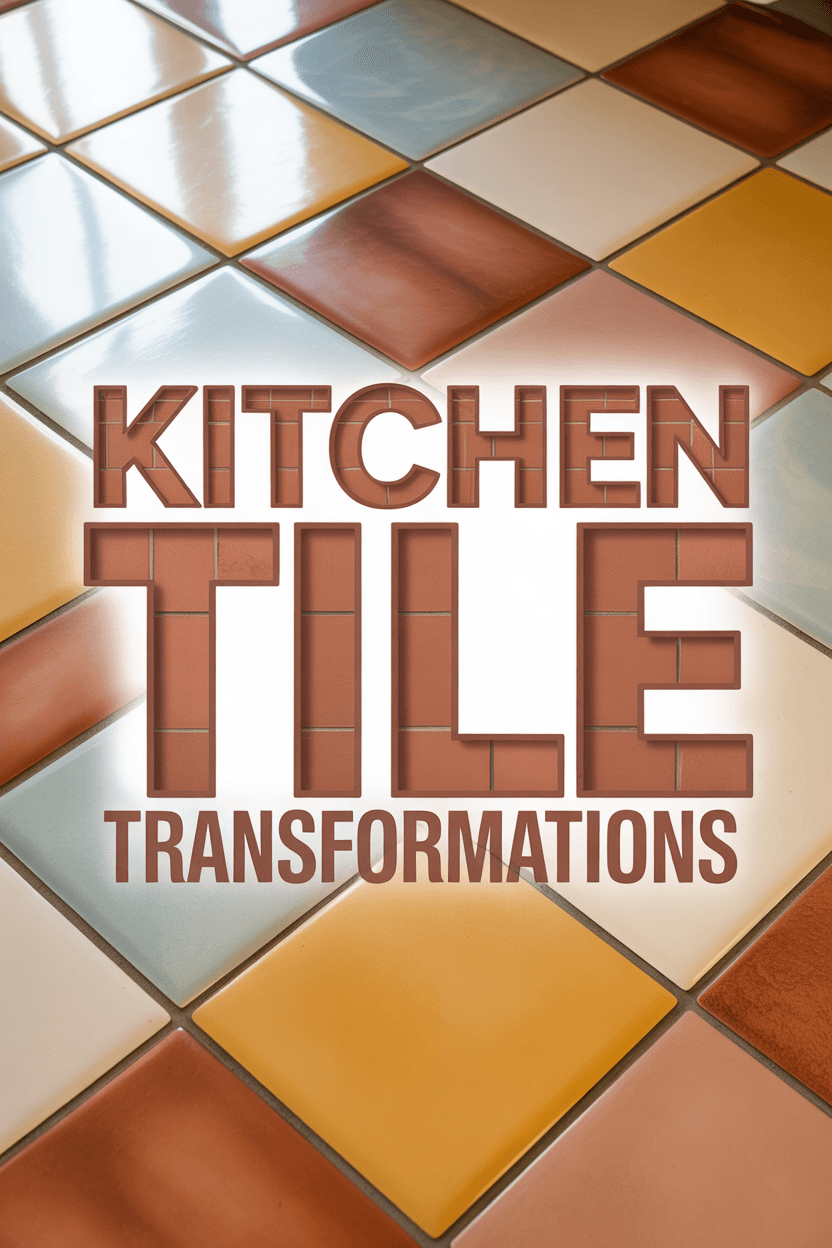
Discover the Latest Kitchen Tile Trends
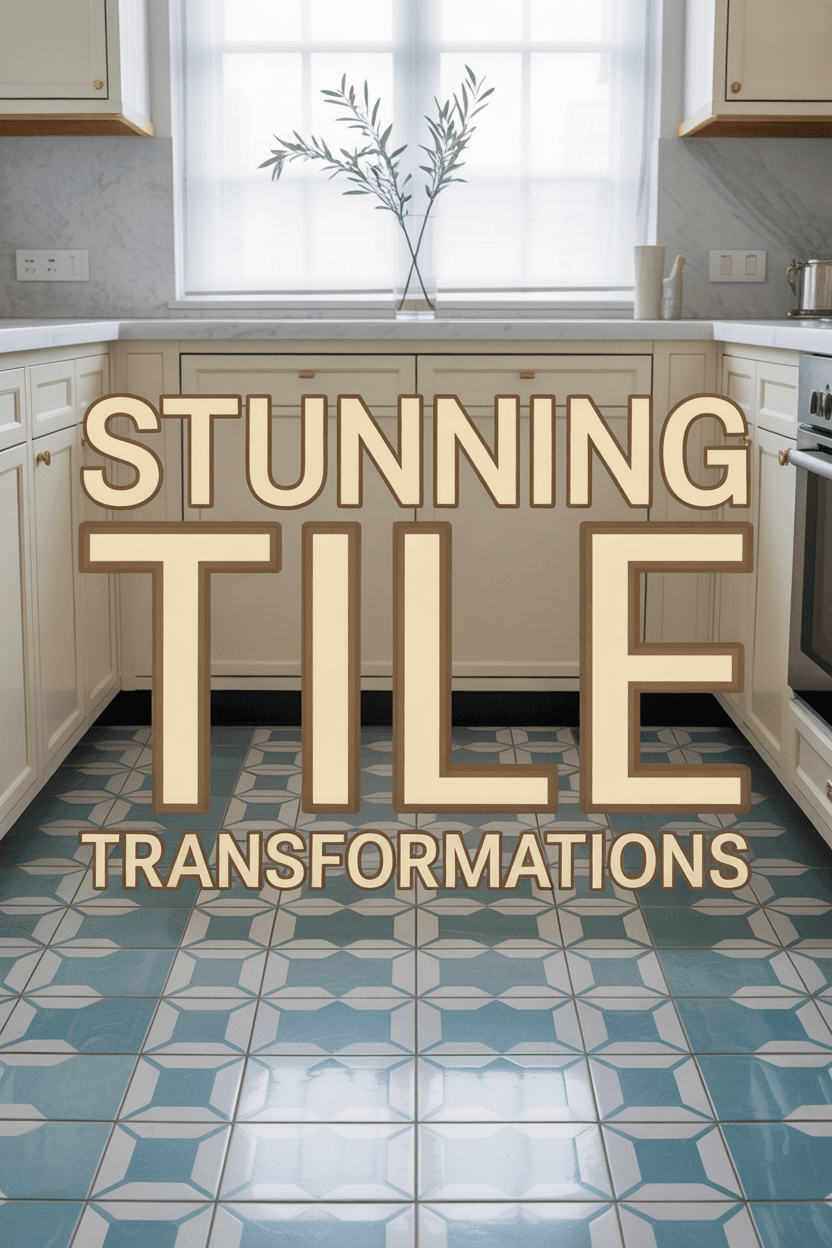
Kitchen flooring trends continue to evolve, with several standout options capturing attention in modern homes. Large-format tiles create a sleek, contemporary aesthetic with minimal grout lines to clean.
Wood-look porcelain offers the warmth and character of hardwood with superior durability and water resistance—perfect for kitchen environments.
Geometric patterns and bold colors are making powerful statements in contemporary kitchens. These eye-catching designs can serve as the focal point of your culinary space.
Vintage-inspired encaustic tiles bring distinctive character and visual interest, connecting modern kitchens with traditional craftsmanship and timeless appeal.
Selecting the Perfect Tile Material for Your Needs
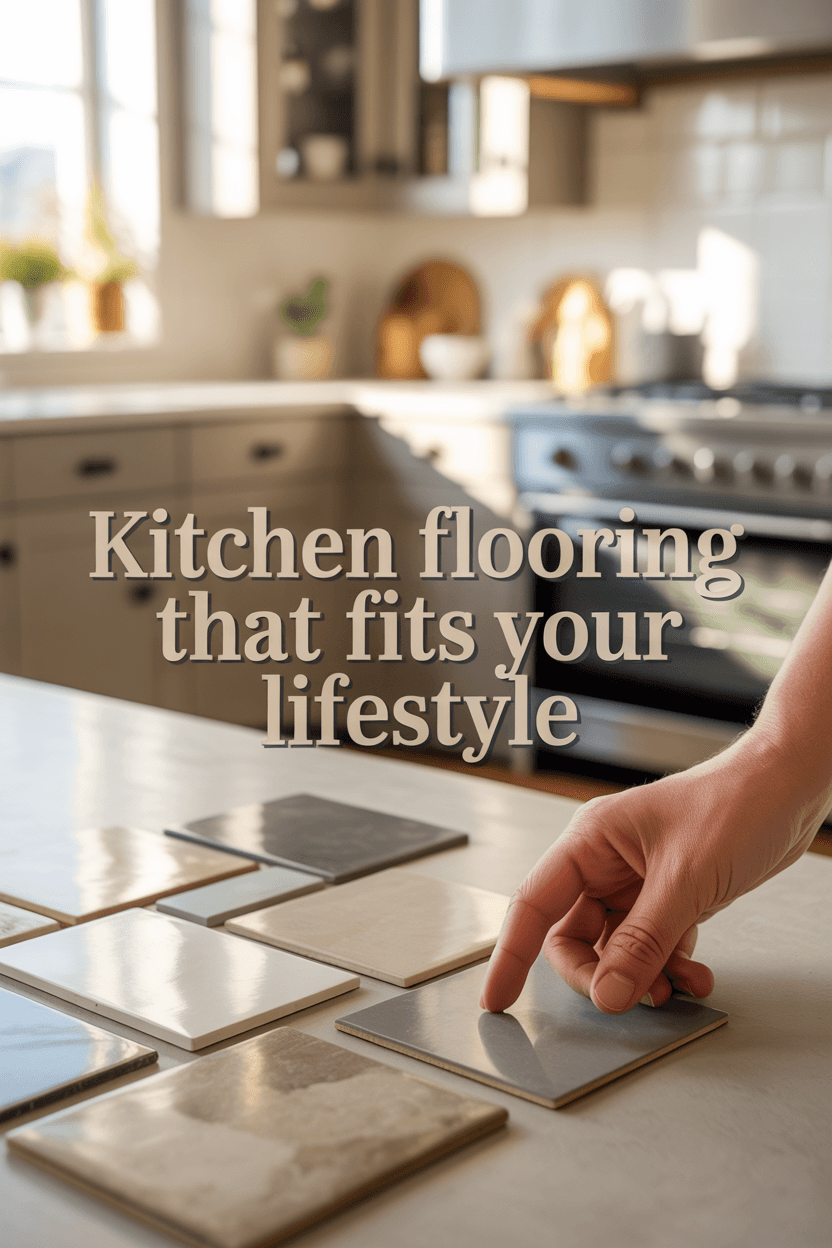
Each tile material offers distinct advantages for kitchen applications:
- Porcelain: Extremely durable, water-resistant, and available in countless styles ($3-$30 per square foot)
- Ceramic: Budget-friendly with good durability, though slightly more porous than porcelain ($2-$15 per square foot)
- Natural stone: Including marble, slate, and travertine, offering unique patterns and textures ($10-$50+ per square foot)
- Luxury vinyl tile: Water-resistant and comfortable underfoot, available in stone and wood looks ($2-$7 per square foot)
Transform Your Space with Creative Design Patterns
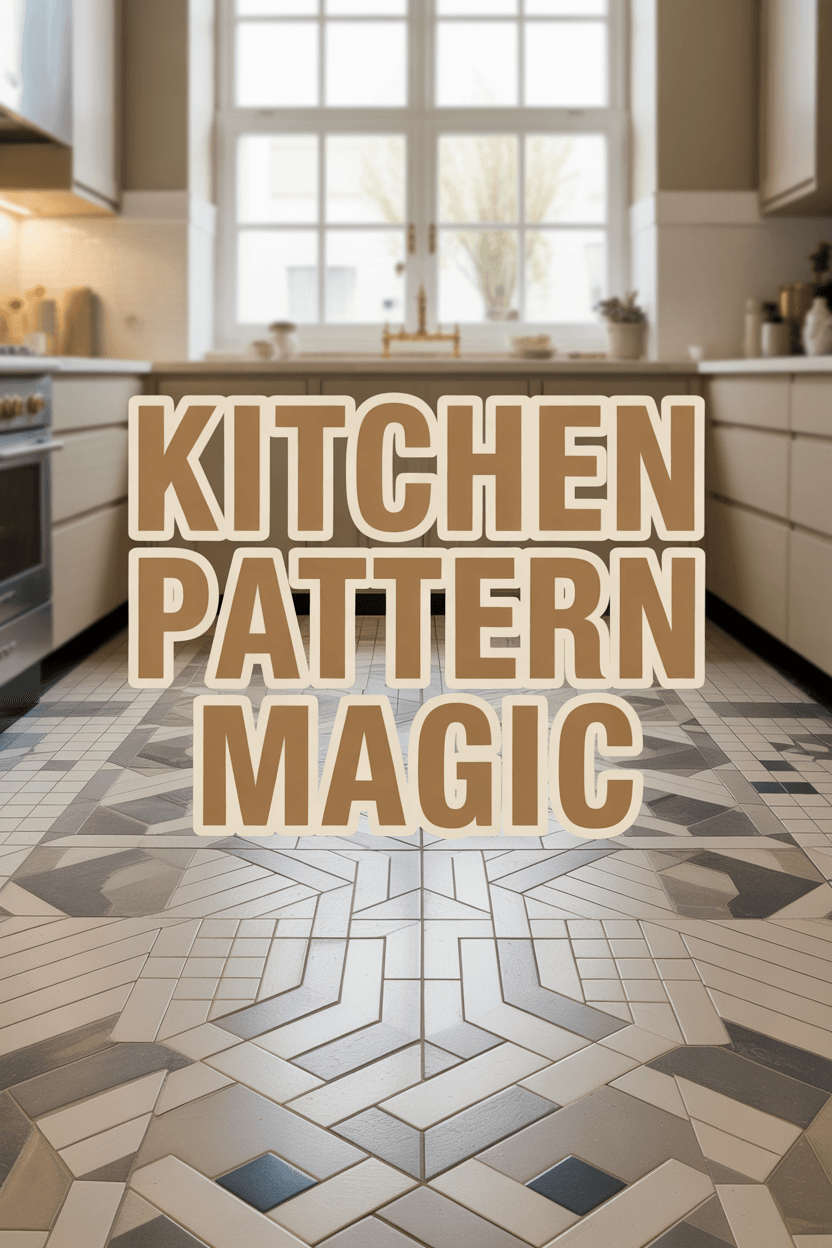
The pattern you choose can dramatically transform your kitchen’s appearance and feel. Each layout creates a distinct visual impact and can complement different design styles.
Grid patterns offer a clean, traditional square layout that works well in any kitchen size. This timeless arrangement provides a neutral foundation for your design.
Herringbone layouts create sophisticated visual movement, adding depth and interest to your floor. This classic pattern brings a touch of elegance to both traditional and modern kitchens.
Chevron arrangements, with their distinctive mitered edges, create bold directional lines that can make spaces appear larger. This dynamic pattern adds architectural interest to your kitchen floor.
Basketweave patterns combine rectangular tiles in a classic interwoven design. This traditional layout offers visual texture without overwhelming the space.
Hexagon tiles deliver contemporary geometric interest that stands out from conventional square layouts. These six-sided tiles create a distinctive honeycomb effect that feels both modern and timeless.
Essential Practical Considerations Beyond Aesthetics
Beyond looks, your kitchen floor must perform well under daily demands:
- Durability: Kitchen floors endure heavy traffic, spills, and dropped items. Porcelain and luxury vinyl offer excellent durability.
- Maintenance: Natural stone requires sealing every 1-3 years, while porcelain and ceramic need minimal maintenance.
- Slip resistance: Look for tiles with texture or matte finishes to prevent slipping on wet surfaces.
- Comfort: Harder materials like stone can be uncomfortable during prolonged standing. Consider adding anti-fatigue mats in cooking areas.
- Installation complexity: Some patterns (herringbone, complex mosaics) require more skill and time to install, increasing labor costs.
Enhancing Comfort and Functionality

Beyond basic tile selection, consider these enhancement options for your kitchen floor. These additions can significantly improve your everyday experience.
Radiant floor heating systems work exceptionally well with tile, providing luxurious warmth underfoot during colder months. This feature transforms cold tile into a cozy surface.
Anti-fracture membranes prevent tiles from cracking due to minor subfloor movement. This small investment can protect your flooring investment for years to come.
Consider installing transition strips where your tile meets different flooring materials. These create smooth, safe transitions while protecting tile edges from chipping.
For rooms with moisture concerns, waterproof membrane systems beneath tiles provide added protection against water damage to your subfloor.
Maintenance Tips for Long-Lasting Beauty
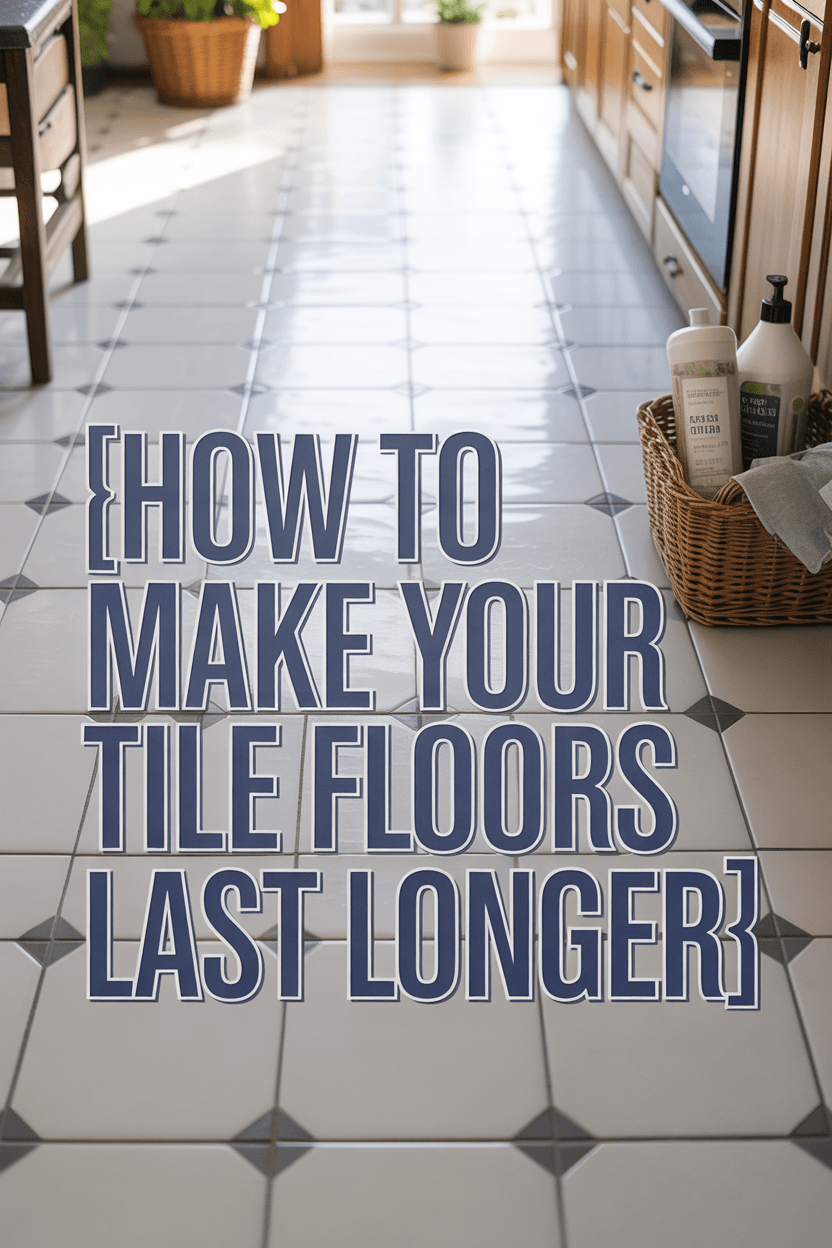
Proper maintenance ensures your kitchen tile floors remain beautiful for years. Establish these simple routines to protect your investment.
Sweep or vacuum regularly to remove abrasive particles that can scratch tile surfaces. Use soft-bristle attachments to prevent damage to grout or tile edges.
Clean spills promptly, especially acidic substances like tomato sauce or vinegar that can etch natural stone surfaces. Quick attention prevents staining and damage.
Use pH-neutral cleaners specifically formulated for your tile type. Harsh chemicals can damage grout seals and tile finishes over time.
Consider applying a high-quality penetrating sealer to both tiles and grout lines. Reapply according to manufacturer recommendations for optimal protection.
Understanding Kitchen Floor Tile Options
Choosing the right kitchen floor tiles can transform your space while providing practical benefits for one of your home’s busiest areas. This guide explores the latest trends, material options, designs, and practical considerations to help you make the best choice for your kitchen renovation or update.
Smart Color Selection Strategies for Kitchen Floors
Your color choices significantly impact both aesthetics and practicality. Consider these guidelines when selecting tile colors for your kitchen floor.
Lighter tile colors create an airy, spacious feeling—especially beneficial in smaller kitchens or spaces with limited natural light. They reflect more light and make the room feel open.
Darker floor tiles effectively hide dirt and food stains, making them practical for busy households. However, they tend to show dust and pet hair more readily, requiring more frequent sweeping.
Grout color deserves careful consideration. White grout on floors quickly shows dirt in high-traffic areas, while darker grout maintains its appearance longer but may fade over time.
Neutral-colored floors provide excellent design flexibility. They allow you to update wall colors, cabinet finishes, and accessories without clashing with your foundation.
Comprehensive Budget Planning Guide
A successful kitchen tile project requires thorough financial planning. Include these key elements in your budget calculations:
- Tile materials: $2-$50+ per square foot depending on material quality and type
- Underlayment: $0.50-$1 per square foot for proper substrate preparation
- Installation: $5-$15 per square foot (higher rates apply for complex patterns or specialty materials)
- Removal of existing flooring: $2-$4 per square foot for demolition and disposal
- Additional materials (grout, spacers, sealants): 10-15% of total tile cost
Always purchase 10-15% extra tile to account for cuts, breaks, and future repairs. This overage ensures pattern continuity and saves you from trying to match discontinued products later.
Sustainable and Eco-Friendly Options
Environmentally conscious homeowners have several excellent tile options. These choices minimize environmental impact without sacrificing quality or style.
Recycled glass tiles transform waste material into stunning, durable flooring options with unique visual depth and character. These tiles often contain up to 100% post-consumer recycled content.
Look for ceramic and porcelain tiles with sustainability certifications from recognized organizations. Many manufacturers now emphasize responsible manufacturing practices and materials.
Consider tiles made locally to reduce transportation emissions and support regional economies. Local production often results in lower carbon footprints.
Some natural stone options can be sourced from quarries with established environmental restoration programs and responsible extraction practices.
Professional vs. DIY Installation Considerations
Deciding between professional installation and a DIY approach requires honest assessment of your skills and the project complexity.
Professional installation ensures precise layout, proper substrate preparation, and expert handling of complex cuts. Professionals also typically offer warranties on their workmanship.
DIY installation can save significant labor costs but requires specialized tools and techniques. Simple grid patterns with larger tiles are most beginner-friendly.
Consider a hybrid approach where professionals handle substrate preparation and complex cuts while you manage the basic tile setting. This can balance quality with cost savings.
Whatever your choice, proper preparation is essential. Ensure your subfloor is level, clean, and structurally sound before any tile installation begins.