redo Transform Your Space: Interoluxe Interior Tile Design Photos That Wow

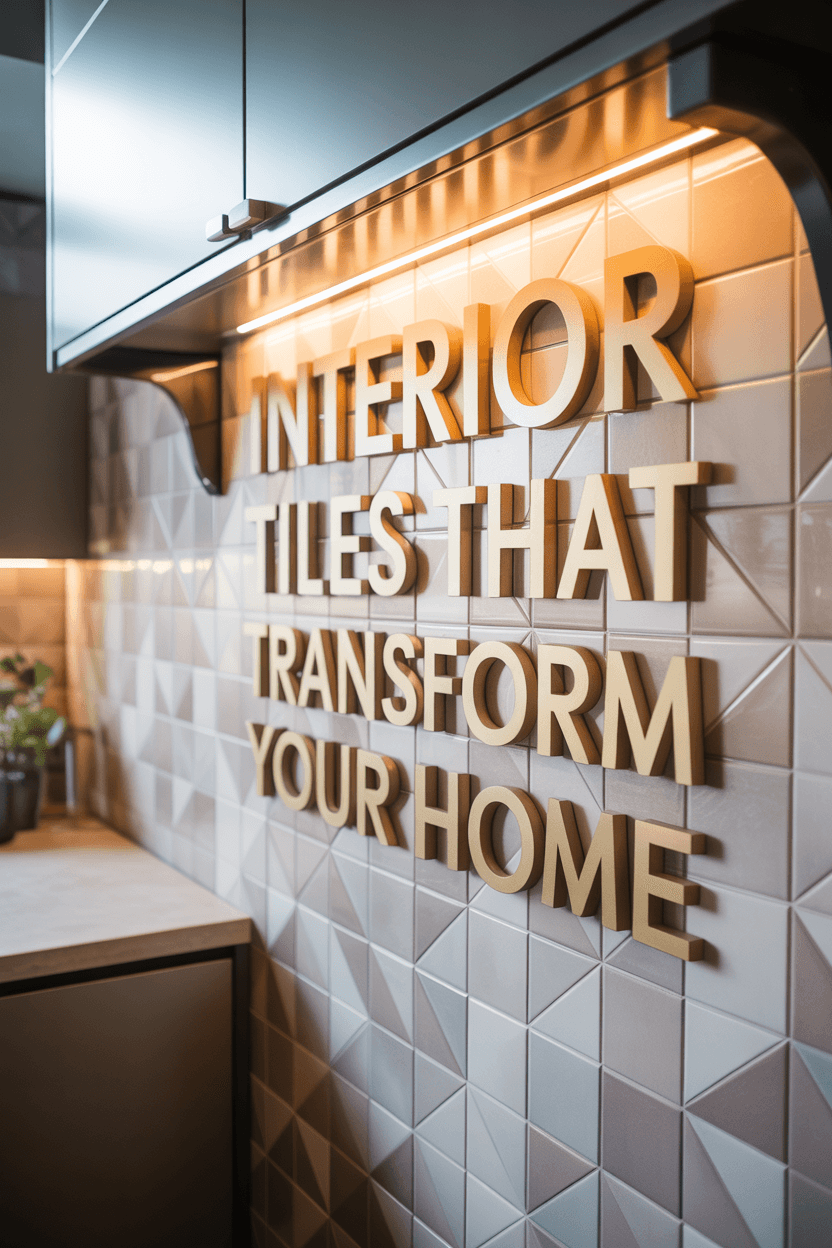
The Foundation of Design: How Tile Sets Your Home’s Story
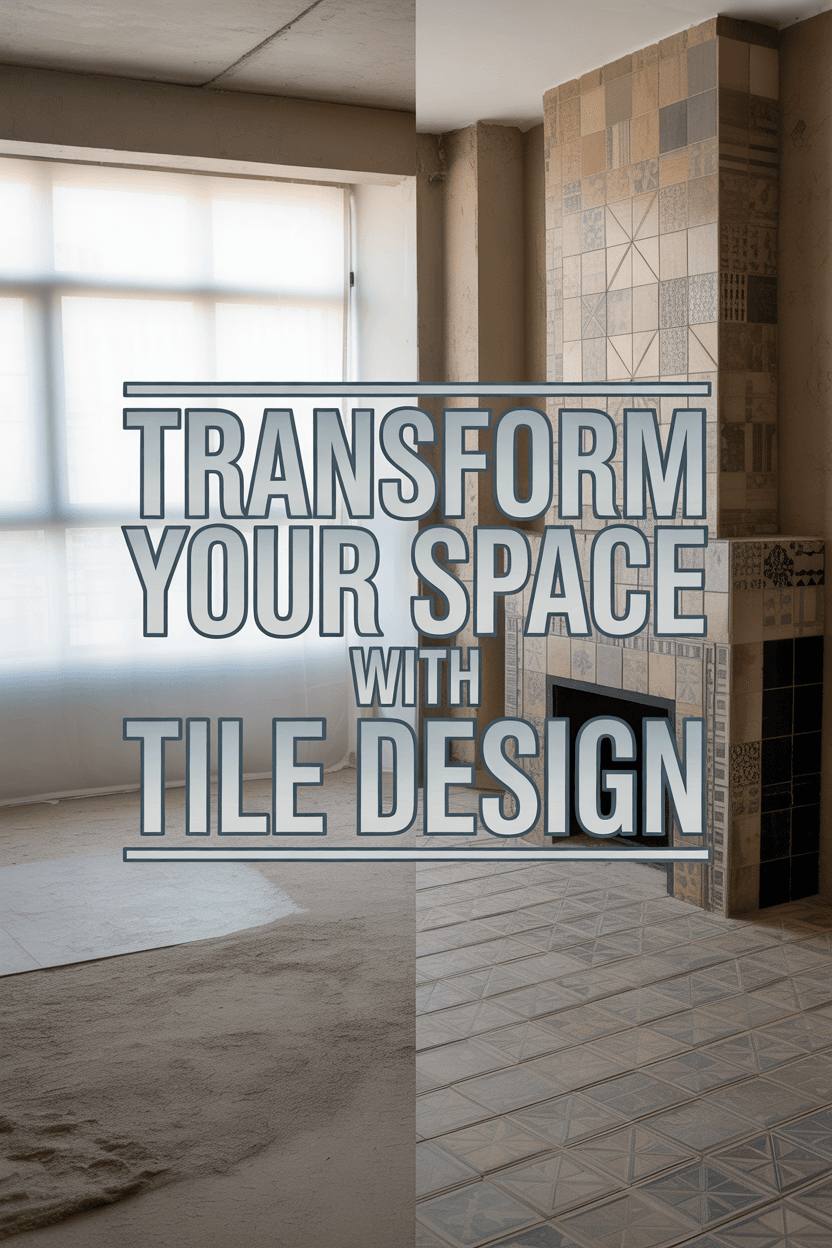
Interior tiles are a defining element in home design, capable of setting a room’s character with unparalleled color, texture, and pattern. They are far more than just a practical surface for your floors and walls.
The right tile choice is a foundational decision that deeply affects both the daily function and the overall aesthetic of your space. It sets the stage for every other design choice you will make, from paint colors to furniture.
Whether you’re undertaking a complete renovation that evokes a breezy coastal feel or building a sleek, modern home from scratch, selecting the perfect tile is a key first step. It is the canvas upon which you bring your vision to life.
This guide showcases inspiring interior tiles design photos and ideas across various home areas, offering concepts to help you create a home you love. To see how top designers use tile, explore the galleries on Houzz and in Elle Decor.
The Heart of the Home: Chic & Functional Kitchen Tile
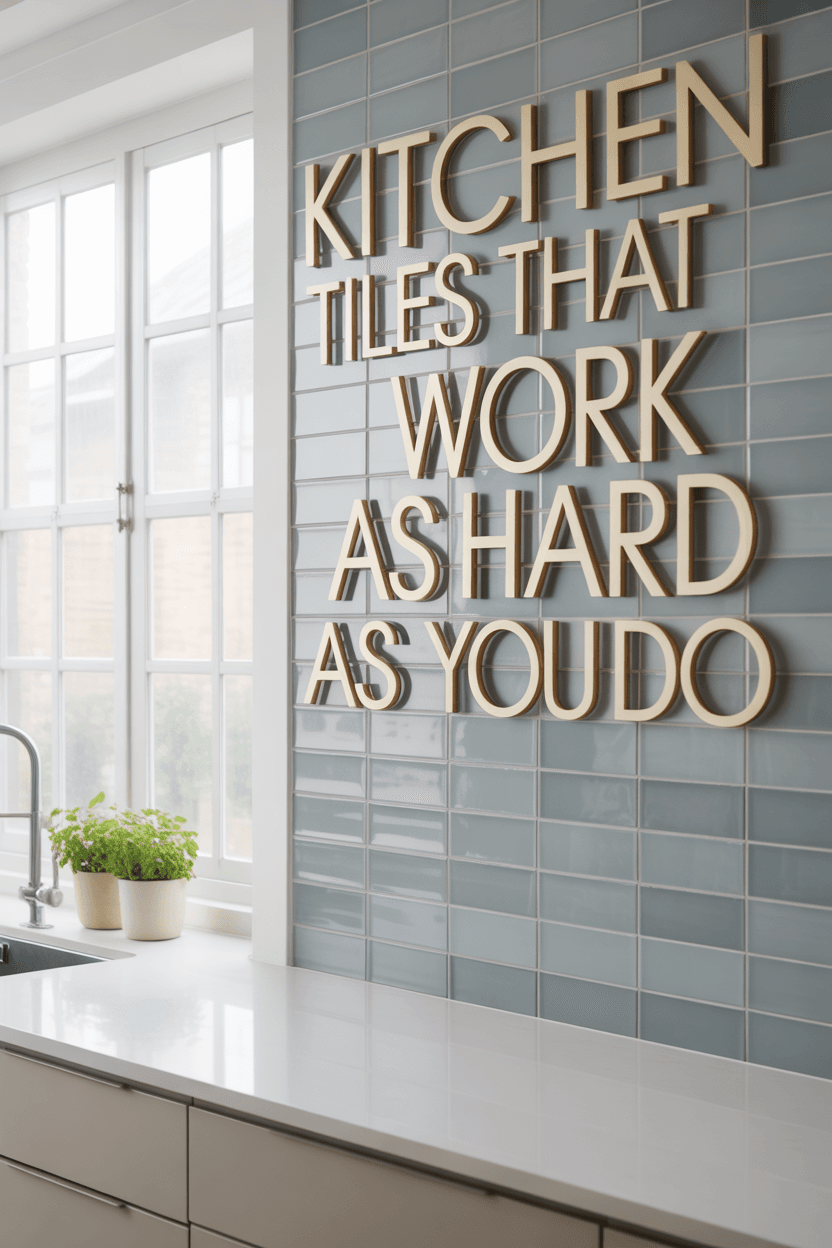
The kitchen is the energetic heart of the home, and its tiles must strike a perfect balance between withstanding everyday use and projecting high style. This is a space where durability and design must meet.
Classic choices like subway tiles remain a go-to for backsplashes. Their versatility allows them to fit seamlessly into everything from a cozy Nancy Meyers-inspired kitchen to a sleek, contemporary one.
For floors, durable porcelain offers incredible resilience against spills, dropped utensils, and heavy foot traffic. It provides peace of mind without sacrificing style.
Consider integrating decorative accent tiles to create a stunning focal point behind the stove. You can also use large-format tiles on the floor for a clean, expansive look that minimizes grout lines and unifies the space.
For a wealth of visual ideas, see the kitchen galleries at Architectural Digest and House Beautiful for endless inspiration.
The Personal Sanctuary: Bathroom Tile for a Spa-Like Retreat
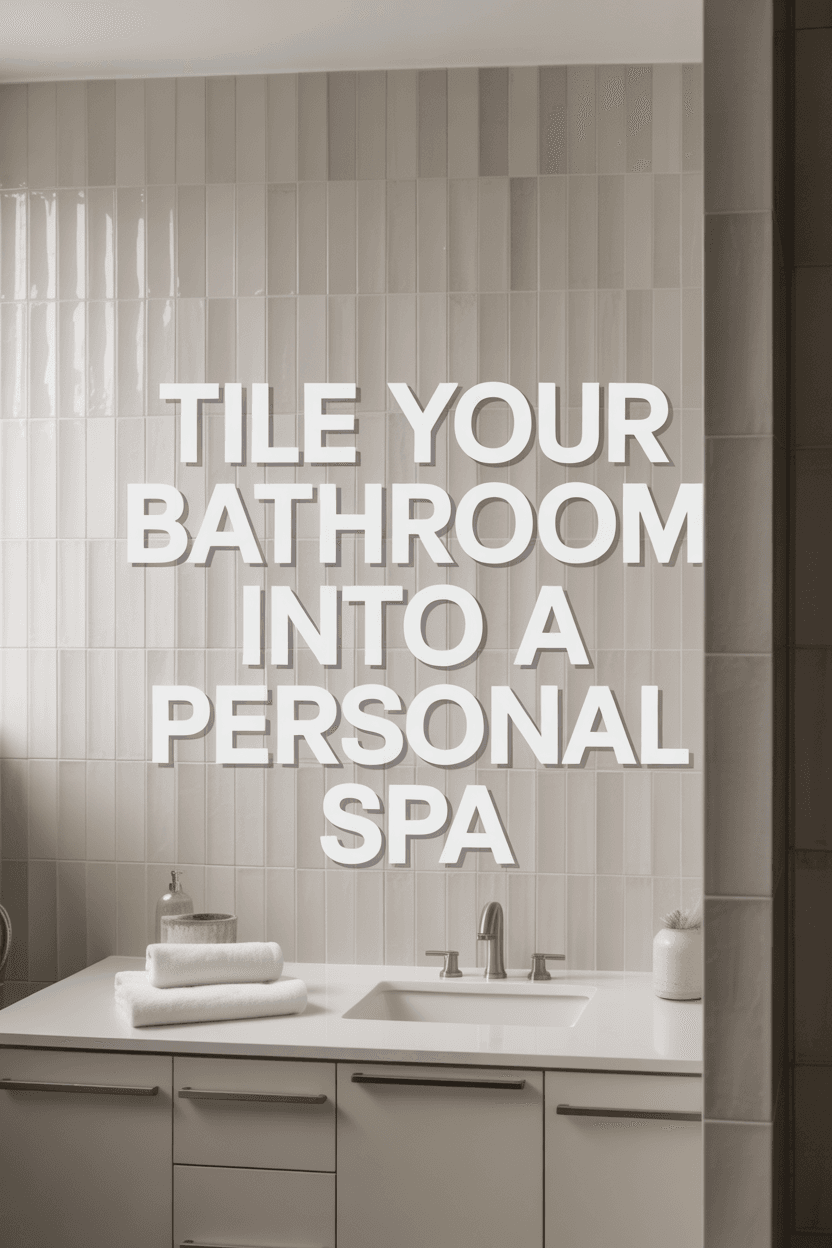
In the bathroom, tiles are essential for their water-resistant properties, but their role extends far beyond pure function. They are critical in setting the mood for the entire space, turning it from utilitarian into an escape.
Turn your bathroom into a personal sanctuary with thoughtful and deliberate tile selection. Small mosaic tiles not only provide excellent grip for shower floors but also add a layer of intricate, textural detail.
For a dose of opulence, large-format marble-look porcelain tiles deliver a luxurious, high-end feel without the demanding maintenance of real stone. This achieves the Nancy Meyers aesthetic of quiet luxury with modern practicality.
The timeless appeal of subway tiles lends itself to various styles, including classic British Colonial. Meanwhile, colorful geometric patterns can inject personality and a modern or mid-century vibe into a powder room or feature wall.
Discover more design possibilities in the stunning collections at Architectural Digest and from the experts at Bob Vila.
Bring Elegance to Living Rooms & Bedrooms with Tile
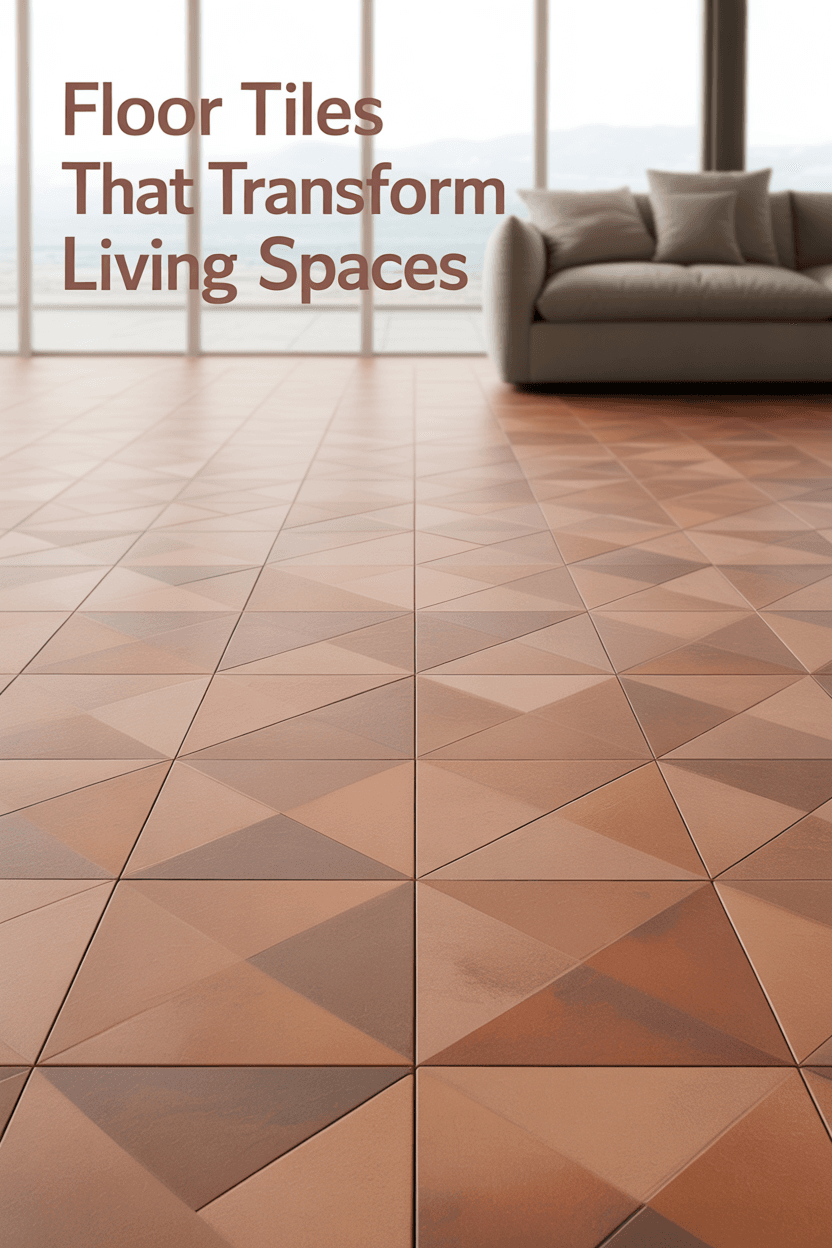
Tile in living rooms offers a sophisticated and highly durable alternative to traditional flooring like carpet or hardwood. It provides a clean, elegant foundation for your primary living space.
Wood-look porcelain tiles are a fantastic choice, providing the visual warmth of hardwood with far greater durability. This makes them perfect for achieving a coastal or mid-century modern aesthetic without worrying about scratches or water damage.
For undeniable elegance, natural stone tiles like travertine or slate introduce organic texture and a feeling of grounded luxury. Polished large-format tiles can create a seamless, expansive appearance ideal for contemporary homes.
While often overlooked for bedrooms, tile can also offer a uniquely stylish and practical solution in this personal space. Modern wood-look tiles pair beautifully with coastal, modern, or rustic decor, creating a serene and cohesive look.
A major advantage is tile’s compatibility with underfloor heating systems. This ensures a warm and impossibly cozy surface underfoot on chilly mornings, adding a touch of unseen luxury. Explore more bedroom flooring ideas with Homes & Gardens.
Design a Grand Entrance and Seamless Transitions with Tile
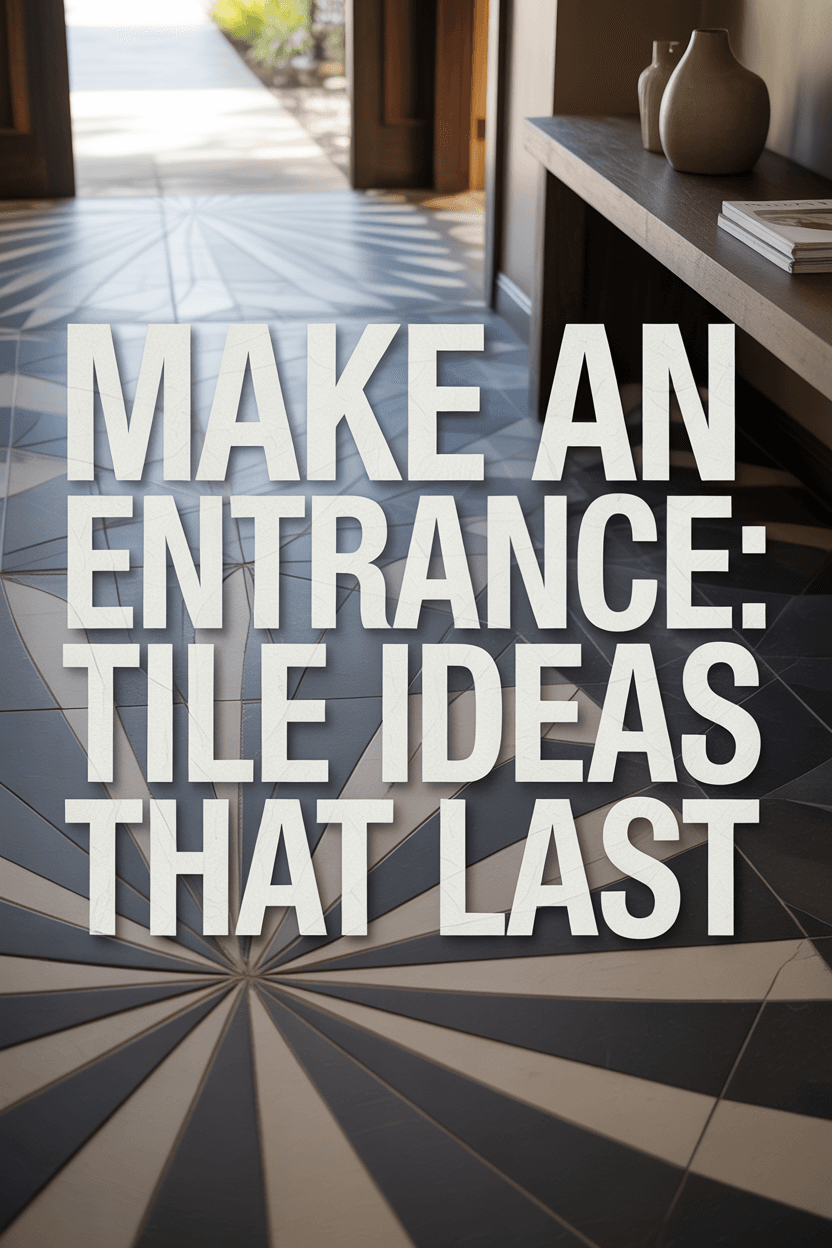
The entryway sets the tone for your entire home, making tile the perfect material for a lasting first impression. Functionality is key here, so choose durable porcelain that can easily withstand heavy foot traffic, dirt, and moisture.
Make a strong design statement with decorative patterned tiles. This can create the effect of a beautiful, built-in rug—a look that works wonderfully in traditional and British Colonial-style homes.
From a practical standpoint, darker colors or varied patterns are excellent for hiding dirt between cleanings. For safety, especially in wet climates, consider textured tiles to provide essential slip resistance for family and guests.
This concept of flow can be expanded to erase the boundary between indoors and out, a hallmark of modern and coastal design. Create an expansive, cohesive living area by using tiles that transition seamlessly from your interior spaces to your outdoor patios or balconies.
Look for porcelain tile collections that offer coordinated indoor and outdoor versions; the outdoor tiles will have higher slip resistance and be frost-resistant to withstand the elements. This creates a unified visual floor that dramatically extends your living space, as championed by Garden Design.
How to Choose Between Trendy and Timeless Tile Designs
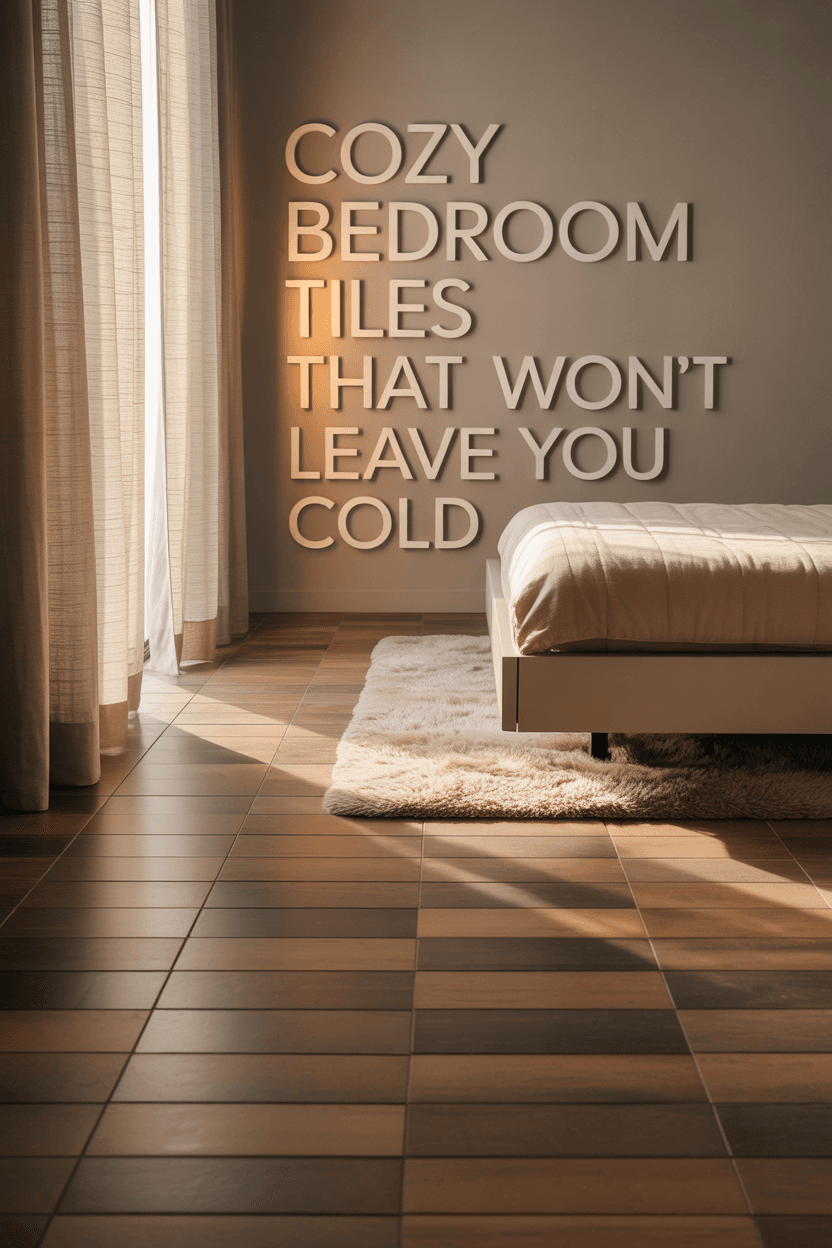
Staying current with tile trends can infuse your home with fresh, modern energy. Current trends embrace bold expressions of pattern and innovative materials.
Geometric patterns, from hexagons to intricate mosaics, continue to grab attention, adding dynamic visual interest. Terrazzo-look tiles have also made a major comeback, celebrated for their playful quality that complements mid-century and contemporary styles.
Large-format thin porcelain slabs are another key trend, allowing for nearly seamless installations on walls and floors. This creates the sleek, minimalist canvas seen in many high-end designs.
While trends are exciting, some tile designs possess a timeless elegance that endures for decades. Versatile subway tile can be arranged in countless patterns, from a simple grid to a dynamic herringbone, adapting to any style.
The inherent luxury of marble and marble-look tiles brings a touch of class to any setting. Likewise, the graphic appeal of a black-and-white checkerboard pattern offers a bold yet traditional statement that never fades from style, as seen in House Beautiful.
A Simple Guide to Popular Tile Materials
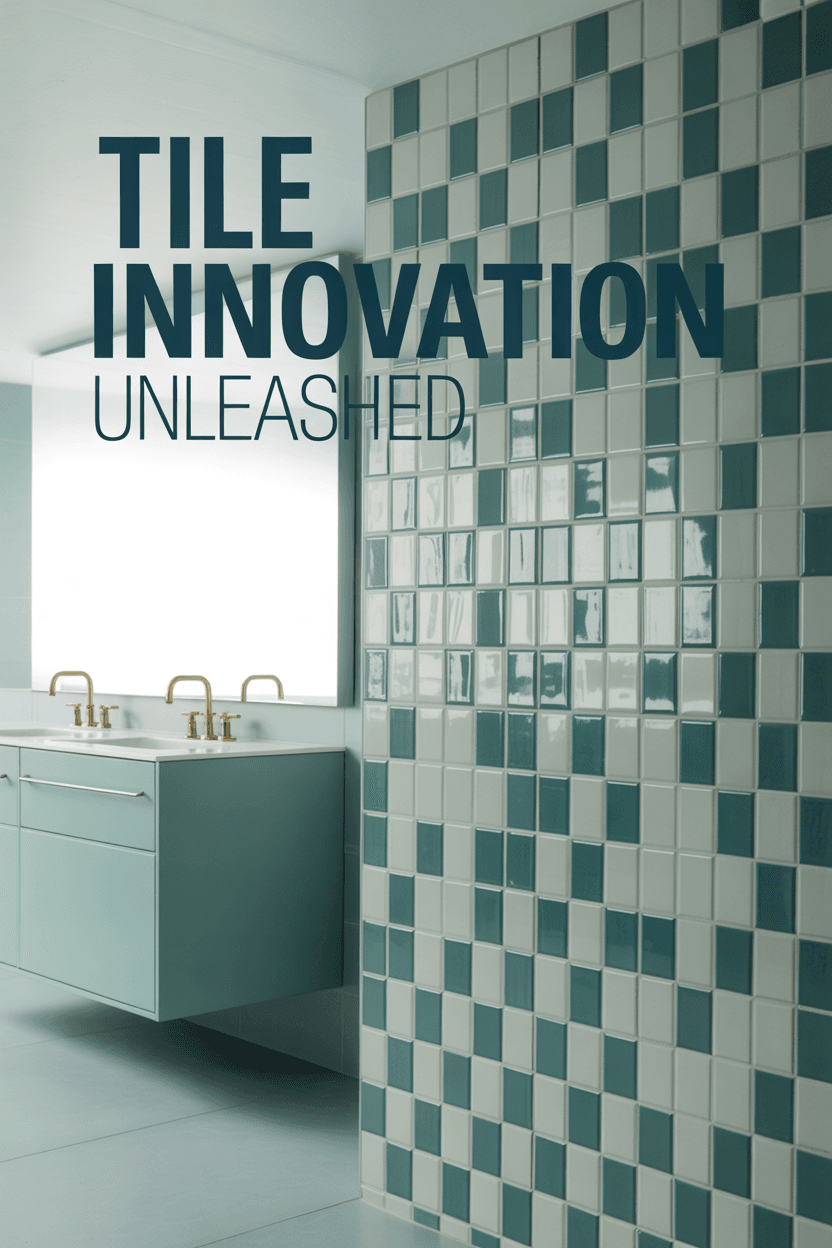
Knowing the basics of each tile material is the key to making the right choice for your project’s needs and aesthetic goals. Each material comes with its own set of characteristics and ideal applications.
Ceramic is a versatile and often budget-friendly option, available in a vast array of colors. It is an ideal choice for walls and backsplashes where heavy wear is less of a concern.
Porcelain is a denser, more durable type of ceramic that is fired at higher temperatures. This process makes it exceptionally resistant to stains and water—perfect for high-traffic floors and wet areas like bathrooms.
Natural stone, such as marble, granite, or slate, offers one-of-a-kind beauty with unique veining and color in every piece. It provides an organic, luxurious feel but often requires more maintenance.
Glass tiles provide a luminous, reflective quality that can brighten a space and add a touch of glamour. They are a popular choice for backsplashes in both kitchens and bathrooms. Learn more with HGTV’s guide.
The Power of Pattern: How Tile Layout Shapes Your Space
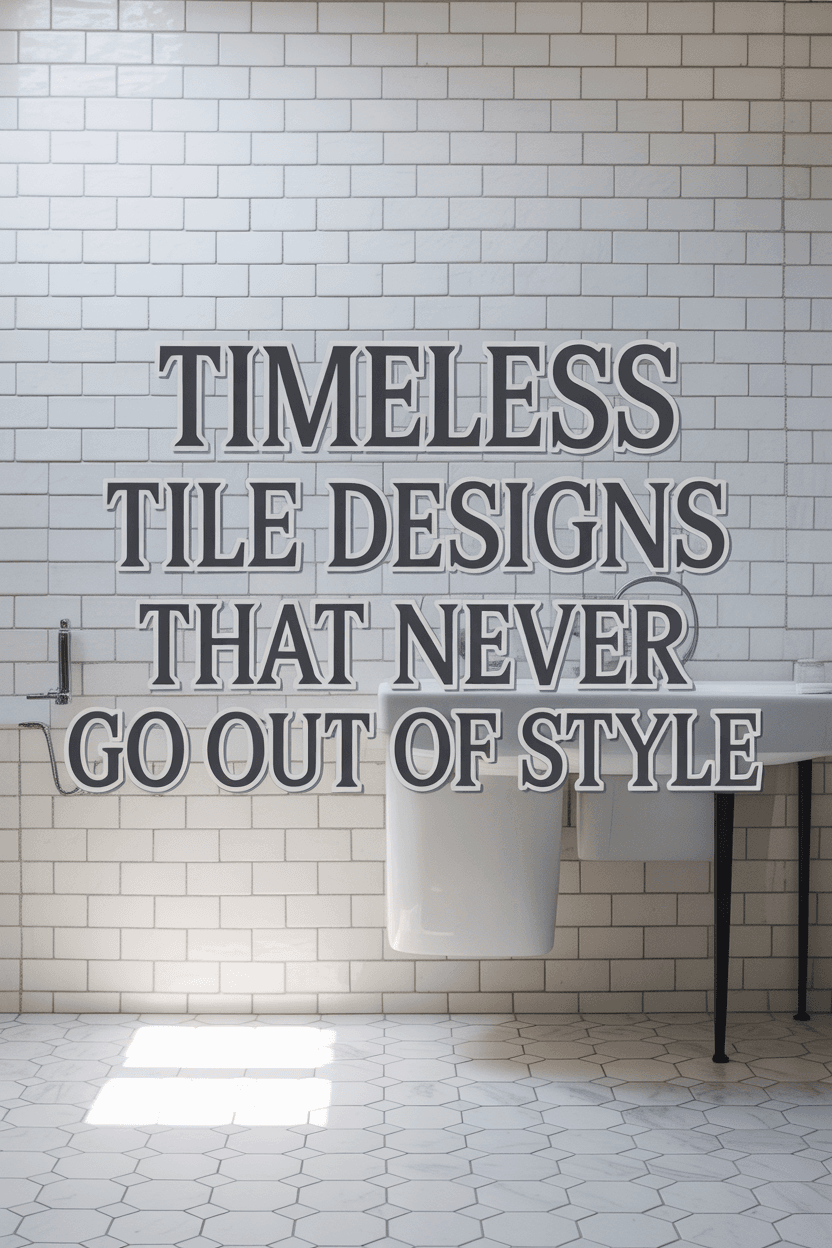
The way you lay your tile can have as much of an impact as the tile itself. The chosen pattern dramatically affects the overall feel and perceived dimensions of a room.
A herringbone layout creates a sense of movement, elegance, and sophistication. It’s an ideal choice for making a statement in an entryway or on a kitchen backsplash wall.
A classic grid pattern, also called a stack bond, offers clean, straight lines for a modern, minimalist feel. This is a great way to let a beautifully simple tile shine.
For a more traditional or historic look, a basket weave pattern adds texture and intricacy, lending a custom feel to a space. Laying simple square or rectangular tiles on a diagonal can make a small room feel wider and more dynamic.
Don’t underestimate this crucial step in the design process. Explore the visual impact of different layouts with The Spruce to find the best fit for your vision.
How to Make Small Spaces Feel Larger with Tile

Tile can be a powerful and stylish tool for creating an illusion of space in smaller rooms. This is especially useful in powder rooms, laundry rooms, or compact kitchens.
Using large-format tiles on the floor or walls minimizes the number of distracting grout lines. The result is a less cluttered, more expansive visual plane that makes the room feel larger.
Opting for light-colored tiles in shades of white, cream, or soft grey will reflect more light. This instantly makes the area feel brighter, more open, and airier.
You can also create a sense of flowing space by using continuous flooring. Running the same tile from one adjacent space into another, such as from a hallway into a powder room, blurs the boundaries and expands the feel of both rooms.
Finally, laying tiles in a vertical pattern, such as a stacked subway tile on a shower wall, draws the eye upward. This simple trick creates a powerful sense of height. See more clever ideas at Real Homes.
Tile as Art: How to Create a Statement Focal Point

Move beyond purely functional applications and treat tile as the artistic centerpiece of your room. A single, dramatic tile feature can take a space from ordinary to extraordinary.
Consider a full-height accent wall of bold, patterned tile. This works beautifully behind a freestanding tub in a primary bathroom or even behind a sofa in a living room for a dramatic effect.
Create a “tile rug” to define a space within a larger room. This involves laying a section of intricate patterned floor tiles in an entryway or under a dining table to anchor the area with purpose and style.
Use decorative borders to frame a simpler field tile. This adds a custom, high-end touch that feels both personal and thoughtfully designed.
For the ultimate statement, commission or install an artistic tile mural. This bold move effectively turns a wall into a unique and breathtaking work of art, as shown in Homes & Gardens.
The Art of the Mix: How to Combine Different Tile Styles
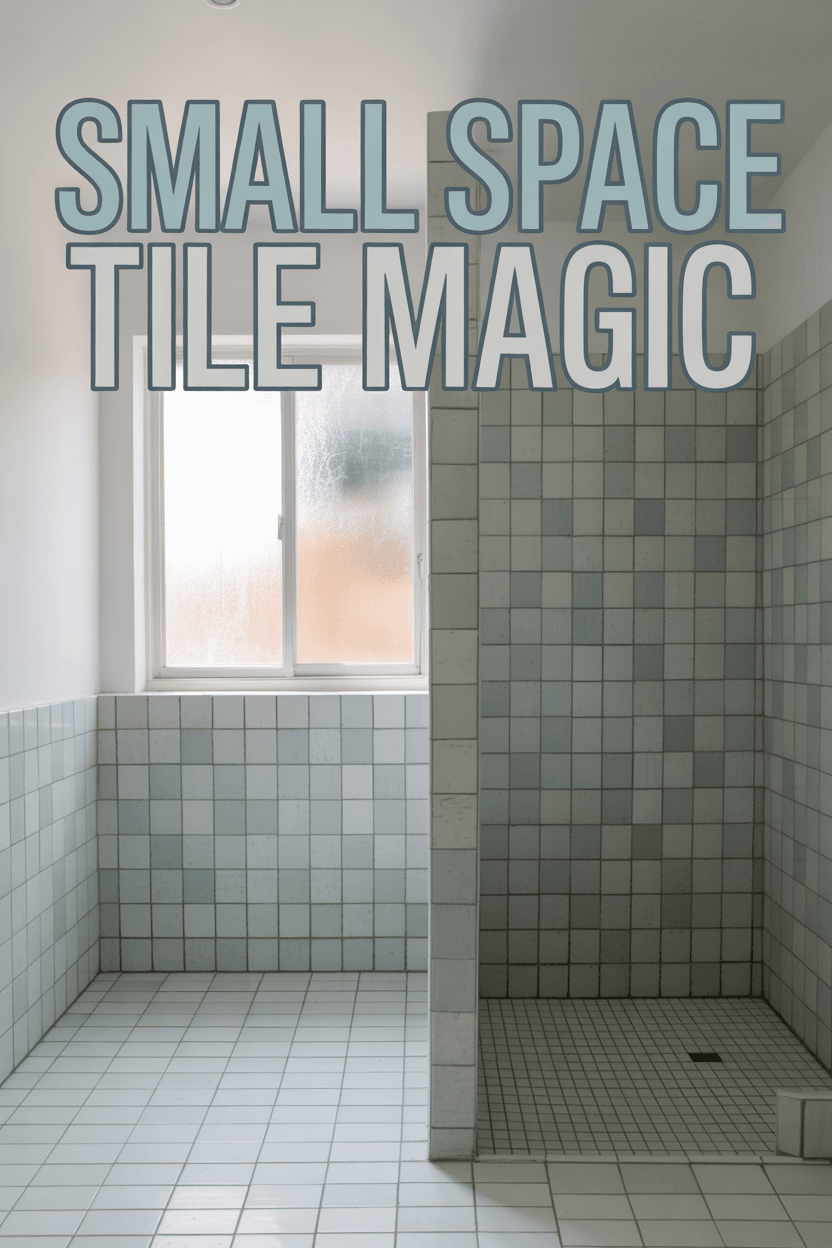
Combining different types of tile is an expert design move that creates layered, dynamic, and truly custom interiors. The key to a successful mix is a thoughtful and balanced approach.
You can create subtle interest by using different sizes of the same tile. For example, pair a large square floor tile with a small mosaic of the same material in a shower niche.
A bolder approach involves mixing complementary colors and patterns. This could be a dramatic patterned tile floor paired with a solid-colored subway tile on the walls to balance the visual weight.
You can also play with various textures for added dimension. Consider combining a smooth, polished tile on the wall with a rough, natural stone on the floor for a rich, tactile experience.
This strategy allows you to use high-impact accent tiles sparingly alongside more basic field tiles. The result is a compelling, layered design that feels both curated and personal. See examples of skillful mixing from The Tile Shop.
Inspired Choices: Luxe Looks & Sustainable Style

A luxurious, well-designed space doesn’t always require a premium budget. Smart tile choices can deliver maximum impact for less, giving you that coveted high-end look.
Generally, ceramic is more affordable than porcelain, and it’s a perfect choice for many applications like backsplashes. Sticking with standard tile sizes will also be more cost-effective than custom or very large-format options.
A brilliant strategy is to mix high and low: use inexpensive basic tiles for the majority of the area and splurge on a small number of beautiful accent tiles for a focal point.
Modern luxury also means making responsible design choices with eco-friendly tiles. Recycled glass tiles are crafted from post-consumer waste, creating a luminous surface that’s perfect for a coastal home.
Reclaimed materials, like antique terracotta tiles from old European buildings, bring unparalleled history and warmth to a space. You can also look for locally sourced stone to reduce the carbon footprint associated with transportation, as recommended by Treehugger.
Statement Tile Features That Become Conversation Pieces
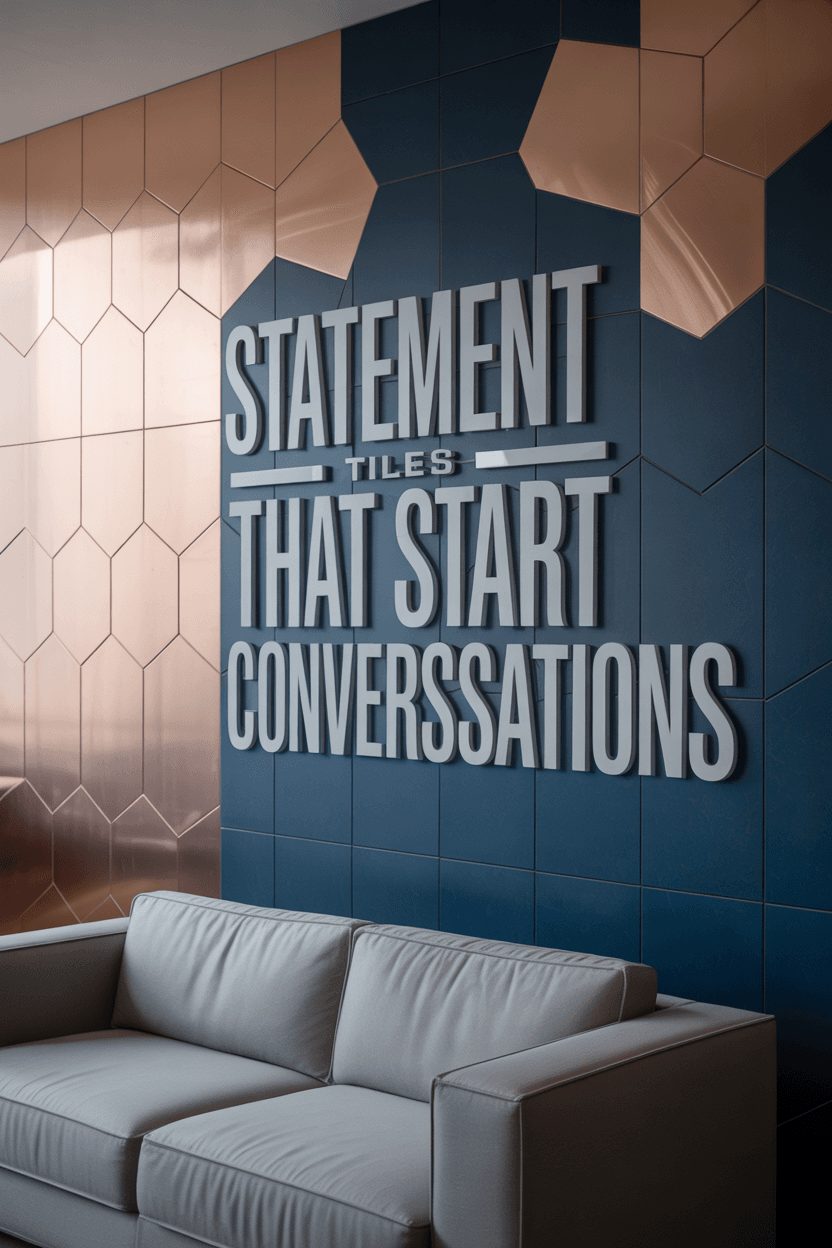
Strategic use of distinctive tiles creates memorable spaces. Create impressive focal points with:
- Full accent walls showcasing dramatic patterns or textures
- Defined floor sections featuring intricate designs
- Decorative borders framing otherwise simple installations
- Artistic tile murals conveying personal style
Statement tiles work best when balanced with complementary simpler surfaces. Allow your showpiece element to shine without competition.
Consider lighting when planning statement features. Directional lighting can dramatically enhance textured or metallic tile installations.