10 Interior Design Themes That Will Transform Your Living Space

The Art of Simplicity: Minimalism and Japanese Zen
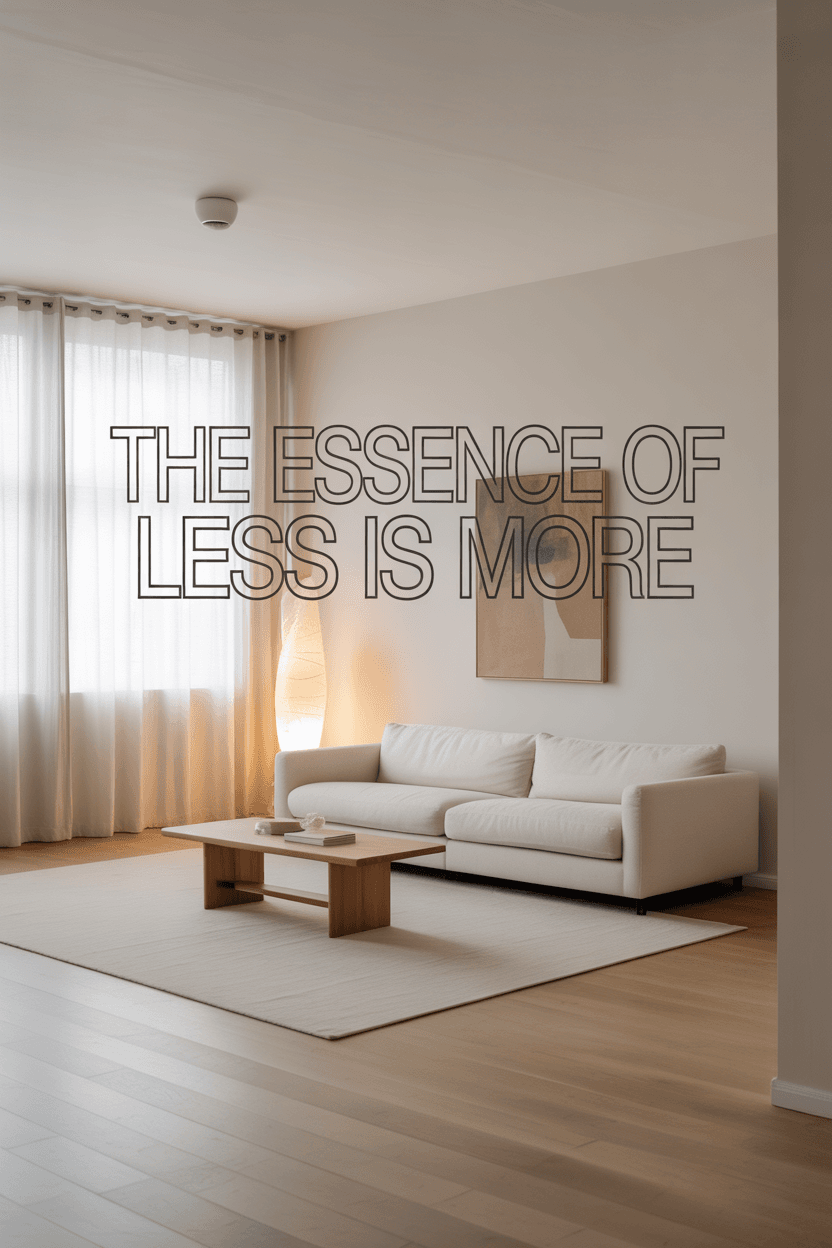
Minimalist design is all about the beauty of restraint, guided by the philosophy that “less is more.” It helps create serene, uncluttered rooms by stripping away non-essential items and focusing on purpose.
Clean, sharp lines, a mostly monochromatic color scheme, and wide-open spaces that feel calm and breathable define the aesthetic. Furniture is highly functional, and clever hidden storage solutions eliminate visual noise.
The philosophy of Japanese Zen design is closely related, as it also creates tranquility through simplicity and a deep respect for nature. This theme focuses on thoughtful arrangement and balance, creating a peaceful and harmonious environment.
Zen interiors feature low-profile furniture that encourages a connection to the ground, sliding shōji screens, and natural materials like bamboo, rice paper, and stone. Though minimalist in spirit, it embraces a quiet warmth and harmony with nature that feels deeply calming. In both styles, every item has a purpose, leading to a space that is both peaceful and meaningful.
Scandinavian Comfort: The Essence of ‘Hygge’
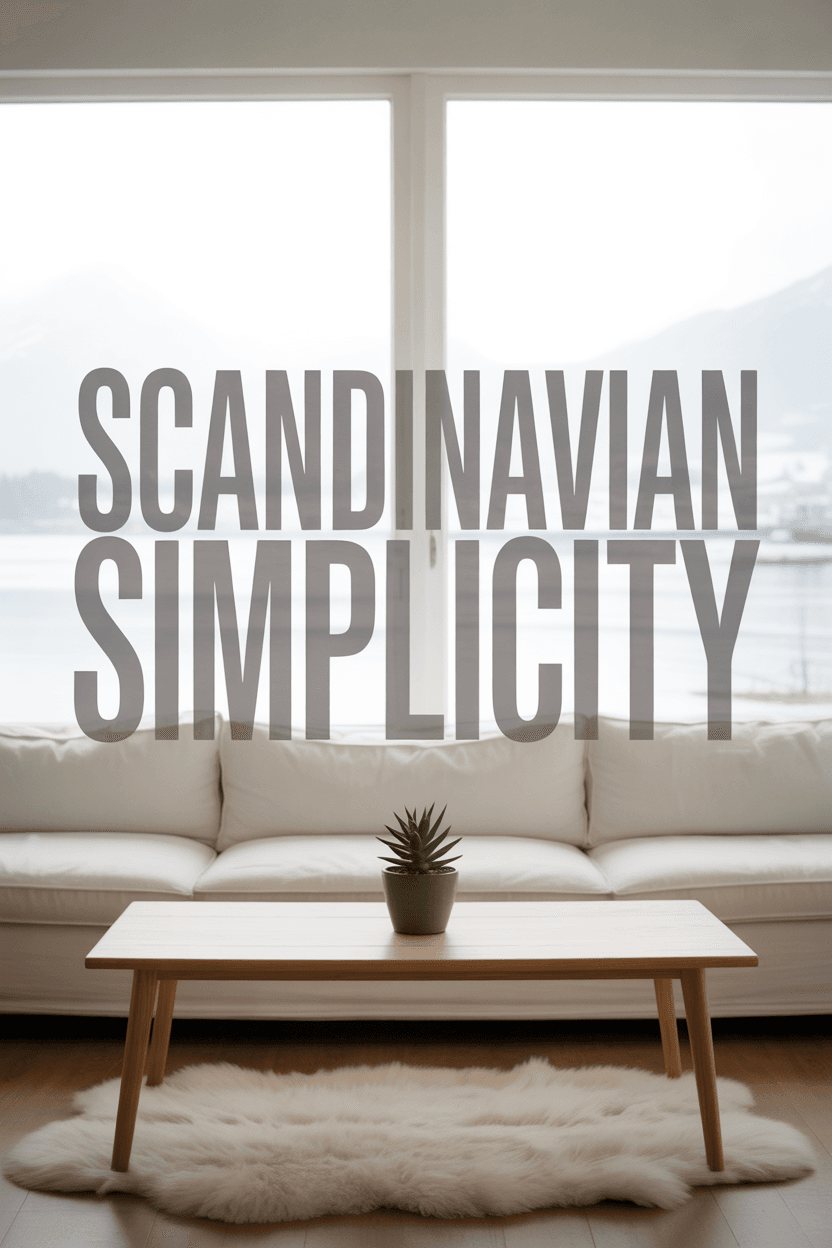
Scandinavian (or Scandi) design is a masterful blend of clean-lined practicality and an atmosphere of cozy contentment. This theme shines with bright, airy spaces, created by maximizing natural light and using a palette of soft whites and light wood tones.
The entire style is an embodiment of “hygge”—the Danish concept of coziness, well-being, and finding joy in simple moments. It is less a style and more a way of living that puts comfort and warmth first.
Key features include simple, beautifully crafted furniture that emphasizes function without giving up on beauty. Natural materials are everywhere, from pale wood floors to simple wooden chairs and tables.
To keep a room from feeling too stark, adding texture is key. Think of plush wool throws, soft sheepskin rugs, and linen textiles layered throughout the space. Finally, plenty of houseplants bring life and a touch of vibrant color indoors, completing the serene and inviting atmosphere.
Rustic Charm, Modern Livability: Industrial and Farmhouse Styles
Two popular themes—Industrial and Modern Farmhouse—find their beauty in authenticity, blending rustic charm with a clean, modern style. The Industrial style celebrates the raw architectural elements that other designs often hide.
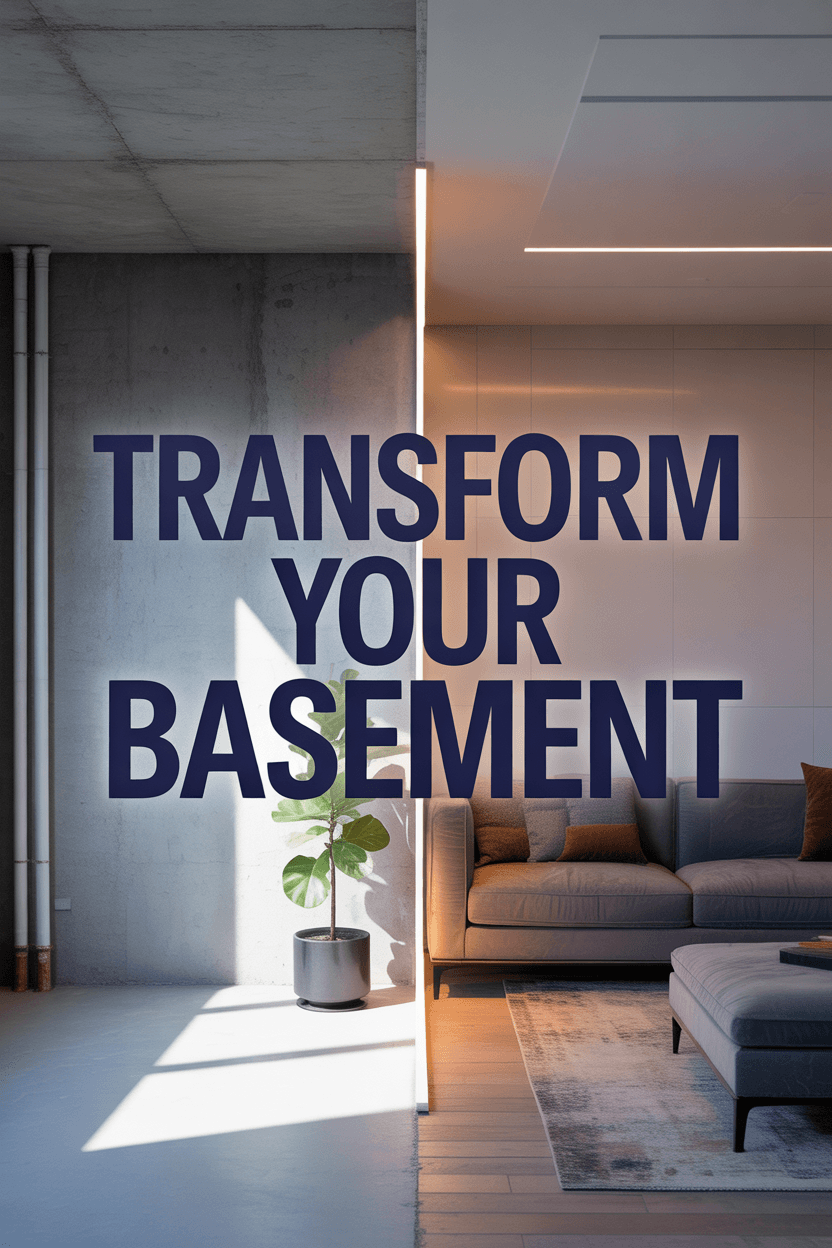
These features include exposed brick walls, visible pipes and ductwork, polished concrete floors, and weathered metal accents. Furniture often has a salvaged feel, mixing raw metal frames and distressed wood for an unpolished yet sophisticated look.
Similarly, the Modern Farmhouse style skillfully blends countryside comfort with the needs of contemporary living. It creates a warm, welcoming environment that feels both genuine and perfectly organized for a modern lifestyle.
This popular theme often features reclaimed wood beams, shiplap walls, large apron-front sinks, and thoughtfully chosen vintage accessories. The color palette is typically light and airy, centered on whites, creams, and soft grays, allowing the natural textures to take center stage.
Mid-Century Modern: Timeless Organic Forms

Drawing from the influential design movements of the 1940s to the 1960s, Mid-Century Modern (MCM) remains one of the most enduring and beloved interior design themes. Elegant simplicity and a perfect blend of form and function define this style.
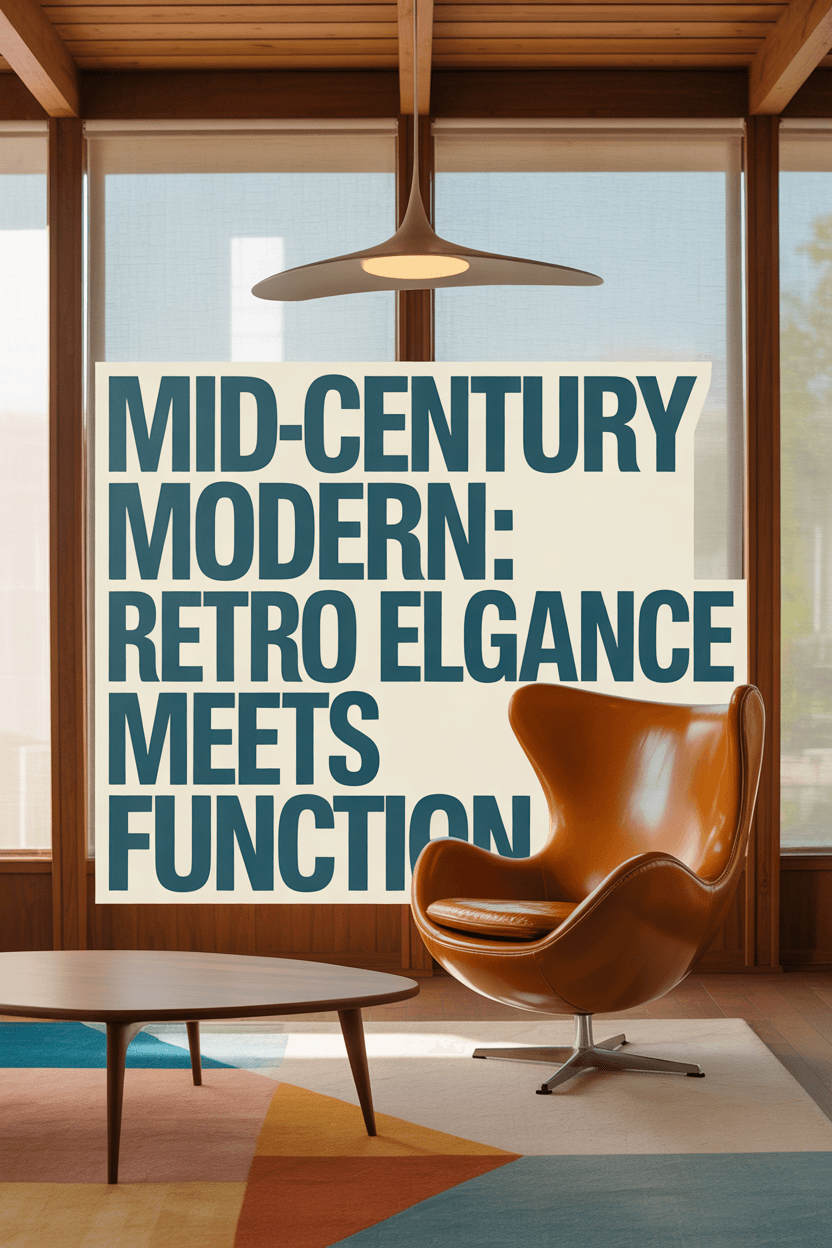
You can immediately recognize this style by its use of clean lines, gentle organic curves, and a deep appreciation for natural materials. The aesthetic celebrated a new way of living that was less formal and more connected to the outdoors.
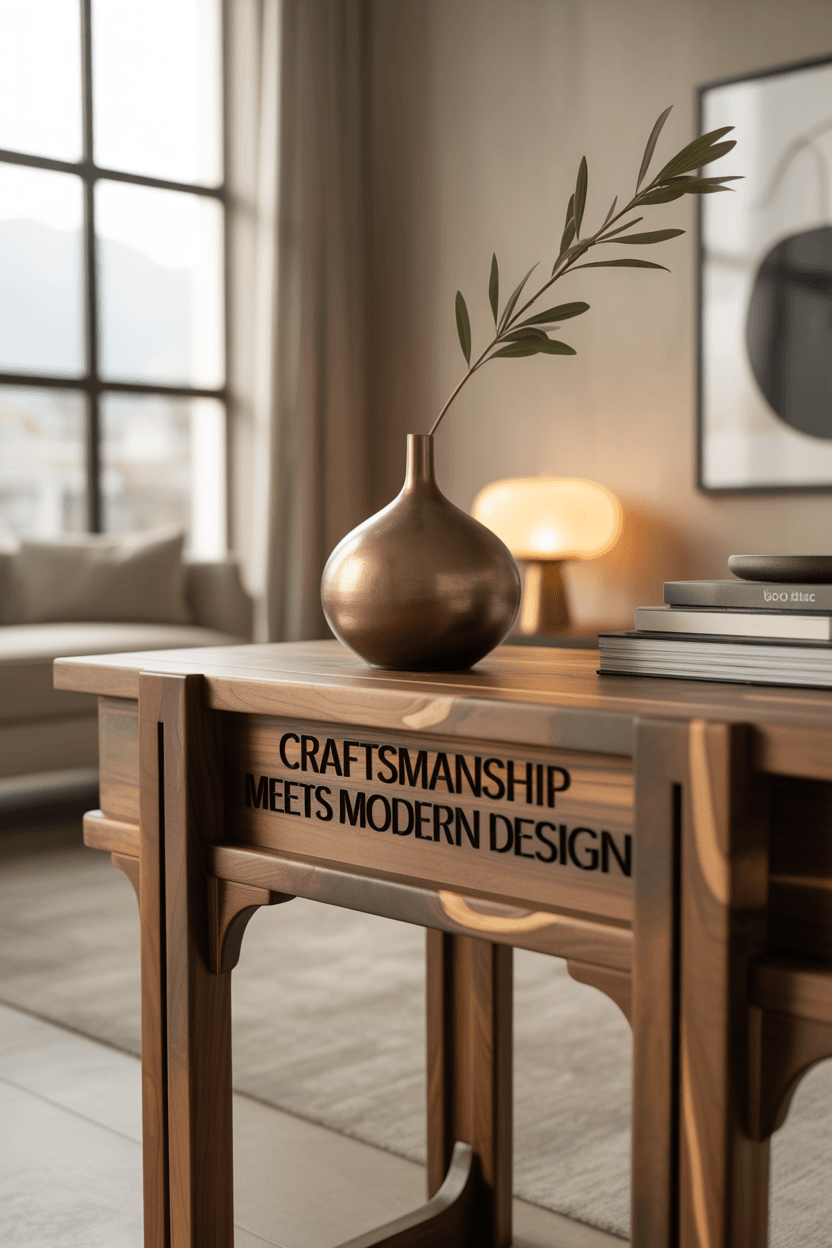
Characteristic elements include iconic furniture with tapered legs, sculptural pieces like the egg-shaped chair, and the prominent use of warm woods like teak and walnut. These pieces are not just furniture; they are functional art.
While the overall palette is often rooted in neutrals, the style confidently uses bold geometric patterns and vibrant accent colors. Splashes of mustard yellow, olive green, and pumpkin orange add a playful yet sophisticated energy to any space.
Bohemian Spirit: An Eclectic, Artistic Haven
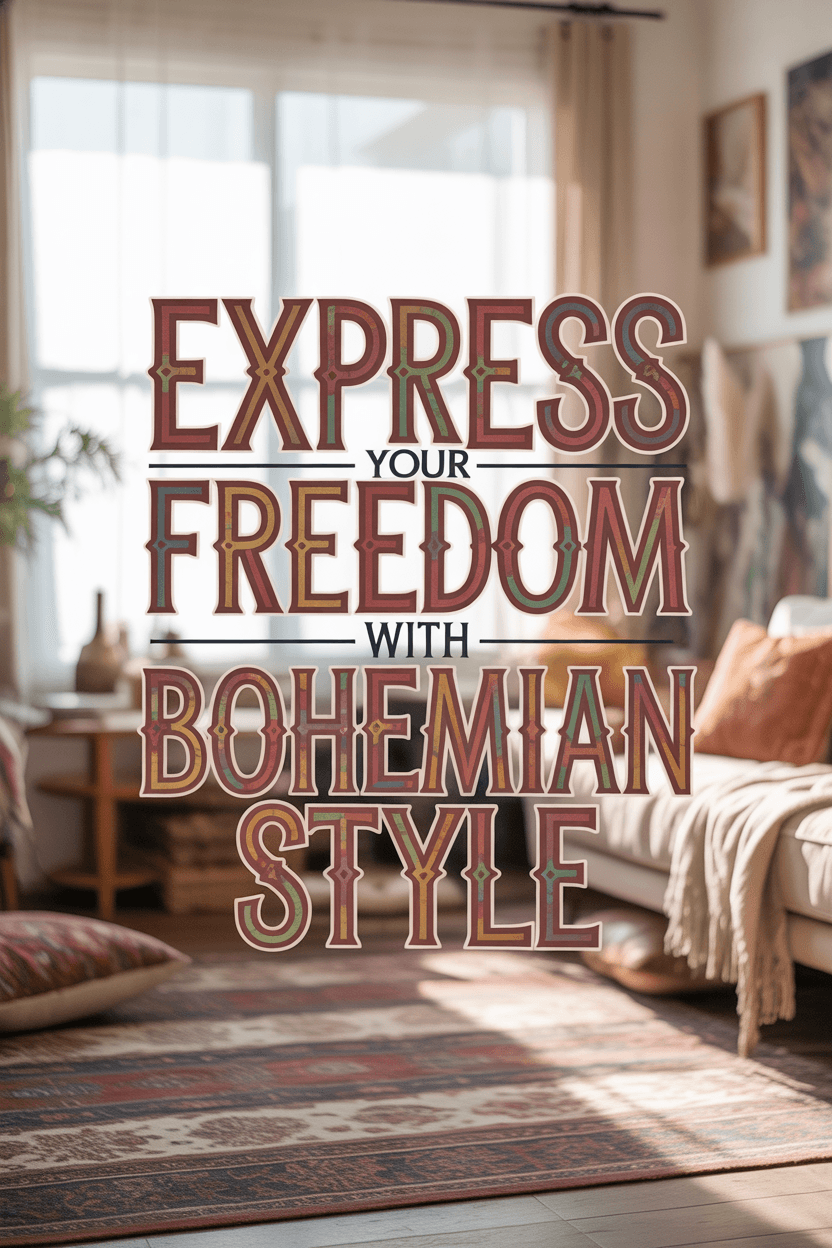
Bohemian (Boho) design is a vibrant celebration of individuality, artistic expression, and a carefree, nomadic spirit. This versatile style thrives on mixing patterns, textures, and global influences without following strict rules.
More than any other theme, Boho is about creating a space that tells your personal story. It’s an invitation to showcase items collected from travels, handmade treasures, and pieces that simply make you happy.
Key elements include layered textiles like plush rugs, colorful throws, and an abundance of pillows. Floor cushions encourage casual seating, while macramé wall hangings and woven baskets add organic texture.
The color palette is often rich and warm, featuring jewel tones and earthy hues complemented by metallics. A generous number of plants is essential, creating a space that feels lush, lived-in, and deeply personal.
Coastal Style: How to Create a Beach-Inspired Retreat
Coastal design aims to bring the serene, refreshing feeling of the seaside right into your home, no matter where you live. This theme revolves around creating light, airy spaces that feel open, uncluttered, and effortlessly relaxed.
It features a crisp and clean color palette, with shades of white, soft blues, and sandy neutrals that evoke the expansive feeling of a sunny day at the beach.
Getting as much natural light as possible is key. You can achieve this with sheer, breezy curtains that allow sunlight to filter through. Furniture is typically comfortable and casual, upholstered in light-colored fabrics like linen or cotton.
Natural textures such as jute, sisal, and seagrass add an organic, earthy feel through rugs and accessories. Subtle nautical touches, like rope details or abstract seascape art, complete the calm and relaxing vibe without being too literal.
Traditional Elegance: A Symphony of Classic Order
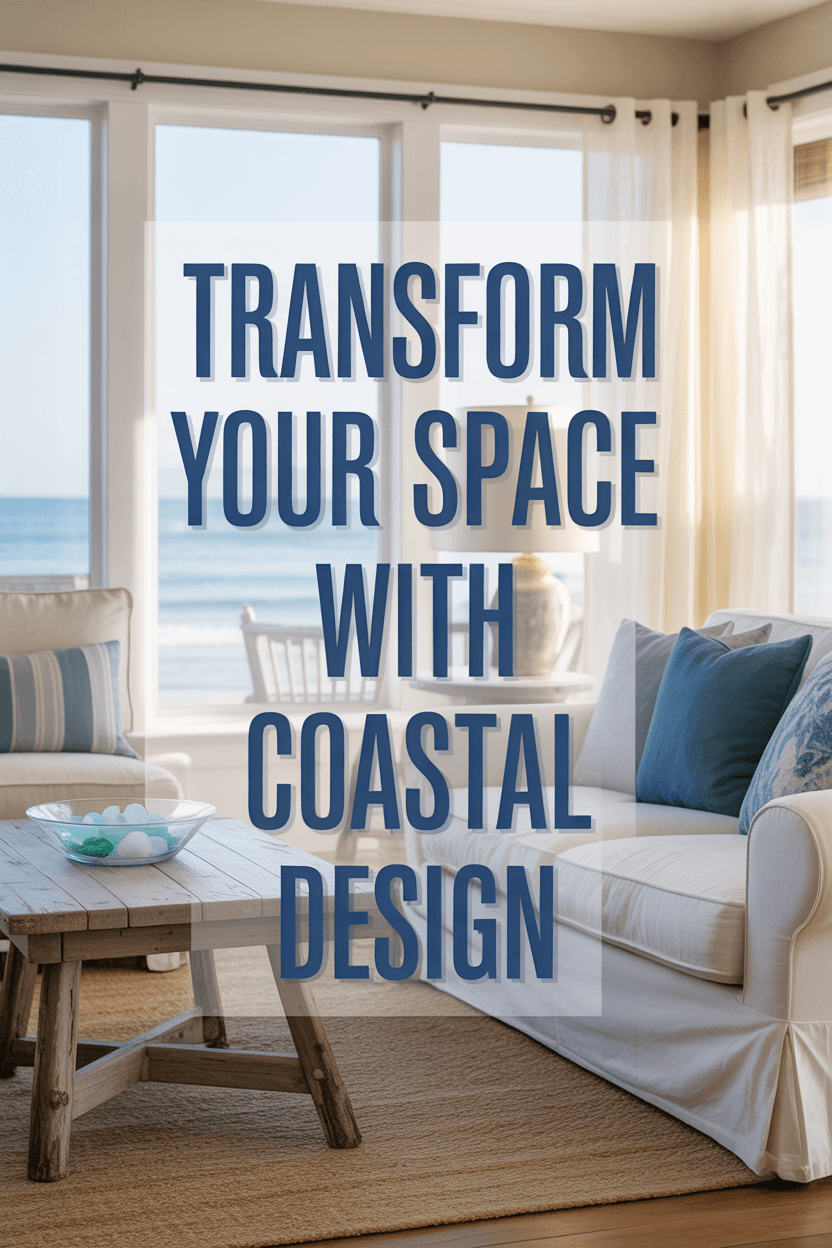
Rooted in the classic European styles of the 18th and 19th centuries, Traditional design emphasizes symmetry, order, and timeless elegance. This distinguished theme creates spaces that feel grand, balanced, and deeply comfortable.
This style stands out for its attention to detail and a sense of formality. Ornate architectural elements like crown molding, detailed wainscoting, and elegant fireplaces often provide the foundation for the room’s design.
Furniture is solid and elegant, typically made from rich, dark woods with intricate carvings. Upholstery is plush and luxurious, featuring fabrics like velvet, silk, and brocade in classic patterns such as damask, toile, or florals.
The color palette tends toward warm neutrals, deep reds, stately blues, and rich greens. This creates a formal yet inviting atmosphere that feels both carefully chosen and wonderfully welcoming, standing the test of time with grace.
The Modern Mix: Contemporary and Transitional Design
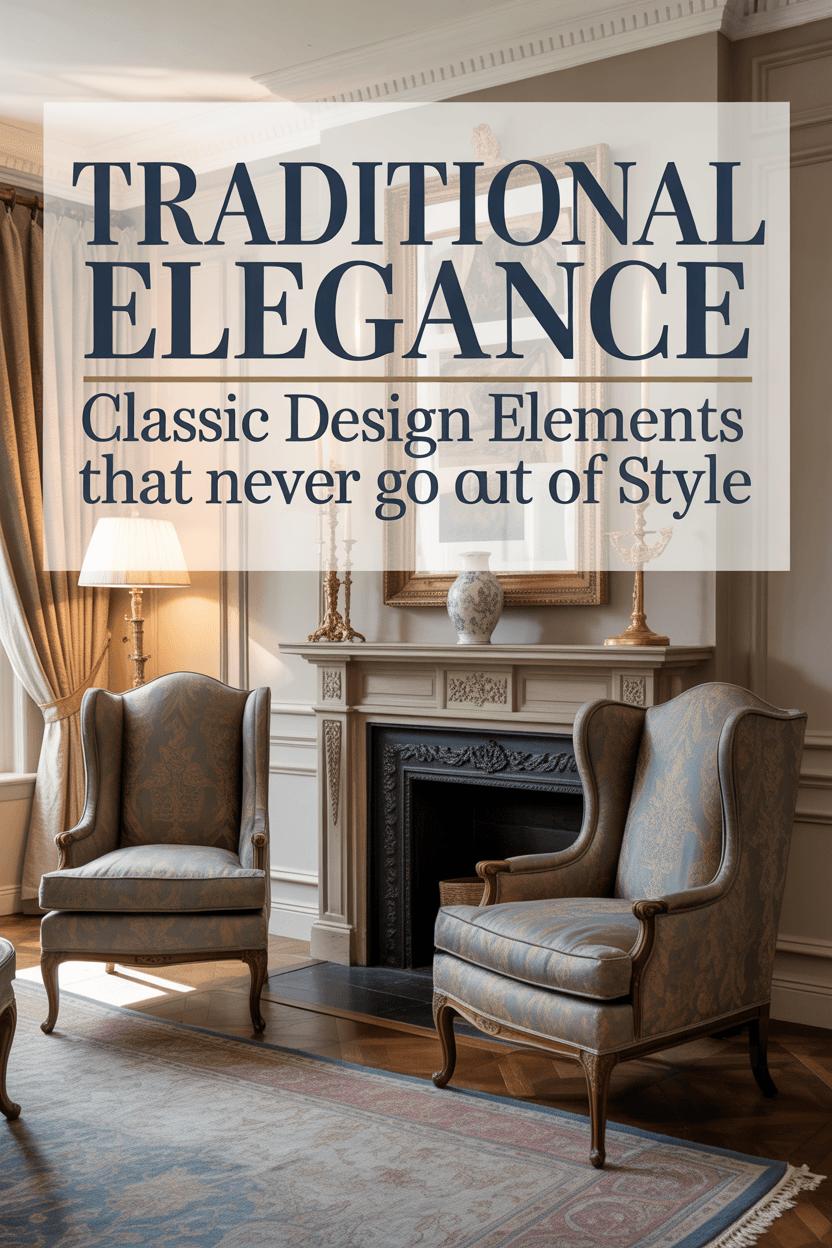
For those who find traditional too formal and modern too stark, Contemporary and Transitional designs offer a beautiful middle ground. Contemporary design reflects the styles of the here and now, resulting in clean, sophisticated spaces.
Importantly, Contemporary is not static; it evolves over time to include new trends. This sets it apart from “modern” design, which refers to a specific historical period. Its hallmarks are a neutral color scheme punctuated by bold accents, smooth finishes, and uncluttered lines.
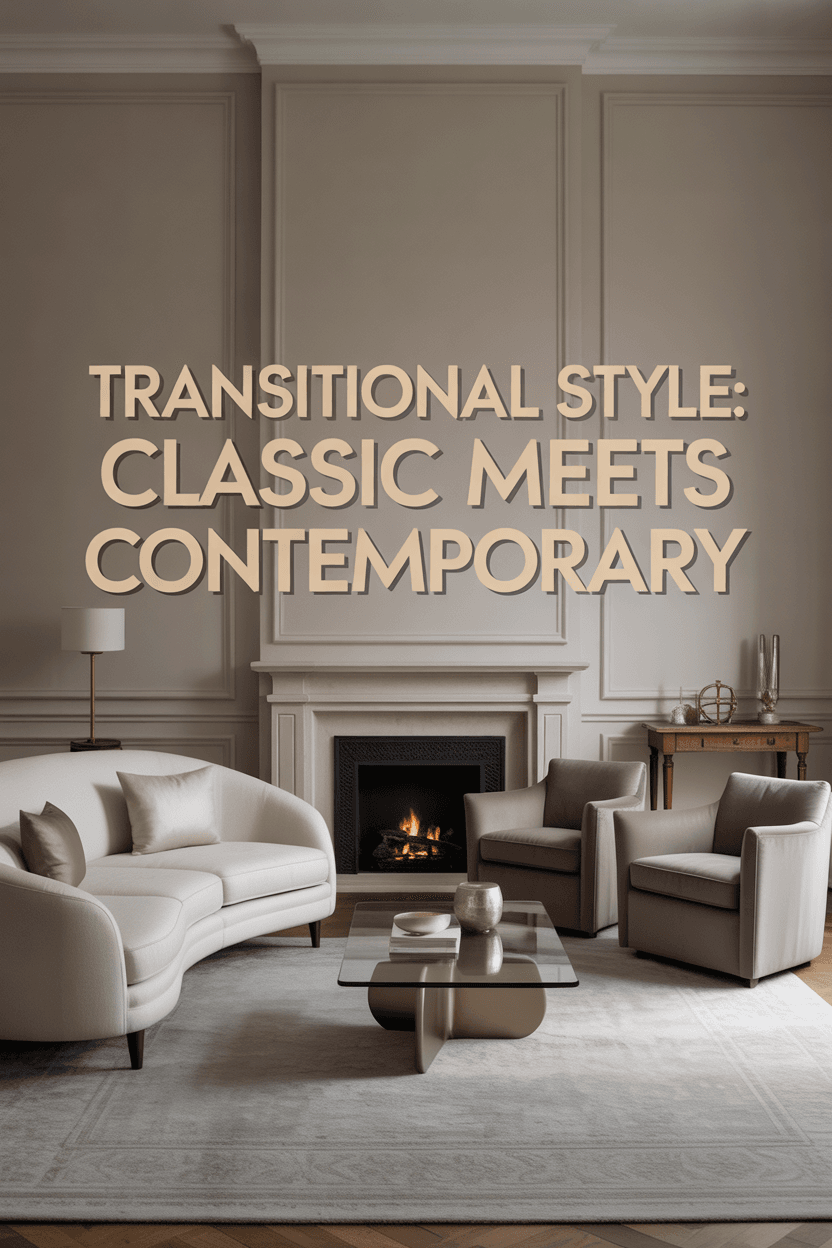
Transitional design serves as the ideal bridge between the elegance of traditional forms and the clean simplicity of contemporary aesthetics. This highly popular and adaptable style creates a sophisticated space that feels current and fresh without feeling like a passing fad.
It combines classic furniture silhouettes with cleaner, more modern lines and a largely neutral color scheme. The focus is on textural contrast—like a plush rug on a sleek wood floor—rather than bold patterns, resulting in a balanced, serene, and enduring look that you can easily create.
Art Deco Glamour: A Return to Geometric Grandeur
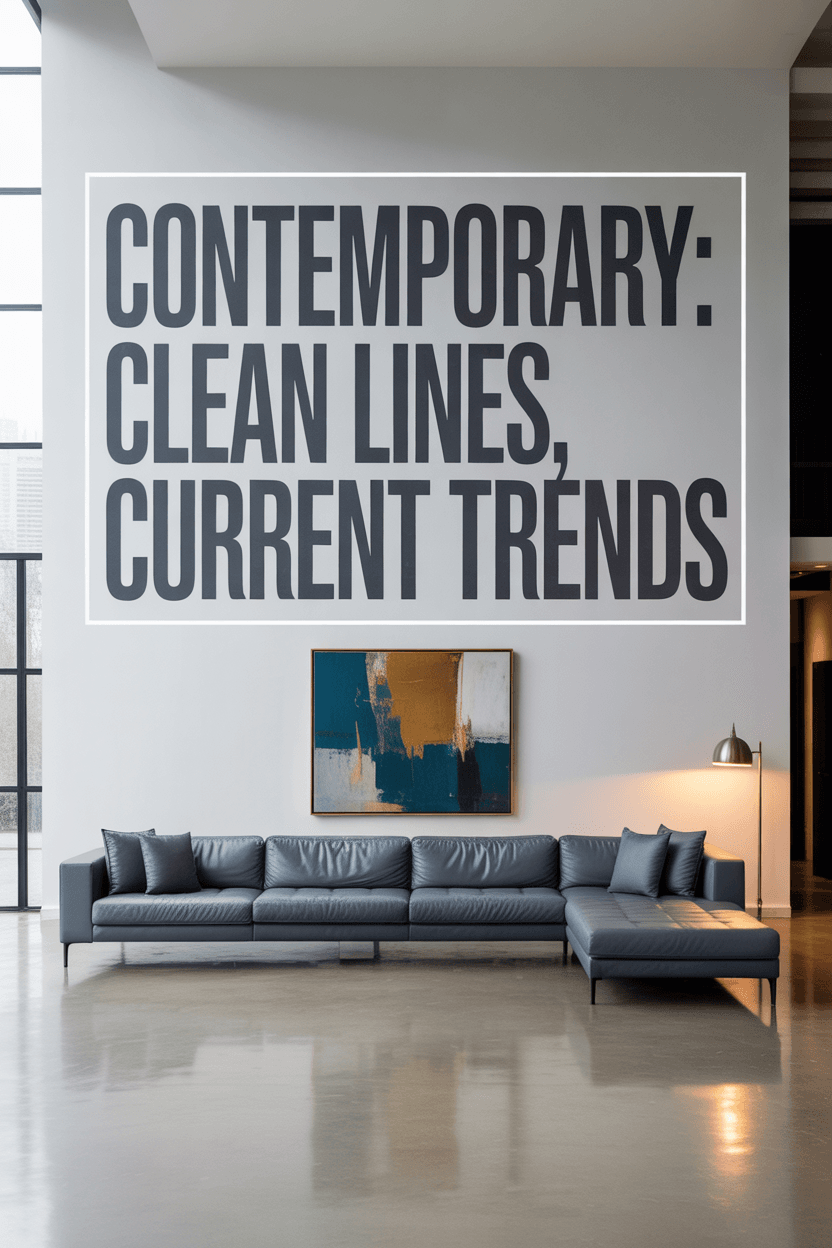
Originating in the “Roaring Twenties,” Art Deco is a bold celebration of luxury, glamour, and a modern feel. This theme is all about making a statement with striking symmetrical patterns, rich materials, and a touch of drama.
An abundance of geometric motifs defines the style. Think sharp zig-zags, elegant fan shapes, and powerful sunbursts that add energy and style.
Luxurious materials are essential to achieving the look. Polished chrome, gleaming brass details, mirrored surfaces, and sleek lacquered furniture all contribute to its high-end feel.
The color palette is dramatic and confident, often using bold, contrasting colors. Deep blacks, lustrous gold, rich blues, and emerald greens create spaces that feel both dynamic and truly elegant, a perfect throwback to an era of glamour as seen in this comprehensive style guide.
Mediterranean Warmth: Sun-Drenched Colors and Earthy Textures
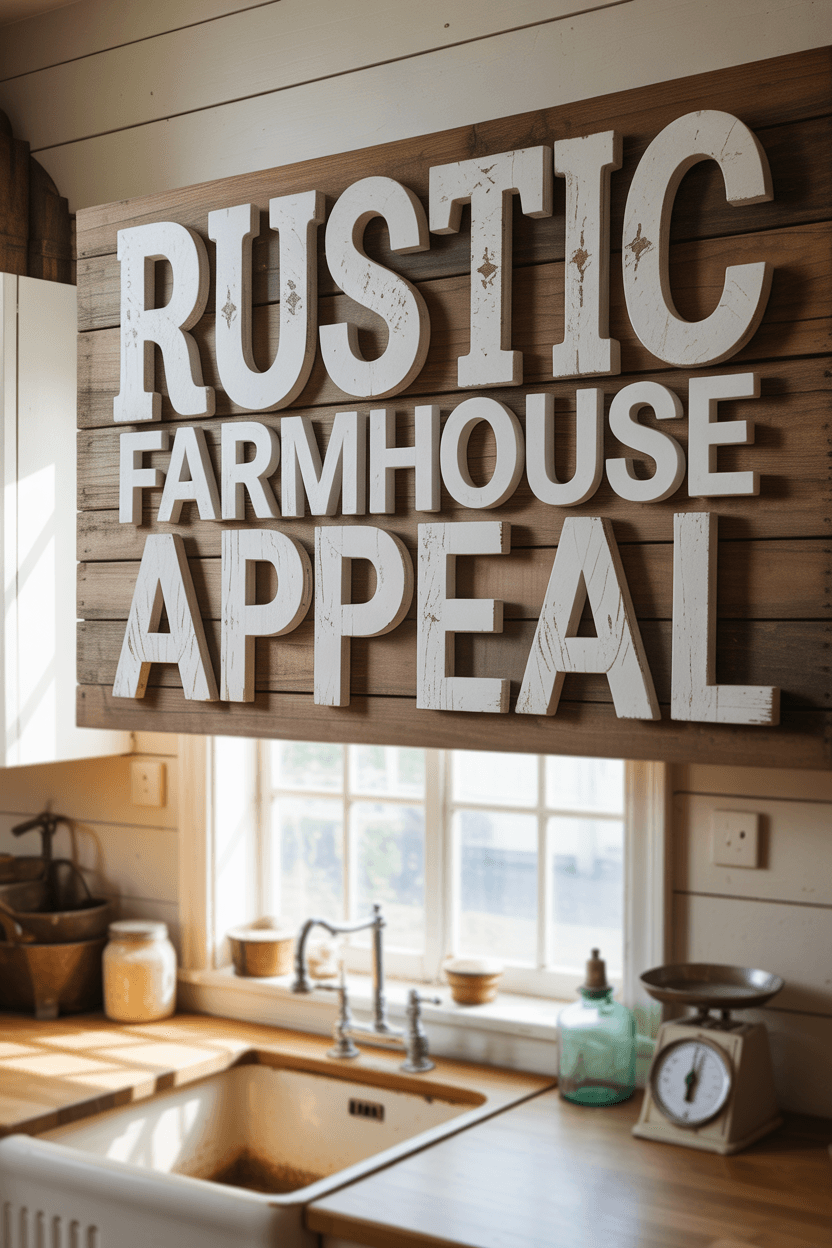
Drawing inspiration from the coastal regions of Spain, Italy, and Greece, Mediterranean design evokes a sun-drenched, relaxed, and effortlessly elegant feeling. This theme is rich in texture and warmth, creating a space that feels both rustic and stylish.
Its signature lies in its use of natural and earthy materials. You’ll often find textured plaster or stucco walls, rustic terracotta floor tiles, and detailed wrought iron used for balustrades, lighting, and hardware.
Arched doorways and windows are common architectural elements, softening lines and adding a sense of history. The color palette pulls directly from the landscape itself, creating an authentic and inviting atmosphere.
Warm ochres, rich terracottas, and vibrant cobalt blues pop against a backdrop of crisp white or sandy neutral. Furniture is often sturdy and practical, made from dark woods that anchor the space and feel connected to the sunny outdoors, creating a timeless look as seen on Veranda.
Biophilic Design: Bring Nature Into Your Home
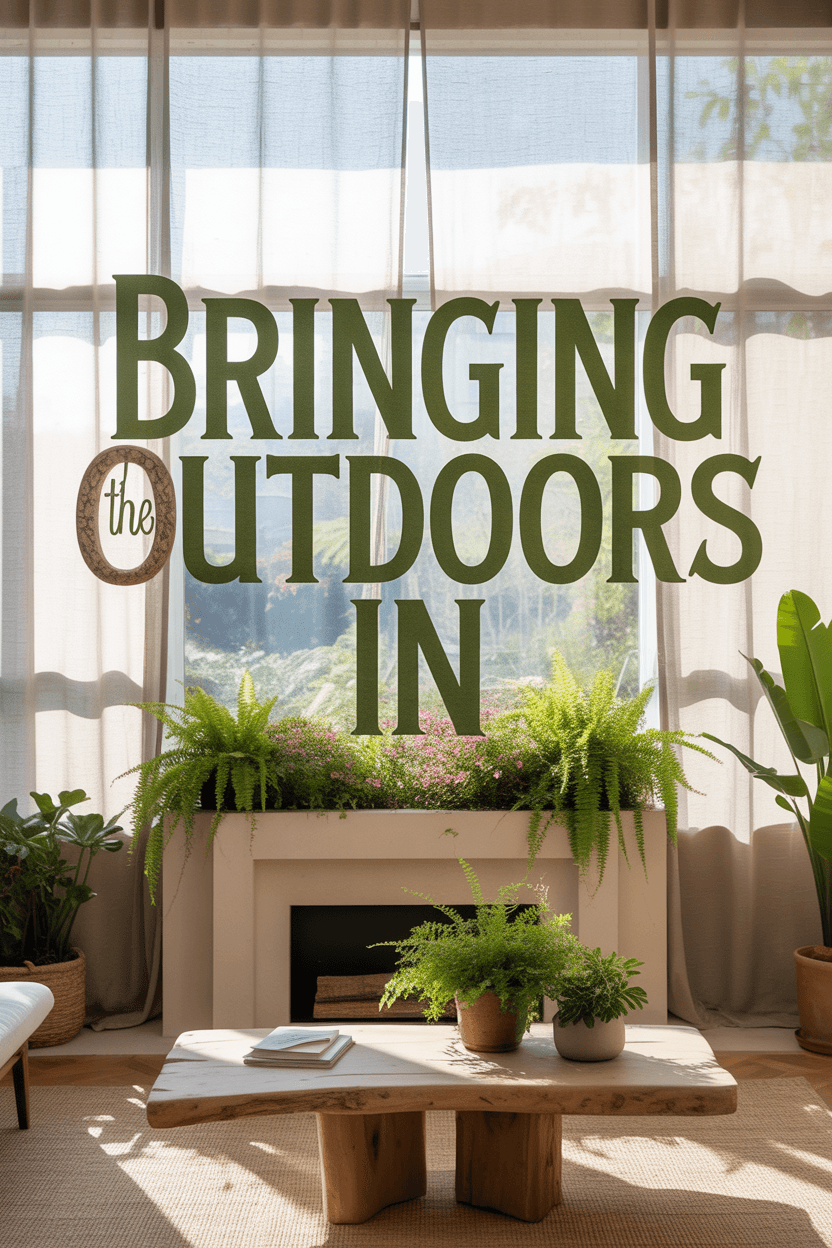
Biophilic design starts with a simple truth: humans have a natural need to connect with nature to feel our best. This approach seeks to fulfill that need within our homes, creating spaces that are both beautiful and calming.
It goes far beyond simply adding a few houseplants. This theme strategically incorporates abundant natural light through large windows, views of the outdoors, and the use of natural materials like wood and stone.
Living plants are a cornerstone, often appearing in creative ways such as living walls or integrated planters. The design also favors organic shapes and forms that mimic patterns found in nature.
This thoughtful approach is known to support our health by reducing stress, improving air quality, and boosting creativity. Biophilic design is a powerful way to craft spaces that not only look good but make you feel good, too, as this guide to Biophilic Design explains.
How to Define Your Personal Interior Design Theme
Selecting the perfect interior design theme is a personal journey, not just a set of rules. Before committing to a style, take the time to think about your personal taste and, most importantly, your lifestyle needs.
How you actually use your spaces day-to-day matters more than any passing trend. Consider your home’s existing architecture, as certain styles work best with specific features like high ceilings or original woodwork.
Look at the furniture and décor you already own and want to keep. These pieces can serve as a great starting point for building a cohesive look around what you already love.
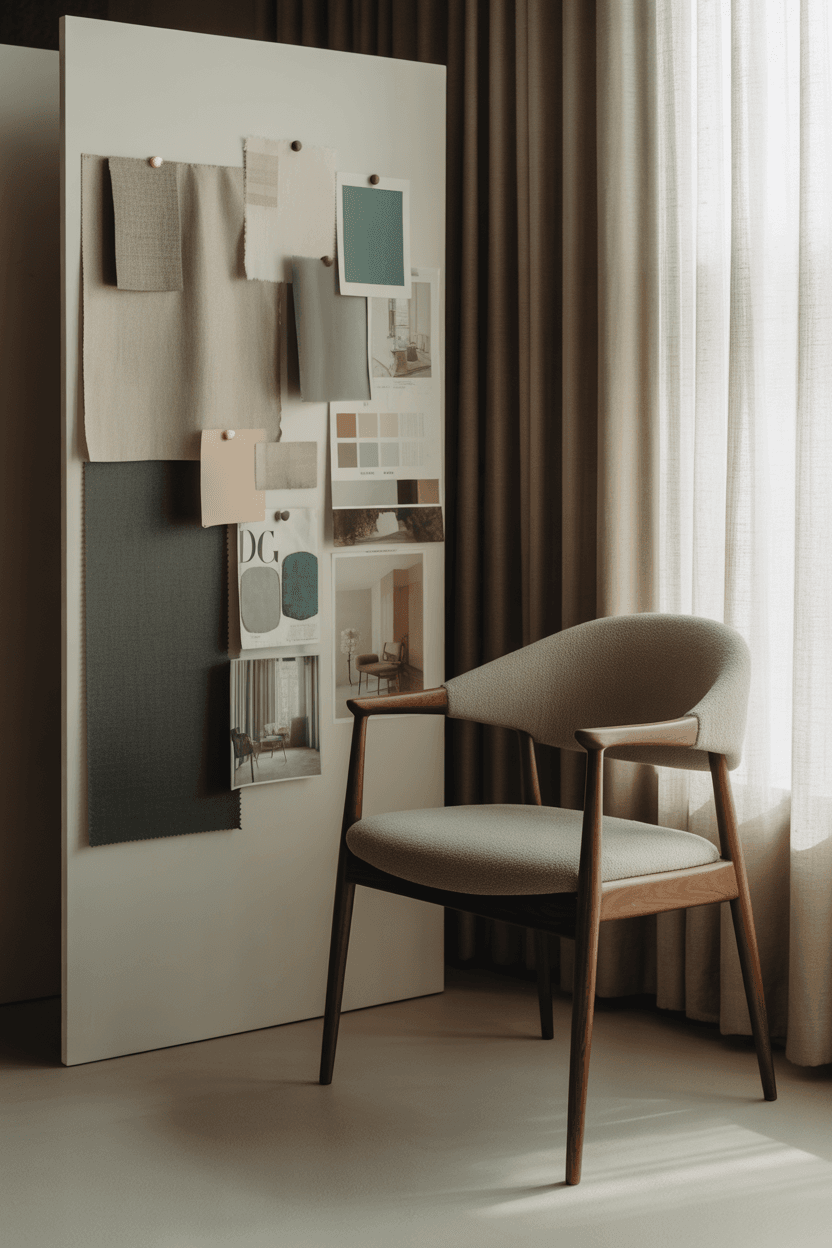
Create a digital or physical inspiration board to visualize themes and discover what speaks to you. Pin images from magazines, websites, and social media to find recurring patterns, colors, and moods that you are drawn to.
Finally, don’t be afraid to blend elements from different styles. Your home should be a reflection of you, so creating a personal space that feels truly authentic is the most important goal.
How to Choose Your Perfect Interior Design Theme
Selecting the ideal interior design theme depends on several factors. First, assess your personal preferences and lifestyle needs—how you actually use your spaces matters more than trends.
Consider your home’s architecture, as some styles naturally complement certain structural features.
Evaluate existing furniture you plan to keep, and determine whether your climate affects your design choices.
Create inspiration boards to visualize potential themes, and don’t hesitate to blend elements from different styles.
Remember that successful interior design reflects the people who live in the space—your home should tell your story, not someone else’s.
Start with one room as a testing ground before committing to a whole-house theme, allowing yourself to refine your vision as you experience the space daily.