From Chaos to Cohesion: Your Ultimate Living Room Arrangement Guide

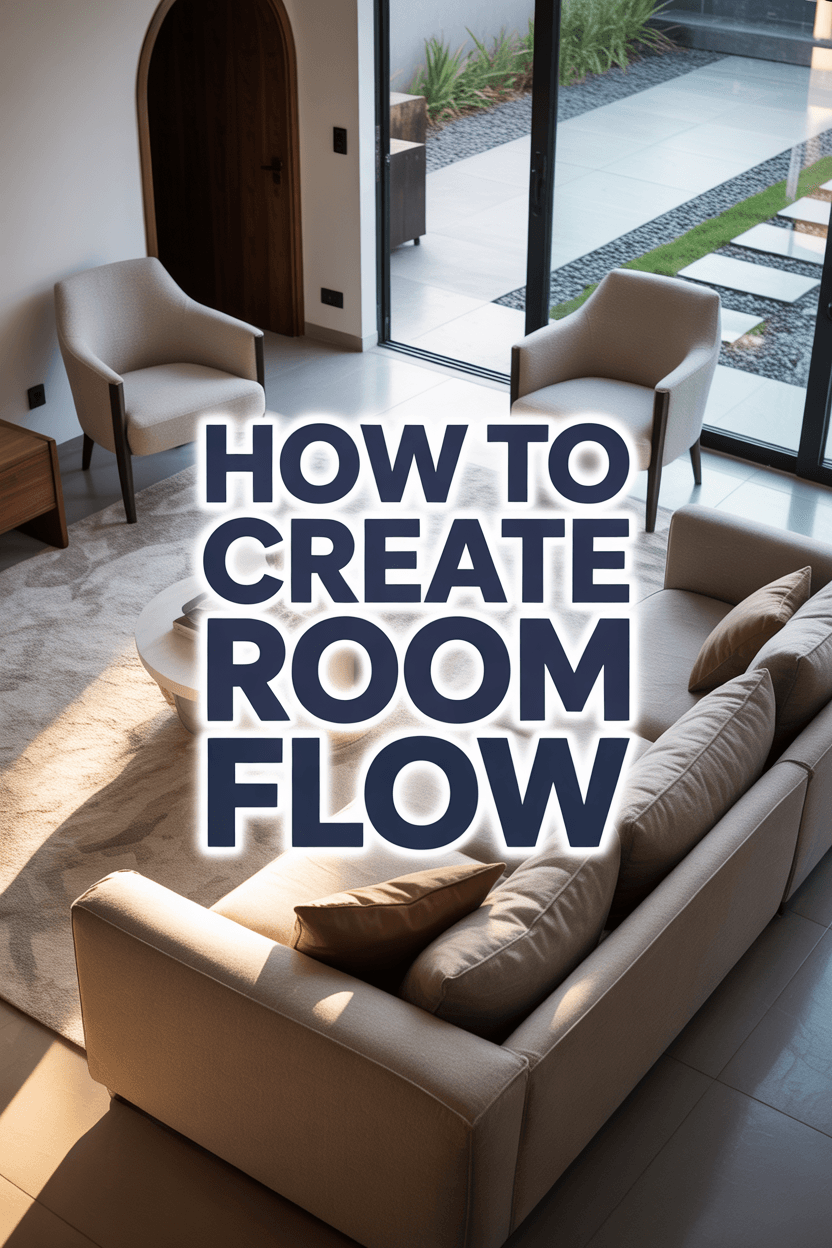
How to Arrange Living Room Furniture: Start with a Detailed Floor Plan

Arranging your living room furniture can feel like training a cat—somewhere between chaos and magic. But with a sprinkle of strategy and a dash of style, you’ll end up with a room that doesn’t just look polished but also works beautifully.
Before you move a single piece, grab a ruler or a smartphone app. Measure your walls and note the location of doors, windows, outlets, and built-ins.
Sketch it out on paper or use a free digital layout tool like Roomstyler or Magicplan to create a precise map. As experts at Architectural Digest note, knowing your room’s real boundaries is the crucial first step to avoid costly and frustrating mistakes.
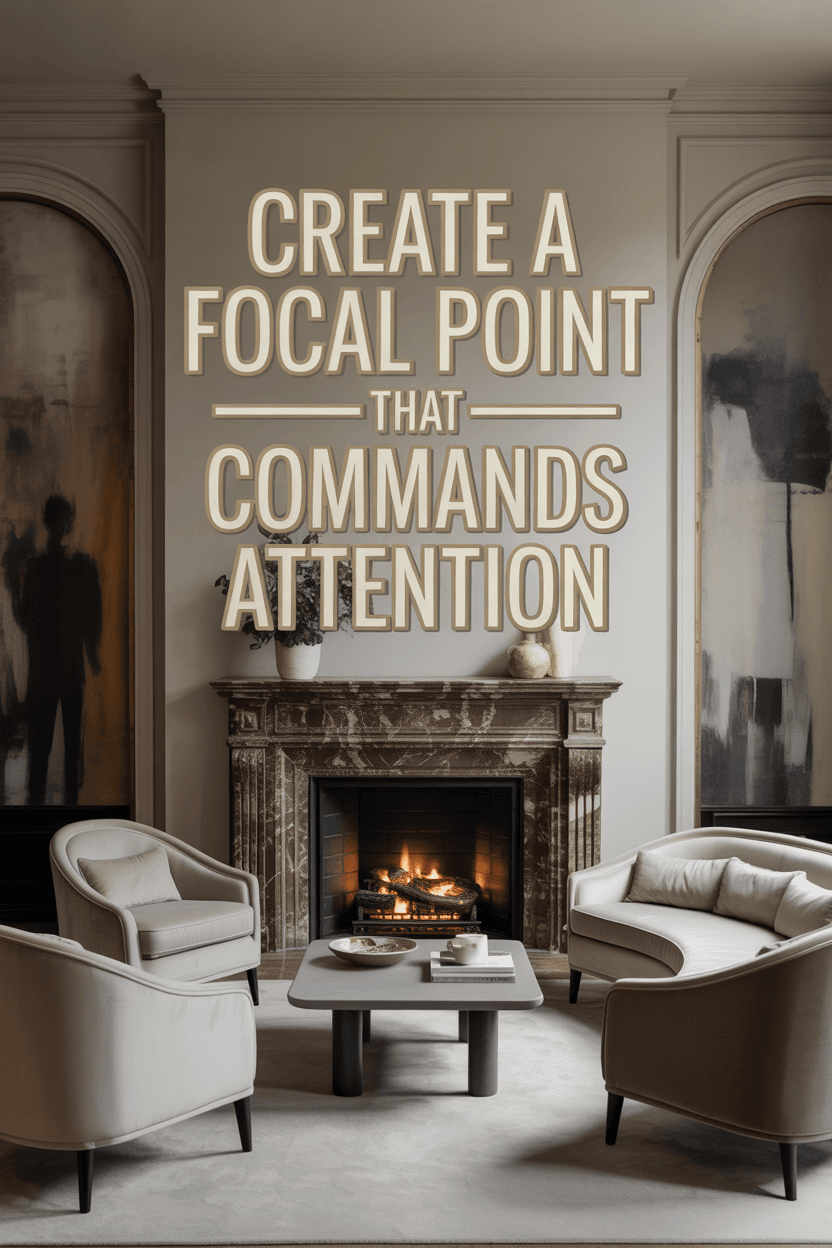
Every room needs a star. Whether it’s a dramatic fireplace, a stunning view, a wall of books, or a show-stopping sofa, identifying your focal point is a foundational principle in interior design.
According to design experts, you should arrange the rest of the furniture around this central feature. Your focal point gives the room an immediate sense of order and purpose, turning a collection of furniture into a cohesive design.
Create Conversational Zones and Visual Balance
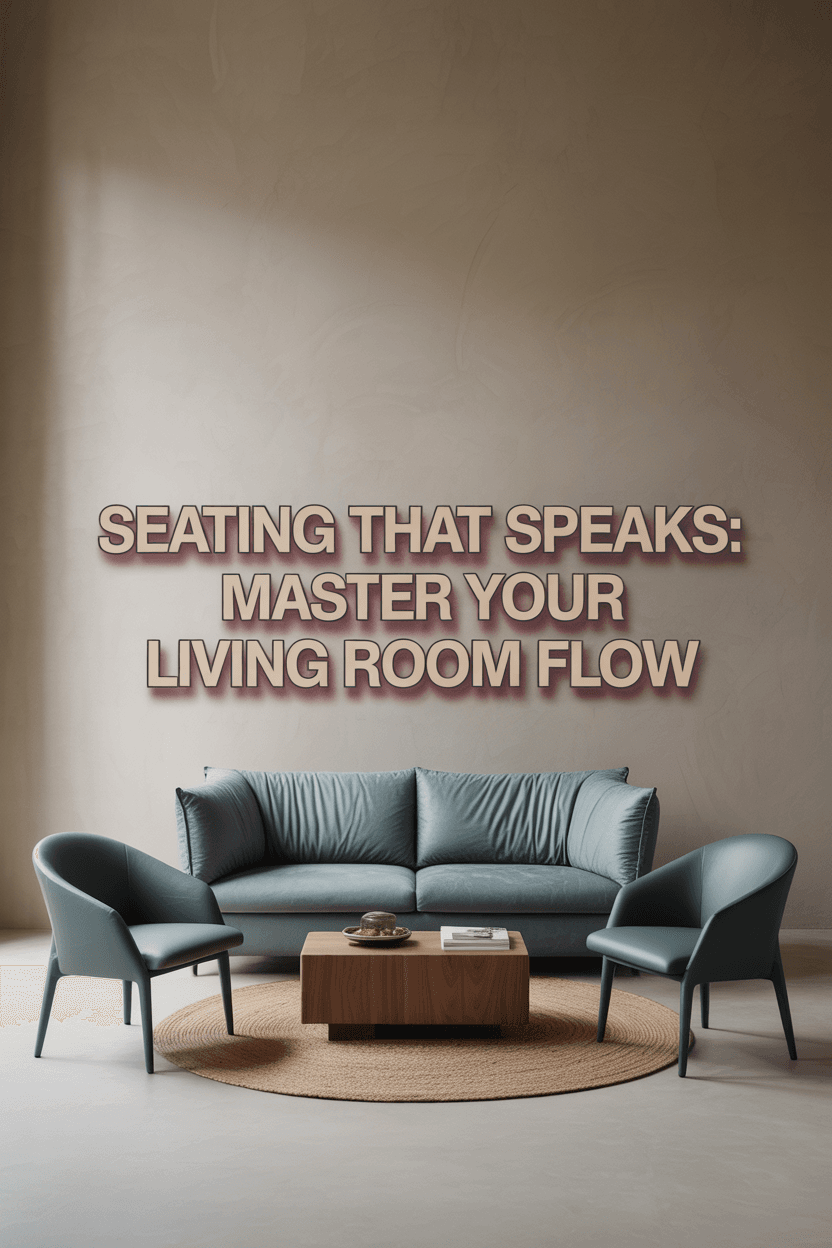
Think of your living room seating as a cast of characters designed for conversation. The lead role goes to the sofa, the supporting cast includes accent chairs, and the extras are your ottomans and poufs.
Position your main seating to encourage interaction, then layer in the secondary pieces. Professionals emphasize that this hierarchy isn’t just about looks; it’s about creating a space that is comfortable, inviting, and functional for you and your guests.
Next, consider the room’s visual weight. Do you crave formal, mirrored elegance or a more relaxed, dynamic vibe? Symmetry creates a sense of order and calm, while asymmetry adds personality and visual interest.
As explained on Houzz, many of the most successful rooms skillfully blend both. Consider a symmetrical sofa arrangement flanked by asymmetrical side tables and lighting. The key is to pick the style that best suits your room’s architecture and your personal aesthetic.
Define Traffic Paths for Effortless Flow
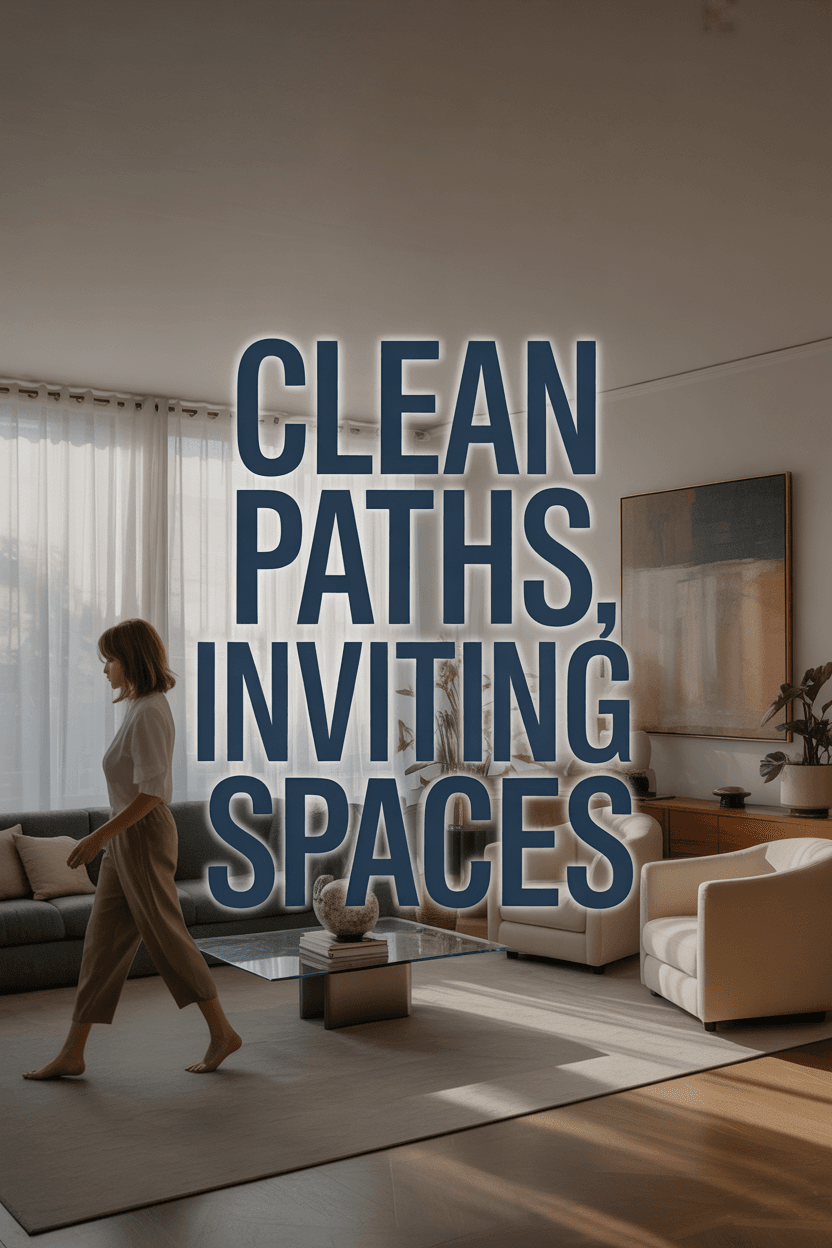
Your living room is for living, not for navigating an obstacle course. A critical rule of thumb, championed by designers like Emily Henderson, is to leave at least 3 feet of clear walkway in major traffic zones.
This ensures the room feels open, welcoming, and easy to move through, whether you’re hosting a party or just walking to the sofa.
Map out the natural paths people will take from one doorway to another or from the entrance to a seating area. Keep these primary lanes clear of furniture to promote a sense of ease and spaciousness.
Smaller, secondary paths, such as the space between a coffee table and sofa, can be narrower, but the main arteries of your room need breathing room.
Make the Most of a Small Living Room

When you’re working with a tight spot, every piece has to earn its keep. Design guides often recommend a five-point approach for a functional and stylish small living room.
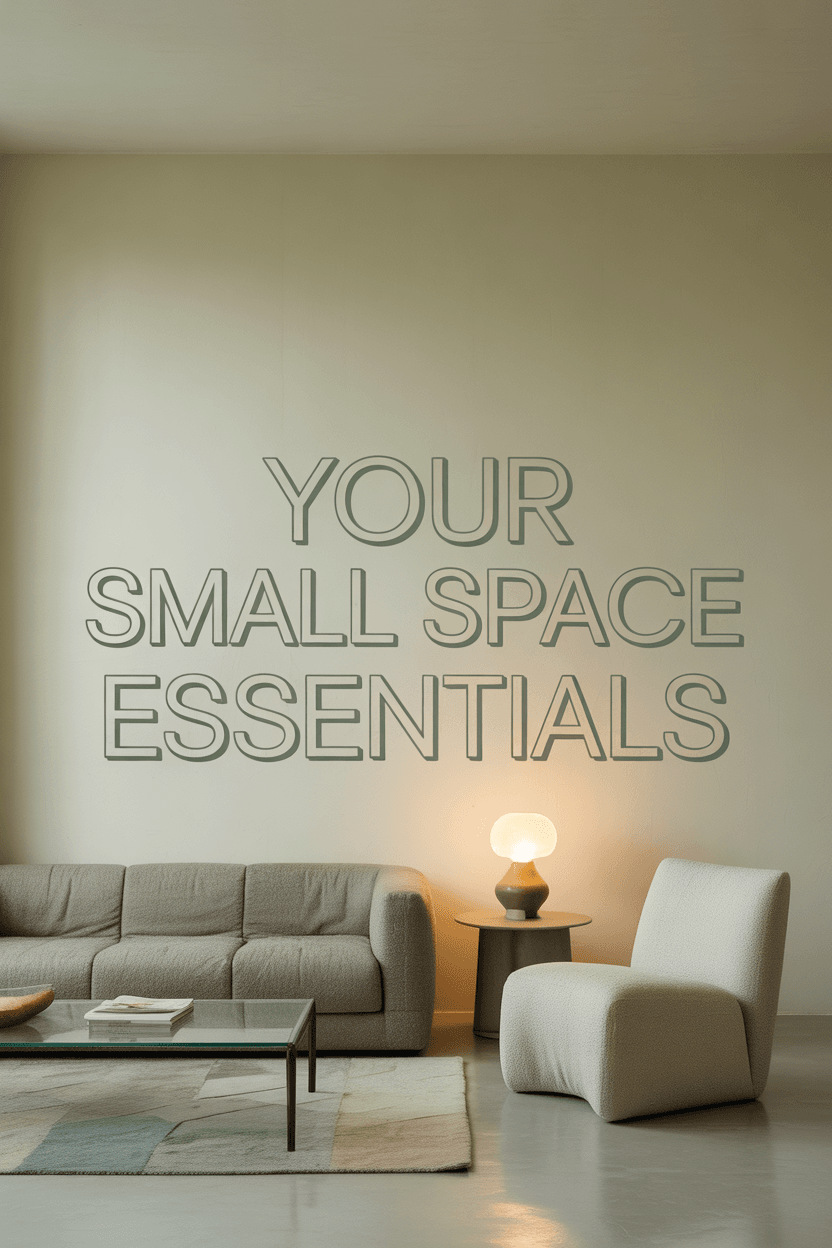
These are the essentials that form the backbone of your space: main seating, a secondary chair, a coffee table, a side table, and a rug.
Each item should be both a vision of style and a pillar of utility. Opt for furniture with a smaller footprint or a lighter visual weight—think pieces with exposed legs that allow you to see the floor underneath.
Multi-functional items are your best friends in a compact room. An ottoman can provide extra seating, a footrest, and hidden storage, while nesting tables offer flexibility without taking up permanent floor space.
Where Should the Coffee Table Go?
The coffee table is the center of your seating arrangement, so its placement is key. As a rule, it should be within easy reach of all seats.
Designers typically recommend leaving about 14-18 inches between the coffee table and the sofa.
This distance is close enough to set down a drink or book but far enough to allow for comfortable legroom.
Its height should be equal to or just a few inches below the height of your sofa cushions. This ensures it’s both functional and visually balanced within the seating group, creating a cohesive and user-friendly centerpiece.
Create Depth and Interest with Textured Layers
A room without texture can feel flat and uninviting. Create a rich, multi-sensory experience by layering a variety of materials.
As outlined by design pros, mixing textures is key to adding depth and sophistication.
Contrast a smooth leather sofa with a chunky knit throw, a woven rattan ottoman, and a sleek metal side table.
This juxtaposition of surfaces—soft and hard, rough and smooth, shiny and matte—reads like a sophisticated playlist. Each element complements the others to create a harmonious and visually interesting whole that invites you to touch and feel.
Accessorize with Purpose and Intention

Accessories are the finishing touches that bring a room’s personality to life. However, the key is to curate, not clutter.
Adopt a ‘less is more’ philosophy, choosing a few high-quality items that are both beautiful and functional. Thoughtfully selected accessories contribute to a cohesive, personalized look.
This includes a lamp that provides perfect reading light, throw pillows that offer comfort, or a unique sculpture that sparks conversation.
When it comes to arranging decor on walls or surfaces, there’s magic in odd numbers. The ‘rule of three’ is a classic design principle for a reason: it creates a display that is more dynamic and visually interesting than an even-numbered grouping.
Arrange three artworks that complement one another in scale, style, or color. This simple technique, detailed in guides on how to hang art, creates a satisfying rhythm that anchors a wall and gives your living room a professionally curated feel.
Work with Natural Light, Not Against It

Natural light is one of a room’s greatest assets, so your furniture arrangement should celebrate it. Position your main seating to take advantage of the view and sunlight.
Avoid placing bulky pieces in front of windows, which can block light and make a room feel smaller and more confined.
As recommended by design experts, think of your furniture as teammates with the light, not blockers.
Use low-profile pieces, plants near windows, or a reflective side table to enhance the sunlit atmosphere. Pairing sheer curtains with heavier drapes can also give you flexible control over light and privacy throughout the day.
Anchor Your Room with the Perfectly Sized Rug

A rug anchors the seating area and ties the room together. But the wrong size can throw off the entire space, making it feel disjointed or cramped.
According to guides from retailers like Lulu and Georgia and designers like Emily Henderson, the golden rule is to choose a rug large enough for at least the front legs of your sofa and chairs to rest on it.
This visually connects the pieces, creating a unified conversational area. An even better approach, if space allows, is to select a rug that all your furniture can sit on comfortably.
In a smaller room, leaving about 6-8 inches of exposed floor around the rug’s perimeter can actually make the space feel larger and more airy. This defines the seating zone without overwhelming the room.
Embrace Adaptability with Flexible Furniture
Living rooms often serve multiple purposes—from a cozy movie night spot to a lively gathering space. Contemporary design trends embrace this need for adaptability.
Incorporate flexible solutions like lightweight chairs you can easily reposition for conversations or extra guests.
Nesting tables are another excellent choice; they can be spread out when needed and tucked away to create more floor space.
Consider ottomans that double as coffee tables or provide hidden storage for blankets and magazines. With the right versatile pieces, you can adapt your room’s function with minimal effort, ensuring it always meets your needs.
Get the Proportions Right: The Importance of Scale
Scale and proportion are the unsung heroes of good design. To create visual harmony, your furniture pieces should relate to each other and to the room itself.
A large, overstuffed sofa in a small room can feel overwhelming, while delicate furniture can get lost in a grand, high-ceilinged space.
As a general guideline from Better Homes & Gardens, side tables should be a similar height to the arm of your sofa, and lamps shouldn’t dwarf the tables they sit on.
The scale also applies to the room’s architecture. Large rooms can handle oversized, statement pieces that command attention and fill the space appropriately.
Conversely, smaller rooms benefit from more compact, visually lighter furniture to avoid feeling crowded and to maintain a sense of openness.
Define Your Space with a Cohesive Color Strategy
A well-defined color palette is the foundation of a cohesive living room. Create a scheme that blends your personal style with a clean, sophisticated aesthetic.
A popular approach recommended by sources like Apartment Therapy is the 60-30-10 rule. Your dominant color (often the walls) should make up 60% of the space.
A secondary color, used for furniture and other large items, should account for 30%. The final 10% is for an accent color, sprinkled in through pillows, art, and decor to add a pop of personality.
Start with two or three foundational hues, then layer in your accent colors. The goal is a neutral-but-alive palette that feels both timeless and personal.
Follow these straightforward principles and see your living room become a curated, functional haven. The result? A space that’s not just Instagram‑ready but also ready for your everyday life—the true heart of your home.