Transform Your Bathroom: 7 Stunning Contemporary Wall Tile Designs

The New Classics: How Contemporary Wall Tiles Redefine Your Bathroom
Dreaming of a bathroom refresh that feels both modern and timeless? Contemporary bathroom wall tiles provide a rich palette to turn your space from functional to phenomenal.
Whether your inspiration is the airy feel of a coastal retreat, the curated comfort of a Nancy Meyers film, or the clean lines of modern luxury, the right tile is your foundation.
This guide will walk you through the latest trends, materials, and design ideas to help you create a bathroom you’ll love.
Let’s create a stylish sanctuary that is also a practical and lasting space.
What Are the Most Popular Bathroom Tile Designs?
Today’s tile designs offer so much more than the classic white square, providing exciting and sophisticated ways to express your style. A modern twist on a classic is the elongated subway tile, often laid in a stacked or vertical pattern with contrasting grout to create a graphic effect.
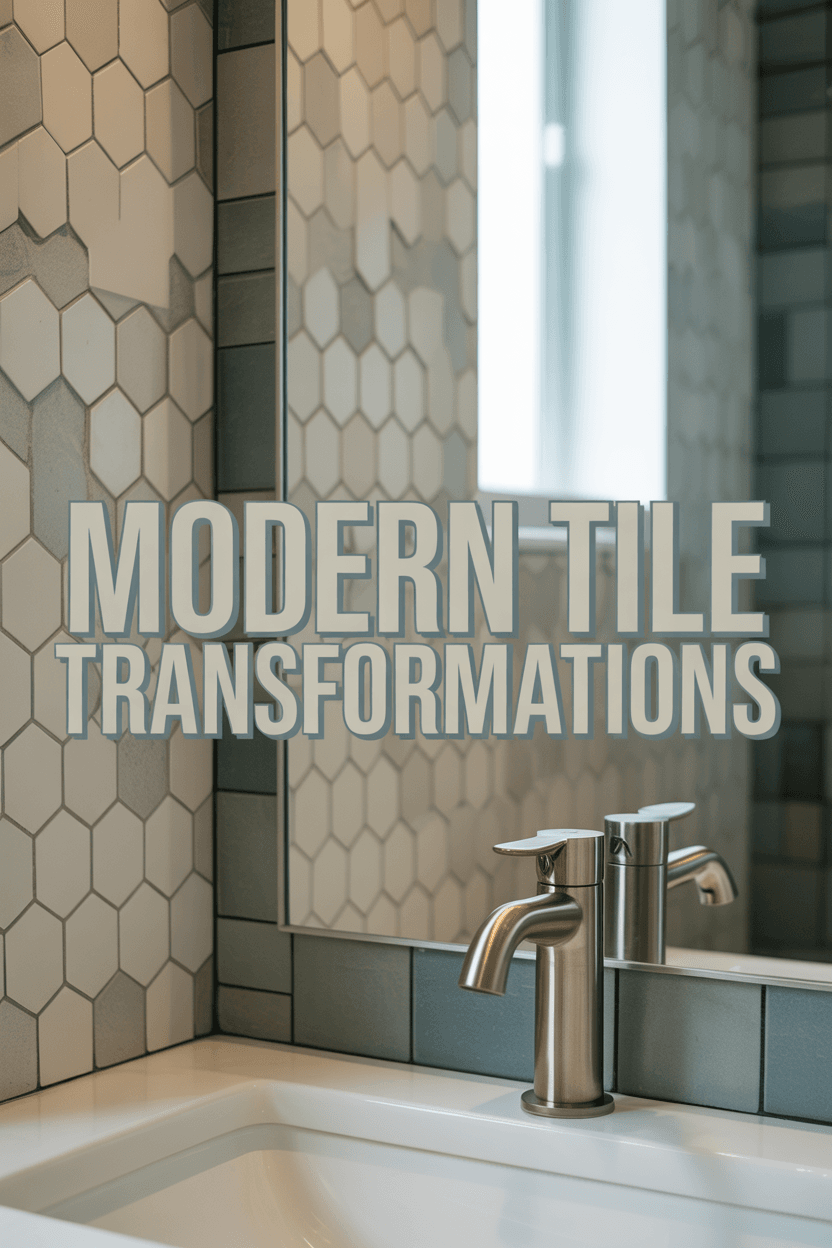
Geometric patterns using shapes like hexagons, diamonds, and arabesques add dynamic movement and a custom feel to any wall.
Three-dimensional textured tiles play with light and shadow, creating subtle depth and a tactile quality that feels incredibly luxurious.
For a truly high-end look, consider a waterfall installation where wall tiles flow seamlessly onto the floor. This creates a continuous, spa-like effect that is perfect for walk-in showers.
Artistic ombré patterns introduce subtle gradients of color, lending a watercolor-like effect to a feature wall.
These contemporary designs allow you to express your unique style while maintaining a timeless appeal, making them a wise and beautiful investment for your home.
Why Is Contemporary Tile a Smart Choice for Your Bathroom?
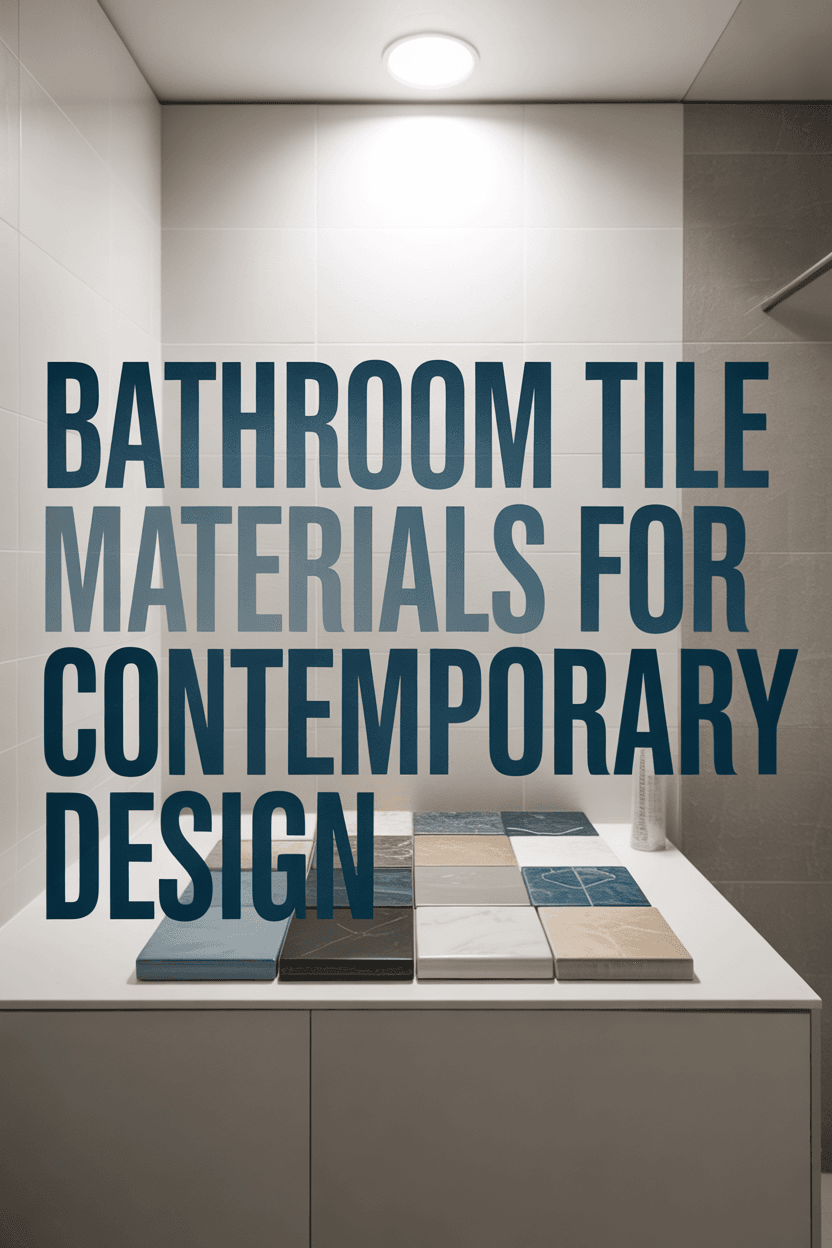
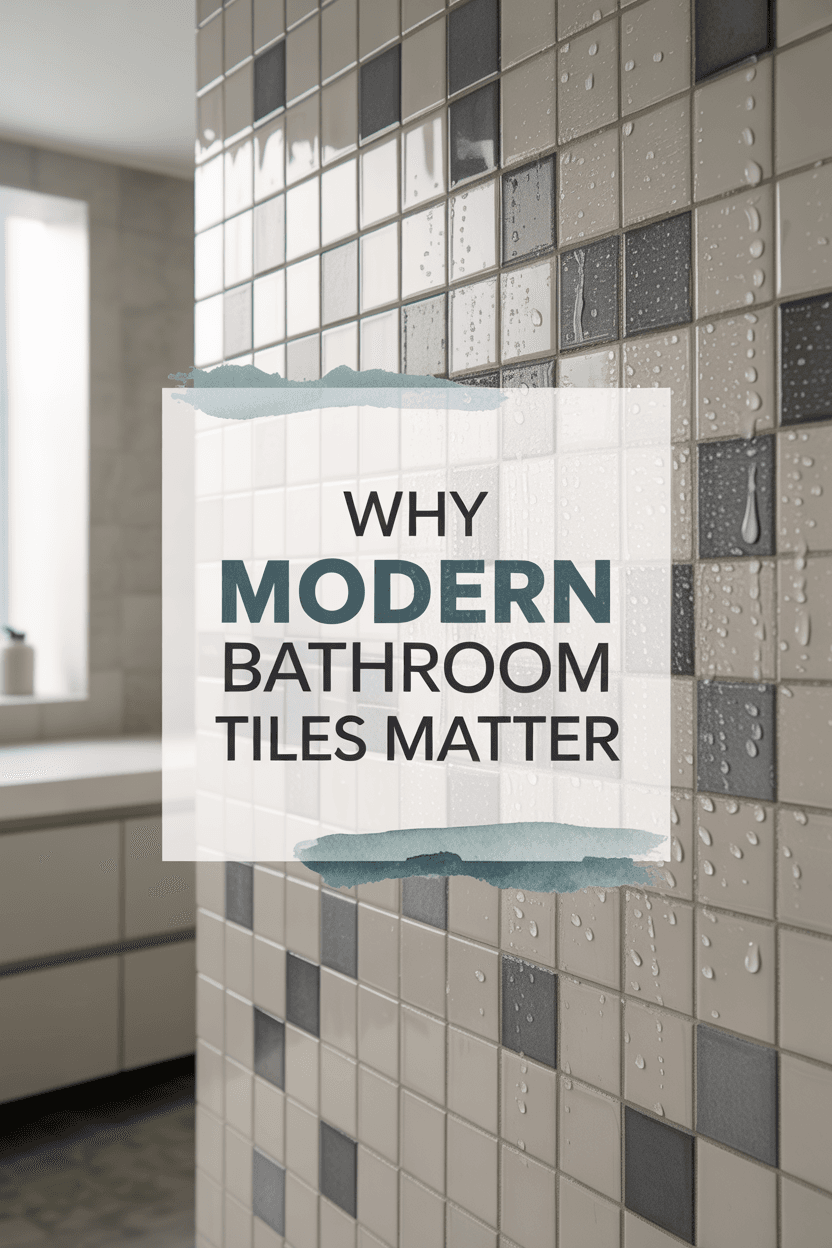
Modern bathroom tiles offer many advantages that go far beyond their striking visual appeal. Properly installed porcelain and ceramic tiles create a waterproof barrier, which is crucial for protecting walls in humid environments.
Unlike porous materials, tile resists mold and mildew growth, contributing to a healthier home and greater peace of mind.
High-quality tiles are also exceptionally durable. They offer excellent resistance to scratches, cracks, and fading, which ensures your bathroom looks pristine for years to come.
Most modern tiles are simple to clean, a key feature for maintaining a luxury feel without difficult upkeep.
Tiled surfaces can even help dampen sound compared to hard, echoing finishes, creating a quieter, more peaceful atmosphere in your private retreat.
Finally, tile surfaces don’t harbor dust mites, pet dander, or pollen, making them an excellent choice for allergy sufferers and promoting better indoor air quality.
What Are the Best Materials for Bathroom Wall Tiles?
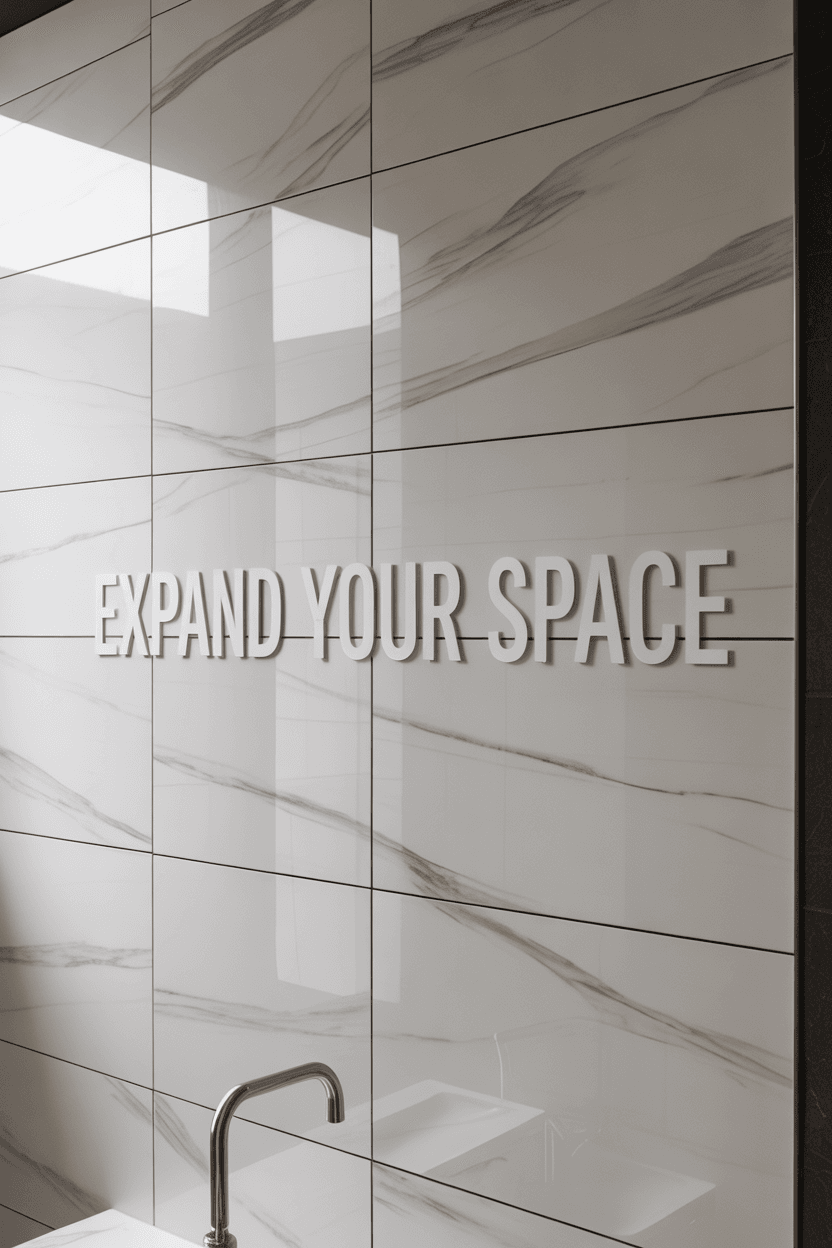
Choosing the right material depends on your desired style, performance needs, and budget. Porcelain is the workhorse of the modern bathroom, as it’s extremely durable, virtually waterproof, and available in countless styles.
Ceramic is a cost-effective and versatile option, perfect for creating colorful backsplashes or classic wall coverings with a modern twist.
Glass tiles have reflective properties that bounce light around the room, making spaces feel brighter and larger—ideal for a glamorous or coastal look.
Natural stone, such as marble, travertine, and slate, offers one-of-a-kind veining and organic texture, delivering an undeniable sense of luxury.
For an industrial-chic or minimalist aesthetic, concrete-look tiles provide a sophisticated, matte finish with customizable colors.
Wood-look porcelain delivers the visual warmth and texture of wood with the waterproof, durable performance required for a bathroom environment.
The Art of Space: Why Large Format Tiles Reign Supreme
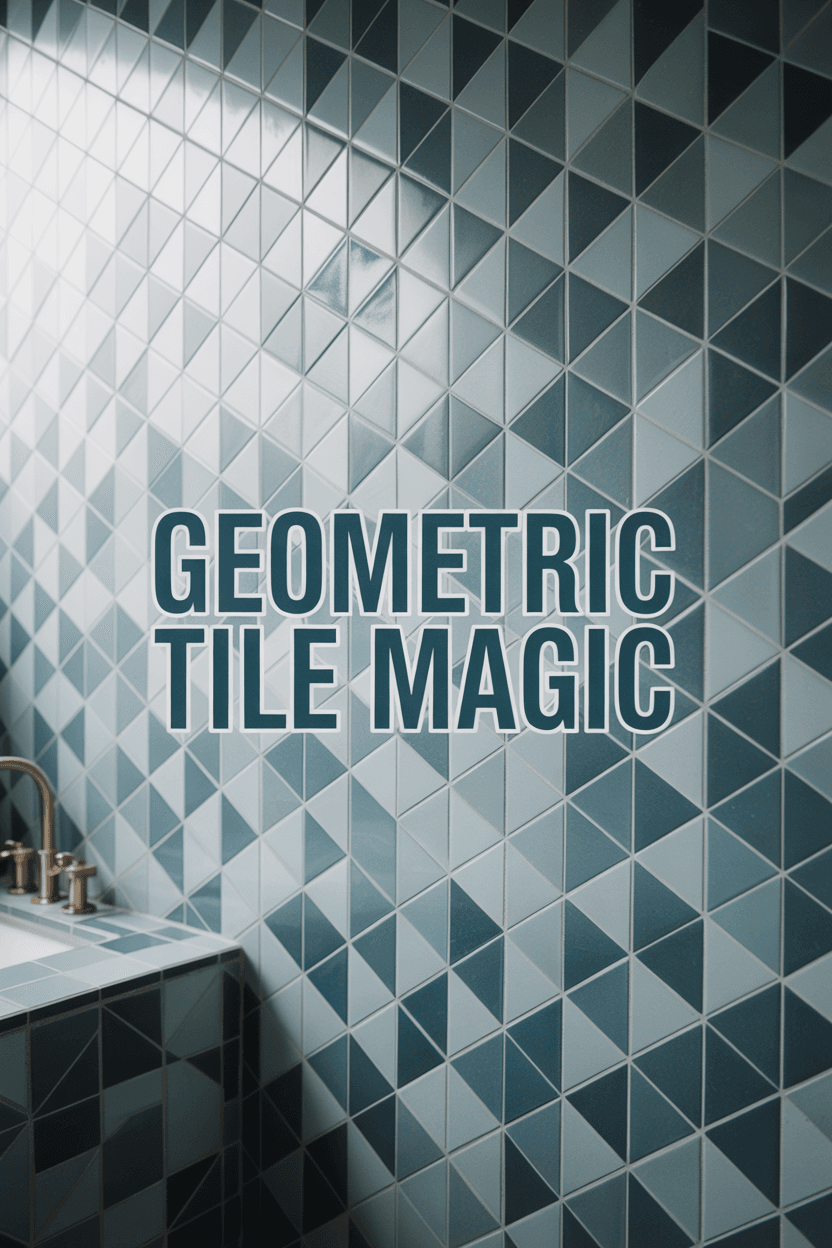
Large format tiles have brought a significant change to contemporary bathroom design, creating an atmosphere of seamless luxury. Their main benefit is the reduction of grout lines, which creates a clean, continuous, and uncluttered visual flow.
By minimizing these visual breaks, large tiles make a room feel larger and more open, making them perfect for both small and large bathrooms.
Large slabs are also the perfect canvas for showcasing the dramatic veining of natural stone or the subtle texture of concrete-look porcelain.
From a practical standpoint, less grout means less scrubbing and a lower chance of discoloration over time, simplifying maintenance.
The use of large tiles is strongly associated with high-end hotels and spas, which instantly gives your personal space a more luxurious feel.
While their installation requires a perfectly level surface and skilled handling, the stunning visual impact is more than worth the investment for a truly high-end finish.
Dynamic by Design: The Impact of Geometric Patterns and Textures
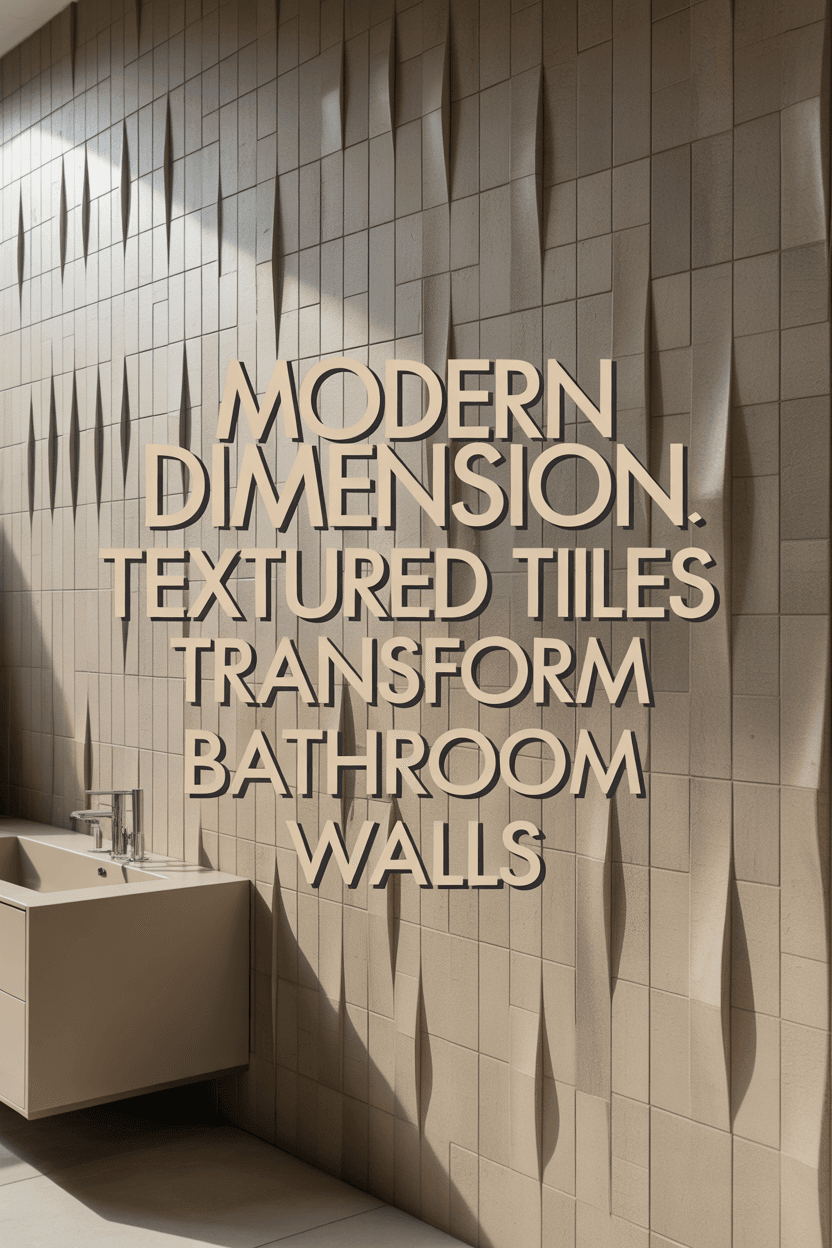
Geometric patterns and tactile surfaces bring personality, energy, and a custom-designed feel to bathroom walls. A herringbone layout, for instance, creates a sense of movement and is perfect for a feature wall in a shower.
The V-shaped chevron pattern adds dynamic energy and a touch of timeless European chic to any space.
Honeycomb-inspired hexagonal tiles are endlessly versatile and can feel both retro and modern depending on their size, color, and finish.
In luxury design, texture is as vital as color. Three-dimensional tiles with ripples or waves catch and reflect light beautifully, reminiscent of water.
Raised geometric patterns or carved surfaces create intriguing shadow play that interacts with light, shifting throughout the day.
These surfaces add subtle interest that invites you to look closer, turning a visual design into a tactile experience.
How Can I Create a Minimalist Look with Bathroom Tile?
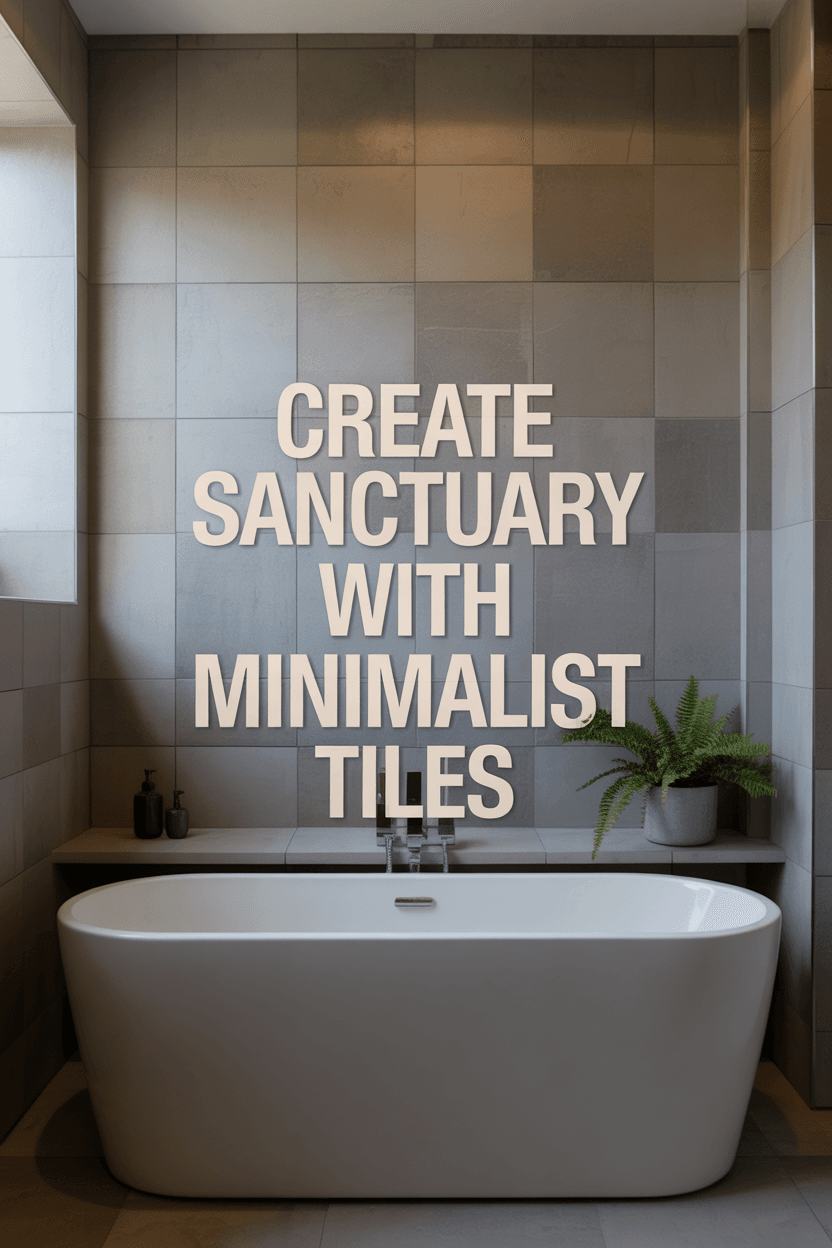
A minimalist bathroom tile design is about creating a tranquil, uncluttered sanctuary. This “less is more” approach focuses on quality materials and clean lines to create a sense of space and calm.
This style often employs monochromatic color schemes, using varying shades of a single color like grey, beige, or white for a harmonious effect.
Large format tiles are a hallmark of minimalist design due to their minimal grout lines, which help create a seamless and expansive look.
For an almost monolithic appearance, designers use rectified tiles, which are cut after firing to allow for razor-thin grout lines.
Matte finishes are also favored, as they absorb light rather than reflecting it. This reduces visual “noise” and creates a soft, sophisticated feel.
Instead of bold patterns, minimalism favors quiet texture, like that of a concrete- or linen-look tile, to add warmth and interest without disrupting the calm.
How to Use Bold Color on Your Bathroom Walls
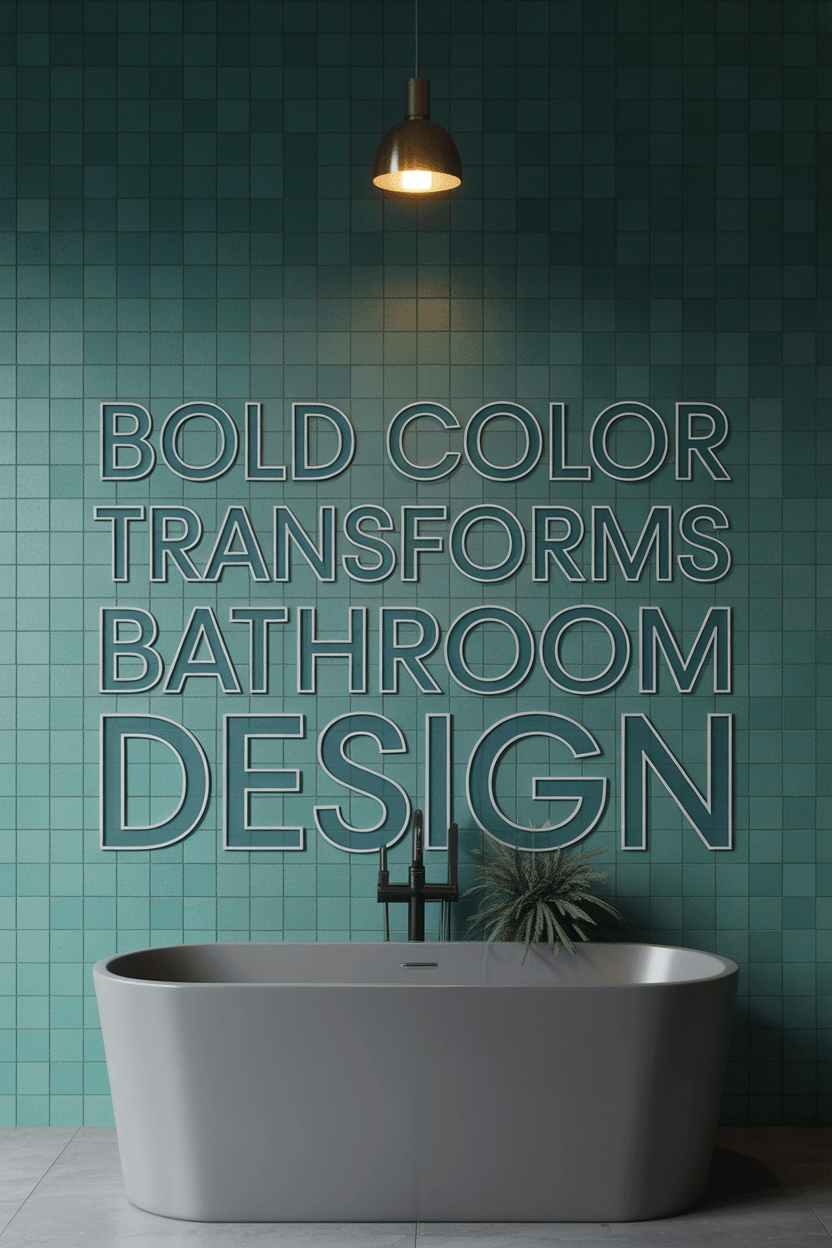
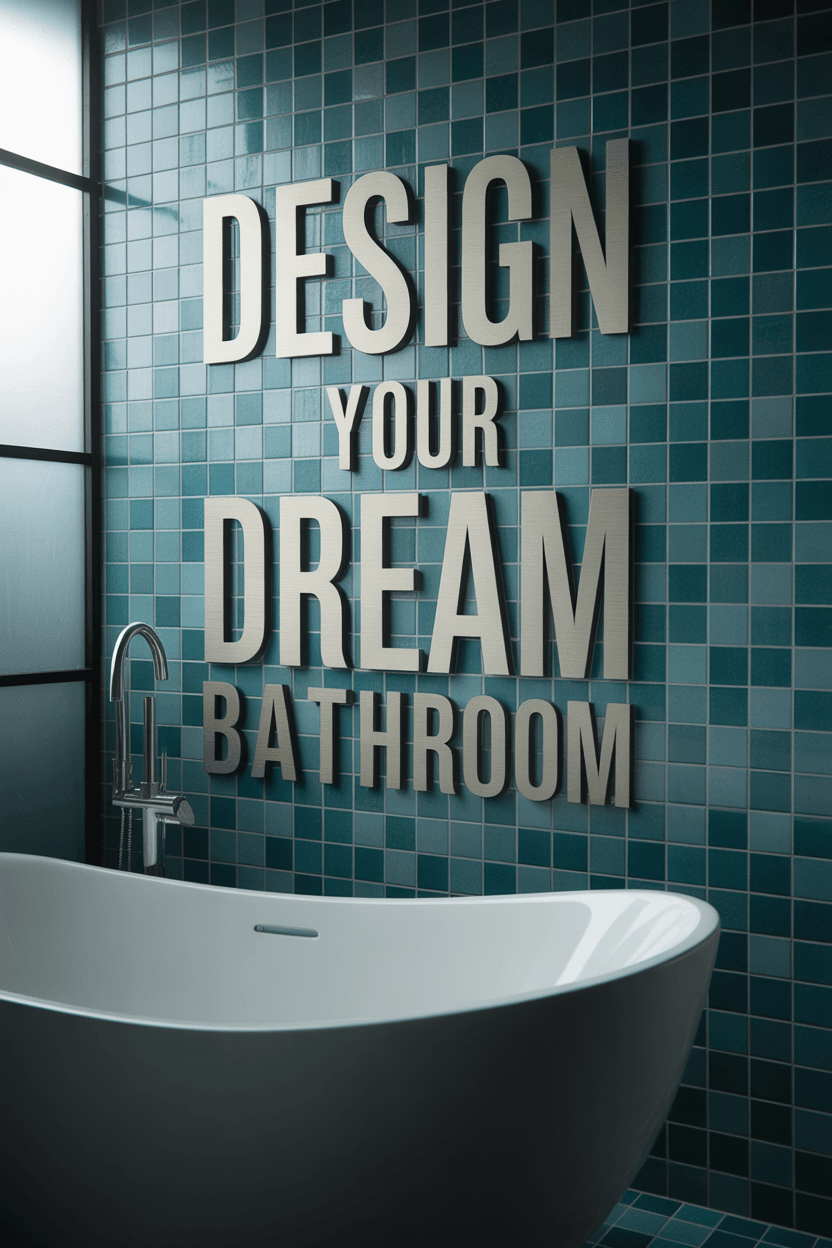
While serene neutrals will always have a place, contemporary bathrooms are welcoming color in bold and beautiful ways. Deep blues and greens, from navy to forest green, evoke a sense of spa-like tranquility and luxury.
Warm, earthy tones like terracotta and rust bring an organic, grounded feeling to a space, pairing beautifully with natural wood and stone.
For a feeling of opulence and high drama, consider jewel tones like rich sapphire or emerald, often used as powerful accents.
Matte black remains a popular favorite for creating dramatic sophistication, especially when used for fixtures or a stunning feature wall.
If you’re hesitant to commit to a wall of bright color, try using vibrant tile within a shower niche or as a vanity backsplash to add personality without overwhelming the room.
How Do Designers Mix and Match Different Tiles?
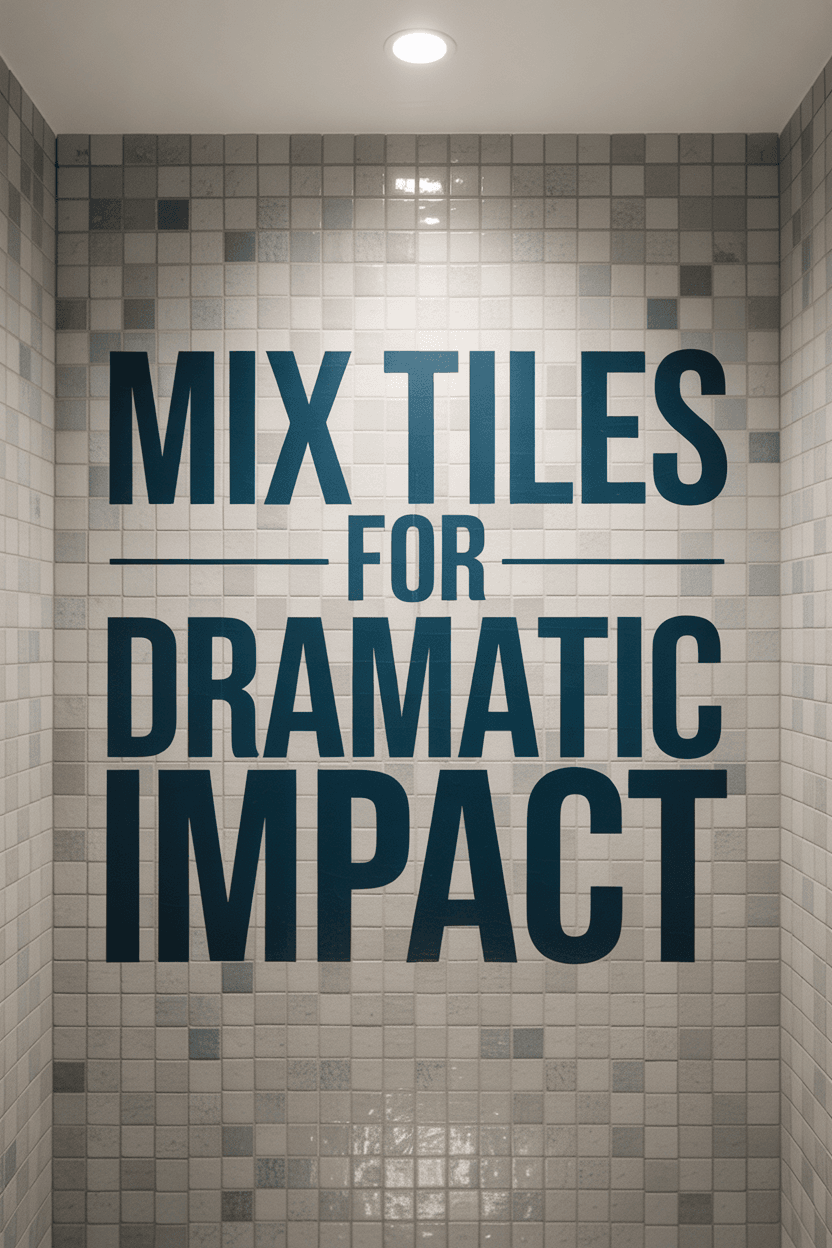
Thoughtfully combining different tile styles is a hallmark of a custom-designed space, adding layers of visual interest and personality. The key to successful mixing is creating harmony through contrast.
A popular strategy is to contrast scale by pairing large format floor tiles with small, intricate mosaics in the shower or as a backsplash.
You can also mix finishes, combining glossy and matte tiles of the same color for a subtle, sophisticated variation in texture and light reflection.
Let a bold geometric or patterned tile be the star by surrounding it with a simple, solid-color field tile.
Use different tiles to define functional zones, such as durable porcelain on the floor and a more delicate natural stone around the vanity.
Successful combinations maintain cohesion by sticking to a complementary color palette, creating a look that is both varied and harmonious.
What Are the Best Eco-Friendly Tile Options?
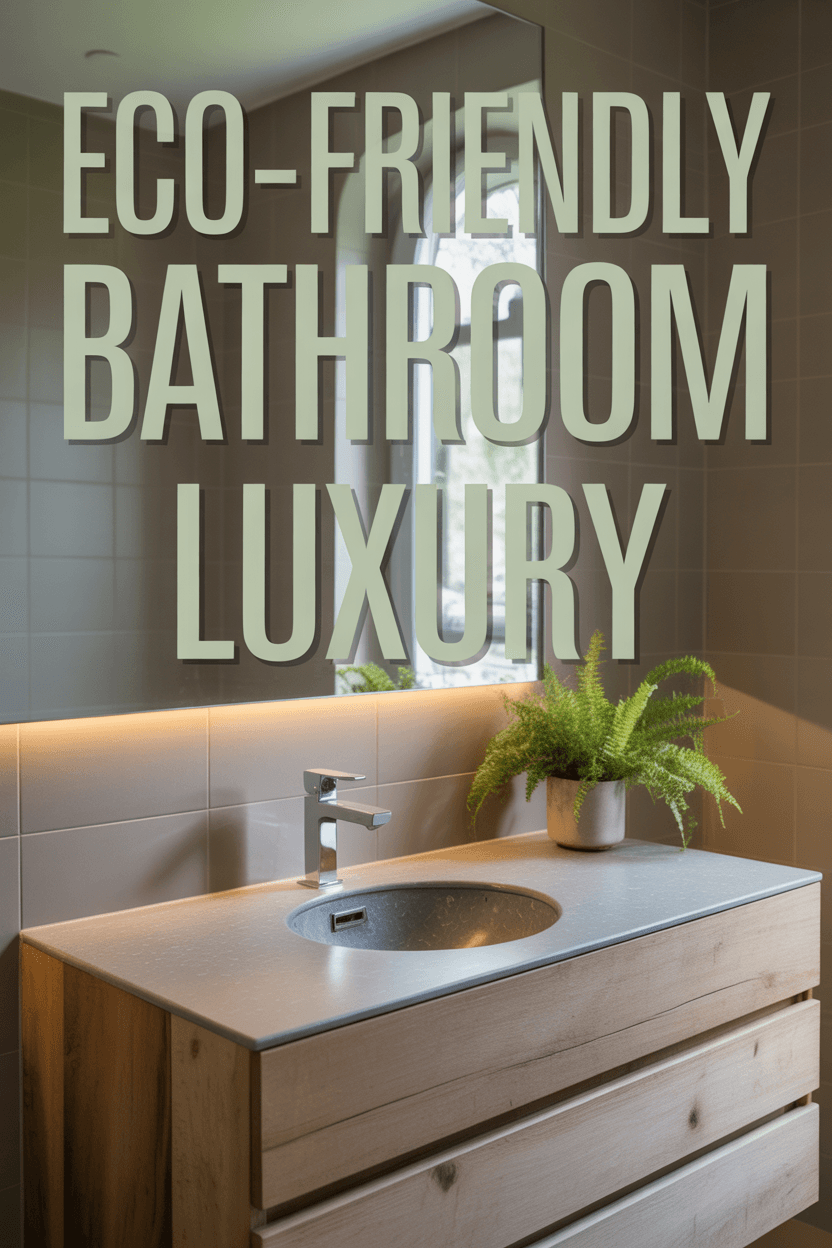
A beautifully designed bathroom can also be an environmentally conscious one. The market for sustainable tile is growing, offering choices that are as kind to the planet as they are beautiful.
Many porcelain and ceramic tiles now incorporate pre- and post-consumer recycled materials. Recycled glass tiles are another beautiful and popular option.
Choosing reclaimed terracotta or stone offers a unique, historical character while diverting waste from landfills.
Opting for stone quarried regionally reduces the carbon footprint associated with transportation, a major factor in a product’s overall environmental impact.
Look for manufacturers that use closed-loop water recycling systems in their production processes to conserve resources.
Choosing durable, timeless designs is also sustainable, as it reduces the need for frequent replacement and waste.
Flawless Execution: Your Guide to Installation and Maintenance
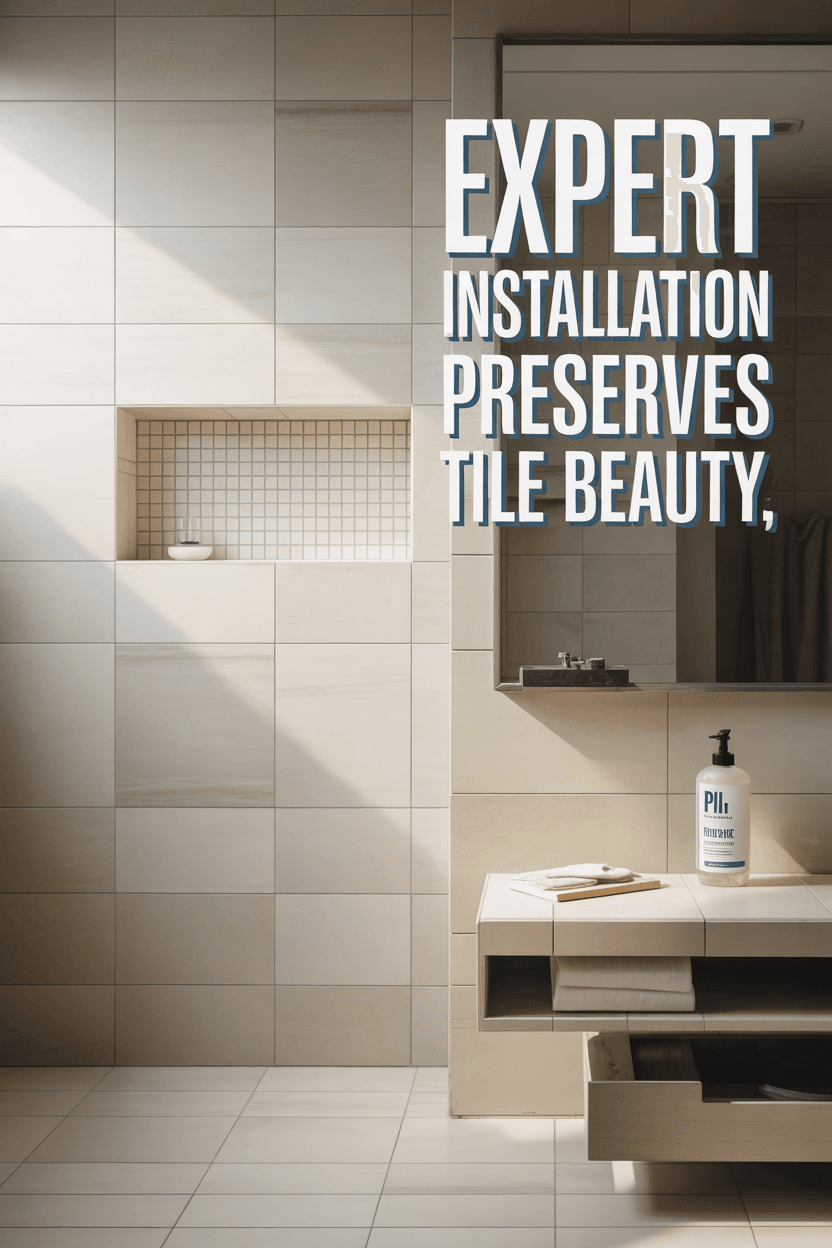
The most beautiful tile can be ruined by poor installation. Proper execution starts with a perfectly flat, level, and stable surface, which is essential for large format tiles.
Using appropriate waterproofing membranes in all wet areas is non-negotiable to prevent leaks and catastrophic water damage.
An experienced professional will plan the layout to center patterns on focal points and avoid awkward, narrow cuts of tile in visible corners.
To keep tiles looking their best, follow a simple care routine. Durable porcelain and ceramic generally only need cleaning with a pH-neutral cleaner and water.
Porous stones like marble typically require periodic sealing to protect against staining and should only be cleaned with products made for natural stone.
Above all, avoid abrasive cleaners or harsh scrubbing pads, as they can scratch the tile surface or damage the grout over time.
How to Plan and Budget for Your Bathroom Tile Project
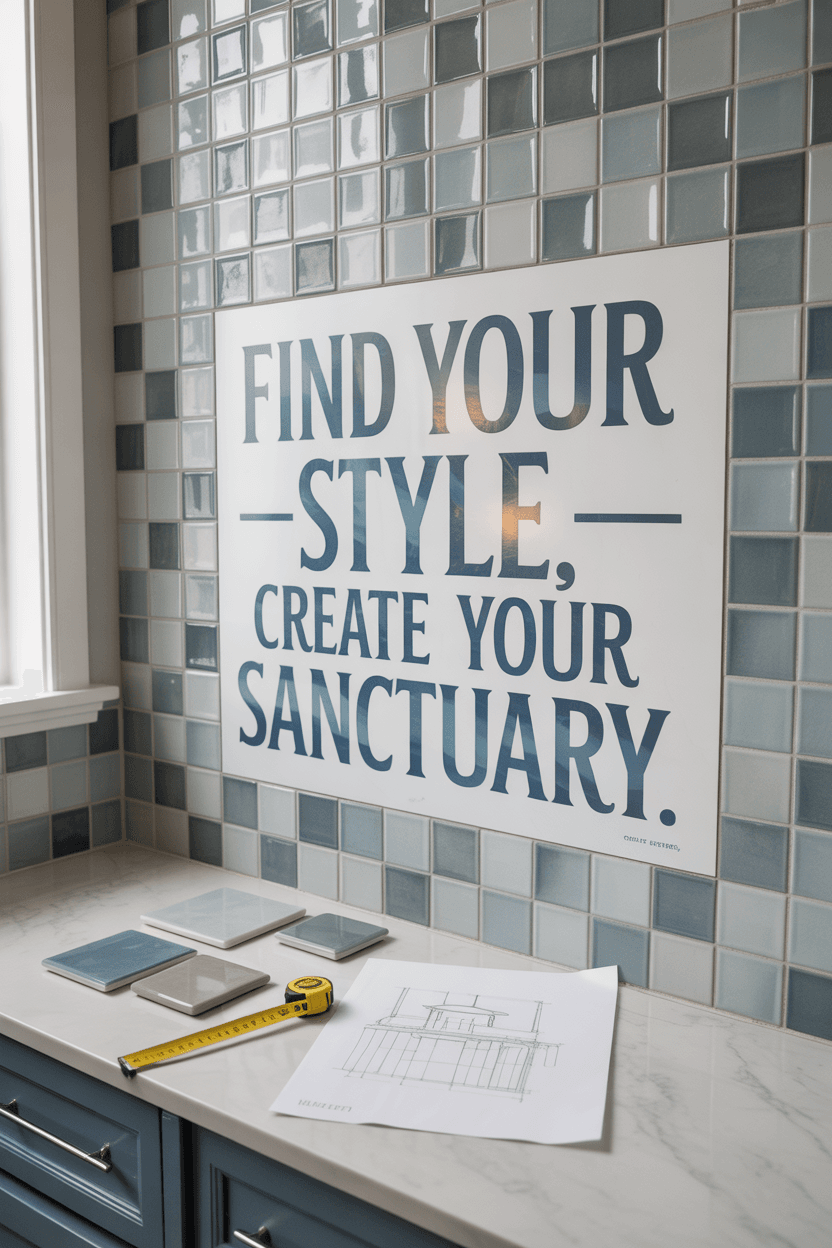
Gathering inspiration is the most exciting part of the planning process. Begin by establishing a clear budget, as tile costs can vary dramatically from a few dollars per square foot for basic ceramic to over $50 for artisan tiles.
Remember to factor in installation costs, which can often equal or exceed the material cost, especially for complex jobs.
Create a digital or physical mood board to refine your style. Use platforms like Houzz and Pinterest to save your favorite images.
There is no substitute for visiting specialized tile showrooms to see and touch tiles in person to appreciate their true texture and color.
Pay attention to the bathrooms in high-end hotels and spas, as they are often at the forefront of luxury design and material use.
By taking the time to explore your options and plan carefully, you can move forward with confidence, knowing your new tiles will create a stylish retreat that lasts.