
7 Effortless Ways to Create a Living Room Youll Never Want to Leave


How Should I Arrange My Living Room Furniture?

Creating a comfortable living room starts with a thoughtful layout that prioritizes both movement and social connection.
A well-planned space avoids obstruction and encourages interaction. When positioning furniture, consider traffic flow and conversation areas first.
A fundamental rule is to leave enough space between pieces—typically 18-24 inches—for easy movement.
Arrange seating to face each other, promoting natural conversation rather than just facing a television or singular focal point.
For larger rooms, create multiple functional zones, such as a reading nook and a main seating area. You can elegantly define these with distinct area rugs or thoughtful furniture groupings.
To achieve a harmonious feel, balance the room by distributing visual weight evenly. Position the largest pieces, like sofas, against walls to maximize open space.
Learn More: 10 Rules for Arranging Living Room Furniture via Houzz & Living Room Layout Ideas from The Spruce
How to Choose Seating That’s Stylish and Durable
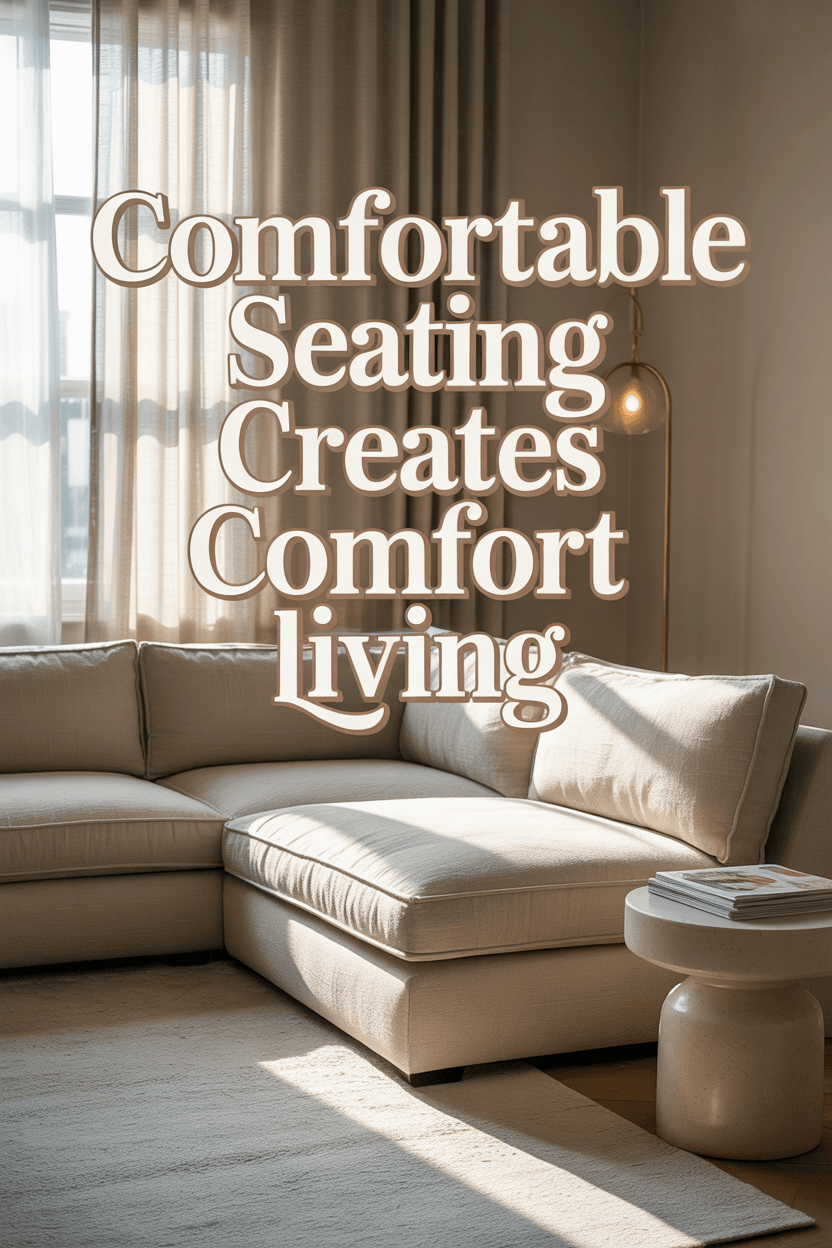
The right seating is the foundation of a cozy living room. Select pieces with proper depth and height for your family’s needs and lifestyle.
Many people now favor deep sofas with plush, sink-in cushions for ultimate relaxation. Firmer options, however, can provide better support for those with mobility concerns.
Consider the versatility of sectionals for flexible arrangements or the personalized comfort of classic armchairs. Look for quality construction, including sturdy hardwood frames and durable springs, which ensure your furniture lasts.
For homes with children and pets, durability is essential. Choose washable fabrics like microfiber, canvas, or specialized performance upholstery that resist stains and wear.
Consider furniture with rounded corners to prevent injuries in homes with active young children. Darker patterns and colors are also brilliant for hiding the inevitable stains in high-traffic areas.
For ultimate peace of mind, look for pieces with removable, washable covers. This approach expertly balances child-safety and durability with a sophisticated design that appeals to adults.
Learn More: Pet-Friendly Furniture Reviews from Architectural Digest & The Best Sofas from Architectural Digest
What Are the Best Paint Colors for a Comfortable Living Room?
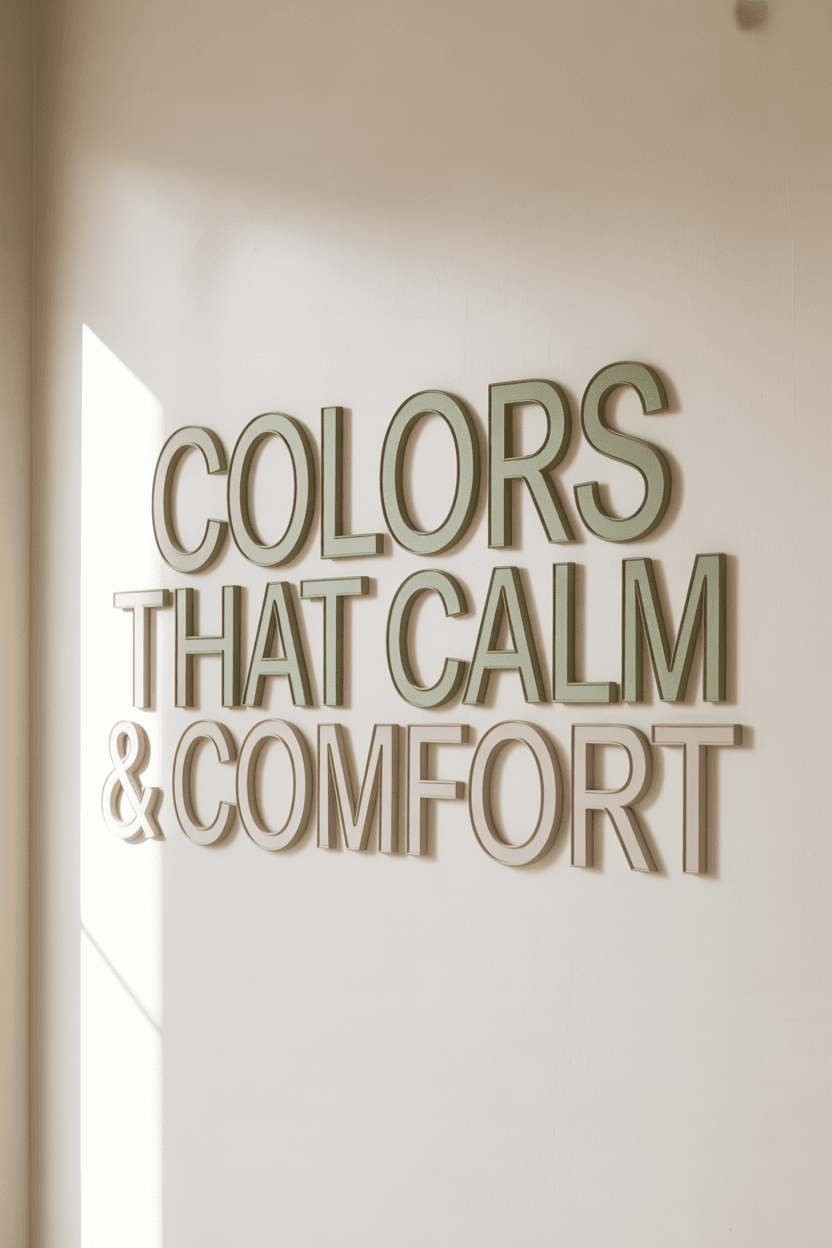
Color choices significantly impact how comfortable and inviting a space feels. To create a serene atmosphere, lean into warm neutrals like beige, taupe, and soft gray, which provide a calming backdrop.
Hues found in nature, such as muted blues and greens, are known to evoke tranquility and relaxation.
It’s generally best to avoid overly bright or high-contrast schemes in a room dedicated to rest, as these palettes can feel more stimulating than restful.
Always consider the room’s natural light when selecting colors. Darker rooms benefit from lighter shades to feel more open and bright.
For a sophisticated, layered look, create depth by using varying tones and shades of your chosen palette rather than strictly matching colors.
Learn More: Paint Colors to Make a Room Look Bigger via Architectural Digest & How Color Impacts Mood from The Spruce
How Can I Use Lighting to Make My Living Room Cozy?

A layered lighting plan is essential for creating a room that is both functional and atmospheric. A successful design includes three types of light: ambient, task, and accent.
Ambient light provides general illumination through overhead fixtures like chandeliers or flush mounts. Task lighting offers focused light for activities, like reading lamps. Accent lighting highlights features, such as art or architecture, with wall sconces or picture lights.
Always install dimmer switches to give you complete control over brightness levels. This allows you to transition seamlessly from bright daylight to a cozy evening mood.
Pay attention to bulb color temperature. Warmer bulbs (2700-3000K) create a cozier, more intimate atmosphere than cooler, bluer-toned ones.
Finally, maximize natural light whenever possible. Use sheer or gauzy window coverings to diffuse harsh sunlight while maintaining brightness and a connection to the outdoors.
Learn More: Living Room Lighting Ideas from Elle Decor & Living Room Lighting from House Beautiful
How to Use Textiles to Add Warmth and Texture

Incorporating a variety of textures is key to creating a living room that feels warm, layered, and visually interesting.
Mix soft throw blankets, plush pillows, and upholstered furniture with different fabric weights and weaves to engage the senses.
For high-traffic homes, consider durable and easy-to-clean performance fabrics that don’t sacrifice style.
Layering contrasting textures—such as chunky knits, smooth velvet, crisp linen, and soft cotton—adds sophisticated dimension.
Add another layer of physical and visual warmth with natural materials like wool throws or faux sheepskin accents. To ensure year-round comfort, keep textiles seasonally appropriate.
Learn More: Modern Living Room Ideas via Modish Haven & Cozy Living Room Decor from House Beautiful
How Do I Choose the Right Rug for My Living Room?

An area rug acts as the anchor for your living room furniture, so selecting the right one is crucial for a cohesive design.
Choose a size that is large enough to accommodate all, or at least the front legs of, your main furniture pieces. This simple rule unifies the entire setting.
Select materials based on a balance of comfort and practicality. Wool offers exceptional durability and softness underfoot, while synthetic options like polypropylene provide stain resistance and easier maintenance.
Consider the pile height for both comfort and function. A higher pile feels luxurious but can make furniture placement tricky, while a low-pile rug is more practical for high-traffic zones.
Always add a quality rug pad underneath. This adds extra cushioning, prevents slipping, and extends the life of your rug.
Learn More: Choosing the Perfect Rug Size via RugKnots & Area Rug Sizing Tips from The Spruce
How to Keep Your Living Room Tidy with Smart Storage

Effective storage is essential for maintaining a living room that feels calm and uncluttered. Incorporate solutions that balance easy access with visual tranquility.
Choose multi-functional furniture like coffee tables with drawers, ottomans with hidden compartments, or elegant built-in shelving.
In smaller spaces or busy households, hardworking pieces can make a major impact. Look for sleeper sofas, nesting tables, or modular furniture that can be reconfigured as your needs change.
Establish designated spots for frequently used items like remotes, books, and throws to prevent them from taking over surfaces.
By implementing simple systems that make tidying up easy, you can keep the space feeling peaceful and inviting for everyone in the household.
Learn More: Space-Saving Furniture Ideas via Decorilla & Smart Living Room Storage from The Spruce
How to Choose Window Treatments for Light and Privacy?

Window coverings are a functional and aesthetic powerhouse, managing privacy, light, and even temperature regulation.
Layering is a proven strategy for maximum flexibility. Combine sheer curtains for daytime privacy and light diffusion with opaque drapes or blackout blinds for evening.
A key designer trick is to mount curtain rods higher and wider than the window frames. This creates the illusion of taller ceilings and a grander space.
Consider the noise-reduction benefits of heavier drapes, a fantastic bonus for homes on busy streets or in urban settings.
For added convenience, especially for hard-to-reach windows, motorized options are an elegant and modern solution.
Learn More: Living Room Curtain Ideas from House Beautiful & Choosing Window Coverings via Houzz
How to Use Plants and Natural Items to Create a Calm Space
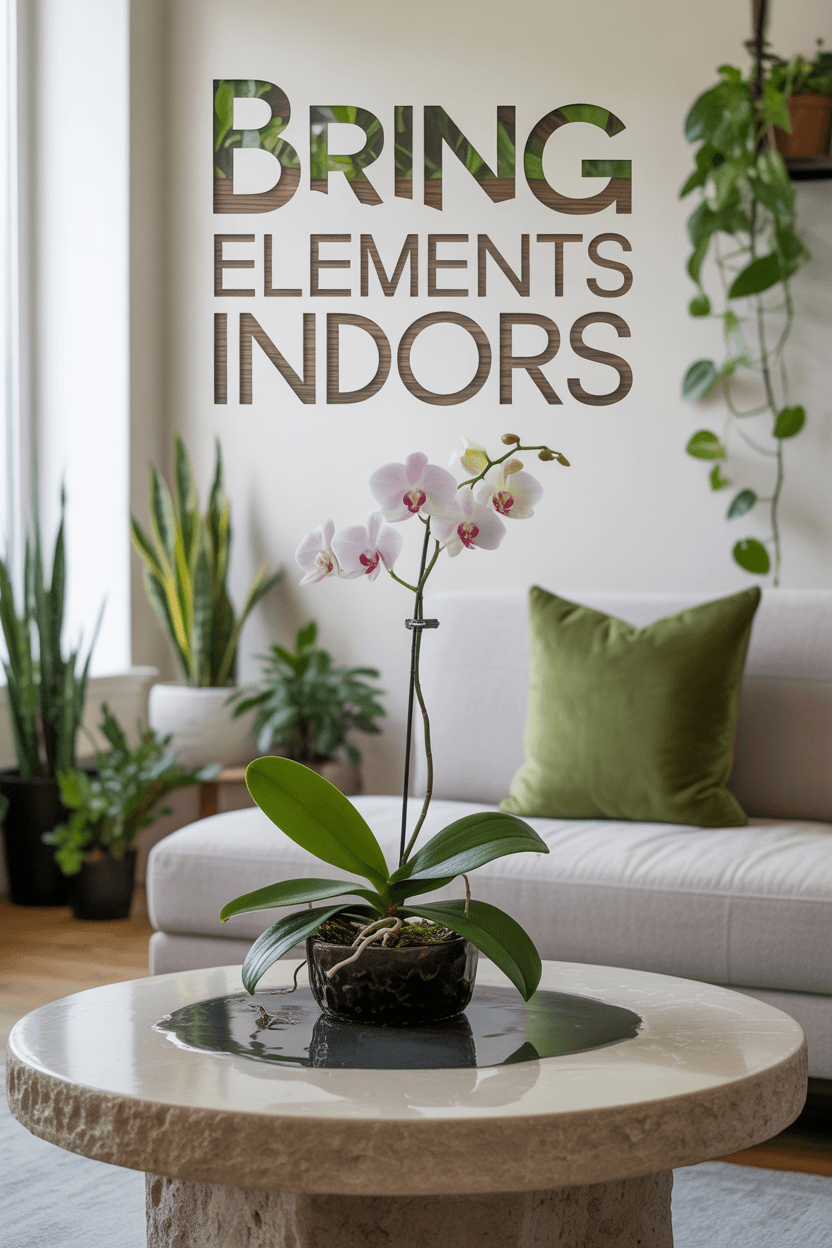
Integrating natural elements into your living room is a core tenet of biophilic design, a practice proven to reduce stress and enhance well-being.
Bring nature indoors with houseplants, which improve air quality and add vibrant life to the space. Position plants near windows where they will thrive, creating a visual connection to the outdoors.
If you’re new to plant care, consider famously low-maintenance options like snake plants, ZZ plants, or pothos.
Incorporate natural materials through furniture and accessories, such as wood, stone, or rattan.
These natural details provide a grounding counterbalance to technology and create a more serene, restorative environment.
Learn More: Biophilic Design Guide via Decorilla & Biophilic Design Explained from The Spruce
How to Seamlessly Integrate Tech into Your Living Room
A comfortable living room often includes entertainment technology. Your goal should be to blend it seamlessly into the design.
Position screens at a comfortable viewing height to prevent neck strain; the center of the TV should be at eye level when seated.
Manage unsightly cables with cord organizers, concealers, or in-wall solutions to maintain a clean, uncluttered look.
Consider optimal viewing distances. Audio-visual specialists often suggest a distance of 1.5 to 2.5 times the diagonal screen size.
Incorporate technology thoughtfully with solutions like hidden speakers or media cabinets that close to conceal electronics when not in use.
Learn More: Home Theater Placement Guide via Crutchfield & Hiding a TV in the Living Room from House Beautiful
How to Control Temperature and Airflow for Maximum Comfort

True comfort extends beyond aesthetics to include the physical environment of your living room.
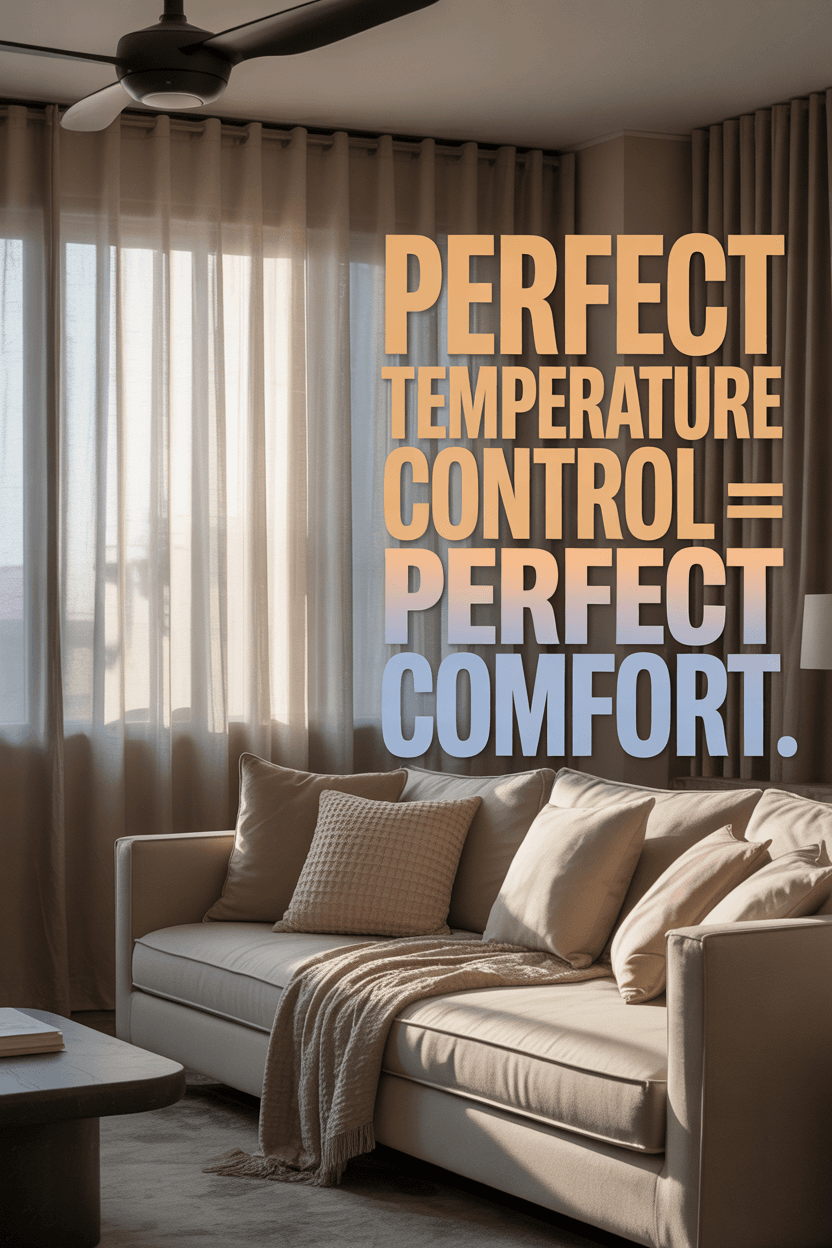
Address both actual and perceived temperature for a pleasant experience. Position seating away from drafty windows or direct heat sources like radiators.
Add ceiling fans for improved air circulation in warmer months, which can make a room feel several degrees cooler.
Use insulated window treatments like cellular shades or heavy drapes to protect against cold in the winter and heat in the summer.
For ultimate control, consider a smart thermostat to maintain a consistent and comfortable temperature automatically.
Learn More: Insulation Tips from Energy.gov & How to Make a Room Warmer via Bob Vila
How to Personalize Your Living Room for Every Season

The final layer of a comfortable living room is making it uniquely yours. Display meaningful items that tell your story and create an emotional connection to the space.
Arrange personal photos, art, or cherished collectibles in thoughtful, curated groupings on a gallery wall or bookshelf.
A key to making this work is to balance these personal items with “negative space”—empty areas that allow the objects to stand out and prevent visual clutter.
Keep your space feeling fresh all year with simple seasonal updates. Swap out throw pillow covers and blankets—using lighter fabrics like cotton for summer and heavier textures like wool for winter.
Rotate your accessories to reflect the current season, incorporating fresh spring blooms or autumn branches in a vase.
These personal and seasonal elements are what turn a well-designed room into a true home that reflects your identity and evolves with you.
Learn More: Personal Style in Home Decor from Elle Decor & Seasonal Decorating Tips from Martha Stewart


