Revive Your Dining Chairs: The Ultimate Cleaning Guide

Unlock the Secrets: Start with Your Chair’s Care Code

Your dining chairs are the silent hosts of every gathering, central to the memories made around your table. Before any cleaning begins, the first step is to become a detective. You must understand the language of the manufacturer to ensure their lasting beauty.
Look for a tag, typically hidden on the underside of the seat or frame. This tag contains a crucial cleaning code that dictates the proper method for your specific upholstery.
You will find one of four codes. ‘W’ indicates that a water-based cleaner is safe to use. ‘S’ signifies the need for a solvent-based, water-free cleaner.
If you see ‘W/S’, you have the flexibility to use either water-based or solvent-based cleaners. However, the code ‘X’ is a strict warning: professional cleaning or vacuuming only, with no water or solvents permitted.
The Golden Rule: The Non-Negotiable Spot Test
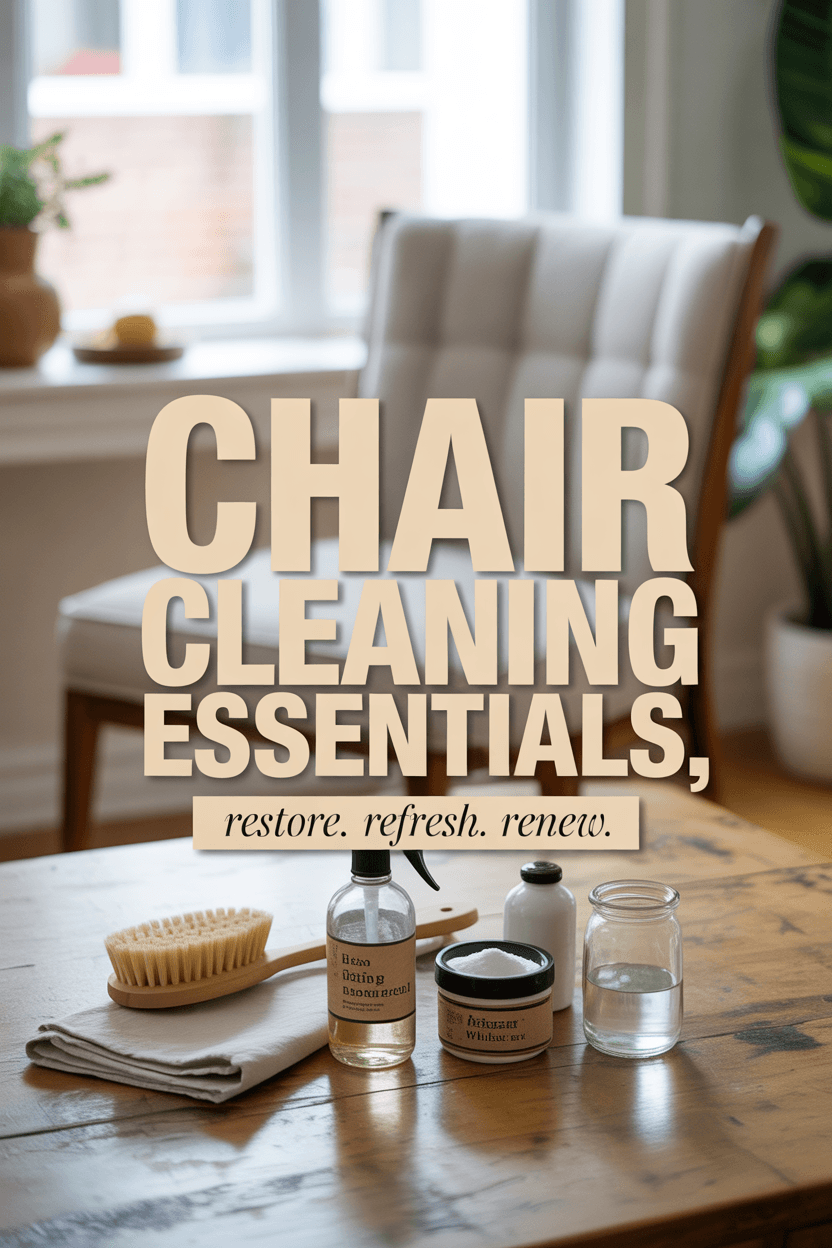
Imagine the effortless elegance of a coastal retreat or the collected comfort of a Nancy Meyers-inspired home. A cleaning mishap can shatter that vision in an instant. This is why the spot test is the single most important step in your cleaning ritual.
Consider it your insurance policy against discoloration, texture change, or fabric damage. Before applying any cleaning solution, you must test it in an inconspicuous area.
Choose a hidden spot, like the underside of the seat or a small patch along the back. Apply a small amount of your chosen cleanser with a clean cloth.
Let the area dry completely, which may take several hours. Once dry, inspect it in good light for any signs of an adverse reaction before proceeding with the full cleaning.
Begin with a Clean Slate: The Power of a Thorough Vacuum
Whether your chairs are covered in plush velvet or a simple, durable weave, the cleaning process always begins with removing surface-level debris. This foundational step is essential for an effective and even clean.
Using your vacuum’s upholstery attachment, methodically go over every fabric surface. This initial pass lifts away loose crumbs, dust, and pet hair that can turn into mud when mixed with a cleaning solution.
Pay special attention to the details. Concentrate on the seams, crevices, and the area where the back meets the seat, as this is where debris loves to hide.
A thorough vacuuming not only prepares the fabric for wet cleaning but also prevents you from grinding abrasive dirt particles into the fibers, which can cause wear over time.
Craft Your Own Cleaner: A Gentle DIY Solution
You don’t need harsh chemicals to achieve a pristine clean. Often, the most effective solutions are the ones you can mix yourself with simple, trusted ingredients.
For most ‘W’ or ‘W/S’ coded fabrics, a remarkably effective cleaner can be made with items from your kitchen. Start by filling a small bowl with warm water.
Add a few drops of a mild, clear dish soap. You want to create a gentle, sudsy solution, not an overwhelming bubble bath.
For tougher grime or lingering odors, you can create a slightly stronger mixture. Combine equal parts white vinegar and warm water in a bowl for a powerful yet natural cleaning agent.
Master the Art of Blotting to Remove Stains

When cleaning upholstery, your technique is just as important as your cleaning solution. The key to lifting a stain without damaging the fabric is to be gentle and patient.
Dip a clean, light-colored microfiber cloth into your sudsy solution. Wring it out thoroughly until it is just damp, not soaking wet.
Gently blot the soiled area instead of rubbing or scrubbing it. Rubbing can abrade the fabric’s surface, cause pilling, and push the stain deeper into the fibers.
To prevent the stain from spreading, always work from the outside edge of the spot inward toward the center. This technique contains the soil as you lift it from the fabric.
The Final Step: How to Rinse and Dry Your Chairs

Removing the stain is only half the battle. Properly rinsing and drying the fabric is critical to prevent soap residue and water marks, ensuring a flawless finish.
Take a second clean cloth and dampen it with plain water. Blot the area you just cleaned to “rinse” the fabric, lifting any remaining soap solution.
A soapy residue left behind can feel stiff to the touch and will attract dirt more quickly, so don’t be tempted to skip this step. For a helpful demonstration, you can watch a visual tutorial on cleaning upholstered chairs.
Finally, press a clean, dry cloth firmly onto the damp patch to absorb as much moisture as possible. Allow the chair to air dry completely before use, using a fan to speed up the process if desired.
Protect Your Wood’s Finish with a Dusting Ritual

Wood dining chairs, from the sinuous lines of a mid-century Eames to the stately form of a British Colonial classic, bring organic warmth to a room. Their care is about preserving the finish and character of the wood.
The simplest and most effective task is regular dusting. This isn’t just about cleanliness; it’s about preventing damage.
A weekly wipe-down with a soft, dry microfiber cloth is ideal. This gentle action removes the fine, abrasive dust particles that can create microscopic scratches in the finish over time.
This small ritual maintains the wood’s natural luster and ensures it remains the beautiful, structural backbone of your dining space.
How to Spot-Clean Wood Chairs with Finesse

For sticky fingerprints or accumulated grime on wood, a more targeted approach is needed. The enemy of any wood finish is excess moisture, so a delicate hand is paramount.
Create a very mild cleaning solution by mixing a few drops of dish soap into a bowl of water. Dampen a soft cloth with this solution, then wring it out until it is almost dry to the touch.
Gently wipe the affected area to lift the grime. Immediately follow up with a separate clean cloth that is slightly dampened with only water to rinse away any soap residue.
The most crucial step is to then take a third, completely dry cloth and wipe the surface until it is totally dry. Letting water stand on wood can lead to warping, clouding, and permanent damage to the finish. As highlighted in this comprehensive care guide, proper technique for different materials is key.
Invest in Longevity: How and Why to Condition Leather
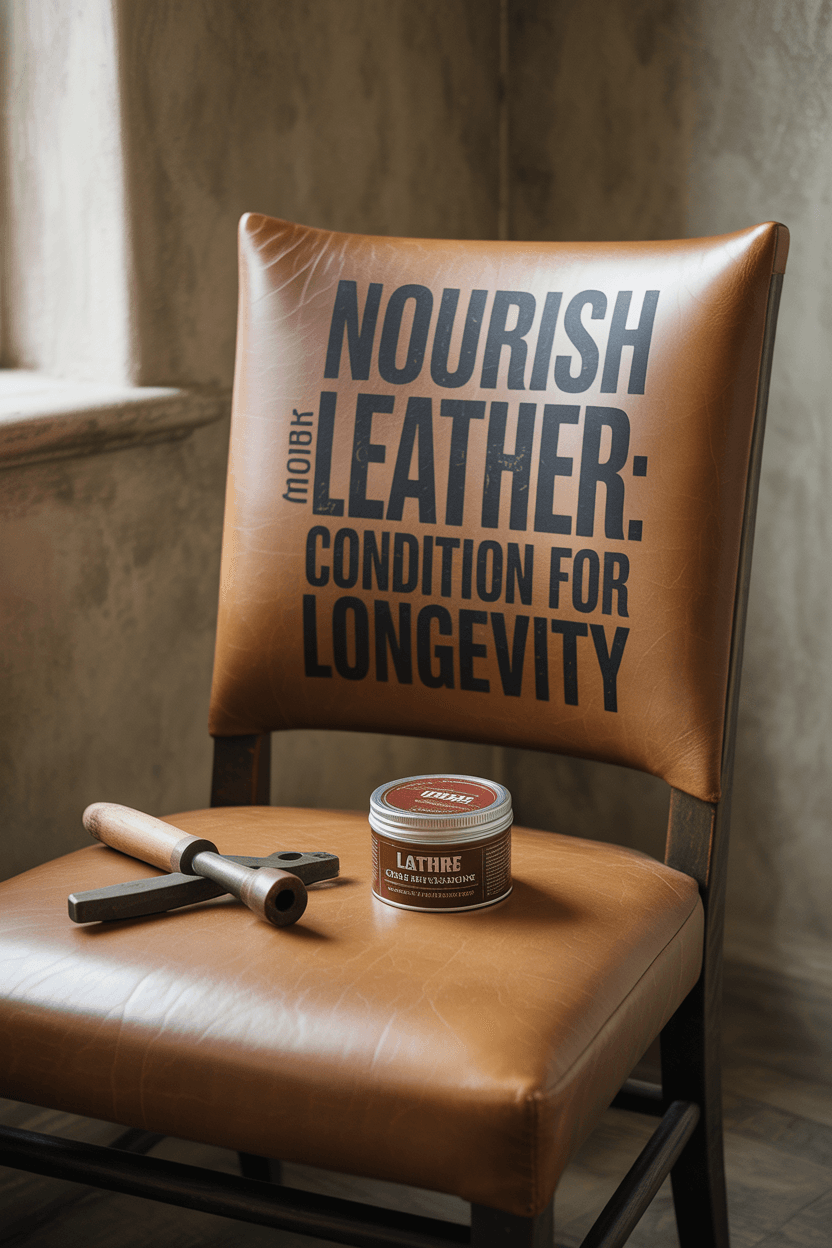
Cleaning leather is only the first part of its care. To truly preserve your investment and ensure it ages gracefully, you must replenish its moisture.
After a thorough cleaning, it is essential to apply a quality leather conditioner. This step is what keeps the material soft, pliable, and resistant to cracking.
Think of conditioner as a moisturizer for your furniture. It restores the natural oils that can be diminished by time, use, and even the cleaning process itself.
Apply a small amount of conditioner to a soft cloth and work it into the leather in gentle, circular motions. Allow it to absorb for a few minutes, then buff away any excess with another clean, dry cloth for a beautiful, protective sheen.
Be a First Responder: Act Immediately on Spills

The most effective way to handle a stain is to prevent it from ever setting. By acting swiftly when a spill occurs, you can often avoid a major cleaning session entirely.
The moment a spill happens, grab a clean, dry cloth or paper towel. The goal is to absorb the liquid before it has a chance to penetrate the chair’s surface.
Blot the spill gently. Do not rub, as this can force the liquid deeper into fabric fibers or spread it across a wood or leather finish.
Continue blotting with fresh, dry sections of the cloth until no more liquid is being absorbed. This quick response is your best defense against lasting stains.
Effortless Elegance: Long-Term Strategies for Lasting Beauty

Beyond immediate cleaning, a few proactive habits will ensure your dining chairs remain a source of pride. Thoughtful placement and minor adjustments can dramatically extend their life and beauty.
If your chairs feature removable cushions, remember to flip and rotate them every few months. This simple act promotes even wear and prevents one side from becoming prematurely worn or faded.
For new or newly-cleaned fabric chairs, consider applying a fabric protector spray. This invisible shield helps repel liquids and makes future spills easier to clean up, as noted in quick care guides.
Finally, be mindful of the sun. Prolonged exposure to direct sunlight can fade fabric and dry out both wood and leather. Position your dining set away from harsh rays or use elegant window treatments to filter the light.
The Supple Touch: Routine Care for Leather Chairs
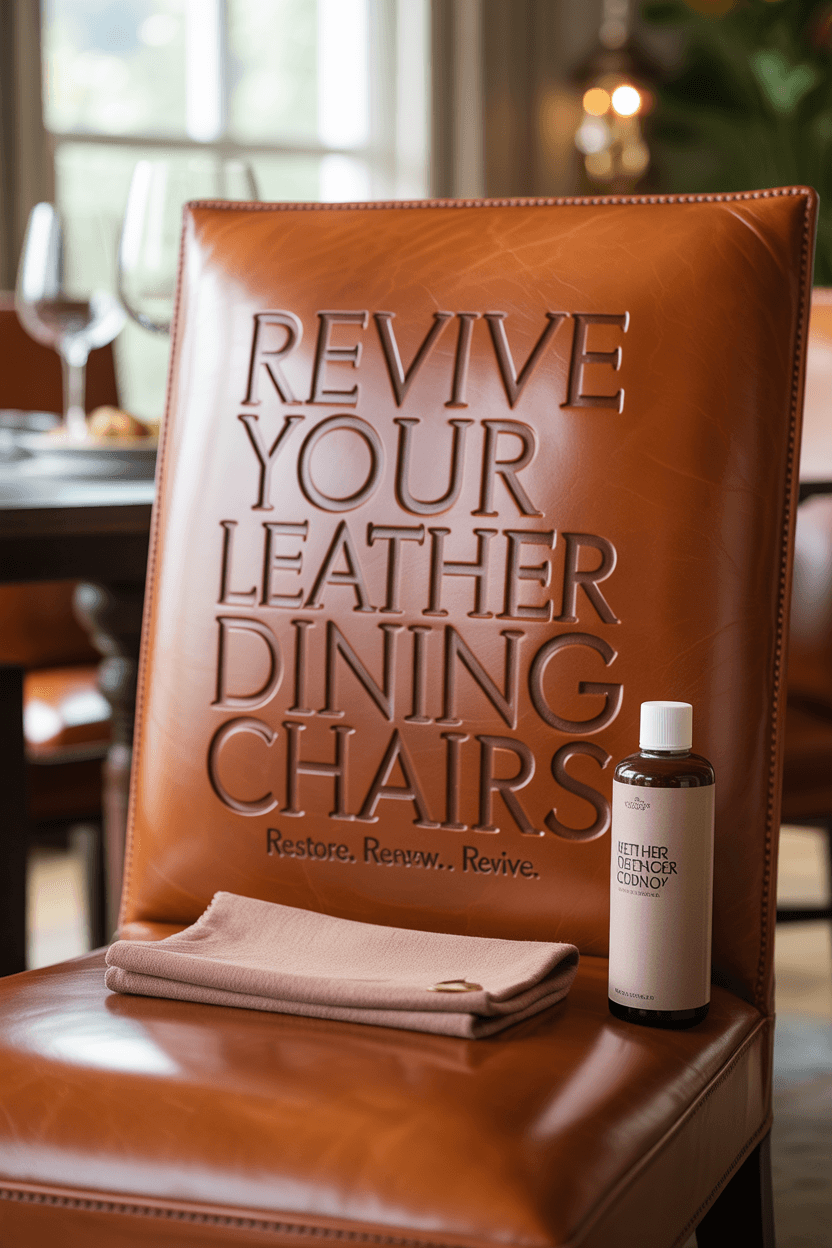
Leather chairs introduce a layer of timeless sophistication and luxury to any dining room. Maintaining their rich, supple feel requires a dedicated approach that protects the material’s natural oils.
Regular maintenance is simple and highly effective. Keep a clean, dry microfiber cloth on hand to wipe down your leather chairs as part of your weekly cleaning routine.
This removes dust and prevents buildup. For minor smudges, you can use a cloth that has been slightly dampened with water and thoroughly wrung out.
For a deeper clean, it’s best to use a product specifically formulated for leather. As experts at sources like Good Housekeeping advise, all-purpose cleaners are too harsh and can strip the leather, leading to dryness and damage.