Transform Your Bathroom: The Ultimate Guide to Ceramic Tiles

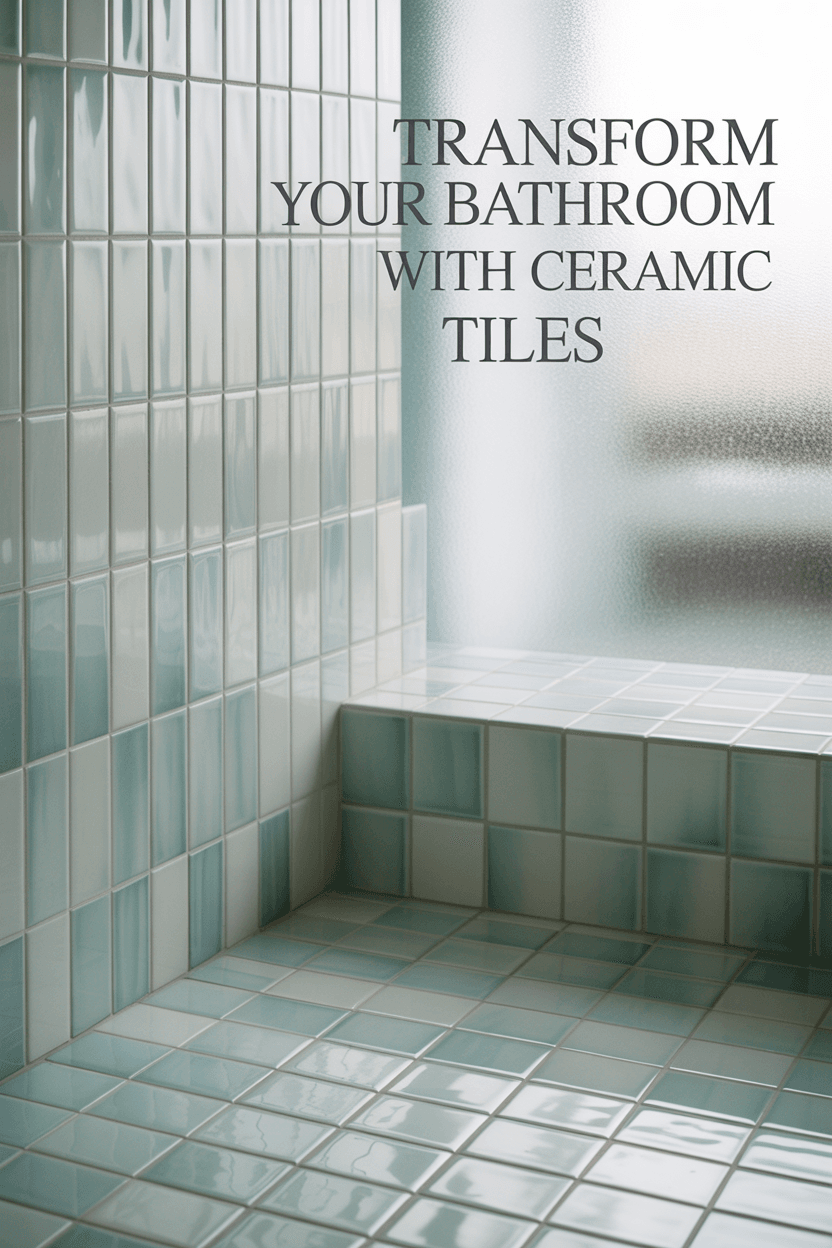
What Is Bathroom Ceramic Tile?
Ceramic tiles are a classic choice for bathroom design. They start as natural clay, which is shaped and then baked in a very hot oven called a kiln.
The word “ceramic” can be a broad category that also includes porcelain. However, it usually means a tile that is more porous and budget-friendly than dense porcelain. Learning the differences between ceramic and porcelain will help you make the best choice.
But don’t worry about the porosity. Once properly glazed, high-quality ceramic tiles become completely waterproof, making them a perfect fit for any spot in the bathroom.
Designers and homeowners love them because they are water-resistant, easy to clean, and incredibly durable.
Best of all, they come in a nearly endless variety of designs. This makes them a perfect match for any style, from breezy coastal and clean contemporary to timeless mid-century modern.
How Does Tile Size Affect Your Bathroom’s Feel?
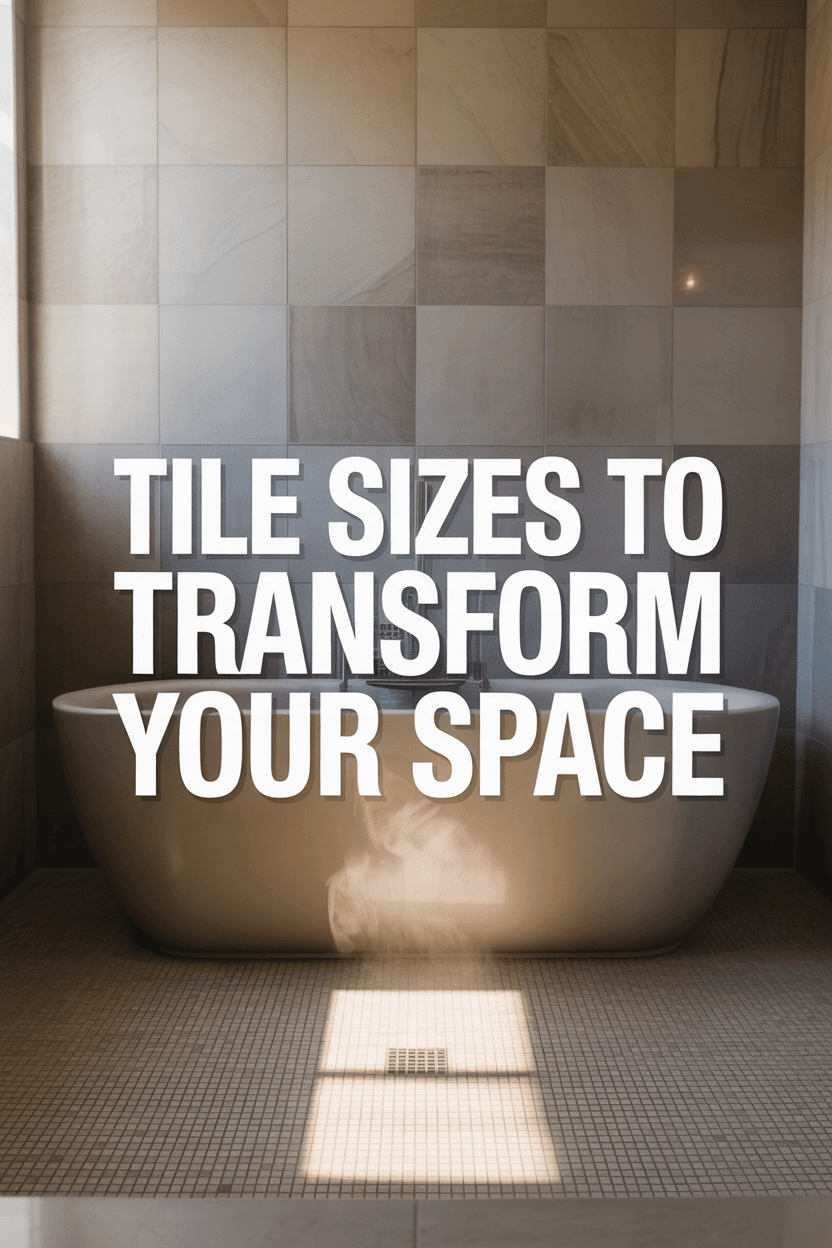
The size of your tile can completely change the look and feel of your bathroom.
Small format tiles, like classic 1″x1″ mosaics or timeless 3″x6″ subway tiles, are perfect for adding texture and intricate detail. They work beautifully on shower floors, in recessed niches, or as a classic backsplash.
These smaller sizes evoke a charming, established feel reminiscent of mid-century or traditional design.
Medium format tiles, such as 8″x8″ or 6″x12″ options, offer a balanced proportion that suits most average-sized bathrooms. They provide a versatile canvas for classic patterns without overwhelming the space.
Large format tiles, measuring 12″x24″ or even larger, create a sleek, seamless look with fewer grout lines. This minimalist approach reduces visual clutter and makes a space feel more expansive and modern—a key strategy in luxury design.
As this guide to choosing tile size explains, it’s crucial to ensure your subfloor is perfectly level and properly prepared to prevent cracking with these larger tiles.
What Makes a Tile Safe and Durable for Walls and Floors?
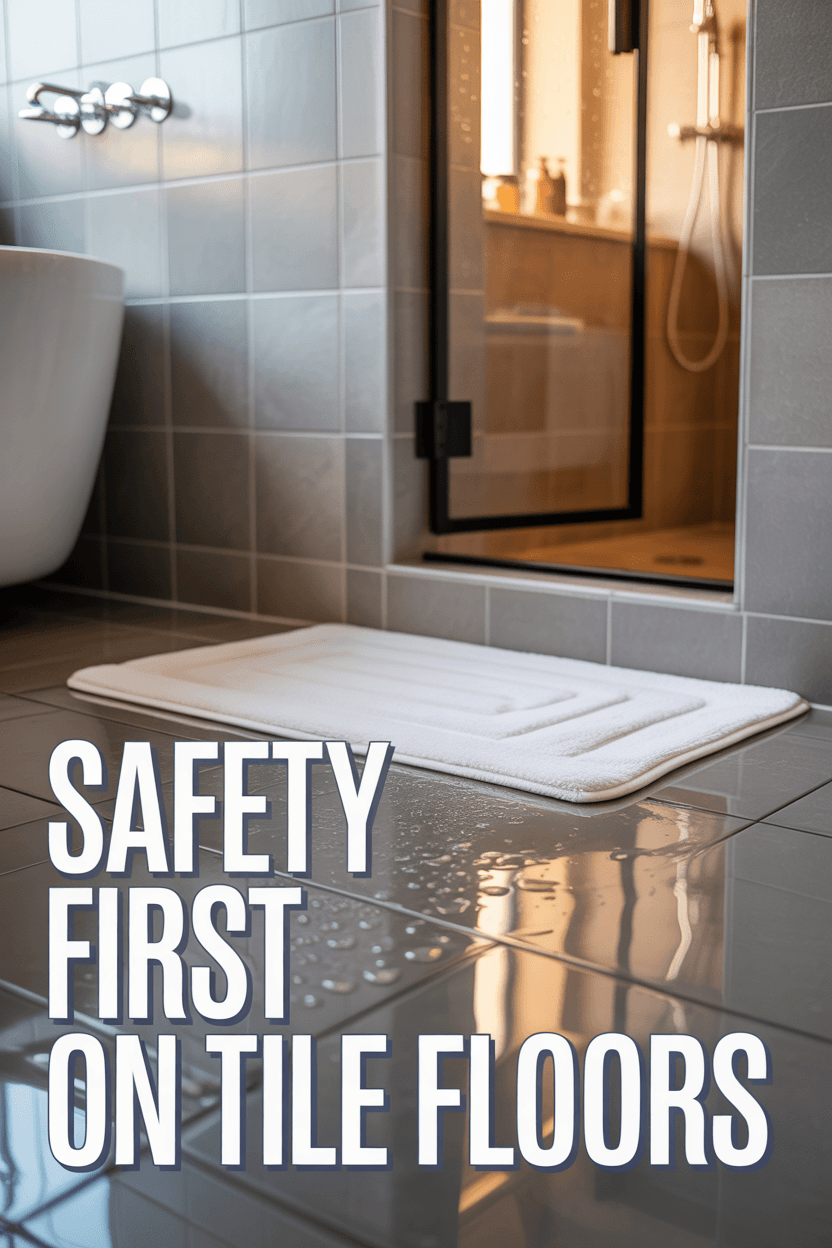
When it comes to bathroom floors, safety and durability are just as important as style. Look for tiles with a good slip-resistance rating to help prevent accidents when the floor gets wet.
This is measured by the Coefficient of Friction (COF), and a rating of 0.42 or higher is recommended by ANSI for residential floors.
Additionally, check the Porcelain Enamel Institute (PEI) rating, which indicates wear resistance. A durable PEI rating of 3 to 5 is ideal for residential bathroom floors, ensuring the tile can withstand regular foot traffic.
If you prefer the earthy, organic look of non-glazed ceramic tiles, note that they will require regular sealing to protect against moisture.
On the walls, you have a fantastic opportunity for creative expression. Fully glazed ceramic tiles provide superior water resistance, making them the standard for hardworking shower surrounds and tub alcoves.
Around vanities, classic subway tiles create a clean backdrop, while decorative ceramics can introduce a splash of color and personality.
For a true statement, dedicate one wall as a feature wall using textured, hand-painted, or three-dimensional tiles to create a stunning focal point. Explore various wall tile design ideas to find inspiration for your own retreat.
What’s the Difference Between Glossy, Matte, and Textured Finishes?
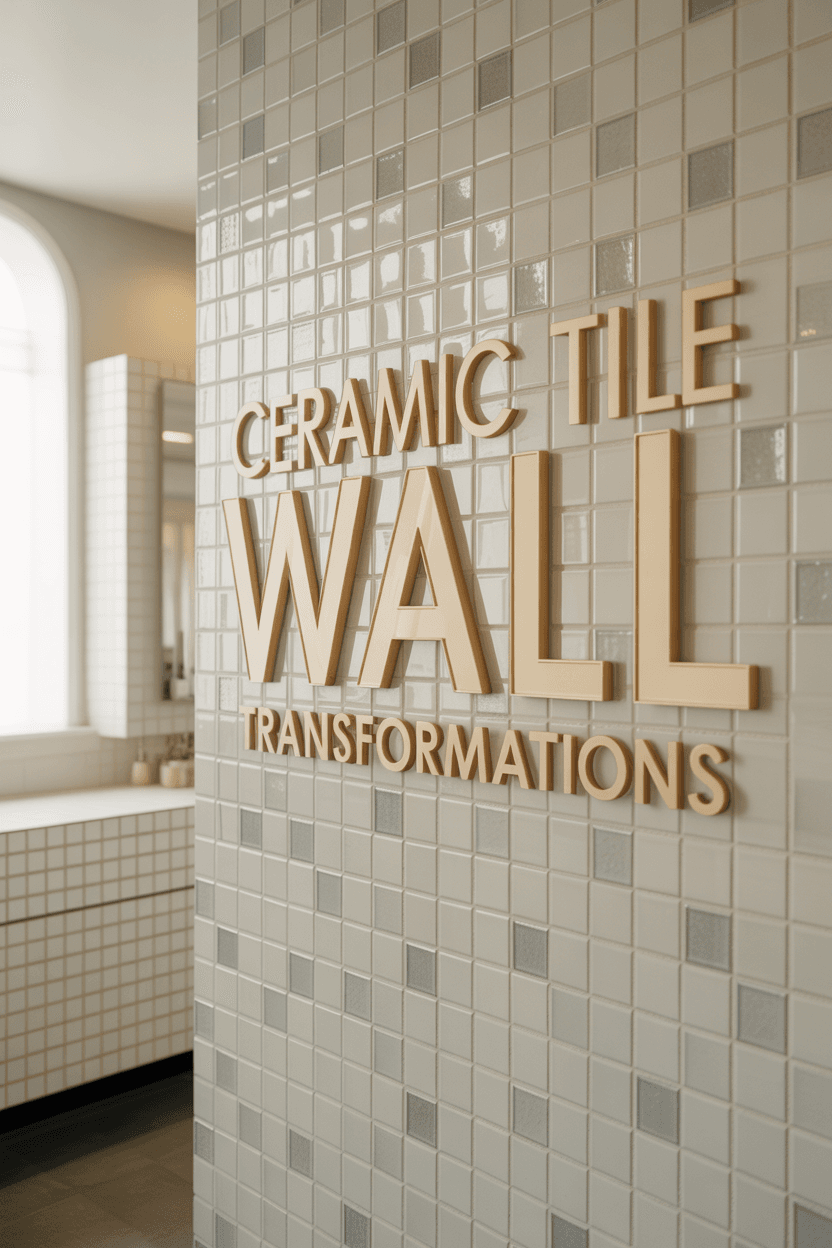
A tile’s finish does more than just look pretty—it affects the whole room’s mood and how it functions. Each option brings its own unique quality to your design.
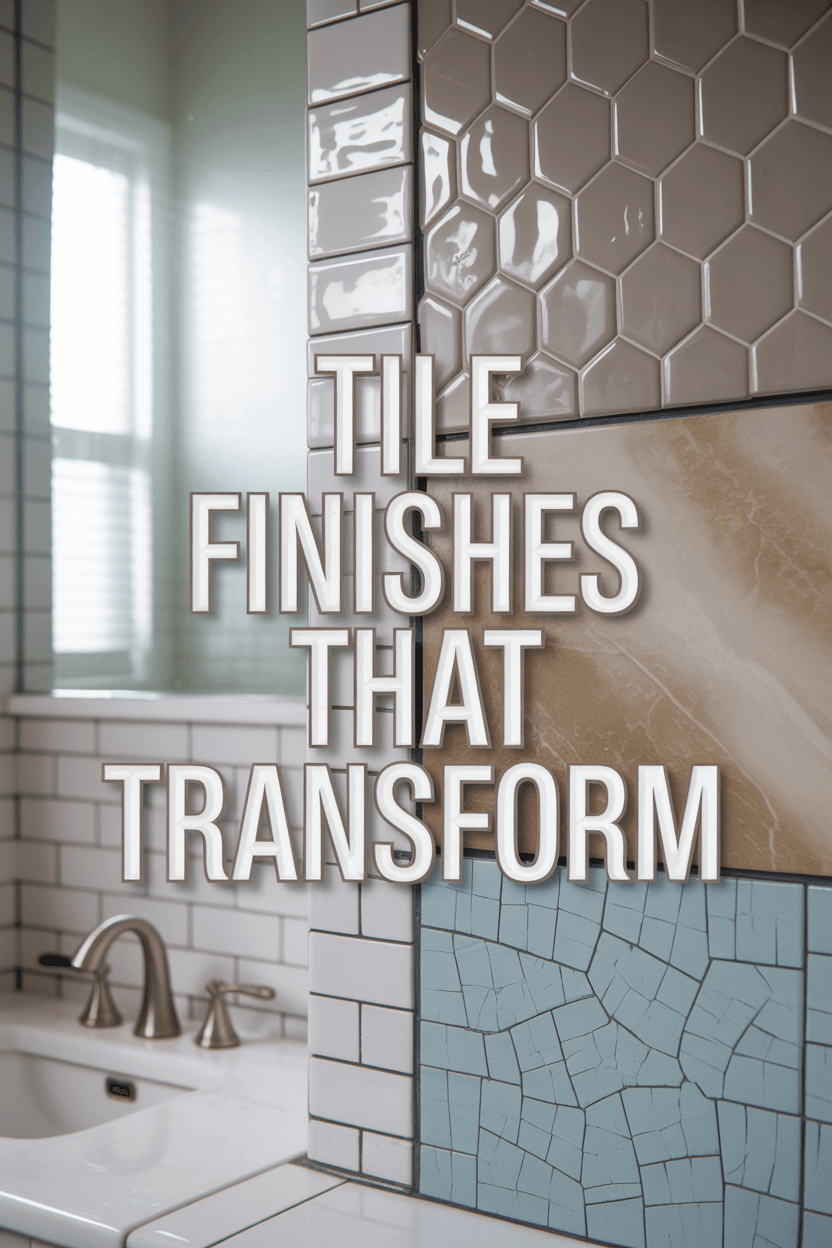
A high-gloss finish reflects light beautifully, making a space feel larger and brighter. It is perfect for creating a glamorous, polished look but can be slippery when wet, making it better suited for walls than floors.
A matte finish offers better traction underfoot and provides a soft, contemporary look that expertly hides water spots and smudges. It’s a go-to choice for modern, minimalist, and spa-inspired bathrooms.
Textured tiles, whether three-dimensional or subtly patterned, provide not only visual depth but also additional slip resistance. This makes them a stylish and practical choice for both floors and feature walls.
Specialty finishes like a crackle glaze add instant character and a sense of history, ideal for achieving a British Colonial or rustic-luxe aesthetic. Exploring different ceramic tile finishes can unlock new and exciting design possibilities.
How Can Tile Color Shape Your Bathroom’s Mood?
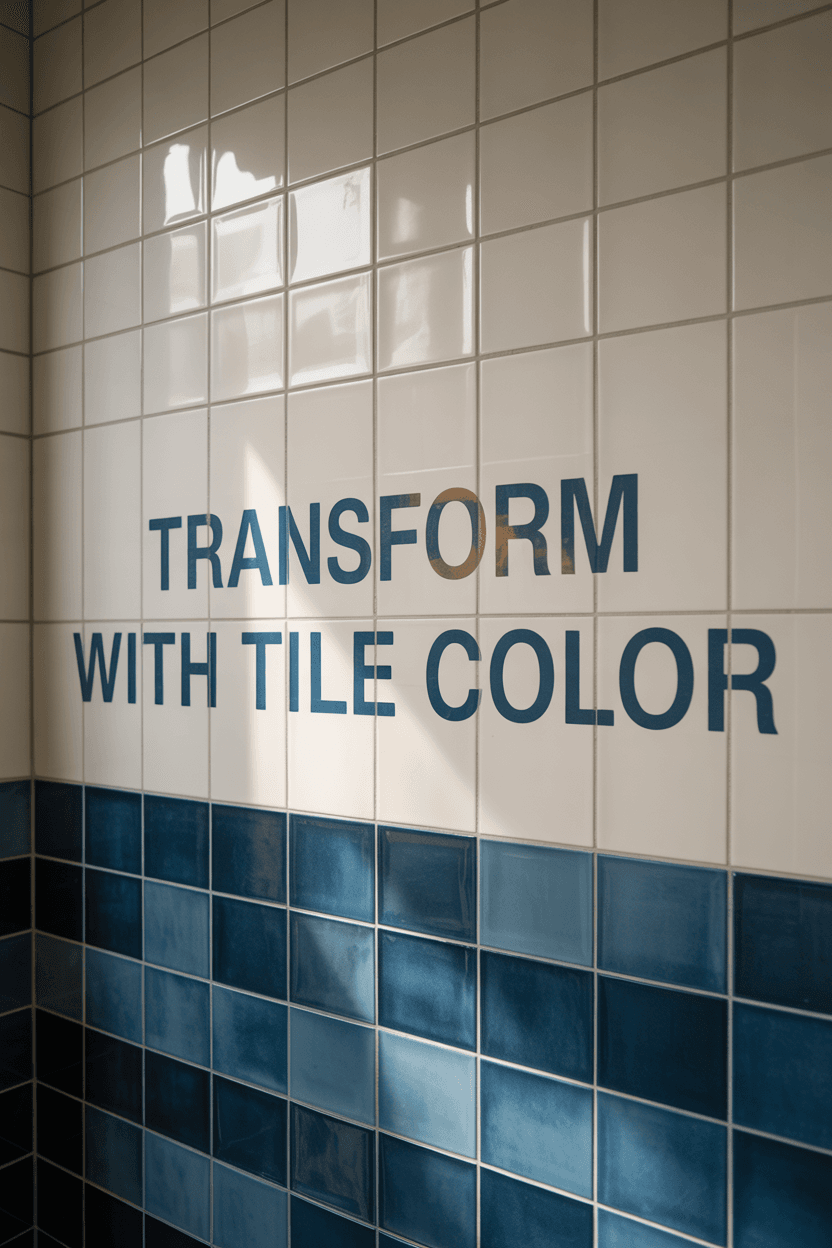
Color is one of the easiest ways to set a specific mood in your bathroom. Choosing the right tile color can completely change how the room feels.
Light colors like whites, creams, and pale grays are hallmarks of the airy, clean aesthetic seen in Nancy Meyers films and coastal designs. They make small bathrooms feel more spacious and serene.
Dark colors, such as deep navies, charcoal grays, or rich blacks, create a dramatic, enveloping atmosphere. This palette is perfect for a moody, spa-like retreat or a sophisticated modern space.
Cool hues of blues and greens are known to promote tranquility and a sense of calm. This makes them a natural and popular fit for a relaxing bathroom environment.
Warm tones like terracottas, warm beiges, and subtle yellows can create an energizing and welcoming environment to start your day.
Tap into endless bathroom tile ideas to see how color can define a space and learn more about how to choose the right tile for your unique vision.
Which Tile Patterns Add a Touch of Luxury?
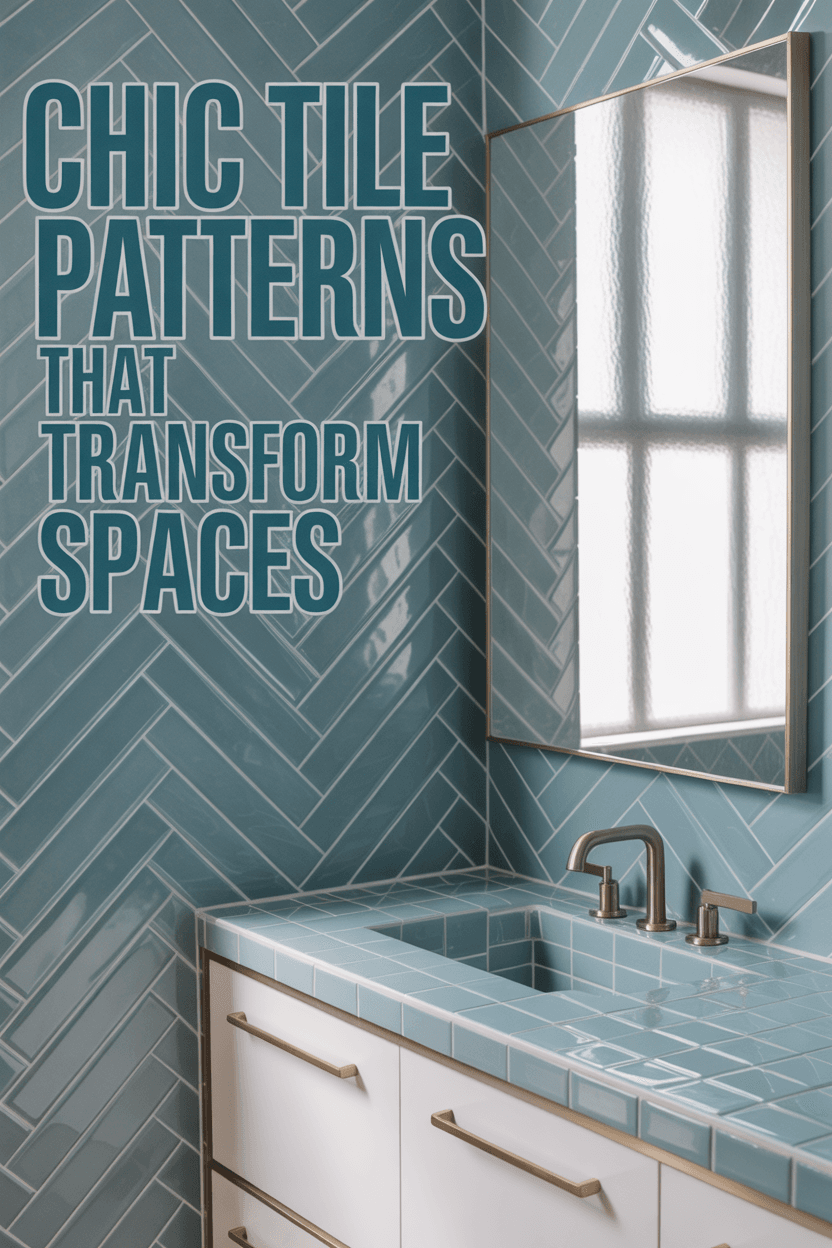
How you lay your tile can be just as impactful as its color or finish. While a simple grid pattern is always in style, exploring other tile patterns can add a layer of custom, high-end detail.
Herringbone and Chevron patterns add a sense of movement and sophisticated elegance to a floor or feature wall. These V-shaped layouts require precise, angled cuts, so professional installation is often recommended to achieve a flawless look.
The classic subway tile pattern, also known as an offset or brick layout, feels both traditional and modern, making it incredibly versatile.
Laying square or rectangular tiles in a straight grid, or stacked, creates clean, uniform lines. This choice results in a distinctly modern and minimalist aesthetic.
Consider a strategic approach by using a simple layout for broad expanses like floors, while reserving more intricate and eye-catching designs for focal areas like a backsplash or shower wall.
Why Is Grout Just as Important as the Tile?
Grout is much more than just a filler between tiles; it’s a key design detail that frames your tile and completes the final look.
The choice between different grout colors can completely change the visual effect. Light grout creates a bright, seamless surface but can be more prone to showing stains in high-traffic areas.
Dark grout creates a bold contrast, defining the shape of each tile for a graphic effect, and is excellent at hiding dirt.
For the ultimate in durability and low maintenance, consider upgrading to epoxy grout. While it has a higher upfront cost, its benefits are substantial.
An epoxy grout offers superior water and stain resistance, eliminating the need for the regular sealing that standard cement-based grouts require.
How Can I Get a Luxe Look Without the High Price Tag?
You don’t need a huge budget to create a bathroom that feels luxurious. The secret lies in using affordable materials in smart, creative ways.
Classic, high-quality ceramic tiles are surprisingly affordable, with basic subway tiles often found for as little as $2-$5 per square foot.
A smart strategy is to use these cost-effective options for large areas like shower walls and floors. This creates a clean and timeless canvas for your design.
Then, you can splurge on a smaller quantity of a specialty tile for a high-impact focal point, such as the wall behind your vanity or inside a shower niche.
These designer or hand-painted tiles may cost $8-$30+ per square foot but are well worth the investment for the custom character they add.
Additionally, using simple square or rectangular layouts minimizes complex cuts, which reduces labor costs and material waste.
What Tile Trends Are Designers Loving?
If you want a space that feels fresh and one-of-a-kind, take a look at the trends top designers are using right now.
Hand-painted Moroccan-inspired Zellige tiles, with their rich color variation and imperfect handmade charm, are trending heavily for their ability to add instant character.
Designer collections from premium brands offer unique patterns and exclusive colorways that make a bathroom feel special.
Another major trend is the use of three-dimensional tiles, which play with light and shadow to create an artistic, sculptural effect on a feature wall.
These bathroom tile trends are all about texture, artistry, and creating a space that feels deeply personal and luxurious.
Exploring what’s current in top design publications like Elle Decor can provide stunning inspiration for your project.
How Can Tile Make a Small Bathroom Feel Bigger?
With a few smart tile tricks from professional designers, even the smallest bathroom can feel open and spacious.
Laying floor tiles on a diagonal can trick the eye and make the floor appear wider than it actually is.
As noted in Architectural Digest, using large-format tiles with minimal, color-matched grout lines is a well-known trick to reduce visual clutter. This creates a more serene and expansive feeling.
Another powerful technique is to use the same tile on the floors and extend it up the walls. This approach creates a continuous, cohesive look that blurs the boundaries of the room.
The result is a space that feels larger and more unified, a strategy often favored in sophisticated, modern small-space design.
How Do I Mix Tile with Other Materials Like Wood or Metal?

For a richer, more layered design, try mixing ceramic tile with other materials. The contrast in textures adds depth, warmth, and visual interest to your space.
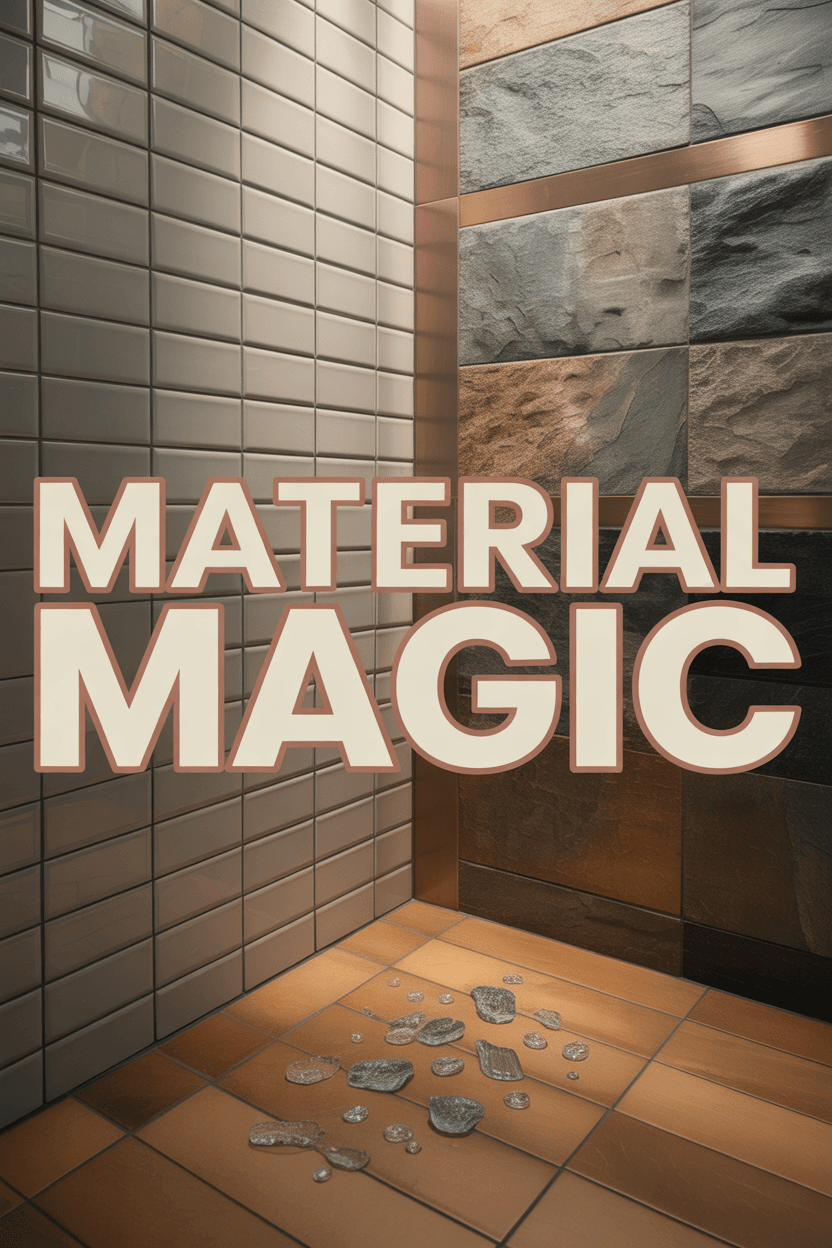
Pair glossy ceramic tiles on the wall with the honed finish of natural stone on the floor for a sophisticated, textural dialogue.
Wood-look ceramic planks on the floor bring organic warmth to a bathroom. They beautifully complement crisp white subway tiles on the walls for a modern-coastal or spa-like feel.
You can also use thin metal strips, often called Schluter strips, or decorative pencil liners to create elegant transitions between different tile types. This detail can also be used to frame a feature area with a polished, finished look.
Learning how to create a mixed-materials look allows you to craft a truly custom and dynamic space that reflects a thoughtful design process.
How Do I Install and Care for My New Tile?
A quality installation and simple care routine are the secrets to protecting your tile and ensuring it looks beautiful for years.
In wet areas like showers, tile must be installed over a cement backer board or a modern waterproofing membrane—never directly onto standard drywall. Proper waterproofing is the most critical step for a successful bathroom tile installation.
While simple grid patterns can be a rewarding DIY project, consider hiring a professional for complex patterns like herringbone or for large-format tiles, which require a perfectly flat subfloor.
Proper installation also includes incorporating expansion joints in larger tiled areas to allow for natural movement and prevent tiles from cracking over time.
To maintain your tile’s pristine look, clean it regularly with a pH-neutral cleaner to avoid damaging the glaze or grout. You can find many simple cleaning habits that make a big difference.
Good ventilation is key to preventing mold and mildew growth, so always use your exhaust fan during and after a shower.
For bathrooms with standard cementitious grout, it is wise to follow grout cleaning and sealing tips by periodically resealing the lines to maintain their color and water resistance.