
10 Tile Tricks That Make Small Bathrooms Feel Surprisingly Spacious

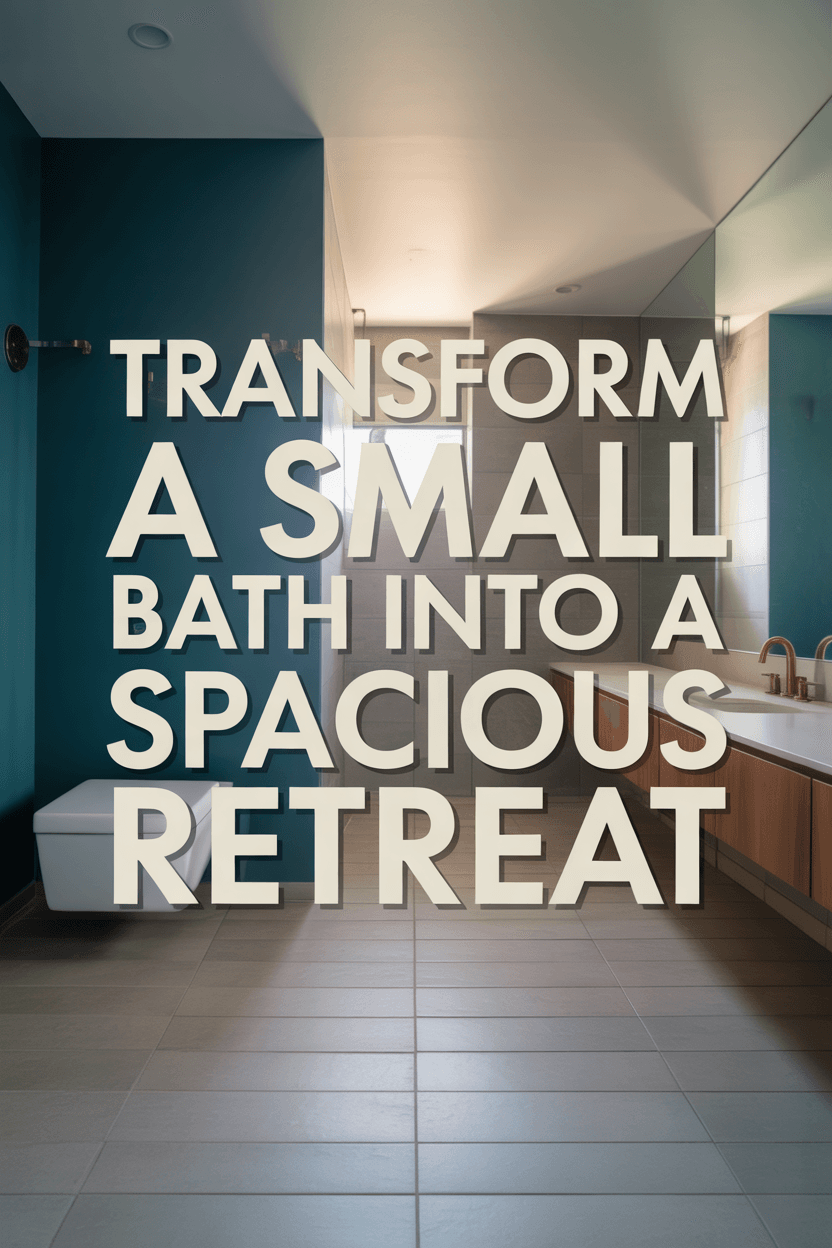
Embrace Brightness: How Light-Colored Tiles Create an Illusion of Space
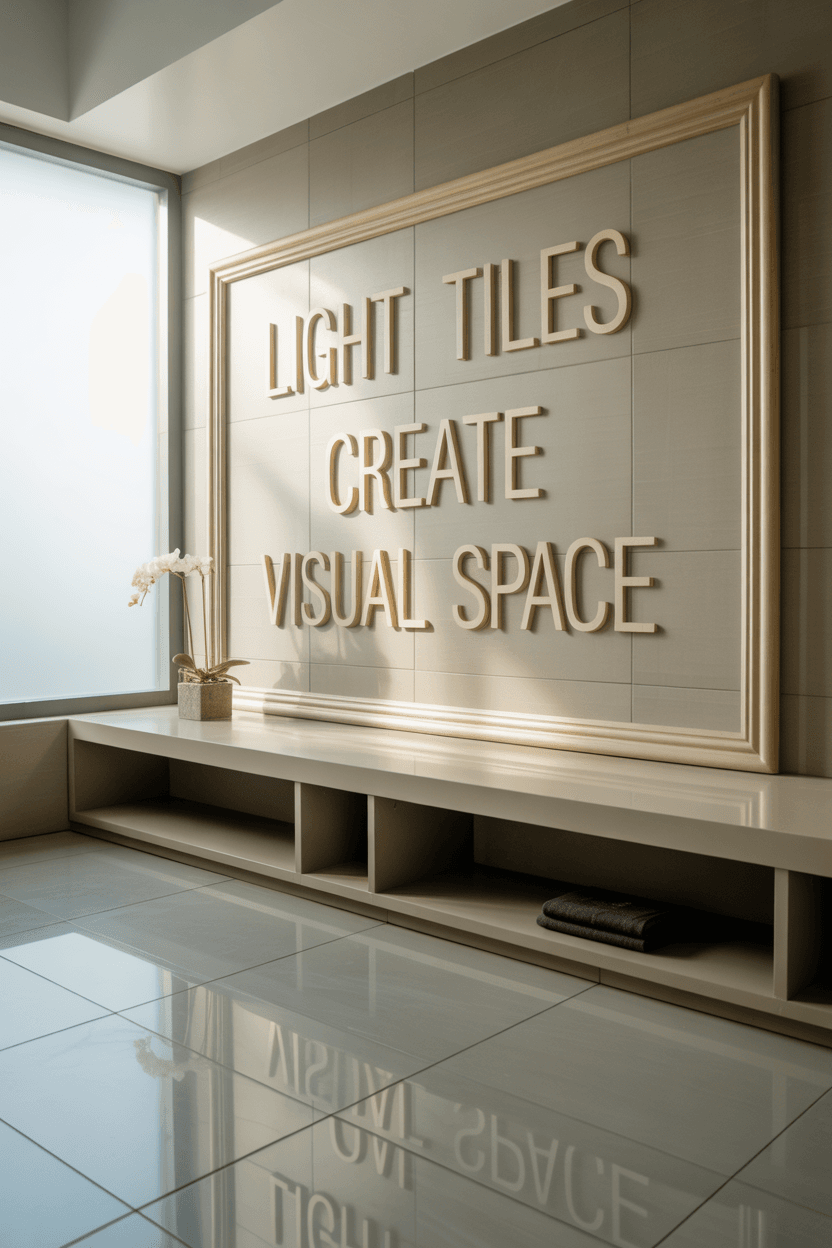
When approaching a small bathroom, your flooring choice is the cornerstone of creating a more expansive atmosphere. Light-colored tiles are your most powerful ally in this pursuit. They act like a mirror for both natural and artificial light, bouncing it around the room to dissolve shadows and push back the walls.
Consider a palette of whites, soft creams, and pale grays. These hues establish a clean, timeless foundation that immediately makes the bathroom feel larger and more open. They provide a serene backdrop that enhances the feeling of cleanliness and order.
For those who desire a touch of color without sacrificing the illusion of space, pale blues and soft greens are excellent choices. These shades evoke a sense of coastal tranquility and spa-like calm while still maintaining a high level of light reflection.
As design experts from Westside Tile and Stone emphasize, creating an airy, expansive effect is one of the most reliable strategies for small spaces. A bright floor is the first and most impactful step toward achieving this goal.
The goal is to create an unbroken plane of light underfoot. This visual continuity tricks the eye into perceiving more square footage than actually exists, turning a cramped room into an inviting retreat.
Go Big in Small Spaces: The Surprising Impact of Large-Format Tiles

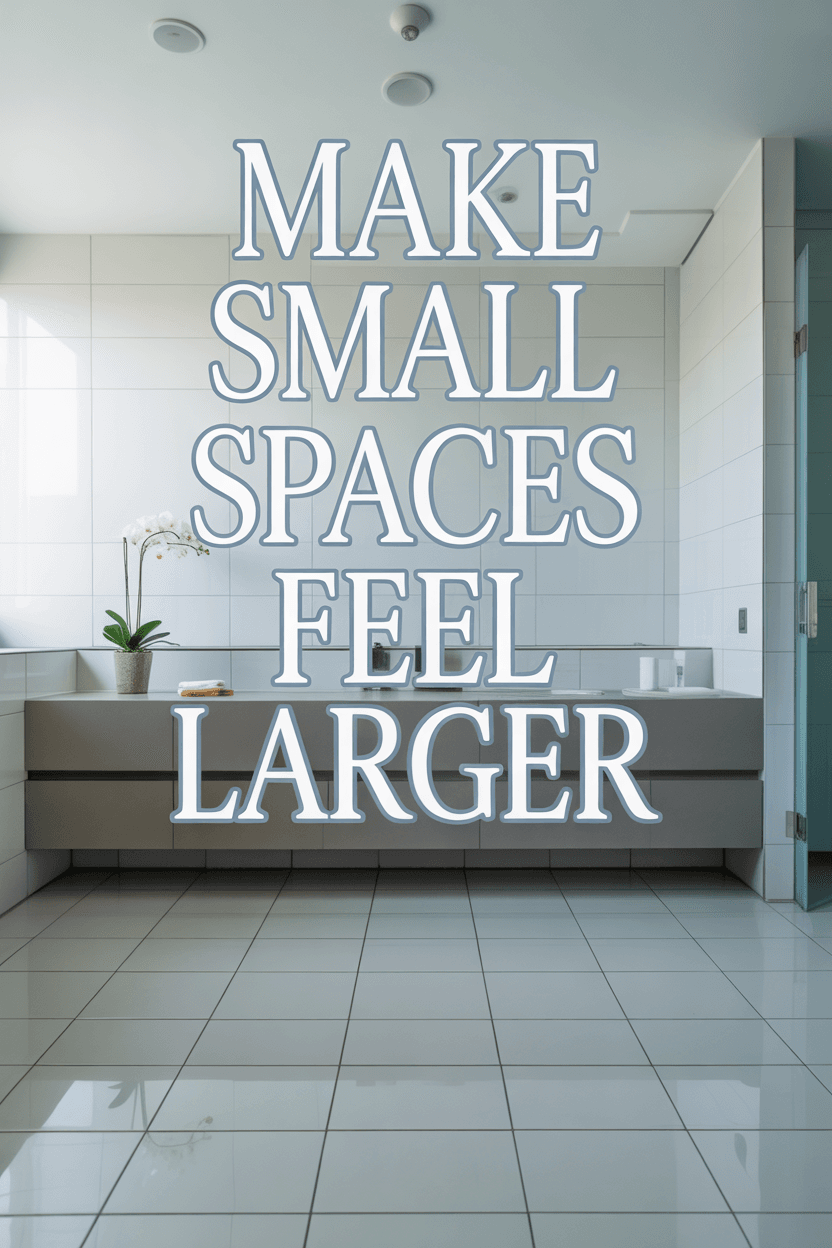
It may seem counterintuitive, but laying large-format tiles is a designer secret for making a small bathroom feel substantially larger. Opting for sizes like 12″×24″, 18″×18″, or even larger dramatically reduces the number of grout lines on the floor.
Grout lines create a grid effect that visually chops up the floor, reminding the eye of the room’s compact dimensions. Fewer lines mean a more seamless, monolithic surface that flows uninterrupted from wall to wall.
This technique minimizes visual clutter and creates a serene, uncluttered foundation. As professionals at The Tile Shop confirm, the less your eye has to stop and start, the more spacious a room will feel.
Using large tiles gives a small space a sense of grandeur and luxury. It’s a bold move that pays off by creating a clean, contemporary aesthetic that feels intentional and sophisticated, rather than constrained.
Create a Seamless Canvas with Rectified Tiles and Matching Grout
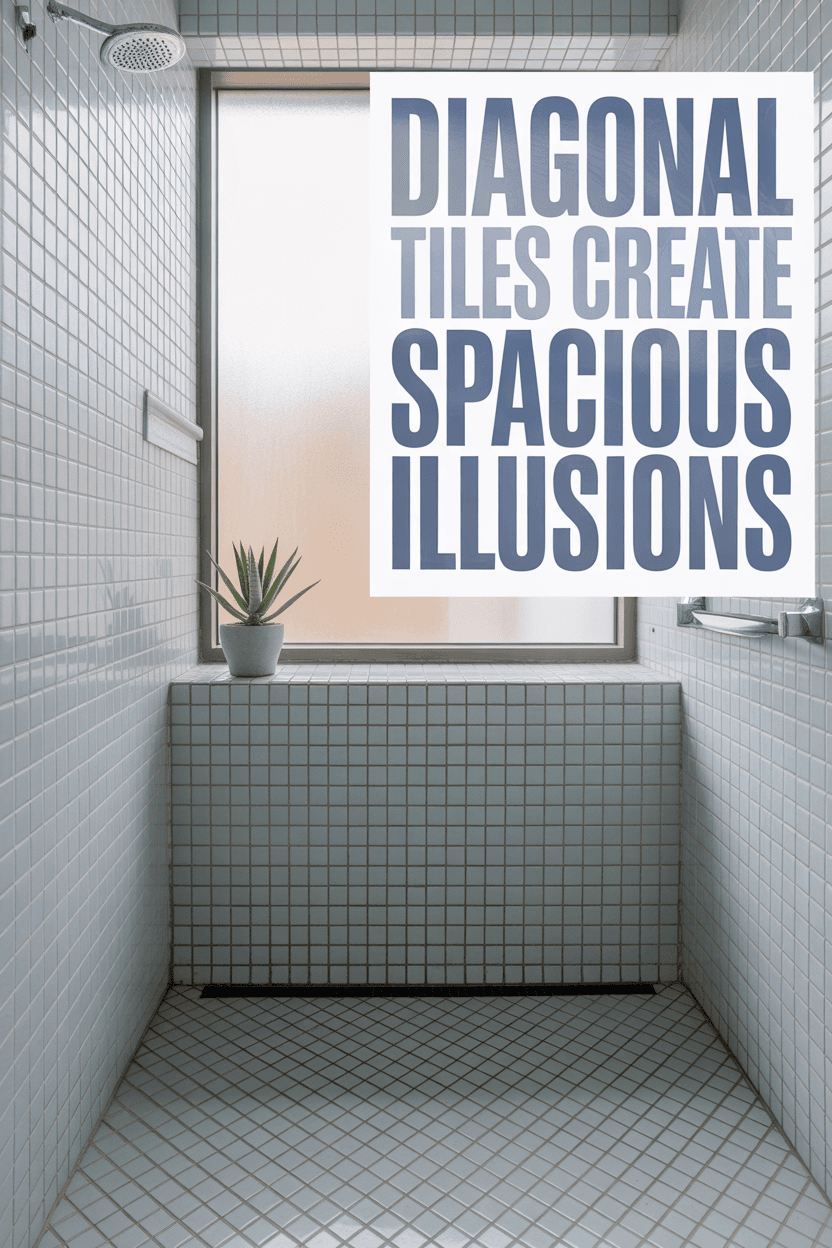
To enhance the expansive effect of your tiles, focus on the details that create a truly seamless surface. Using grout that closely matches the color of your tile is a subtle but incredibly powerful technique. This minimizes the visual interruption between tiles, allowing them to merge into a single, unified plane.
This approach works to eliminate the grid-like pattern that can make a floor feel busy and a room feel smaller. The goal is a clean, continuous flow that supports the perception of space.
For a highly polished look, choose rectified tiles. These are tiles that have been mechanically cut to ensure their edges are perfectly straight and their dimensions exact. This precision allows for installation with ultra-thin grout lines—as narrow as 1/16 of an inch.
The combination of rectified tiles and matching grout creates an almost seamless surface that feels luxurious and expansive. This meticulous detail, as noted by professional tile guides, is a hallmark of high-end design and a key strategy for visually enlarging a small bathroom.
A New Angle: How a Diagonal Layout Can Visually Expand Your Floor
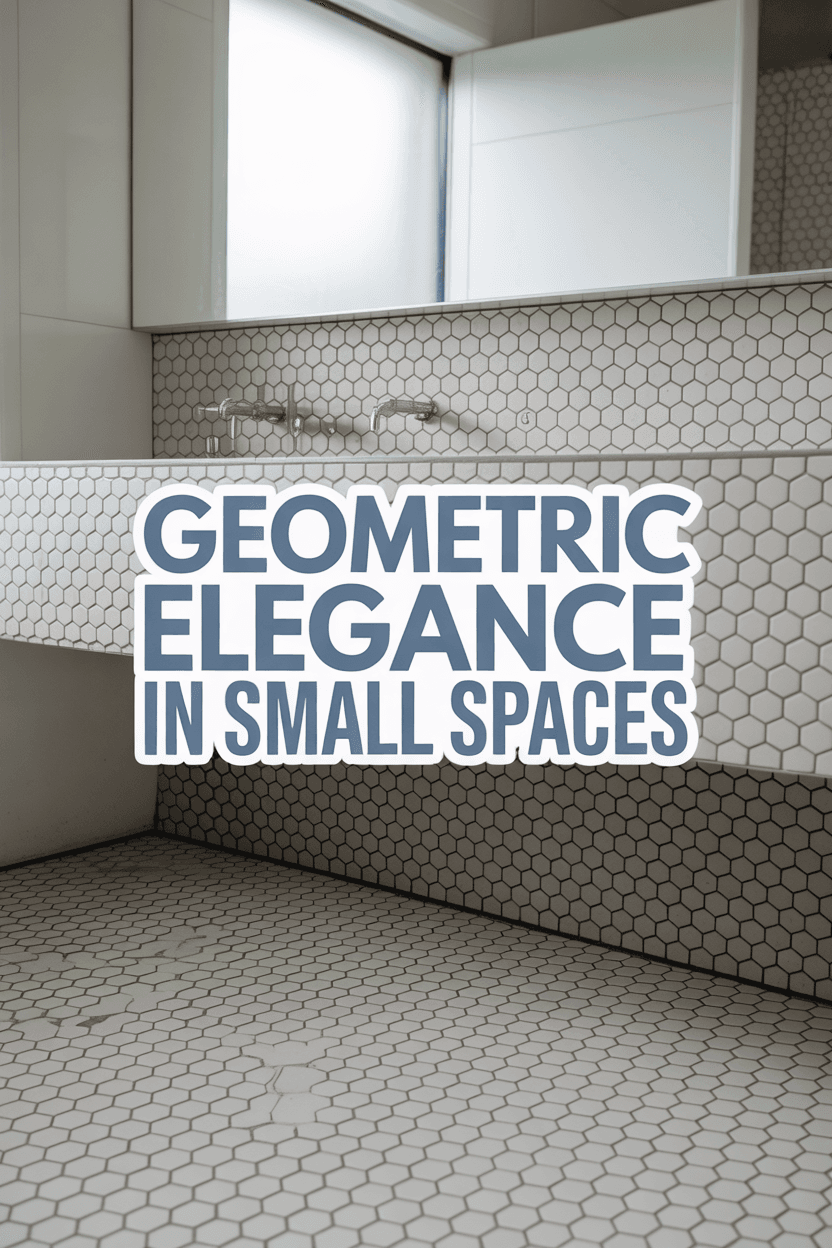
A simple shift in perspective can change the entire feel of your bathroom floor. Installing standard square or rectangular tiles on a 45-degree angle is a classic design trick that makes a room feel wider and longer.
This diagonal layout creates longer visual lines that draw the eye from corner to corner rather than wall to wall. This movement breaks the “boxy” feeling of a small room, adding dynamic energy and a sense of expansiveness.
Placing tiles on a diagonal makes the floor plan seem less confined and more interesting. It’s an effective way to trick the eye into seeing a larger and more fluid space.
Be aware that this installation method requires more intricate cuts, particularly along the walls. You should plan for approximately 10-15% more tile material to account for the waste, but the stunning spatial effect is often well worth the investment.
Geometric Grace: Add Character with Hexagon Tiles
Hexagonal tiles offer a perfect balance of visual interest and spatial harmony, making them an ideal choice for small bathrooms. Their unique, nature-inspired shape adds a layer of pattern and dimension without overwhelming the eye or making the floor feel busy.
To maximize the space-enhancing effect, opt for a monochromatic color scheme. Using a single, light color for your hexagon tiles creates a subtle, textured surface that adds character while maintaining a cohesive and open feel.
From tiny mosaics to larger 8- or 12-inch formats, the hexagon shape is incredibly versatile. It can evoke a vintage, mid-century charm or feel decidedly modern, depending on the size and finish you choose, as showcased in many designer galleries.
The interlocking pattern of hexagons creates a sense of fluid movement. This prevents the floor from looking static and adds a sophisticated design element that gives the entire room a polished feel.
Elegant Movement: How a Herringbone Pattern Directs the Eye
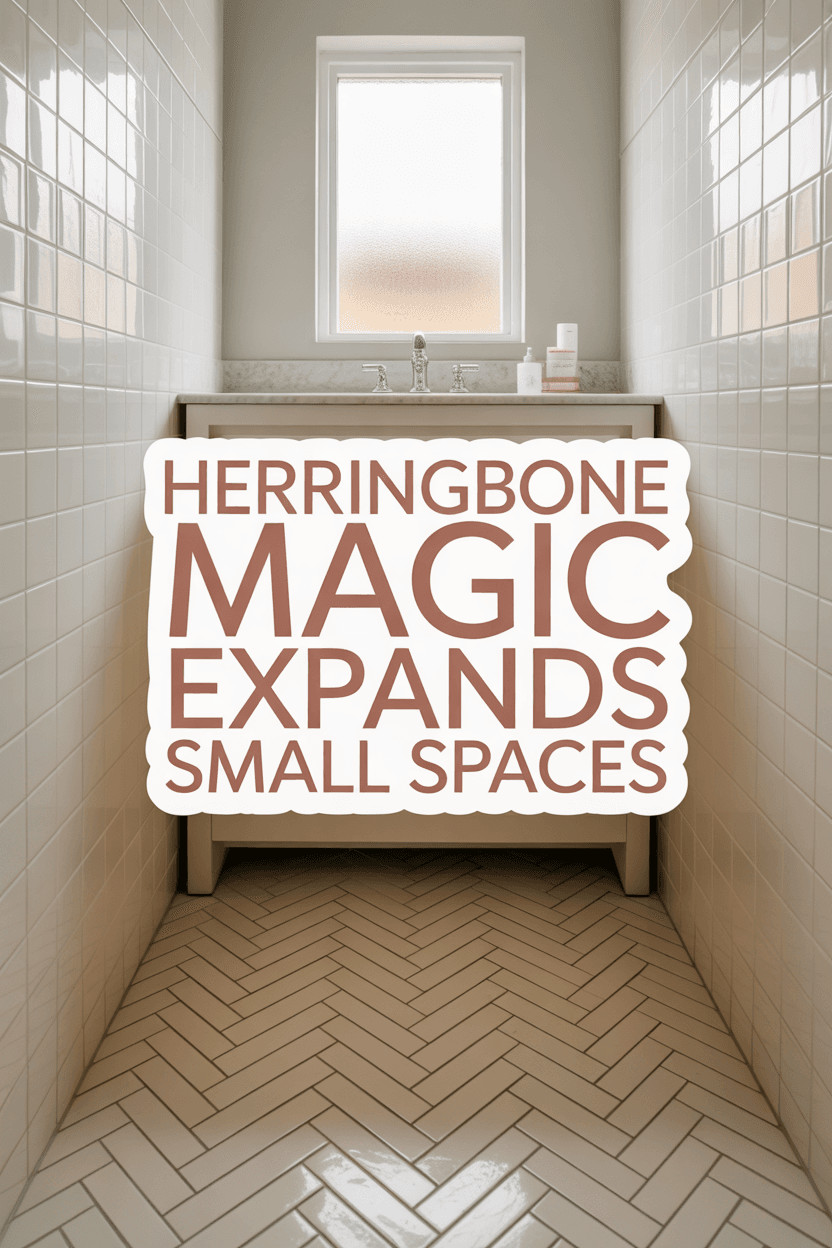
For a dose of classic sophistication, a herringbone pattern is unmatched. Created by laying rectangular tiles in a zigzag formation, this arrangement introduces a sense of graceful movement that can make a bathroom feel wider or longer.
The distinct V-shapes of the pattern act like arrows, directing the eye through the space. In a narrow bathroom, laying the pattern so the points run side-to-side can create the illusion of more width.
This timeless layout adds refined texture and a touch of luxury often associated with historic European homes and custom design. It infuses the floor with a dynamic quality without introducing overwhelming color or busyness.
To keep the look feeling open and airy, lay the herringbone pattern in light, neutral tones. A classic white marble or soft gray porcelain tile in this arrangement feels both grand and perfectly suited to a smaller footprint.
Coastal Warmth Meets Modern Durability: The Charm of Wood-Look Tiles
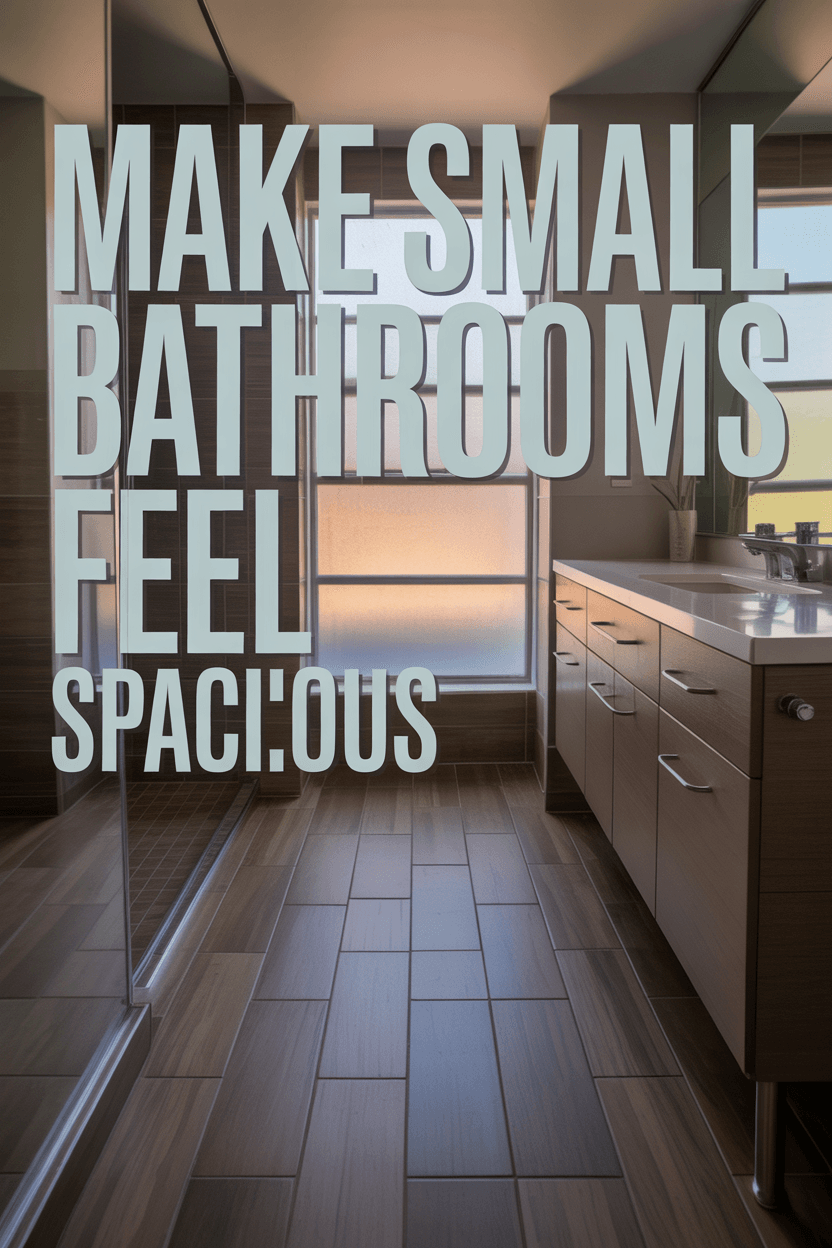
If you crave the warmth and inviting texture of hardwood floors, wood-look porcelain tile is the perfect solution for the bathroom. It delivers the organic, natural aesthetic of real wood while providing the superior durability and moisture resistance essential for a wet environment.
This tile style is a cornerstone of many sought-after designs, from relaxed Coastal and British Colonial to clean Modern Farmhouse. It introduces a natural element that makes a space feel grounded and welcoming.
In a small bathroom, the direction of the planks is key. To enhance the feeling of space, install the tiles parallel to the longest wall. This draws the eye along the length of the room, making it feel more expansive.
As tile and design professionals advise, running the planks from the doorway toward the back wall creates a powerful visual pathway. This simple installation choice effectively lengthens the room and enhances its flow.
The Minimalist Appeal of Concrete-Look Porcelain

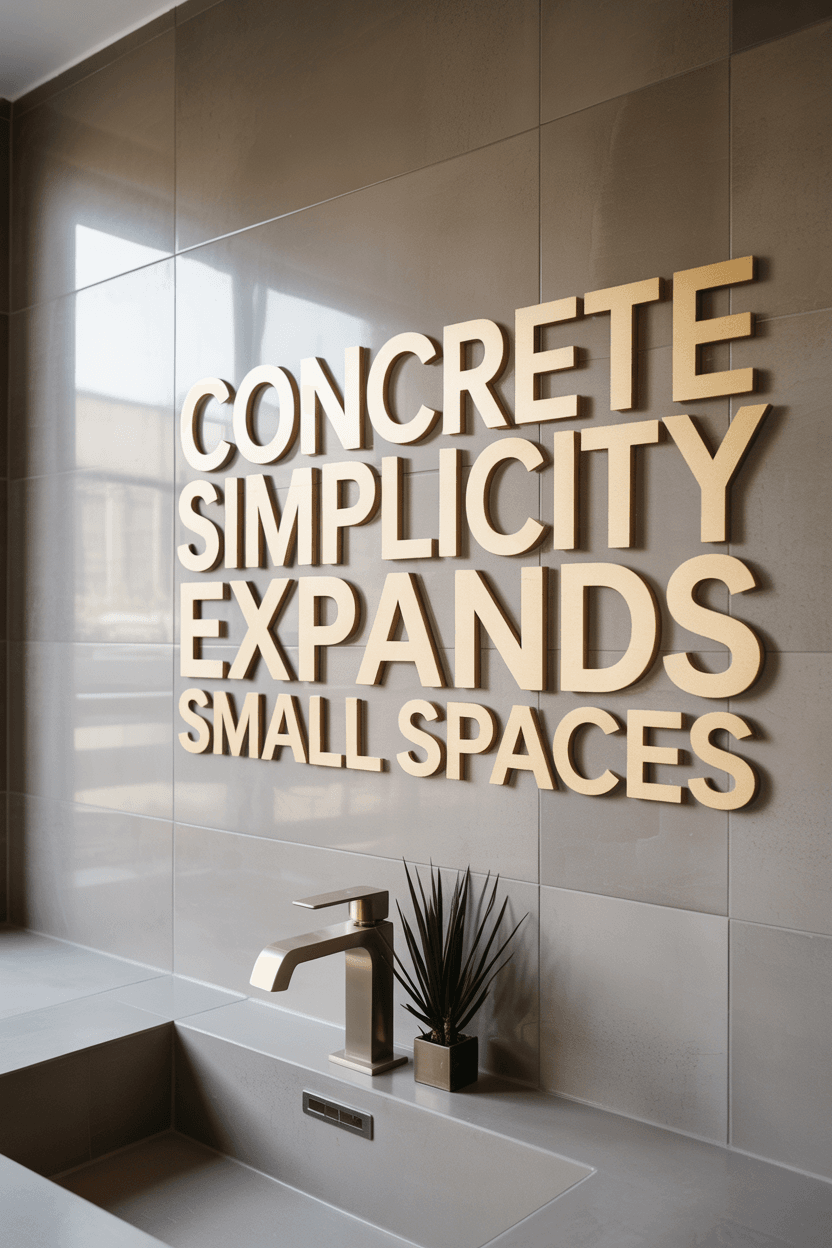
For a contemporary, minimalist, or industrial-chic aesthetic, concrete-look porcelain tiles offer a sleek and sophisticated foundation. They capture the raw, textured appeal of poured concrete without the porosity, weight, and high maintenance of the real material.
These tiles typically feature subtle tonal variations in shades of gray, from light silver to deep charcoal. The uniform, understated appearance creates a clean, serene backdrop that enhances the perception of space in a modern bathroom.
Concrete-look floors feel both edgy and refined. They provide a neutral canvas that pairs beautifully with matte black fixtures, floating vanities, and clean lines, reinforcing a minimalist design ethos.
As highlighted in modern design guides, this style provides an effortlessly cool and uncluttered look. It is a perfect choice for creating a spa-like sanctuary with a distinctly urban edge.
Define Your Space: Make a Statement with a Tiled ‘Rug’ or Accent
While an entirely patterned floor can overwhelm a small bathroom, using pattern strategically creates a high-impact design moment. A “rug” effect, created by inlaying a section of decorative tile, adds immense personality without shrinking the space.
This popular interior design technique involves framing an area of beautiful patterned tile with a simple border. The rest of the floor remains neutral, allowing the accent to become a stunning focal point.
Place this tiled “rug” in a key location, such as in front of the vanity or centered in the room. This not only adds character but also helps to define different zones within the small space.
You can also use beautiful mosaic tiles for other strategic accents, like a border around the room or an inlay within the shower. This allows you to indulge in a bold pattern you love while maintaining an overall sense of openness.
Amplify the Light: The Space-Enhancing Magic of Glossy Finishes

The finish of your tile is as important as its color. Tiles with a glossy, polished, or high-sheen finish are exceptional at reflecting light throughout your bathroom. This simple quality can have a profound impact on how large the room feels.
A glossy surface catches and bounces both natural and artificial light, making the entire space feel brighter and more alive. This effect is particularly crucial in windowless powder rooms or bathrooms with limited natural light.
The reflective quality of a high-sheen tile creates the perception of greater depth and space. It adds a touch of glamour and polish, helping a small room feel more luxurious and open, a point often noted by renovation experts.
Consider a glossy ceramic or polished porcelain tile in a light color for the ultimate space-enhancing combination. This pairing will work overtime to amplify brightness and create a vibrant, airy atmosphere.
A Cohesive Vision: The Expansive Effect of Monochromatic Palettes
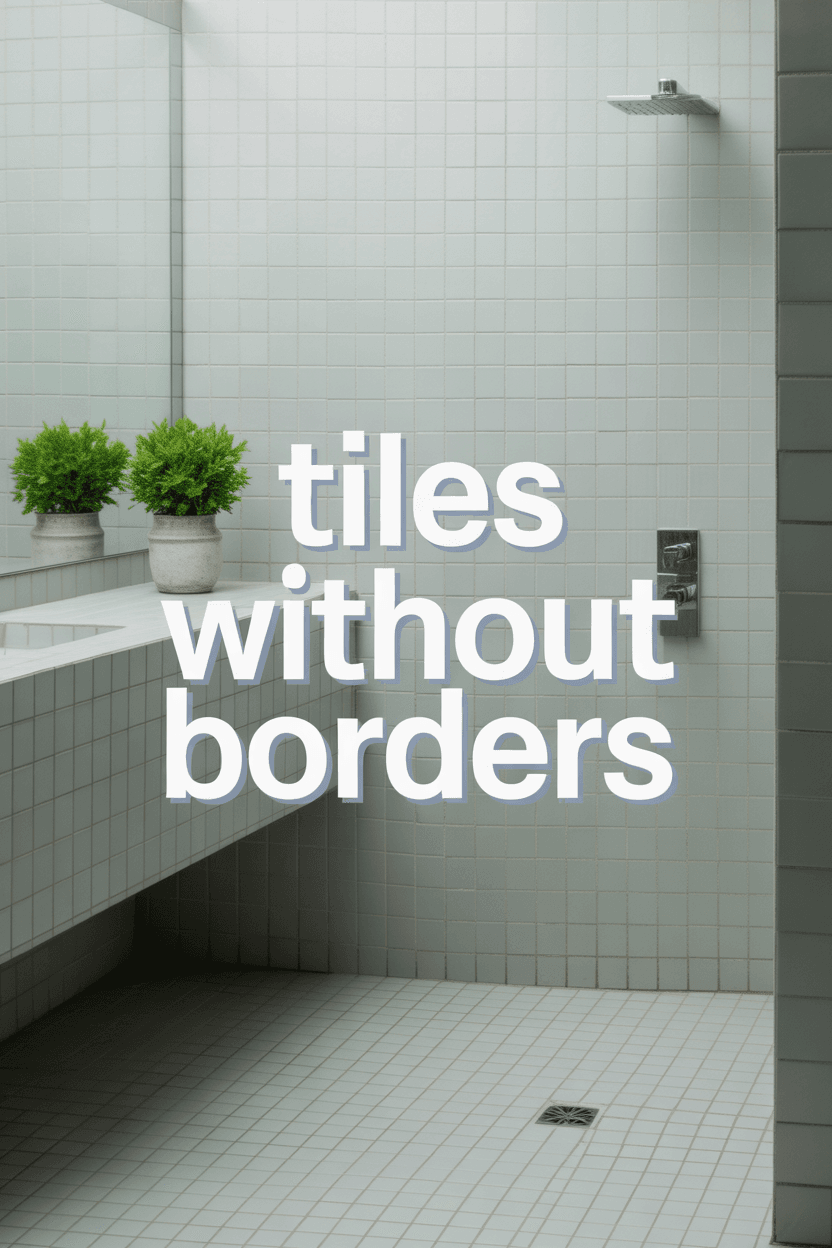
Creating a cohesive, unified look is a foolproof strategy for making a small bathroom feel larger. Employing a monochromatic color palette, where the floor and wall tiles are the same or very similar in color, blurs the boundaries of the room.
When the transition from floor to wall is seamless, it becomes difficult for the eye to tell where one surface ends and the other begins. This visual trickery makes the entire space feel more integrated and expansive.
This doesn’t mean the room has to be boring. You can create subtle interest by using the same color in different shapes or sizes. For example, pair large square tiles on the floor with smaller subway tiles of the same hue on the walls.
This approach, favored by design authorities, results in a serene, sophisticated space that feels like a custom-designed retreat. It’s a powerful optical illusion that maximizes the feeling of spaciousness in any small interior.
Timeless Texture: The Classic Elegance of Basket Weave Patterns
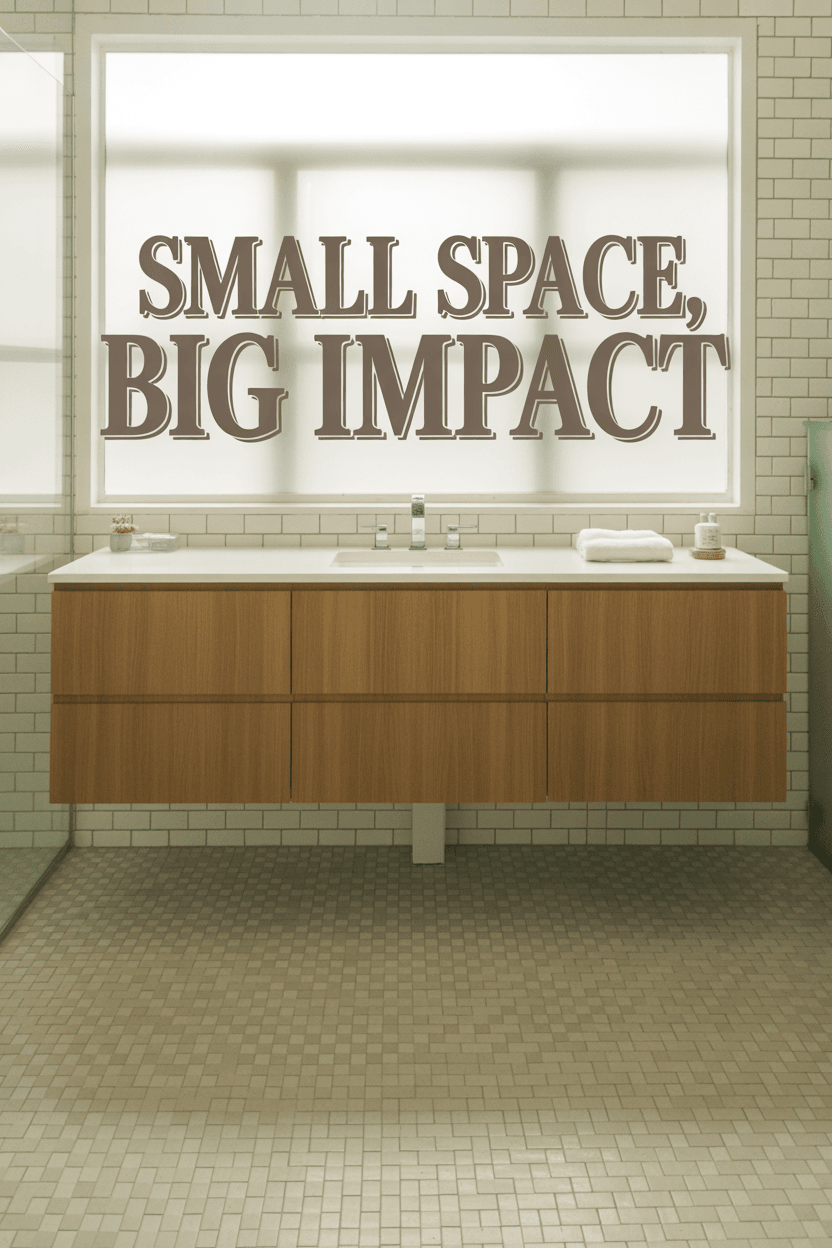
For a touch of timeless sophistication, the basket weave pattern is a superb choice. This classic design adds a layer of intricate texture and historical charm without creating the visual clutter that can shrink a small space.
Often found in historic and pre-war homes, this pattern feels both elegant and familiar. It works exceptionally well in small powder rooms or guest bathrooms, where it can provide a concentrated dose of character.
Most basket weave tiles come on pre-made mosaic sheets, which simplifies installation. These designs often incorporate small “dots” of a contrasting color, like black or blue, which adds depth to the pattern.
As seen in many vintage-inspired bathroom designs, this pattern evokes a sense of bespoke quality. When executed in classic materials like marble, it adds a layer of quiet luxury that refines the entire room.


