Cozy Charm: The Ultimate Guide to Cottage Dining Room Furniture

What Defines Cottage Style Dining Room Furniture
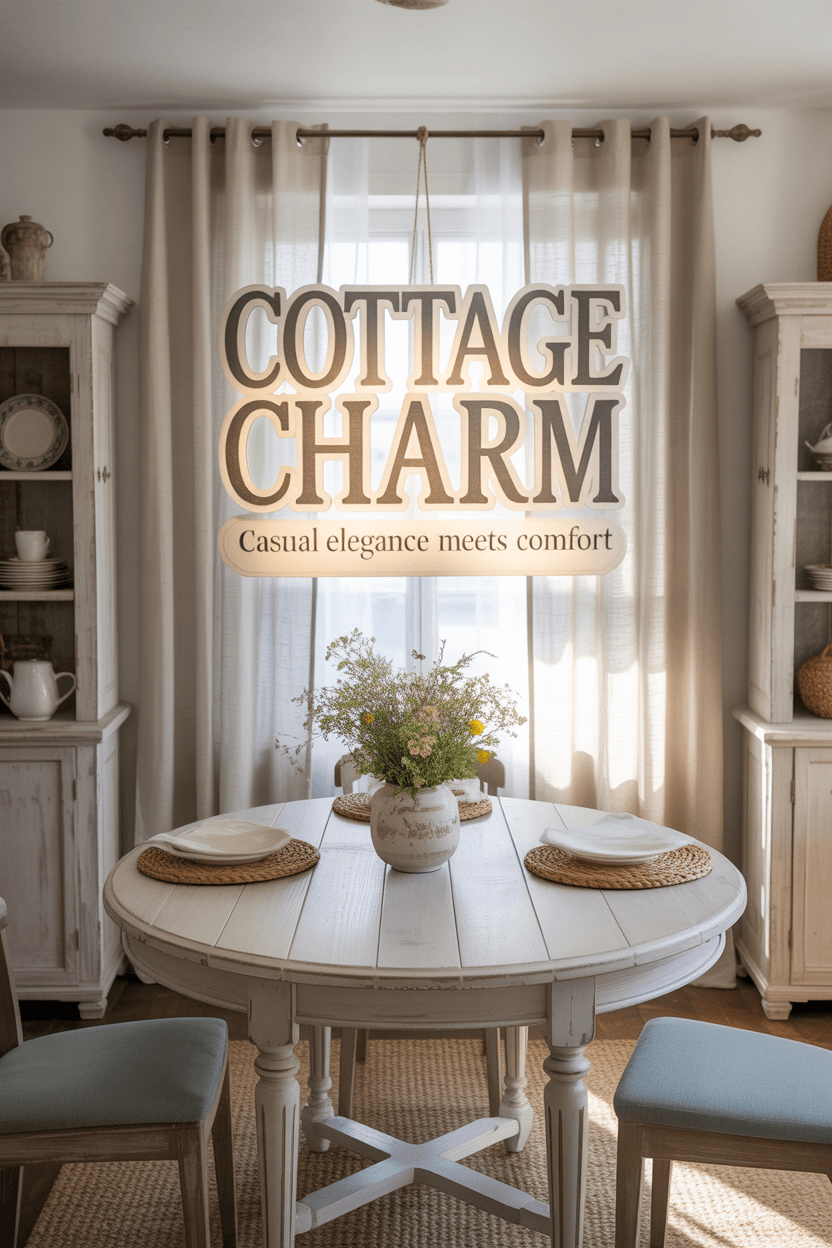
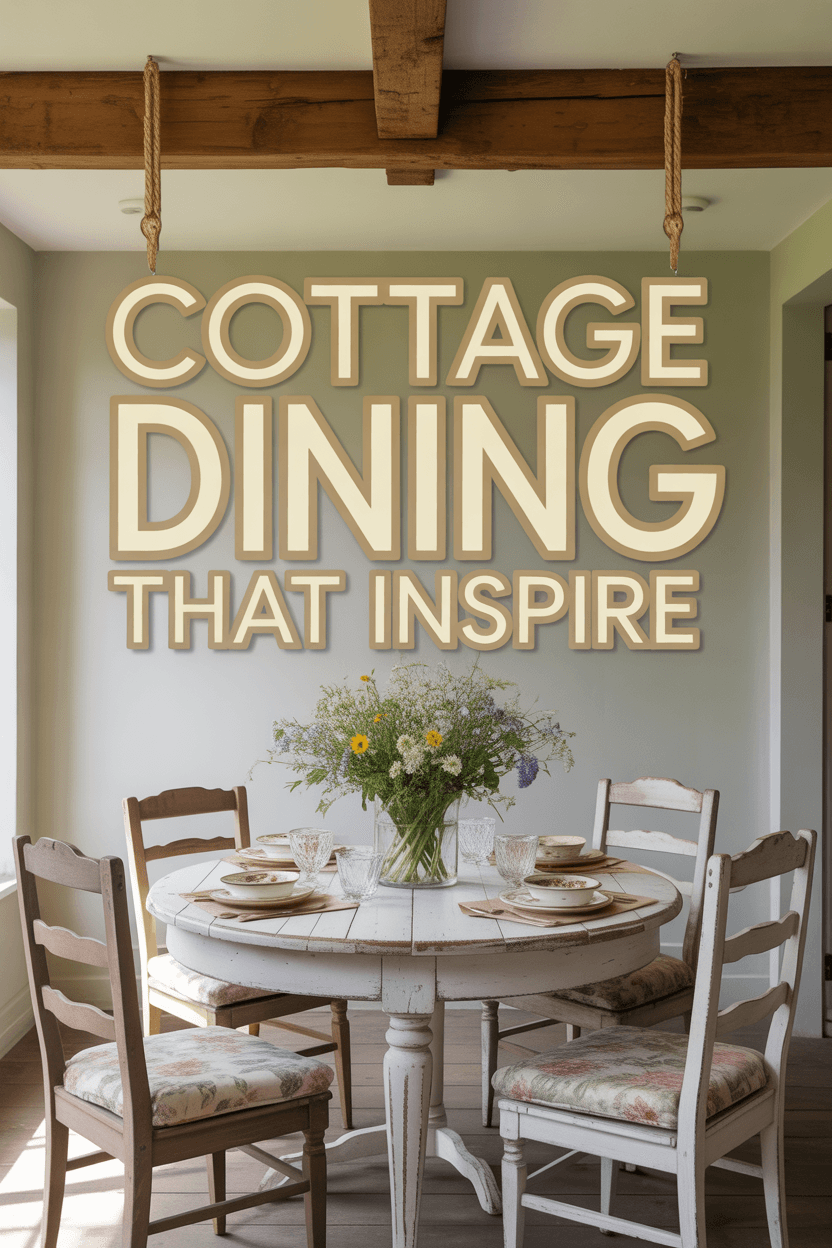
Cottage style dining room furniture embodies casual comfort with light colors and natural materials. Unlike farmhouse style, which tends to be more rustic, cottage style features softer lines and more delicate details.
It differs from shabby chic by being less deliberately distressed and from country style by incorporating more refined elements.
Traditional cottage furniture celebrates heritage craftsmanship, while modern interpretations blend classic cottage elements with contemporary simplicity.
Essential Elements for Your Cottage Dining Space
A cottage dining room typically centers around a versatile table. Round tables work well in smaller spaces, while rectangular tables accommodate larger gatherings. Extendable options offer flexibility for different occasions.
Chair styles that complement cottage aesthetics include ladder-backs and spindle designs with woven or upholstered seats. These add both comfort and visual interest.
Buffets and hutches provide necessary storage while showcasing cherished dishware and collections. These anchor pieces help define the room’s character.
Small accent pieces like tea carts or plant stands complete the look, adding functionality and charm to corners and empty spaces.
Materials That Create Authentic Cottage Charm
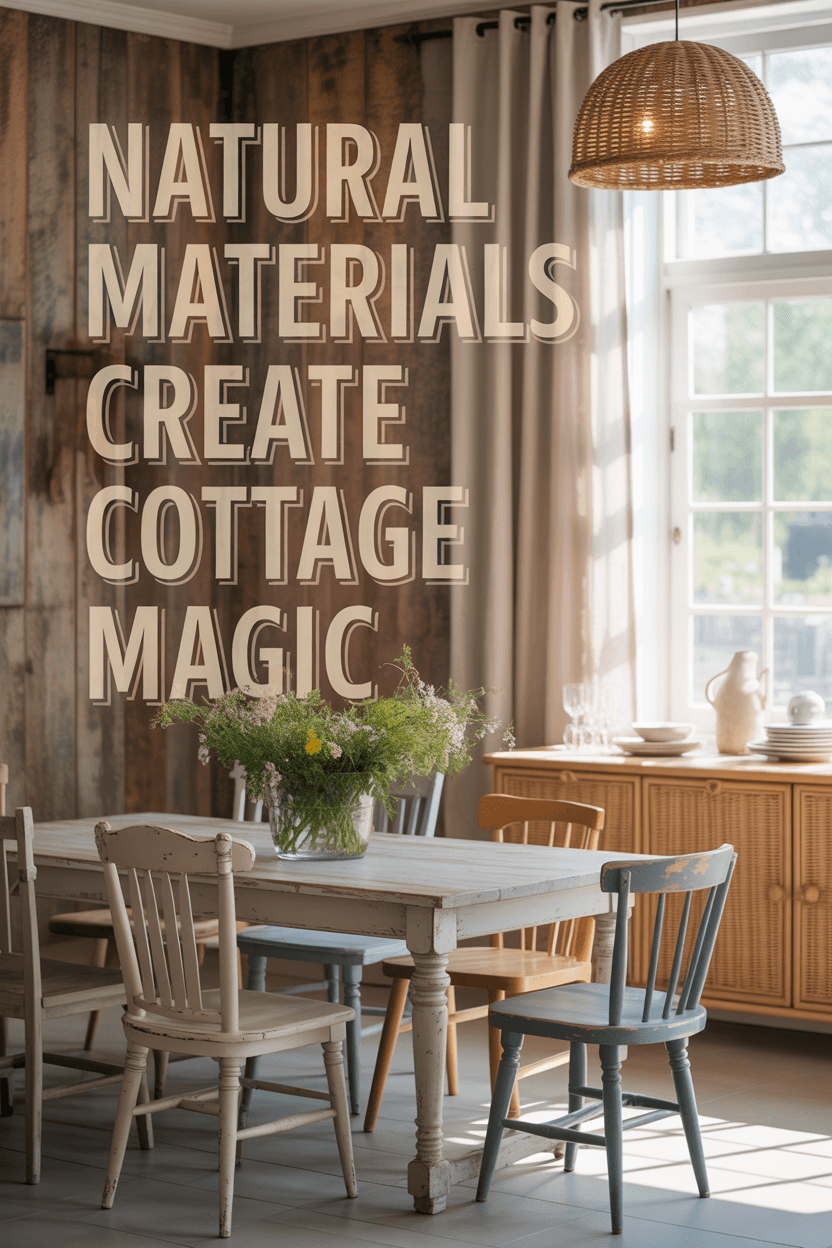
Natural wood forms the foundation of cottage furniture, often in lighter finishes like maple, pine, or birch. These woods bring warmth and timeless appeal to your dining space.
Painted finishes in whites, creams, and pastels are signature elements that brighten spaces and create that characteristic cottage freshness.
Successful cottage rooms often mix materials, incorporating rattan, wicker, or wrought iron details for textural variety and visual interest.
Many pieces feature gentle distressing or weathering that suggests history without appearing damaged. This subtle aging gives furniture character and lived-in appeal.
Inviting Color Palettes for Cottage Dining
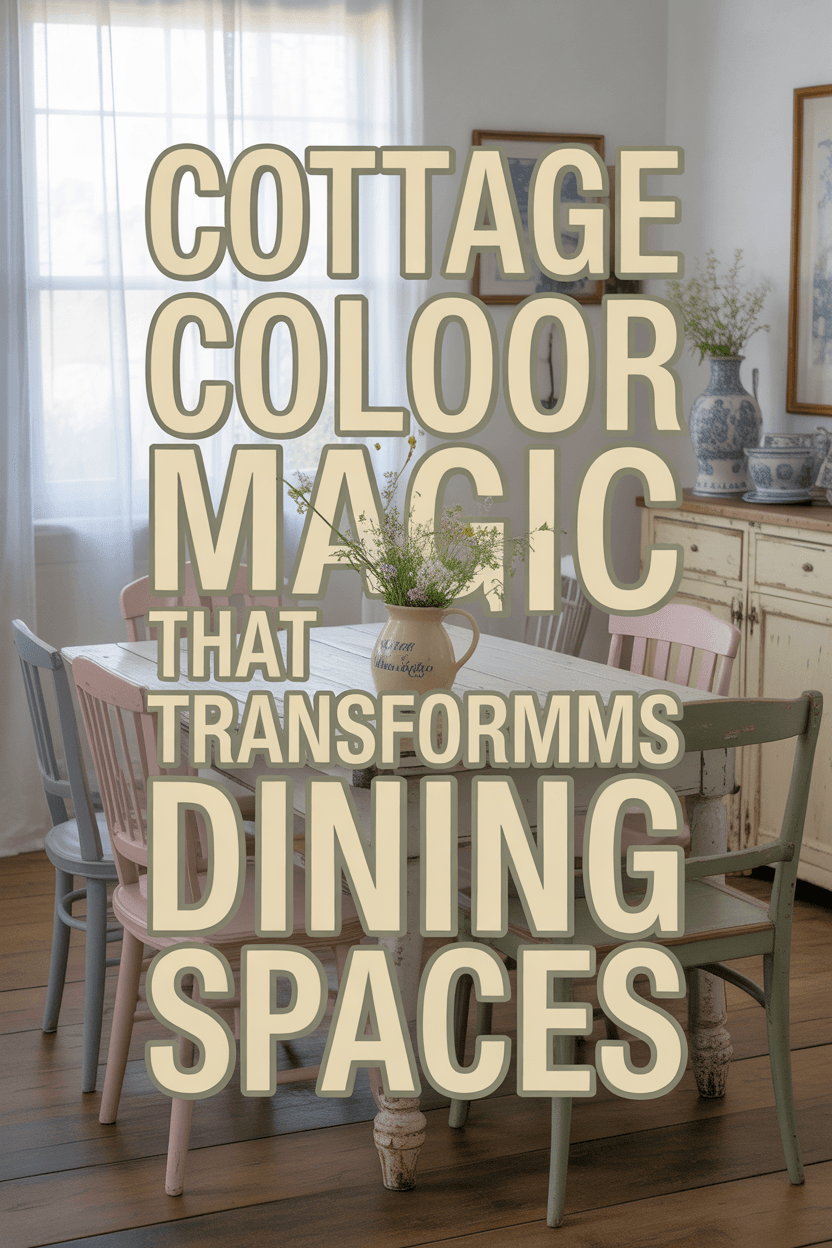
Classic whites and creams dominate cottage dining rooms, creating an airy, serene atmosphere that feels instantly welcoming. These neutral bases allow other elements to shine.
Soft pastels like duck egg blue, sage green, and blush pink work beautifully as accent colors in textiles and accessories. They add gentle color without overwhelming the space.
Coastal cottage styles often incorporate various blue tones from pale sky to deeper navy, reflecting connections to water and sea.
Dark wood elements can provide grounding contrast when used selectively on table tops or chair legs, creating visual balance within the lighter palette.
Styling Details That Complete the Look
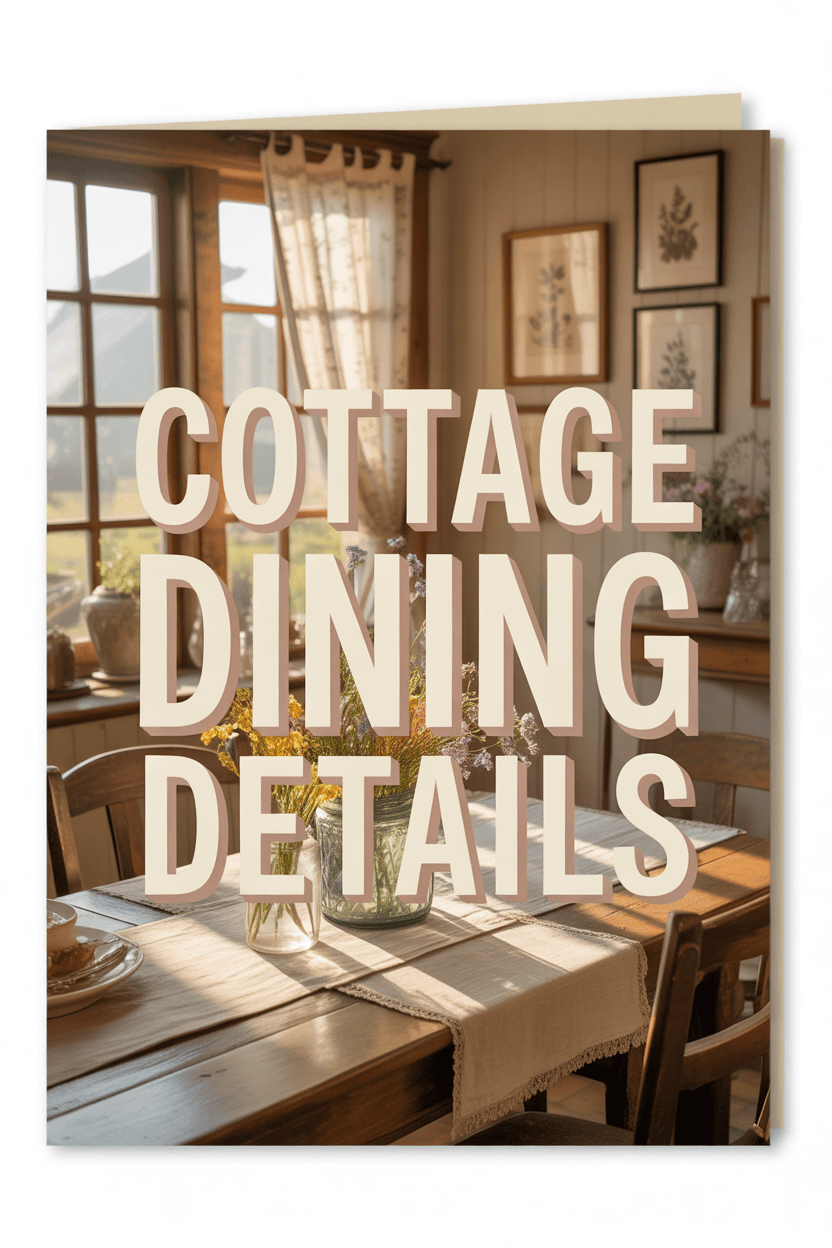
Textiles like linen tablecloths, cotton runners, and casual napkins add cottage warmth and softness to wood surfaces. Choose patterns and textures that complement your color scheme.
Pendant lights or chandeliers with glass, ceramic, or painted metal elements provide task lighting with character. Position these fixtures 30-36 inches above the table surface.
Wall décor might include botanical prints, plates, or simple mirrors that reflect light and make the space feel larger. Group items for greater visual impact.
Centerpieces often feature seasonal elements from the garden in simple vessels. Keep arrangements low enough to allow conversation across the table.
Selecting the Perfect Cottage Dining Table
Pedestal tables maximize legroom and work exceptionally well in compact spaces. Their graceful central support creates an elegant silhouette that suits the cottage aesthetic.
Rectangular farmhouse-inspired tables with turned legs offer more traditional cottage appeal and accommodate larger gatherings with classic charm.
Space-conscious options include drop-leaf and gate-leg designs that expand when needed but can be reduced in size for everyday use.
Painted bases with natural wood tops represent a classic cottage combination that balances practicality with charm while protecting surfaces from daily wear.
Comfortable Seating Options with Cottage Style
Windsor and spindle-back chairs epitomize cottage style with their timeless silhouettes. These designs have remained popular for generations because they combine comfort with classic good looks.
Upholstered options add comfort, especially when covered in casual fabrics like cotton ticking or small-scale florals. These softer elements balance wooden table surfaces.
Benches provide flexible seating that accommodates extra guests and creates a relaxed, inclusive atmosphere perfect for family gatherings.
Many cottage dining rooms successfully mix chair styles, perhaps using host chairs at the ends with simpler side chairs. This approach adds interest while maintaining cohesion.
Storage Solutions That Enhance Your Space
Cottage-style buffets and sideboards typically feature painted finishes with simple hardware. These pieces provide essential storage while contributing to the room’s overall aesthetic.
Open shelving displays everyday dishes while creating an airy feel that prevents the room from feeling heavy or cluttered.
Corner cabinets maximize awkward spaces while showcasing special pieces. These smart solutions work particularly well in smaller dining areas.
Glass-front cabinets balance the desire to display collections with practical storage needs, adding depth and personality to your dining space.
Creating Cottage Charm on a Budget
Existing furniture can be transformed with paint and new hardware to achieve cottage style affordably. This approach allows you to customize pieces to your exact color preferences.
Secondhand shops, estate sales, and online marketplaces offer vintage pieces with authentic cottage character at fraction of the cost of new items.
Simple DIY projects like bench cushions or painted chair seats personalize the space while keeping costs low. These small touches can significantly impact the room’s feel.
The cottage aesthetic embraces the charm of mixing high-quality investment pieces with budget finds, creating a collected-over-time look that feels authentic and personal.
Arranging Your Cottage Dining Room
Furniture arrangement should prioritize traffic flow while maximizing seating capacity. Leave at least 36 inches between the table and walls or other furniture pieces.
In small spaces, round tables and armless chairs increase flexibility and make the room feel more spacious.
Open layouts benefit from furniture that defines the dining area while maintaining connection to adjacent spaces. A well-placed rug can help establish boundaries.
French doors or large windows extend dining areas visually into outdoor spaces, enhancing the cottage connection to nature and bringing in abundant natural light.
Maintaining and Caring for Your Cottage Furniture
Painted finishes require gentle cleaning with mild soap and water, avoiding harsh chemicals that might damage the surface. Dust regularly with a soft cloth.
Wood surfaces benefit from regular dusting and occasional polishing with appropriate products designed for the specific finish type.
Fabric protection treatments help upholstered pieces resist stains and spills, particularly important in dining spaces where accidents happen.
Regular tightening of hardware and prompt attention to scratches or water rings extends furniture lifespan. Address minor damage quickly before it worsens.