Timeless Elegance: 7 Ways to Transform Your Formal Dining Room

Establish an Elegant Color Foundation
The color palette sets the stage for your formal dining room’s entire aesthetic, creating a mood before the first guest even arrives. Choosing the right colors is fundamental to achieving a high-end, cohesive look that feels both intentional and inviting.
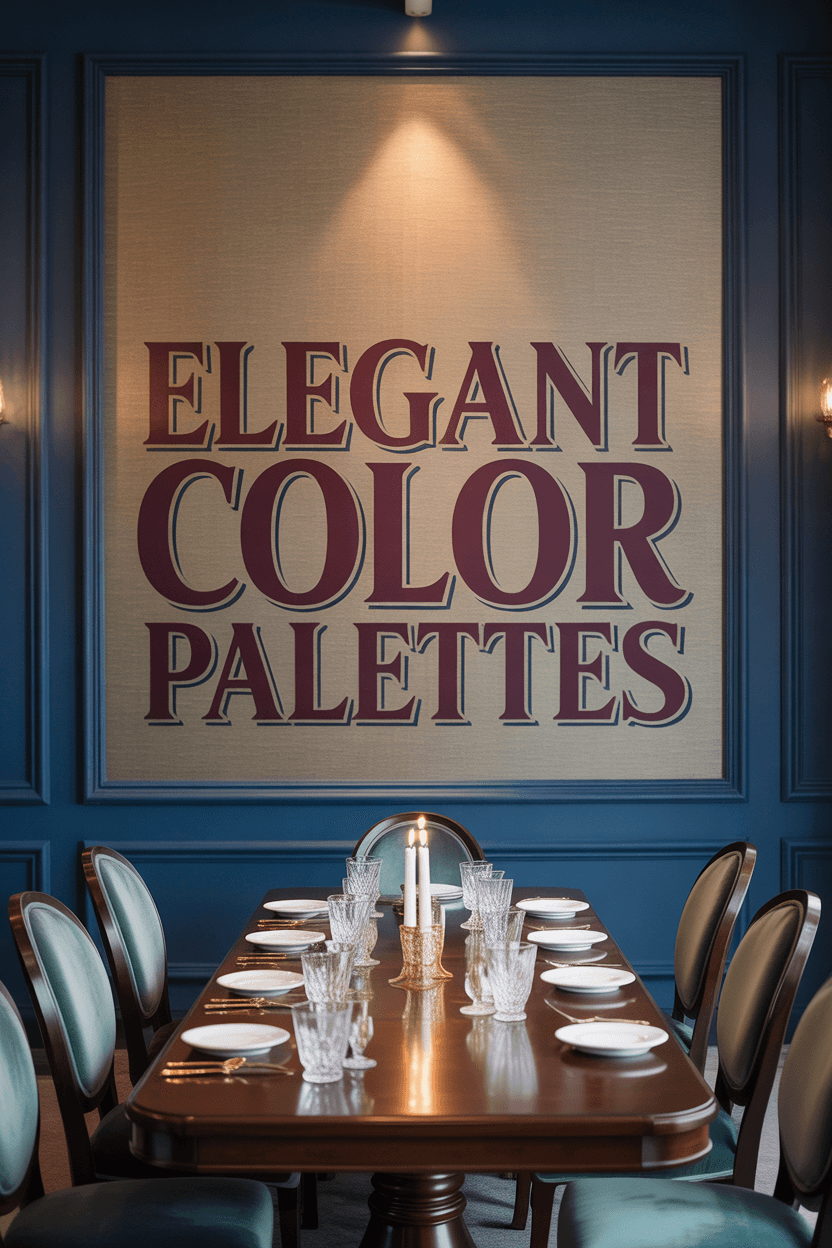
Consider rich, saturated hues like navy blue, burgundy, emerald green, or chocolate brown. These deep tones create a sense of luxury and intimacy, making them perfect for sophisticated evening gatherings.
These dramatic colors wrap the room in a cozy, elegant embrace, enhancing the warm glow of candlelight and making metallic accents stand out. They signal a space dedicated to special occasions.
Alternatively, a palette of refined neutrals provides a versatile and timeless backdrop. Soft grays, warm taupes, and creamy whites allow more dramatic elements, like art or lighting, to take center stage.
For a truly bespoke look, go beyond a simple coat of paint. As seen in many designer dining rooms, wall treatments that add texture and dimension suggest a deeper layer of design.
Incorporate materials like grasscloth wallpaper for natural texture, subtle damask patterns for a touch of tradition, or hand-painted finishes for a layer of custom artistry.
Finally, weave in metallic accents through lighting, hardware, or decor. Details in gold, silver, or bronze add reflective qualities that beautifully enhance the room’s light, contributing to a warm and upscale atmosphere.
Illuminate with a Statement Lighting Fixture
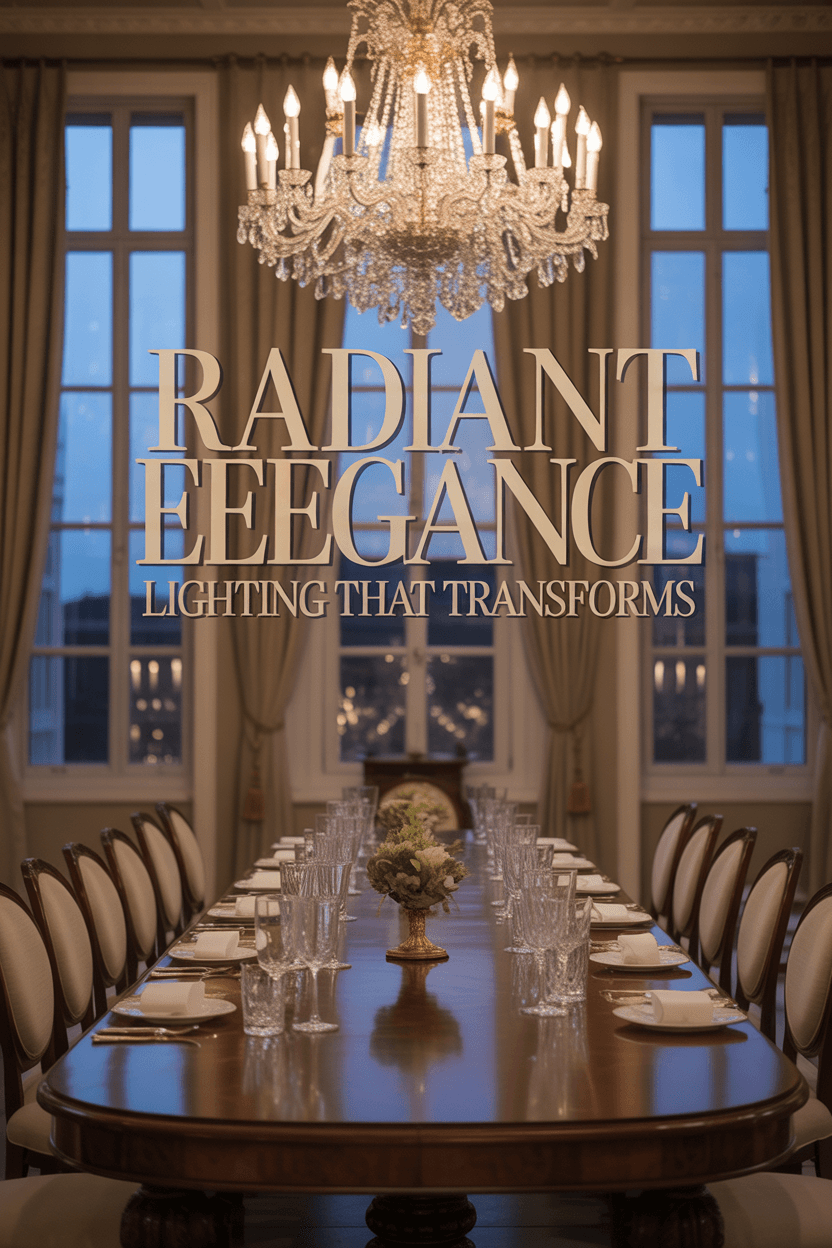
No formal dining room is complete without a spectacular lighting fixture centered above the table. This element serves as both a functional necessity and the room’s primary artistic focal point, often referred to as the “jewelry of the room.”
The crystal chandelier is the classic choice for a reason. It disperses light beautifully, creating an ambient sparkle across tableware and lending an air of timeless formality that is difficult to replicate.
For a more contemporary look, an artistic or sculptural pendant creates powerful visual interest. It acts as a piece of installation art, commanding attention even when the lights are off.
If you have a long, rectangular table, consider installing two or three smaller, identical fixtures. This arrangement provides more balanced illumination along the length of the table and a polished, symmetrical look.
Proper installation is crucial for both function and aesthetics. The industry standard is to hang the fixture’s base 30 to 36 inches above the table surface to ensure it illuminates without obstructing views.
A dimmer switch is also essential, a detail top interior designers insist upon. This allows for adjustable ambiance, letting you transition seamlessly from a bright family meal to intimate, low-lit entertaining.
Select the Perfect Dining Table as the Room’s Anchor

As the centerpiece of your formal dining room, the table deserves careful consideration. It’s the anchor for the entire design and the surface upon which memories are made. Its material, shape, and scale are all critical decisions.
The choice of material communicates permanence and quality. Solid wood with rich grain patterns, polished marble, or even glass-topped tables with substantial architectural bases are all hallmarks of high-end design.
The shape of your table directly influences the room’s flow and social dynamic. Rectangular tables are a traditional choice that excellently accommodates larger groups of guests.
Round tables, in contrast, are known to encourage more intimate and inclusive conversation by keeping all diners equidistant from one another. They can be a wonderful choice for smaller, more square-shaped rooms.
To ensure comfort, follow established design principles for proportion. Allow approximately 24 inches of table width per person and maintain at least 36 inches of clearance between the table’s edge and the walls for easy movement.
Many elegant dining rooms feature tables with extension capabilities. This offers valuable flexibility for different gathering sizes while maintaining a refined, uncluttered appearance for daily life. Explore beautiful examples in this gallery of traditional dining rooms.
Choose Dining Chairs that Balance Comfort and Style

Dining chairs do more than just provide a place to sit; they should invite guests to relax and linger comfortably. They are a critical investment in style and hospitality, enhancing your room’s overall design statement.
Fully upholstered chairs, especially those with supportive arms, offer maximum comfort for the extended conversations that define a successful dinner party. They add a soft, luxurious feel to the room.
For a classic, curated look, consider using larger, more ornate “host chairs” at the head and foot of the table. These are typically armed and can be upholstered in a contrasting fabric, complemented by armless side chairs along the lengths.
Select luxurious fabrics that feel as good as they look. Materials like velvet, damask, leather, or high-performance textiles with subtle patterns maintain an elegant look while offering durability.
Small embellishments can make a big impact. Look for accents like polished nailhead trim, elegant button tufting, beautifully carved wooden legs, or contrast welting to give a chair a custom, designer touch.
In a formal setting, chairs should feel substantial and well-crafted, but not so bulky that they overwhelm the space. The goal is a perfect harmony between presence and practicality, ensuring effortless navigation around the table.
Build Character with Architectural Millwork

Formal dining rooms benefit tremendously from architectural enhancements that provide a sense of history and permanence. These built-in features create a rich, structural backdrop that sets the room apart.
Adding millwork like classic wainscoting or a traditional chair rail instantly creates character and dimension on the walls. Intricate picture frame molding can also be used to frame art or add detail to a blank wall.
Don’t neglect the “fifth wall”—the ceiling. A coffered ceiling, a decorative plaster medallion framing the chandelier, or even a contrasting paint color can draw the eye upward and make the room feel grander.
Quality crown molding in a substantial profile provides a graceful transition between the walls and ceiling. It defines the room’s edges with classic elegance, making the space feel finished and stately.
These permanent features, consistently recommended by design professionals, create a sense of classic structure that separates formal dining spaces from more casual areas of the home. View how these elements come together in Architectural Digest’s dining room gallery.
Dress Windows with Elegant Drapery
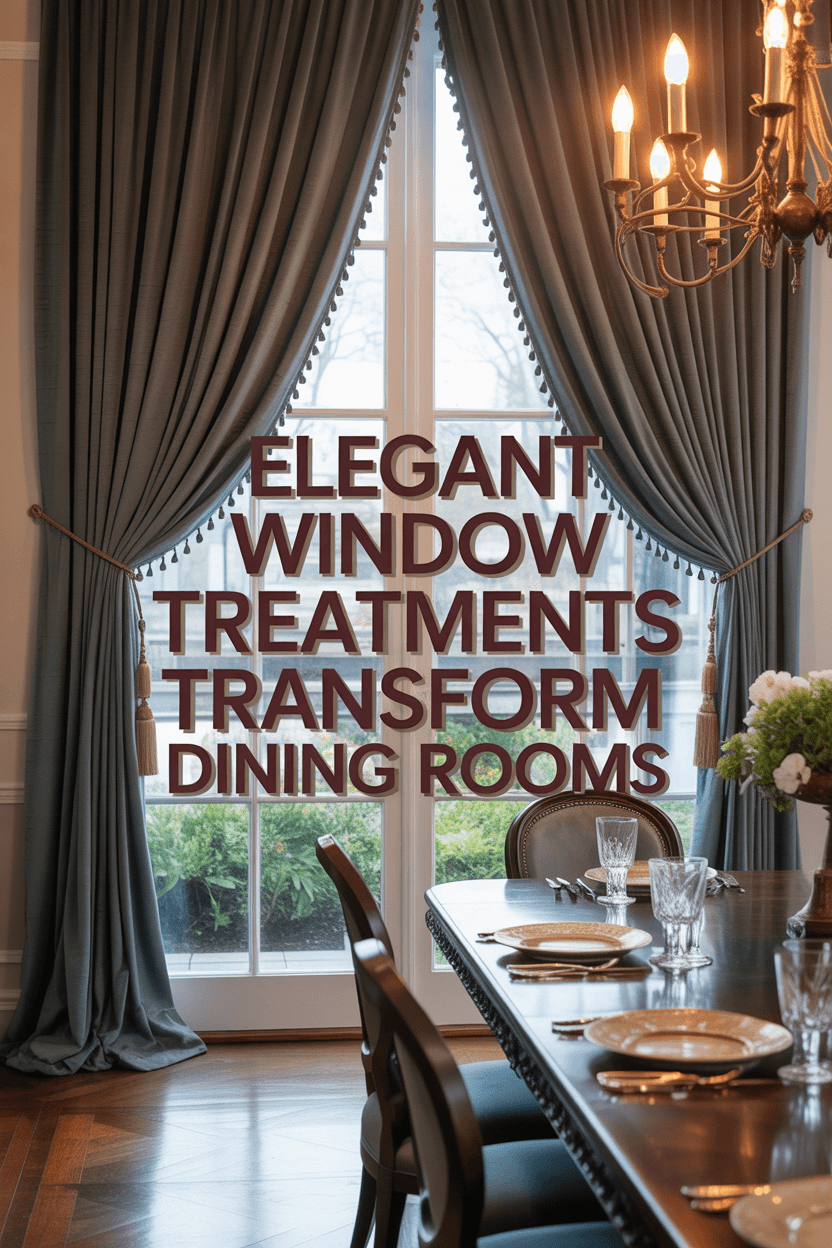
Windows in a formal dining space are an opportunity to add softness, color, and another layer of luxurious texture. The right window treatments are essential for giving the room a polished and complete look.
The most elegant choice is floor-length drapery panels. Select them in luxurious fabrics like silk, velvet, or linen to add a significant touch of drama and grace to the room’s perimeter.
Allow the draperies to “puddle” slightly on the floor for a traditional, romantic look, or have them just “kiss” the surface for a cleaner, more tailored finish. Both methods convey a sense of luxury.
A layered approach offers excellent light control and sophistication. Combine translucent sheers for daytime privacy and diffused light with heavier, opaque side panels for evening ambiance and insulation.
Consider upholstered top treatments like valances or cornices. These elements conceal drapery hardware while adding a finished look and another opportunity to introduce a pattern or complementary color.
Don’t overlook the hardware. Substantial and beautiful rods, finials, and tiebacks in metals that coordinate with your lighting fixtures are crucial for a cohesive, high-end design.
Beyond their beauty, well-designed fabric window treatments also improve a dining room’s acoustics. They absorb sound, creating a quieter and more pleasant environment for conversation.
Incorporate Functional and Stylish Storage

Beyond the table and chairs, formal dining rooms traditionally incorporate key storage elements that are both beautiful and highly functional. These pieces support the act of entertaining while reinforcing the room’s elegant style.
A classic sideboard or buffet is indispensable. It provides a wide surface for serving food buffet-style and offers ample storage for linens, oversized serving pieces, and extra tableware.
For those with treasured collections, a glass-front china cabinet or vitrine is the perfect way to showcase fine china and crystal. This keeps them protected from dust yet accessible for special occasions.
A stylish bar cart is an increasingly popular addition, offering a convenient and mobile station for drink service. It adds a touch of retro glamour and can be moved wherever it’s needed.
For a more permanent solution, a built-in bar or serving niche can add a custom, luxurious touch. These integrated features make elegant entertaining feel effortless and seamless.
These secondary furniture pieces should complement the dining table in finish and style, whether matching perfectly or providing a deliberate, pleasing contrast. This ensures a cohesive and thoughtfully curated look throughout the space.
Define the Space with an Elegant Area Rug

An area rug is an essential foundation for a formal dining room, not just an accessory. It anchors the furniture, defines the dining zone within the space, and adds a crucial layer of comfort and style.
The golden rule of sizing is paramount: the rug must be large enough for chairs to move easily without getting caught. This is key to a functional and frustration-free dining experience.
To achieve this, ensure the rug extends at least 24 inches beyond the edge of the dining table on all sides. This allows chairs to be pulled out completely while remaining on the rug’s surface.
Beyond its practical function, the rug is a major design element. It introduces color, pattern, and texture, softening the hard surfaces of the flooring and furniture with a plush layer underfoot.
The right rug also plays a vital role in the room’s acoustics. It dampens sound and reduces echo, contributing to a quieter, more pleasant atmosphere where conversation can flourish.
Curate Walls with Sophisticated Art and Mirrors
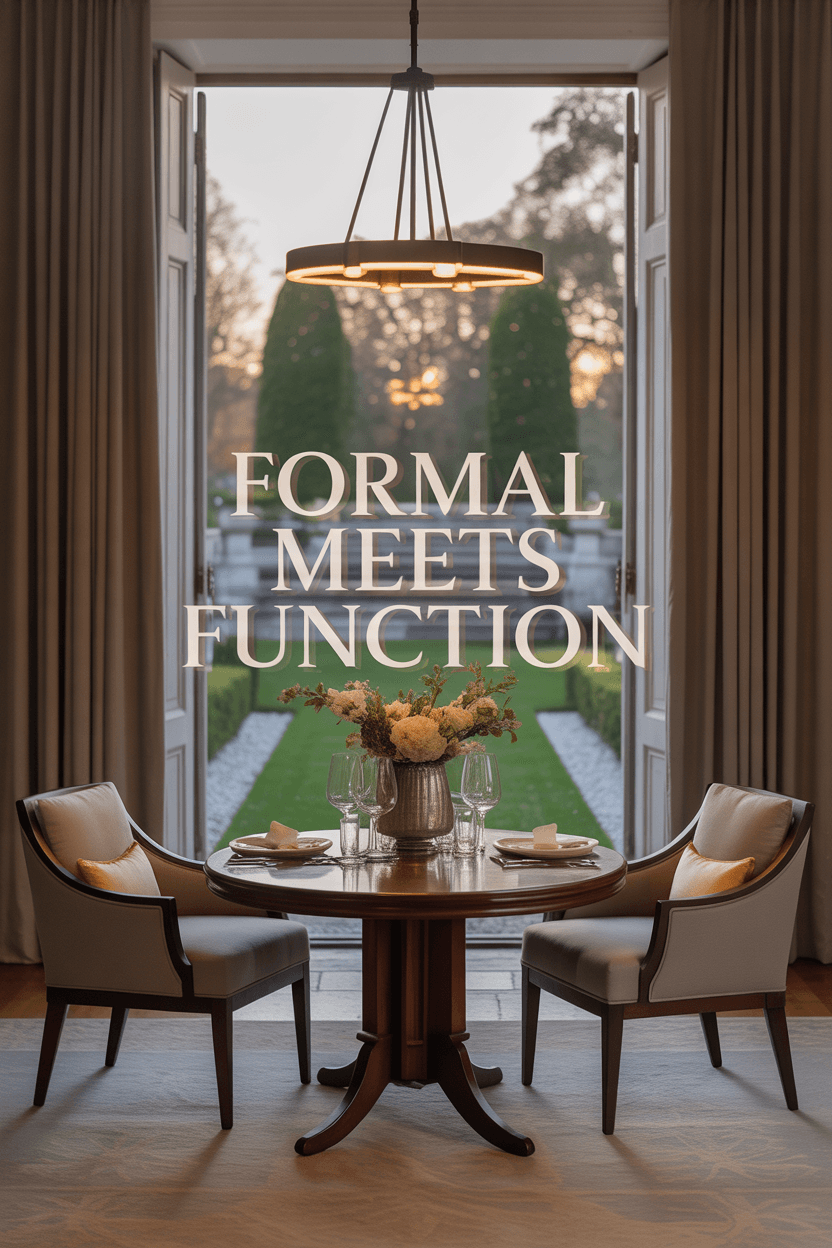
The walls of your dining room are a canvas for expressing personal style. What you hang here can shift the space from merely furnished to truly curated.
Thoughtfully selected artwork can serve as a powerful focal point or a fascinating conversation starter for your guests. Consider a single, large-scale painting or photograph for dramatic and immediate impact.
Alternatively, a meticulously arranged gallery wall or a series of related prints can create a more collected, personal feel. This approach allows you to tell a story and add layers of visual interest.
Mirrors are a classic and highly effective choice for formal dining spaces. A large, beautifully framed mirror acts as a piece of art itself while offering unique functional benefits.
Strategically placed, a mirror can reflect the light from your chandelier, making the entire room feel brighter, more open, and more dynamic. It can also create the illusion of a larger space.
For maximum effect, place a mirror on the wall opposite a window to reflect natural light and the view, or opposite a stunning piece of art to double its impact in the room.
Master the Art of the Tablescape
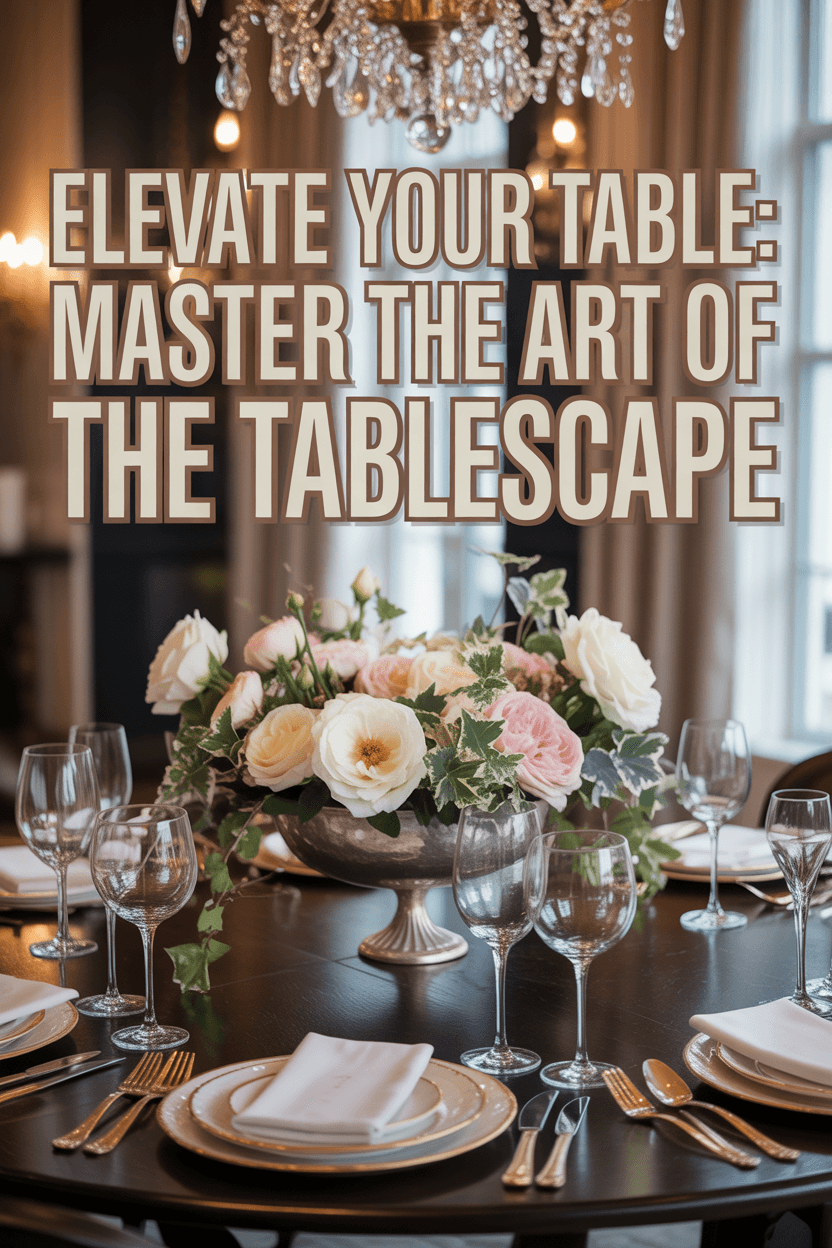
The tablescape is the final act of decoration, creating a special mood for an occasion. It is an art form that communicates a thoughtful attention to detail that makes guests feel truly special.
Begin by layering your table with quality linens. A crisp tablecloth, elegant placemats, or a beautiful runner provides the foundation for the entire setting.
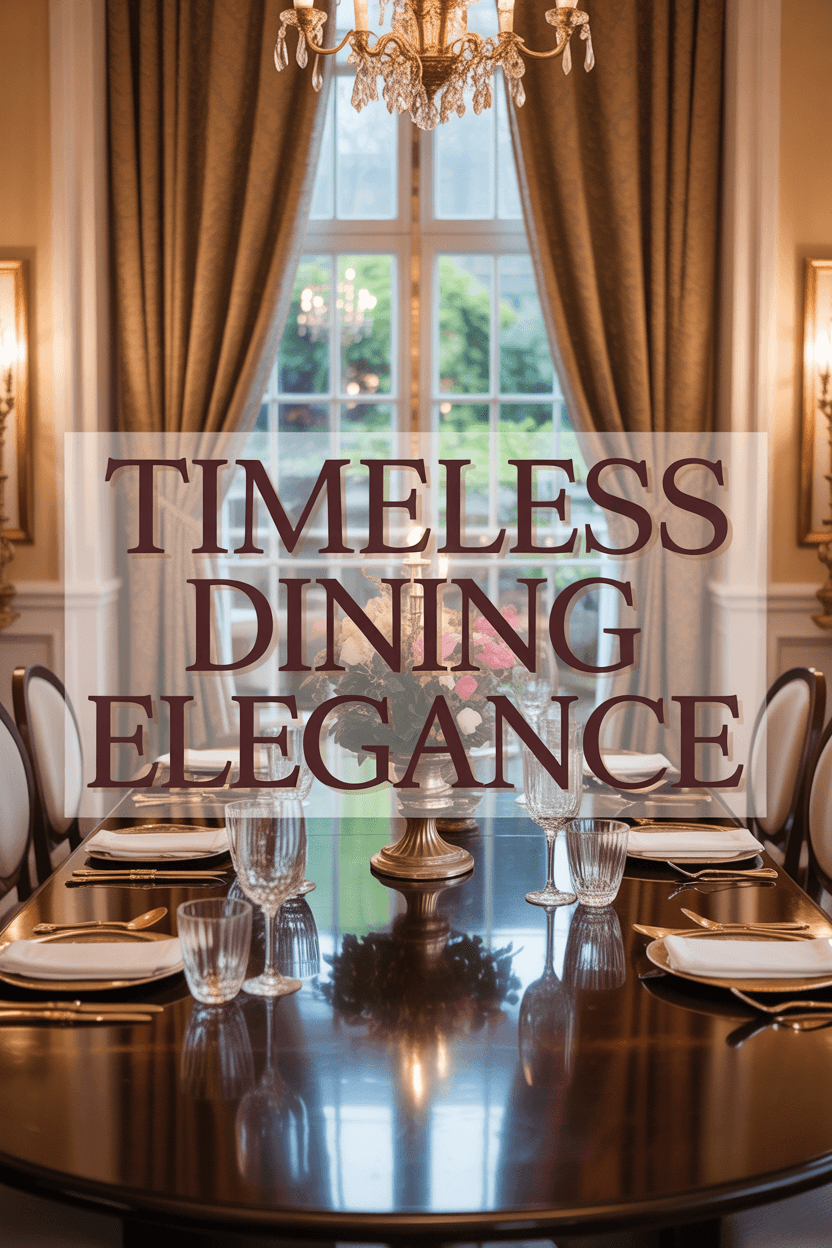
Use your fine china, crystal stemware, and polished flatware to create a sense of ceremony and occasion. This is the moment to enjoy the beautiful things you’ve collected.
Cloth napkins are a non-negotiable element of formal dining. Held in beautiful rings or folded artfully, they add a touch of sophistication that paper can never match.
A stunning centerpiece serves as the table’s crown jewel. A lush floral arrangement, a grouping of tall candelabras, or thematic seasonal decor adds life, color, and visual height to the setting.
These final details are where you can infuse the most personality, creating a dining experience that feels both grand and intimate. Discover more inspiration from these stunning dining room ideas.
Add Polished Finishing Touches
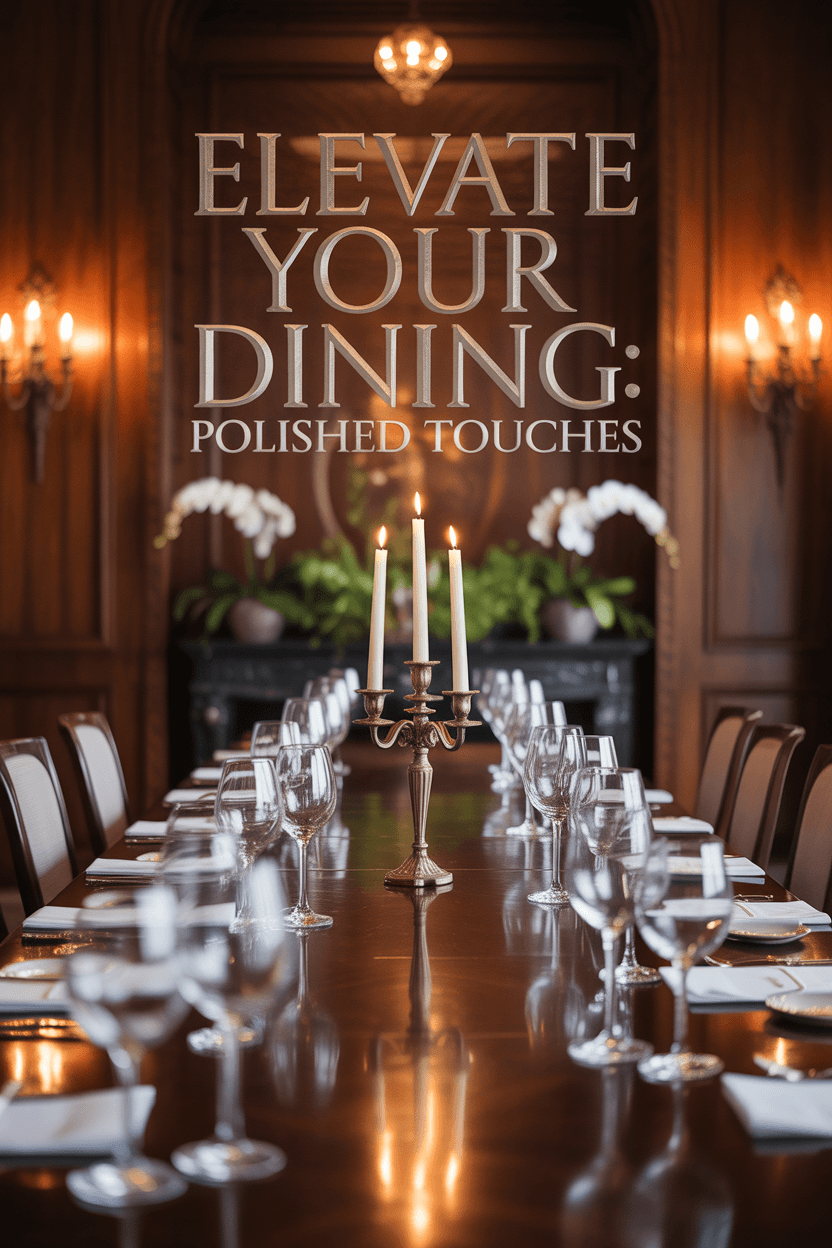
With the major pieces in place, it’s the final, smaller details that infuse the room with warmth and personality. These last layers are what turn a well-designed room into a truly personal and curated space.
Consider the role of ambient lighting beyond the main chandelier. Layered lighting is key to creating a rich, inviting atmosphere for any occasion.
Wall sconces flanking a buffet, mirror, or piece of art add a soft, flattering glow. They provide gentle background illumination that makes the room feel more intimate and complete.
Placing small, elegant lamps with beautiful shades on a sideboard can also contribute to this layered effect. They create warm pools of light that enhance the room’s welcoming feel.
Greenery and florals should not be confined to the centerpiece. A small potted orchid on a sideboard, a trailing ivy on a bar cart, or a single bud vase on a shelf adds life and an organic touch to the formal setting.
These thoughtful finishing touches are the elements that show care and intention. They work together to create a dining room that is not only beautiful but also deeply welcoming.
Embrace Modern Grace and Livability
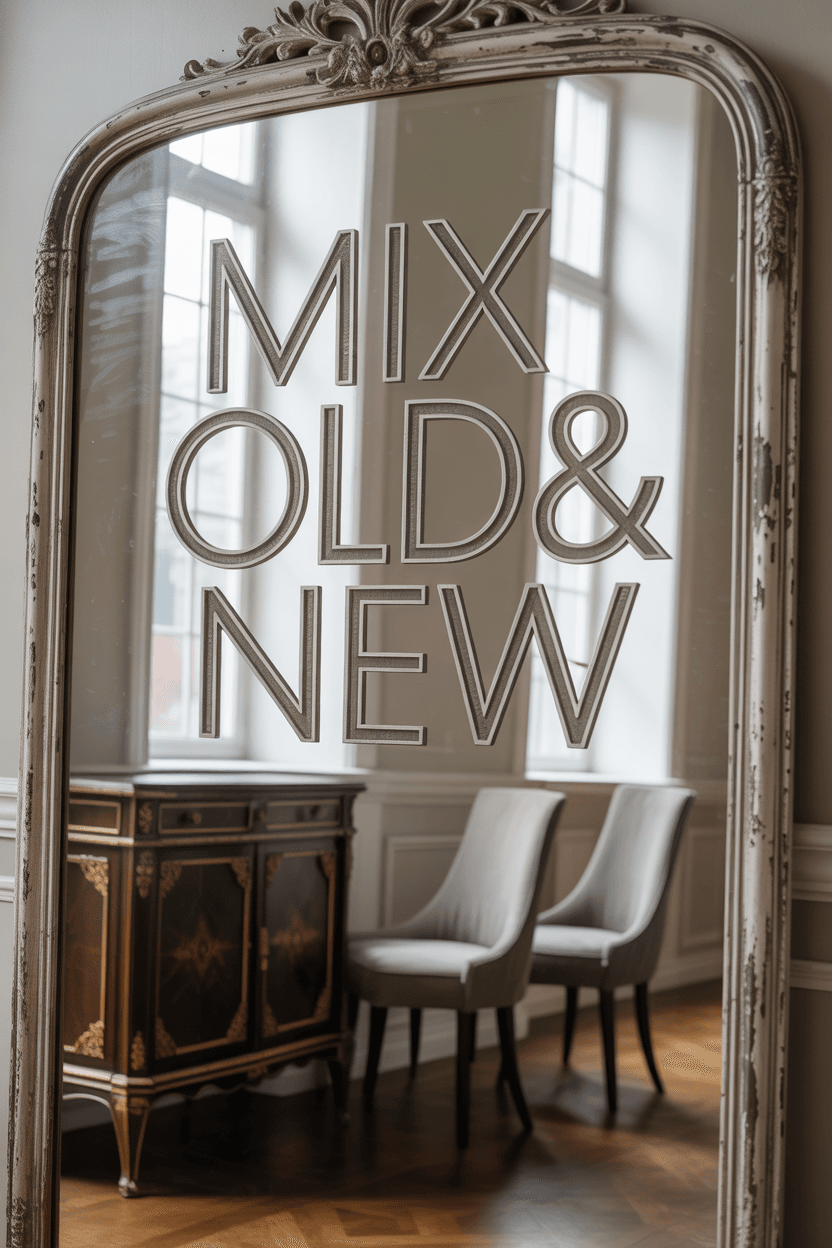
Today’s most successful formal dining rooms strike a thoughtful balance between traditional elegance and contemporary sensibility. The goal is a space that feels special without feeling stuffy or unapproachable—a room you actually want to use.
Create a dynamic, curated feel by mixing old with new. An heirloom buffet paired with sleek, modern chairs, for example, tells a unique story and creates a fascinating visual dialogue.
Prioritize genuine comfort above all else. Select seating with ample cushioning and supportive backs that genuinely encourages guests to settle in and linger long after the meal is over.
Remove the “fear factor” of spills by opting for modern, high-performance fabrics. They are available in countless elegant patterns and rich textures but offer built-in stain resistance and durability.
Think about how the space can offer flexibility. A well-designed formal dining room should be able to transition gracefully from a grand holiday feast to a simple, elegant weeknight dinner for two.
By thoughtfully addressing each of these elements—from the architectural shell to the final tablescape—you can create a formal dining room that feels both spectacular and welcoming. It becomes a cherished space that honors gracious traditions while perfectly suiting a modern lifestyle.