How to Nail Your Dining Room Furniture Layout with Interoluxe: Quick, Simple Rules for Every Space

Mastering Scale: Does Your Furniture Fit or Fight Your Room?
Ready to turn your dining room into the neighborhood’s favorite gathering spot? Let’s begin by mapping out a layout that masterfully blends scale, flow, and light to make every guest feel perfectly at ease.
First, assess your room with a critical eye and ask: “Does this table feel like a fortress or a footnote?” The secret to a high-end, curated look, whether you adore contemporary coastal or rich mid-century design, is perfecting the scale.
If you feel overwhelmed by too many chairs or a table that dwarfs the room, it’s time to edit. In a cozier space, embrace smaller, more intimate pieces that invite closeness without causing clutter. A petite pedestal table can feel incredibly chic and intentional.
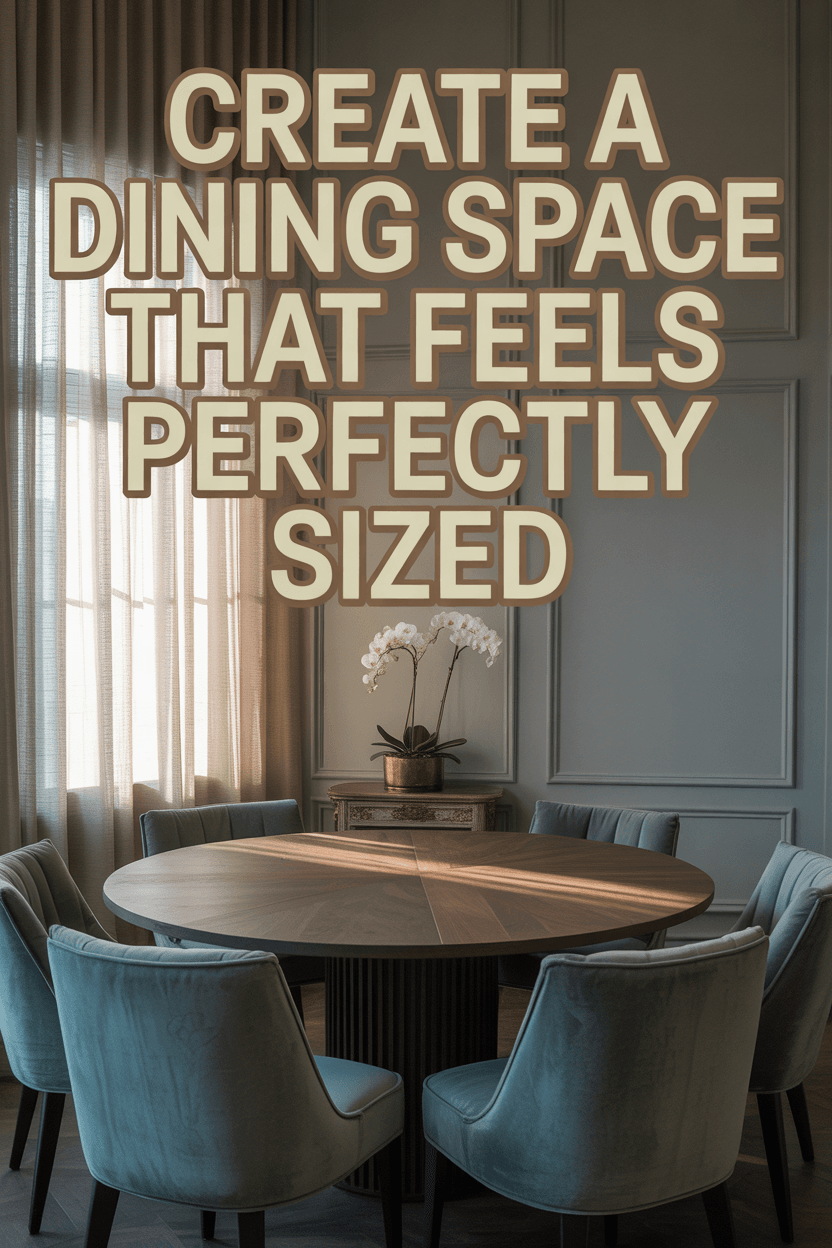
For a grander, more open area, select a table with enough heft to command attention. Ensure it remains in proportion to the room’s volume, so the space feels balanced and anchored, not cavernously empty. The goal is to create a sense of harmony, a detail that makes any room feel thoughtfully designed. You can explore a helpful guide on table sizes to get started.
Choosing Your Blueprint: Classic Dining Room Layouts Explained
Most dining rooms adhere to a few tried-and-true layouts. Your choice will set the tone for the entire experience, so consider your home’s personality and how you live.
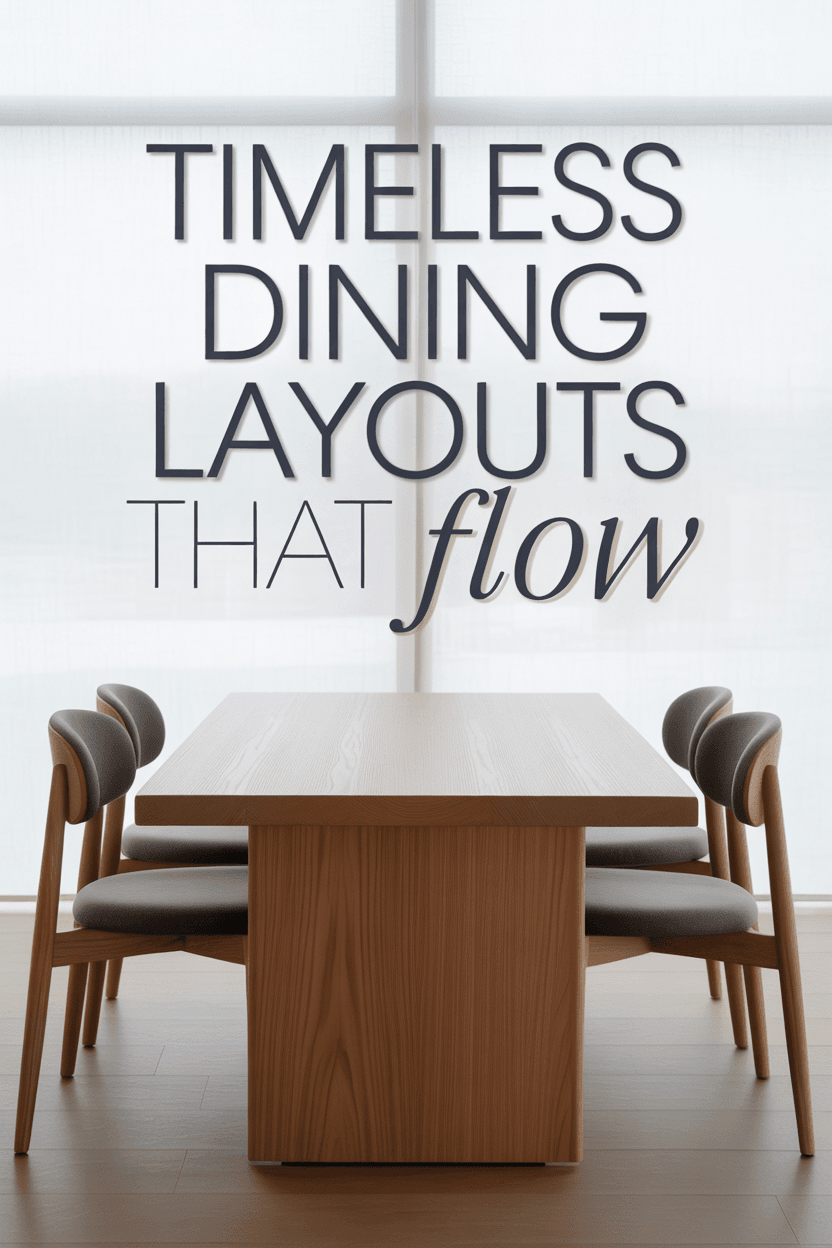
There’s the formal elegance of a straight, rectangular setup, ideal for traditional homes and sophisticated entertaining. This layout speaks to order and grace, establishing clear sightlines and a sense of occasion.
A centered square or round table creates inviting symmetry, fostering conversation and a more communal, relaxed atmosphere. This is the heart of a Nancy Meyers-inspired home, where discussions flow as easily as the wine.
In open-concept homes, a more free-form arrangement might be necessary, integrating the dining area with the kitchen and living spaces. Select the layout that best serves your lifestyle and creates a cohesive flow with the rest of your home’s design narrative.
The Foundation of Flow: Mastering Measurements and Clearances

Before you commit to a single piece of furniture, grab your tape measure. A detailed floor plan is the bedrock of a successful dining room layout. Record your total square footage, wall lengths, and the exact locations of windows and door swings.
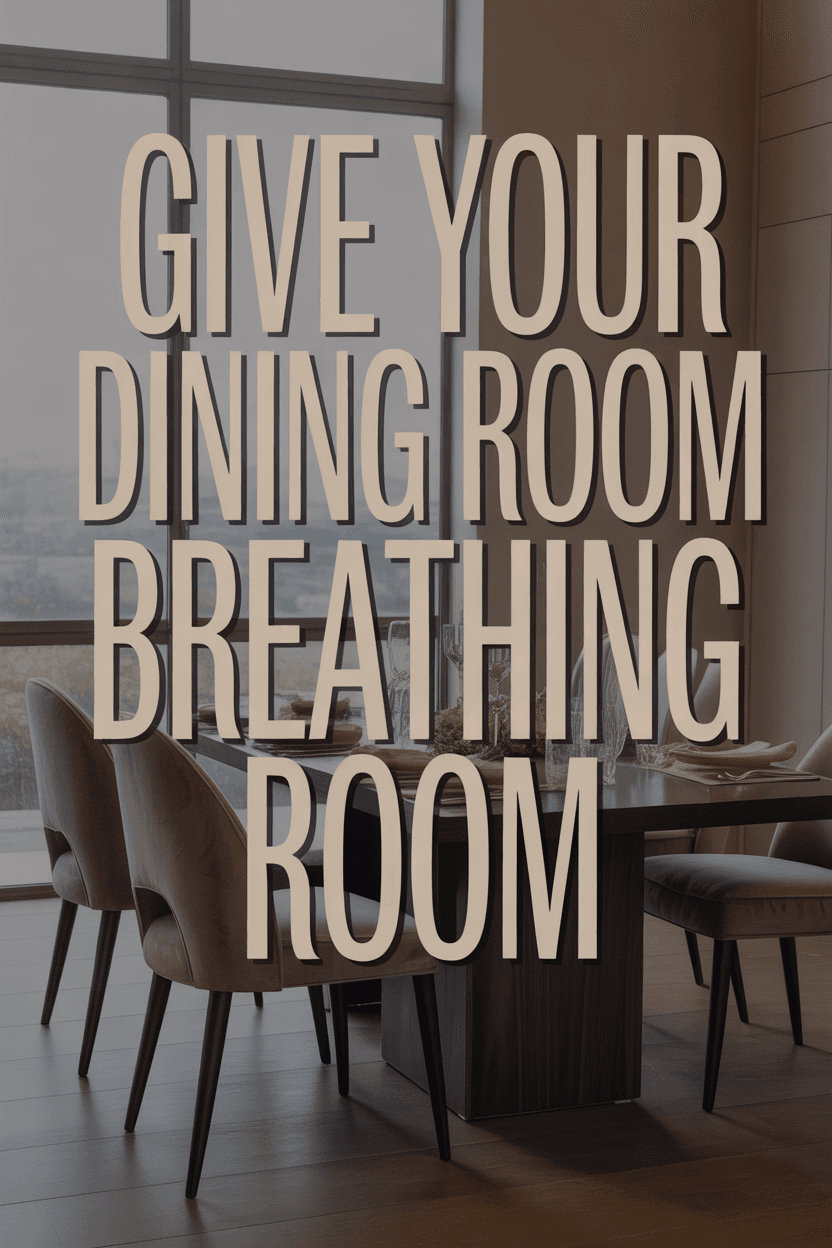
Here is the most important rule of all: you need at least 36 inches of clearance between your dining table and the surrounding walls or other furniture. This non-negotiable space allows guests to sit down and enables people to walk behind them without a hint of awkwardness.
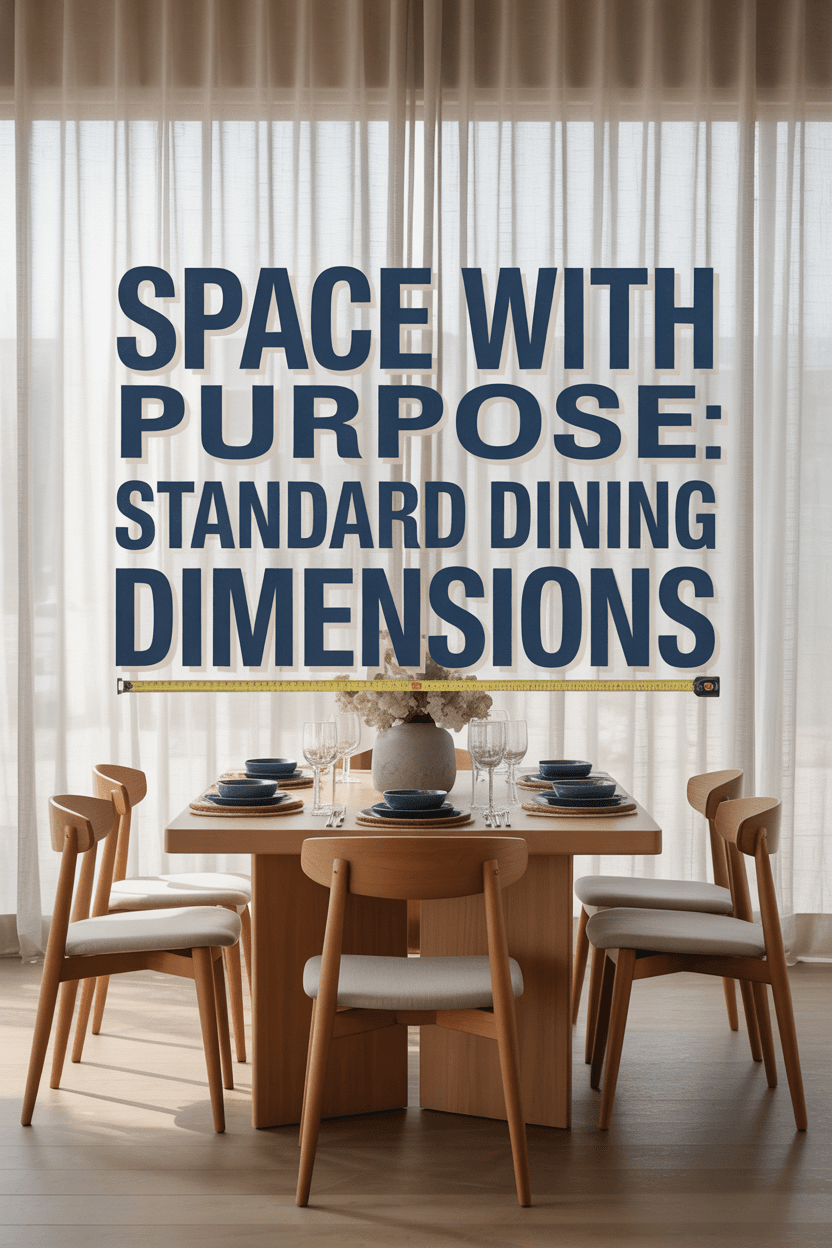
Getting the measurements right extends to the furniture itself. A standard rectangular table for six to eight people typically measures between 60 to 96 inches long and 36 to 44 inches wide. Each dining chair also requires about 18 to 20 inches of side-to-side space for individual comfort.
This crucial buffer zone, often called “breathing room,” is what separates a cramped corner from an inviting dining destination. It is a detail that signifies luxury and thoughtful design. Get the full scoop on dimensions at Modern Loft Interiors.
The Shape of Conversation: Rectangular vs. Round Tables
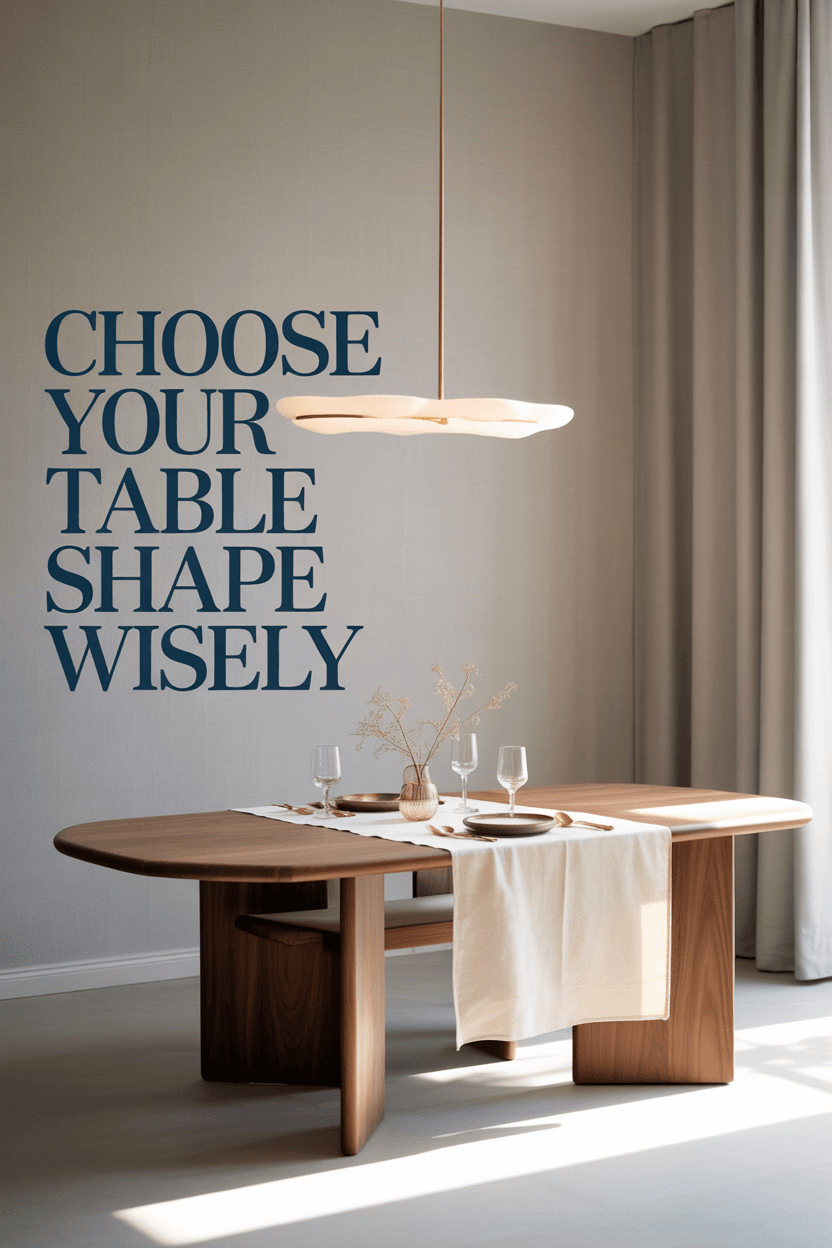
The geometry of your table has a profound impact on the room’s function and feel. Rectangular tables are a classic choice for a reason; they beautifully complement long walls and large windows, creating a linear harmony.
This shape lends a traditional, formal air perfect for sophisticated entertaining. It establishes a clear head of the table, making it well-suited for more structured gatherings and visually anchoring a dedicated dining room.
Round tables, on the other hand, excel at fostering conversation and creating a relaxed, communal atmosphere. With no head of the table, everyone feels equally included, making it ideal for the breezy, welcoming vibe of a coastal cottage or a modern family home.
While wonderfully convivial, round tables can be spatially inefficient in a narrow room. The key is to match the table’s geometry to your room’s shape for a layout that feels both beautiful and intuitive.
Designing for Movement: Creating Effortless Traffic Flow
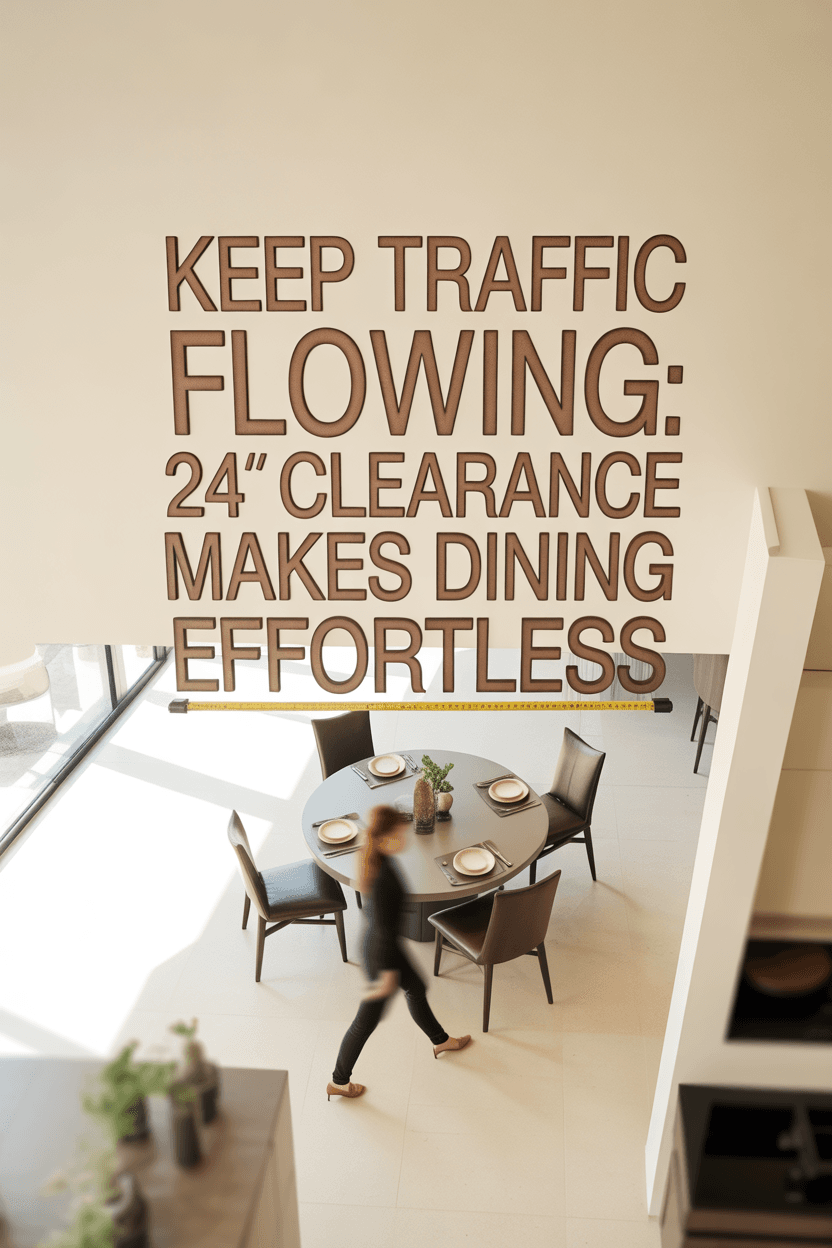
A truly luxurious space is one that is effortless to move through. Before finalizing your layout, imagine the pathways people will take to and from the table, kitchen, and other rooms.
To ensure easy traffic flow, a clear walkway or “corridor” of at least 36 inches is recommended around the entire dining setup. Anything less creates a bottleneck that can disrupt the flow of a dinner party or a simple family meal.
This consideration is especially vital in a home with active children, elderly family members, or any guest who may require more space to move comfortably. Think of it as a form of silent hospitality.
A well-planned flow is one of those invisible details that top designers obsess over. It makes everyone feel more comfortable and welcome in your home without them ever knowing why.
Defining the Zone: Layouts for Open-Concept Spaces
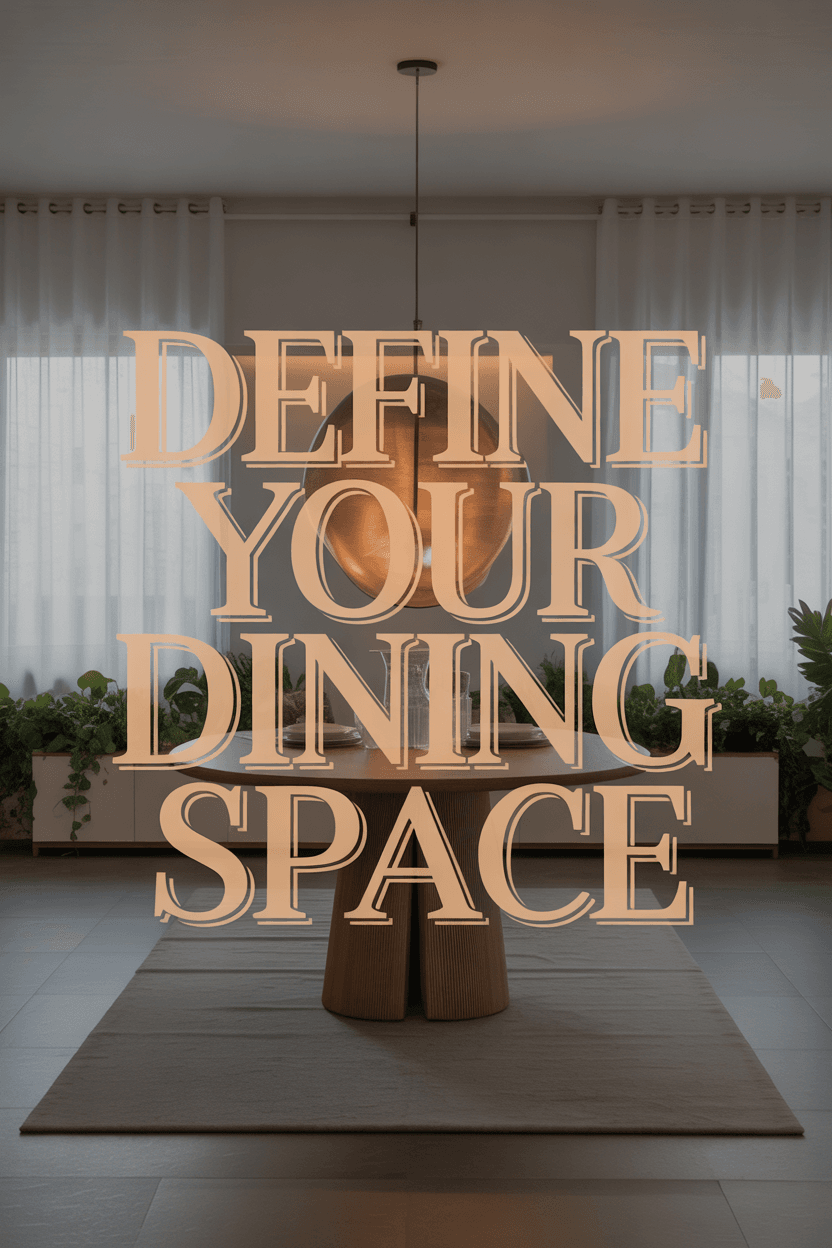
In an open floor plan, you must create an “invisible room” to define the dining zone. An area rug is your most effective tool for this task; its borders act as a visual anchor for the table and chairs, carving out a dedicated space.
Similarly, hanging a striking chandelier or a cluster of pendant lights directly over the table immediately establishes it as a focal point. This vertical element draws the eye and signals that “this is the dining area.”
These powerful design cues pull the dining setup together, giving it purpose and presence within the larger room. This allows you to create a distinct zone while maintaining the airy, expansive feel of the open-concept space.
Without these defining elements, a dining set can look like it’s floating aimlessly. A rug and a light fixture give it a home. See examples of how this is done in these dining room layouts.
Solving Awkward Spaces: Layouts for Long and Narrow Rooms
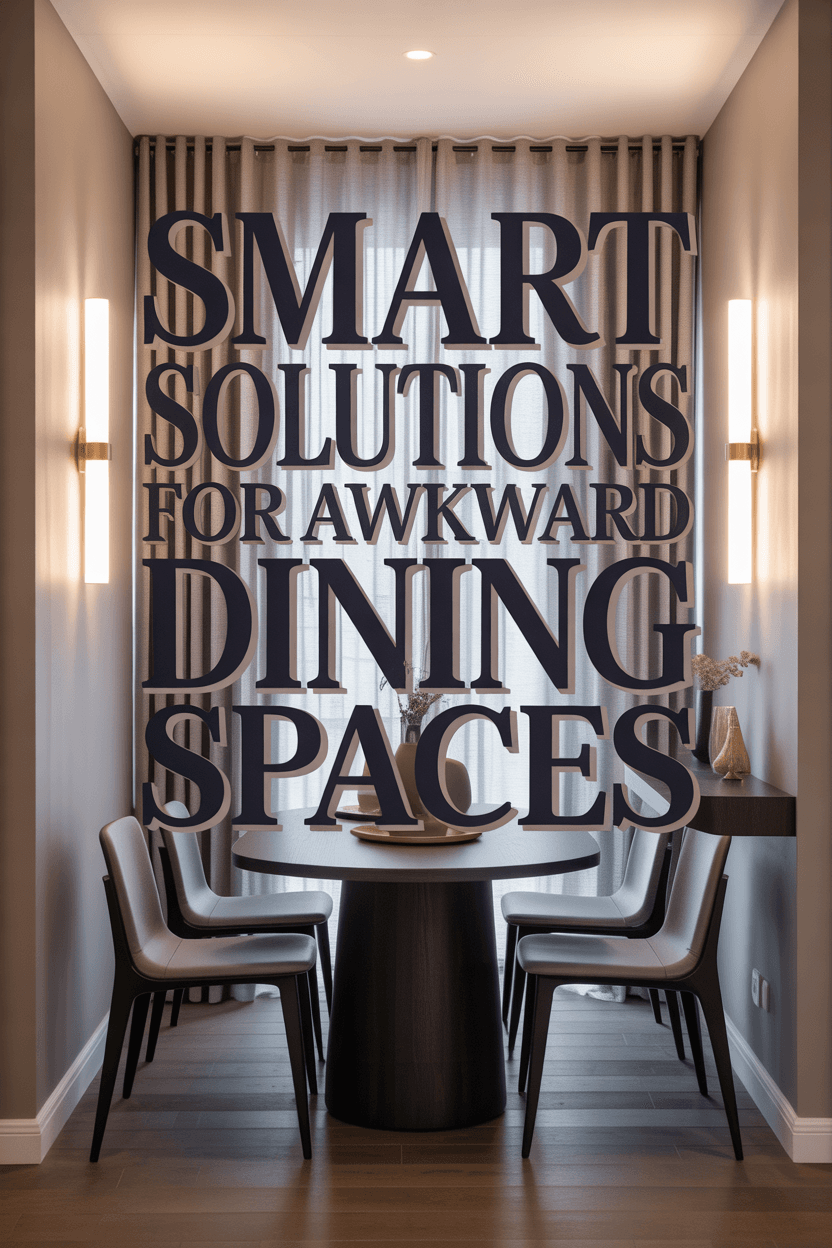
A long, skinny room presents a unique but solvable challenge. Instead of fighting the proportions, work with them. A slim rectangular table is often the perfect solution, echoing the room’s linear shape.
To maximize usable width, consider placing a bench against one of the long walls instead of chairs. This not only saves space but adds a touch of casual, modern charm reminiscent of a chic bistro.
In a room with very limited width, a round pedestal table can be a surprisingly effective choice. Paired with smaller-profile chairs that can tuck neatly underneath, it creates an intimate and functional dining spot that feels intentional, not forced.
Don’t be afraid to experiment with unconventional arrangements. Adding a large mirror on one of the long walls can also create an illusion of width, turning an awkward space into a charming feature.
Stylish Storage: Placing Sideboards, Buffets, and Cabinets
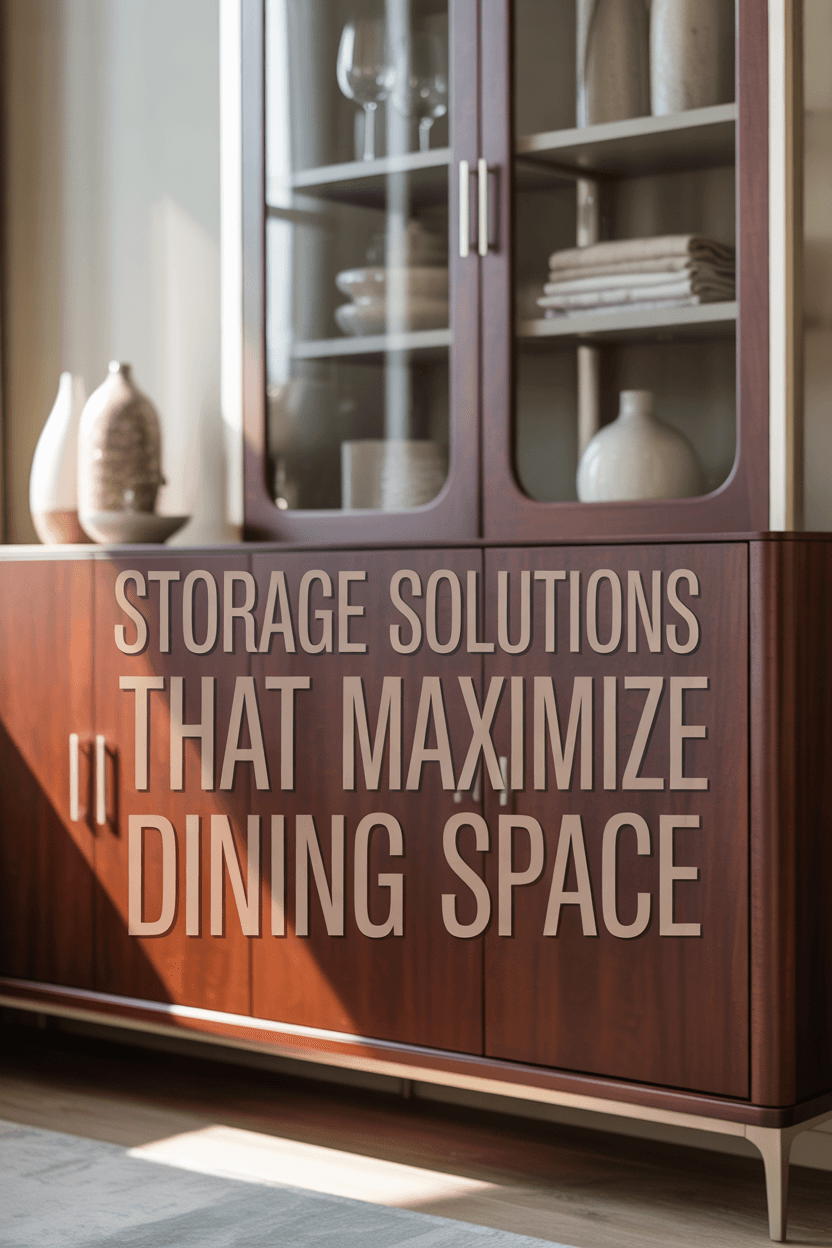
A sideboard or buffet is both a functional workhorse and a major stylistic statement. It works best placed against the longest, uninterrupted wall in the dining room, where it can act as a grounding element.
This placement offers a convenient surface for serving platters, setting up a drink station, or displaying art, all while providing valuable storage below. A standard sideboard is about 16-20 inches deep, offering ample capacity without protruding too far into your crucial clearance zone.
Ensure the piece is scaled appropriately to the wall it occupies. A sideboard that is too small will look lost, while one that is too large can overwhelm the room and disrupt the visual balance with the dining table.
The style should echo your home’s aesthetic, whether it’s a sleek, modern console, a rustic wood buffet, or a vintage credenza for that collected, mid-century feel. It’s an opportunity to add another layer of personality to the room.
Illuminating the Scene: The Art of Layered Dining Room Lighting
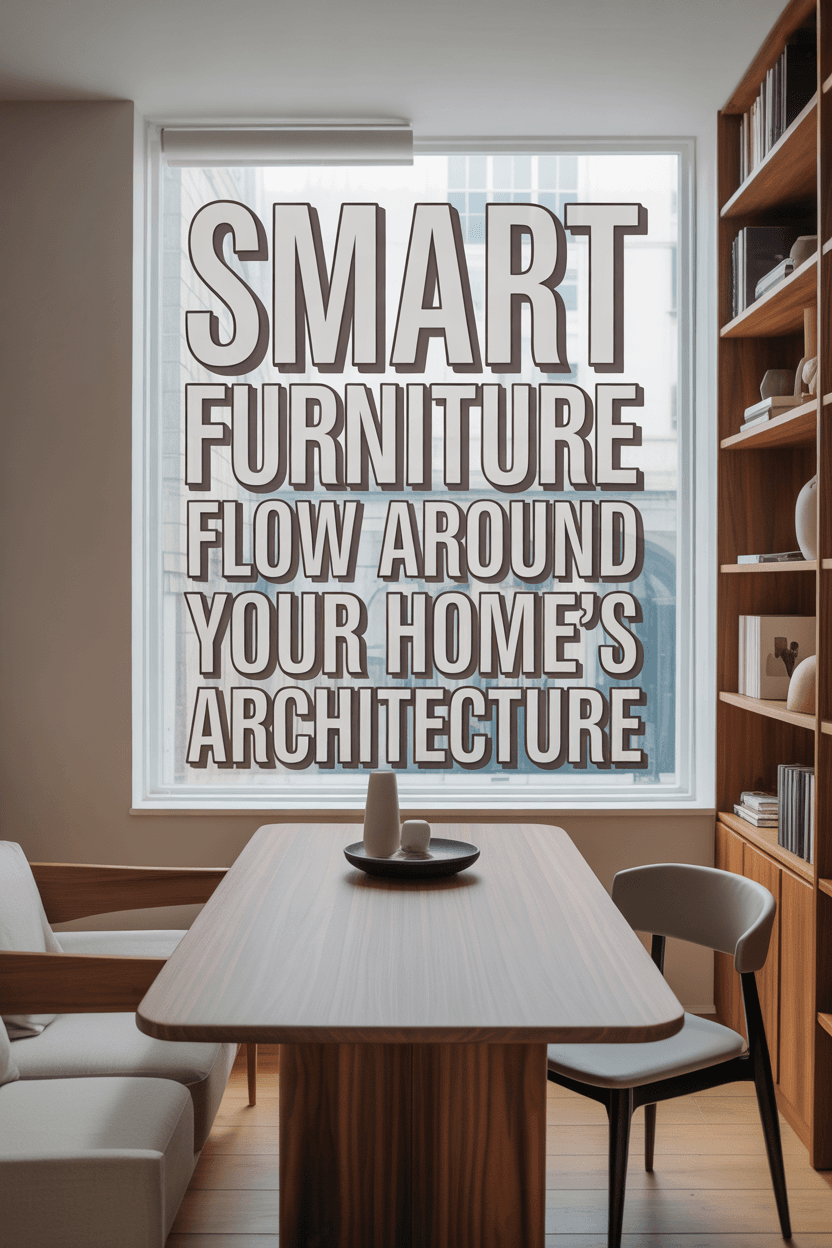
Great lighting is everything. Start by taking full advantage of natural light, a true luxury in any home. Position your dining table to benefit from windows, but avoid blocking them with tall furniture that would obstruct the view and the light.
Next, focus on the room’s visual centerpiece: a central chandelier or pendant light hung directly over the table. This is your statement piece, but it shouldn’t be your only source of light.
For a truly layered and luxurious feel, install dimmer switches. This simple addition allows you to effortlessly shift the mood from a bright, lively family dinner to intimate, low-lit cocktails with friends.
Finally, complete the scheme with ambient light. Add wall sconces for a soft, uniform glow or place a chic lamp on your sideboard. This layered approach is a signature of high-end design, making a room feel finished, warm, and exceptionally inviting.
Grounding Your Space: Selecting the Perfect Rug Size and Shape
An area rug is essential for anchoring your dining set and adding a layer of softness, color, and texture. However, the most common mistake is choosing one that’s too small for the space.
Here is the unbreakable rule: your rug must extend at least 24 inches beyond the table on all sides. This measurement is not arbitrary; it is crucial for function and aesthetics.
This extension ensures that the chairs remain comfortably on the rug, even when guests pull them out to sit down. This simple rule prevents wobbly, half-on-half-off chairs and the irritating scrape of chair legs on a hard floor.
A properly sized rug creates a more polished, intentional, and upscale look. It visually frames the entire dining set, defining it as a cohesive unit and making the entire arrangement feel more generous and thoughtfully designed.
The Modern Dining Room: A Chic Space for More Than Just Meals
In a modern home, rooms often need to serve more than one purpose. Your dining room can easily double as a sophisticated home office, a quiet study for homework, or a spacious craft area.
To enable this multipurpose function, choose a table with a beautiful but durable finish that can withstand daily use. Opt for chairs that are not only stylish but also comfortable enough for both long dinners and long work sessions.
The key to a successful dual-purpose space is elegant storage. A beautiful console, credenza, or cabinet can stylishly conceal a laptop, papers, and other work essentials at a moment’s notice.
This allows you to transition the room from a productive workday to a relaxing evening with ease. The space remains beautiful and uncluttered, always ready for its primary role as a place to gather and connect.
The Final Polish: Common Layout Mistakes to Avoid
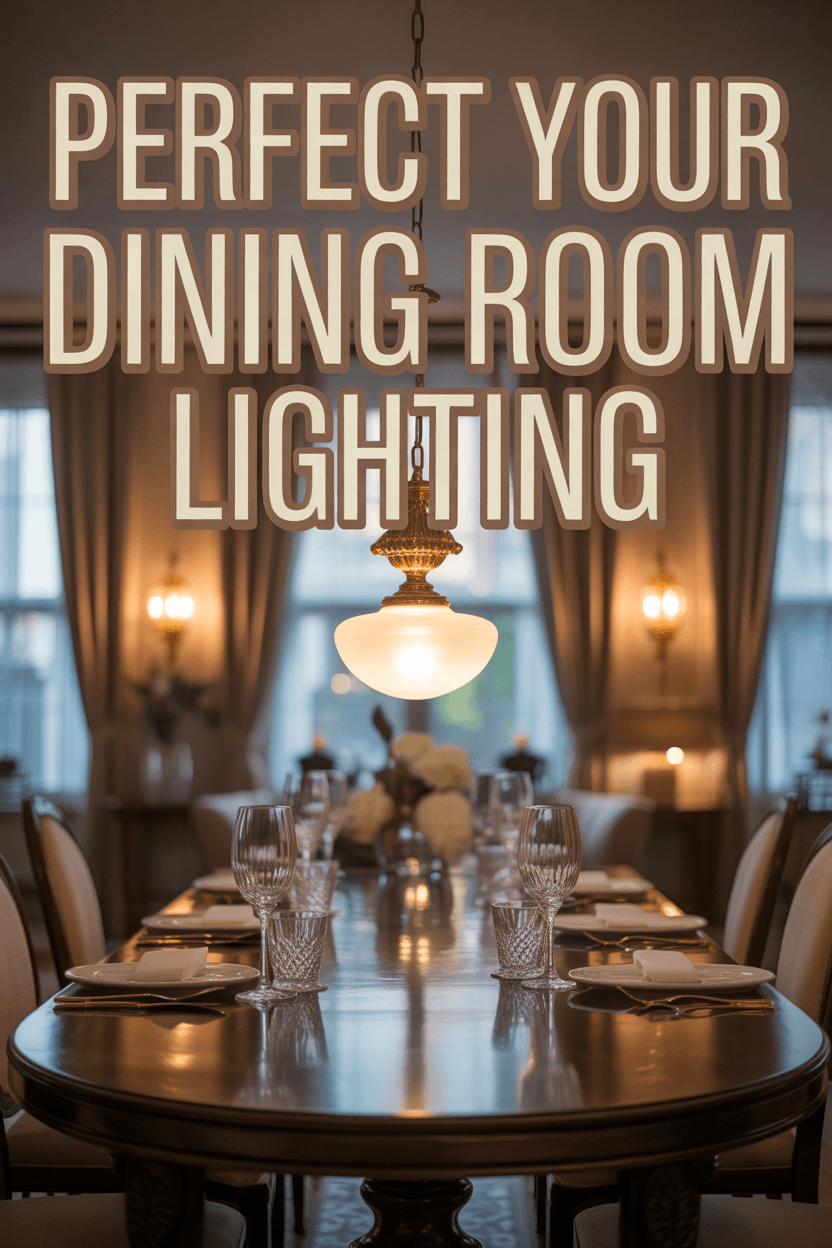
Before you call the job done, perform one last check to avoid these frequent but easily fixable missteps. This final polish will ensure your dining room feels as good as it looks.
First, check for overcrowding. Resist the temptation to fill every inch of space. Negative space, or “breathing room,” is essential for creating a calm, luxurious, and uncluttered atmosphere.
Second, re-verify your traffic flow. Walk all the pathways and test your door swings. Ensure all routes are clear and that your 36-inch clearance rule has been respected everywhere.
Third, assess your lighting at different times of day. Maximize your natural light and ensure your layered artificial lighting scheme can create any mood you desire. Small adjustments can make a big impact.
Finally, look at your rug. Are the back legs of the chairs on the rug when pulled out? If not, consider a larger size to properly ground the setting. Mind these details, and you will have created a dining room that is airy, functional, and fabulously inviting. For more ideas, explore the stunning rooms in Architectural Digest.
Creating Multi-Purpose Dining Spaces
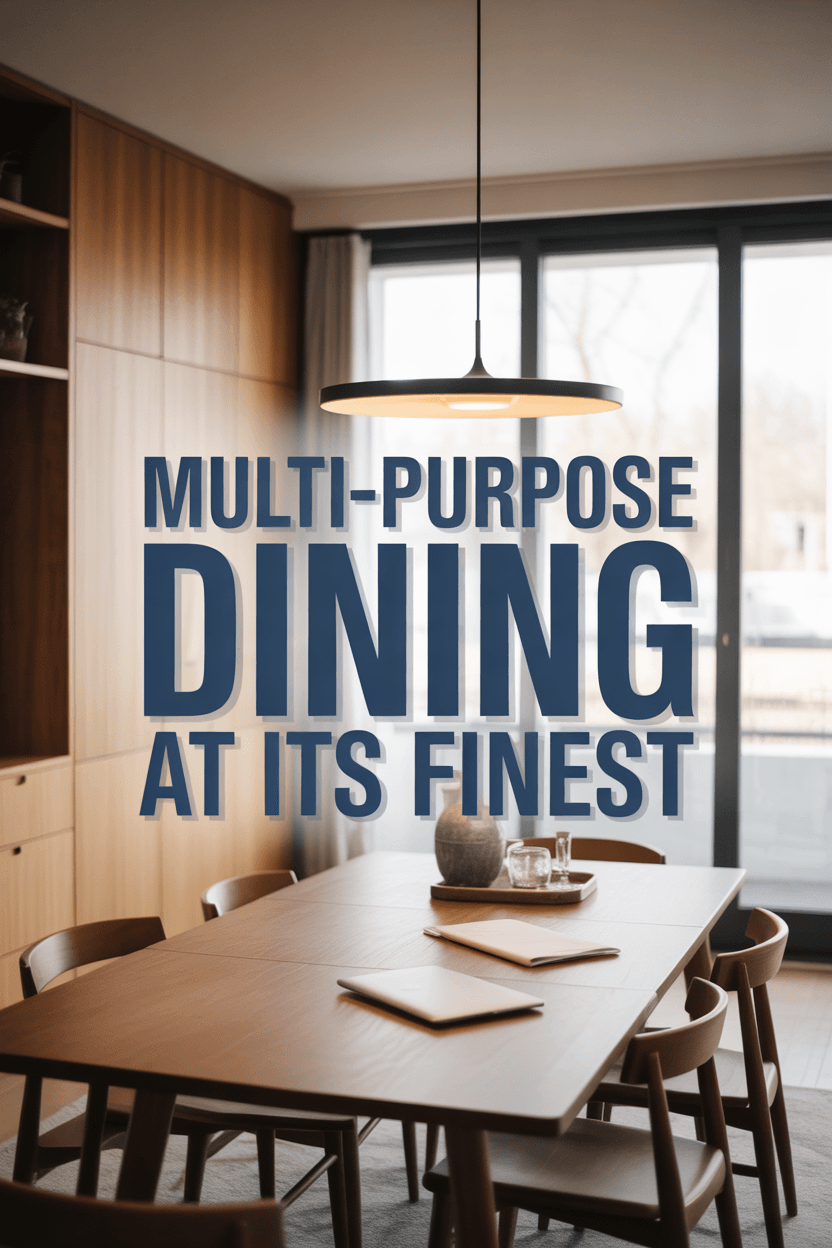
Design with flexibility in mind if your dining area needs to serve multiple functions.
Consider a table with leaves or extensions that can adapt to different group sizes and activities.
Include storage nearby for quickly transitioning between dining, work, or hobby use.
Thoughtful multi-use planning maximizes your home’s utility without sacrificing style or comfort.
Dining Room Design Pitfalls to Avoid
- Overcrowding the space with too many furniture pieces
- Blocking natural pathways or door swing areas
- Positioning the table too far from natural light sources
- Selecting a rug that’s too small for your table and chairs
- Choosing uncomfortable seating that discourages lingering conversations
- Installing lighting fixtures at improper heights
Avoiding these common mistakes will ensure your dining space feels welcoming and functions beautifully for years to come.
For furniture that perfectly balances form and function in your dining space, explore Interoluxe’s collection of thoughtfully designed tables, chairs, and storage pieces crafted to enhance your dining experience.