Step Up Your Game: Interoluxe Home Gym Flooring for Heavy Lifts, Smooth Lulls, and Style

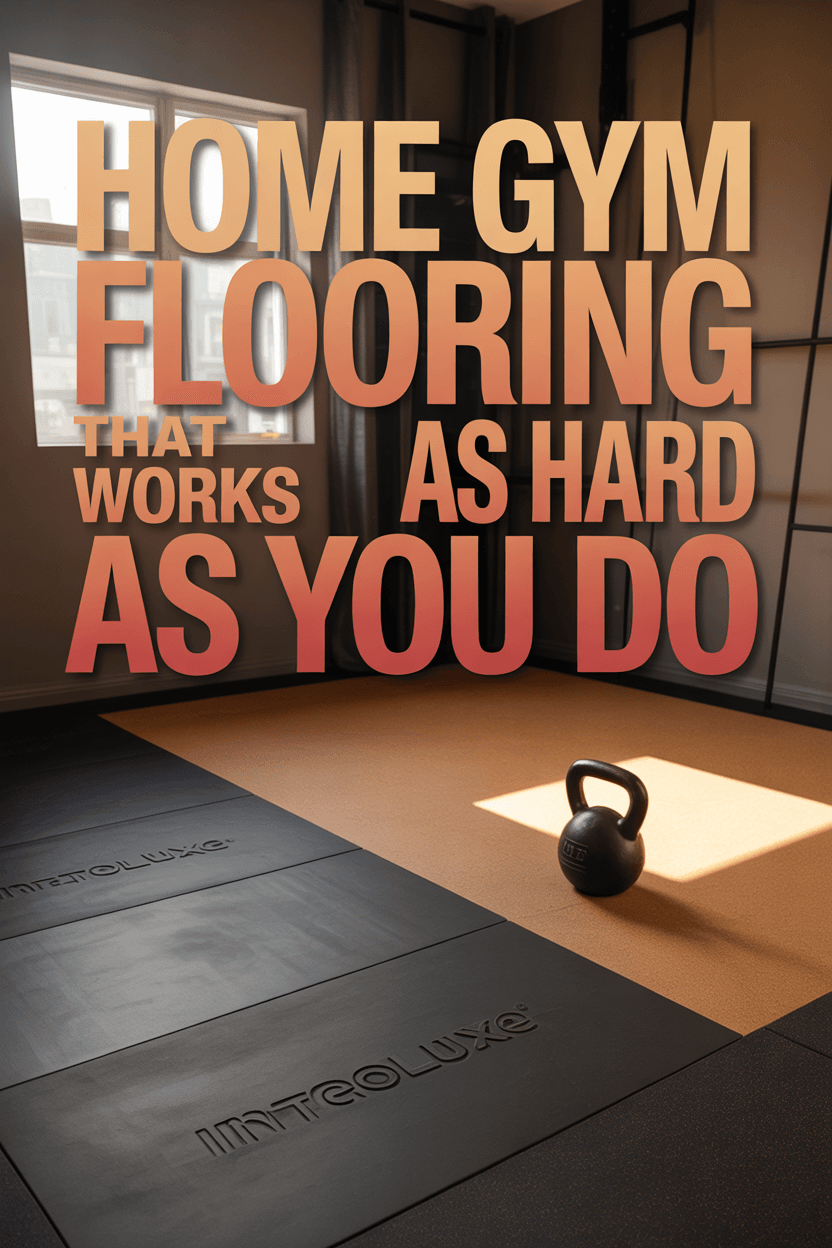
The Foundation of Your Fitness Sanctuary
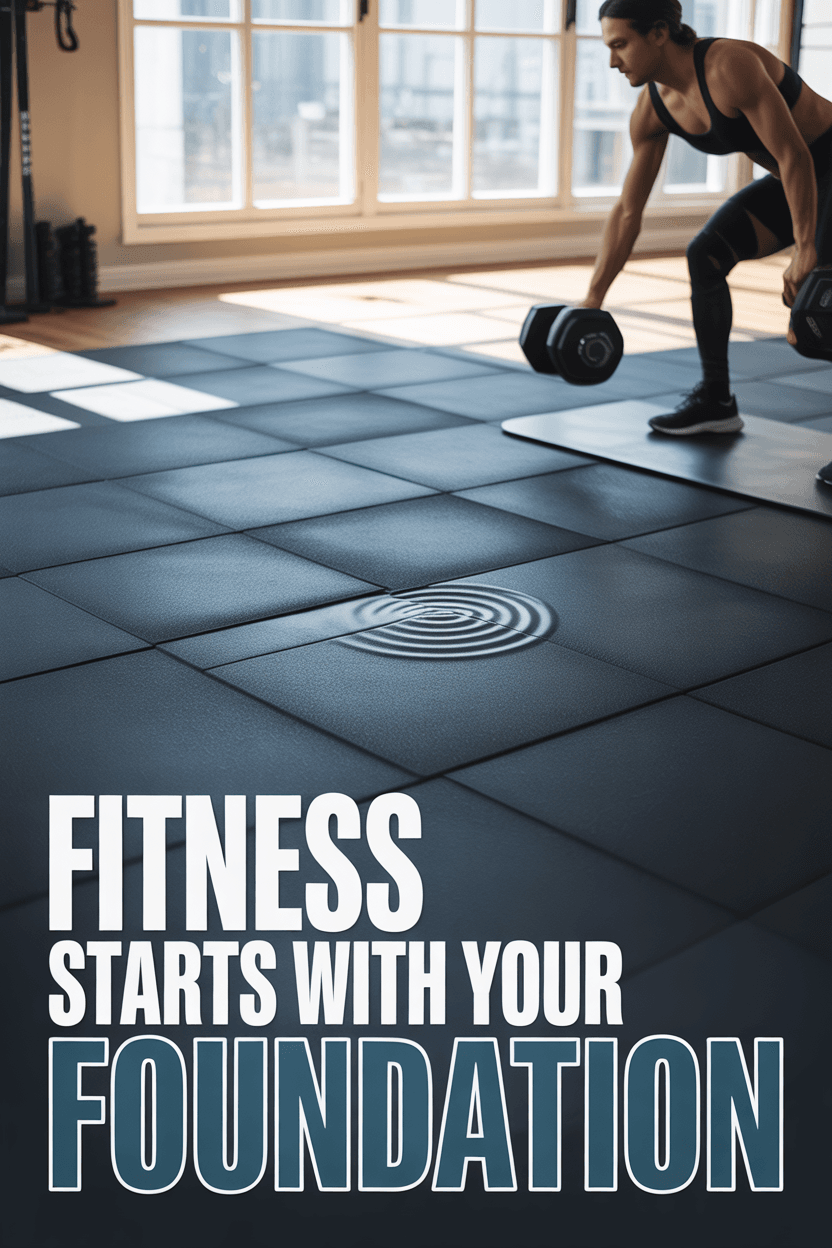
Creating an inspiring workout spot at home starts from the ground up. The right home gym flooring does more than just protect your equipment and subfloor; it also cushions your body, saving you from discomfort and costly repairs over time.
This guide explains the key things to consider when creating a space that is not only functional but also a beautiful part of your home’s design.
Choosing quality home gym flooring offers several key advantages for a better workout. High-quality materials like rubber and foam greatly reduce the impact on your joints, which is crucial for sticking with your fitness goals for years to come.
Your flooring creates a crucial barrier, protecting your home from damage caused by dropped weights. It also shields your valuable barbells and plates from damage.
A textured surface, common in premium rubber and vinyl, offers a better grip for safe and stable lifting, boosting your confidence with every move. The right flooring gives you the freedom to turn any room—from a spare bedroom to a damp basement—into a dedicated gym.
What Are the Main Flooring Materials for a Home Gym?
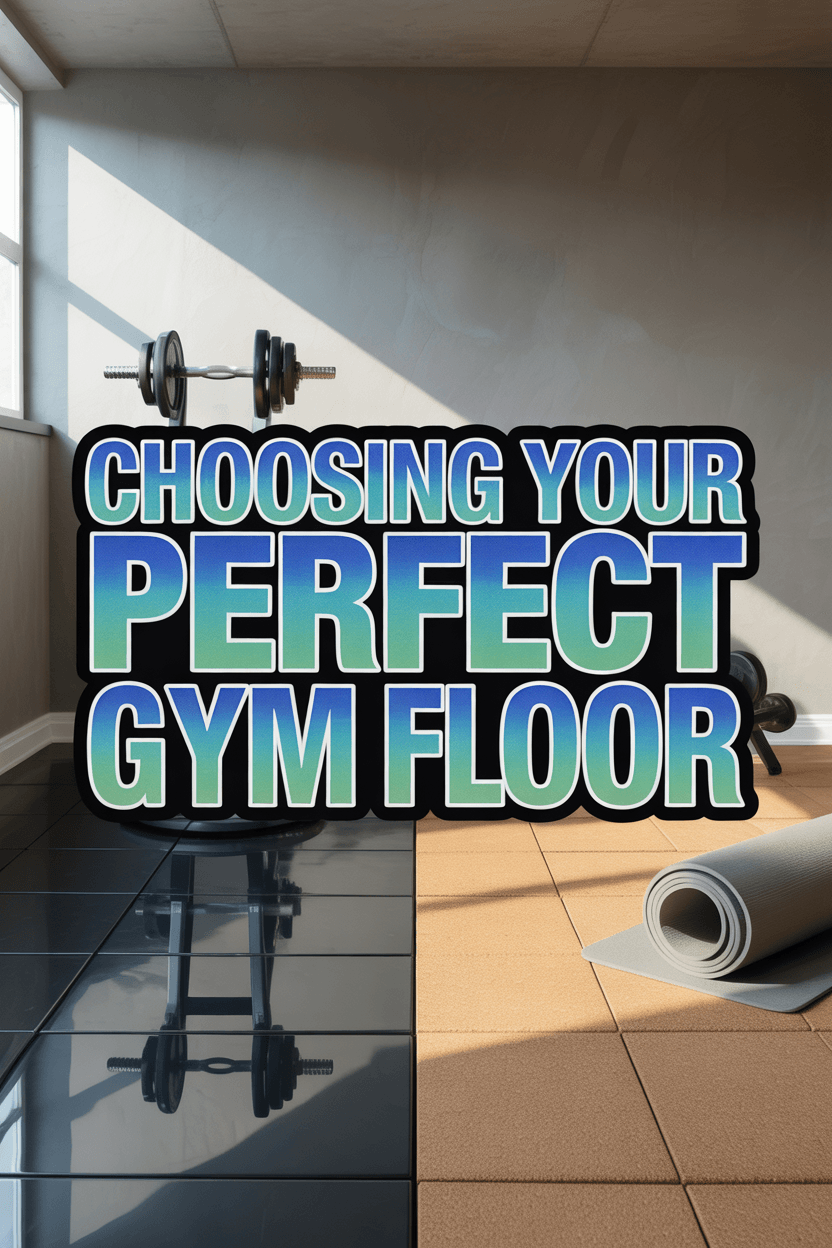
Understanding the basic materials is the first step toward building your ideal workout space. Rubber is the top choice for strength and shock absorption, making it perfect for heavy lifting and intense training.
Available in versatile rolls or interlocking tiles, it offers unmatched durability and a professional-grade feel that shows you’re serious about your fitness. Explore options at suppliers like RubberFlooring4U.
While its weight can make installation a workout in itself, its long-lasting nature is a key benefit for any serious home gym.
For a lighter touch, foam is an affordable and comfortable choice. Lightweight foam tiles create an excellent surface for bodyweight exercises, cardio, stretching, and yoga.
They provide plenty of cushioning and comfort for floor-based movements, making them a welcoming surface for your daily practice.
However, keep in mind that foam is not durable enough to handle the impact of heavy weight plates. It is best suited for lighter-use areas where comfort is the priority.
What About Vinyl, Cork, and Carpet for a Gym?
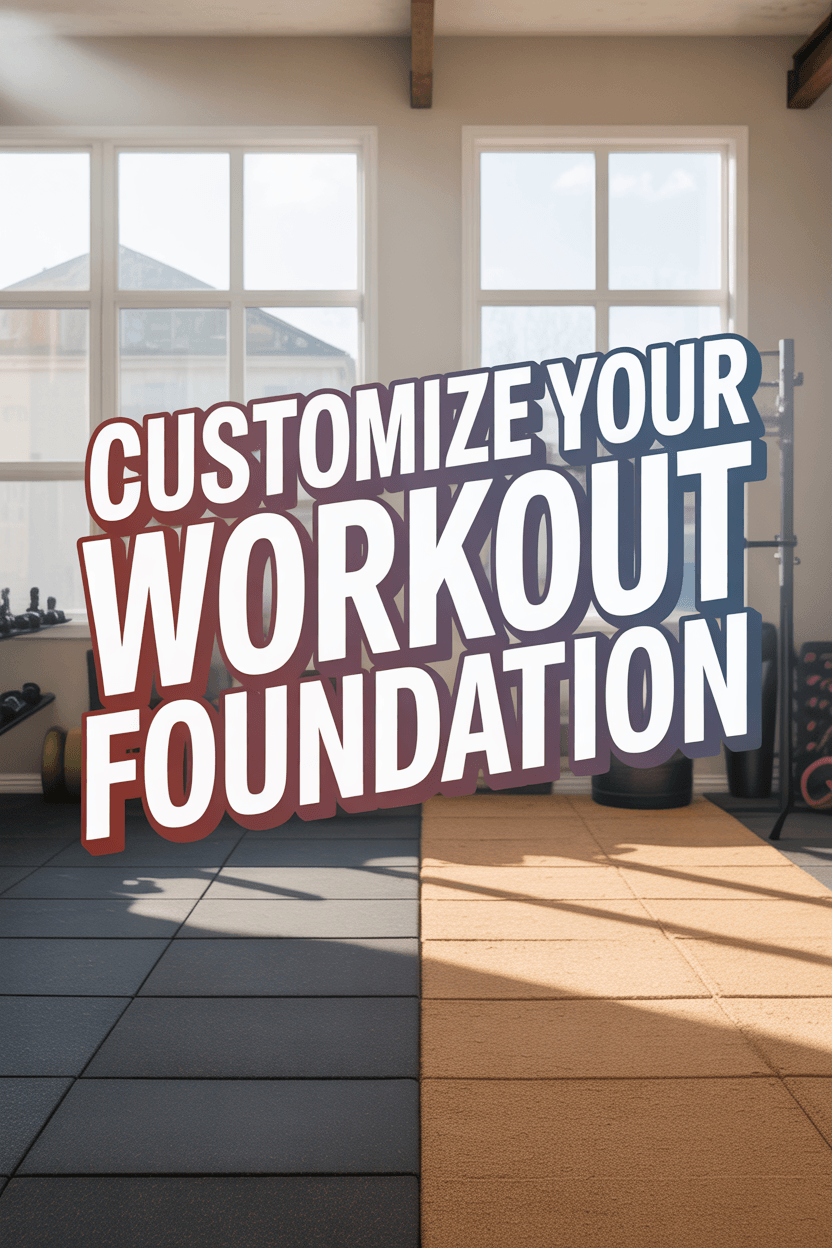
Beyond the most common choices, some materials offer unique looks and benefits. Luxury Vinyl Tile (LVT) is known for being water-resistant and incredibly easy to clean, making it ideal for spaces where sweat and spills are common.
The panels often snap together for a simple DIY installation, creating a polished look with minimal effort. While it offers good cushioning, it is best suited for lighter home gyms, as detailed in this gym flooring guide.
For an environmentally friendly and naturally antimicrobial option, consider cork. It provides a firm yet comfortable surface with excellent thermal and acoustic insulation.
The only downside is that it can dent under the repeated pressure of very heavy weights over time, making it better for moderate use.
While soft, carpet is usually not the best choice for a serious home gym. It requires frequent, deep cleaning to prevent odor and bacteria buildup.
Heavy equipment can snag on the fibers, and it may become a slipping hazard, making it unsafe during dynamic workouts.
How Do I Match Flooring to My Workout Style?
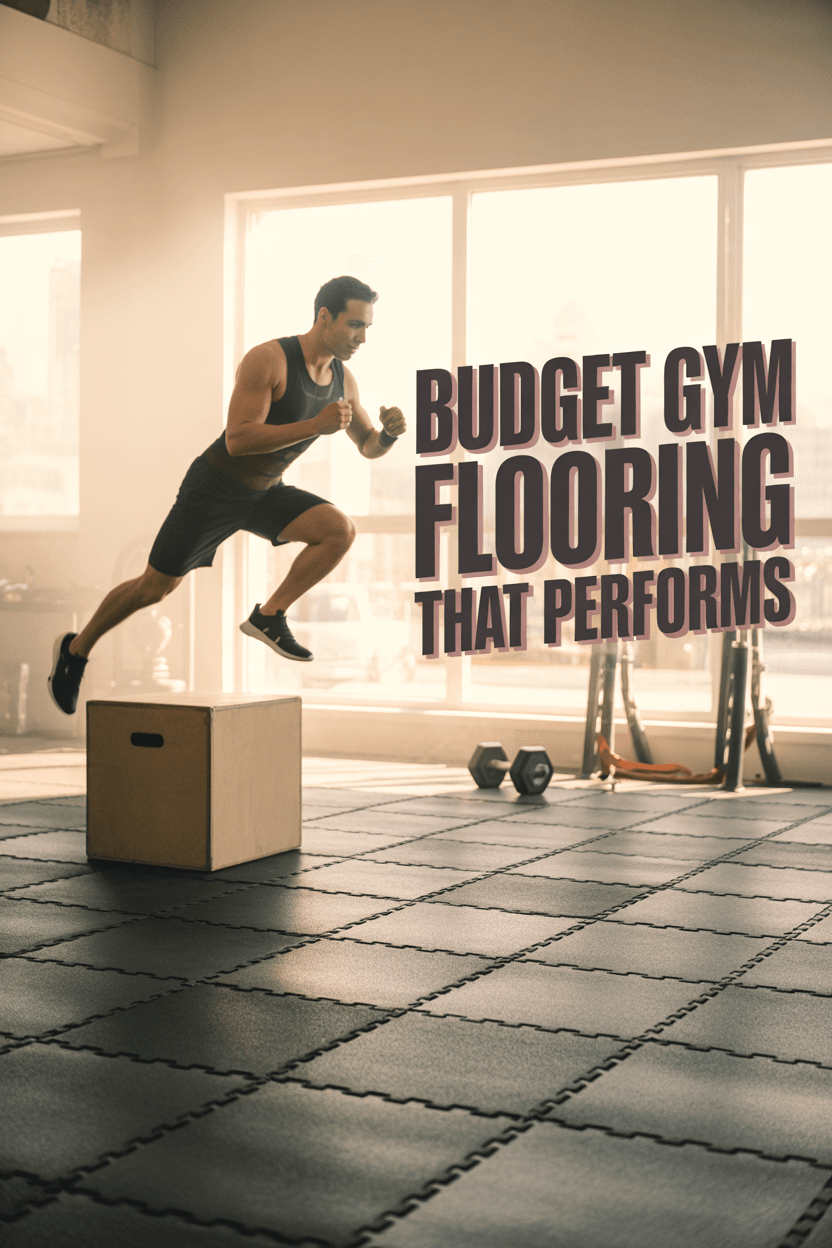
To choose the perfect foundation, first think about how you like to work out. Are you focused on heavy deadlifts, dynamic HIIT sessions, or restorative yoga?
The intensity of your workouts is a key factor. Consider if you’ll be doing a lot of cardio and jumping or dropping heavy weights, as this determines how durable your floor needs to be.
Moisture is another critical consideration, whether from sweat, high humidity in a basement, or potential water spills.
Finally, how often will you use the space? Durability is essential with frequent, dedicated use, a point emphasized by experts at Greatmats.
If heavy lifting is your main focus, durable rubber or thick vinyl is essential for safety and floor protection. For cardio, yoga, and light resistance training, foam or cork can provide the ideal balance of comfort and support you need.
What Makes a Gym Floor Strong and Protective?
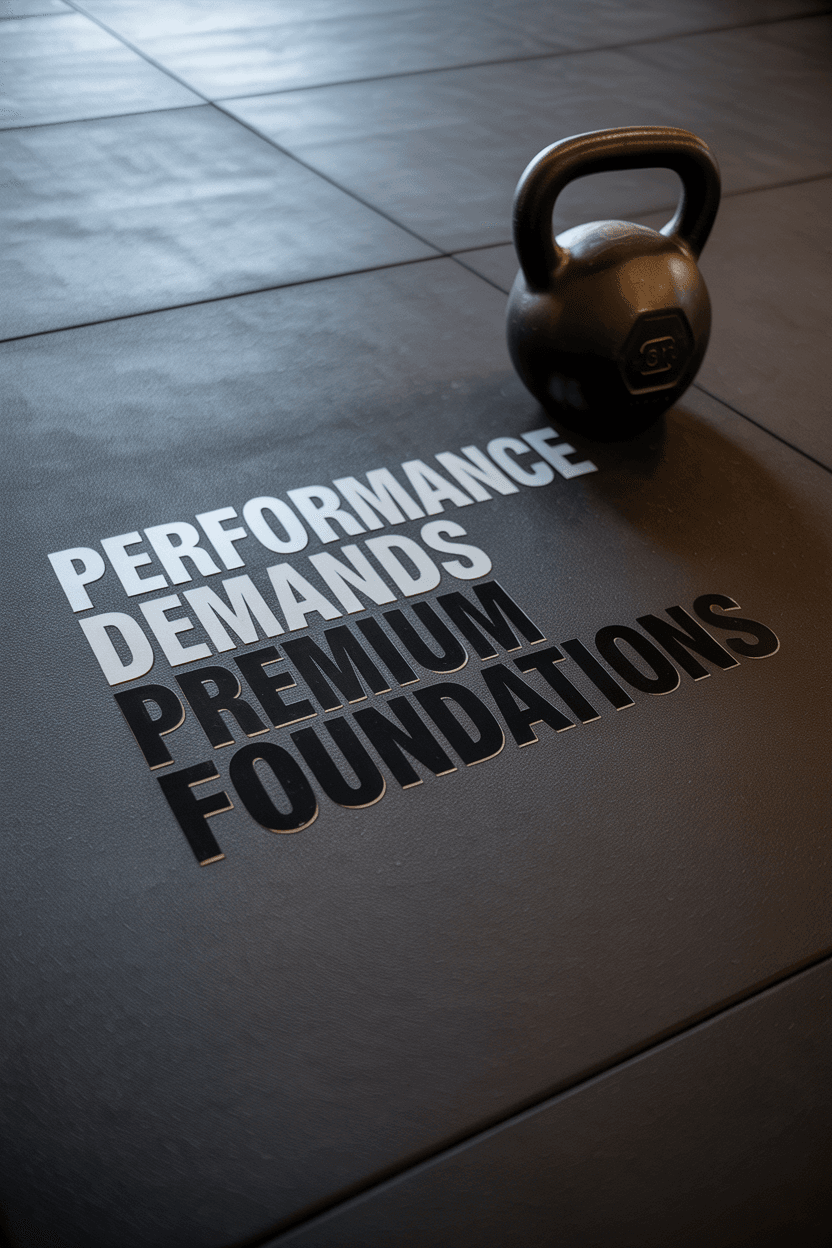
How long your gym floor lasts depends on a few key technical details. Thickness is the most important factor, as thicker flooring generally offers better shock absorption and protection for your subfloor.
Density is equally important. Denser materials are less likely to flatten, crack, or break down over time under the stress of equipment and movement.
For vinyl and laminate options, a thick wear layer is key to prevent the scratches and scuffs that happen over time in a well-used gym.
Always check the slip-resistance rating, or coefficient of friction (COF), to ensure a safe, non-slip surface for dynamic movements.
Rubber and thick vinyl are the best options for cushioning dropped weights and absorbing impact during plyometrics. This flooring comparison offers more detail on material performance.
For daily heavy lifting, consider adding a dedicated rubber lifting platform over your main flooring to add extra protection and durability.
How Can I Make My Home Gym Quieter?
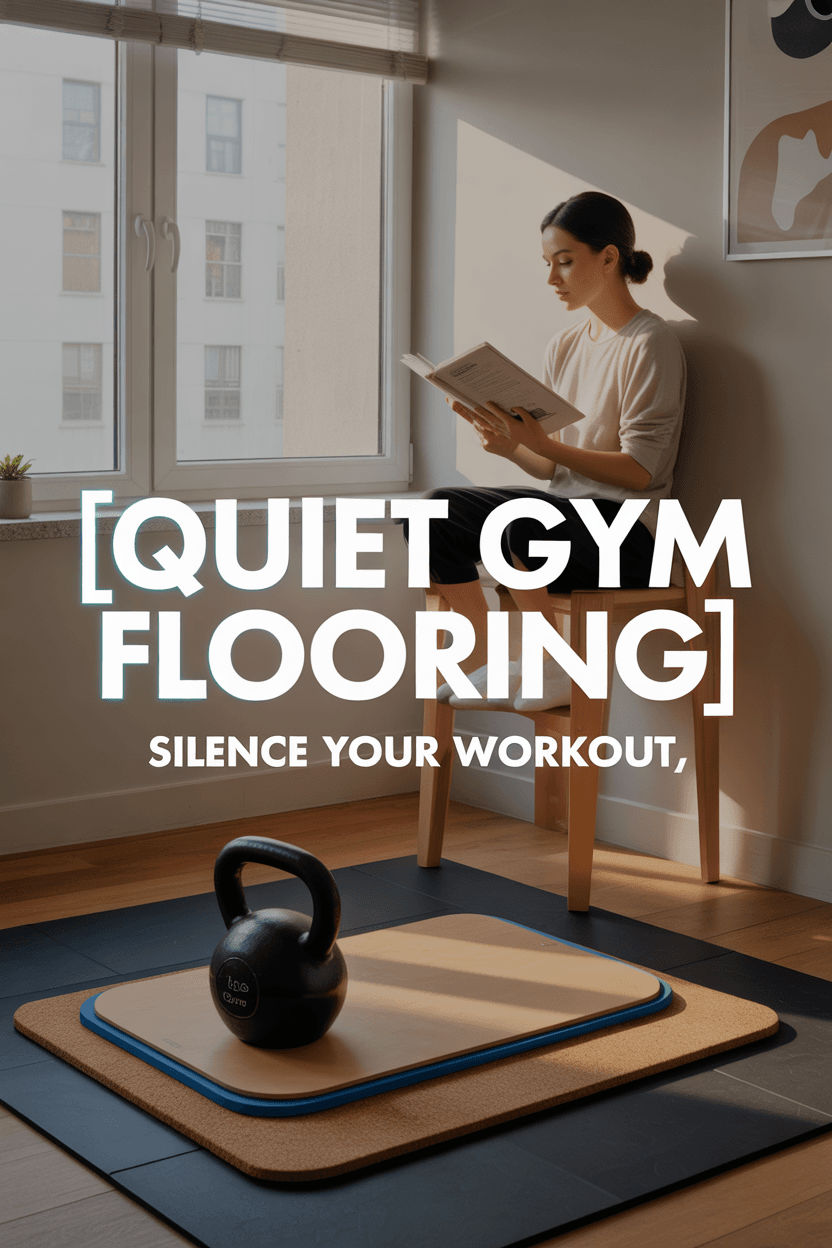
A quiet workout space helps you focus, and your flooring choice plays a huge role in noise control. This is especially important in apartments, upper-floor rooms, or any home where sound travels easily.
As a soft material, foam is the quietest option, absorbing both sound and impact effectively. This makes it an ideal, neighbor-friendly choice for shared living spaces.
Cork is another excellent option; its natural cellular structure is great at absorbing sound and vibration from equipment and movement.
Rubber and vinyl, while durable, can be loud when heavy weights are dropped. The resulting sound can be disruptive.
To lessen the noise, consider placing a stylish rug runner or an additional mat under your main lifting area to help absorb sound and maintain a peaceful atmosphere.
How Can I Get a High-End Look on a Budget?
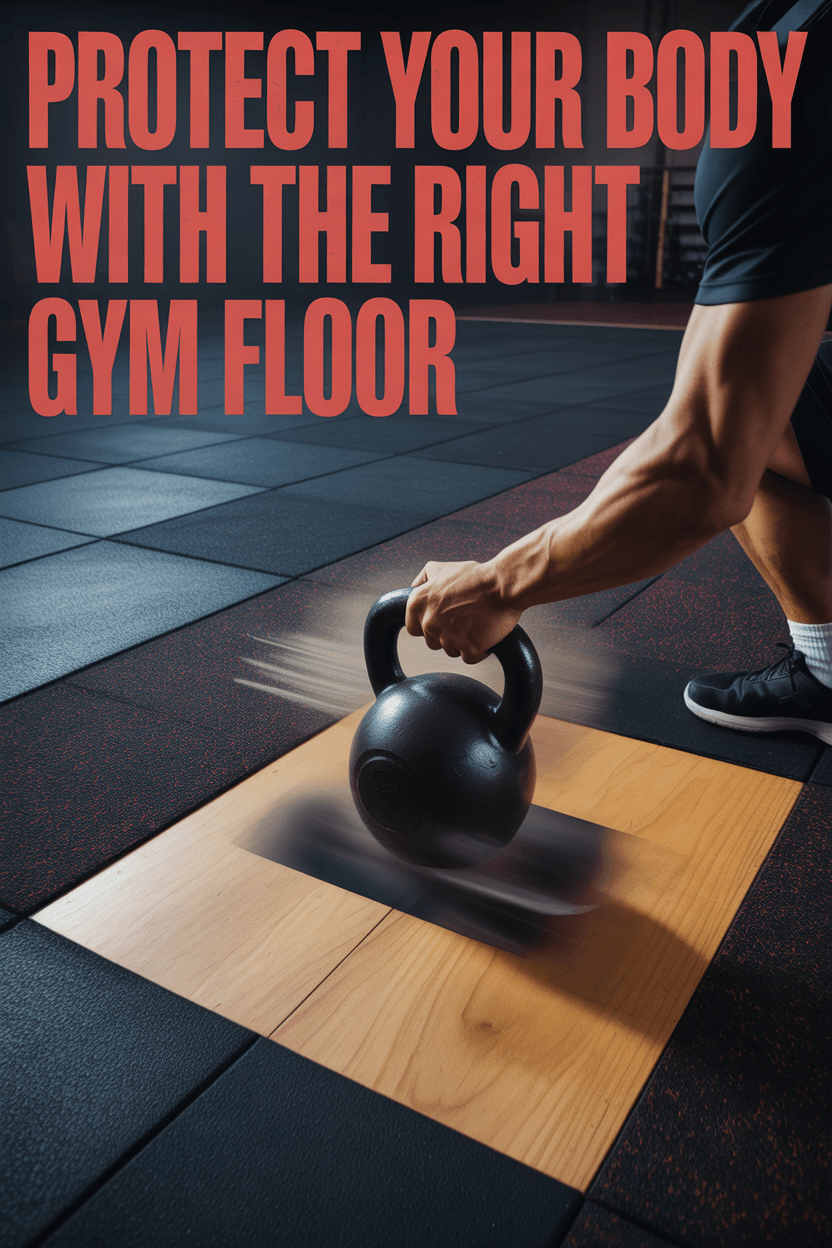
A beautiful, inspiring home gym does not have to be expensive. You can create a stylish and functional space with smart, affordable choices.
Affordable foam sheets can be installed quickly for an instant workout surface that provides comfort and a clean look.
Consider recycled rubber tiles, often found at a discount. These tiles offer eco-friendly durability and a professional aesthetic for less.
Vinyl planks from big-box stores are surprisingly affordable and stylish, typically ranging from $2–$6 per square foot. They provide a high-end, modern look that is easy to maintain.
These options allow you to create a space that feels luxurious and motivating while sticking to your budget.
What Are the Best Choices for a Pro-Level Gym?
If you’re building a serious, pro-level gym, premium solutions deliver superior performance and looks. These options are investments in your fitness and the long-term value of your home.
High-density rubber slabs, often 1/2-inch to 1-inch thick, are what you’d find in a commercial gym. Even thicker custom versions are available for the best possible protection, as recommended by pro reviewers at Garage Gym Reviews.
High-grade performance vinyl offers enhanced durability and a sleek, seamless look that improves the look of the whole room.
Custom-cut cork composites are a unique choice for the lifter with specific tastes who prioritizes environmentally friendly materials without sacrificing firmness or style.
What’s the Best Flooring for a Basement, Garage, or Spare Room?
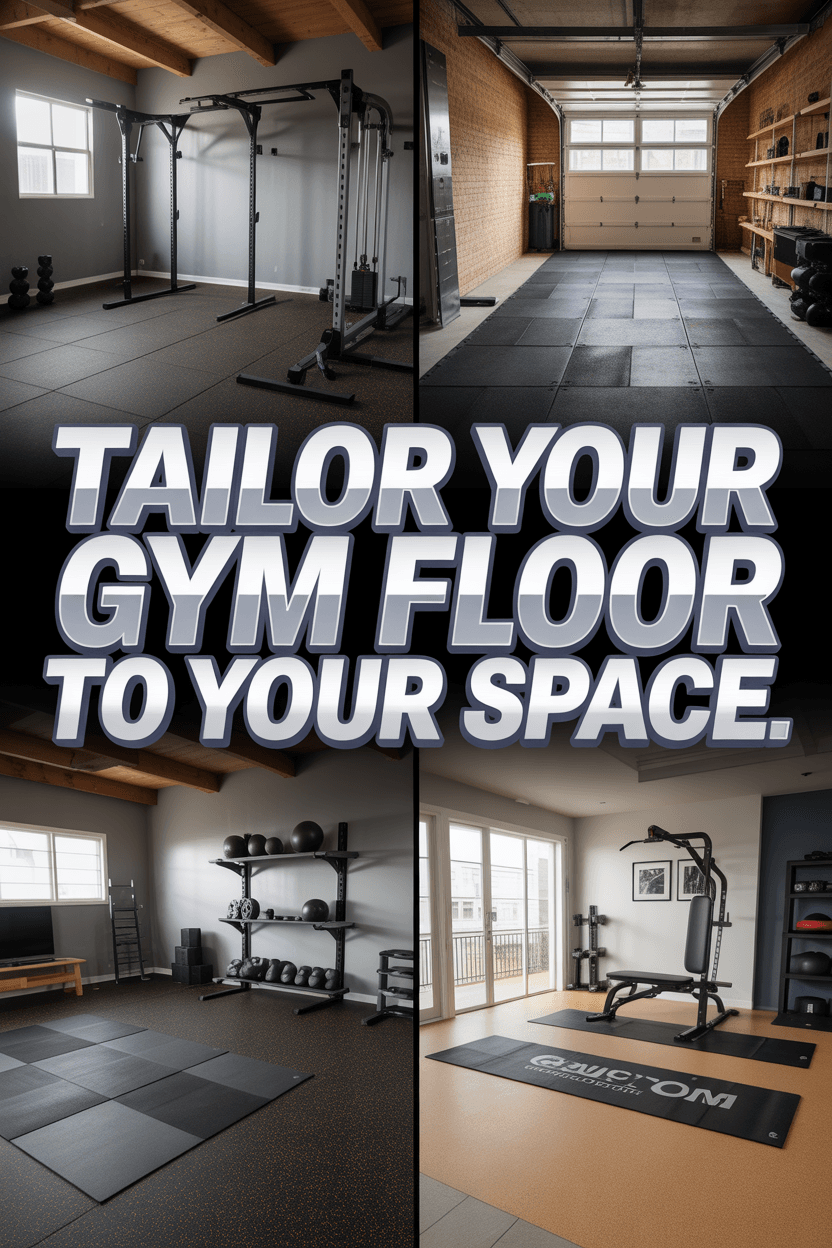
The ideal flooring solution should fit both your workout and the room itself. Different areas of your home present unique challenges and opportunities for your gym design.
The Basement Gym
Basements require moisture-proof flooring to prevent mold and mildew. Interlocking rubber or vinyl tiles are excellent choices as they create a protective, water-resistant barrier, with options available at Greatmats.
If your area tends to get damp, consider installing a raised subfloor or a dimpled waterproofing membrane underneath for the best protection.
The Garage Gym
Durable rubber rolls or tiles are tough enough to withstand both vehicle traffic and dropped weights, making them perfect for a tough garage gym. You can find durable options at places like RubberFlooring4U.
This versatile flooring also doubles as a comfortable work surface for other projects, maximizing the utility of your space.
The Spare Room Gym
For a gym integrated into a main living area, looks and noise level are important. Here, your floor must blend form and function seamlessly.
Interlocking foam tiles or luxury vinyl planks can create a quiet, stylish space that matches the rest of your home, perfect for yoga, Pilates, or light training.
Can My Gym Floor Be Stylish and Eco-Friendly?
Your gym floor should be more than just functional; it can be a key part of your home’s design that enhances your space. Many manufacturers offer flooring in a variety of sophisticated colors and patterns to match any interior style.
Imagine realistic wood-look vinyl for a warm, coastal feel, or sleek charcoal rubber tiles for a contemporary, minimalist aesthetic.
For a multipurpose room, choosing a neutral shade allows the space to transition seamlessly from a gym to a serene living area. This flooring options blog shows various styles.
You can also make an environmentally friendly choice part of your home’s story. Cork, harvested from the bark of oak trees, is a beautiful and renewable resource.
Recycled rubber, made from scrap tires, diverts waste from landfills while providing exceptional durability. Look for bio-based foam options made from sustainable materials for a cushioned surface you can feel good about.
How Do I Install and Care for a New Gym Floor?
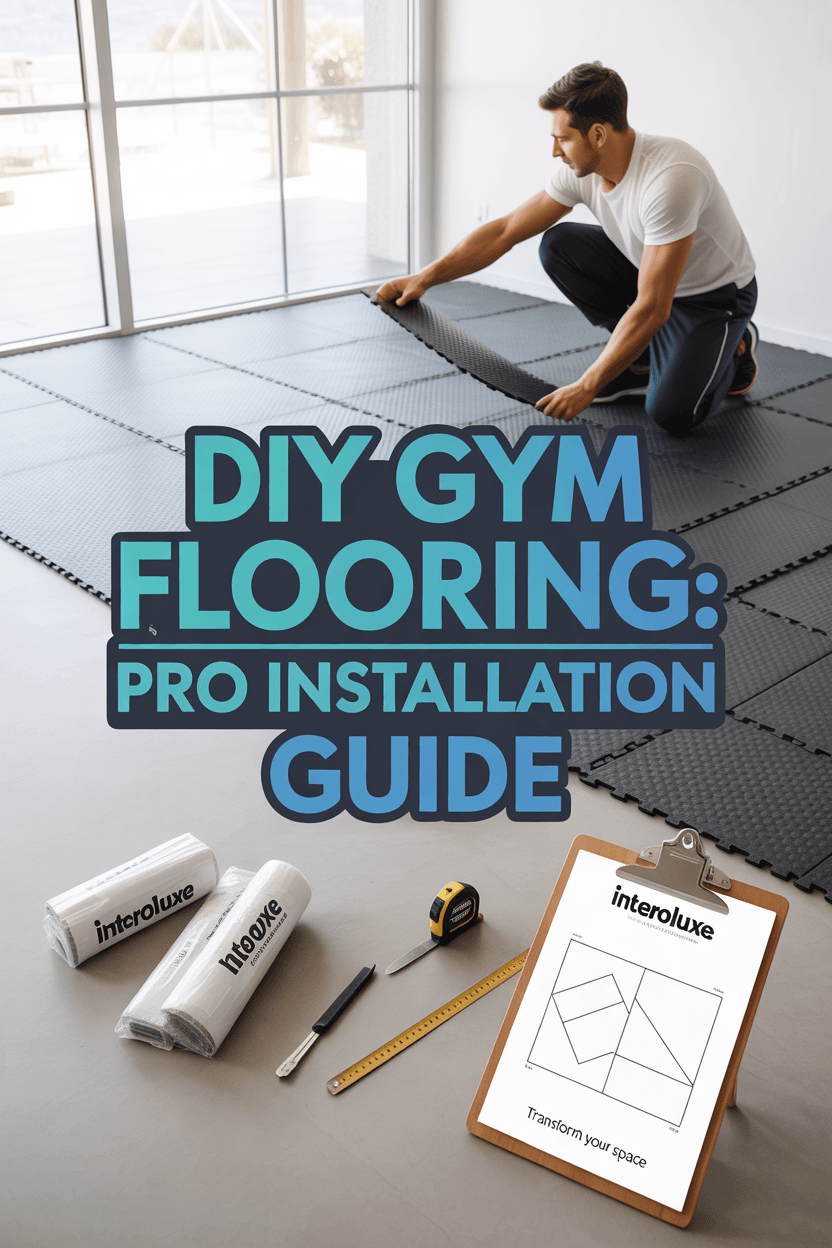
Good preparation is the key to a great-looking floor. Always measure your room twice before ordering materials to ensure you have enough.
Prepare the subfloor by ensuring it’s clean, dry, and perfectly level to prevent issues later. In damp spaces like basements, laying a vapor barrier first is a critical step for longevity, as detailed by experts at Greatmats.
Allow the flooring material to acclimate to the room’s temperature for 24-48 hours before installation for a perfect fit.
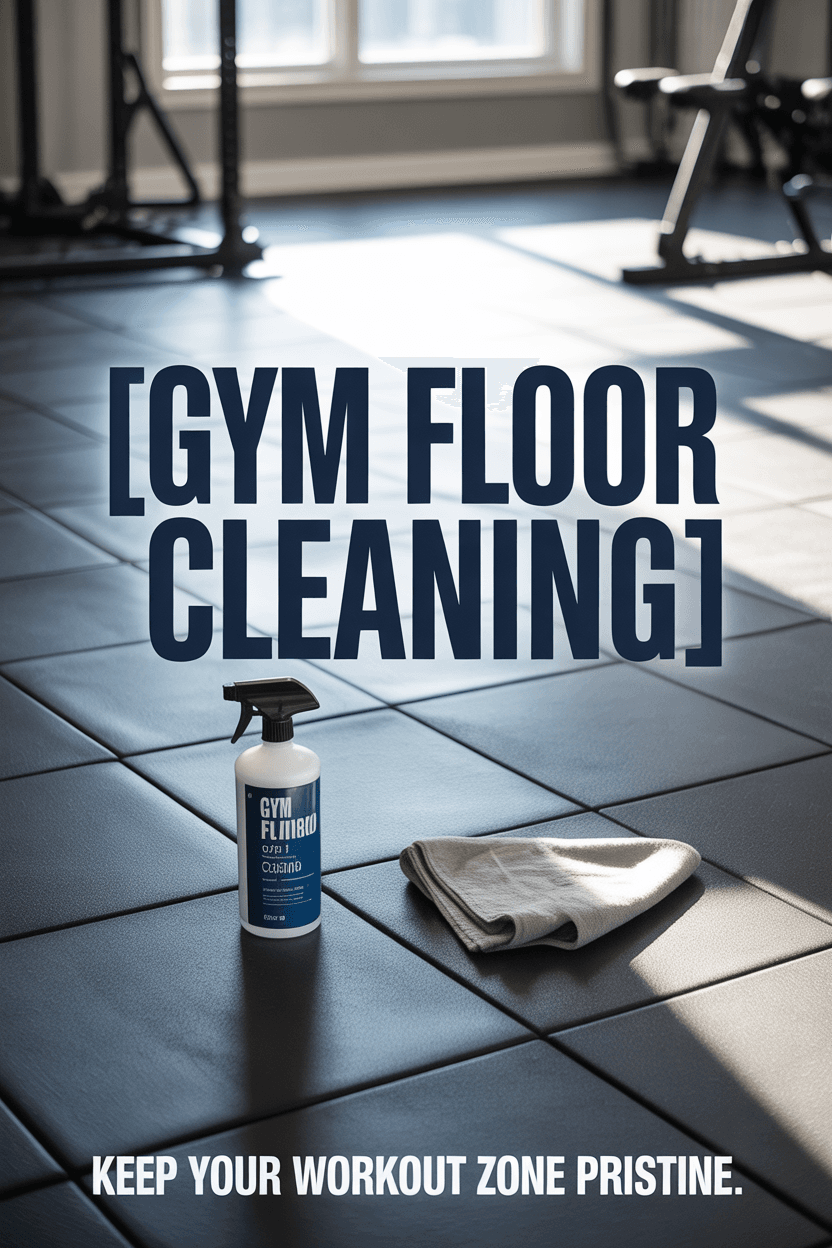
To keep it looking great, wipe down the floor after each workout with a damp cloth to remove sweat and prevent odors.
Spot-clean any spills immediately, and deep clean rubber or vinyl periodically with a pH-neutral cleaner. A quick inspection every few months for cracks or wear will allow you to address issues early, keeping your gym in top shape.
Where to Buy Flooring and What Mistakes to Avoid
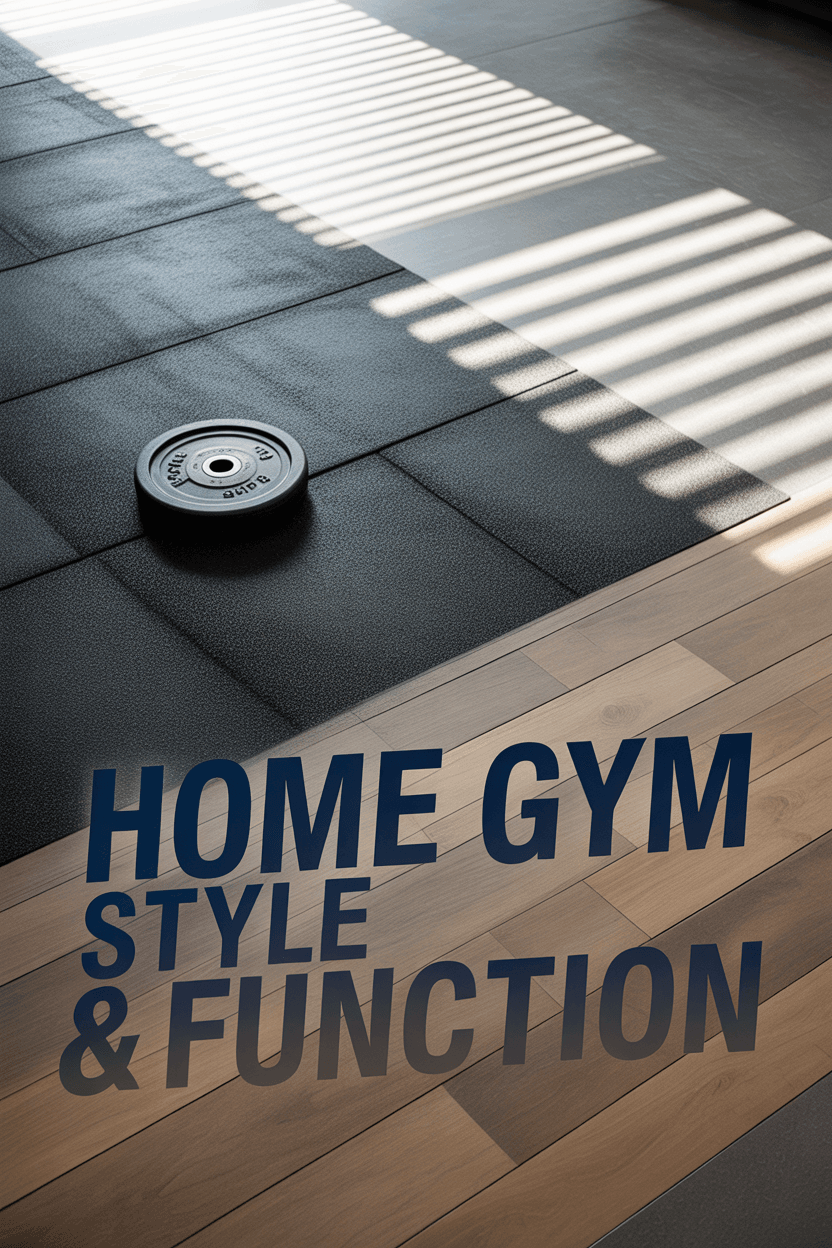
Finding high-quality home gym flooring is easy if you know where to look. Major sports stores, building supply shops, and specialized online marketplaces like FlooringInc offer a wide range of options.
Before buying, always check for warranties and read customer reviews to see how it performs in real homes.
Avoid the common mistake of choosing the cheapest option without checking its thickness and density for your workout style.
Never install flooring over an uneven or damp subfloor without proper preparation, as this will lead to damage and costly repairs.
Finally, neglecting a consistent cleaning routine can lead to odors and material breakdown, shortening the life of your investment.
The right floor is a foundational choice that protects your gear, your body, and your home. By selecting a material that aligns with your workouts and complements your home’s style, you can create a safe and inspiring sanctuary you’ll love to use for years to come.
Eco-Friendly Flooring Options
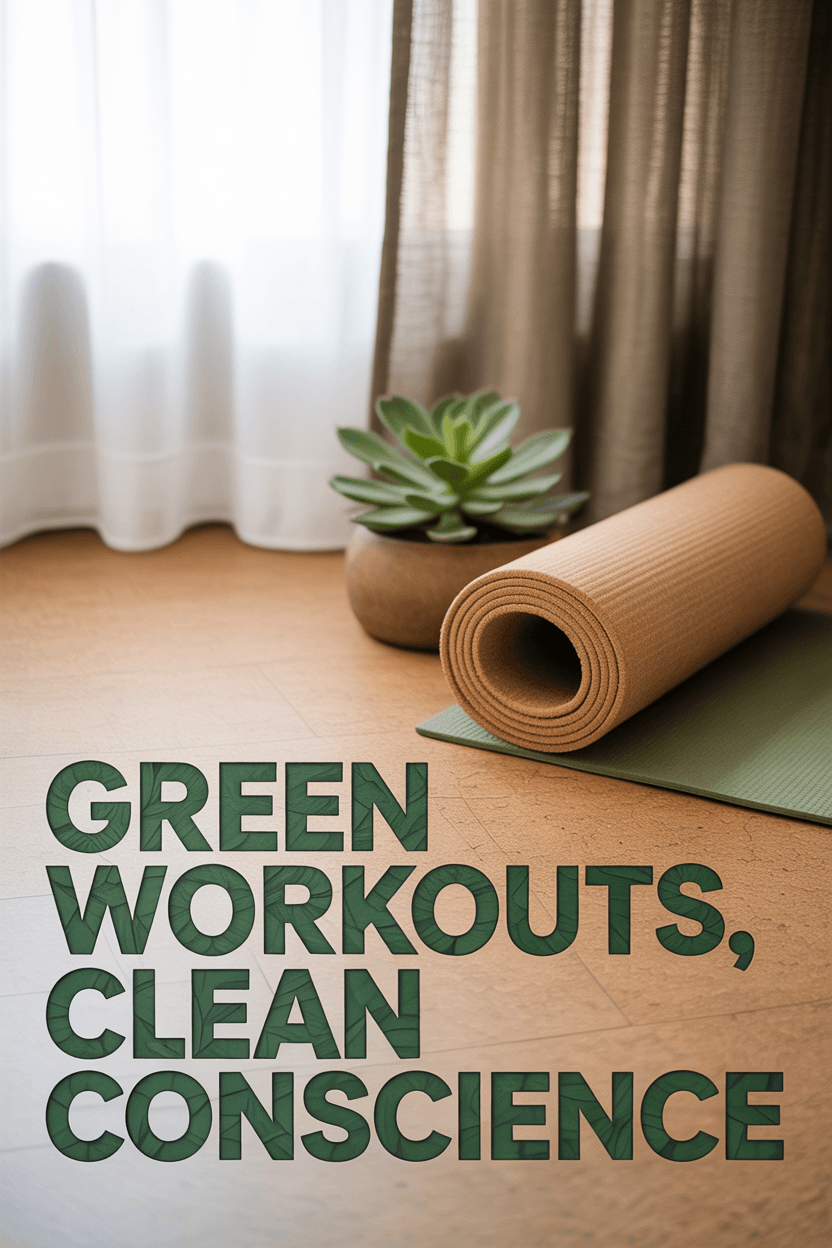
Make environmentally responsible choices with these sustainable alternatives:
- Certified sustainable cork harvested without harming trees.
- Recycled rubber made from repurposed automotive tires.
- Plant-based foam products created from renewable agricultural resources.
Look for manufacturing certifications that verify environmental claims and production standards.
Consider the full lifecycle impact, including eventual disposal or recycling potential.
Many eco-friendly options now match or exceed the performance of traditional materials.
Some manufacturers offer take-back programs for responsible disposal when replacement becomes necessary.
Common Selection Mistakes to Avoid
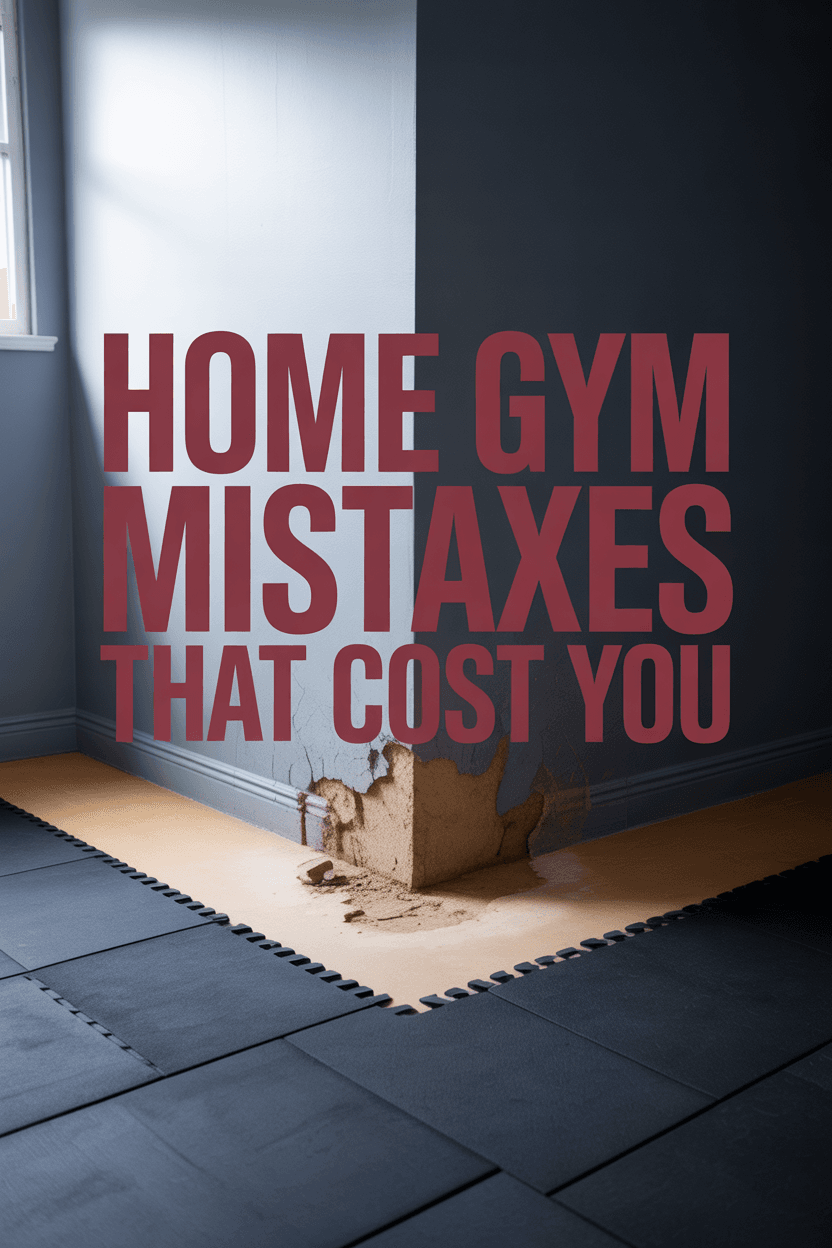
Prevent costly errors by steering clear of these pitfalls:
- Prioritizing initial cost savings over durability requirements for your workout style.
- Overlooking slip resistance factors critical for safety during intense movements.
- Installing new flooring over problematic subfloors with moisture or structural issues.
- Neglecting proper maintenance routines that prevent premature deterioration.
Research weight capacity ratings before choosing materials for heavy equipment areas.
Consider your long-term fitness goals rather than just current workout requirements.
Don’t underestimate the importance of proper installation for performance and longevity.
Be realistic about maintenance commitments when selecting materials requiring special care.
Where to Purchase Quality Flooring
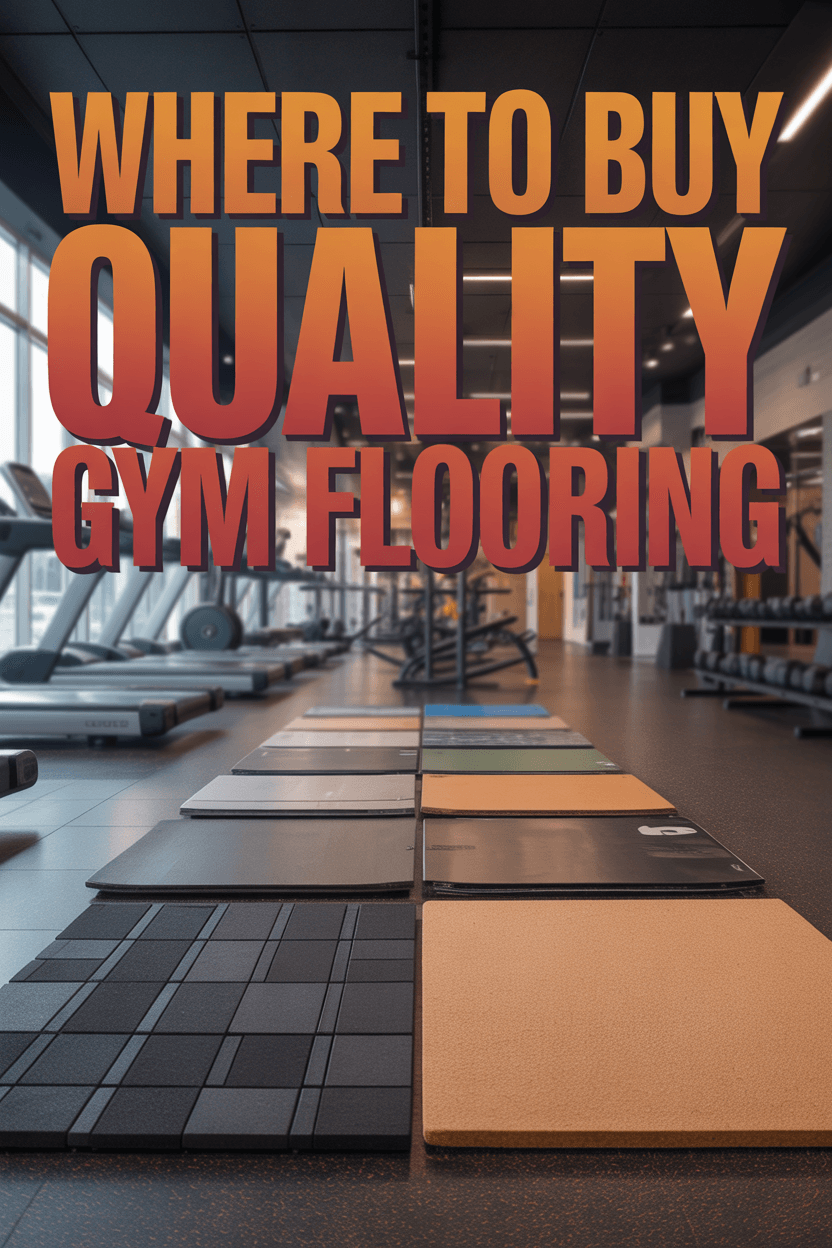
Find the perfect home gym flooring through these reliable channels:
Major fitness retailers offer specialized sections devoted to exercise flooring solutions.
Home improvement centers carry versatile options suitable for various workout environments.
Interoluxe products are available directly through their website or from authorized retailers with product expertise.
Online marketplaces provide extensive options but verify warranty coverage and return policies before purchasing.
Compare customer reviews focusing specifically on installation experiences and long-term performance.
Look for retailers offering sample swatches to test materials in your specific environment before committing.
Investing in appropriate home gym flooring protects both your physical wellbeing and your property. Select materials aligned with your exercise routine, space constraints, and budget considerations. With proper installation and maintenance, quality flooring transforms any area into an effective fitness environment that encourages consistent workouts and lasting results.