How to Choose a Modern Color Palette

A well-chosen color has remarkable power. A simple, minimalist palette featuring soft whites, grays, and other muted tones is a timeless classic for a reason. It creates a calm, clean backdrop that allows your furniture and art to take center stage.If you’re ready to be a bit bolder, try color blocking. Painting large, confident geometric shapes on a wall can establish a fun, dynamic focal point and completely change a room’s atmosphere without a single power tool.Warm gradient palettes are a sophisticated choice, mimicking a sunset with beautiful blends of orange, pink, and gold for an inviting glow. These work wonderfully to create a sense of warmth and intimacy.Deep blues and greens bring a calming, ocean-like feel to any space, making them perfect for turning a bathroom into a personal spa or a bedroom into a serene retreat.Earthy transitions featuring terracotta, sage, and sand are excellent for bringing a touch of the outdoors inside. This palette is particularly well-suited for a home office or kitchen, grounding the space in natural tranquility.
What is “Color Drenching”?
A sophisticated technique gaining popularity is “color drenching.” This involves painting the walls, trim, baseboards, and even the ceiling in very similar shades of a single color.The result is a polished, immersive experience that wraps the room in a cohesive and elegant envelope. It’s a bold move that feels incredibly custom and high-end.Similarly, monochromatic schemes are the foundation of this trend and look incredibly chic. Using various shades and tints of one color—like five different types of gray—sounds simple but creates remarkable depth and visual interest.This layered approach to a single hue adds a subtle complexity that reads as intentional and luxurious. It allows texture and light to become the primary sources of contrast in the room.
The Art of the Modern Accent Wall
The concept of the accent wall has evolved. Instead of one random, fire-engine-red wall in an otherwise neutral room, the modern approach is more refined and integrated.It’s now about choosing a wall with a unique texture or a complementary color that adds interest without screaming for attention. The goal is to create a focal point that supports the room’s overall design, rather than competing with it.Consider an accent wall clad in elegant fluted wood panels or finished with a soft, artisanal plaster. This textural approach adds depth and sophistication that a simple coat of paint cannot replicate.Color blocking can also serve as a modern accent feature. By painting a large geometric shape or pattern, you inject personality and create a dynamic work of art directly on the wall itself, a key strategy in
modern wall design.
Add Character with Architectural Molding
Subtle architectural details are often what make a house feel truly custom and high-end. Adding texture with paneling and molding is a powerful technique used by designers to add perceived value to any space.Geometric patterns, from simple board and batten to more complex grid molding, infuse a layer of class and structure into a room. Timeless styles like
wainscoting and modern wood slat walls add instant character.Think beyond basic trim and consider high-impact upgrades. Beautifully crafted built-in shelving provides the perfect excuse to curate and display books and cherished objects.Decorative niches act as tiny, built-in stages to showcase a special vase or piece of art, turning it into a celebrated feature.A professional tip is to hide soft LED light strips behind these features. This is a well-known trick seen in design magazines to create a warm, expensive-looking ambient glow, as
designers demonstrate here.
How to Curate Art for Your Walls
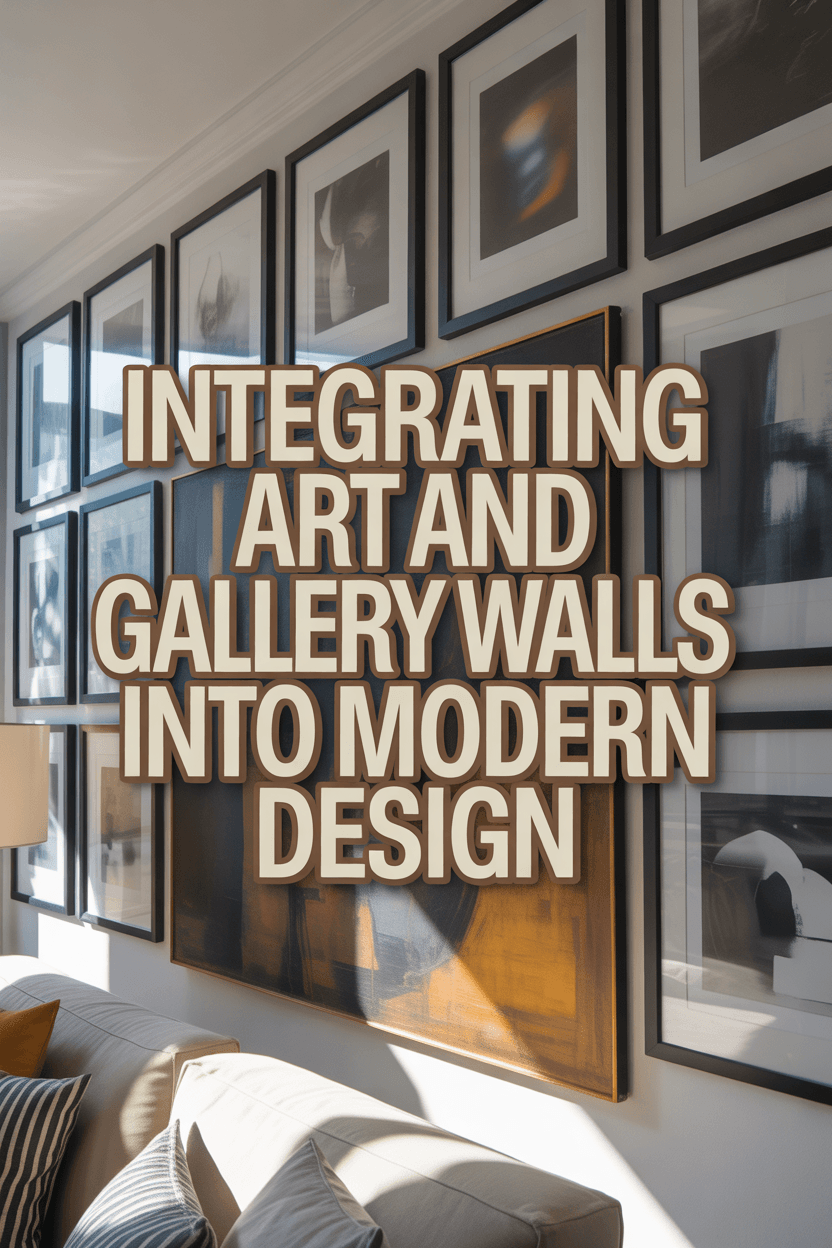
Art and personal objects are what give a room its soul. A modern gallery wall is not a chaotic jumble of frames; it is a carefully curated collection that tells a story.The secret, according to professionals, is to use consistent frames or a unified color palette, stick to a general theme, and give each piece adequate breathing room. Alternatively, make a singular, bold statement with one oversized piece of art.Design experts note that
large-scale art can anchor an entire room and serve as a fantastic conversation starter. One dominant piece can create an immediate and powerful focal point.Create visual harmony by grouping art by color, which results in a powerful look that feels organized, not cluttered. For more variety, don’t be afraid to mix your media; invite photographs, textiles, or even mirrors to join your paintings.To keep your space feeling fresh, consider rotating a few pieces of art seasonally. And finally, remember to light it right. A small, dedicated picture light instantly makes your art feel more important and intentional, a tip shared among
expert curators.
Get a Designer Look with Easy DIY Projects
A polished, designer look is completely within your reach, even on a modest budget. A wood accent wall might sound intimidating, but it can often be accomplished as a weekend project. There are even peel-and-stick planks available for a simple upgrade.Geometric painting is another high-impact, low-cost project that delivers stunning results. Your new best friends for this task are painter’s tape, a level, and a few paint colors that you absolutely love.For endless tutorials and inspiration, you can easily
browse DIY channels to find a project that matches your skill level and style. The secret is to plan your project thoroughly and start small to build confidence.Always remember the classic advice: “Measure twice, cut once.” It will save you both headaches and extra trips to the store. It’s also wise to buy about 10% more material than you think you need to cover any mistakes.Before committing to a color, test a swatch on cardboard and observe it in the room at different times of day. That perfect gray might look strangely purple at night. For foundational advice, you can’t go wrong with pros like
This Old House.
How to Choose Wall Designs for Each Room
Every room has a different function, and your
walls should be designed to support that purpose effectively.For the living room, a focal wall behind the sofa is a classic and effective move. A popular
modern wall design is a slatted wood media wall, which stylishly conceals all your television cords and components for a clean, uncluttered look.In the bedroom, the atmosphere should be all about calm and rest. An upholstered wall behind the bed not only looks plush and luxurious but also helps dampen sound, promoting a peaceful night’s sleep.The kitchen backsplash is the perfect spot to have some fun with design. A key modern trend is using sleek, large-format tile or a dramatic slab of quartz that extends all the way up the wall for a stunning effect.In the bathroom, where moisture is a concern, opt for large tiles to minimize grout lines, waterproof plaster finishes, or specialty vinyl wallpaper designed specifically for damp environments.Your home office needs walls that help you focus. Try a calming color, or install a large cork wall where you can pin ideas, schedules, and inspiration to stay organized and creative.
Frequently Asked Questions About Modern Wall Design
What wall designs make compact rooms appear larger?
Light colors, horizontal patterns, and reflective surfaces create expansive visual effects. These techniques manipulate perception without physical alterations, making rooms feel significantly more spacious.
How do I choose appropriate wall treatments for my home’s architectural style?
Consider existing architectural elements, furniture styles, and long-term preferences when selecting treatments. Modern homes accommodate clean geometric patterns while transitional
spaces successfully blend contemporary and traditional elements.
Are textured walls returning to contemporary design?
Contemporary textures emphasize intentional architectural dimension rather than dated application techniques. Modern textured walls feature geometric patterns and purposeful dimensional elements that enhance rather than overwhelm surrounding design elements.
Modern wall design offers unlimited possibilities for transforming living spaces into personalized environments that reflect individual style preferences. The most successful approaches balance aesthetic appeal with practical functionality while remaining true to your home’s architectural character.
Transform your space one wall at a time by starting with a single feature wall and experiencing how this focused change influences your entire room’s atmosphere and appeal.How to Get a Luxurious Look on a Budget
You don’t need a movie-star budget to achieve a high-end, expensive-looking home. Designers agree that high-quality paint is the most affordable and effective way to change a room’s entire feel.A fresh coat of paint in a sophisticated, interesting color can make a space feel much more luxurious. The key is in the prep work and choosing a finish that complements the room.You can mimic the soft, chalky appearance of an authentic limewash wall with specialty paints, no trip to Italy required. This faux finish adds instant texture and an organic, storied feel.A well-chosen stencil can give you the intricate, detailed look of designer wallpaper for just the price of a can of paint and a little bit of patience. This allows for endless customization.Adding simple board and batten or picture frame molding to just the lower half of a wall adds immense character for very little money. Be a smart shopper by keeping an eye on sales and checking online for unused overstock materials.
Your Modern Wall Design Questions Answered
What wall designs make a small room look bigger? Light and bright is your mantra. Soft whites, cool grays, strategically placed mirrors, and even
reflective art pieces are your best friends. Horizontal lines trick the eye into seeing a wider space, while a paint finish with a slight sheen, like eggshell, will bounce light around to create a sense of openness.
How do I choose a wall design that fits my home’s style? Take cues from what you already own and from your home’s architecture. If your style is modern, you’ll love clean lines and geometric patterns. If you’re aiming for that cozy “Nancy Meyers” vibe, consider timeless classics like beadboard, wainscoting, or a beautiful grasscloth wallpaper to add texture and warmth.
Are textured walls back in style? Yes, they absolutely are! But please, step away from the popcorn ceiling texture of the past. As seen in
recent trend reports, today’s wall texture is sleek and intentional. We’re talking about elegant fluted wood panels, cool 3D tiles, and the soft, organic feel of artisanal plaster, all of which add subtle depth and make a wall feel special.A great
modern wall design is your chance to make your home feel more like you. The best part is, you don’t have to do it all at once. Just start with one wall; you’ll be amazed at how one small change can lift the mood of the entire room.


 A well-chosen color has remarkable power. A simple, minimalist palette featuring soft whites, grays, and other muted tones is a timeless classic for a reason. It creates a calm, clean backdrop that allows your furniture and art to take center stage.If you’re ready to be a bit bolder, try color blocking. Painting large, confident geometric shapes on a wall can establish a fun, dynamic focal point and completely change a room’s atmosphere without a single power tool.Warm gradient palettes are a sophisticated choice, mimicking a sunset with beautiful blends of orange, pink, and gold for an inviting glow. These work wonderfully to create a sense of warmth and intimacy.Deep blues and greens bring a calming, ocean-like feel to any space, making them perfect for turning a bathroom into a personal spa or a bedroom into a serene retreat.Earthy transitions featuring terracotta, sage, and sand are excellent for bringing a touch of the outdoors inside. This palette is particularly well-suited for a home office or kitchen, grounding the space in natural tranquility.
 A sophisticated technique gaining popularity is “color drenching.” This involves painting the walls, trim, baseboards, and even the ceiling in very similar shades of a single color.The result is a polished, immersive experience that wraps the room in a cohesive and elegant envelope. It’s a bold move that feels incredibly custom and high-end.Similarly, monochromatic schemes are the foundation of this trend and look incredibly chic. Using various shades and tints of one color—like five different types of gray—sounds simple but creates remarkable depth and visual interest.This layered approach to a single hue adds a subtle complexity that reads as intentional and luxurious. It allows texture and light to become the primary sources of contrast in the room.
 The concept of the accent wall has evolved. Instead of one random, fire-engine-red wall in an otherwise neutral room, the modern approach is more refined and integrated.It’s now about choosing a wall with a unique texture or a complementary color that adds interest without screaming for attention. The goal is to create a focal point that supports the room’s overall design, rather than competing with it.Consider an accent wall clad in elegant fluted wood panels or finished with a soft, artisanal plaster. This textural approach adds depth and sophistication that a simple coat of paint cannot replicate.Color blocking can also serve as a modern accent feature. By painting a large geometric shape or pattern, you inject personality and create a dynamic work of art directly on the wall itself, a key strategy in modern wall design.
 Subtle architectural details are often what make a house feel truly custom and high-end. Adding texture with paneling and molding is a powerful technique used by designers to add perceived value to any space.Geometric patterns, from simple board and batten to more complex grid molding, infuse a layer of class and structure into a room. Timeless styles like wainscoting and modern wood slat walls add instant character.Think beyond basic trim and consider high-impact upgrades. Beautifully crafted built-in shelving provides the perfect excuse to curate and display books and cherished objects.Decorative niches act as tiny, built-in stages to showcase a special vase or piece of art, turning it into a celebrated feature.A professional tip is to hide soft LED light strips behind these features. This is a well-known trick seen in design magazines to create a warm, expensive-looking ambient glow, as designers demonstrate here.
 Art and personal objects are what give a room its soul. A modern gallery wall is not a chaotic jumble of frames; it is a carefully curated collection that tells a story.The secret, according to professionals, is to use consistent frames or a unified color palette, stick to a general theme, and give each piece adequate breathing room. Alternatively, make a singular, bold statement with one oversized piece of art.Design experts note that large-scale art can anchor an entire room and serve as a fantastic conversation starter. One dominant piece can create an immediate and powerful focal point.Create visual harmony by grouping art by color, which results in a powerful look that feels organized, not cluttered. For more variety, don’t be afraid to mix your media; invite photographs, textiles, or even mirrors to join your paintings.To keep your space feeling fresh, consider rotating a few pieces of art seasonally. And finally, remember to light it right. A small, dedicated picture light instantly makes your art feel more important and intentional, a tip shared among expert curators.
 A polished, designer look is completely within your reach, even on a modest budget. A wood accent wall might sound intimidating, but it can often be accomplished as a weekend project. There are even peel-and-stick planks available for a simple upgrade.Geometric painting is another high-impact, low-cost project that delivers stunning results. Your new best friends for this task are painter’s tape, a level, and a few paint colors that you absolutely love.For endless tutorials and inspiration, you can easily browse DIY channels to find a project that matches your skill level and style. The secret is to plan your project thoroughly and start small to build confidence.Always remember the classic advice: “Measure twice, cut once.” It will save you both headaches and extra trips to the store. It’s also wise to buy about 10% more material than you think you need to cover any mistakes.Before committing to a color, test a swatch on cardboard and observe it in the room at different times of day. That perfect gray might look strangely purple at night. For foundational advice, you can’t go wrong with pros like This Old House.
 Every room has a different function, and your walls should be designed to support that purpose effectively.For the living room, a focal wall behind the sofa is a classic and effective move. A popular modern wall design is a slatted wood media wall, which stylishly conceals all your television cords and components for a clean, uncluttered look.In the bedroom, the atmosphere should be all about calm and rest. An upholstered wall behind the bed not only looks plush and luxurious but also helps dampen sound, promoting a peaceful night’s sleep.The kitchen backsplash is the perfect spot to have some fun with design. A key modern trend is using sleek, large-format tile or a dramatic slab of quartz that extends all the way up the wall for a stunning effect.In the bathroom, where moisture is a concern, opt for large tiles to minimize grout lines, waterproof plaster finishes, or specialty vinyl wallpaper designed specifically for damp environments.Your home office needs walls that help you focus. Try a calming color, or install a large cork wall where you can pin ideas, schedules, and inspiration to stay organized and creative.
 What wall designs make compact rooms appear larger?
Light colors, horizontal patterns, and reflective surfaces create expansive visual effects. These techniques manipulate perception without physical alterations, making rooms feel significantly more spacious.How do I choose appropriate wall treatments for my home’s architectural style?
Consider existing architectural elements, furniture styles, and long-term preferences when selecting treatments. Modern homes accommodate clean geometric patterns while transitional spaces successfully blend contemporary and traditional elements.Are textured walls returning to contemporary design?
Contemporary textures emphasize intentional architectural dimension rather than dated application techniques. Modern textured walls feature geometric patterns and purposeful dimensional elements that enhance rather than overwhelm surrounding design elements.Modern wall design offers unlimited possibilities for transforming living spaces into personalized environments that reflect individual style preferences. The most successful approaches balance aesthetic appeal with practical functionality while remaining true to your home’s architectural character.Transform your space one wall at a time by starting with a single feature wall and experiencing how this focused change influences your entire room’s atmosphere and appeal.
What wall designs make compact rooms appear larger?
Light colors, horizontal patterns, and reflective surfaces create expansive visual effects. These techniques manipulate perception without physical alterations, making rooms feel significantly more spacious.How do I choose appropriate wall treatments for my home’s architectural style?
Consider existing architectural elements, furniture styles, and long-term preferences when selecting treatments. Modern homes accommodate clean geometric patterns while transitional spaces successfully blend contemporary and traditional elements.Are textured walls returning to contemporary design?
Contemporary textures emphasize intentional architectural dimension rather than dated application techniques. Modern textured walls feature geometric patterns and purposeful dimensional elements that enhance rather than overwhelm surrounding design elements.Modern wall design offers unlimited possibilities for transforming living spaces into personalized environments that reflect individual style preferences. The most successful approaches balance aesthetic appeal with practical functionality while remaining true to your home’s architectural character.Transform your space one wall at a time by starting with a single feature wall and experiencing how this focused change influences your entire room’s atmosphere and appeal.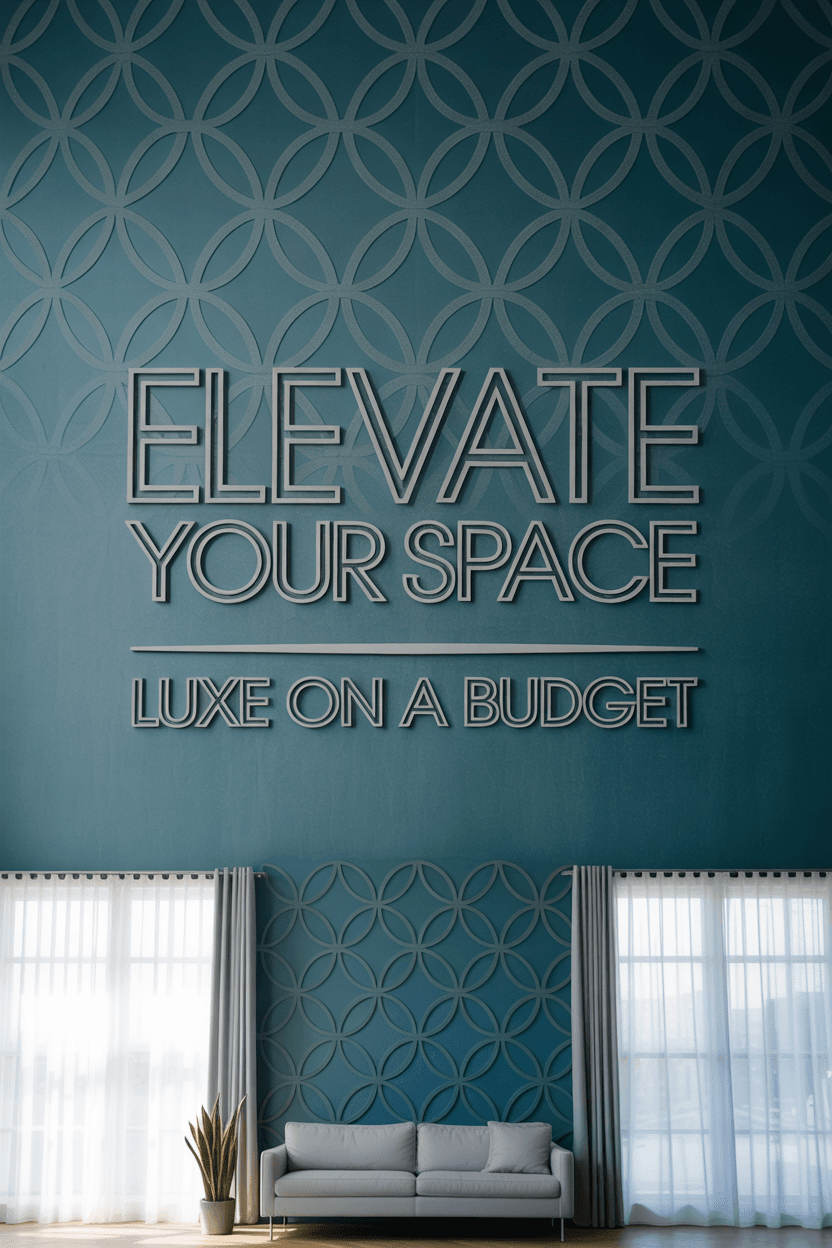 You don’t need a movie-star budget to achieve a high-end, expensive-looking home. Designers agree that high-quality paint is the most affordable and effective way to change a room’s entire feel.A fresh coat of paint in a sophisticated, interesting color can make a space feel much more luxurious. The key is in the prep work and choosing a finish that complements the room.You can mimic the soft, chalky appearance of an authentic limewash wall with specialty paints, no trip to Italy required. This faux finish adds instant texture and an organic, storied feel.A well-chosen stencil can give you the intricate, detailed look of designer wallpaper for just the price of a can of paint and a little bit of patience. This allows for endless customization.Adding simple board and batten or picture frame molding to just the lower half of a wall adds immense character for very little money. Be a smart shopper by keeping an eye on sales and checking online for unused overstock materials.
 What wall designs make a small room look bigger? Light and bright is your mantra. Soft whites, cool grays, strategically placed mirrors, and even reflective art pieces are your best friends. Horizontal lines trick the eye into seeing a wider space, while a paint finish with a slight sheen, like eggshell, will bounce light around to create a sense of openness.How do I choose a wall design that fits my home’s style? Take cues from what you already own and from your home’s architecture. If your style is modern, you’ll love clean lines and geometric patterns. If you’re aiming for that cozy “Nancy Meyers” vibe, consider timeless classics like beadboard, wainscoting, or a beautiful grasscloth wallpaper to add texture and warmth.Are textured walls back in style? Yes, they absolutely are! But please, step away from the popcorn ceiling texture of the past. As seen in recent trend reports, today’s wall texture is sleek and intentional. We’re talking about elegant fluted wood panels, cool 3D tiles, and the soft, organic feel of artisanal plaster, all of which add subtle depth and make a wall feel special.A great modern wall design is your chance to make your home feel more like you. The best part is, you don’t have to do it all at once. Just start with one wall; you’ll be amazed at how one small change can lift the mood of the entire room.