Color Your Table: Interoluxes 2025 Guide to Formal Dining Room Chic

How to Choose an Unforgettable Color Palette
Welcome to the dazzling world of formal dining room color ideas, where sophistication meets a splash of personality.
Your formal dining room is more than just a place to eat; it is a stage for memorable moments and intimate conversations.
The color palette you choose sets the entire tone, turning a functional room into a truly enchanting setting.
Whether you envision a serene coastal retreat, a dramatic modern space, or a timeless Nancy Meyers-inspired room, the right colors are your foundation.
Let’s explore how to select and layer hues to create a dining room that exudes effortless elegance and personal style.
Start with an Elegant, Neutral Palette
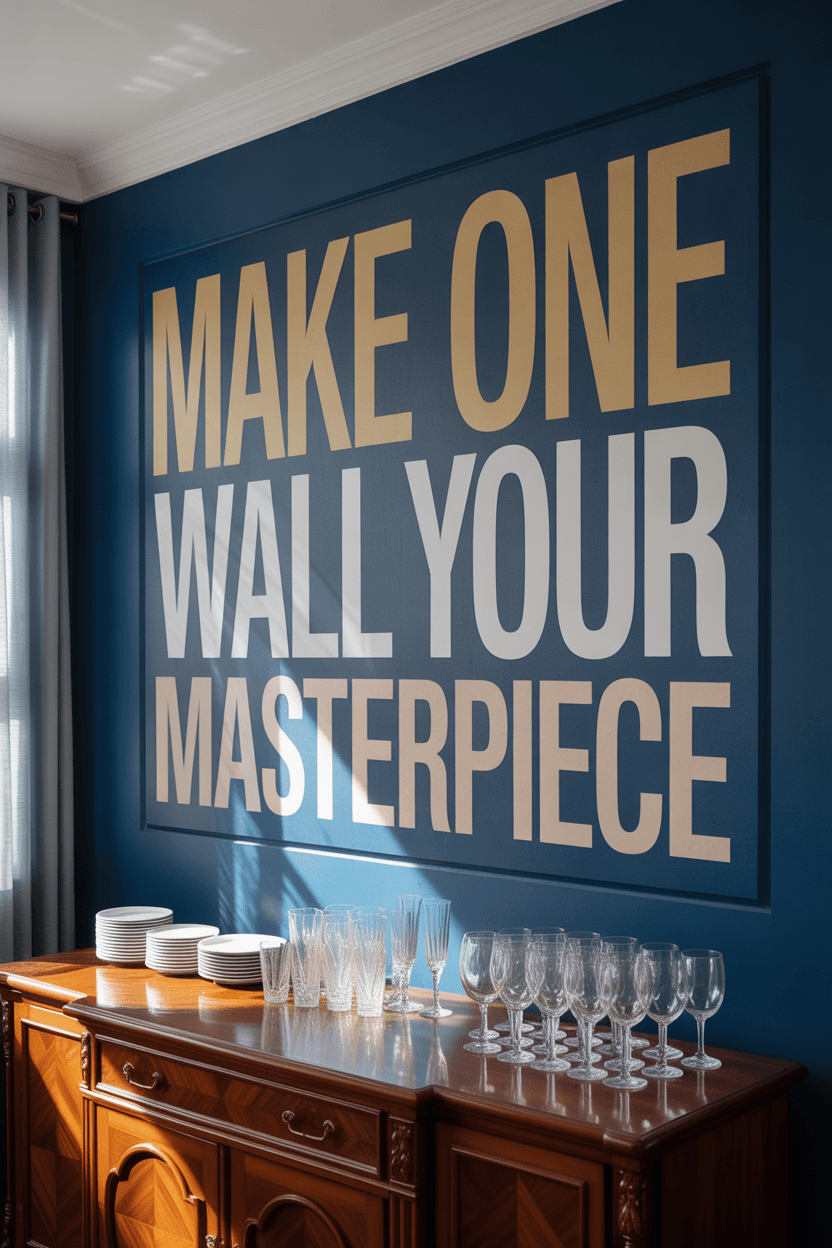
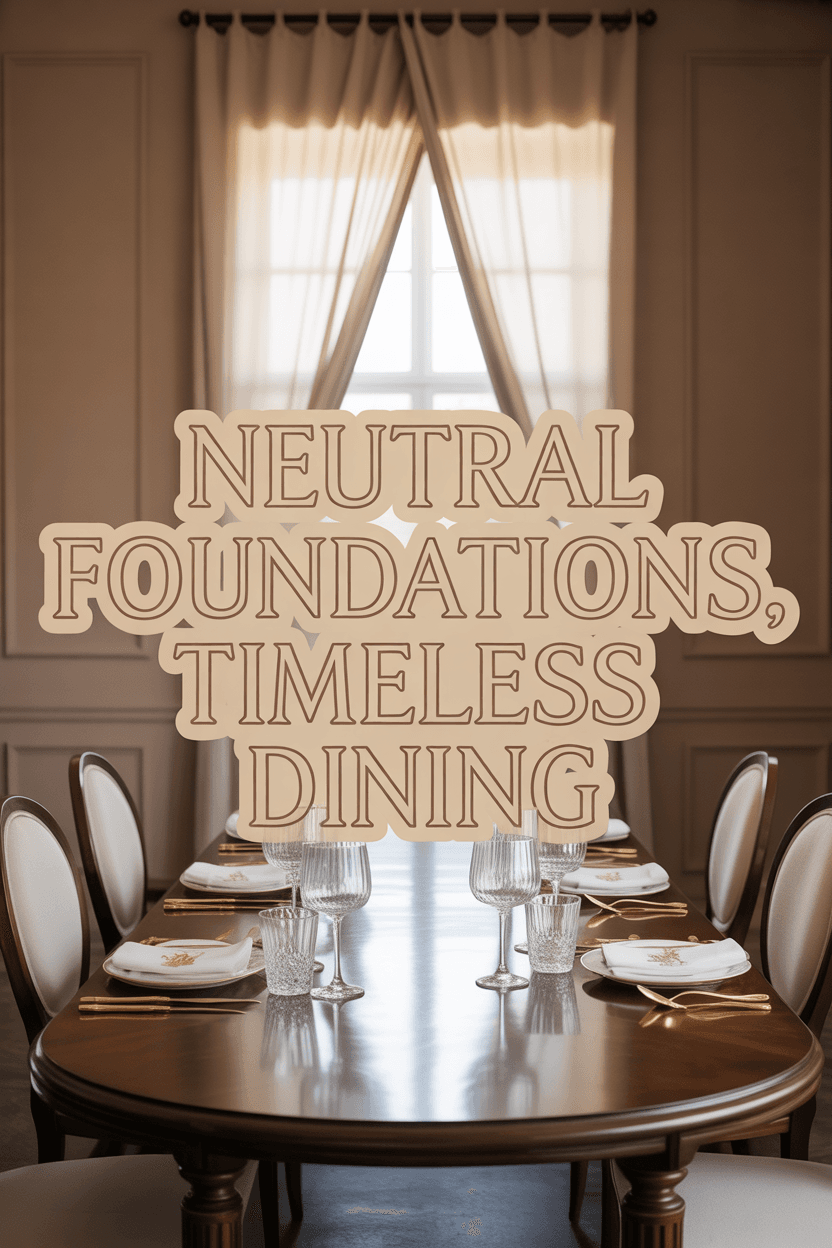
Establish your design with a foundation of classic neutrals like warm grays, soft taupes, rich creams, and inviting beiges.
These walls are the perfect quiet backdrop, allowing your furniture, art, and chandelier to make a statement while maintaining a timeless feel.
A neutral foundation provides wonderful flexibility, letting you layer in other styles like coastal or mid-century modern with ease.
As noted by design authorities, this approach creates an atmosphere of understated luxury—practically a hug from the wall.
You can find inspiration in curated galleries of sophisticated dining rooms that master this look.
Create Dramatic Flair with an Accent Wall

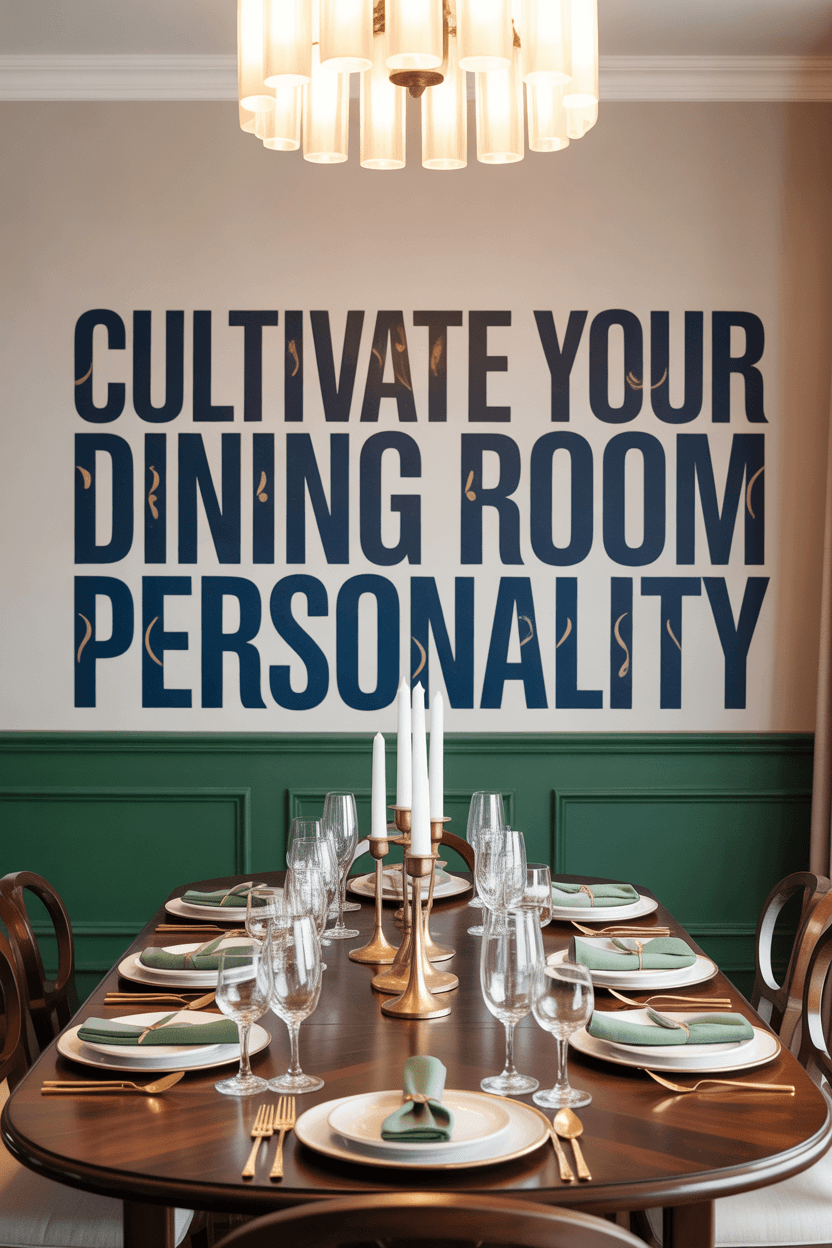
Pick one wall—typically the one behind the sideboard or at the head of the table—and give it a deep, commanding hue.
Colors like navy, deep emerald green, or charcoal add instant drama without overwhelming the room.
An accent wall doesn’t just add color; it adds architectural interest and defines the space.
It’s a confident design move that signals intentionality and style, creating a powerful focal point.
Consider the mood you wish to create: a deep navy feels classic and stately, while a rich emerald brings a touch of modern opulence.
According to color experts at Benjamin Moore, this technique creates a striking feature your guests are sure to notice.
Add a Touch of Opulence with Jewel Tones and Metallics
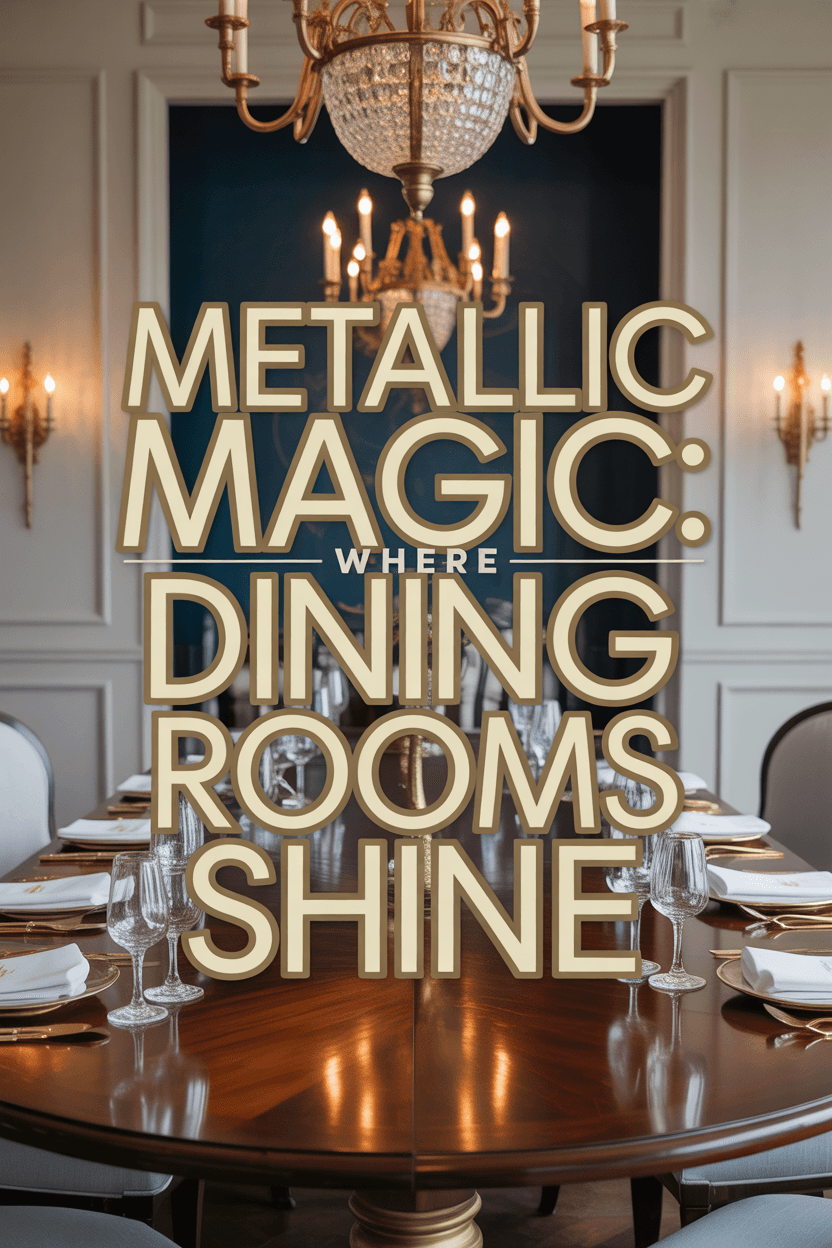
Sprinkle in a dash of amethyst, turquoise, jade, or sapphire using pillows on banquette seating, a luxurious tablecloth, or even the trim on a sideboard.
Jewel tones add interest and inject opulent color while staying polished and refined, like a secret garden discovered in a formal ballroom.
They are a hallmark of contemporary and modern-luxe design, adding depth and personality.
Next, incorporate the glint of brass, gold, or polished nickel on door hardware, picture frames, and light fixtures.
A subtle sparkle that whispers luxury without shouting is a key element in high-end design.
As seen in the most elegant dining spaces, every beautiful room deserves a little metallic highlight to catch the light.
Achieve Sophisticated Depth with Textured Paints and Finishes
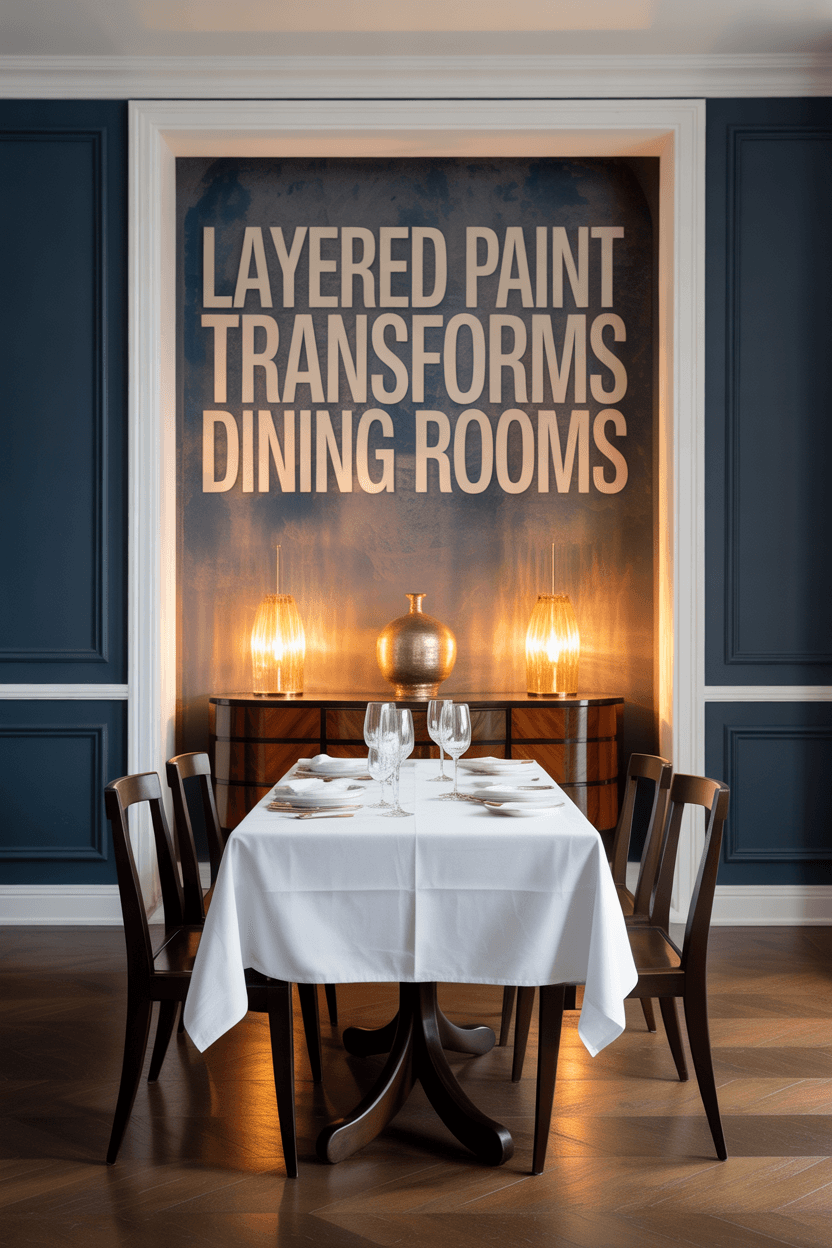
You can create a truly custom space by blending various finishes. Texture is the unsung hero of interior design, adding a tactile quality that color alone cannot achieve.
Even within a single color family, varying the sheen can create subtle yet impactful contrast.
Consider a matte or eggshell finish on the main walls for a soft, velvety look, with a contrasting satin on the trim and moldings.
For a dramatic, reflective effect, use a high-gloss lacquer on a specific piece of furniture or even the ceiling.
Imagine the play of candlelight against a high-gloss surface, reflecting a warm glow throughout the room.
This mix of textures adds surprising depth and makes the space feel thoughtfully curated.
Ground the Room with the Warmth of Natural Wood
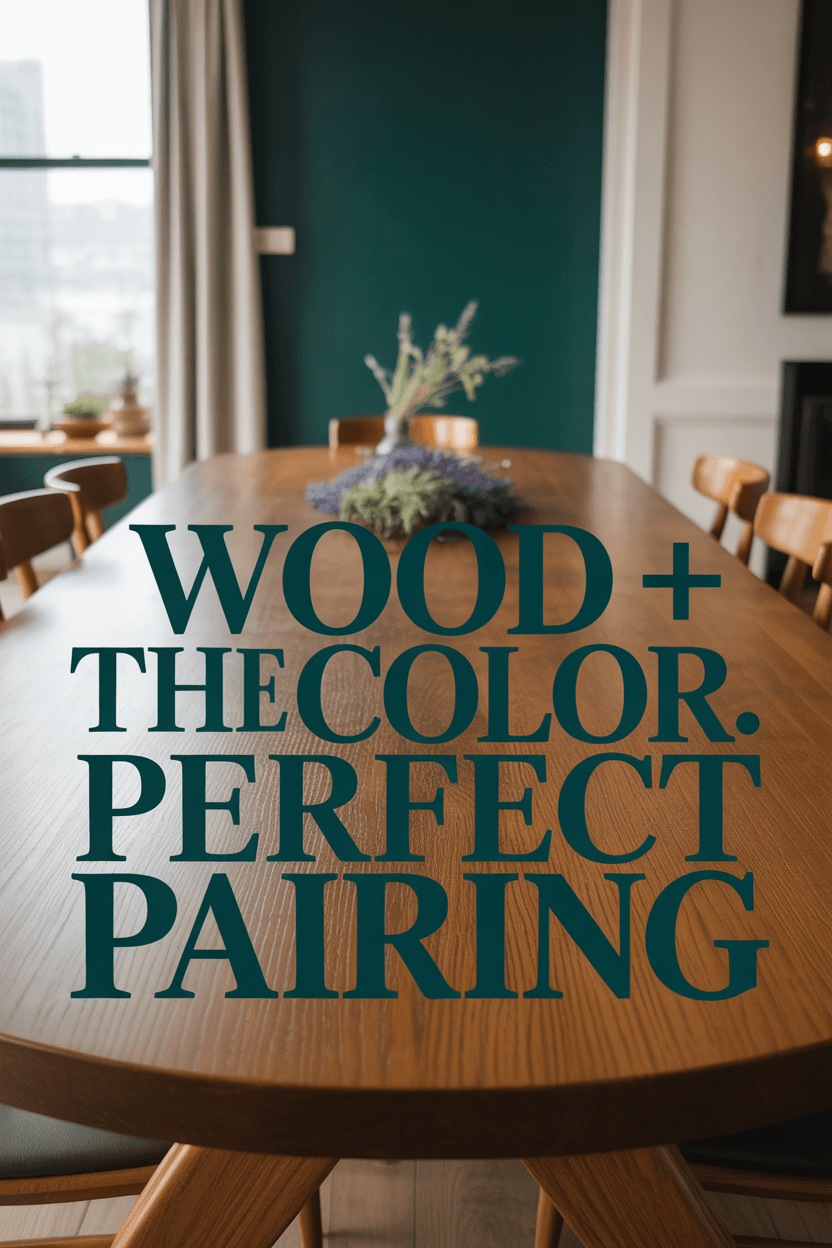
Whether your style is mid-century, modern, or British Colonial, incorporating natural wood elements is key.
Choose light or medium woods for tables, chairs, or a statement credenza to introduce a natural, grounding element.
Wood brings an organic warmth that beautifully balances cooler paint colors and adds a touch of nature.
It adds a timeless-yet-current feel that keeps the room from looking dated.
This technique is essential for creating an inviting, cozy atmosphere in an otherwise formal setting.
Play with Pattern Using Complementary Wallpaper
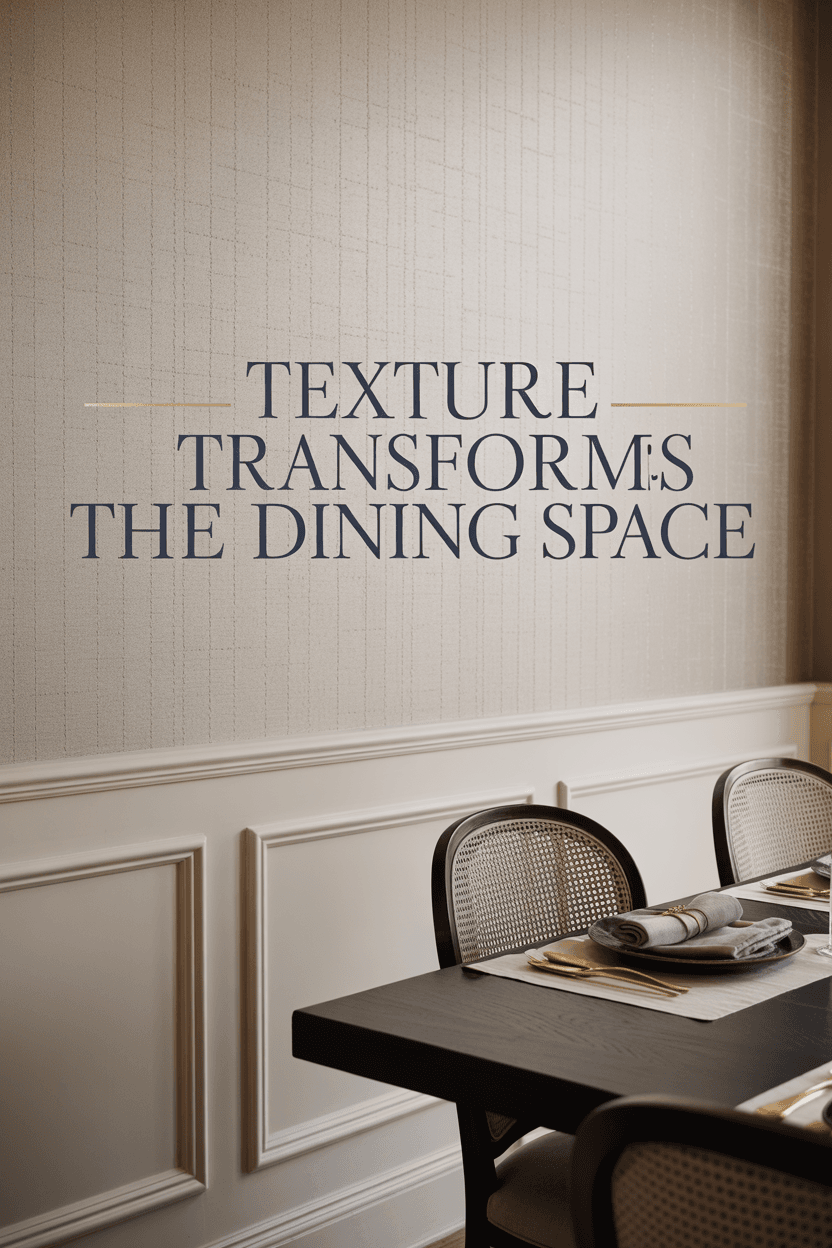
Wallpaper is an exceptional tool for introducing intricate detail and personality into a formal dining space.
Opt for simple, elegant patterns—like a subtle damask, a chic grasscloth, or a simple geometric—that echo your primary color palette.
Natural textures like grasscloth add an organic, coastal-inspired warmth and subtle dimension.
A tone-on-tone damask or geometric print provides visual interest without overwhelming the senses, maintaining the room’s elegant composure.
Wallpaper adds texture and a layer of sophistication without compromising the room’s distinguished mood.
Explore high-end wallpaper ideas to find a pattern that is classy, not tacky, for a truly exquisite finish.
How Lighting Changes Your Perception of Color
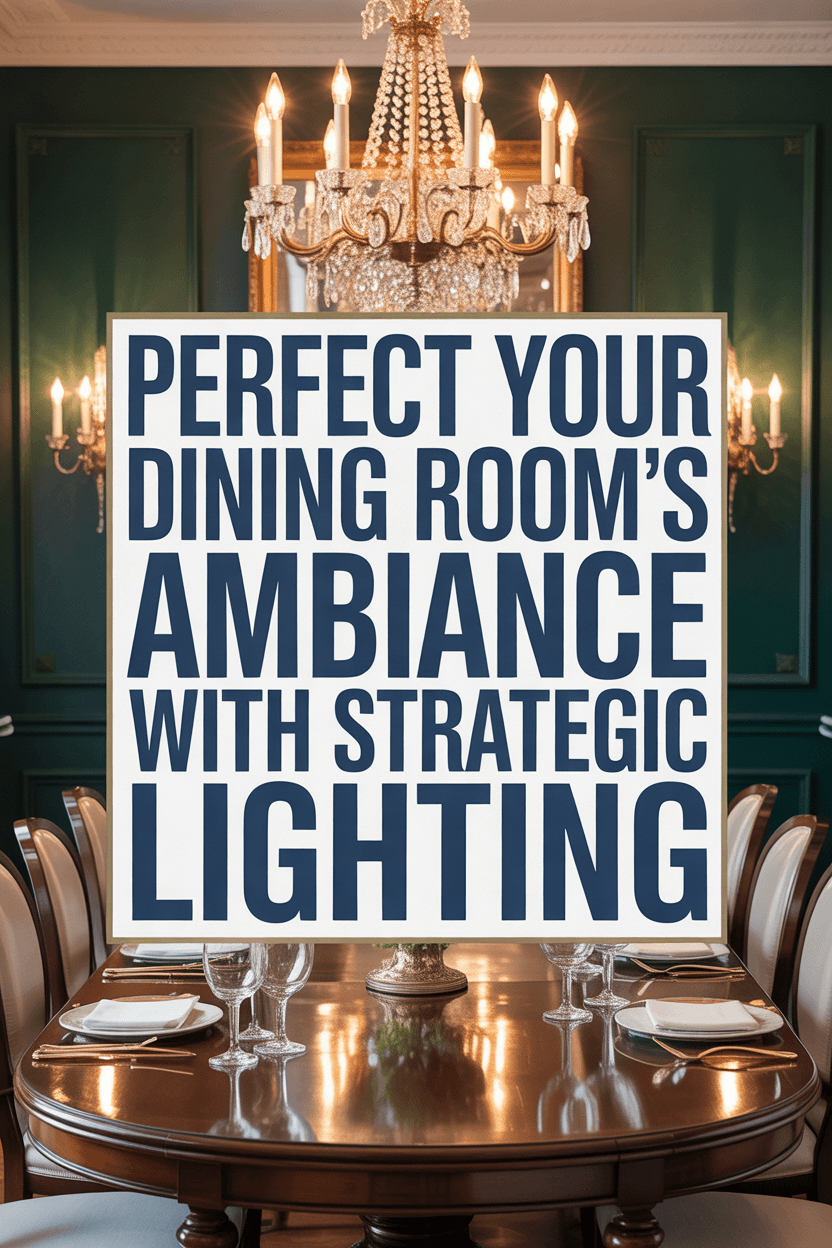
The right light is everything. It can dramatically change how your paint colors look.
Warm white lights (around 2700K) give a cozy, buttery, candlelight feel perfect for traditional or transitional dining rooms.
Cool white lights (3500K-4000K) bring crisp, modern vibes ideal for contemporary spaces, making colors appear sharper.
As this lighting guide from Architectural Digest explains, it is crucial to match the light to your decor style.
This ensures your carefully chosen colors always look their best.
Choose Bold Furniture and Upholstery for a Commanding Presence
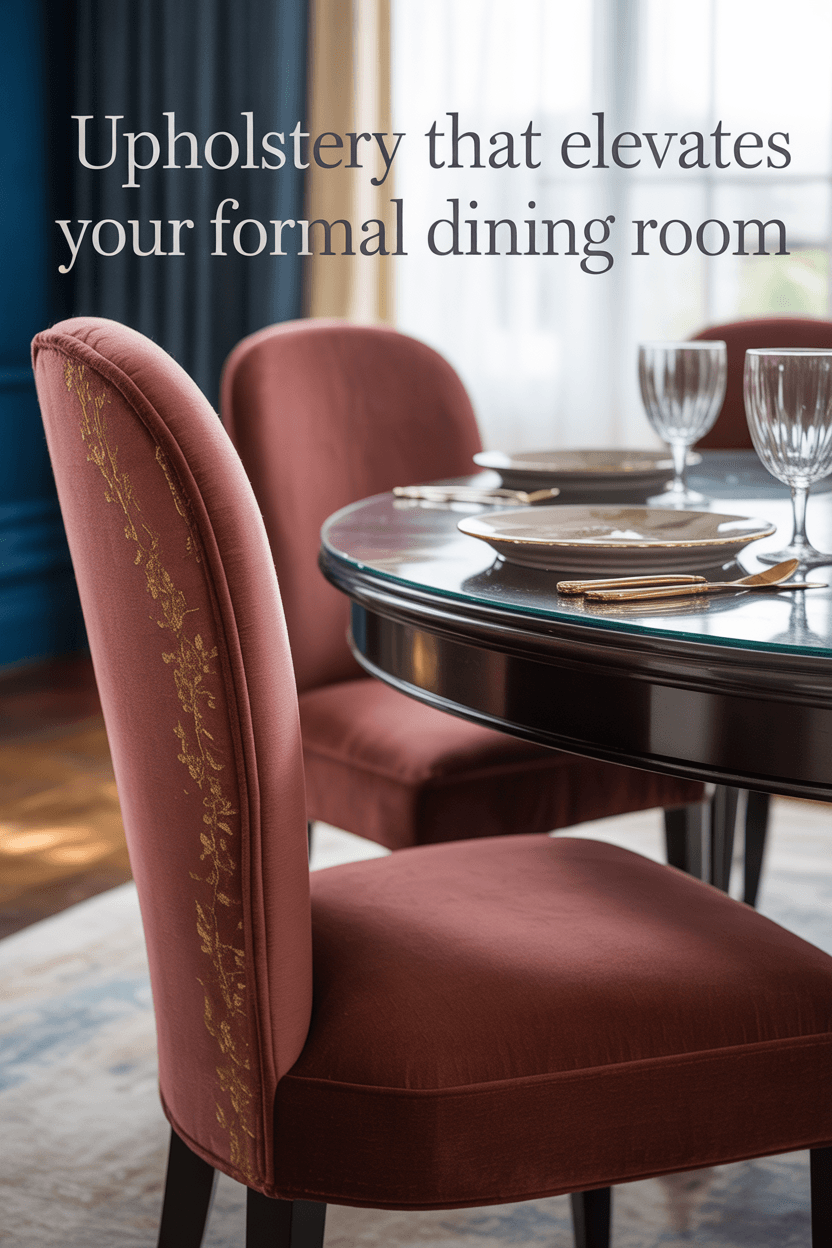
Select furniture that makes a statement. Dark leather dining chairs, sumptuous velvet host chairs, or a fully upholstered banquette in a contrasting color can add immense luxury and depth.
These pieces create an elegant contrast that grounds the room’s color scheme and adds visual weight.
Consider them the defining element of the room’s character, enhancing the entire experience without overpowering it.
For inspiration, browse professionally designed dining rooms to see how impactful furniture choices can be.
Curate a Stunning Tablescape and Centerpiece

Bring the room’s color story to the table itself, creating a cohesive and immersive experience.
Display fine china, crystal glasses, and colored charger plates that echo your wall or accent colors.
This is where you can truly lean into a theme, from Nancy Meyers-inspired coastal with blue and white ceramics to modern luxury with sleek, dark plates.
This practice, explored in many beautiful table setting ideas, ties the entire space together.
It makes guests feel as though they’re part of a carefully choreographed ballet of hues and textures.
How to Personalize Your Room with Art and Mirrors
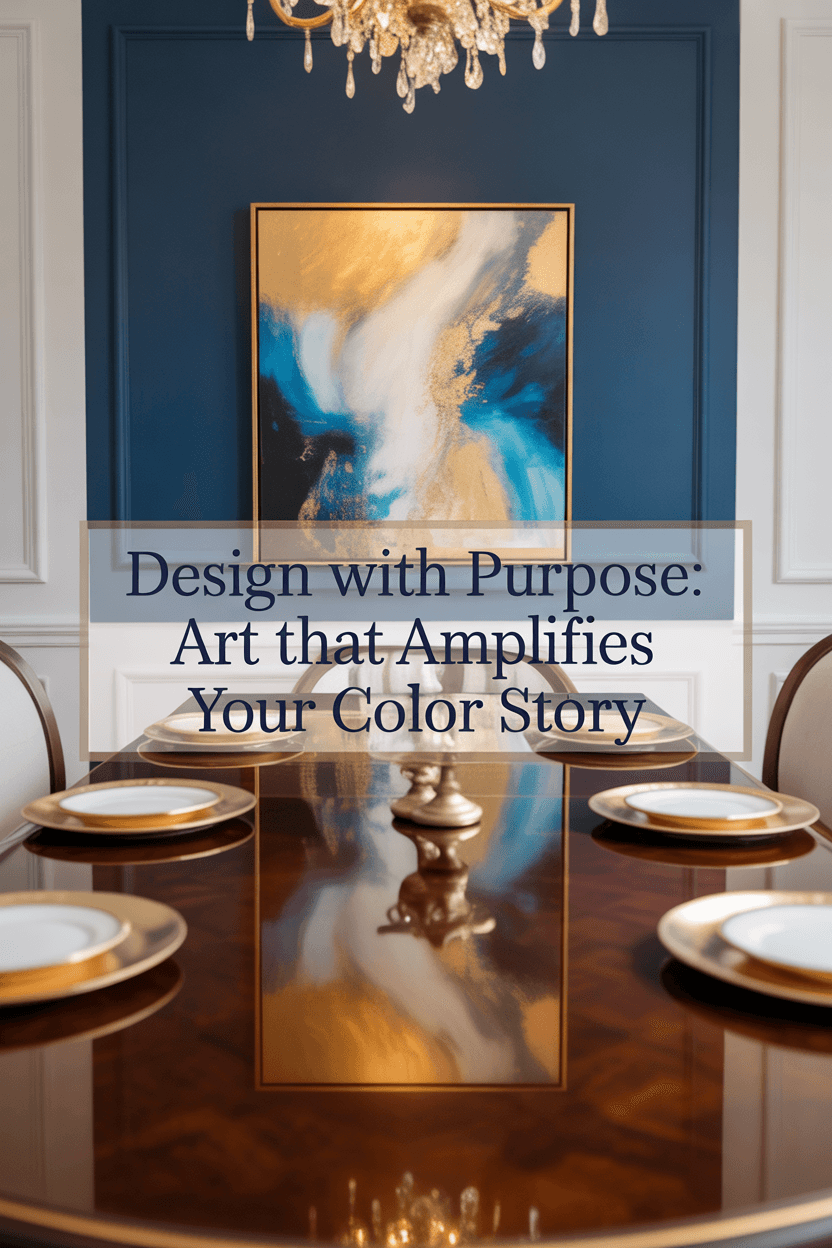
The final layer of your design is what makes it personal, reflecting your unique taste and style.
Hang large-scale framed prints, display sculptural objects, or place mirrors strategically to reflect light and color.
A gilded mirror can amplify the room’s warmth and create an illusion of space, making the area feel larger and brighter.
Abstract art can introduce new colors in a controlled, sophisticated way, tying different elements together.
These pieces should reinforce your color story, delighting the eye with each subtle flourish. Find endless ideas for dining room wall art to complete your vision.
Achieve Effortless Elegance with Seasonal Touches
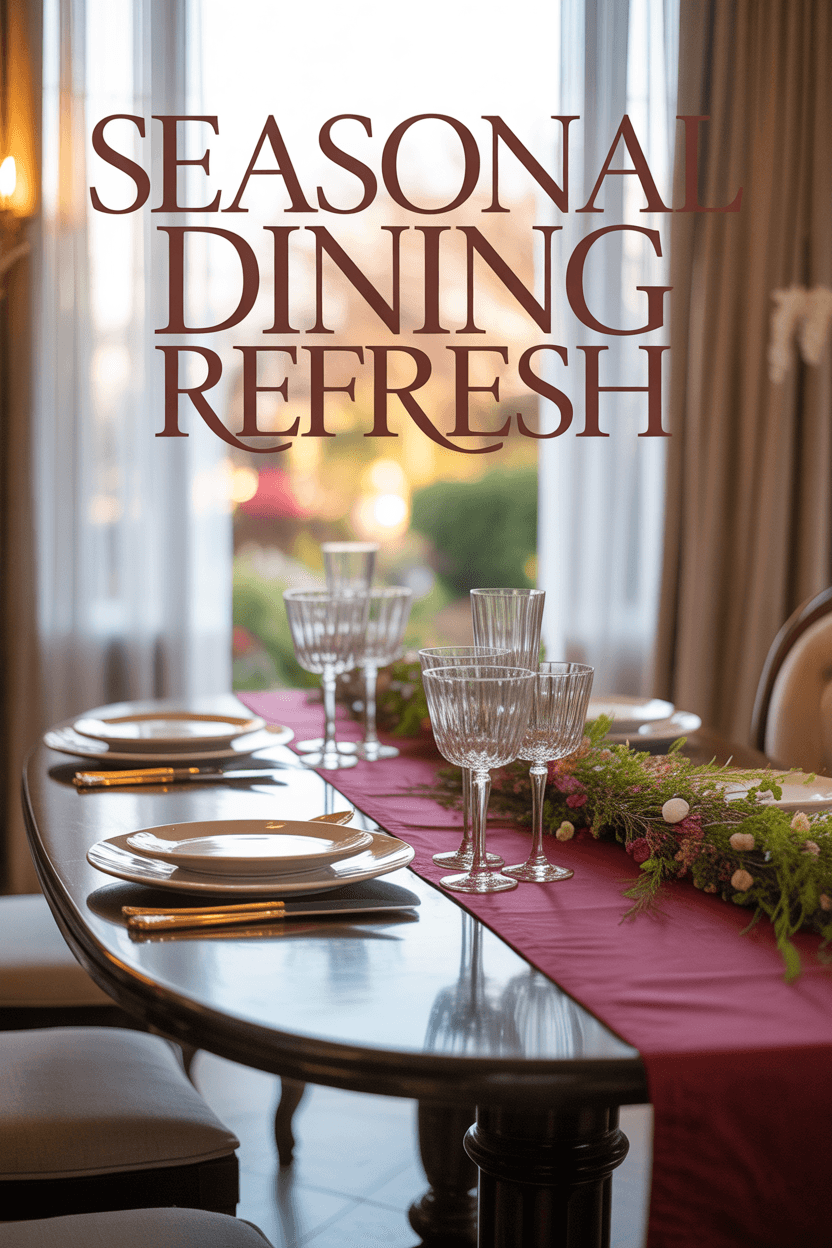
Swapping out accessories with each season is an easy way to keep your formal dining room feeling fresh.
Exchanging tablecloths, runners, pillows, and candle holders allows you to keep the space vibrant while staying true to your core colors.
Think rich velvet runners and brass candlesticks for winter, and light linen with fresh greenery for summer.
As tastemakers like Martha Stewart advise, these simple swaps ensure your dining room is always a conversation starter.
Ultimately, your dining room is a canvas for your personal brand of elegance.
With these ideas, you are ready to create an elegant interior where color speaks volumes about your sophistication.