Feast Your Eyes: Transforming Dining Rooms with Canvas Art

How Canvas Prints Can Redefine Your Dining Room
Dining room canvas prints offer a powerful way to bring visual interest and personality to your space, all without sacrificing valuable floor space. More than mere decoration, the right wall art sets the stage for memorable meals and conversations.
It has the unique ability to establish a specific mood, whether you envision a serene coastal retreat or a vibrant, modern hub. Choosing the perfect canvas can change the entire feel of your dining area.
Canvas art brings a unique combination of texture, color, and depth, making it a preferred choice for interior designers. The matte, fabric-like finish diffuses light beautifully, reducing glare and creating a soft, sophisticated look.
A well-chosen canvas instantly draws the eye, creating a centerpiece that can spark conversation and anchor your design. Use it to define the atmosphere, whether you’re aiming for lively and energetic or calm and intimate.
Unlike flat posters, the wrapped edges and woven surface of a canvas add a tactile, dimensional quality. This brings a palpable warmth and character to your walls.
Best of all, canvas allows you to express your personal aesthetic without consuming square footage, a key advantage in any dining area. Consider whether a frameless canvas or a framed print is right for you by comparing these two popular options.
How to Choose a Theme for Your Dining Room Art
The theme of your art defines the room’s entire narrative. Move beyond generic prints and choose a theme that resonates with your home’s story and enhances your meals.
For a sophisticated touch, consider gourmet and vineyard-inspired prints. Think artistic arrangements of wine bottles, deconstructed ingredients, or macro photography of pomegranates and citrus peels.
Create a calming, organic feel with lush botanicals and serene landscapes. Large-scale ferns provide a modern look, while hazy seascapes evoke a coastal vibe. For a refined take, consider classic botanical illustrations of herbs or heirloom vegetables.
Dynamic abstract compositions use bold color and form to energize a contemporary space. Conversely, subtle, tonal abstracts add texture and depth to a more neutral room.
A modern still life offers a contemporary take on a classic, featuring simple table settings or minimalist floral arrangements. For a more traditional look, choose a moody, Dutch-master-inspired still life with deep shadows and rich colors.
Abstract Emotion vs. Representational Scenes
Abstract art uses color and form to evoke a feeling, which is perfect for modern spaces where it adds energy without dictating a theme. Representational art provides recognizable imagery like a landscape or still life, telling a more direct story and serving as a wonderful conversation starter.
Chic, retro European aperitif posters or vintage advertisements for Campari or French champagne add a touch of worldly glamour. You can find many options in curated collections of dining room art.
How to Scale and Place Your Art for a Professional Impact
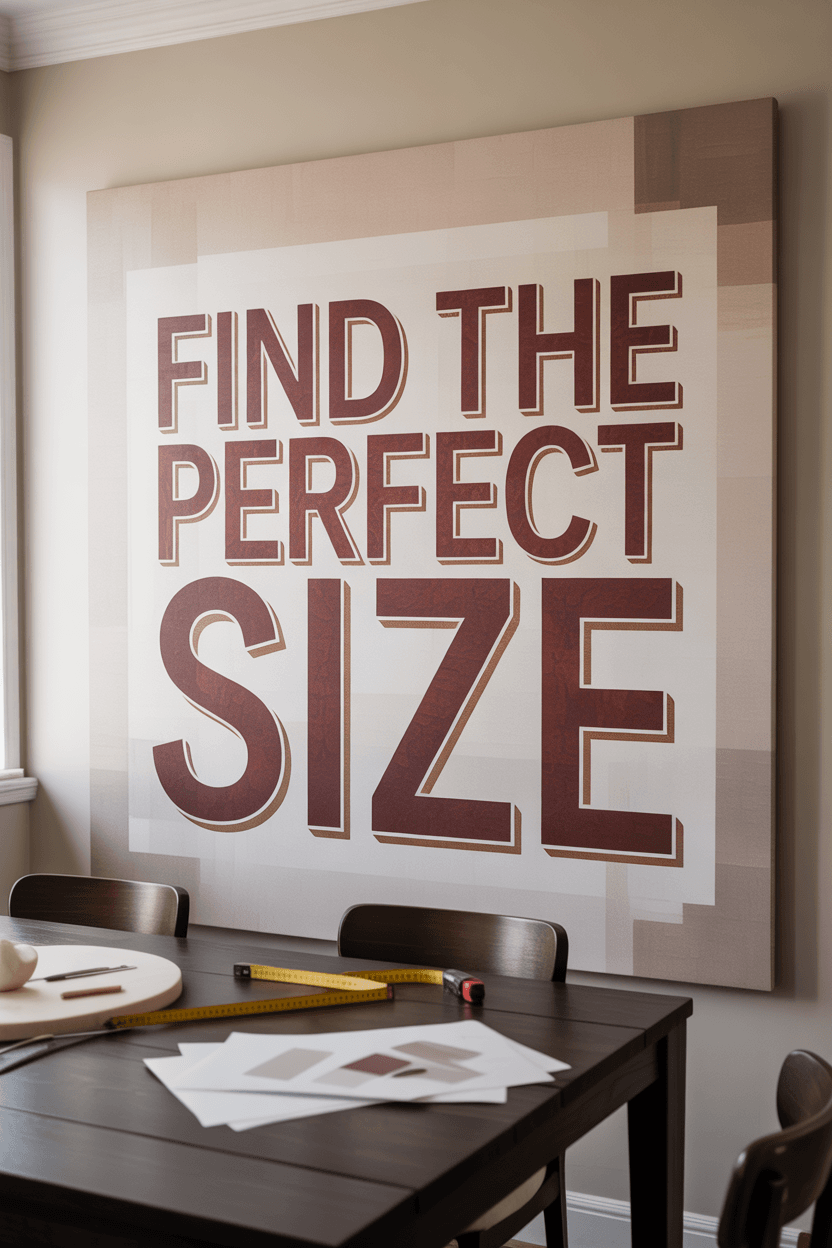
Sizing and placement are critical for ensuring your art looks intentional, not like an afterthought. An incorrectly sized or placed piece can throw off the balance of the entire room.
Follow the 2/3 to 3/4 rule: your canvas or gallery wall should occupy roughly two-thirds to three-quarters of the available wall space above a sideboard or buffet.
To create a visually pleasing anchor, ensure the canvas is not wider than the dining table or sideboard it hangs above. Learn how to select the perfect dimensions for your space.
When in doubt, err on the side of a larger piece. A small canvas on a large wall can look lost and insignificant. For a dramatic, high-end feel, an oversized canvas makes a powerful statement.
For placement, use the 57-inch rule: hang your art so the center of the piece is 57-60 inches from the floor, which is the standard eye level for an average person.
When hanging above furniture, leave a gap of 4-8 inches between the top of the sideboard and the bottom of the canvas. Before committing, have someone hold the canvas in place while you sit at the table to check sightlines.
How to Use Color to Shape Your Room’s Atmosphere
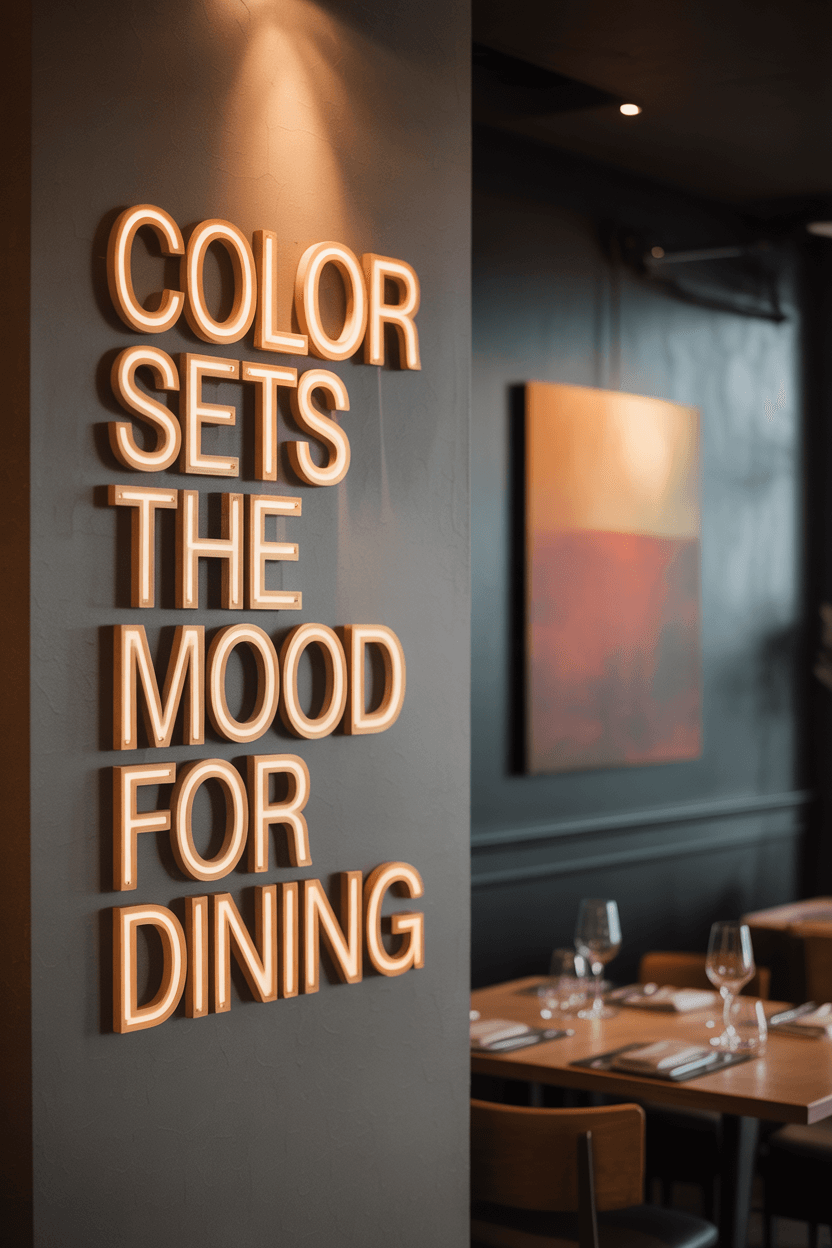
Color has a profound psychological effect and can influence everything from appetite to conversation. Use your canvas print to introduce a color palette that supports your desired dining atmosphere.
Reds, oranges, and yellows are warm, energetic colors known to stimulate appetite and conversation. This makes them a classic choice for lively dining spaces meant for entertaining.
Earthy tones like terracotta, ochre, and moss green create a grounding, natural atmosphere. These colors feel both comforting and effortlessly chic, perfect for a relaxed setting.
Blues and greens promote a sense of calm and mindful eating. They are ideal for creating a serene coastal or nature-inspired dining experience that feels like a quiet escape.
Deep purples and plums, such as shades of aubergine or dusty lavender, add an unexpected layer of sophistication. These rich colors lend a sense of luxury to a formal dining room.
A largely neutral abstract with a single, bold color splash offers versatility and modern appeal. This allows you to introduce a vibrant hue without overwhelming the space. Understanding color psychology in interior design can help you make an informed choice.
One Large Canvas or a Gallery Wall? Which Layout is Right for You?
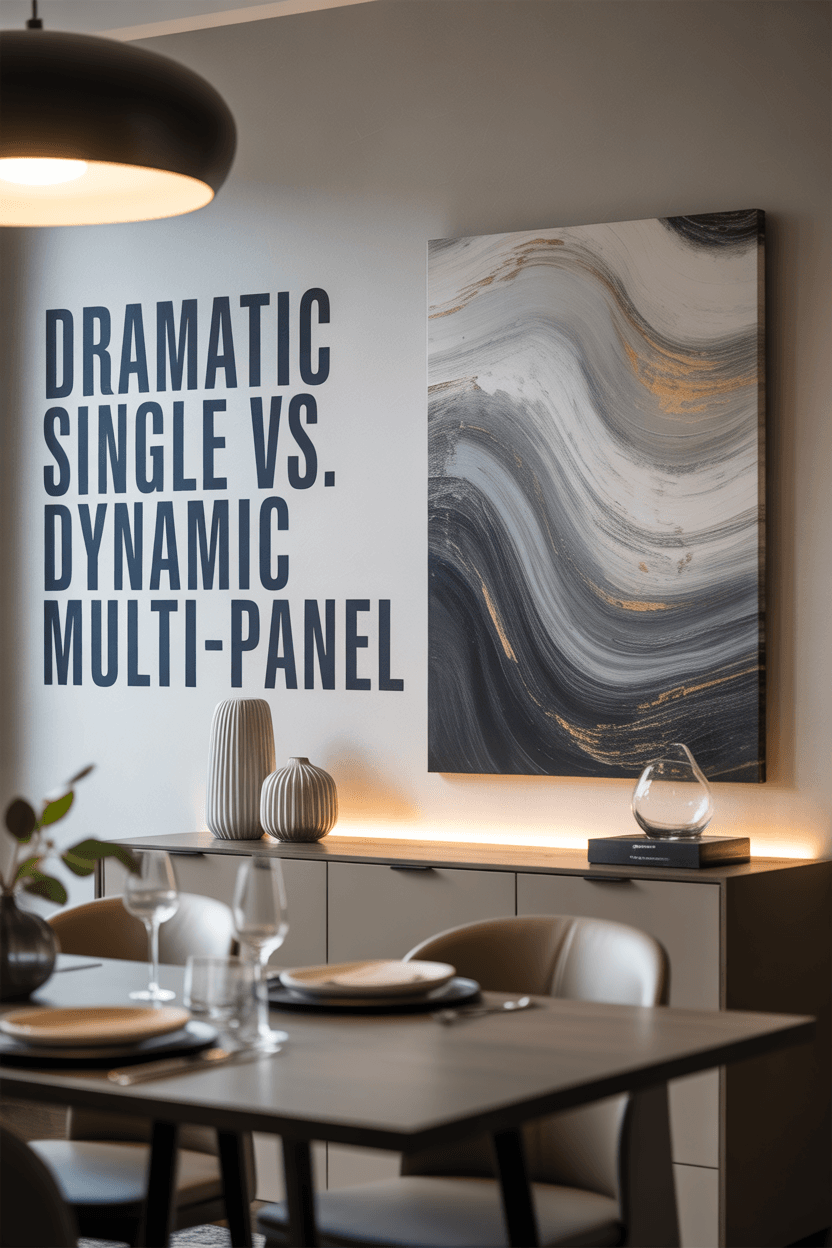
The layout of your art is a key design decision. Should you opt for one dramatic piece or a curated collection of smaller ones? The answer depends on the statement you wish to make.
A single, large statement canvas creates a powerful, singular focal point. It embodies a confident and often minimalist design approach, seen frequently in modern and Nancy Meyers-inspired interiors.
This layout is perfect for hanging above a sideboard or on a large, uninterrupted wall where it can command attention and anchor the room’s design.
A multi-panel arrangement, or gallery wall, adds rhythm and dynamic interest. This layout tells a more complex visual story and offers the flexibility to grow and change your collection over time.
A collection is ideal for eclectic, British Colonial, or transitional styles, allowing you to mix prints, photos, and even objects. Get inspired by diverse gallery wall ideas before you begin.
For a seamless look with diptychs or triptychs, learn how to hang multi-panel art correctly.
How to Create a Flawless Dining Room Gallery Wall
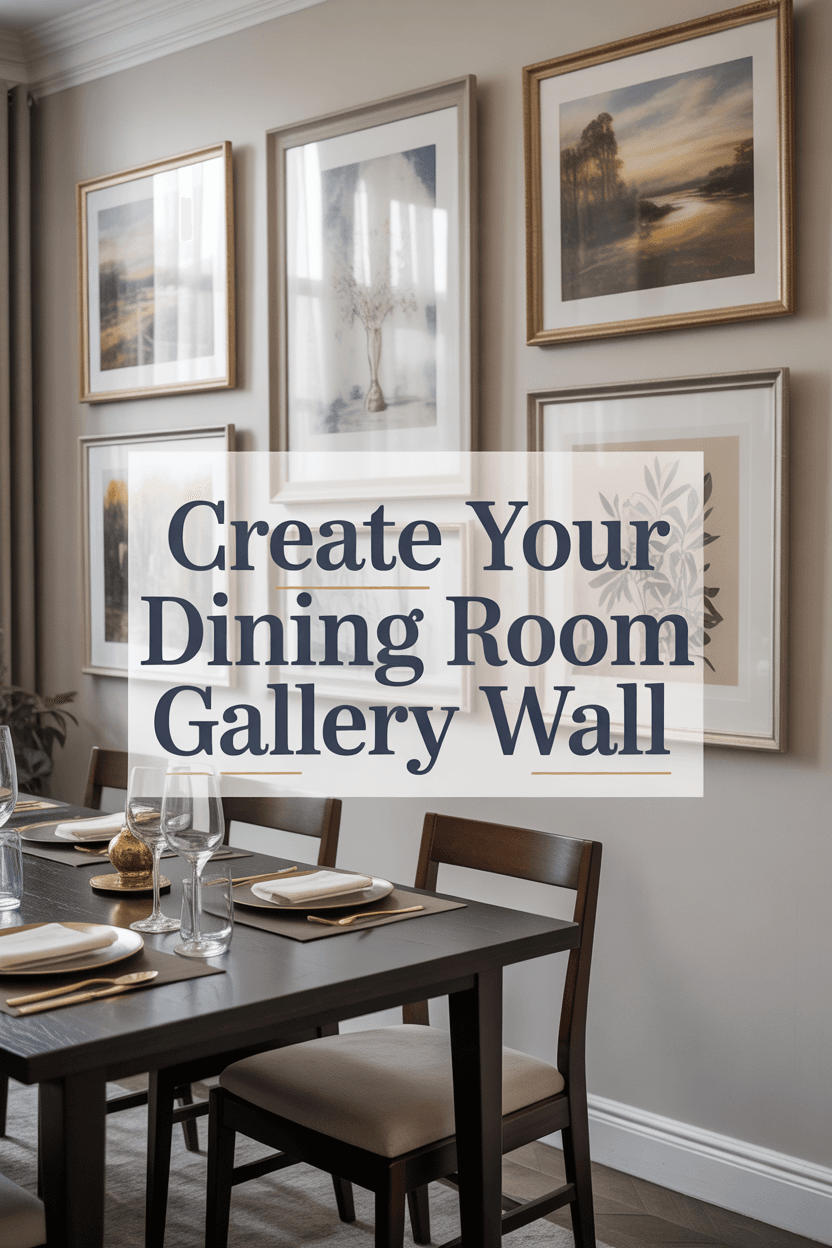
A gallery wall is a fantastic way to display a collection of smaller canvases, photographs, and prints. The key to a successful arrangement is thoughtful planning and a unifying element.
To create a cohesive, designer look, find a common thread. This could be a consistent color palette (e.g., all black and white), a single subject matter (e.g., botanicals), or identical framing.
Before hammering any nails, arrange your pieces on the floor to visualize the layout. Take a photo of the final arrangement to use as your guide during installation.
Maintain a tight, consistent spacing of 2-3 inches between each piece. This negative space is crucial for creating a professional, polished look that feels intentional.
Begin by placing your largest or most central canvas first. This “anchor piece” will ground the arrangement, allowing you to build the rest of the collection out from there.
Finally, balance the visual weight across the arrangement. Distribute large and small, and light and dark pieces evenly so that one side doesn’t feel heavier than the other. You can follow a professional guide to plan your gallery wall for a flawless result.
How to Match Canvas Art to Your Decor Style
Your canvas print should feel like a natural extension of your home’s aesthetic. Matching art to your decor style creates a harmonious and professionally designed feel.
For Modern & Contemporary spaces, choose bold abstract compositions, large-scale geometric patterns, or minimalist line art. The focus is on form, color, and clean lines.
In Traditional rooms, opt for classic still life paintings, pastoral landscapes, or equestrian prints. Adding a “floater” frame to a canvas can provide a more substantial, finished look.
To achieve a Nancy Meyers & Coastal aesthetic, select oversized, simple landscapes, serene beach scenes, or large-scale botanicals. Use soft, muted palettes for an effortlessly sophisticated and calming atmosphere.
Mid-Century Modern design calls for graphic prints with clean lines and retro-inspired abstracts. Look for palettes featuring mustard yellow, teal, burnt orange, and walnut tones.
For an Eclectic or British Colonial style, mix and match confidently. A gallery wall might feature travel photography, botanical prints, and abstract sketches, unified by a consistent frame style or color family. You can find options for every style from retailers like Great Big Canvas.
How to Beautifully Display Custom Photo Canvases
Transform your most cherished memories into gallery-worthy art that tells your family’s story. Custom photo canvases add a deeply personal and meaningful layer to your home’s design.
A candid black-and-white photo from a family dinner or celebration has a timeless, photojournalistic appeal. It captures emotion and memory in an artistic way.
Consider artistic, close-up shots of food. A beautiful photo of a birthday cake, a vibrant holiday feast, or hands making pasta can become a stunning piece of personal art.
An expansive landscape from a family vacation or an architectural detail from a favorite city can transport you. These pieces serve as daily reminders of meaningful experiences.
For a whimsical and heartwarming display, scan a beloved piece of your child’s artwork. Having it professionally printed on canvas makes it a treasured keepsake.
You can even create a themed collage from a single event or trip for a dynamic, storytelling piece. Use a service like Shutterfly to easily bring your favorite photos to life on canvas.
Where to Find Affordable Art That Looks Luxurious
Creating a beautiful dining room doesn’t require a massive art budget. With savvy shopping, you can find stunning pieces that look far more expensive than they are, proving canvas is a stylish and affordable choice.
Online print-on-demand services like iCanvas, Society6, and Art.com offer a vast selection of art from emerging artists at accessible price points. You can filter by color, style, and size.
Purchase high-resolution digital art files from artists on Etsy for a minimal cost. You can then have them printed on canvas by a local shop or online service, giving you control over size and quality.
Don’t forget your own photography. Turn your best high-resolution travel photos or family moments into personal, meaningful art that is entirely unique to you.
Keep an eye out at thrift stores, flea markets, and estate sales. You can often discover unique, original pieces that add an unmatched sense of character and history to your space.
To keep costs down, stick to standard canvas sizes like 16×20″, 24×36″, or 30×40″. Custom sizing will almost always be more expensive.
The Final Touch: How to Light Your Dining Room Art
Proper lighting is the final step that makes your art truly shine. In a room used for evening entertaining, it transitions your canvas from simple decor to a true focal point.
For a true gallery feel, install a dedicated picture light above a significant piece. This focused illumination adds drama and a sense of importance to the artwork.
Adjustable track lighting provides the ultimate flexibility. It allows you to aim multiple lights exactly where you need them and easily adjust as your art collection changes over time.
Choose the right bulbs to render colors beautifully. Opt for warm LED lighting (2700K-3000K) to create an inviting glow without the harshness of cool, blue-toned light.
Dimmer switches are essential in a dining room. They allow you to create a brighter setting for cleanup and a soft, ambient glow that enhances the mood during dinner.
When positioning your fixtures, be mindful of glare. Aim lights at an angle to avoid creating harsh reflections or distracting shadows on the canvas surface. Good lighting can illuminate your favorite pieces like a museum.
Effortless Seasonal Updates for a Fresh Look
One of the easiest ways to keep your home feeling fresh and current is to rotate your decor seasonally. Canvas art provides a simple yet high-impact way to reflect the changing seasons.
A picture ledge installed above your sideboard makes swapping smaller accent prints incredibly simple and tool-free. This allows for frequent updates without damaging your walls.
In spring, bring the outdoors in with fresh botanicals, soft green landscapes, and light watercolor florals. These themes add a sense of renewal and airiness to the dining room.
For summer, embrace vibrant and saturated themes. Think sunny beach scenes, saturated fruit prints, and photography from a warm-weather getaway.
As fall arrives, switch to warm-toned harvest imagery, moody landscapes, and earthy abstracts in shades of ochre, rust, and deep green. This creates a cozy, inviting atmosphere.
In winter, opt for art that enhances a feeling of comfort and elegance. Serene snowy scenes, cozy interior shots, or sophisticated black-and-white prints are all excellent choices. For more inspiration, see these designer dining room tips.
How to Care for Your Canvas Prints to Make Them Last
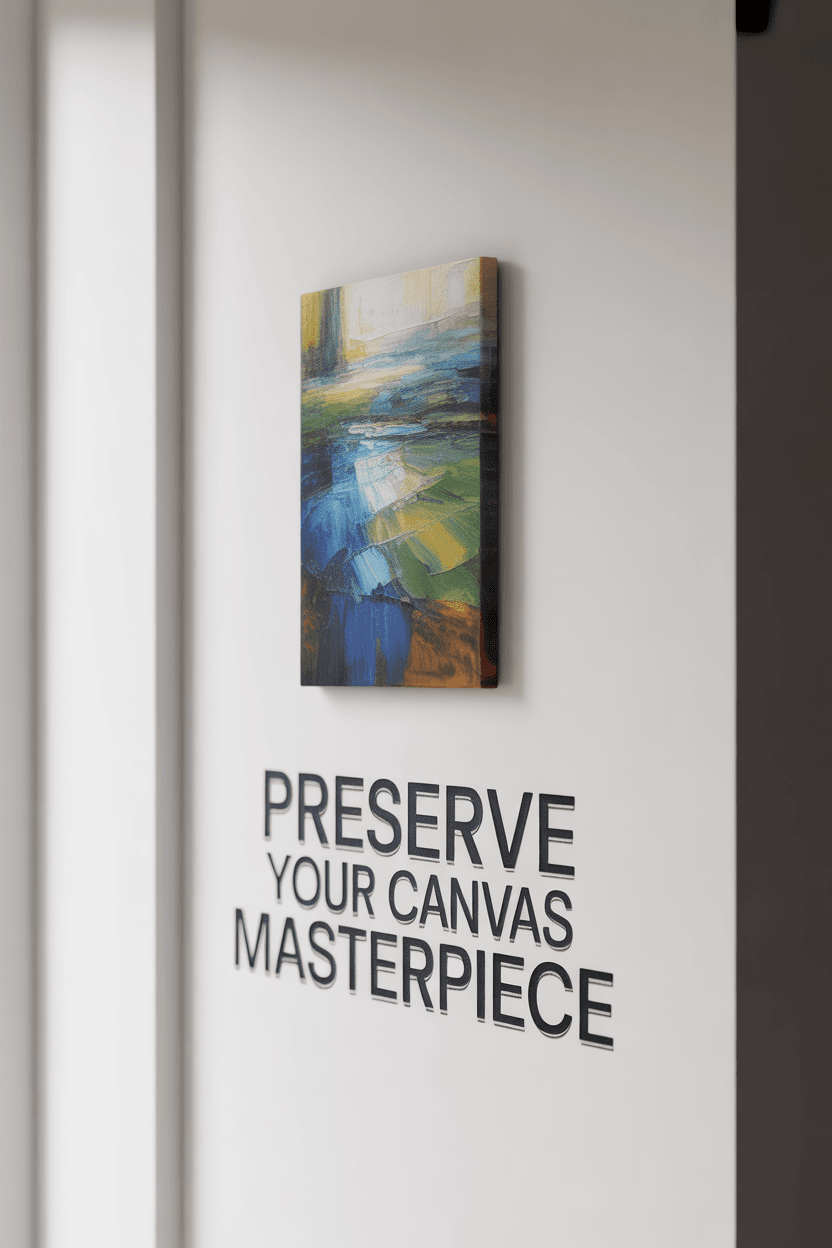
To ensure your canvas art remains beautiful for years to come, it’s important to hang and care for it properly. The biggest threats to longevity are direct sunlight, humidity, and heat.
Avoid hanging important pieces in direct sunlight. The powerful UV rays can cause the colors in your print to fade significantly over time. Choose a wall that doesn’t get harsh, direct light.
Steer clear of high heat and humidity. Never hang canvas prints directly above radiators, active fireplaces, or in areas with high steam, such as right next to a stove.
To clean your art, simply use a soft, dry microfiber cloth to gently dust the surface and edges. Never use water, chemical cleaners, or abrasive materials on the canvas.
For valuable prints or those hung in more vulnerable environments, a UV-protective varnish can be applied by a professional. This adds an extra layer of defense against fading and damage. Following a professional care guide will protect your art.